
Browse Articles by Category

Colonial Era
American Revolution

The New Nation

National Expansion and Reform

Civil War and Reconstruction (Coming Soon)
An Expression of the American Mind
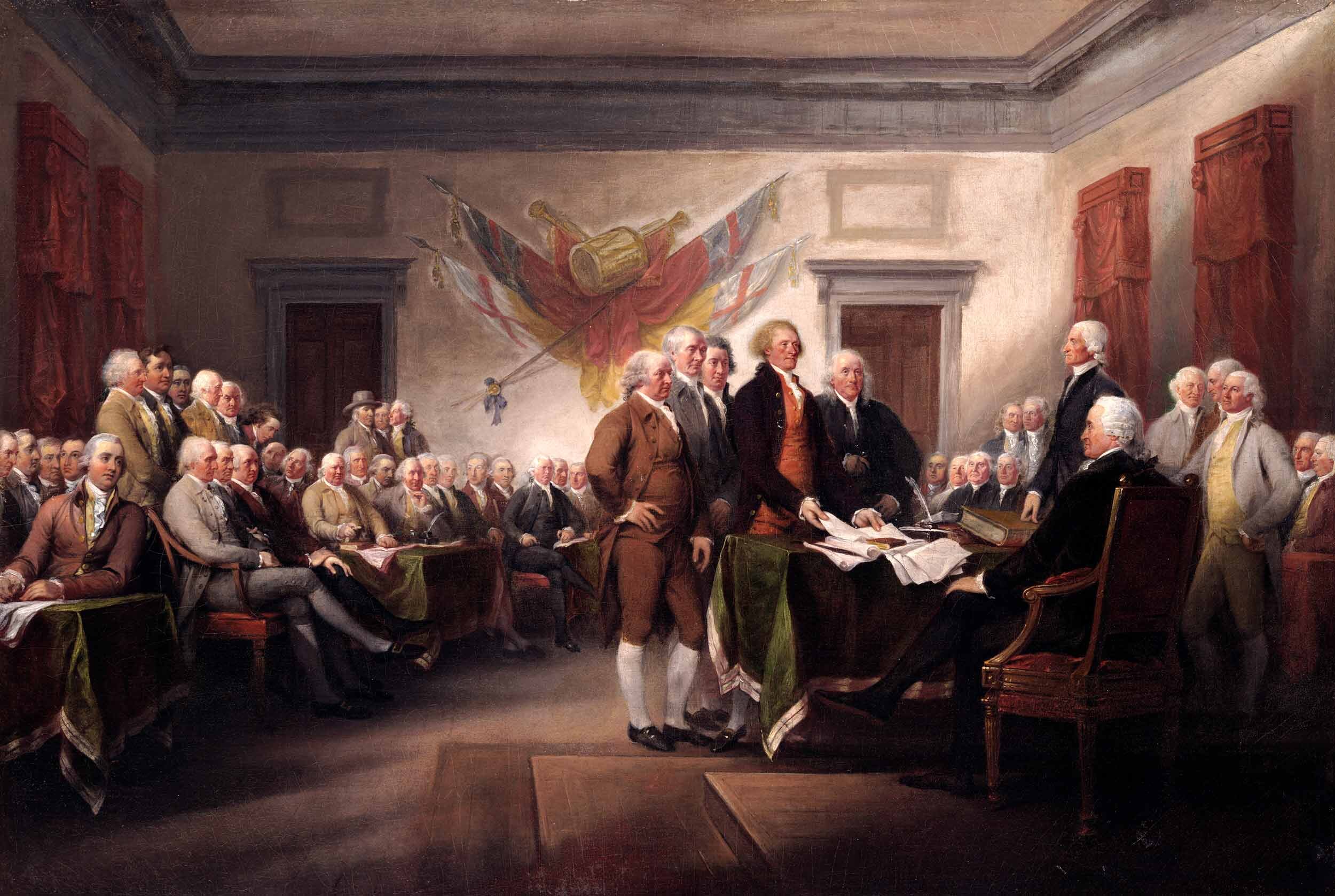
On May 15, 1776, the fifth Virginia Convention meeting in Williamsburg passed a resolution calling on their delegates at the Second Continental Congress to declare a complete separation from Great Britain. Accordingly, on June 7, Richard Henry Lee rose and introduced into Congress what has come to be known as the Lee Resolution.
The Election of 1800
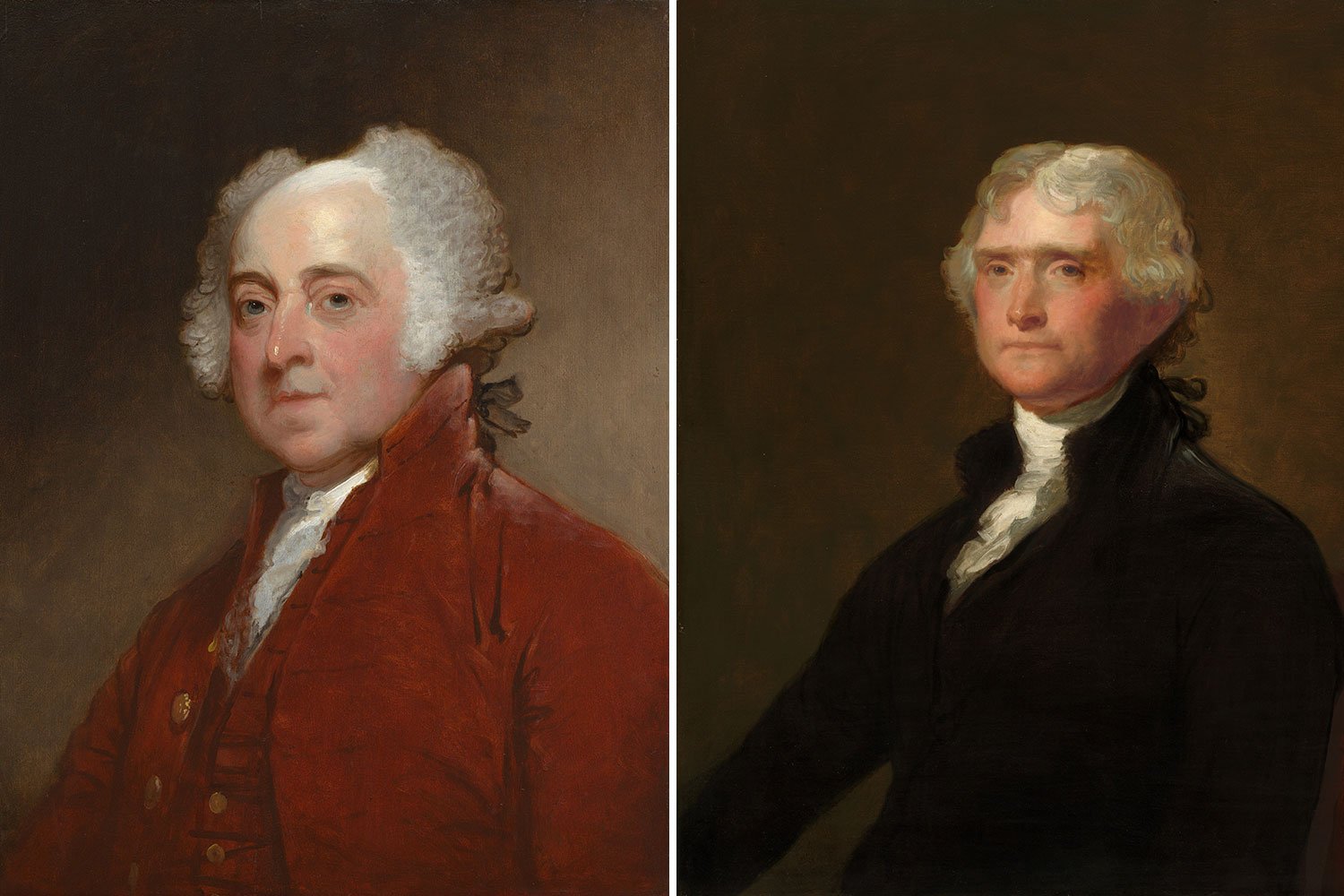
The Presidential election of 1800 was one of the most controversial and consequential in the history of the United States. It represented a true changing of the guard as the Federalist party of Washington, Hamilton, and Adams gave way to the Democratic-Republican ideals of Jefferson and Madison and took the United States in a different direction for a generation to come.
The Legacy of John Adams
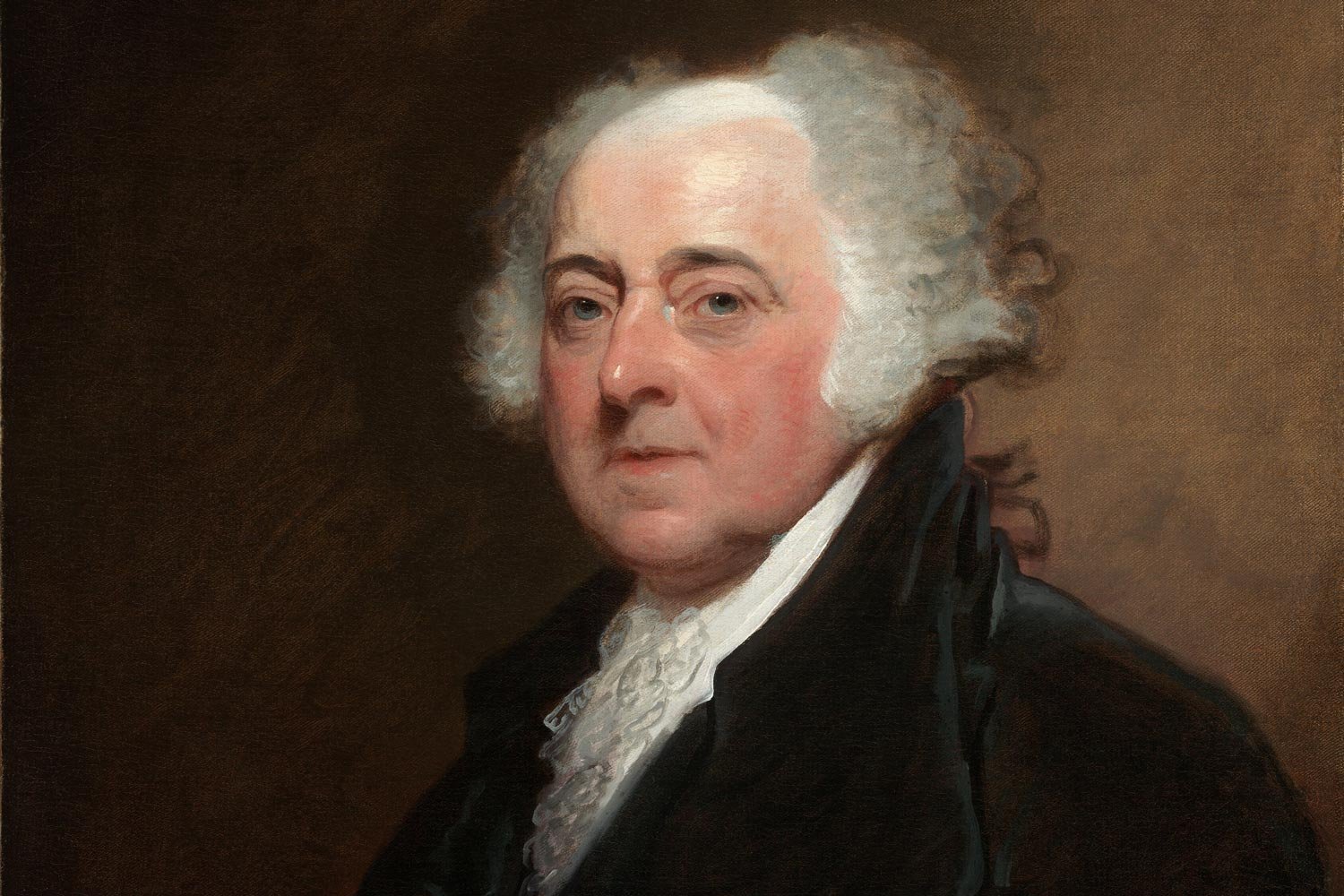
John Adams’s loss to Thomas Jefferson in the presidential election of 1800 was a great disappointment for Adams as he felt he deserved another term based on his accomplishments during his four years as President. But Adams accepted the verdict of the Electoral College and looked forward to the next phase of his life.
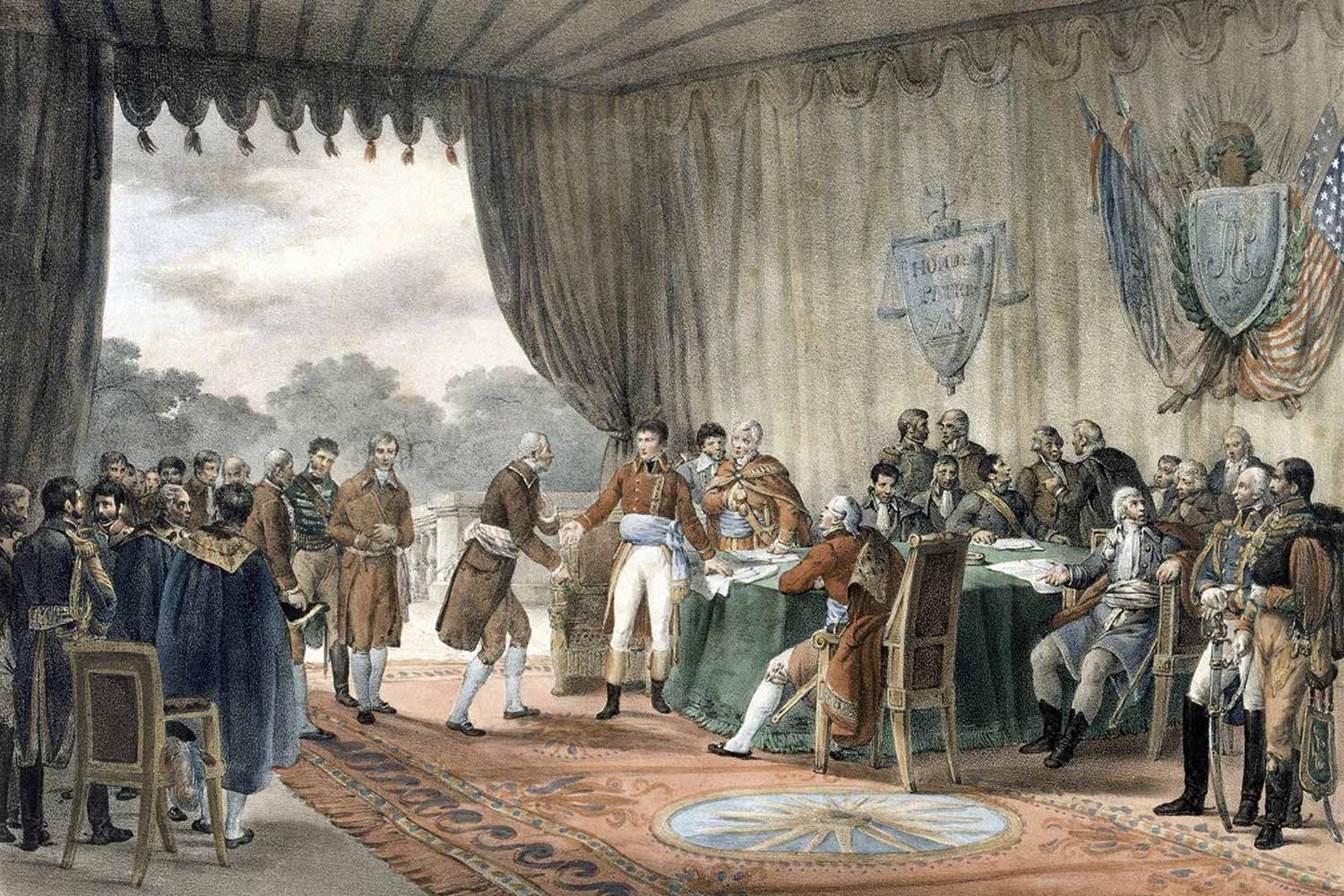
The End of the Quasi-War
The only fighting in the Quasi-War occurred at sea, and mostly in the Caribbean. But with war at a fever pitch and French interests so close by in Louisiana, there was a very real concern in Congress about a possible French invasion of the United States from the west.
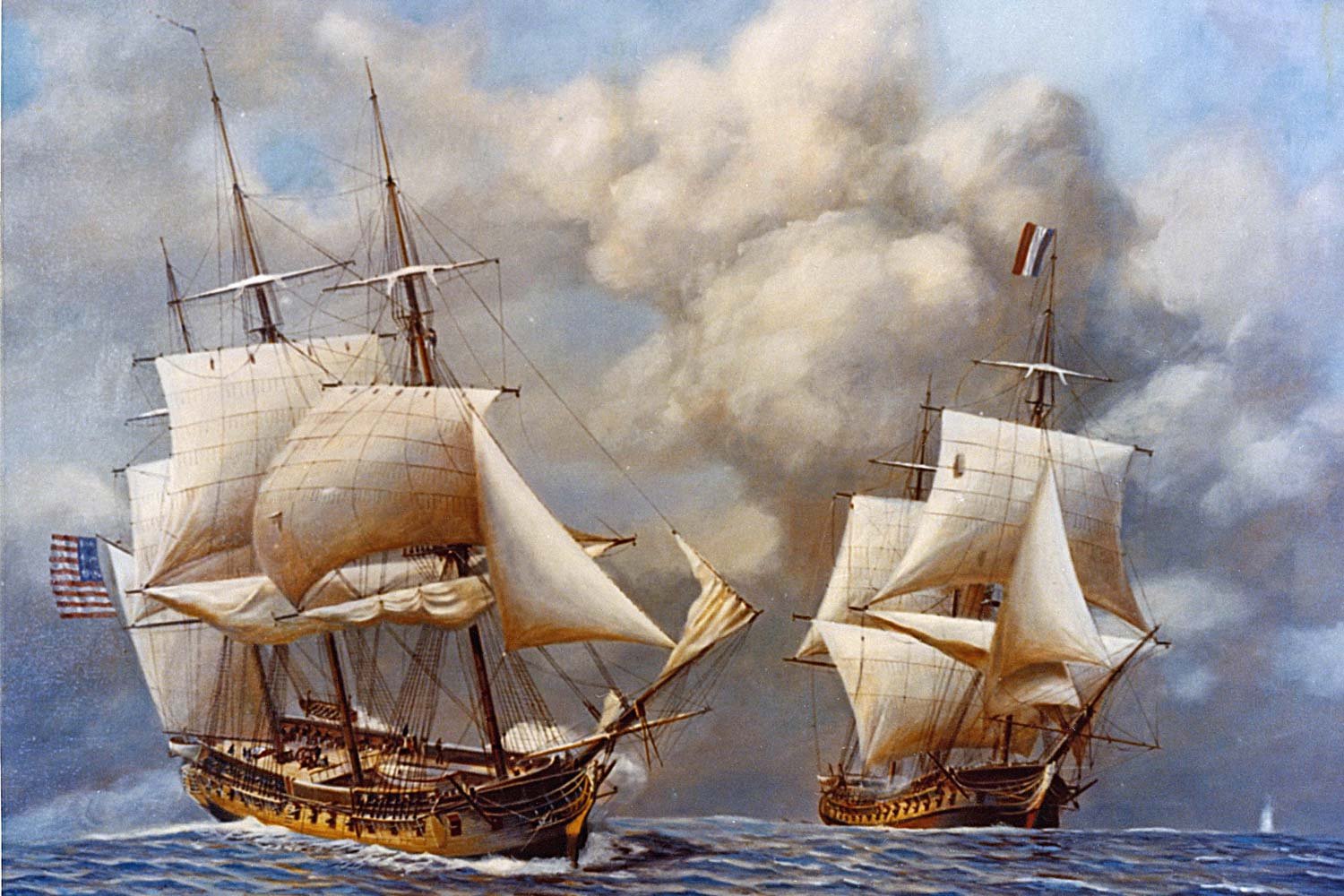
The Quasi-War with France
Between 1798 and 1800, the United States fought an undeclared war with France called the Quasi-War, or Half War, because it was not formally recognized by Congress. It was largely a naval conflict fought in the Caribbean and southern coast of America and developed because of a series of related events that soured the formerly strong relationship between the two nations.
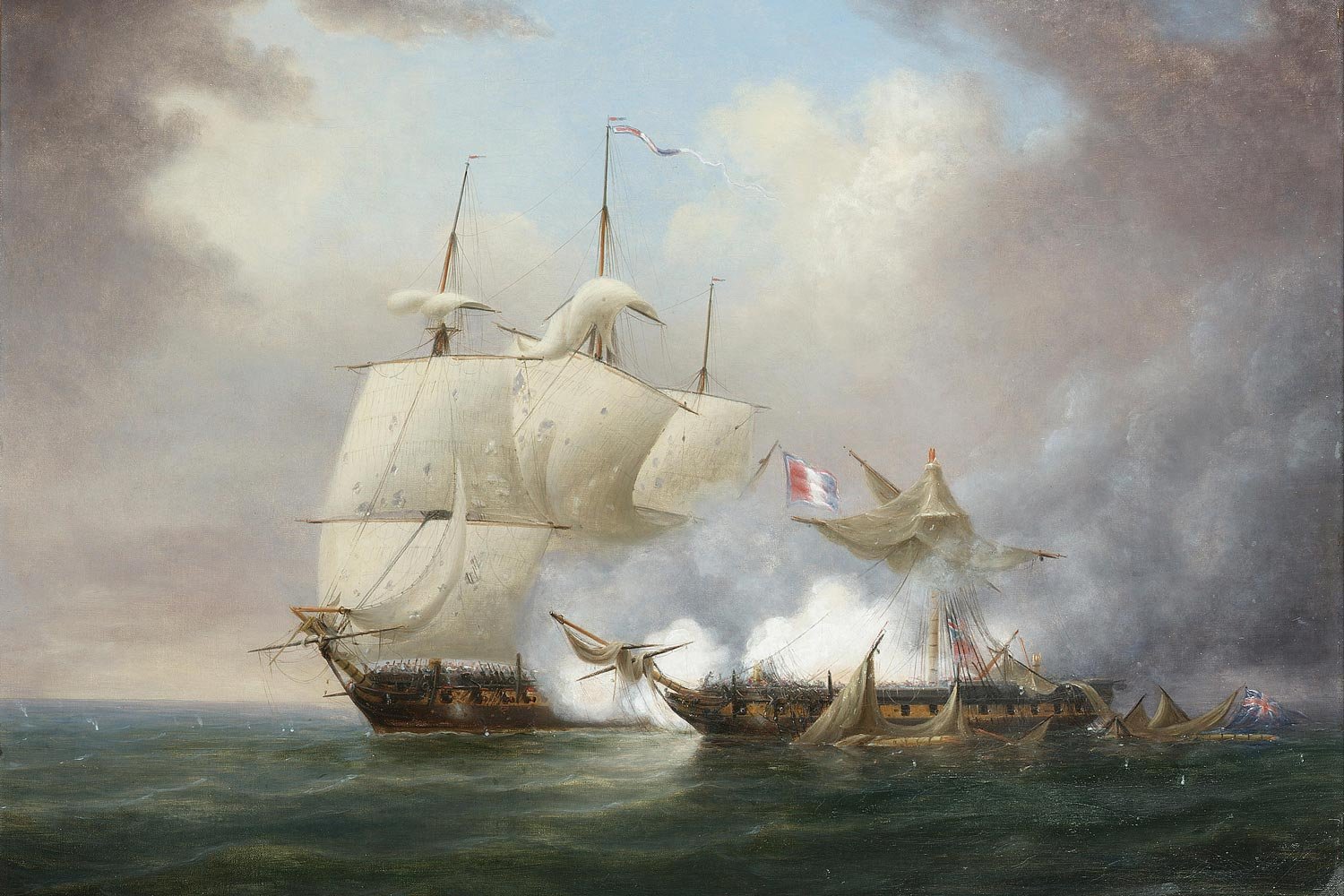
Relations with France Fall Apart
America’s first armed conflict with a foreign nation following the American Revolution was not the War of 1812, but rather a mostly forgotten fight called the Quasi-War. Although little known today, in its time it made a significant impact on the course of American history, affecting trade, the creation of the United States Navy, and a presidential election.
The Alien and Sedition Acts
The disrespect shown to the United States by France in the XYZ Affair in the spring of 1798 pushed the Federalists who controlled Congress to pass the Alien and Sedition Acts, a series of four laws, which President John Adams reluctantly signed into law in July. Posterity has viewed these measures harshly, but it is important to view them from the lens of 1798 and not modern times. At the time of their enactment, although many had reservations, the rationale behind them was not entirely groundless.
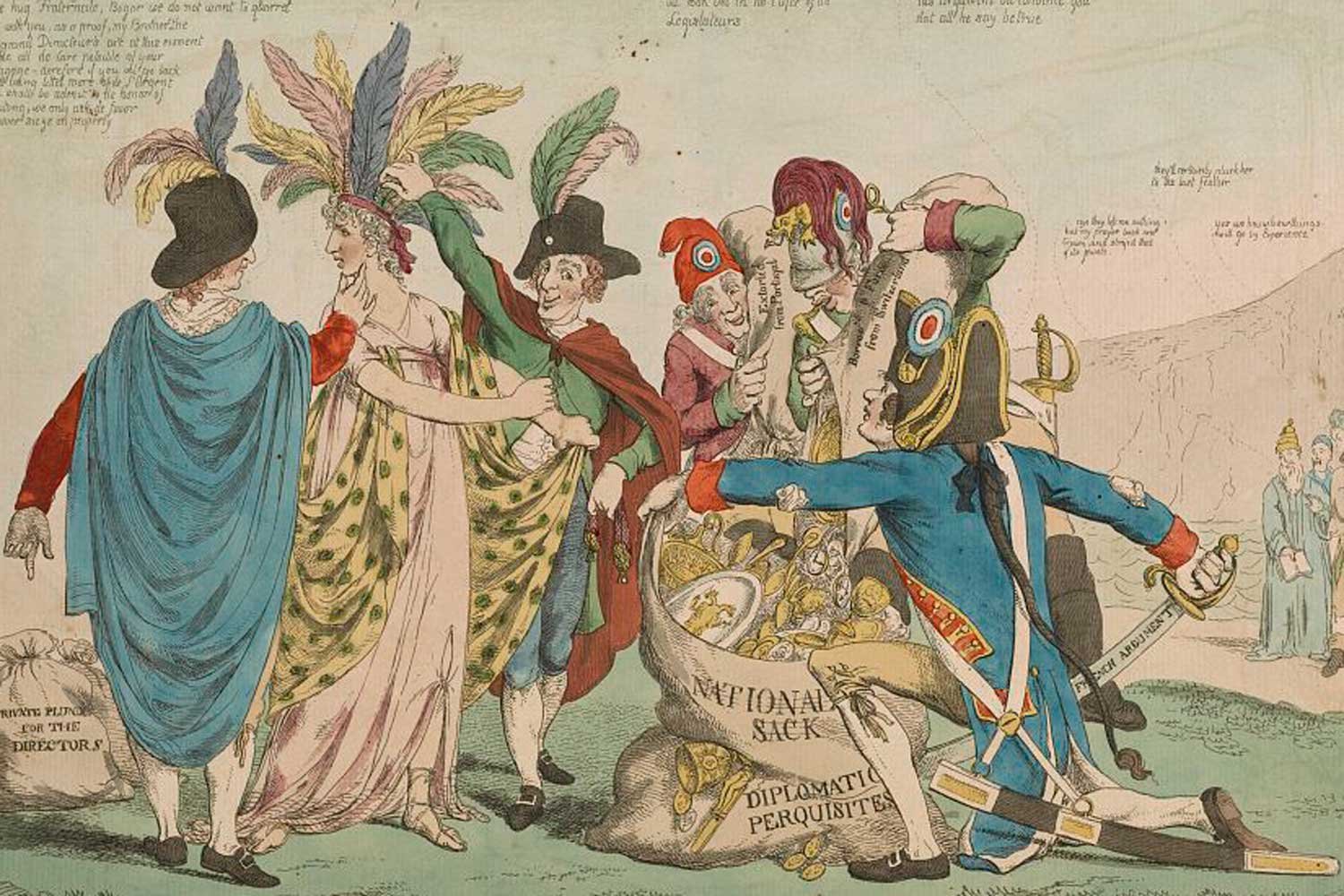
The XYZ Affair
On March 4, 1797, John Adams was sworn in as the second president of the United States and began a four-year stretch that would be dominated by a deteriorating relationship with France. Adams would also see a decrease in support from his own Federalist Party as the supremely conscientious Adams pursued policies that he deemed best for the country, but not necessarily best for the party or his popularity.
The Rise of John Adams
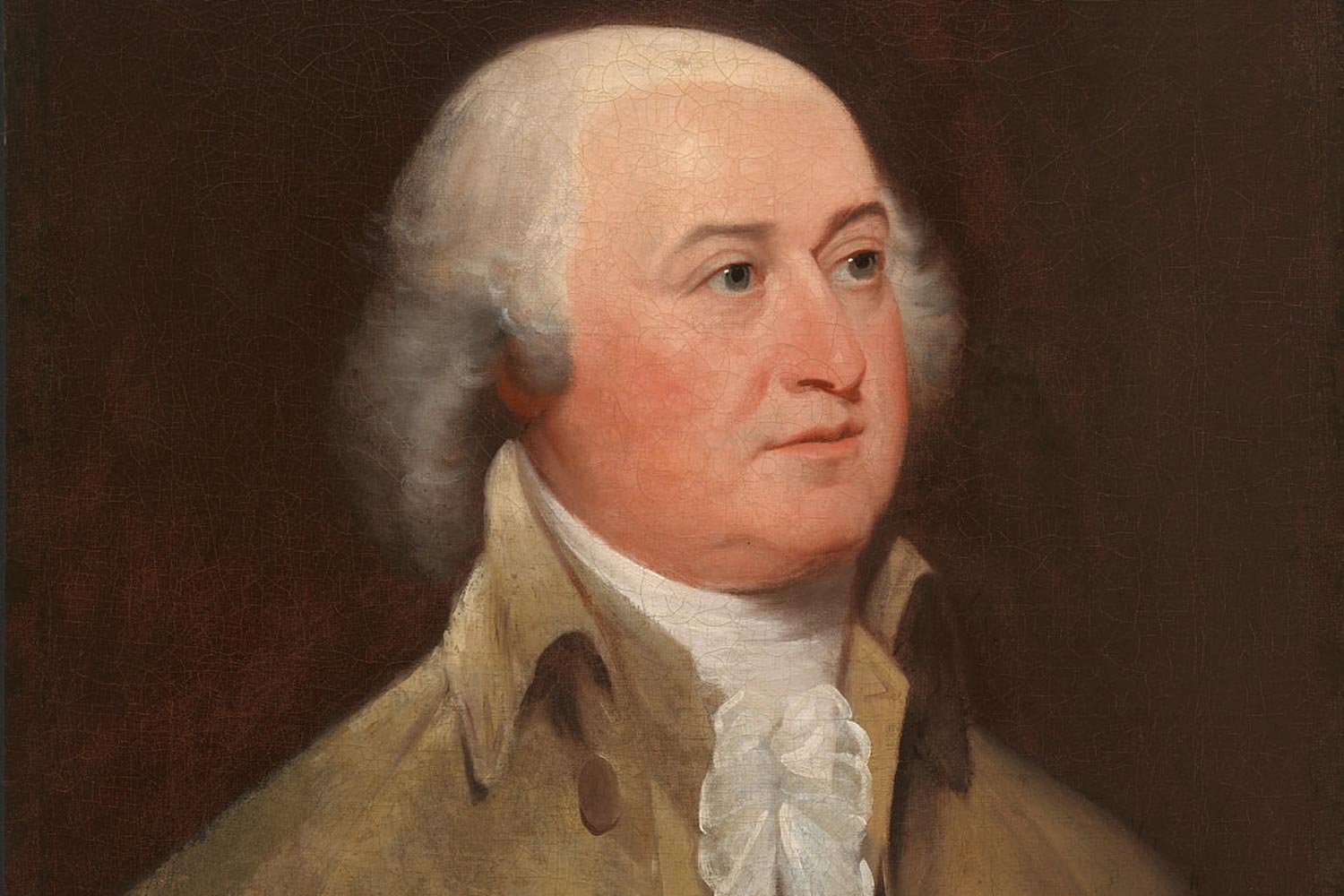
John Adams was one of America’s greatest patriots from the Founding generation. From gaining unanimous agreement from state delegations to the Declaration of Independence to obtaining favorable terms in the Treaty of Paris, Adams may have contributed more to America gaining her independence than anyone other than George Washington.
The Election of 1796
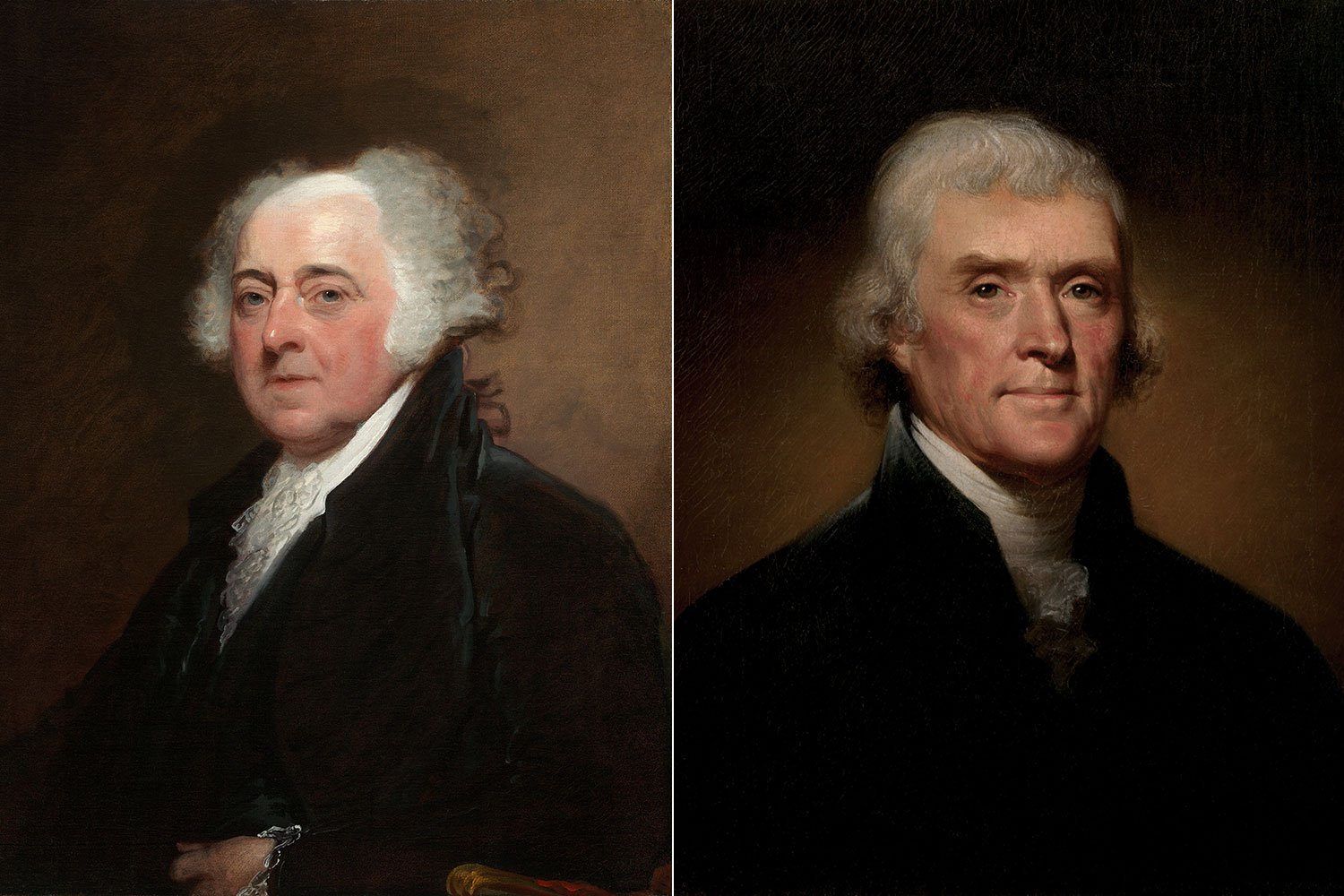
After serving two terms as President, George Washington decided to not seek a third and instead retire from public life. His decision led to the country’s first contested presidential election in the fall of 1796, pitting Thomas Jefferson against Vice President John Adams. Arguably, no presidential election in the history of the United States has ever featured a choice between two such American titans.
American Revolution Ends with the Treaty of Paris
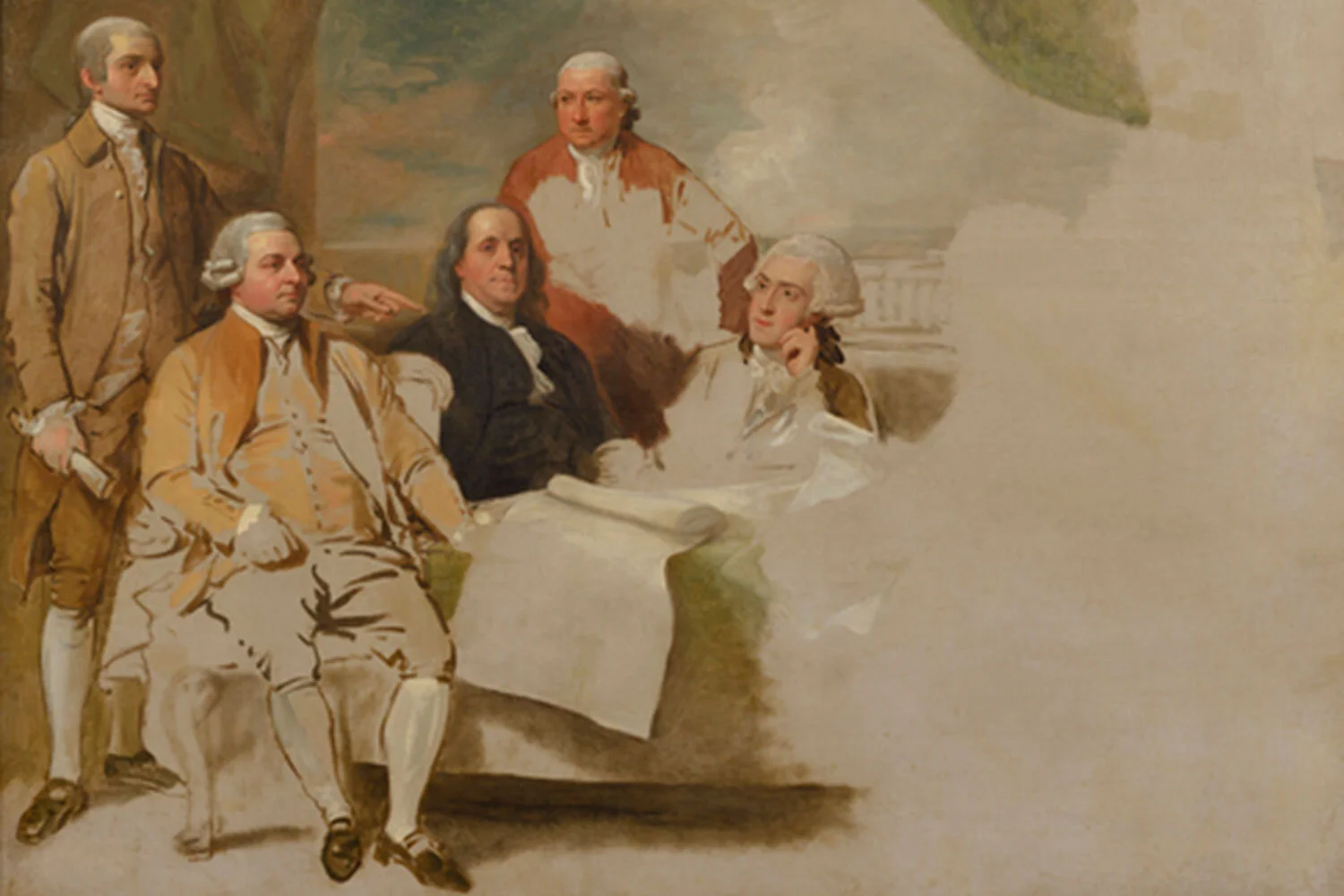
After Lord Charles Cornwallis surrendered to General George Washington in Yorktown on October 19, 1781, English officials reached the painful conclusion that the war was simply too costly to continue. Not only was the war in North America expensive to prosecute, but it was also a distraction from England’s defense of their more lucrative possessions elsewhere in the world, such as the sugar islands in the Caribbean and trading posts in India.
The Quasi-War and Its Aftermath
The only fighting in the Quasi-War occurred at sea, and mostly in the Caribbean. But with war at a fever pitch and French interests so close by in Louisiana, there was a very real concern in Congress about a possible French invasion of the United States from the west.