
Browse Videos by Category

Colonial Era
American Revolution

The New Nation

National Expansion and Reform

Civil War and Reconstruction (Coming Soon)
War of 1812, Part 37: The Star-Spangled Banner
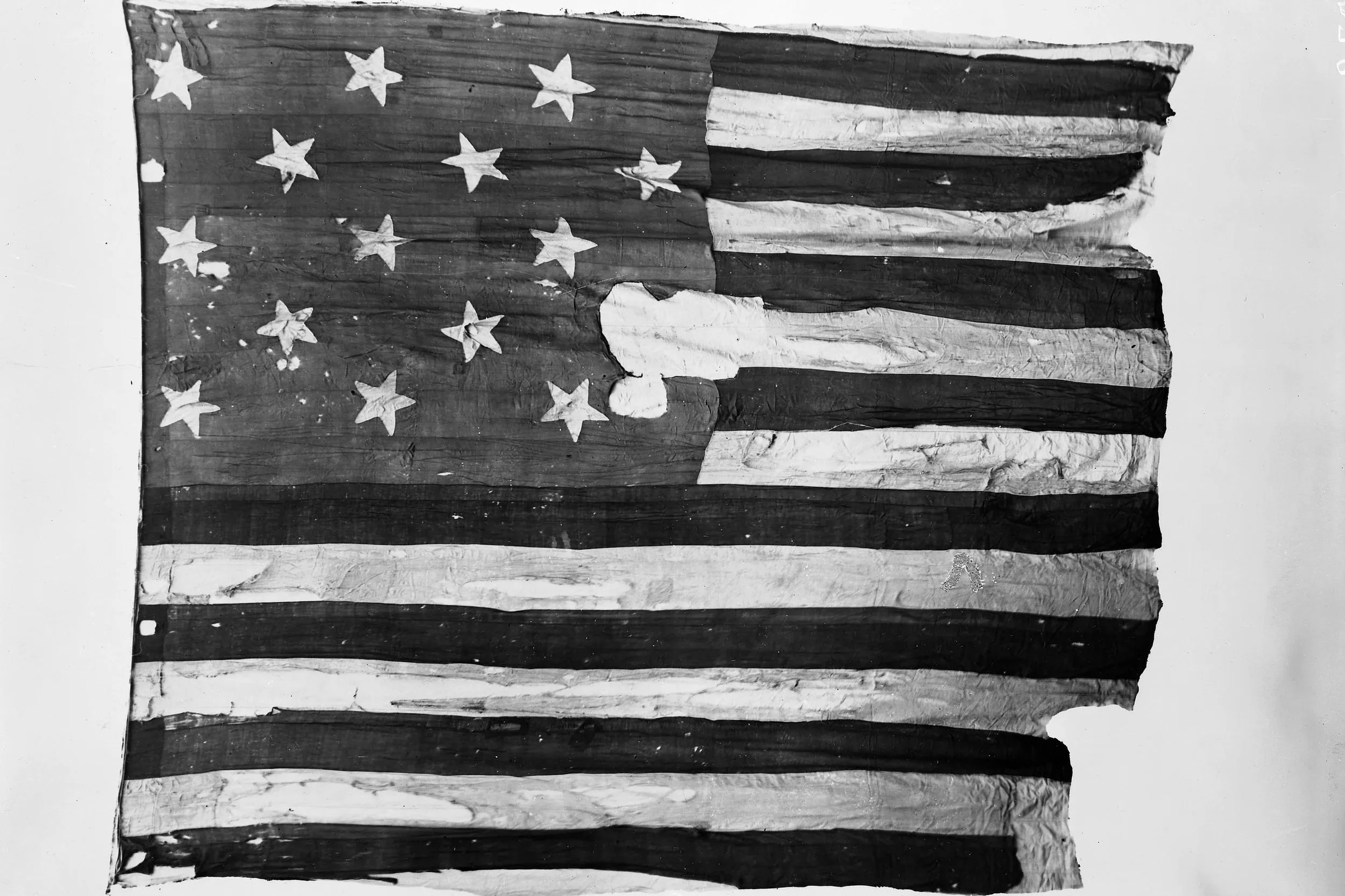
Francis Scott Key’s inspiration for writing the Star-Spangled Banner came about due to the oddest circumstances. Doctor William Beanes, a 65-year-old physician, had been thrown into the brig aboard HMS Tonnant by British General Robert Ross for Beanes’ role in capturing some British stragglers during their advance on Washington. Key, a charming Georgetown lawyer, visited Ross on September 7 to plead for Beanes’ release. Although Key was successful, Admiral Alexander Cochrane refused to release Key and Beanes until after the Battle of Baltimore. Key was returned to his vessel roughly eight miles from Fort McHenry, and it was from this modest sloop that he followed the action with his spyglass. Throughout that long day and into the night, Key watched the bombardment with dreaded anticipation but, shortly after dawn on September 14, the morning sky brightened and the American flag became visible against the clouds.
War of 1812, Part 36: By Dawn’s Early Light
After burning Washington on August 24, 1814, the next target for the British was Baltimore, with its tremendous ship building facilities. The British landed east of the city at North Point and General Samuel Smith, commander of the American forces, sent a brigade under General John Stricker to check their advance. On September 12, the British commenced their assault, but the American militiamen did not run as they had at the Battle of Bladensburg. For nearly two hours, they put up a stout defense before the British veterans drove them from the field. The next day, British Admiral Alexander Cochrane commenced a bombardment of Fort McHenry, which guarded Baltimore’s inner harbor. Shortly after midnight, the bombardment increased in intensity and, for the next three hours, the red glare of rockets and shells bursting over Fort McHenry provided an incredible sight.
War of 1812, Part 35: The Baltimore Riots of 1812
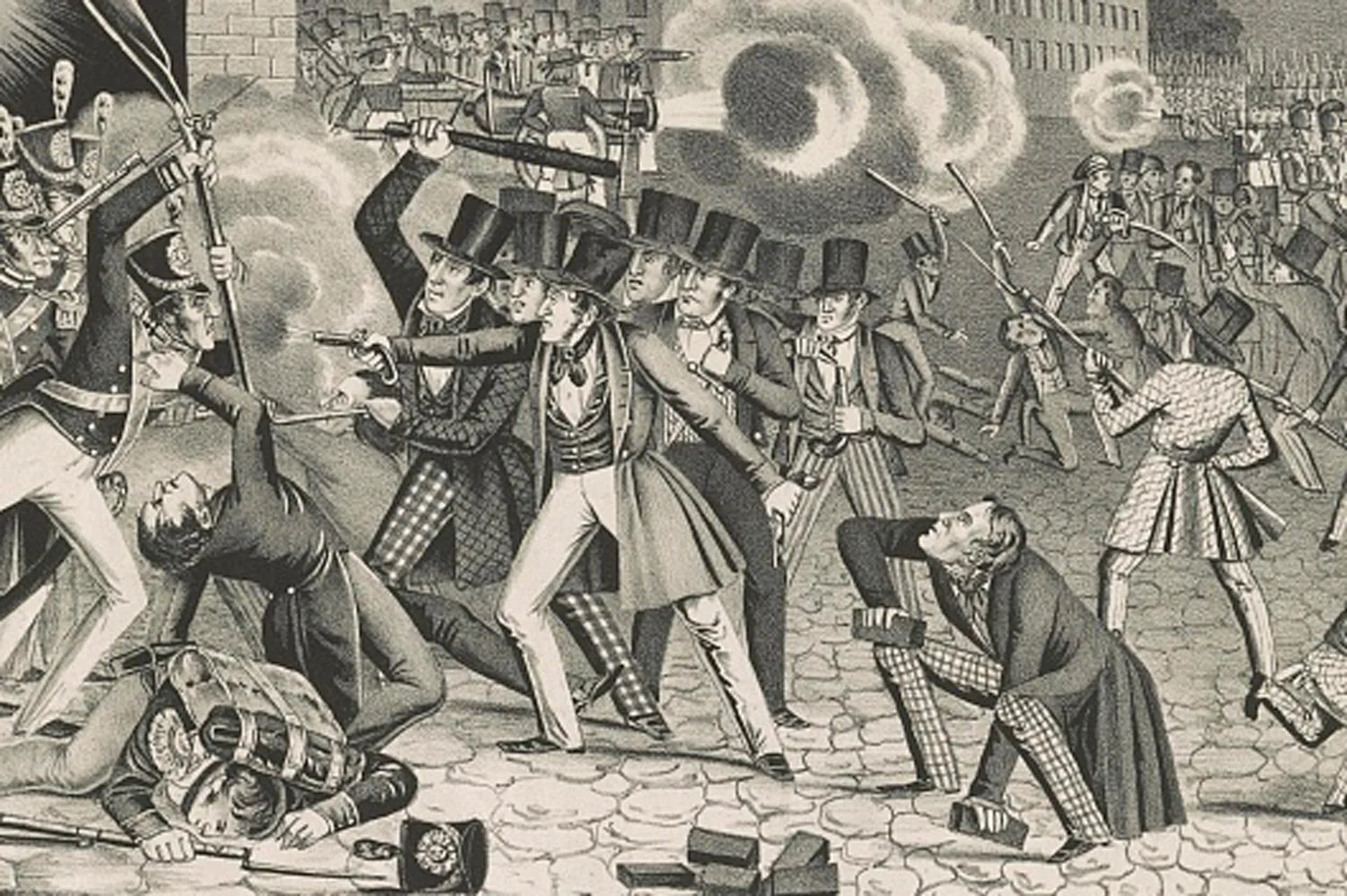
Perhaps the most pro-Republican city in America in 1812 was Baltimore. Despite being in the minority, Alexander Hanson published a spirited Federalist newspaper called the Federal Republican, in which Hanson declared he would use “every constitutional argument and every legal means” to oppose the war recently declared by Republicans in Congress. His comments angered those who congregated in the local pubs, and on June 20, 1812, a mob tore down the building in which the Federal Republican was housed. For several weeks, violence against Federalists continued. Although the violence in Baltimore was the worst the country witnessed, Jeffersonian Republicans across the country shut down newspapers that dared criticize the war or the Madison administration.
War of 1812, Part 34: Washington in Flames
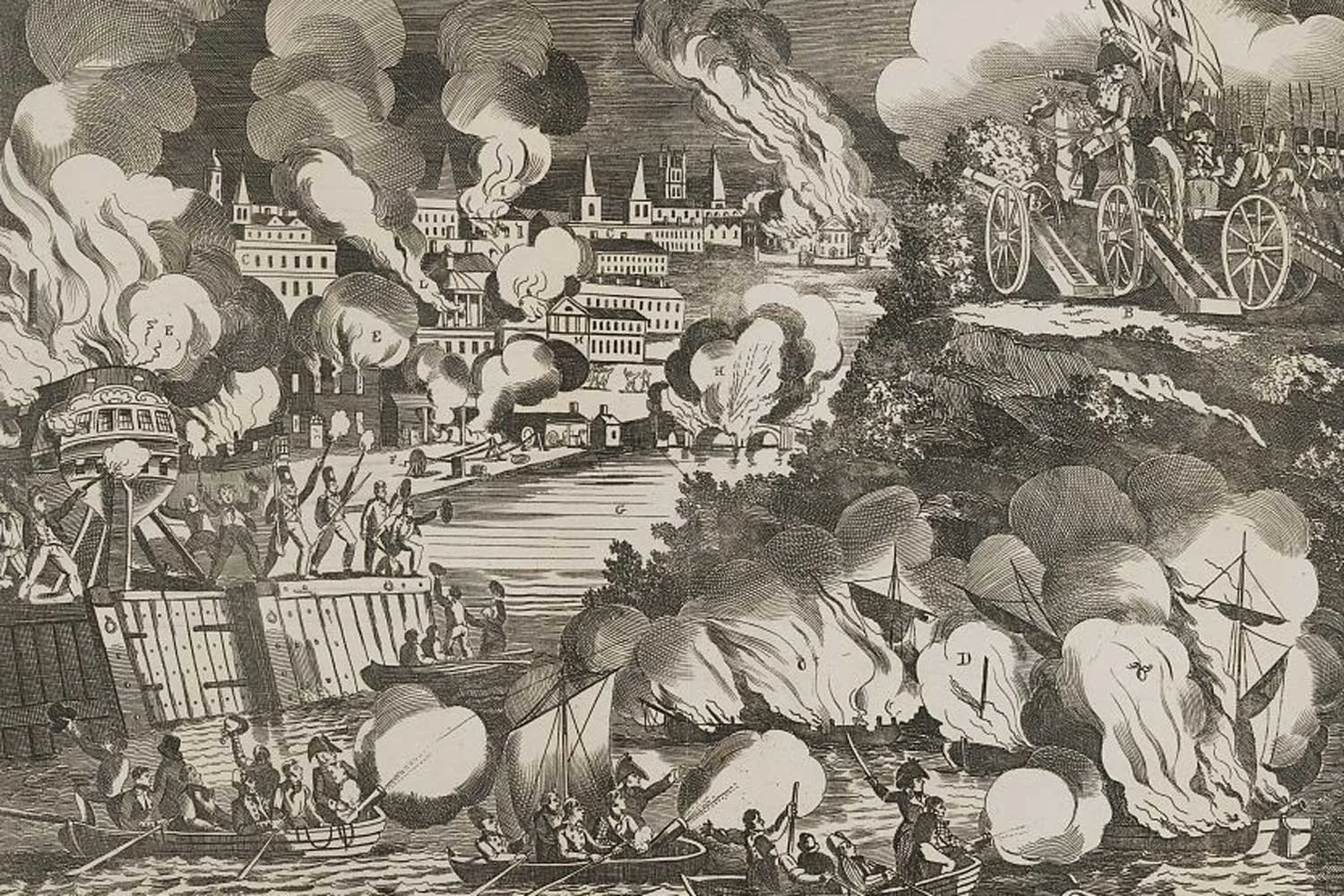
Around 4 p.m. on August 24, 1814, First Lady Dolley Madison received a note from the president informing her that the Battle of Bladensburg was lost and to flee at once. As twilight descended on Washington, the British arrived on the outskirts of the city looking for a delegation to negotiate the surrender of the capital. But while waiting for city officials, someone fired at their party from an adjacent house, killing two men and shooting General Robert Ross’s horse out from under him. And with that, any spark of kindness that the British had considered was extinguished. The British first turned their attention to Capitol Hill, firing rockets into a pile of anything that could burn. Then they marched to the President’s House, setting fire to it, the State, War, and Navy department building, and finally what was left of the Washington Navy Yard. The Washington fires burned so brightly that the glow was visible in Baltimore forty miles away.
War of 1812, Part 33: The Battle of Bladensburg
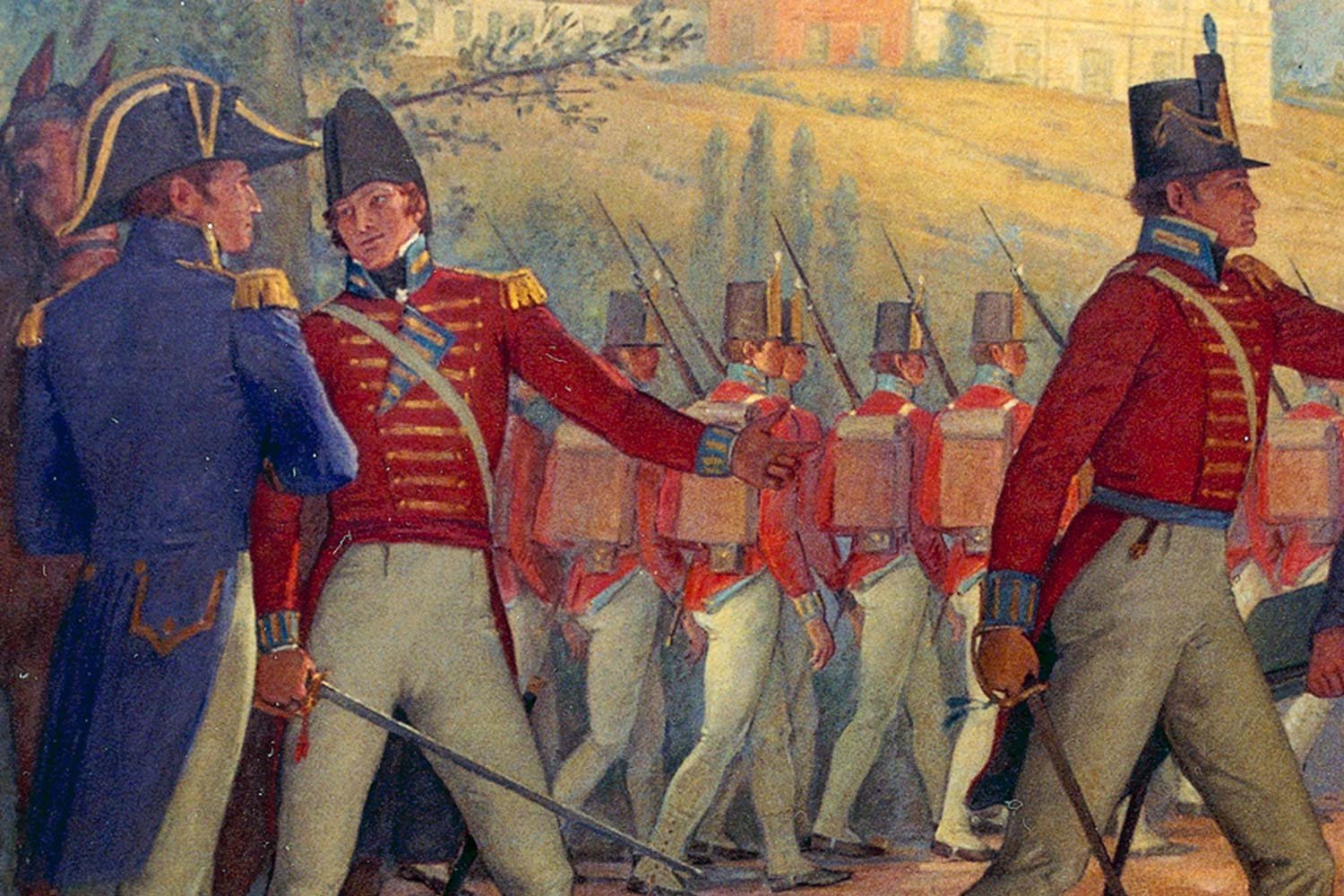
On the morning of August 24, 1814, a scout brought word to President James Madison that the British were on their way to Bladensburg, ten miles from the nation’s capital. The American commander, General William Winder, ordered General Tobias Stansbury to deploy his brigade of Maryland militiamen just west of Bladensburg. By noon, the American army, some 7,000 men, had assembled on the field. However, shortly after General Stansbury had organized his lines, Secretary of State James Monroe arrived and made several changes without consulting Stansbury. General Robert Ross and lead elements of the British army arrived at Bladensburg early that afternoon. Without waiting for the rest of the army and artillery to arrive, Ross ordered Colonel William Thornton and his 85th Light Infantry regiment to attack and soon one militia unit after another took to its heels.
War of 1812, Part 32: Washington in Chaos
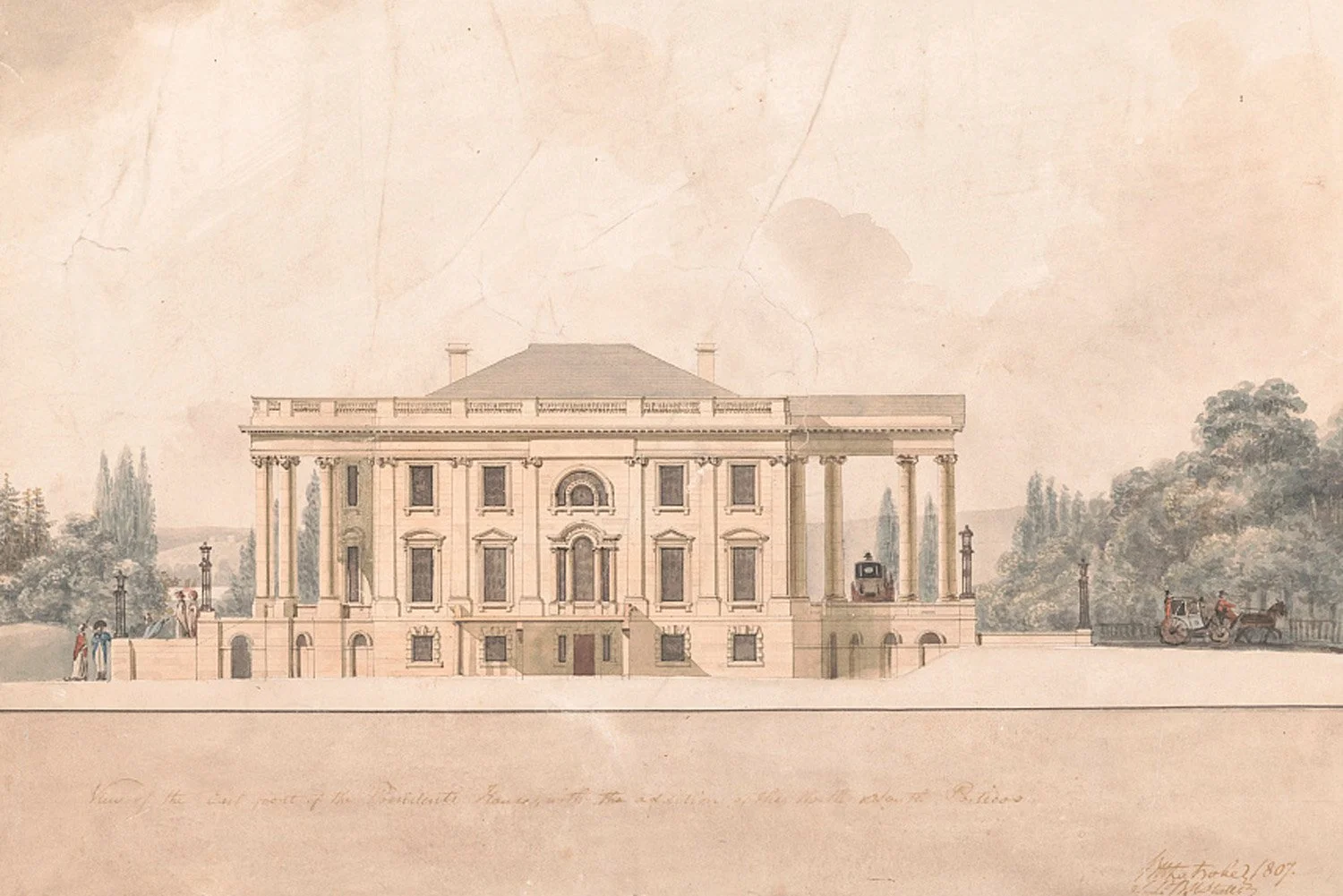
On August 18, 1814, a messenger arrived at the President’s House with news that the British were in the Patuxent River, fifty miles from Washington. As conflicting scouting reports filtered in, chaos reigned supreme in the capital. President James Madison ordered the militia to assemble but few responded to the call; Secretary of War John Armstrong continued to insist that Baltimore was the target; General William Winder, district commander, realized he was not up to the task and that the 15,000-man army he had been promised was no more than a dream. Secretary of State James Monroe rode to the front to scout out the British invaders. The next day, 4,500 Redcoats disembarked unopposed at the town of Benedict. While the British fleet under Admiral George Cockburn moved up the river in search of Commodore Joshua Barney and his flotilla of American gunboats, the British army under General Robert Ross marched on a road parallel to the river.
War of 1812, Part 31: British Set Their Sights on Washington
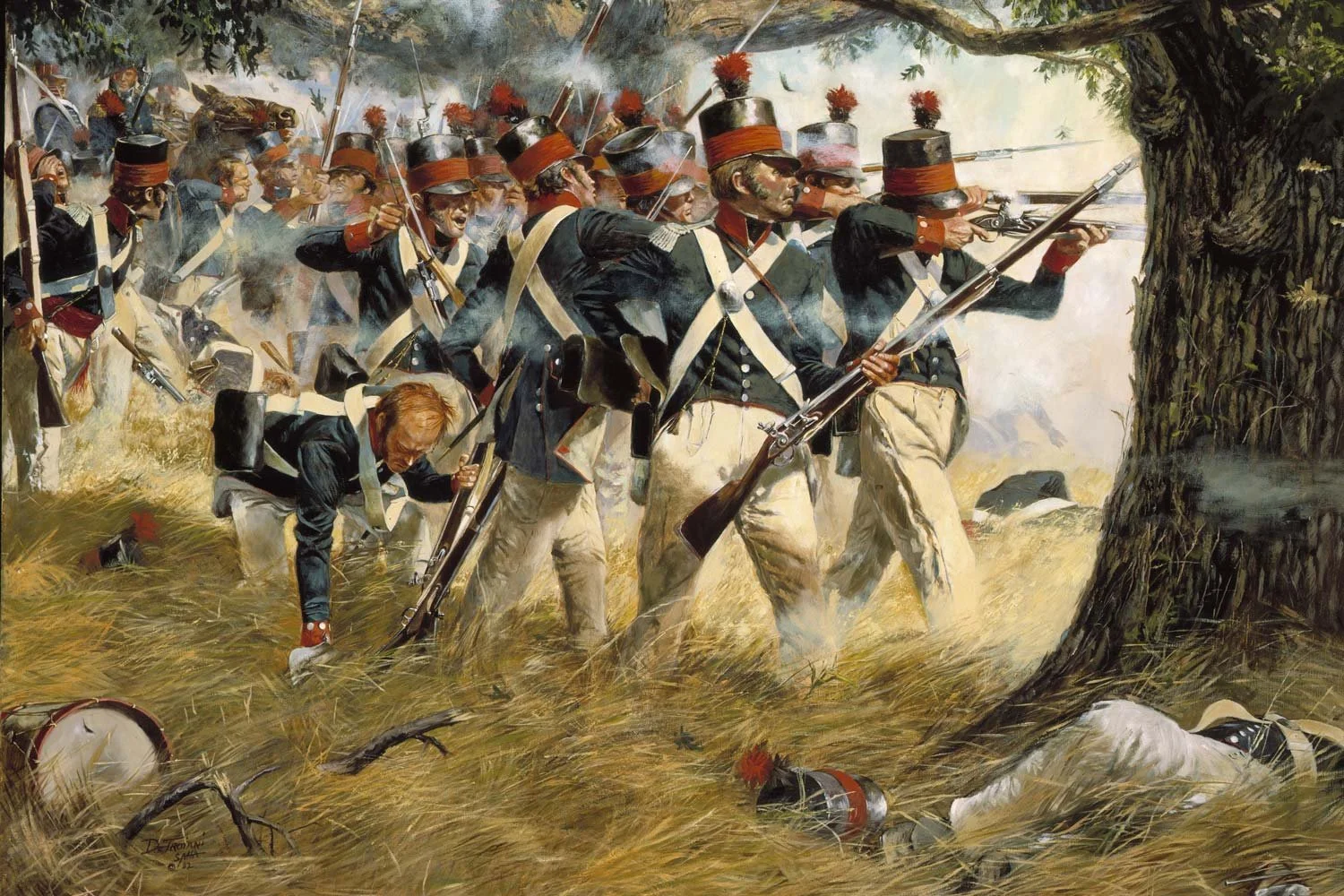
In August 1814, the British sent an expedition under Admiral Alexander Cochrane to the Chesapeake to resume its campaign in the bay. The British arrived with vengeance on their minds, hoping to retaliate for the burning by American forces of several Canadian towns including York, the capital of Upper Canada. Cochrane’s instructions to his commanders were to “act with the utmost hostility against the shores of the United States.” Meanwhile, Secretary of War John Armstrong had taken no measures to fortify the nation’s capital, Washington, D.C. Although pressed by President James Madison to do so, Armstrong insisted that the British would never attack the city. Feeling desperate, Madison took matters into his own hands and called a cabinet meeting to address the problem. The result was the creation of the 10th Military District and a standby militia force of 15,000 men from neighboring states.
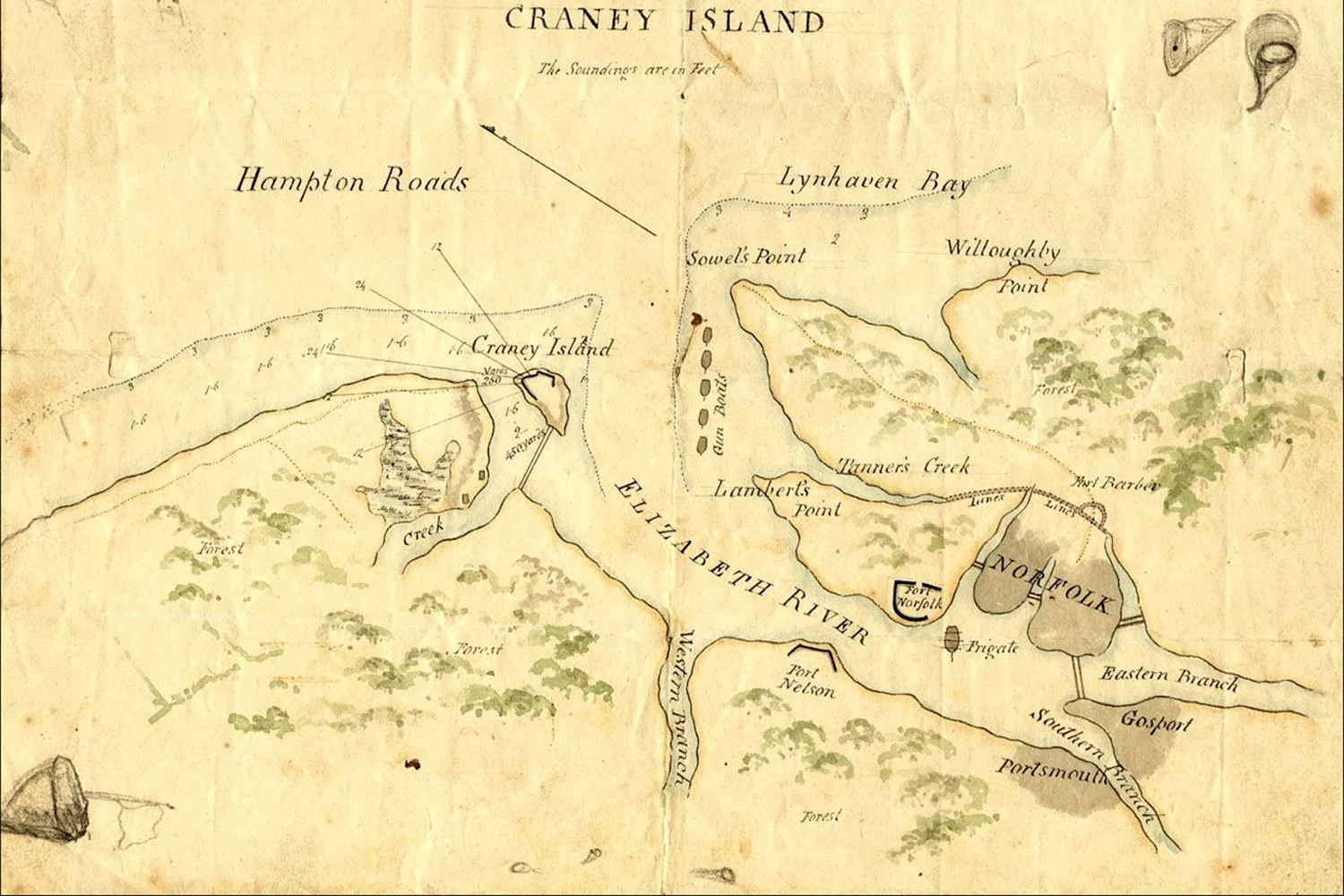
War of 1812, Part 30: The Battle of Craney Island
In February 1813, Admiral John Warren led a flotilla into the Chesapeake Bay to enforce the British naval blockade and make the Americans feel the pain of war. The flotilla set fire to warehouses and ships in Frenchtown, Havre de Grace, Fredericktown and Georgetown, and destroyed the Principio Ironworks, one of the United States’ most important cannon foundries, before rejoining the fleet at Hampton Roads. In early June, Warren received reinforcements and sailed to the Elizabeth River to destroy the USS Constellation anchored five miles upstream at the Gosport Navy Yard near Norfolk. The entrance to the river was guarded by Craney Island and a contingent of 700 men. A strong artillery battery and a line of gunboats awaited the British.
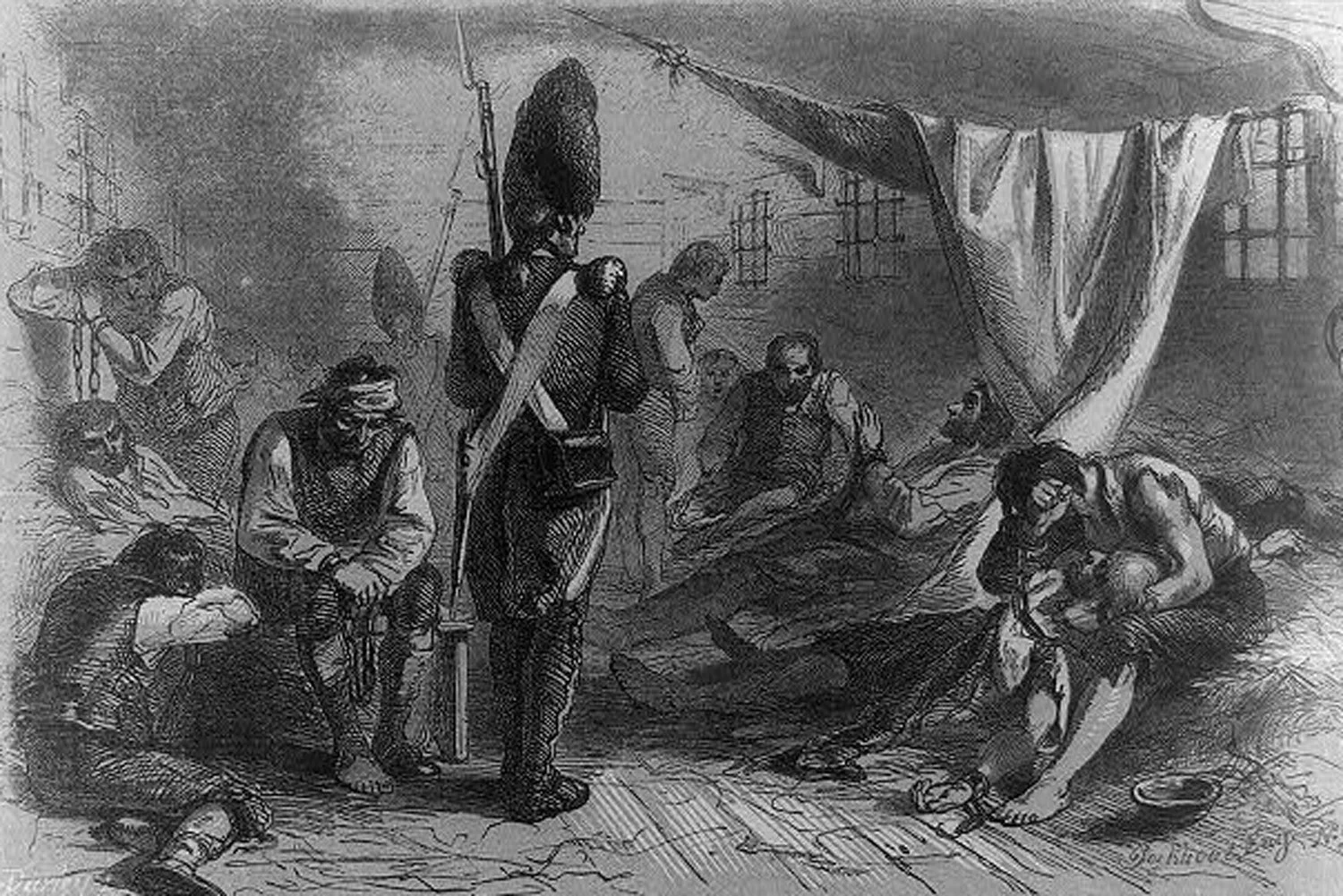
War of 1812, Part 29: American Prisoners of War
Incurring the wrath of the Royal Navy during the War of 1812 was a desperate and dangerous business, and, during the war, nearly one-third of all privateers were captured. Besides losing a ship came the cost of losing the men, and by the end of the war, 20,000 Americans, mostly privateersmen, were prisoners of war. Many suffered deplorable conditions being housed on prison ships, while some were transferred to Dartmoor Prison in England and densely packed into solid stone buildings with nothing but a little straw thrown on the floor for their comfort. By the end of 1814, there were over 6,000 Americans at Dartmoor, making it the largest war prison for American captives until World War II.
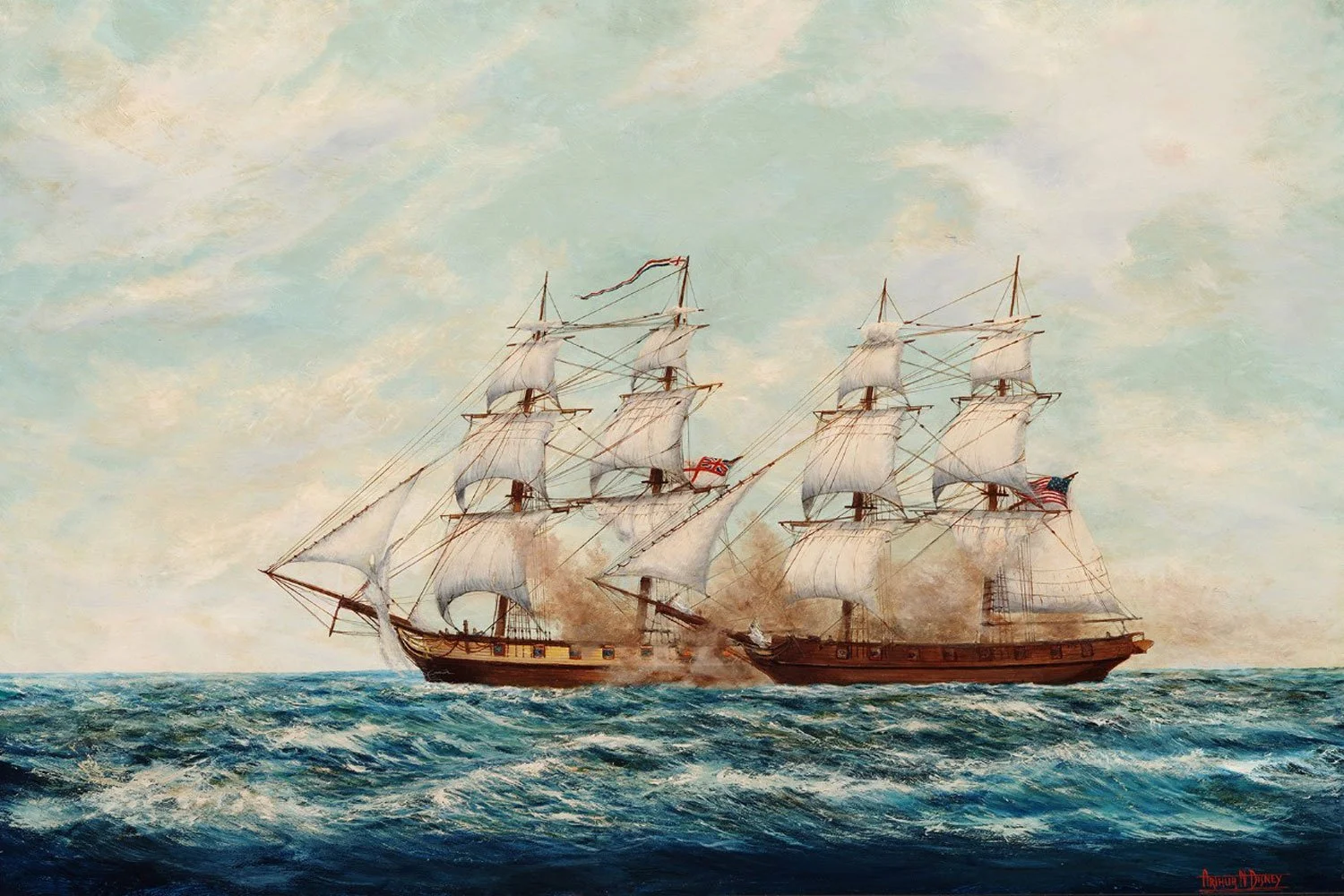
War of 1812, Part 28: Privateers Take on the British
America’s relatively small navy left President James Madison few offensive options with which to strike the British. Consequently, his administration waged war against the very thing that Great Britain held most dear and attacked its merchant fleet from the West Indies to the English Channel. This fight was undertaken primarily by privateers, ships that were owned and equipped by private citizens but authorized by the government to plunder vessels from enemy nations. The most successful privateer ship was a two-masted schooner built for speed and agility but armed heavily
enough to be a formidable fighter. Known as Baltimore Clippers, they could capture any merchant ship they wanted but were fast enough to escape from any ship they could not overpower.

War of 1812, Part 27: United States Suffers Under British Blockade
The United States Navy enjoyed some remarkable successes at the start of the War of 1812, including winning all three single ship engagements with Royal Navy frigates. But in February 1813, the British began a blockade of the Delaware and Chesapeake Bays, and Admiral John Warren, commander of the North American squadron, extended the blockade to all other ports except those in New England. As goods and crops piled up on wharves, local prices fell dramatically and merchants and farmers suffered financial hardships. Besides the American merchant fleet, national warships suffered as well, and, by the end of 1814, the US Navy had been essentially swept from the sea.
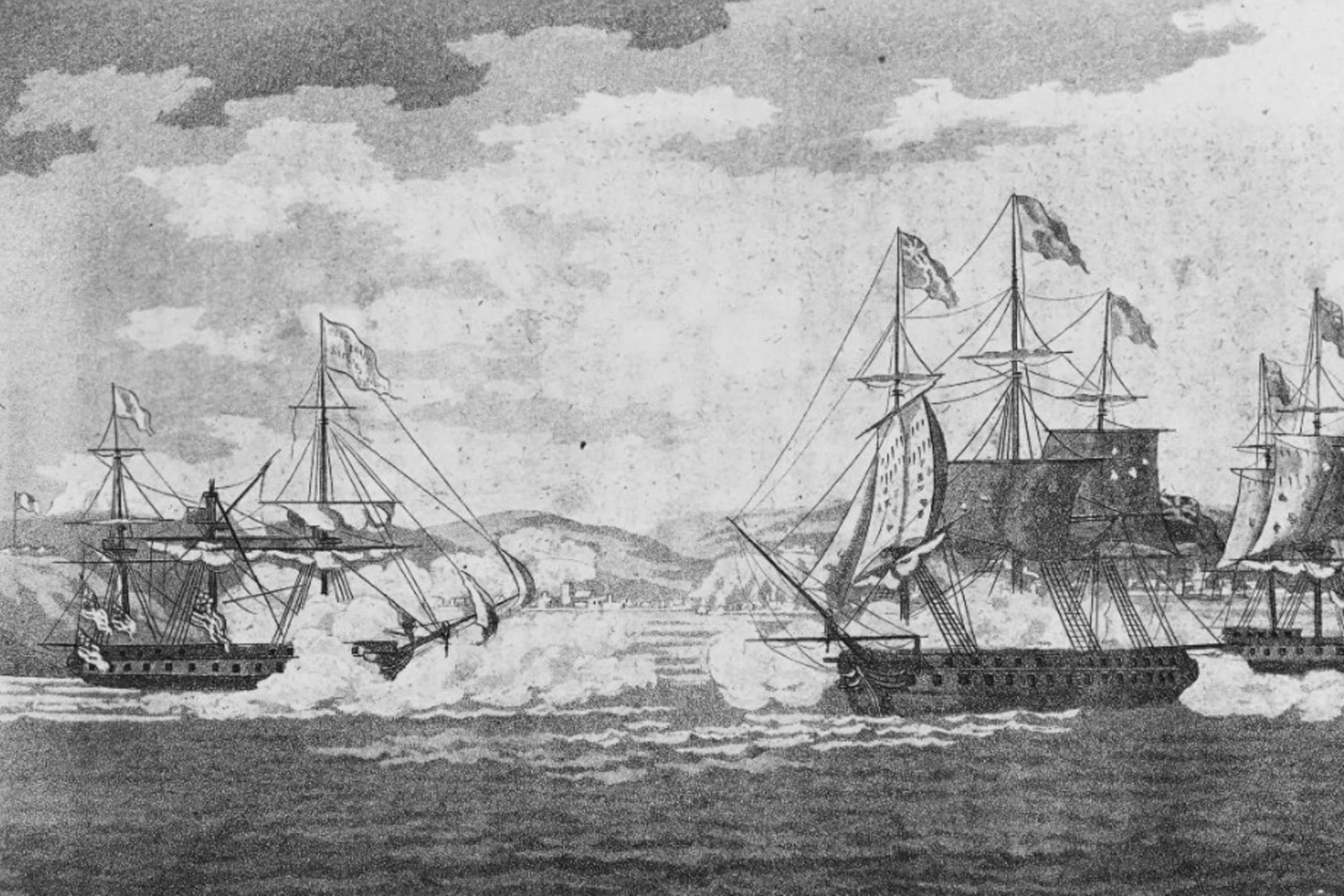
War of 1812, Part 26: The Battle of Valparaiso
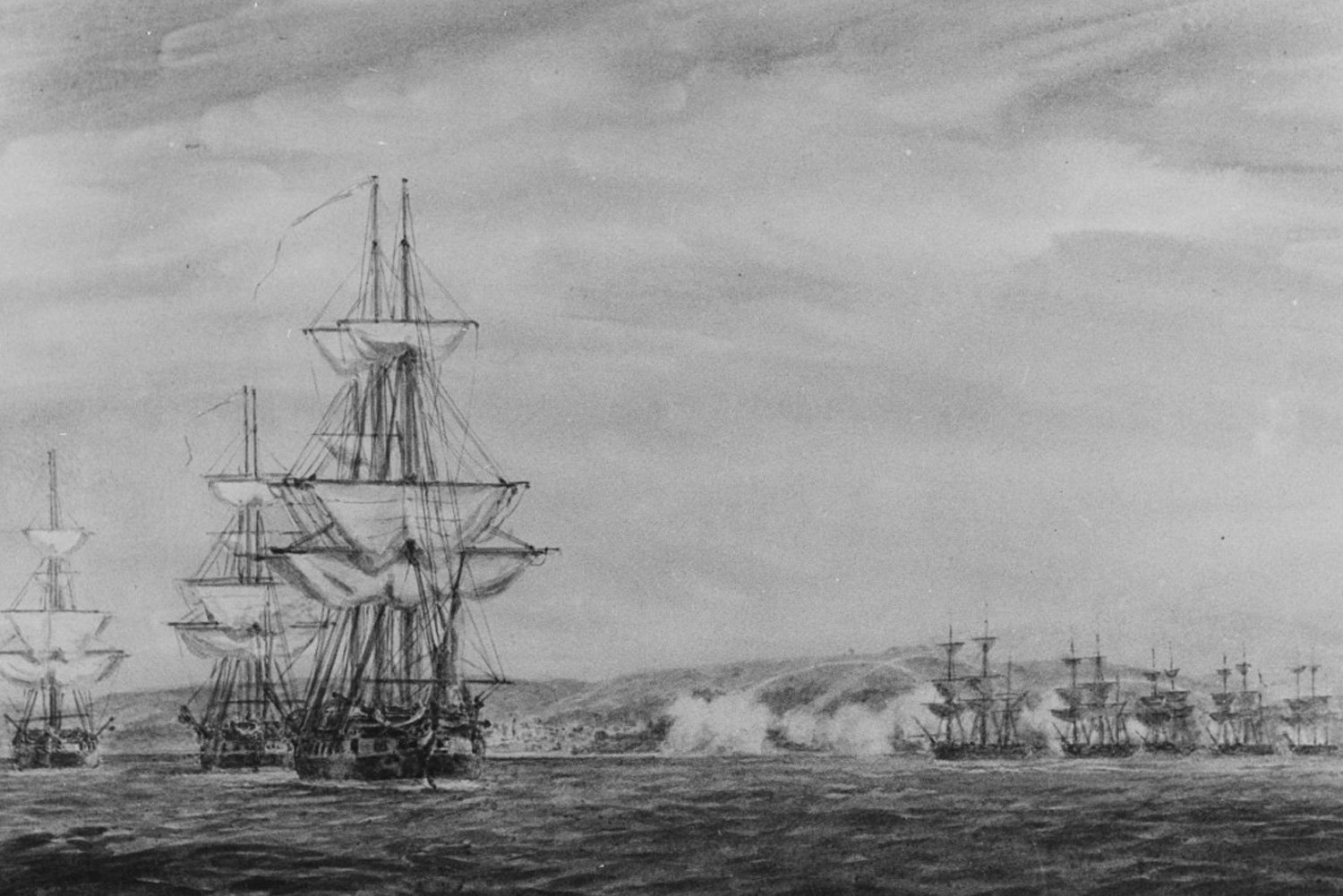
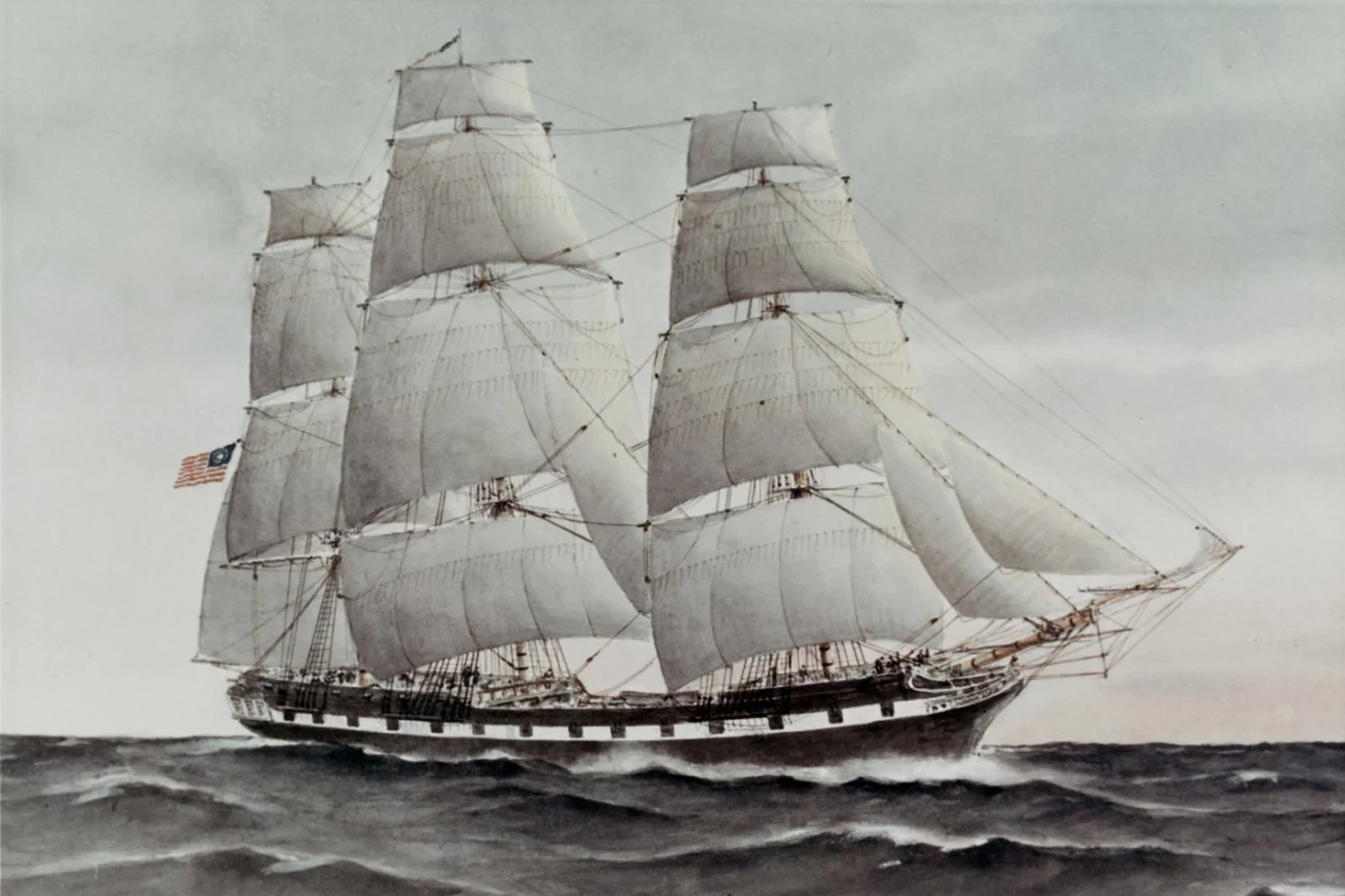
In August 1813, Captain David Porter aboard the USS Essex sailed for the Washington Islands, an archipelago 3,000 miles southwest of the Galapagos, to find more British whalers to capture and, more importantly, to repair the vessel far away from the Royal Navy. With his ships refitted, Porter sailed from Nukahiva and arrived at Valparaiso in February 1814, and five days later, Royal Navy ships HMS Phoebe and HMS Cherub arrived as well. Captain James Hillyer, commander of Phoebe, asked Porter to surrender to the stronger British squadron, but Porter would have none of it, replying, “You shall never take my ship without fighting for her.”
War of 1812, Part 25: The Cruise of USS Essex
The longest cruise of a United States Navy ship during the War of 1812 was that of the USS Essex, a frigate built and paid for in 1799 during a wave of patriotic fervor by the citizens of Essex County, Massachusetts, who wanted to help their country and President John Adams build our Navy. Commanded by Captain David Porter, the Essex was ordered to rendezvous off Brazil with a squadron led by Captain William Bainbridge. But, unable to link up with Bainbridge, Porter decided upon a bold venture. Recognizing he must strike the British where they were most vulnerable, Porter sailed for the Pacific Ocean, where dozens of British whaling vessels were plying their lucrative trade. And, because no American warship had yet sailed its waters, there were no Royal Navy ships in the Pacific, leaving the British whalers relatively unprotected.
War of 1812, Part 24: Don’t Give Up the Ship
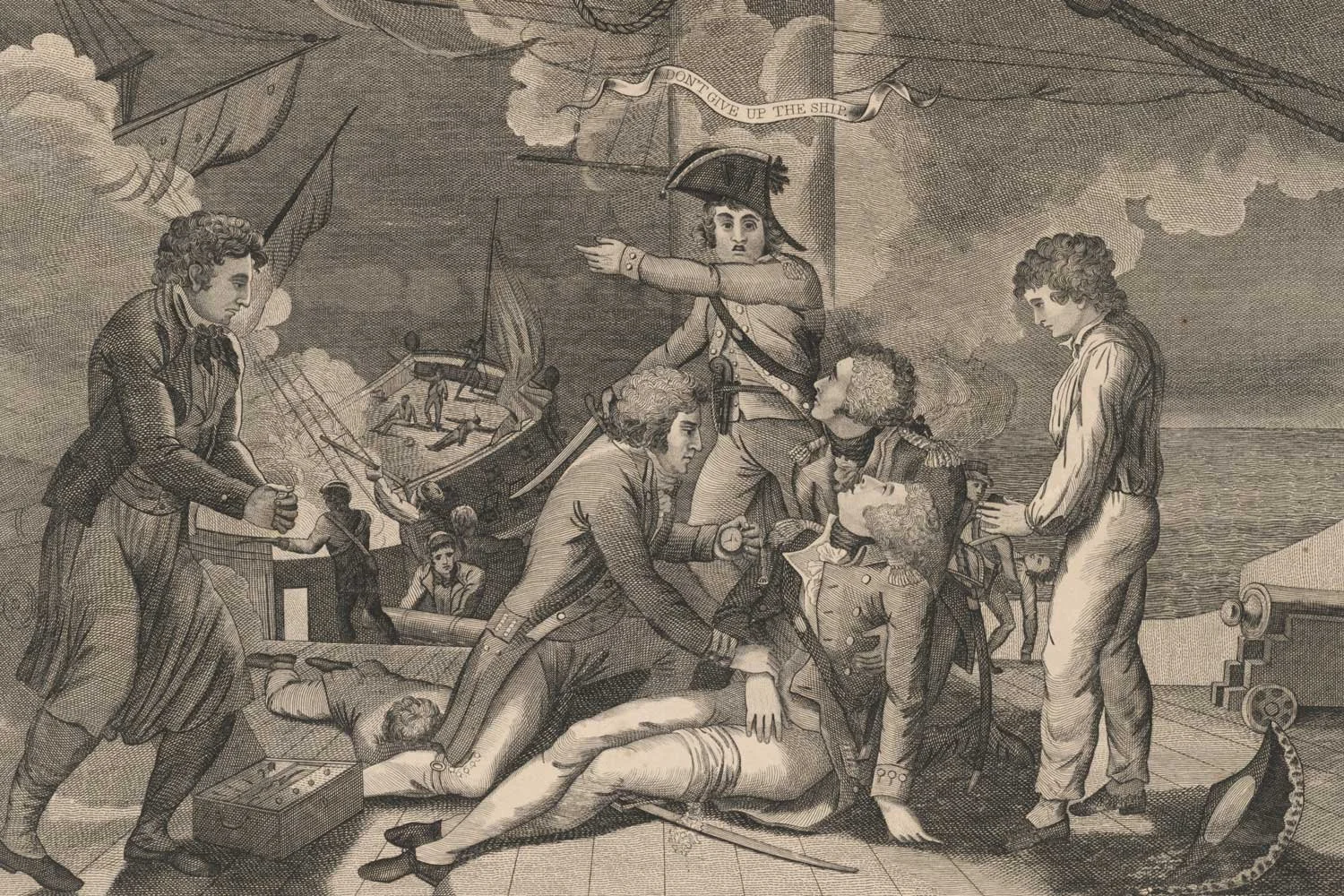
Captain Phillip Broke, perhaps the most capable captain in the Royal Navy, had commanded HMS Shannon for seven years, relentlessly drilling his crew, especially in gunnery, and had made her the most dangerous frigate in the British fleet. He greatly desired to engage an American frigate in a single-ship combat to showcase its talents and sent several messages into Boston requesting any of the three American frigates then in the harbor to come out and fight. Captain James Lawrence, who commanded the Chesapeake, wanted the fight as desperately as Broke and, on June 1, 1813, sailed from Boston Harbor to the cheers of a thousand spectators, anxious to see “Captain Jim” punish the Brits. Just before 6 p.m., both vessels opened with broadsides, but Shannon’s were more rapid and more accurate than Chesapeake’s. Soon the American vessel was in trouble, its deck strewn with dead and wounded, including Lawrence, who was shot in the right knee but continued to direct the fight.
War of 1812, Part 23: USS Wasp and Hornet Sting British
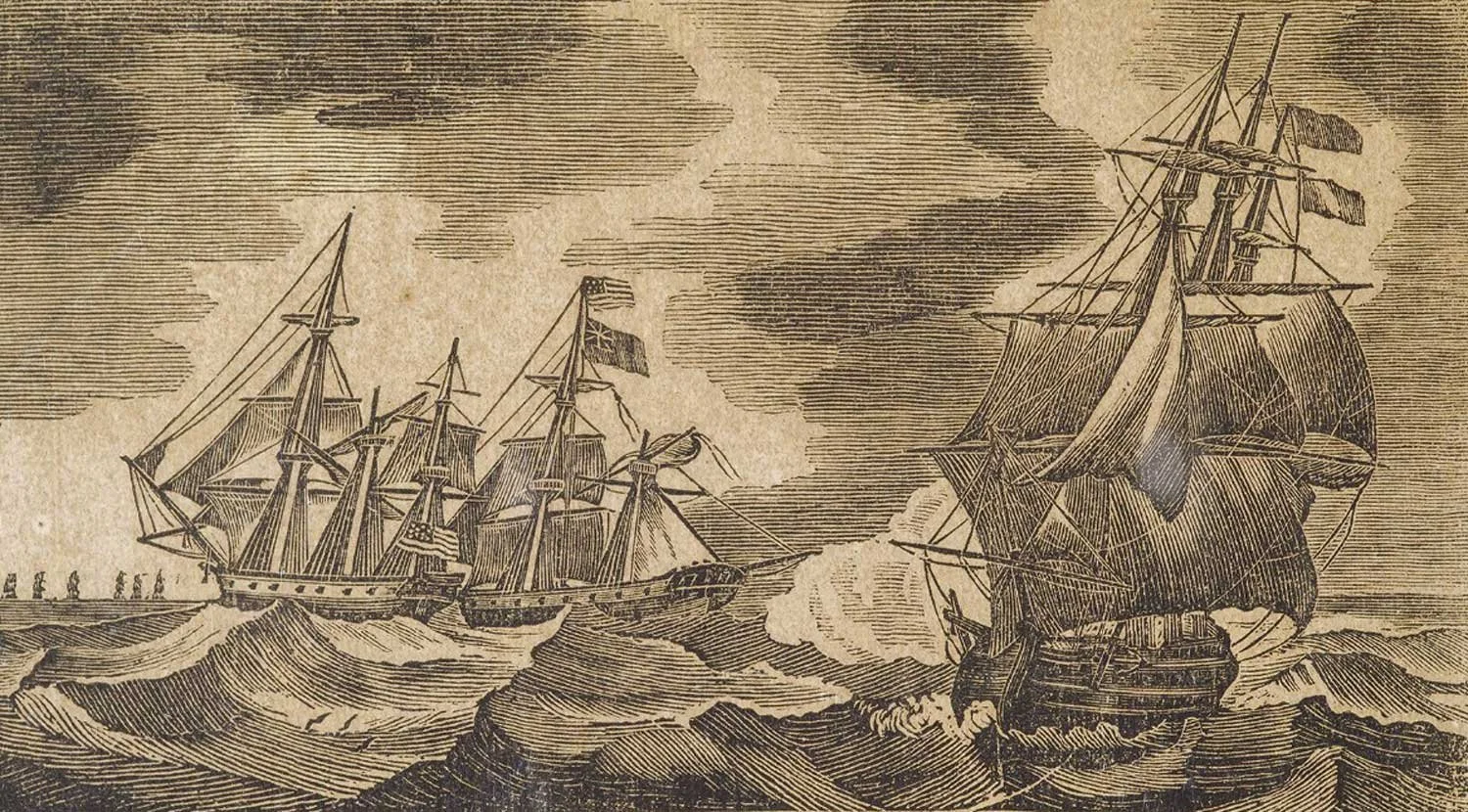
Besides the frigates, of which the American Navy was justifiably proud, there were eight smaller vessels called sloops-of-war that also recorded two notable victories, contributing to the growing respect for our country’s navy. The first was fought on October 18, 1812, between the USS Wasp and HMS Frolic off Cape Hatteras. Four months later, on February 24, 1813, the USS Hornet fought HMS Peacock off the coast of South America. The American ships emerged victorious in both battles, with the British suffering high casualties.
War of 1812, Part 22: American Frigates Shock British
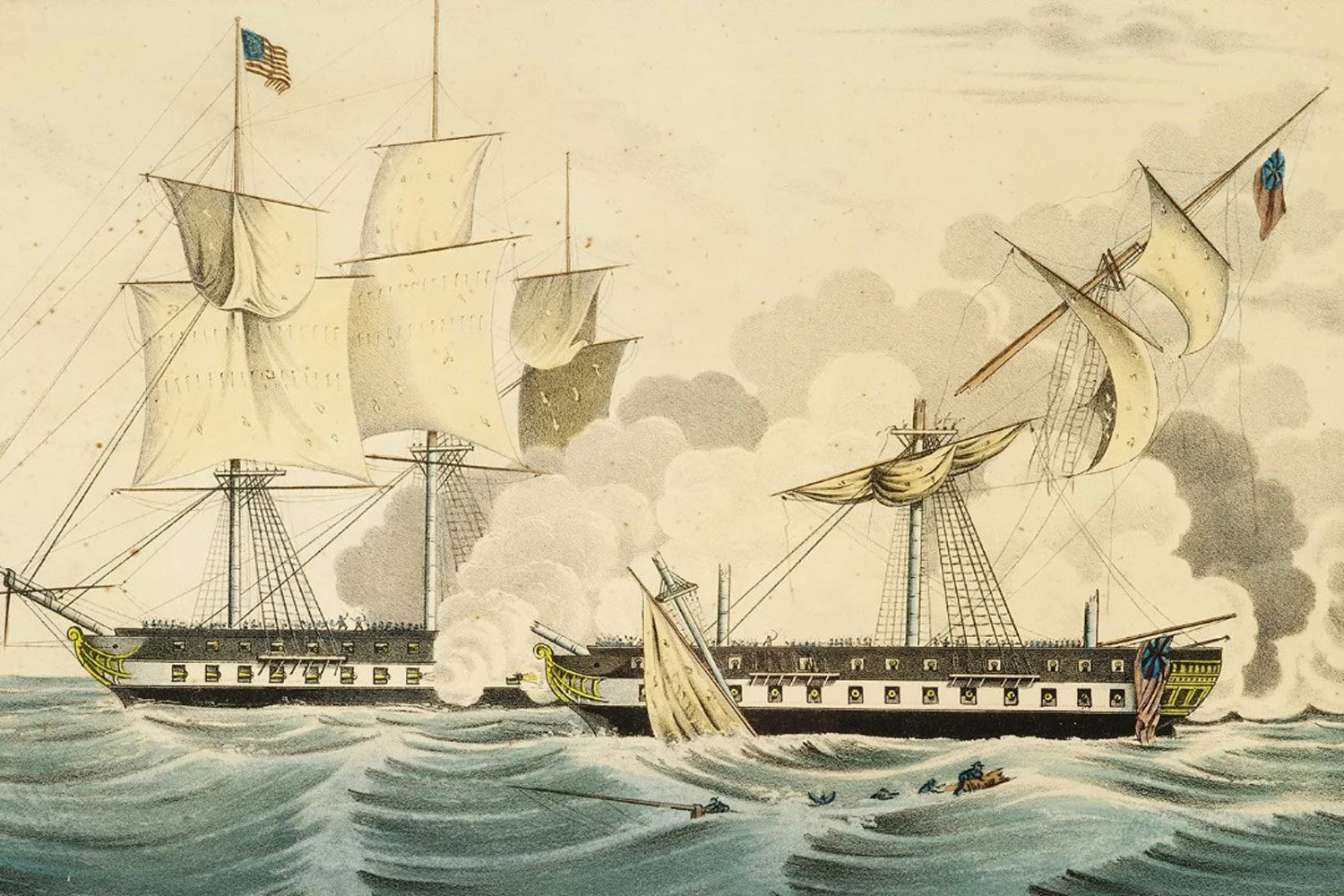
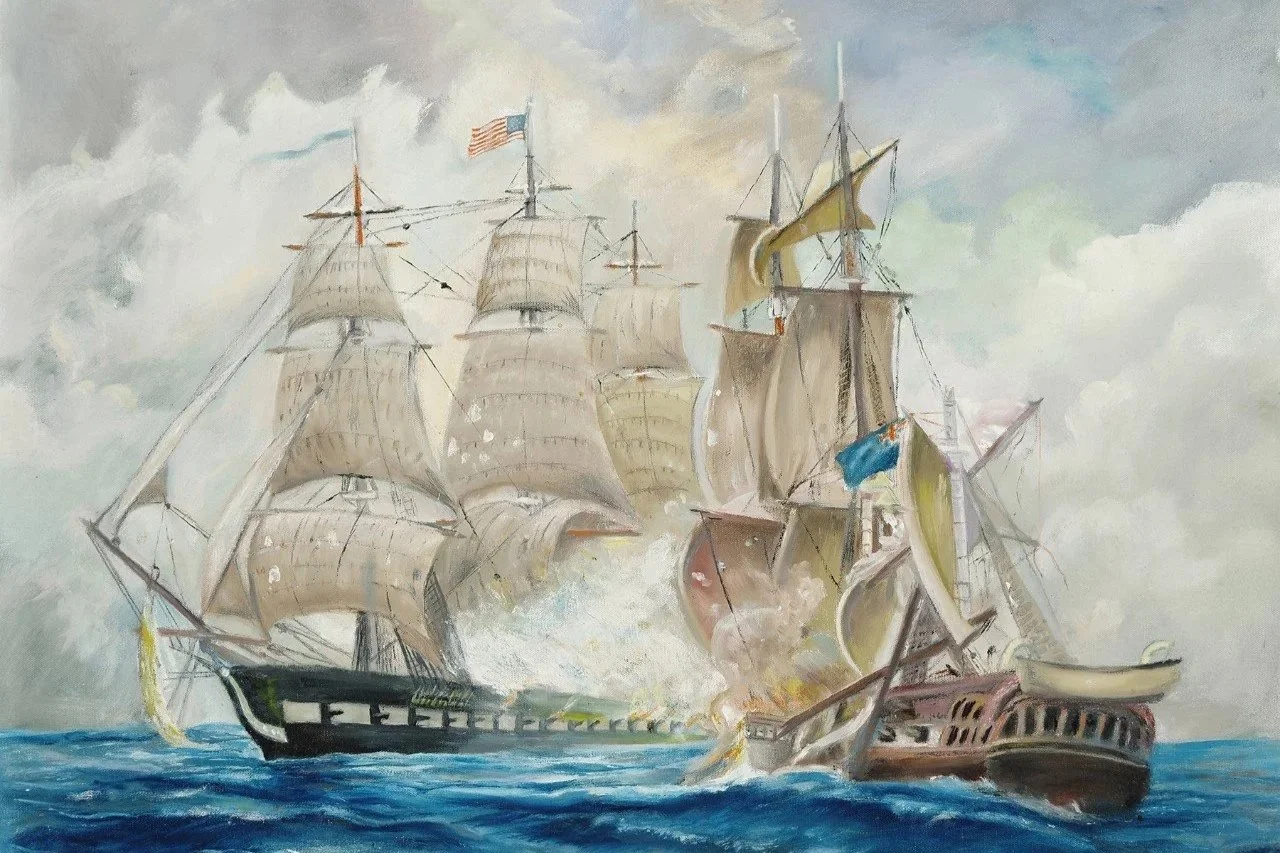
On August 19, 1812, lookouts on the USS Constitution, commanded by Captain Isaac Hull, spotted the HMS Guerriere sailing alone 500 miles southeast of Halifax. As the ships came together in this first ever frigate-on-frigate engagement between the United States and British navies, the Constitution poured broadside after broadside into the Guerriere, devastating the British ship. Later that fall, Captain Stephen Decatur in the USS United States came upon the HMS Macedonian, commanded by Captain John Carden near the Azores, and crippled the ship in battle, forcing Carden to surrender. And finally, in December, the Constitution, this time under the command of Captain William Bainbridge, destroyed the HMS Java off the Brazilian coast in quick fashion.
War of 1812, Part 21: The Great Naval Chase of 1812
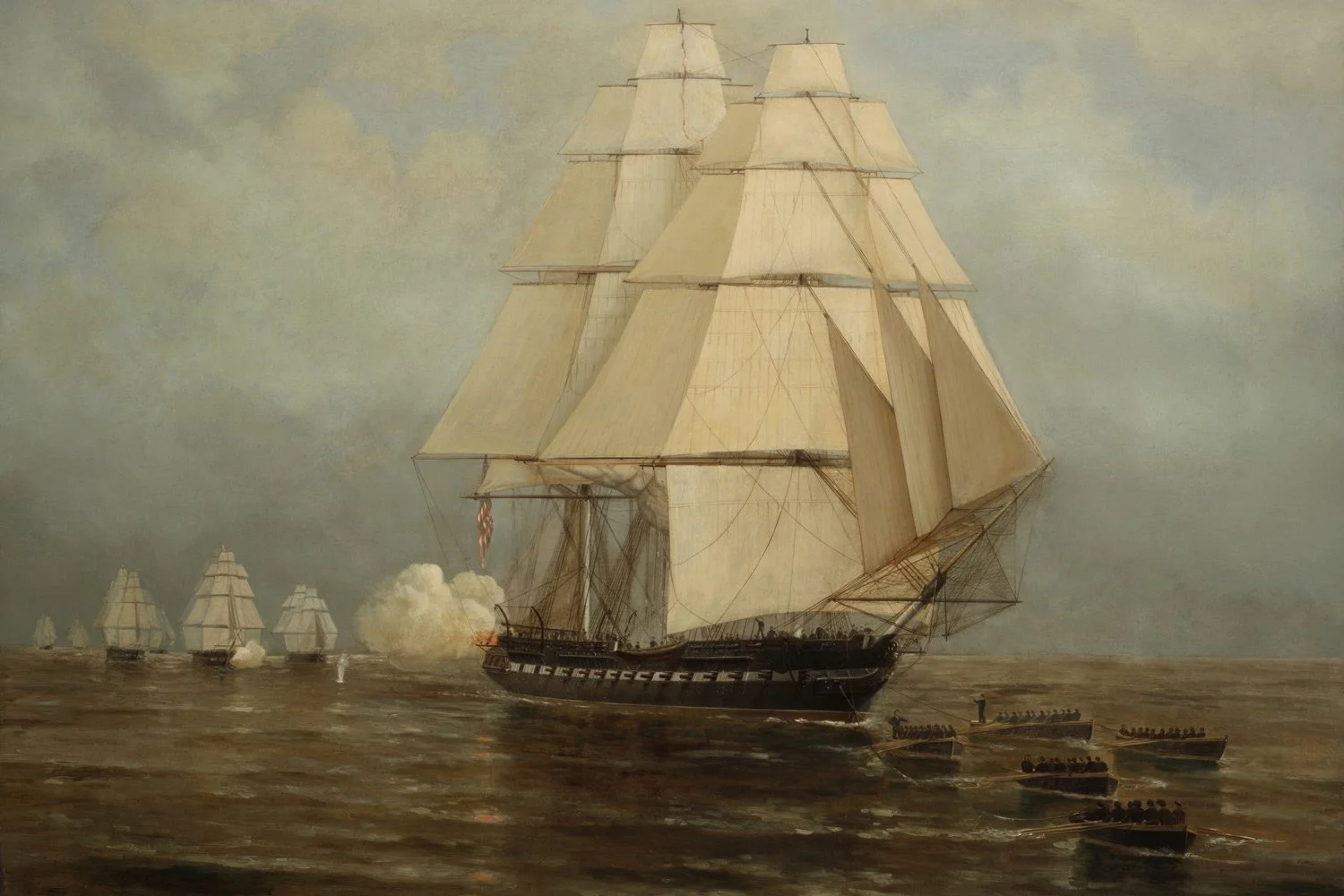
At the outset of the War of 1812, the only ships ready for sea were the President, commanded by Commodore John Rodgers, the United States, commanded by Captain Stephen Decatur, the Congress, and the Argus. The rest were either not seaworthy or struggling to find an adequate crew, as in the case of the Constitution, commanded by Captain Isaac Hull. The Constitution left Annapolis and arrived off the New Jersey coast on Friday, July 17, sighting five distant sails making straight for the ship. Hull realized this was a British squadron under Captain Philip Broke and wisely took flight, thus starting one of the great chases in the age of sail.
War of 1812, Part 20: The U.S. Navy Comes of Age
The foundation for the later successes of the United States Navy was laid with the Naval Act of 1794, legislation passed by Congress at the urging of President George Washington, which authorized the construction of six frigates. Their design allowed the American frigates to carry heavier guns than their European adversaries, firepower that would prove decisive in the years ahead. The first training ground was the Quasi-War, an undeclared naval war that began in 1798 when President John Adams retaliated against France for seizing American merchant ships. The American frigates outclassed their French adversaries in virtually every encounter. The Quasi-War ended in September 1800, but less than a year later, the Navy was again called on to defend American maritime rights. This time the adversaries were the Barbary States of North Africa.