
War of 1812, Part 3: Debacle on the River Raisin
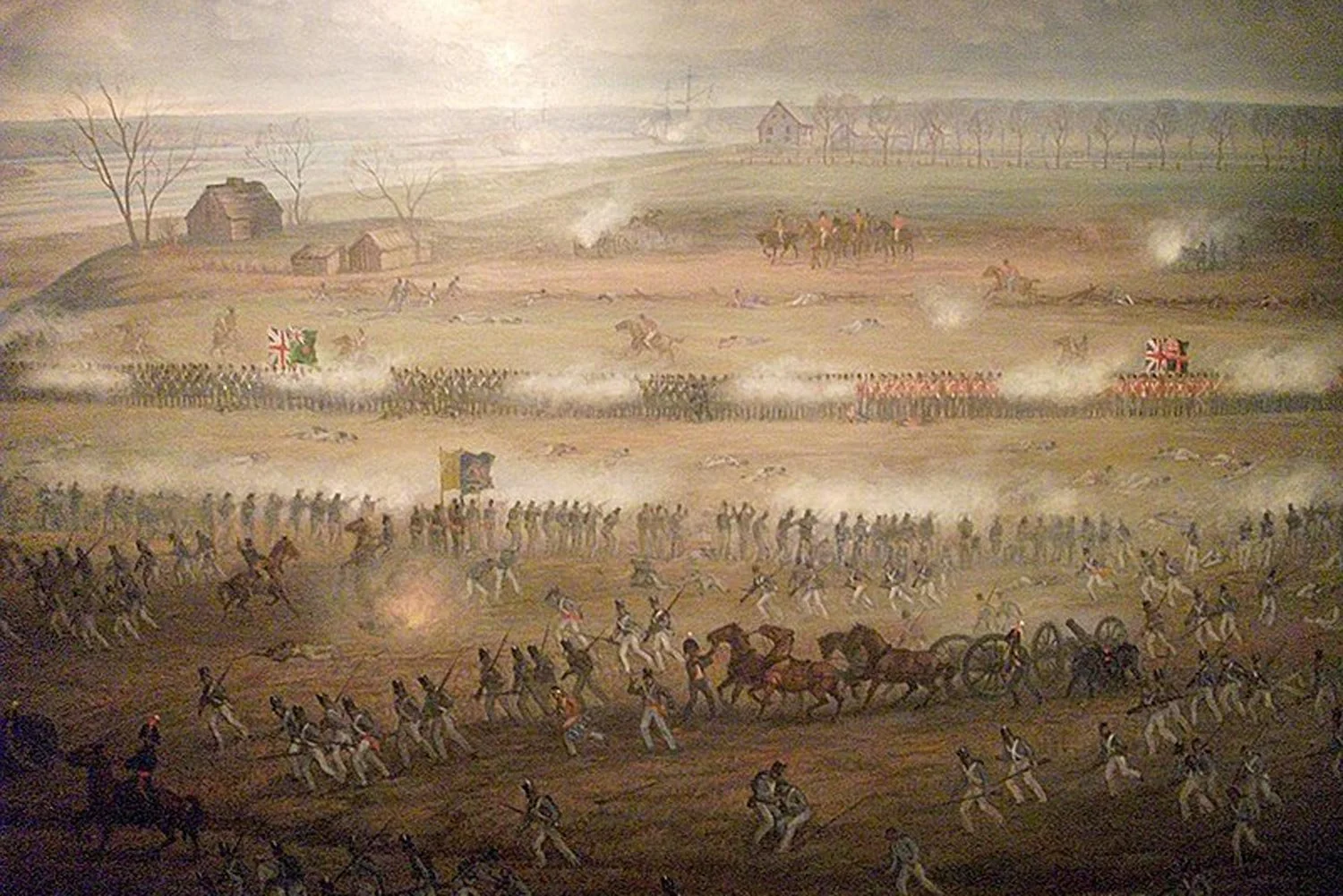
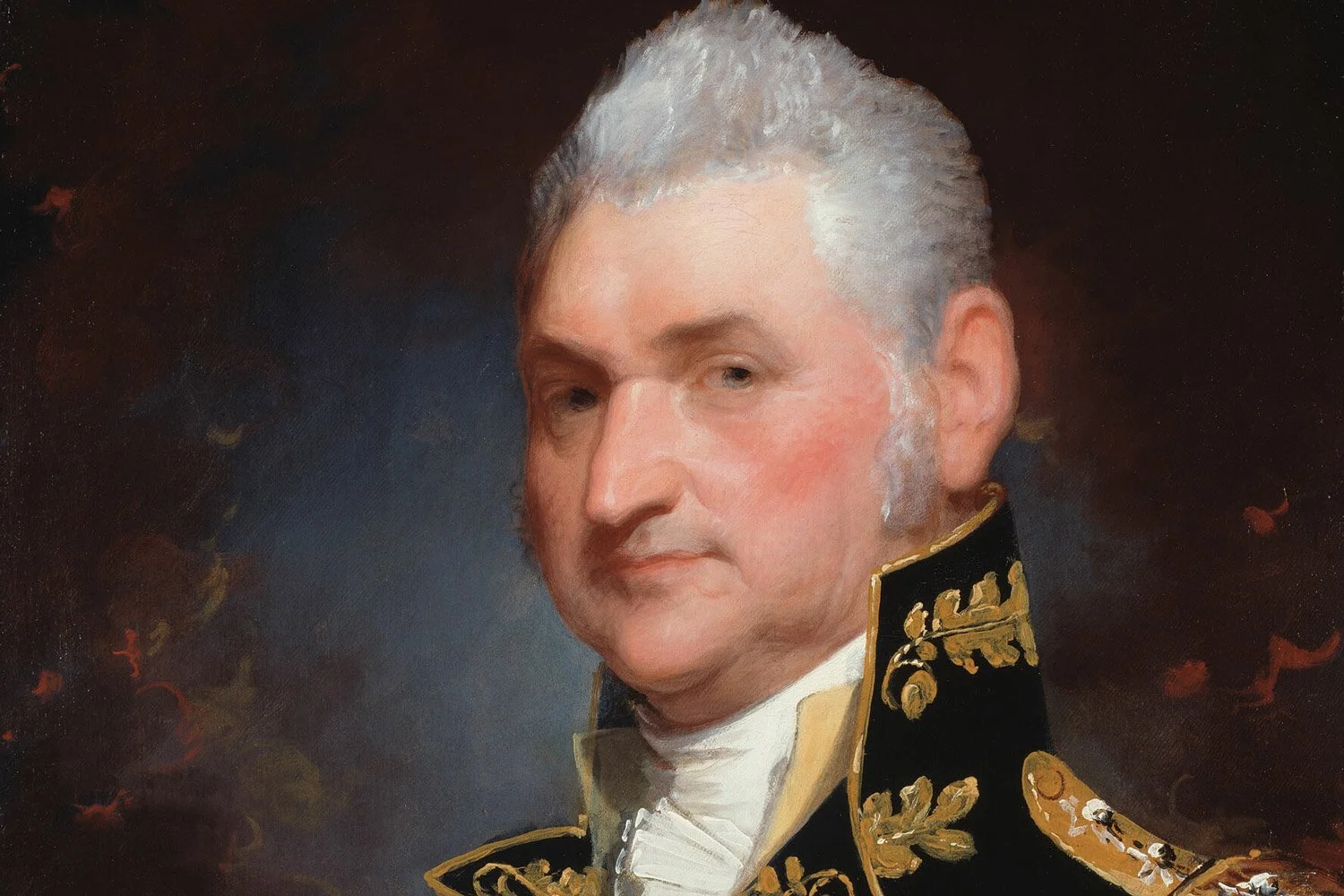
Following the surrender of Detroit, William Henry Harrison, governor of the Indiana Territory, was named as Hull’s replacement. Harrison consolidated his army at the Maumee Rapids and planned to move on Detroit in the spring. But in mid-January 1813, General James Winchester, one of Harrison’s officers, received word that Frenchtown, a small village thirty miles north on the River Raisin, was in danger of being attacked. Although Harrison had instructed Winchester not to advance beyond their base camp, Winchester felt compelled to respond. Winchester laid out his camp with Kentucky militiamen behind a split rail fence on the left but the regulars on the right were completely exposed with no cover to their front. Importantly, Winchester failed to send out scouts to keep an eye on the British. Undetected by the Americans, the British attacked at dawn on January 22.
Tom Hand, creator and publisher of Americana Corner, discusses the American debacle on the River Raisin and why it still matters today.
Images courtesy of the National Portrait Gallery - Smithsonian Institution, National Park Service, New York Public Library, Tennessee Virtual Archive, Library of Congress, University of Michigan Library, World History Encyclopedia, U.S. Army, National Gallery of Art, Internet Archive, Wikimedia.
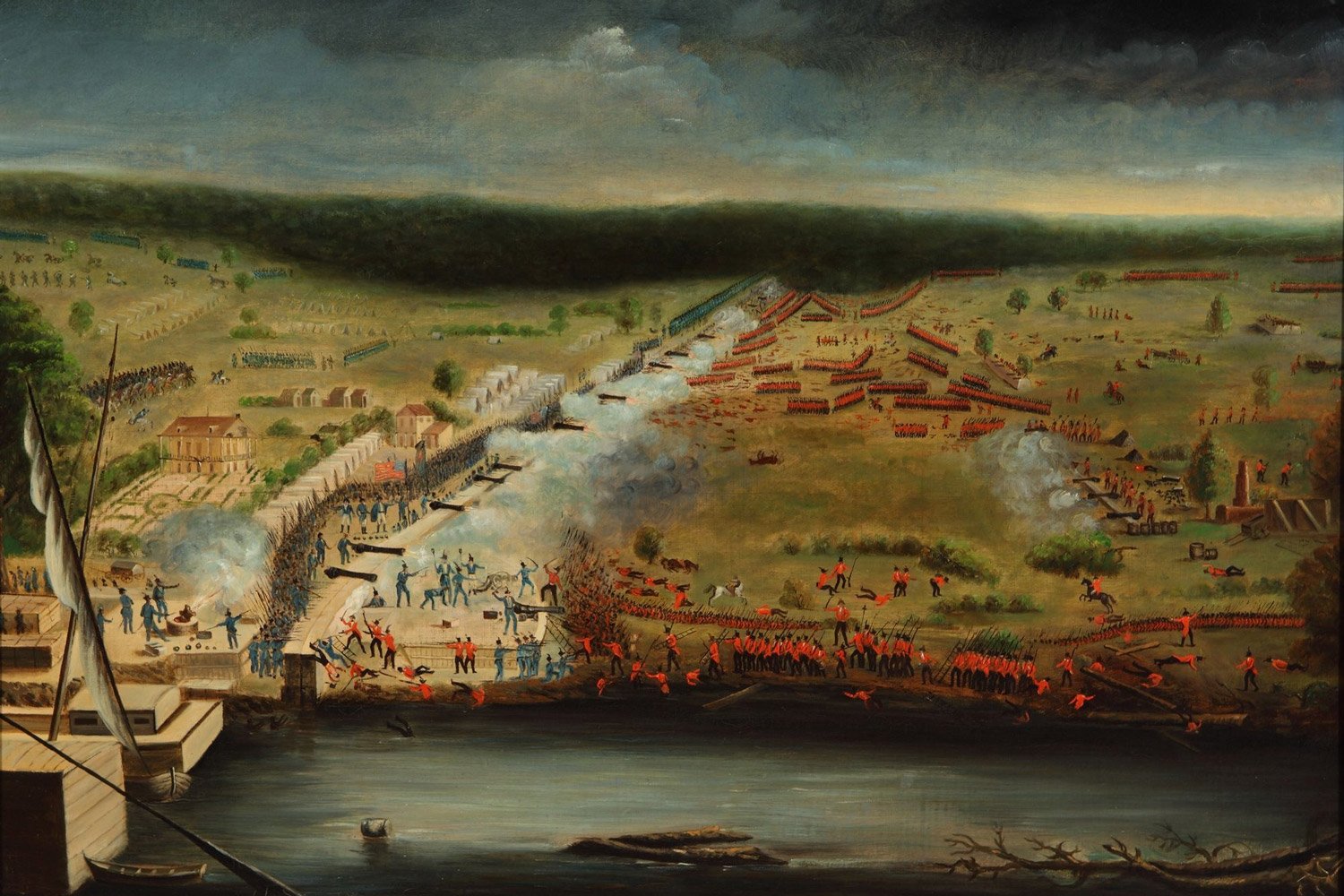
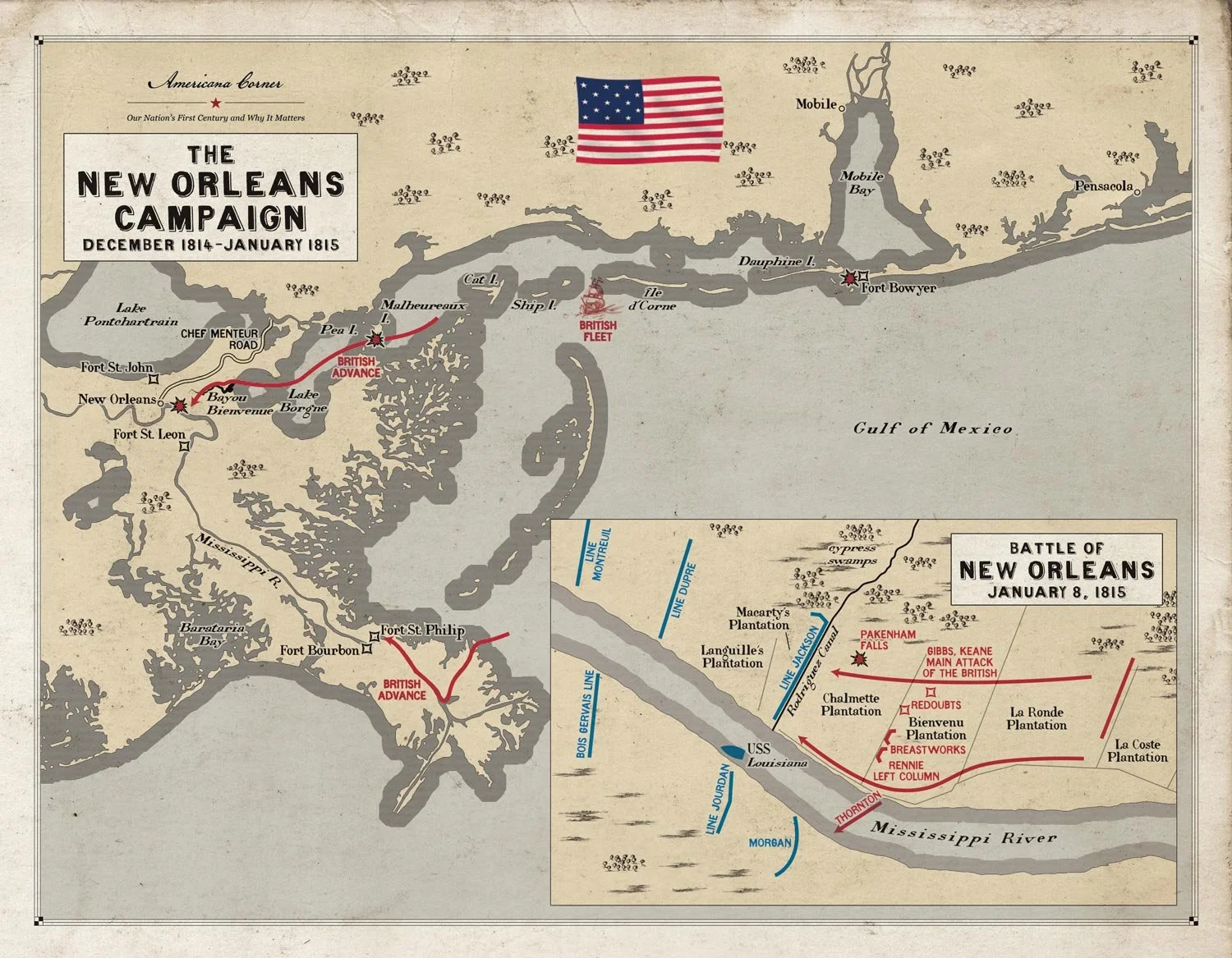

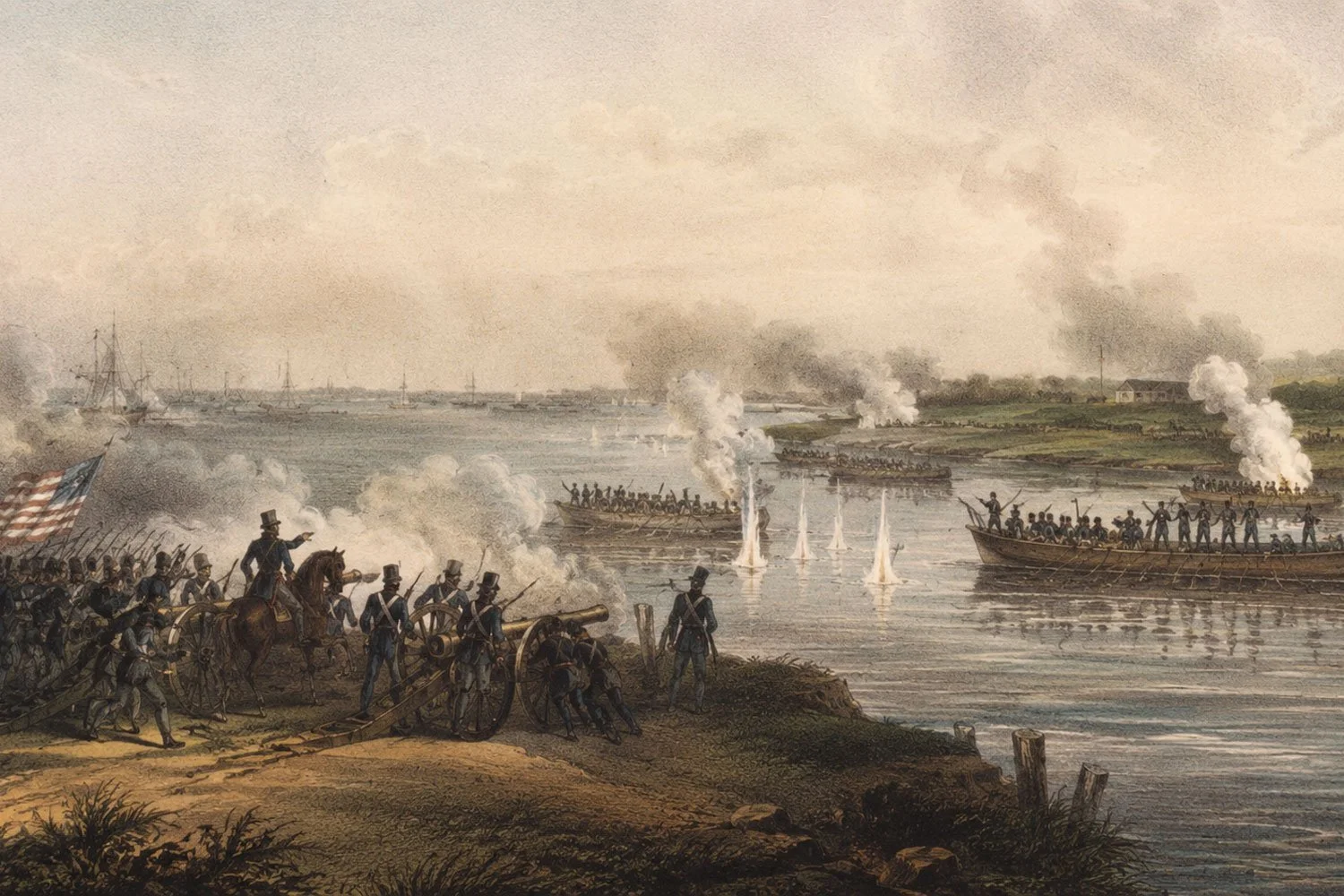
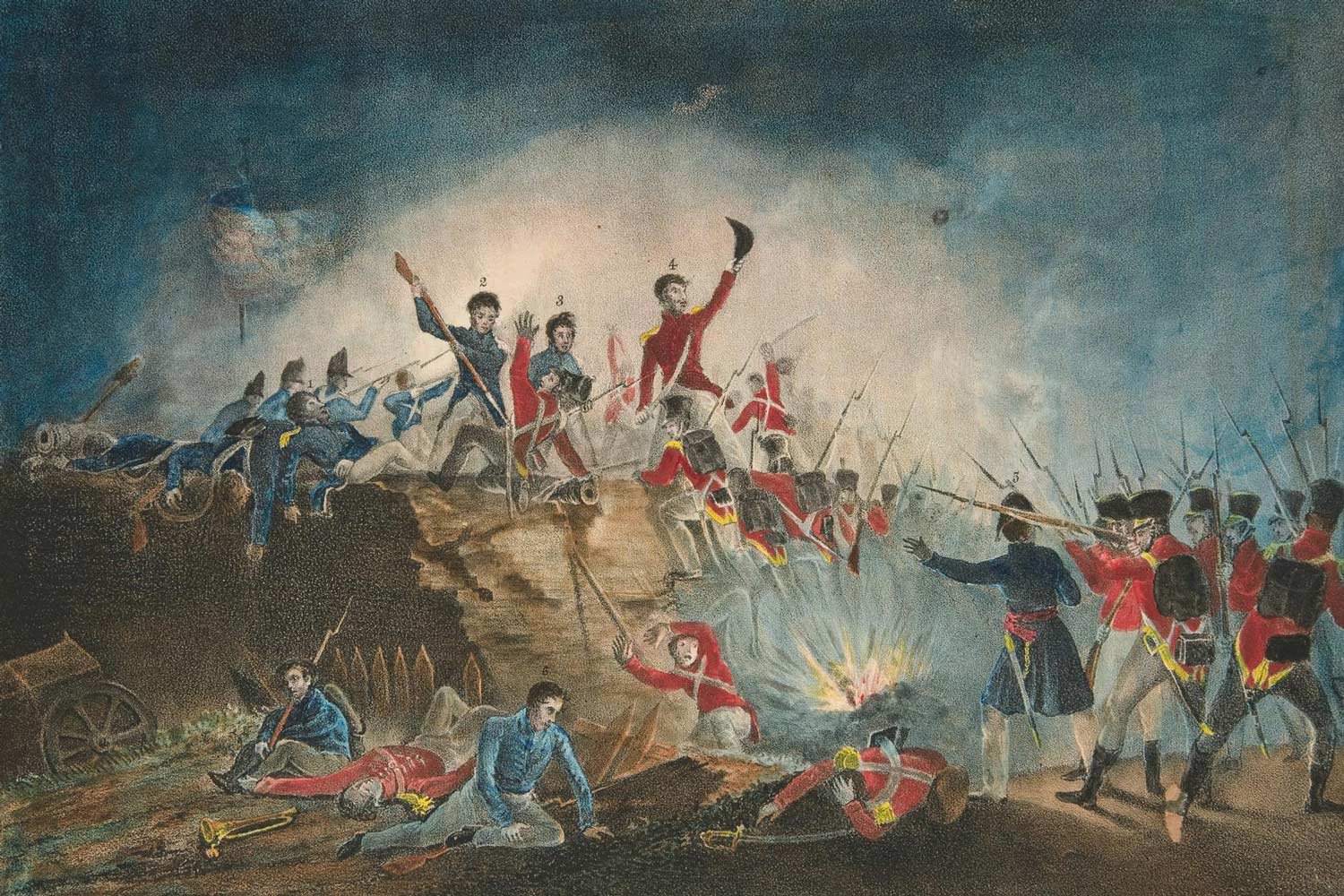
The Battle of New Orleans was really a series of four fights, three of which were already in the books: Jackson's surprise attack on December 23, the failed British assault on December 28, and the artillery duel on New Year's Day. But the one that has been taught to generations of Americans and is best remembered was the fatal attack by British General Sir Edward Pakenham on January 8, 1815.