
War of 1812, Part 2: The Surrender of Detroit
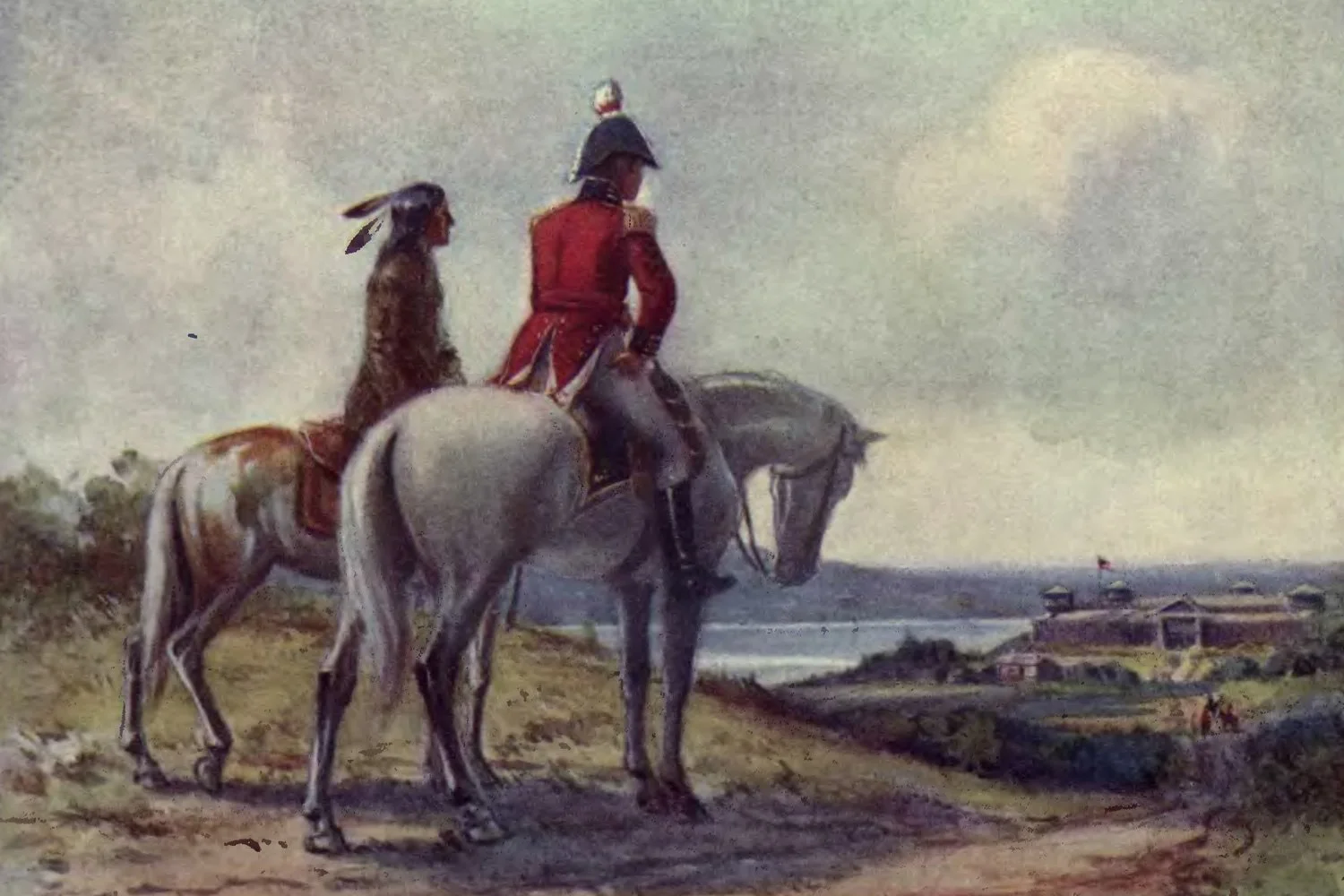
A.M. Wickson. “Tecumseh and Brock at the Surrender of Detroit.” From The Story of Tecumseh by Norman S. Gurd courtesy of Wikimedia.
Early in 1812, when war with Great Britain seemed imminent, President James Madison named William Hull, the Governor of the Michigan Territory and a veteran of the American Revolution, to command the western war effort. Hull was a reluctant warrior who initially declined the post recognizing his best years were behind him, but when President Madison could not find a suitable replacement, Hull agreed to take the command. The army General Hull was destined to lead consisted largely of Ohio militiaman organized into three regiments, plus a troop of mounted dragoons, and 500 regulars of the Fourth Infantry Regiment led by Lieutenant Colonel James Miller, a total of 1,600 men.
Hull’s mission was to lead the army north to Detroit, a town of roughly 800 inhabitants and surrounded by a two-square acre palisaded enclosure, and there await further orders to invade Upper Canada once war was declared. The main British outpost in the region was Fort Malden, eighteen miles south on the east bank of the Detroit River, garrisoned by 200 British regulars, 600 Canadian militiamen, and 250 Indians, with a small British fleet at anchor in the river. Hull’s task was formidable for several reasons, not the least of which was that his supply line stretched for over 200 trackless miles through hostile Indian country, including a 60-mile stretch that straddled the shore of Lake Erie, then controlled by the British navy.
Hull started north on June 1 and while enroute received a dispatch from Secretary of War William Eustis that war had been declared, arriving at Detroit on July 5. Recognizing the need to move fast, Hull crossed the river and invaded Canada on July 12 and issued a proclamation encouraging all residents to flock to the American banner. The Americans occupied the town of Sandwich, directly across from Detroit, and began the move south to capture Fort Malden. But Hull called a council of war, and it was decided to halt the advance until large cannons could be brought over from Detroit to assist in the assault. The delay proved costly as General Isaac Brock, Governor of Ontario, quickly sent reinforcements under Colonel Henry Proctor to Fort Malden, and personally led another contingent to the beleaguered post a few days later.
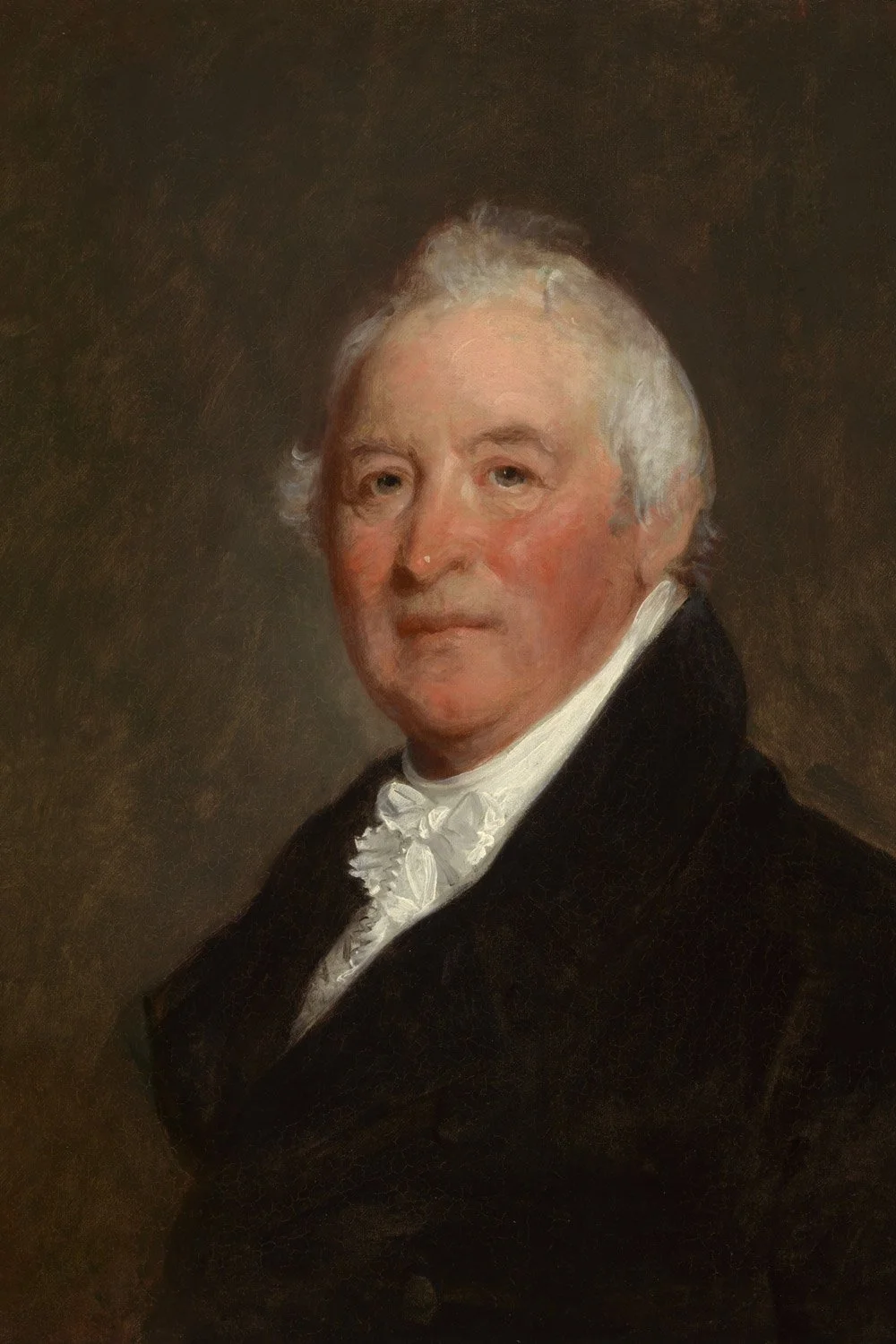
“William Hull.” National Portrait Gallery, Smithsonian Institution.
On August 3, while waiting for his field guns to arrive, Hull was informed that Fort Mackinac, the Gibraltar of the Great Lakes, had been captured by the British. Its collapse meant that several thousand Indians who had participated in that attack would soon be coming down from the north towards Fort Detroit. And a few days later, Hull received even more disturbing news that a detachment of Ohio militiamen under Major Thomas Van Horne sent to retrieve supplies at the River Raisin, thirty miles to the south, was ambushed and routed at Brownstown by Tecumseh, which meant that Indians were in significant strength on both flanks. This combination of unfortunate events caused Hull, already greatly worried about his exposed position, to return to Detroit with his entire force on the evening of August 8.
Desperate for supplies and men, Hull sent another party under Lieutenant Colonel Miller to try and reach the River Raisin supply camp. This group was also attacked and, although the Americans repulsed the combined British and Indian force, Miller chose to return to Detroit rather than pressing on to the River Raisin. With upwards of 5,000 Indians descending on him from the north and his supply line to the south severed and a strong British force at Fort Malden, Hull recognized that to salvage the situation he must immediately retreat behind the Maumee River. Hull again called a council of war on August 9 and stated his intentions, but Colonels Lewis Cass and Duncan McArthur, commanders of the Ohio volunteers, declared that the militia would desert en masse if Hull ordered a retreat and so Hull had little choice but to stay put.
Less than a week later, on August 15, General Brock appeared with 1,500 men on the opposite bank of the Detroit River and demanded Hull’s immediate surrender. Hull refused and that night, while an artillery duel commenced, Tecumseh led 600 warriors across the river and at dawn Brock followed with the rest of the force. Brock again sent a surrender demand to Hull but this time adding a note that if Hull did not surrender, Brock would not be responsible for any atrocities committed by the Indians. The vision of a widespread slaughter of the women and children including his own daughter and grandchildren who had accompanied him to Detroit, was too much for Hull and he ordered a white flag to be raised. In the capitulation terms, Hull surrendered Detroit, the Michigan Territory, and his entire command of 2,200 men.
Tragically, on the same day that Hull surrendered Detroit, another disaster befell the American army in the west. Fort Dearborn at Chicago was a strong blockhouse on the Chicago River garrisoned by fifty-four men, many with their wives and children present, and commanded by Captain Nathan Heald. When Hull retreated from Canada, he sent word to Heald to evacuate Fort Dearborn. Although many of the soldiers pleaded with Heald to disregard Hull’s orders and remain within the stout walls of the fort, and despite warnings from friendly Miami Indians that Potawatomi warriors planned to attack the column, Heald insisted upon following his instructions. The Americans had not proceeded more than a few miles when 500 Potawatomi ambushed Heald’s unit and two thirds of the Americans were killed or wounded, including more than a dozen children.
Hull’s surrender of Detroit, combined with the loss of Forts Mackinac and Dearborn, resulted in the greatest loss of territory that United States has ever suffered, essentially moving the military boundary of the country from the western shores of Lake Superior to the Wabash and Maumee Rivers, and it was even doubtful that that line could be held. General Hull was sent home on parole by General Brock but, based on the greeting he received, probably wished he had remained in captivity. Hull was court-martialed, found guilty, and sentenced to death, a sentence which President Madison rescinded due to Hull’s Revolutionary War service. While all the blame was thrust upon Hull, the real cause for the disaster more accurately lay with the Jefferson and Madison administrations’ decision to essentially defund the United States Army over the course of a dozen years. And unfortunately for the country their negligence would lead to more disasters.
Next week, we will discuss the disaster at the River Raisin. Until then, may your motto be “Ducit Amor Patriae,” love of country leads me.
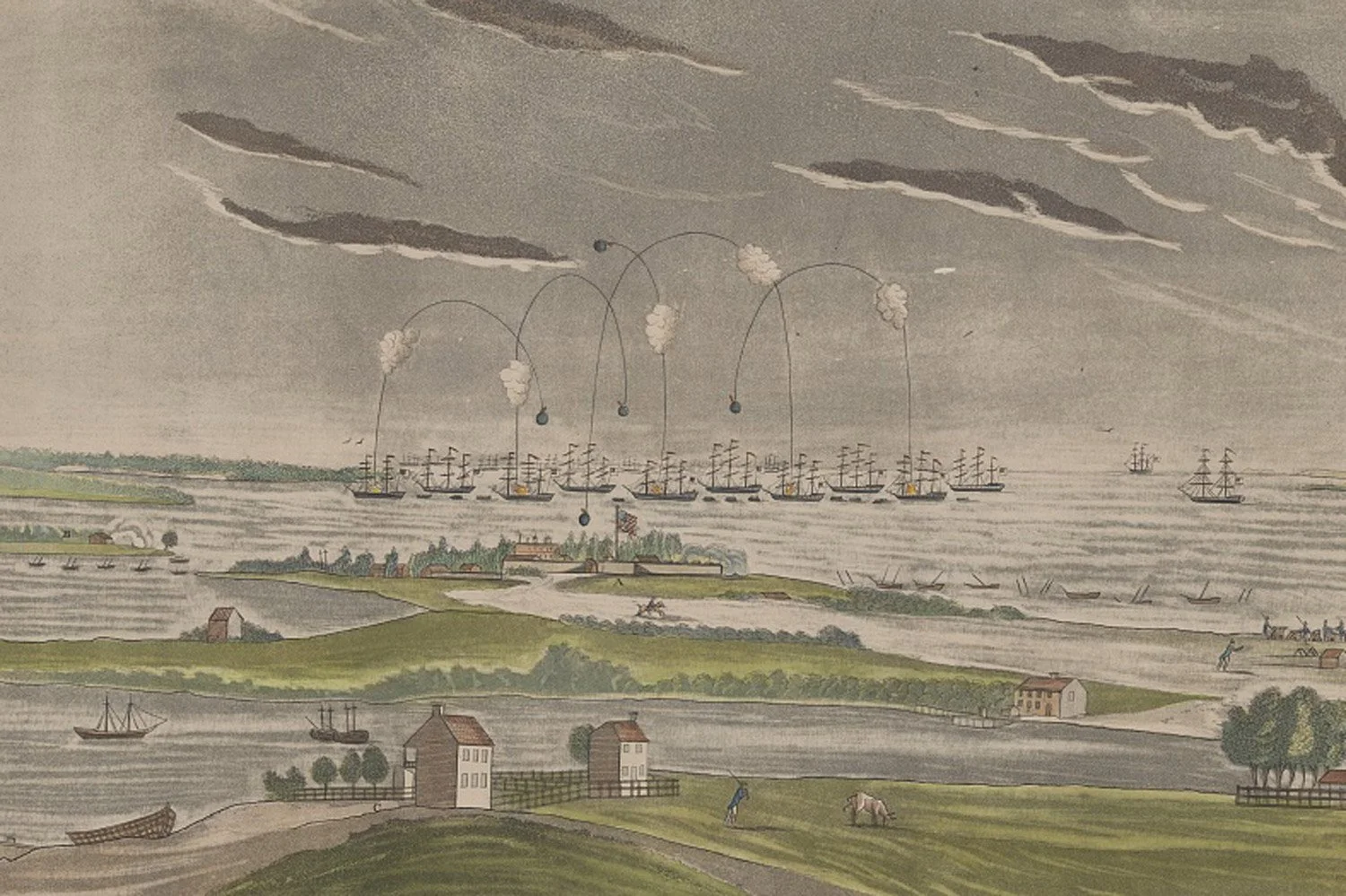
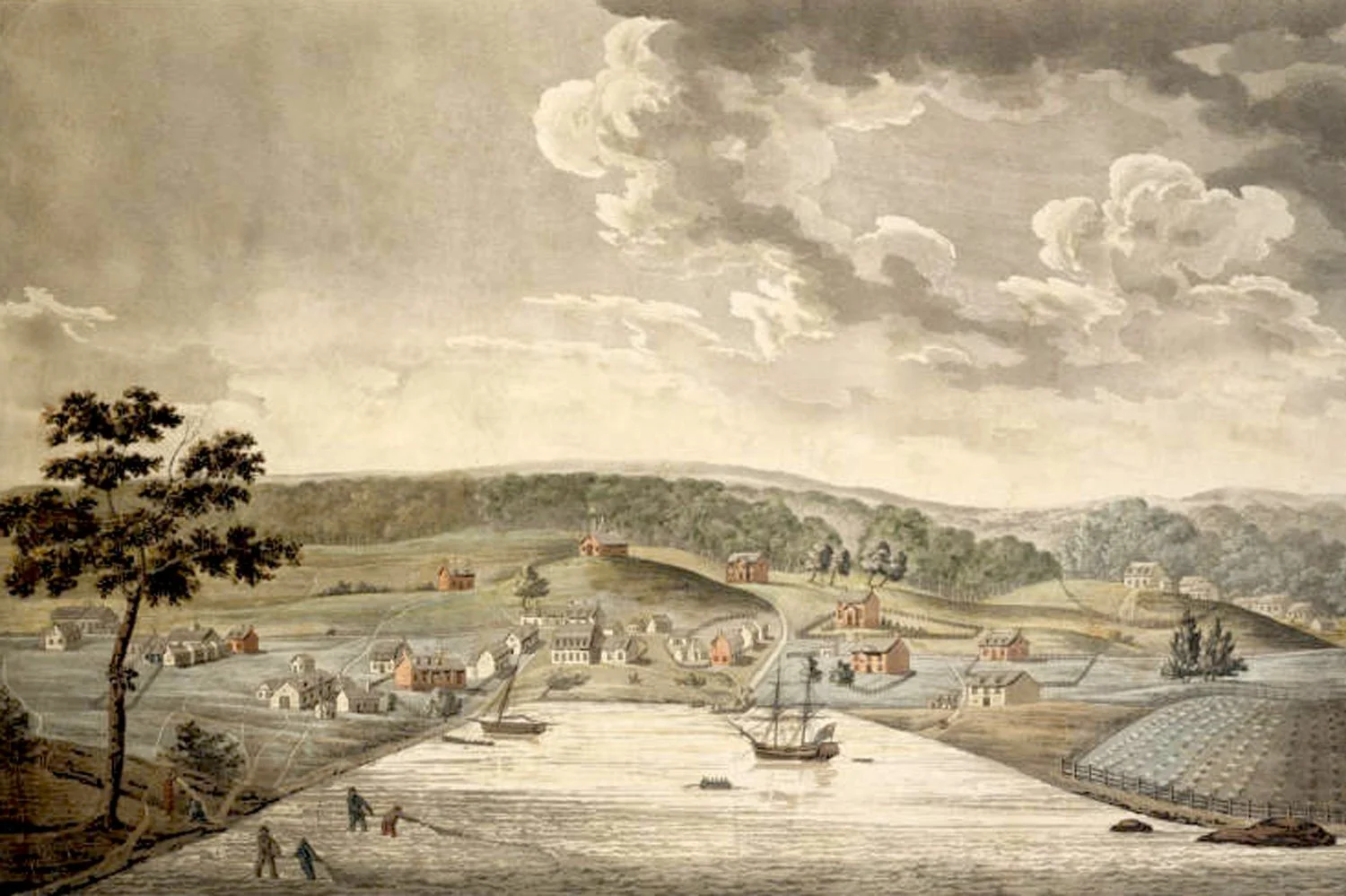

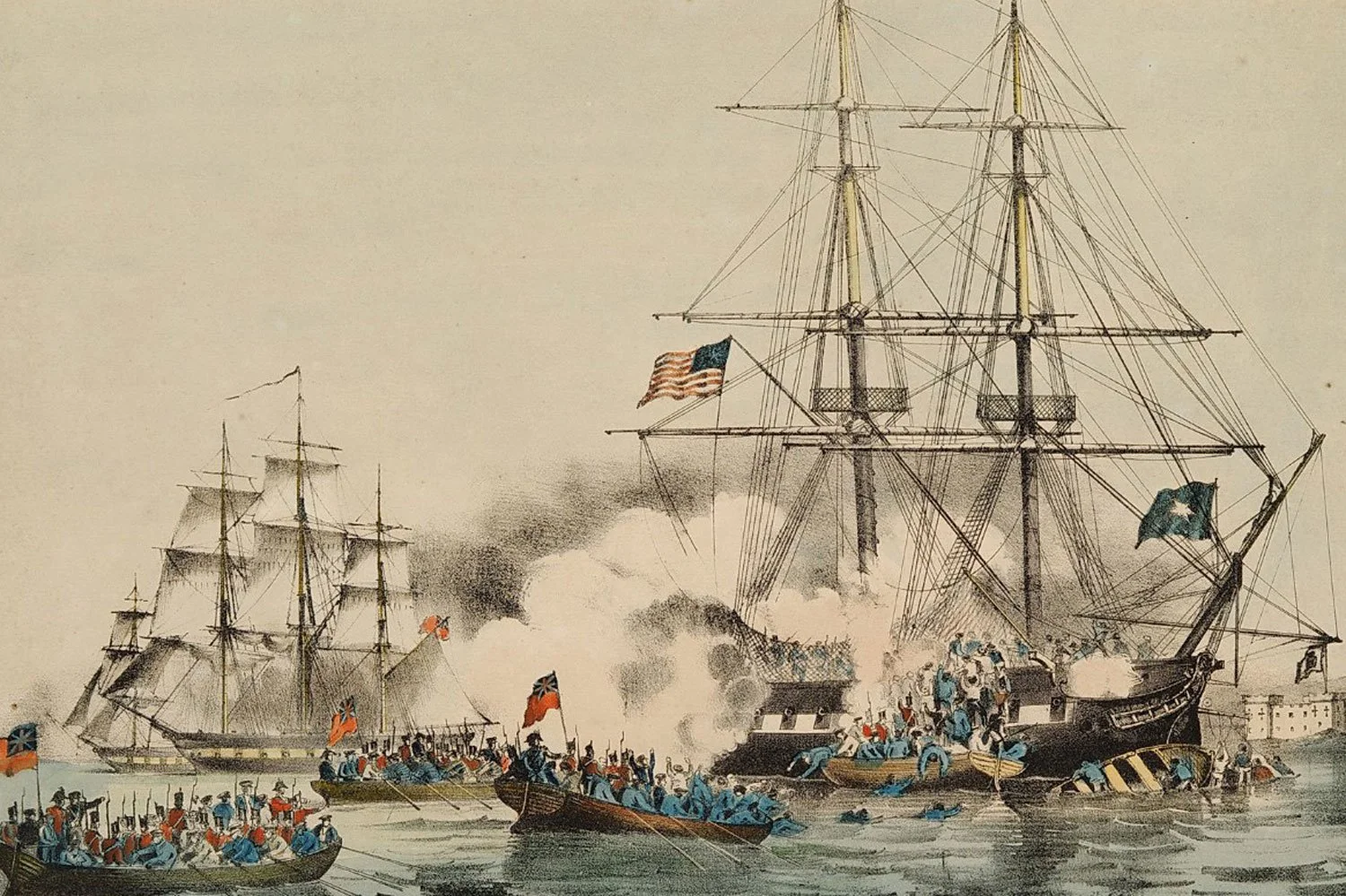
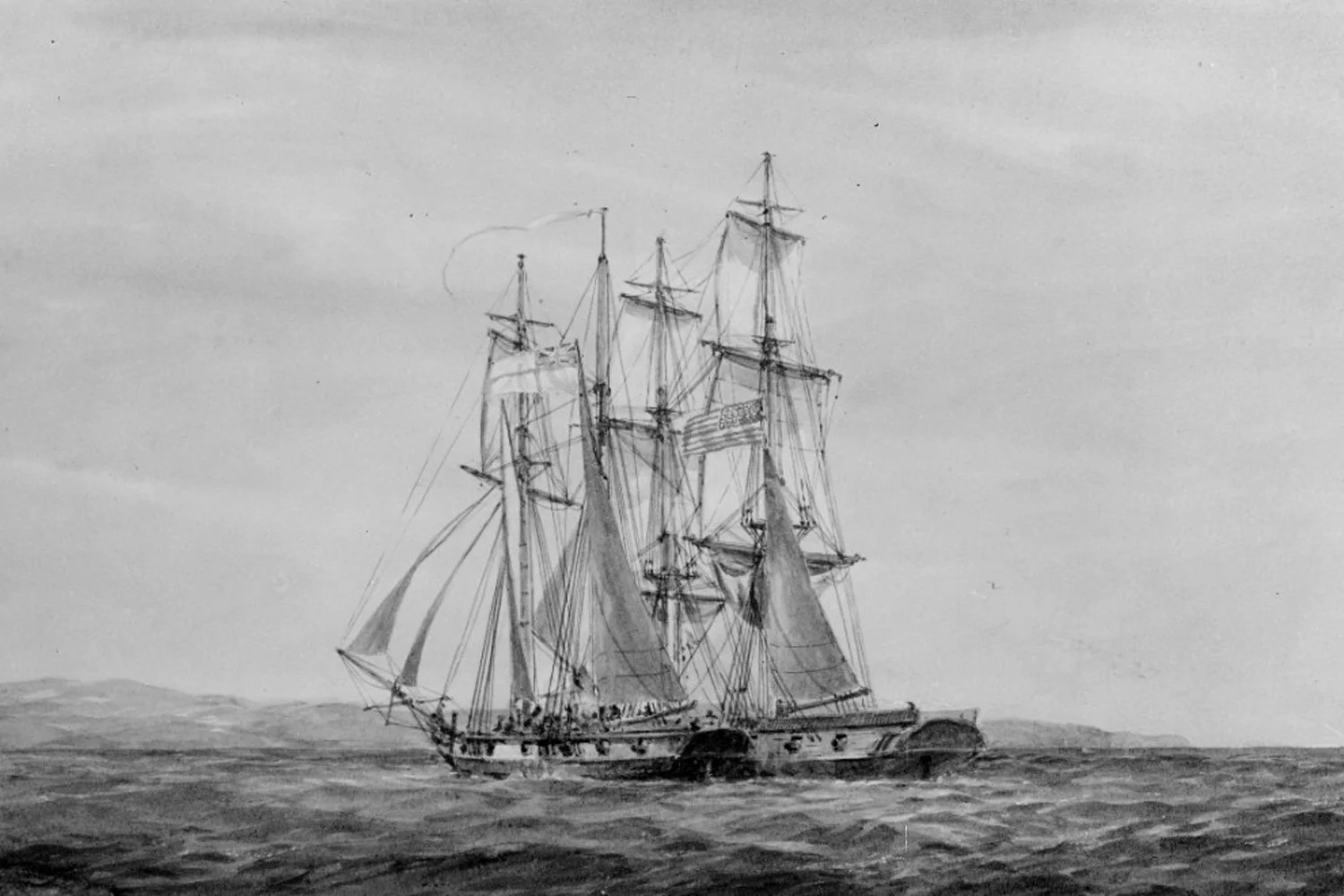
Francis Scott Key managed to become a prisoner of war due to the oddest circumstances. Doctor William Beanes was a 65-year-old physician from Upper Marlboro who had hosted General Robert Ross and Admiral George Cockburn one night on their advance towards Washington. But after playing host, Beanes helped capture several British stragglers as Ross's army was returning to the fleet. Upon learning of Beanes’ actions, Ross was furious at what he considered a breach of faith and sent a troop of British horsemen to take the good doctor into custody. Beanes was thrown into the brig aboard HMS Tonnant and there he remained as the British approached Baltimore.