
War of 1812, Part 15: Battle of Crysler’s Farm
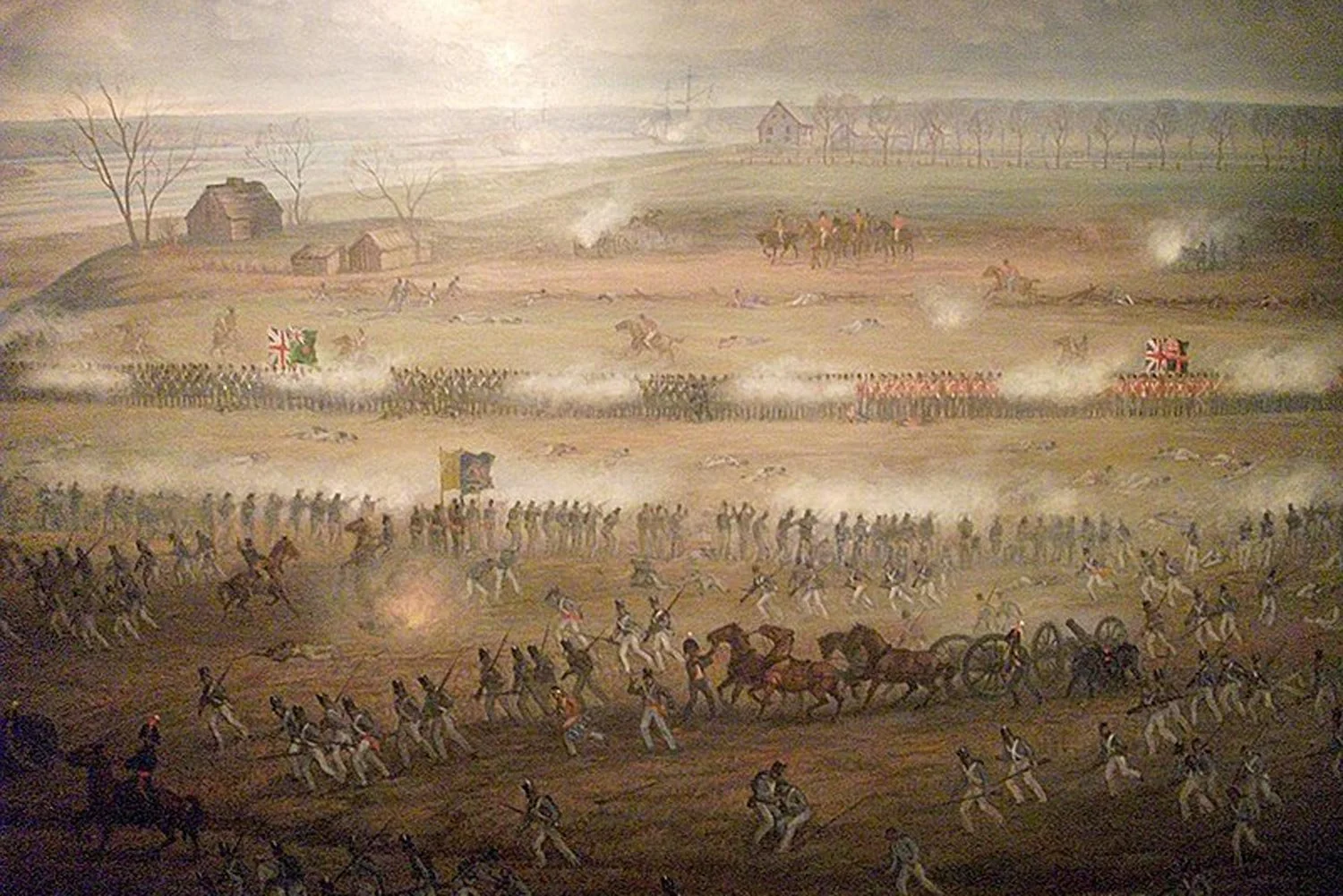
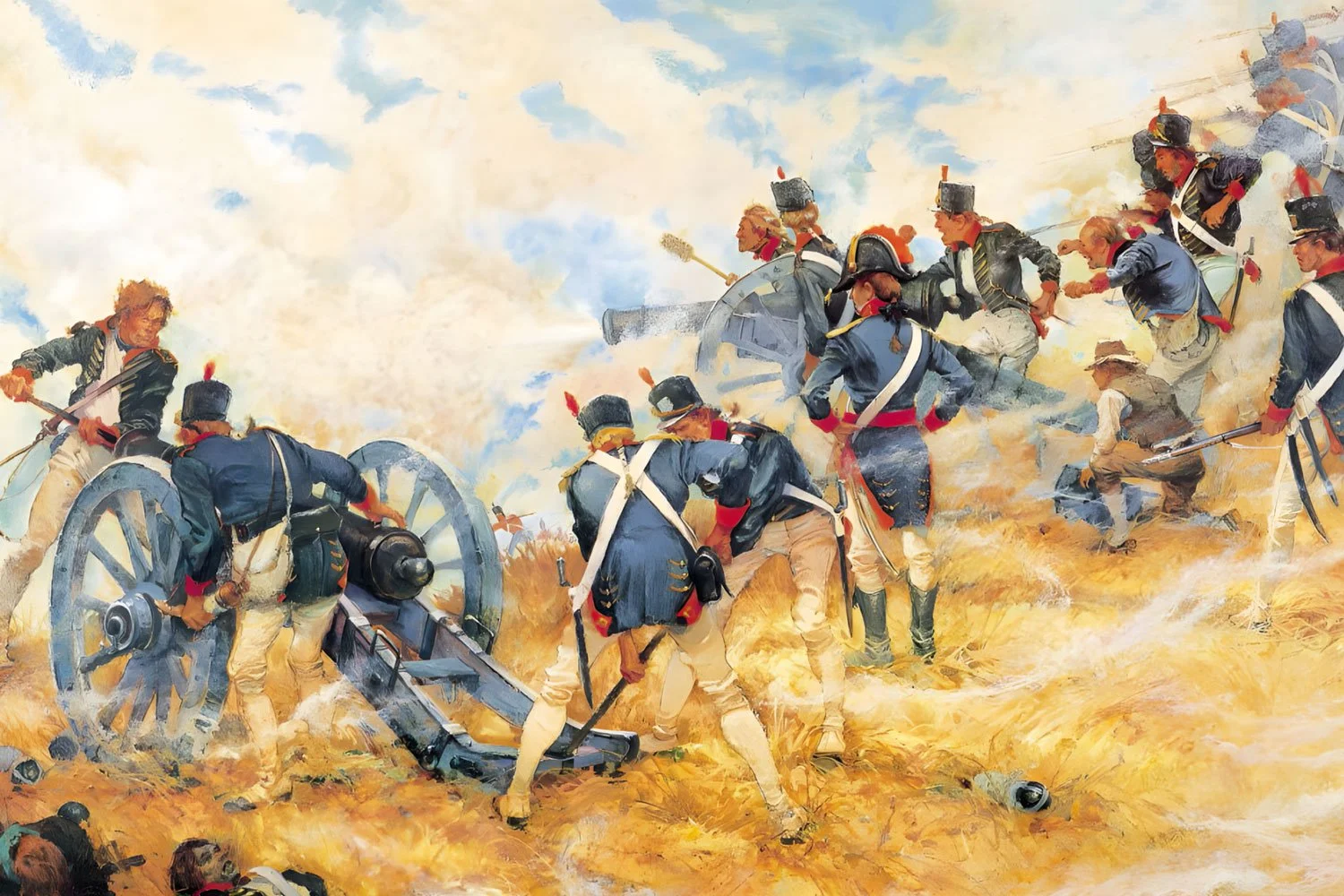
Adam Sherriff Scott. “Battle of Crysler's Farm.” World History Encyclopedia.
The American flotilla of 300 boats conveying General James Wilkinson’s army to Montreal entered the St. Lawrence River on November 5, 1813, but the British were not idle and immediately began to harass the Americans on both land and sea. British Captain William Mulcaster had pierced Commodore Isaac Chauncey’s blockade of Kingston with several gunboats and proceeded to snipe at the rear guard of the American contingent from the river. At the same time, six hundred British troops under Lieutenant Colonel Joseph Morrison marched down the north shore of the St. Lawrence to further annoy the Americans with musketry and cannon shot from the banks.
The following day, Wilkinson received the disturbing news that General Wade Hampton’s army, which was to rendezvous with Wilkinson, had been repulsed on the Chateaugay River and would not be able to support him as originally planned. Wilkinson called a council of war, which agreed to continue downriver, but a want of confidence in Wilkinson was already beginning to show. On the evening of November 7, the American boats ran past Fort Wellington, the British outpost at Prescott, under cover of darkness, and proceeded to the Long Sauté, an eight-mile-long series of rapids with a strong British blockhouse called Fort Matilda at its base. The Americans paused their movement near a farm owned by John Crysler, a Canadian militia Captain, to prepare for their descent through the rapids.
But the harassment of the British was proving intolerable, and, recognizing that the Canadian side of the river and the blockhouse must be secured before confronting the rapids, Wilkinson dispatched Generals Jacob Brown and Alexander Macomb to clear the north shore ahead of the American flotilla. Wilkinson also sent General John Boyd with three brigades consisting of 2,000 regulars and six field pieces to drive off the British army in the American rear. Boyd was a poor choice for this independent command, as he lacked the confidence of the army, with General Jacob Brown refusing to serve under him and General Winfield Scott describing Boyd as “vacillating and imbecile beyond all endurance as a chief under high responsibilities.” On November 11, Brown sent word that he had defeated a force of 500 Glengarry and Stormont militiamen in the Battle of Hoople’s Creek, securing the north bank of the river below the rapids. But it was a different story above the rapids as the British, recently reinforced from Prescott and supported by three cannons and gunboats in the river, confidently approached the American lines, and General Boyd deployed his men for battle.
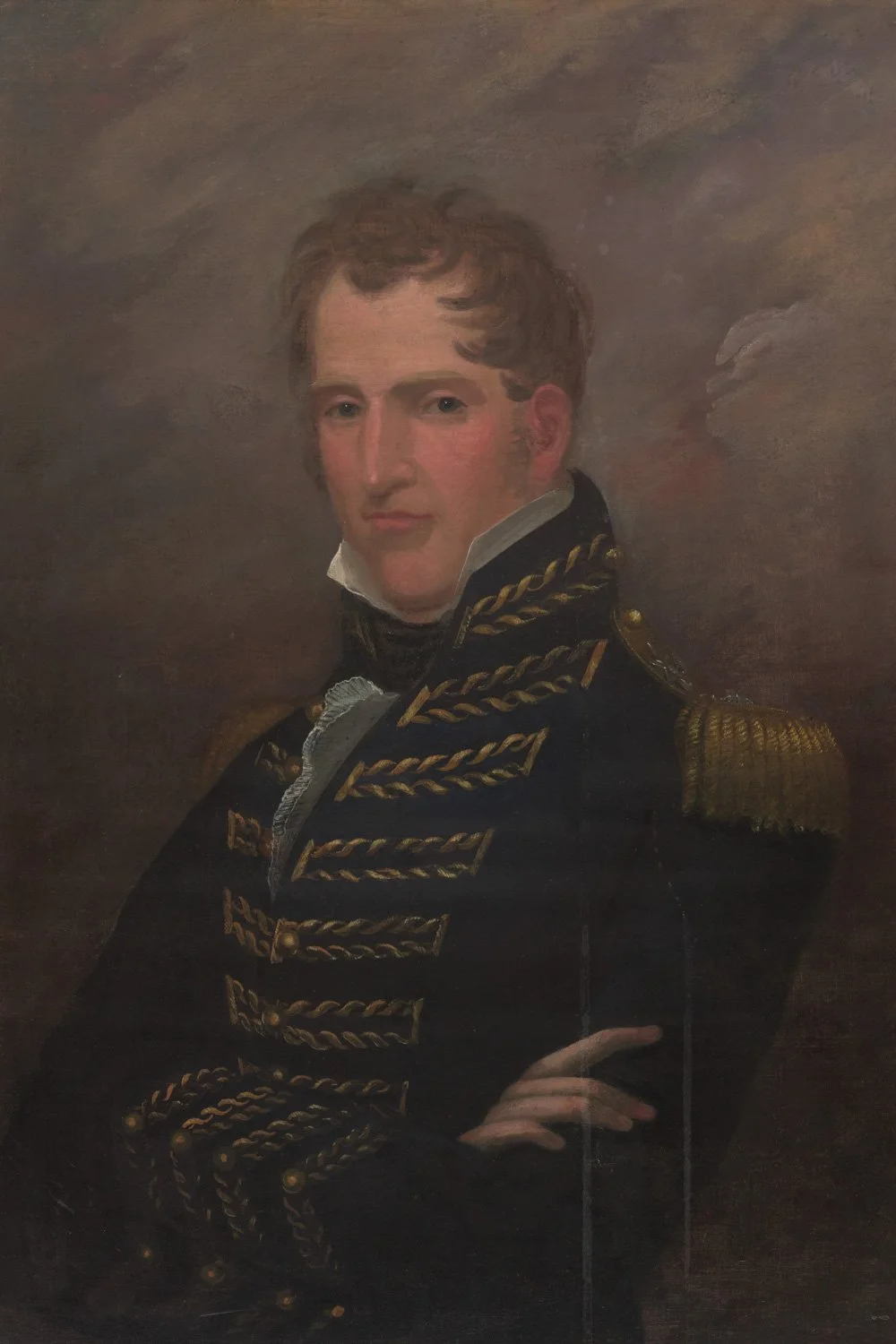
“Eleazar Ripley.” Hood Museum of Art, Dartmouth.
Boyd initiated the action with an assault by Colonel Eleazar Ripley and the 21st Infantry on the British left flank and drove back the Canadian Voltigeurs, a Canadian militia outfit. But the Americans soon were confronted by regulars from the British 89th, who repulsed their attack, and the Americans fell back. Boyd next ordered General Leonard Covington to lead his brigade against the British right held by the 49th Regiment. Covington led the men forward on his white charger but proved too good a target for the Brits, and he was shot from his horse, mortally wounded, and his second-in-command soon suffered the same fate. Leaderless and under intense fire, the rank and file began to leave the field, and, by late afternoon, the retreat became general along the American line as the soldiers streamed to the riverbank and embarked in the waiting boats, which took them to the safety of the south bank. The Battle of Crysler’s Farm, in which the Americans outnumbered their British adversaries by almost 3 to 1, was an embarrassing and costly loss for the Americans as they suffered over 450 casualties while the Brits lost less than 200 men. But uninspired leadership by General Boyd caused the Americans to lose this opportunity to inflict a punishing defeat on an undersized British force.
Recognizing their good fortune, the British did not press their attack, and the next day the American flotilla moved on, proceeding through the Long Sauté rapids. Wilkinson summoned a council of war with his officers, and it was agreed to end the campaign and retreat to the small village of French Mills just inside the New York border. But here they were 230 miles from the nearest supply depot, and soon the Canadian winter made the one roadway to that depot impassable. With supplies running low and inadequate shelter for the men, Secretary Armstrong ordered Wilkinson to break up the army, sending 2,000 men to Sackett’s Harbor and withdrawing with the rest to Plattsburgh.
But aware that he would be blamed for the failure of the St. Lawrence campaign, Wilkinson conceived an operation whereby he might retrieve his lost reputation before abandoning the field. There was a small British garrison of eighty men stationed in a blockhouse just north of the border at Lacolle Mills, which looked like easy pickings. Wilkinson led 4,000 men and an artillery detachment with eleven cannons there, arriving on March 30, 1814, and opened with a barrage late that afternoon, which proved ineffective against the British defenses. Three miles away, a unit of 400 Canadian Voltigeurs heard the battle sounds and raced to help their countrymen, and they managed to break through the American line and successfully assault the artillery battery. At the same time, British gunboats, which had sailed up the Richelieu River to the mouth of the Lacolle, provided support for the beleaguered Canadians. By evening, the Americans had made little impression upon the British defenses, and demoralized, tired, and hungry, the Americans, who had outnumbered the Canadians nearly ten to one, withdrew from the field after losing over 150 men while the Canadians suffered just 61 casualties.
The Battle of Crysler’s Farm and the subsequent defeat at Lacolle Mills ended an embarrassing campaign for the Americans. Wilkinson was soon relieved of command and court-martialed once again, this time for negligence. But as in all previous cases, the charges were dismissed and the slippery Wilkinson was exonerated, although he was discharged from the service the following summer.
Next week, we will discuss the Battle of the Chateaugay. Until then, may your motto be “Ducit Amor Patriae,” love of country leads me.
Hello America!
Subscribe to receive weekly complimentary articles and videos delivered straight to your inbox.
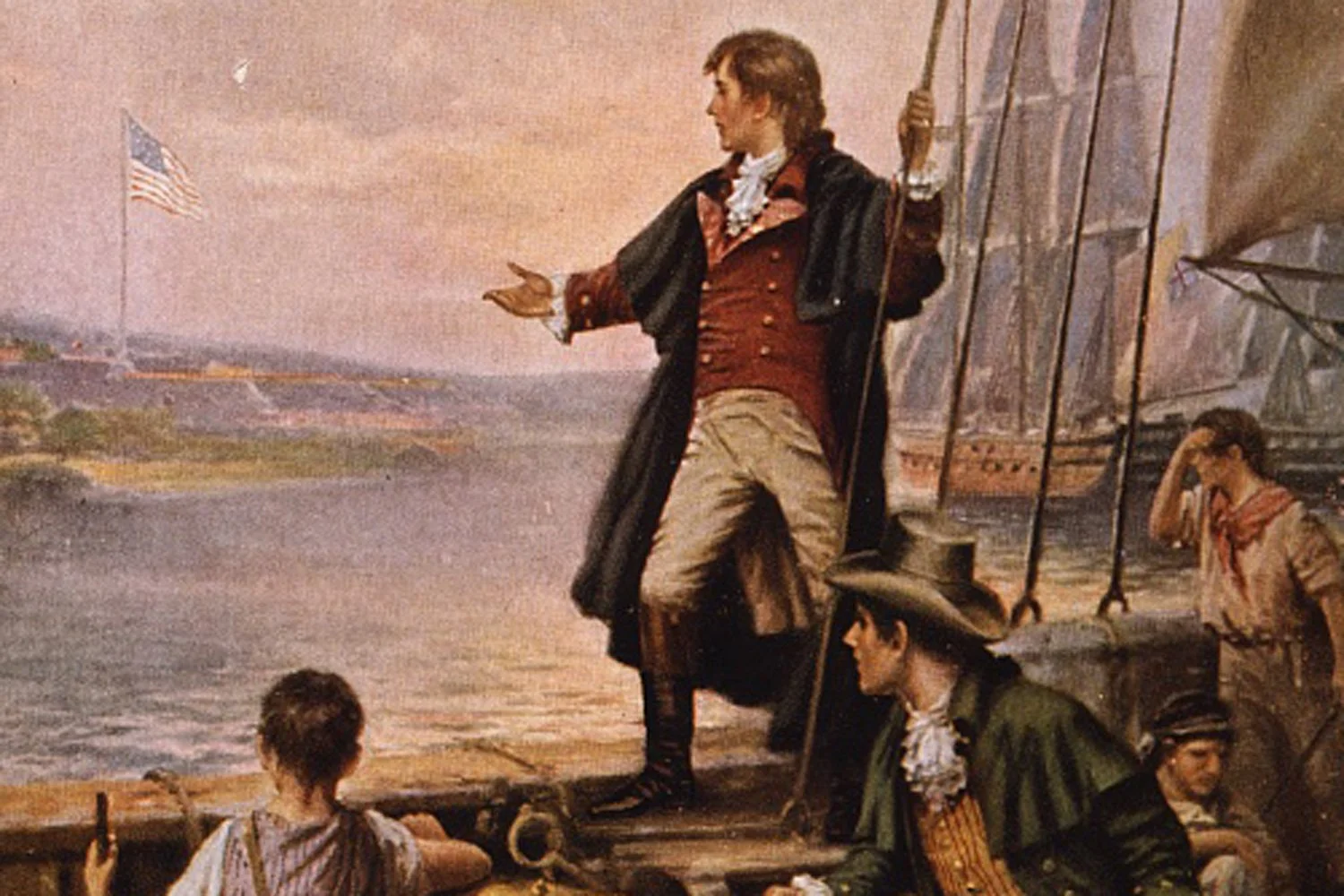
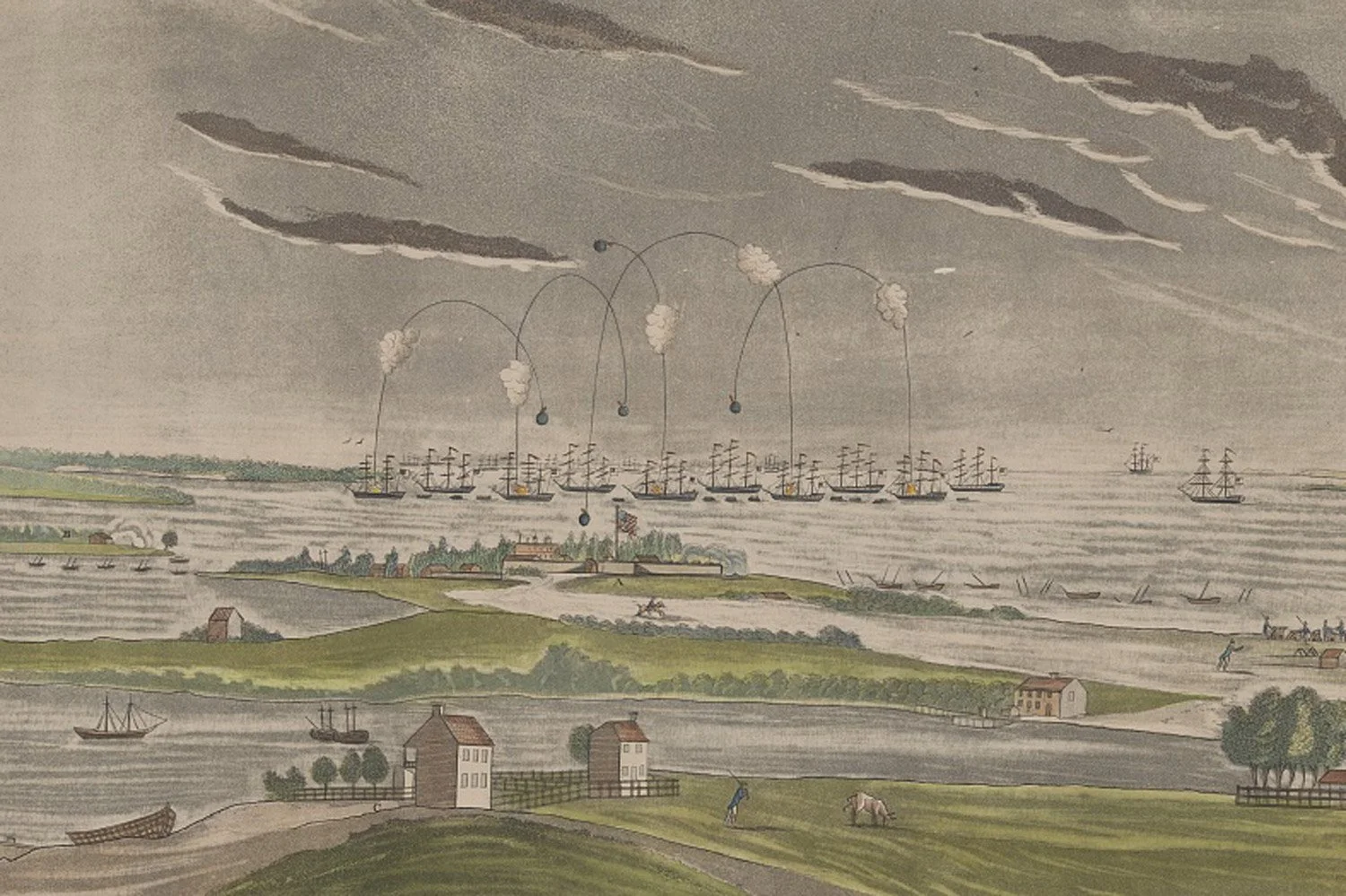
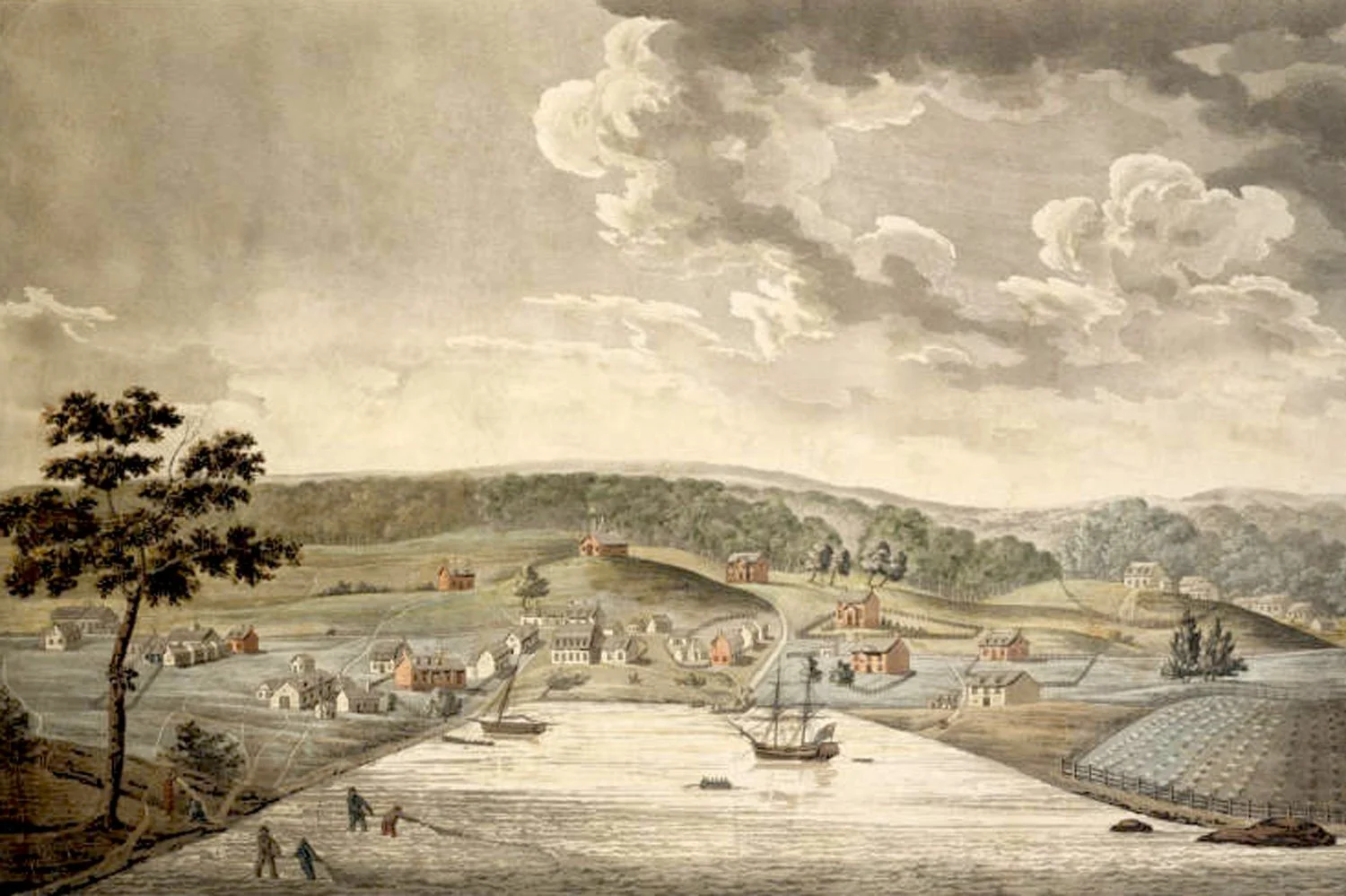
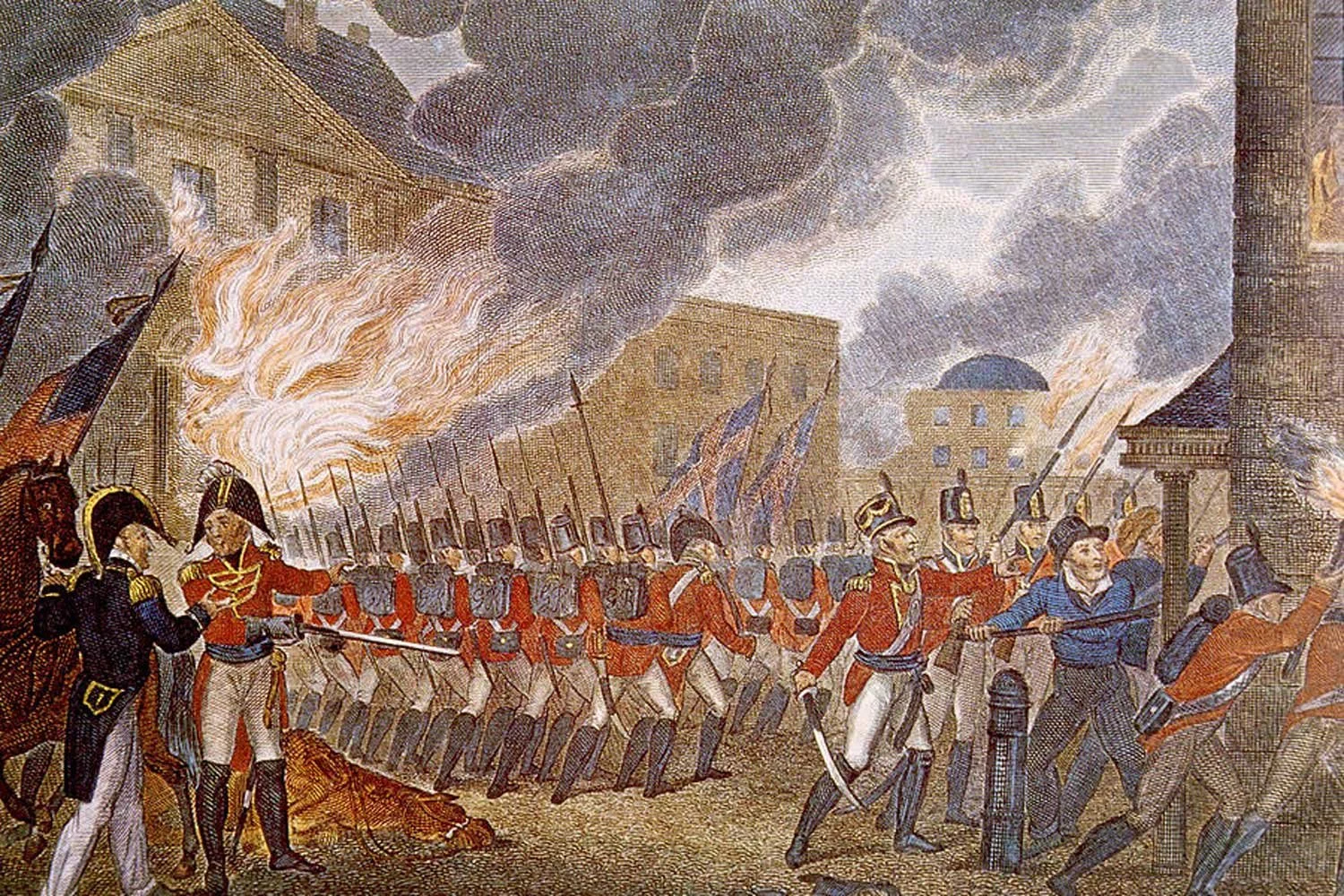

In a dispatch dated August 10, 1814, Vice Admiral Alexander Cochrane was instructed by Lord Bathurst, Secretary of State for War and the Colonies, to proceed to Jamaica and rendezvous with reinforcements coming from England to assist him in capturing New Orleans. With the death of Major General Robert Ross at North Point, the War Department in London gave the command of the land force for this new expedition to Major General Sir Edward Pakenham, a veteran of the Peninsula War and the brother-in-law of the Duke of Wellington. And on November 26, Cochrane, Pakenham, and a British army of nearly 7,000 veterans sailed for New Orleans.