
War of 1812, Part 21: The Great Naval Chase of 1812
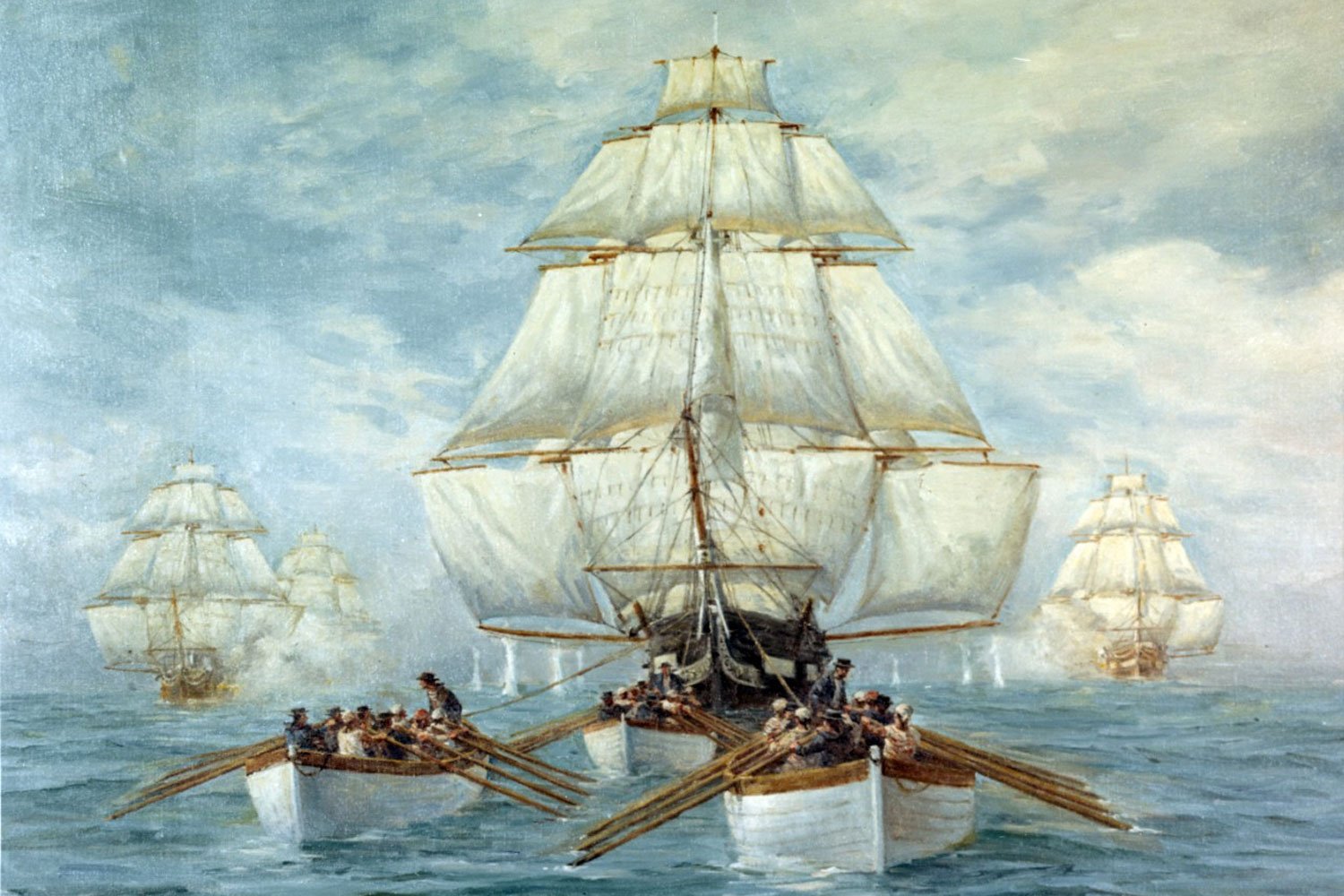
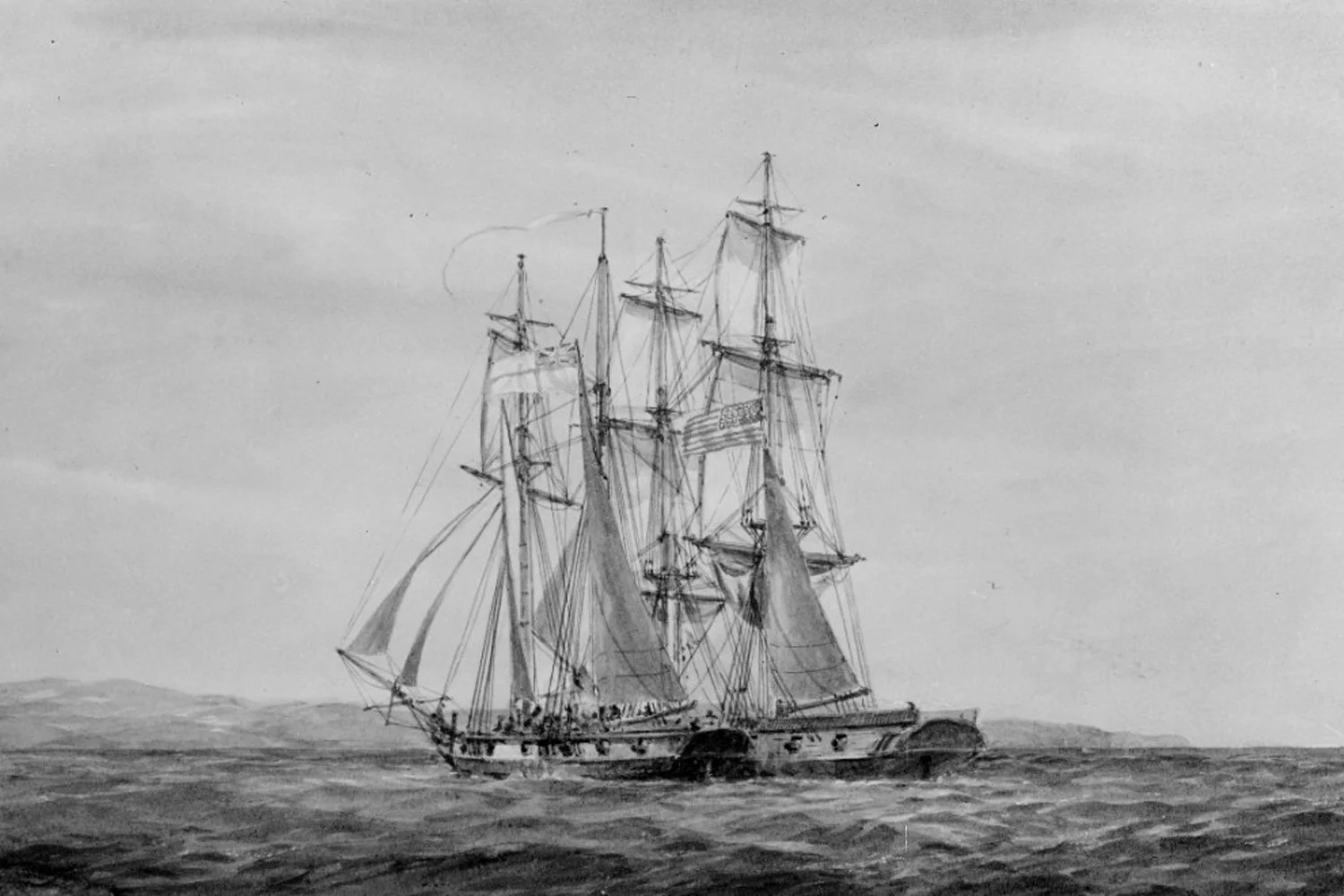
Anton Otto Fischer. “Chase of the Constitution, July 1812.” Naval History and Heritage Command.
When the United States declared war on Great Britain on June 18, 1812, the nation's army was woefully unprepared for the conflict, and its navy was not much better off. This deficiency would have been a problem against any European nation, but especially when the adversary was the greatest naval force in the world. And to compound matters, the United States was dependent on overseas trade for its economic prosperity and many of its manufactured goods, and those sea lanes were controlled by our newly declared adversary. In hindsight, declaring war on the world’s preeminent naval power given these circumstances seems incredibly rash, and critics of the government, especially New England Federalists such as Harrison Otis and Timothy Pickering, were quick to point this out.
In 1812, the United States Navy consisted of only sixteen warships: eight frigates rated between twenty-eight and forty-four guns and eight other smaller vessels. Few of these ships were seaworthy, as the Jefferson and Madison administrations had neglected their maintenance, reflective of a grave dislike for a standing navy held by Republicans who distrusted all federal military organizations and felt the expense to maintain a navy was a poor investment for the country. Perhaps more importantly, frigates required a sizable crew of four hundred men, and most American sailors preferred the better conditions and pay found on merchant ships. Rather than incur this extraordinary expense, President Jefferson chose to rely on small, coast-cruising gunboats and, during his administration, had over two hundred of these smaller craft outfitted. This low-cost navy was all well and good during peacetime, but when war came, the unpleasant realities of the gunboat program were exposed, and they were quickly pushed aside to prepare our frigates for action.
At the outset of the war, the only ships ready for sea were the President, 44 guns, commanded by Commodore John Rodgers; the United States, 44 guns, commanded by Captain Stephen Decatur; the Congress, 38 guns; and the Argus, 16 guns. The rest were either not seaworthy or struggling to find an adequate crew, as in the case of the 44-gun frigate Constitution, commanded by Captain Isaac Hull. Secretary of the Navy Paul Hamilton planned to concentrate all ships in New York and have them sail in one large squadron to provide mutual defense. Hamilton and others in the Madison administration had little confidence in the navy and worried that if they sailed solo, the Royal Navy would easily pick them off one by one, but Captain Decatur pushed back on this idea. He was a sailor, not a politician, and he knew his fellow Captains and the crews they commanded; he had seen most of them in action in both the Quasi and Barbary Wars and had profound faith in their abilities. Decatur advised Hamilton to send out the warships “…singly or not more than two frigates in company without giving them any specific instructions as to the policy of cruising but to rely on the enterprise of the officers,” and, fortunately for the country, Hamilton followed this sound advice.
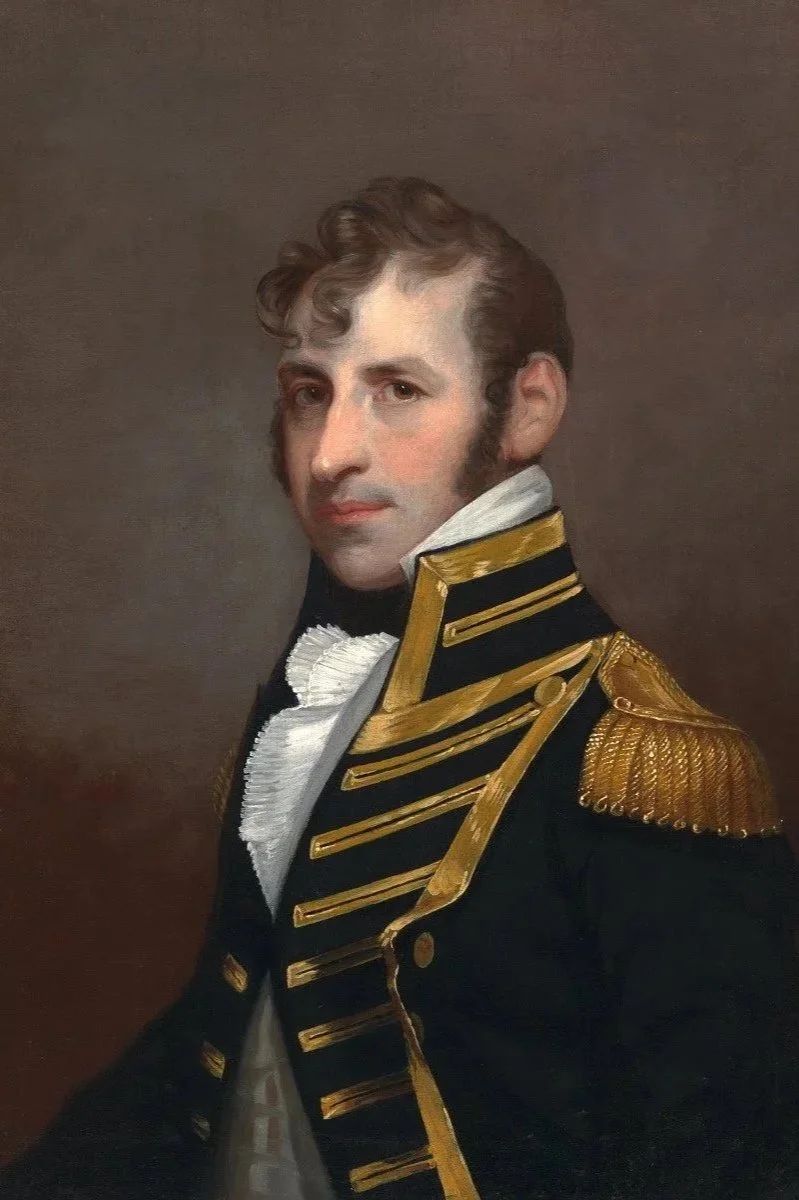
“Stephen Decatur.” National Portrait Gallery, Smithsonian Institution.
In early July 1812, British Captain Philip Broke sailed with a squadron from Halifax to search out and destroy any American warships they encountered. The Constitution had finally left Annapolis with a new crew in early July and sailed north, arriving off the New Jersey coast on Friday, July 17. That afternoon, lookouts sighted four sails to the northwest and a lone sail to the northeast making straight for the Constitution. Hull assumed these were American ships, possibly Rodgers’ squadron, and maintained a slow, steady course. This flotilla was in fact Broke’s warships, and, later that night, when Hull realized his mistake, he turned his ship around and wisely took flight heading southeast, resulting in one of the great chases in the age of sail.
As night turned to dawn on the 18th, the winds calmed, and Hull was forced to put out rowboats to tow the Constitution. Broke, in his flagship HMS Shannon, imitated Hull’s action and, pulling extra sailors and towboats from other ships, began to gain on the Constitution and opened fire with his bow guns, but the shots fell short. Around 7 a.m., Hull returned the favor with two long twenty-four-pounders at his stern, which slowed down those rowing the Shannon. Hull next sent another rowboat a half mile ahead of the Constitution to drop an anchor and had the men on board pull the ship forward, a naval tactic called kedging. By now, HMS Guerriere was closing in from the other side and opened fire on the American ship. To lighten the load and speed their retreat, Hull tossed ten tons of fresh water overboard, and the weary sailors began kedging away from this latest danger. But that brought the Constitution closer to HMS Belvidere, whose commander, Captain Byron, had observed Hull’s kedging tactics and imitated them and by midafternoon was close enough to commence firing. Although the shots fell short, it seemed only a matter of time before the Constitution would be surrounded and captured.
All that night the chase continued, and as daylight broke on July 19, Hull, realizing he was in danger of being trapped, took a chance and raced between two British frigates, somehow emerging unscathed and now clear of the trap. Throughout the breezeless afternoon, the adversaries towed and kedged their ships, barely keeping out of gunshot range. Hull’s men were exhausted, having enjoyed little rest for over seventy-two hours, while the British ships, which had more men and hence more relief crews, drew to within three miles of the Constitution, and the end seemed near. But then a providential squall approached from the southeast, and the Constitution raced ahead to safety on the heavy winds.
As daylight broke on Monday, July 20, the Constitution was well ahead of its pursuers, and the British warships gave up the chase. Hull’s superb seamanship drew accolades even from the British and justified Lord Nelson’s comment after observing the Yankee ships during the Barbary War that “there is in the handling of those transatlantic ships a nucleus of trouble for the navy of Great Britain.”
Next week, we will discuss the thrilling fight between USS Constitution and HMS Guerriere. Until then, may your motto be “Ducit Amor Patriae,” love of country leads me.
Hello America!
Subscribe to receive weekly complimentary articles and videos delivered straight to your inbox.
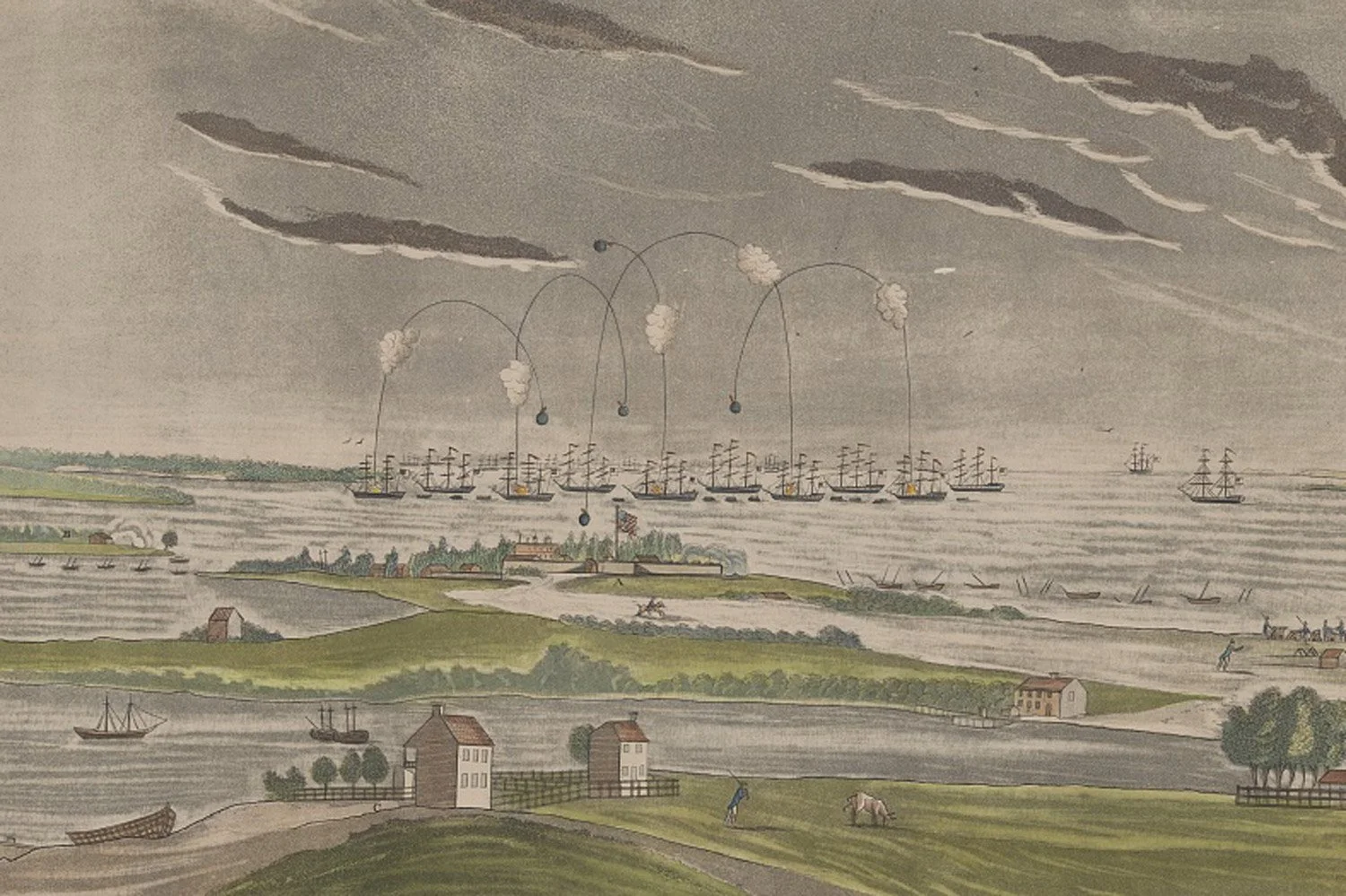
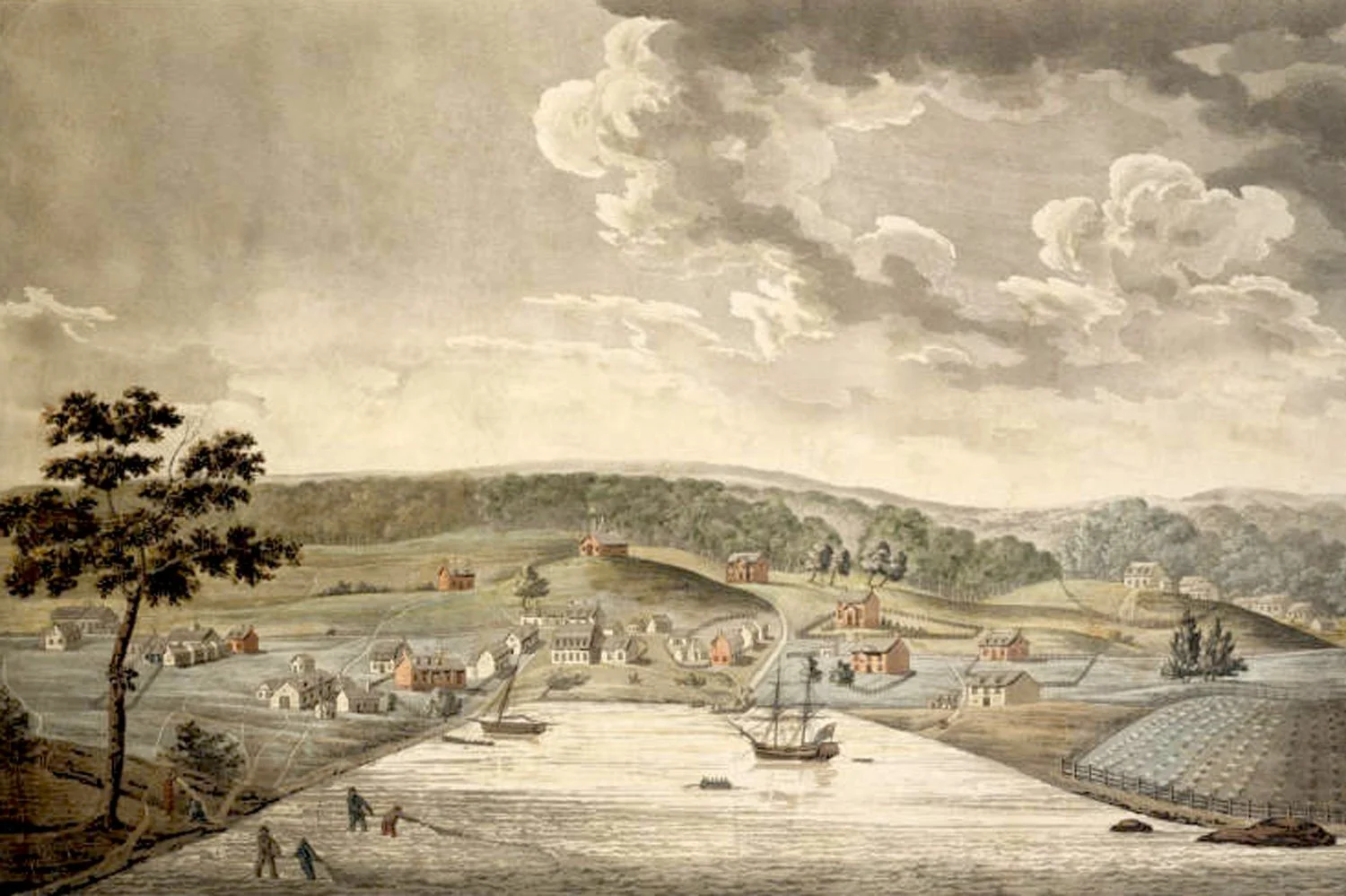

Francis Scott Key managed to become a prisoner of war due to the oddest circumstances. Doctor William Beanes was a 65-year-old physician from Upper Marlboro who had hosted General Robert Ross and Admiral George Cockburn one night on their advance towards Washington. But after playing host, Beanes helped capture several British stragglers as Ross's army was returning to the fleet. Upon learning of Beanes’ actions, Ross was furious at what he considered a breach of faith and sent a troop of British horsemen to take the good doctor into custody. Beanes was thrown into the brig aboard HMS Tonnant and there he remained as the British approached Baltimore.