
War of 1812, Part 31: British Set Their Sights on Washington
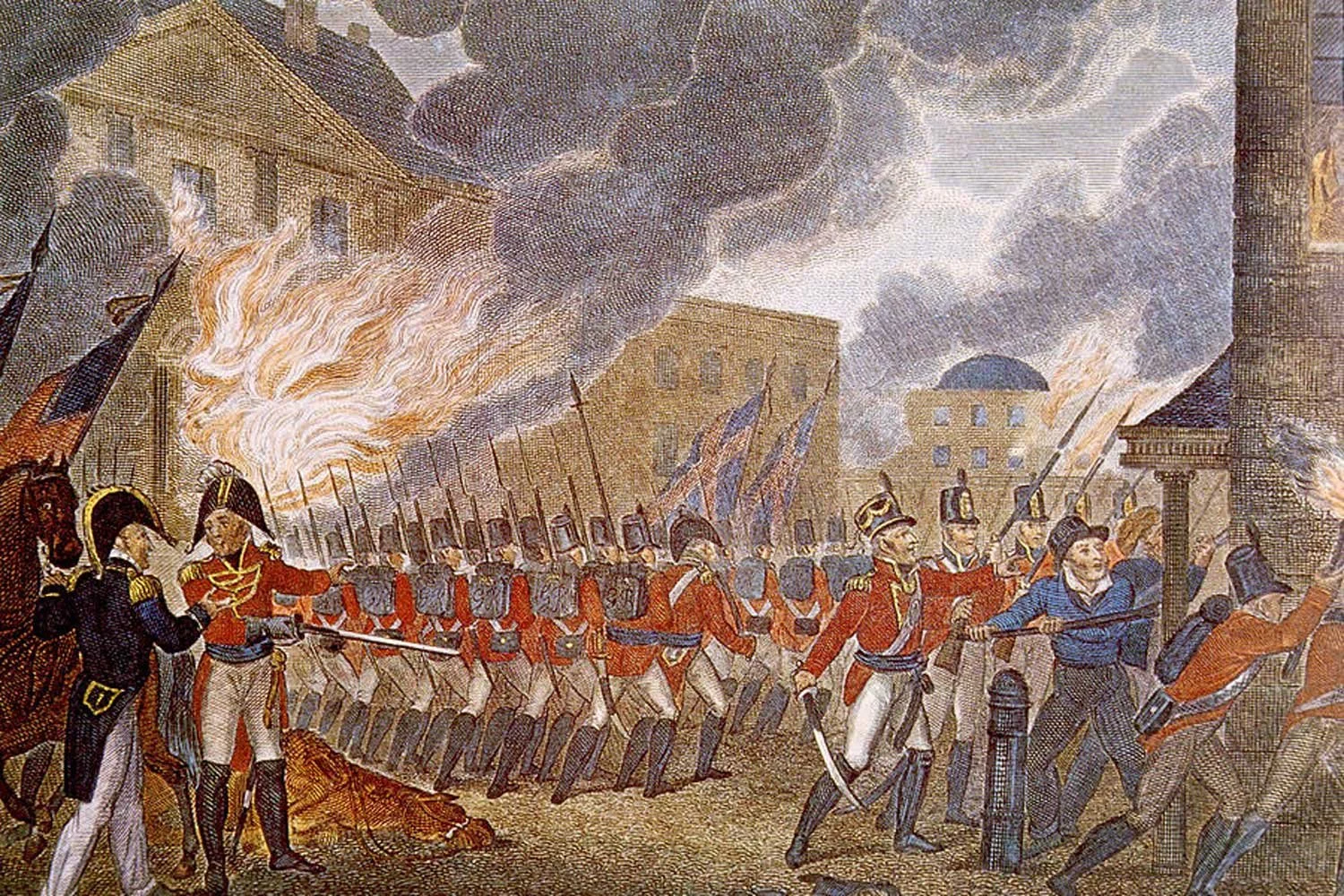
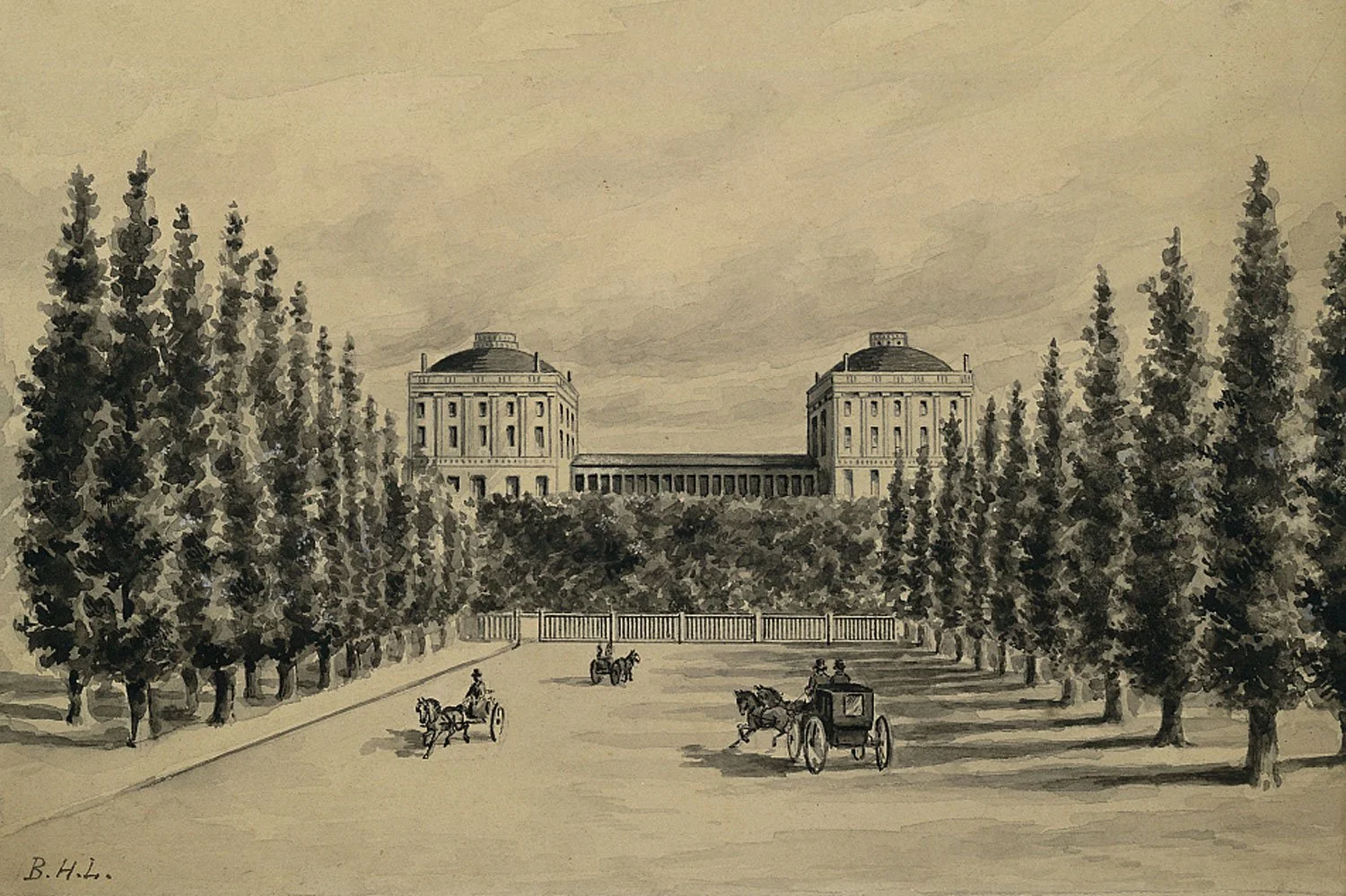
William Russell Birch. “A view of the Capitol of Washington before it was burnt down by the British.” Library of Congress.
The grand strategic plan of the British in 1814 was to attack up the Lake Champlain corridor and drive deep into New York State, splitting New England off from the rest of the country, a plan similar to the one they had envisioned during the American Revolution. Accordingly, 15,000 men were dispatched to the Canadian front, and, to distract the Americans and force them to divide their meager resources, the British also decided to make a diversionary movement in the Chesapeake Bay, and it was to that part of the country that a British fleet proceeded in early August.
The overall commander of the British expedition was Vice Admiral Sir Alexander Cochrane, who bore a deep hatred for the Americans, perhaps in part because his older brother had been killed during the American Revolution at the Battle of Yorktown. He was assisted in his efforts by Admiral George Cockburn, the aggressive commander who had been so successful the previous year in his amphibious operations in the bay, and, to command the ground forces, Major General Robert Ross, a talented Irishman who had performed superbly under Wellington in the Peninsular War. The British arrived in the Chesapeake in early August with vengeance on their minds, hoping to retaliate in kind for the burning by American forces of several Canadian towns, including Newark, Saint David's, and York, the capital of Upper Canada. In all cases, American officials punished the officers who ordered the burnings, but that did little to satisfy the lust for revenge on the part of the British. Consequently, it is not surprising that Cochrane’s instructions to the ships under his command were to “destroy and lay waste such towns and districts upon the coast as you may find assailable.” And to drive home the point, he sent a private note to Cockburn to “act with the utmost hostility against the shores of the United States... Their seaport towns in ashes and the country invaded will be some sort of retaliation for the savage conduct in Canada where they have destroyed our towns.”
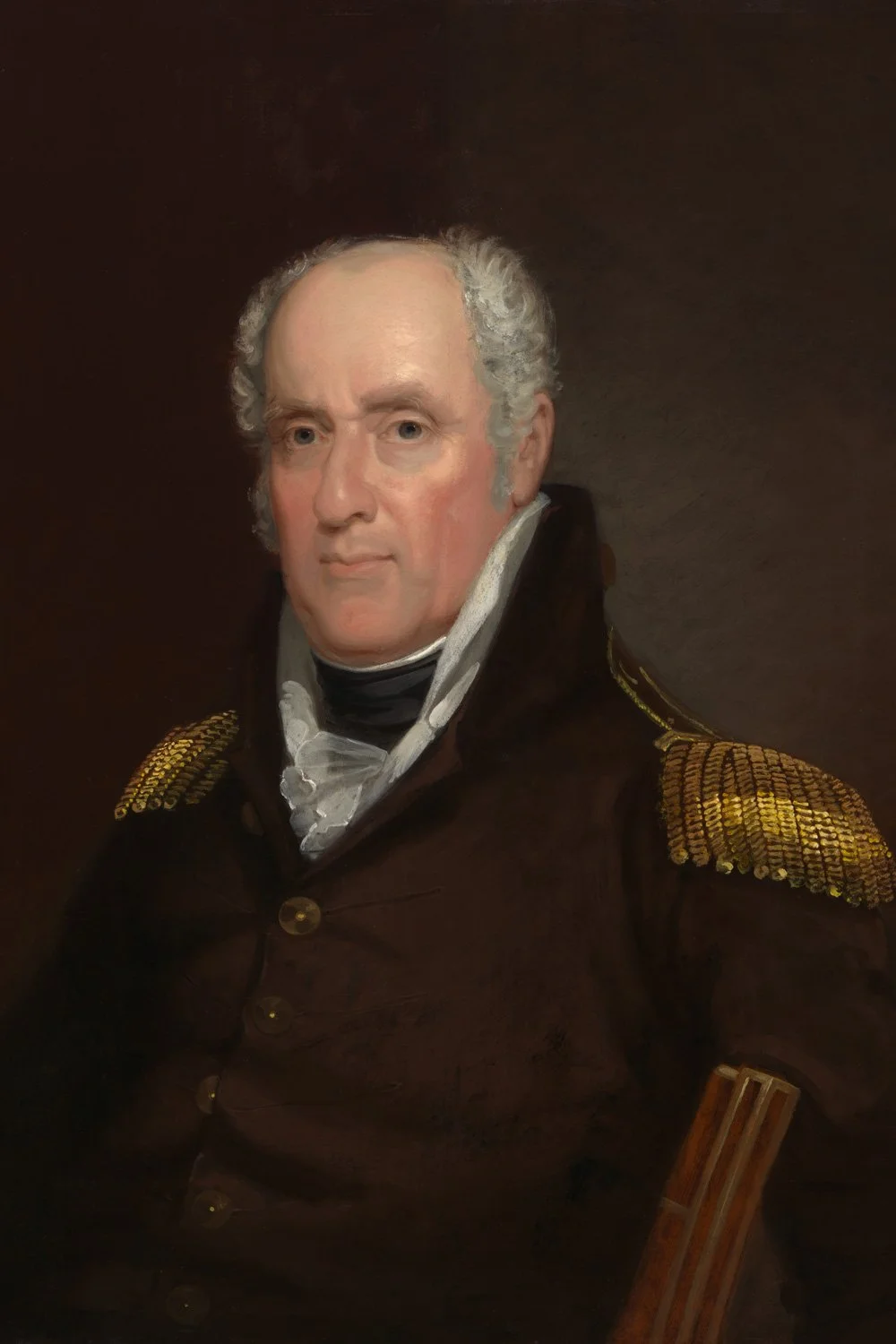
“John Armstrong.” National Portrait Gallery, Smithsonian Institution.
Despite previous depredations of the British in the Chesapeake and the Royal Navy sailing to within fifty miles of Washington in 1813, Secretary of War John Armstrong had taken no measures to fortify Washington since the start of the war, nor had he assigned even one regular army unit to defend the capital. When questioned by President James Madison and Secretary of State James Monroe about the weak defenses around the city, Armstrong was adamant that Washington would never be the target of the British because of its lack of military importance, insisting that “Baltimore is the place.” Madison was skeptical of Armstrong’s outlook, but the President was more scholar than commander and did not initially insist that Secretary Armstrong act upon his suggestions. However, in May, as word reached the United States that several regiments of British reinforcements were on the way, the President began to press Armstrong to fortify the city but again received little cooperation.
Finally, feeling desperate for the capital and forced to take matters into his own hands, Madison called a cabinet meeting on July 1 to address the problem. It was decided to create a new military district, the 10th Military District, and assign standby militia from the neighboring states of Pennsylvania, Maryland, and Virginia, upwards of 15,000 men, to defend the city if the British were to attack. Unfortunately, this manpower was dependent on the cooperation of the state Governors, and they had their own worries about the British. Consequently, when the British appeared before Washington and the call went out to send the militia, only a trickle of men responded, and what had appeared to be a formidable host proved to be little more than a paper army. Despite strong objections from his Secretary of War, President Madison gave command of this new military district to thirty-nine-year-old General William Winder, a distinguished attorney from Maryland who at the start of the war had given up his private practice and volunteered to serve his country. Winder’s appointment was largely based on political considerations as he was selected primarily because the state of Maryland had a large Federalist contingent and the Federalist governor of the state was Levin Winder, the General's uncle. Madison reasoned that if his nephew was commanding the troops around Washington, the Governor might be more prone to help with its defense; time would prove Madison’s hopes illusional. More importantly, General Winder was not a professional soldier, and, in the end, the task would prove to be too much for the Baltimore lawyer.
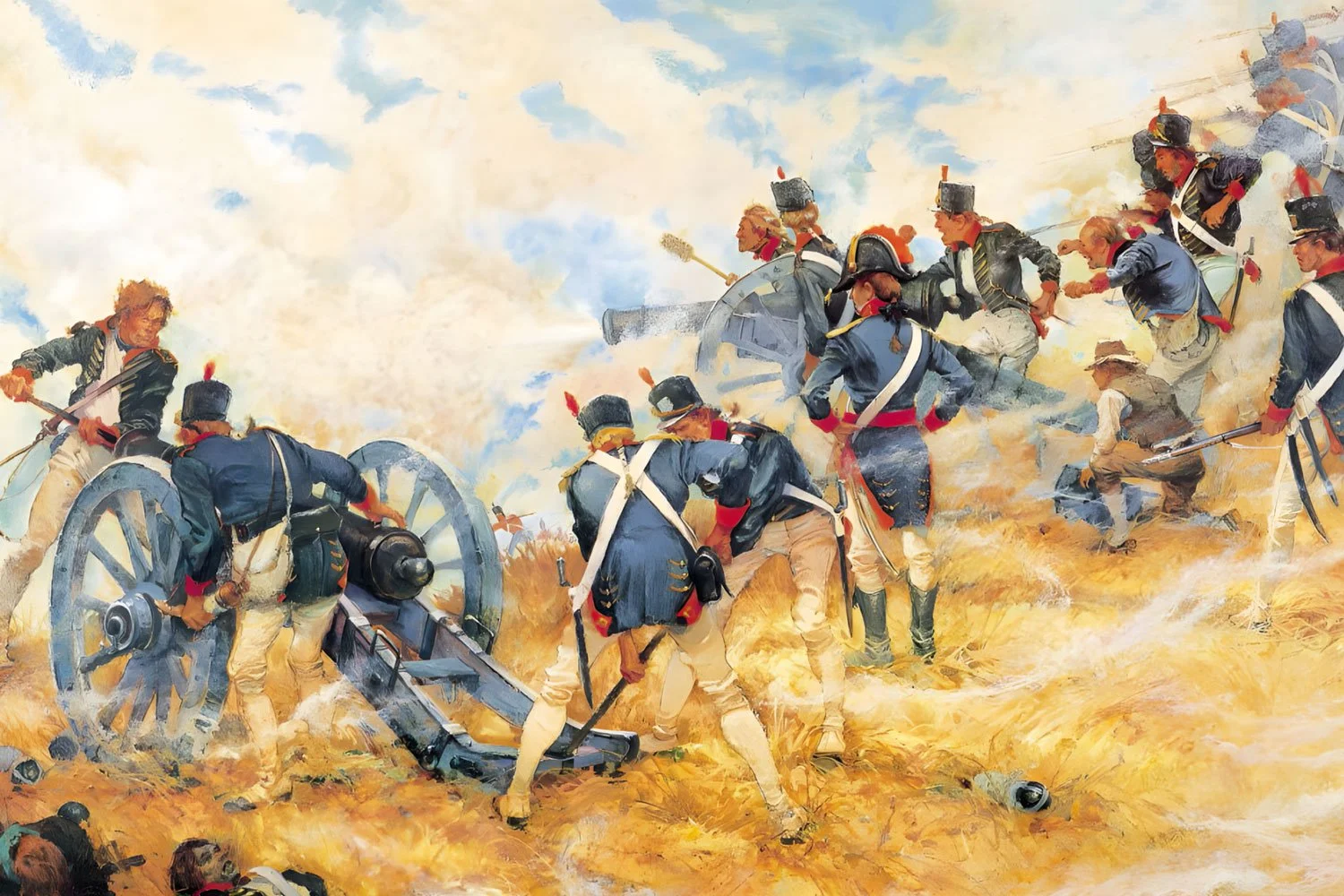
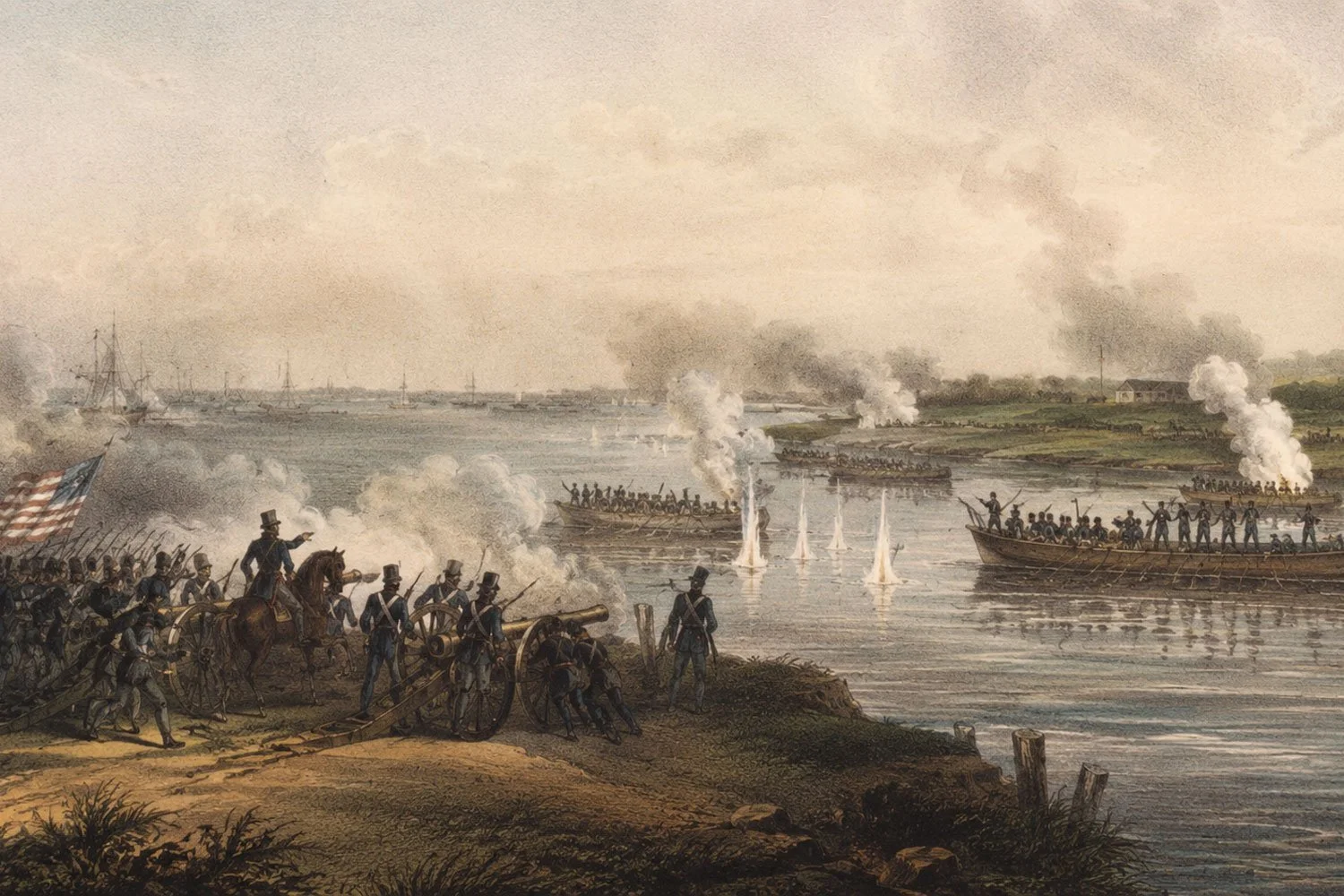
On August 15, upon arriving at the mouth of the Potomac, Cochrane, Cockburn, and Ross held a council of war to decide upon their course of action in the coming campaign and agreed that there were three objects within reach. The first and most immediate aim was to destroy a flotilla of gunboats commanded by Revolutionary War and privateering veteran Captain Joshua Barney, which had taken refuge in the Patuxent River and was blockaded by the Royal Navy. This small fleet was the only remaining potential source of annoyance for the British in the upper Chesapeake, and the navy men wanted it removed. The second objective was the city of Baltimore, strategically important due to its numerous shipyards, and the base of the American privateering fleet that was proving to be so costly to British merchants. The third and final objective was Washington and Alexandria, primarily due to the Navy Yard at the capital and numerous merchant vessels anchored in the Potomac. Although Baltimore seemed to be the natural point of attack after destroying Barney's flotilla, Cockburn urged that Washington should be the next target instead, insisting to Cochrane and Ross that the city was practically defenseless. Cockburn argued that they could chase Barney's flotilla of gunboats up the Patuxent and, after destroying them, quickly pivot and attack Washington before the Americans could react. Besides, what better way to chastise the Americans and teach them a lesson about pulling the tail of the British Lion. And that was just the plan they adopted and set sail for the Patuxent.
Next week, we will discuss the British advance on Washington. Until then, may your motto be “Ducit Amor Patriae,” love of country leads me.
Hello America!
Subscribe to receive weekly complimentary articles and videos delivered straight to your inbox.
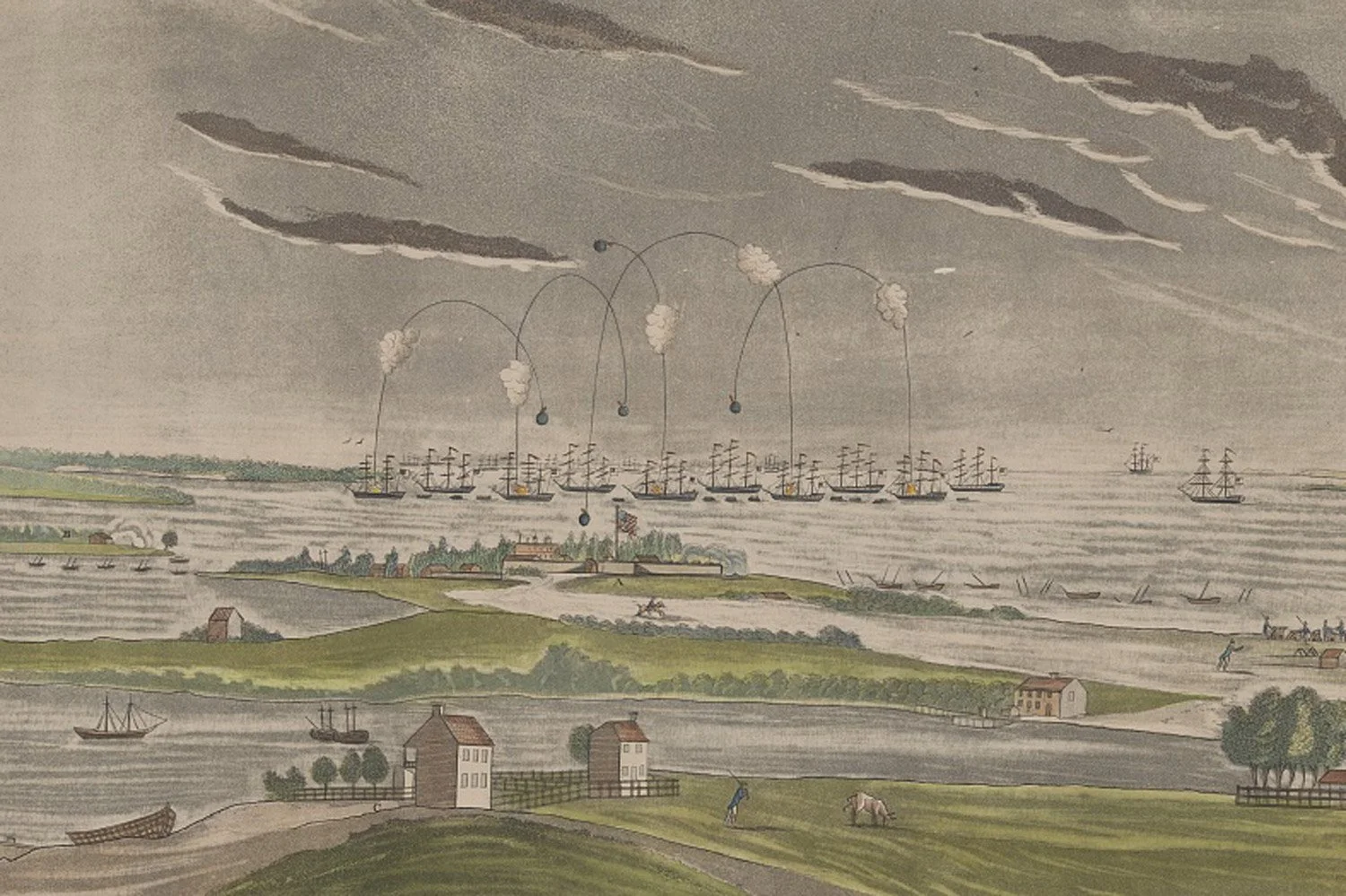

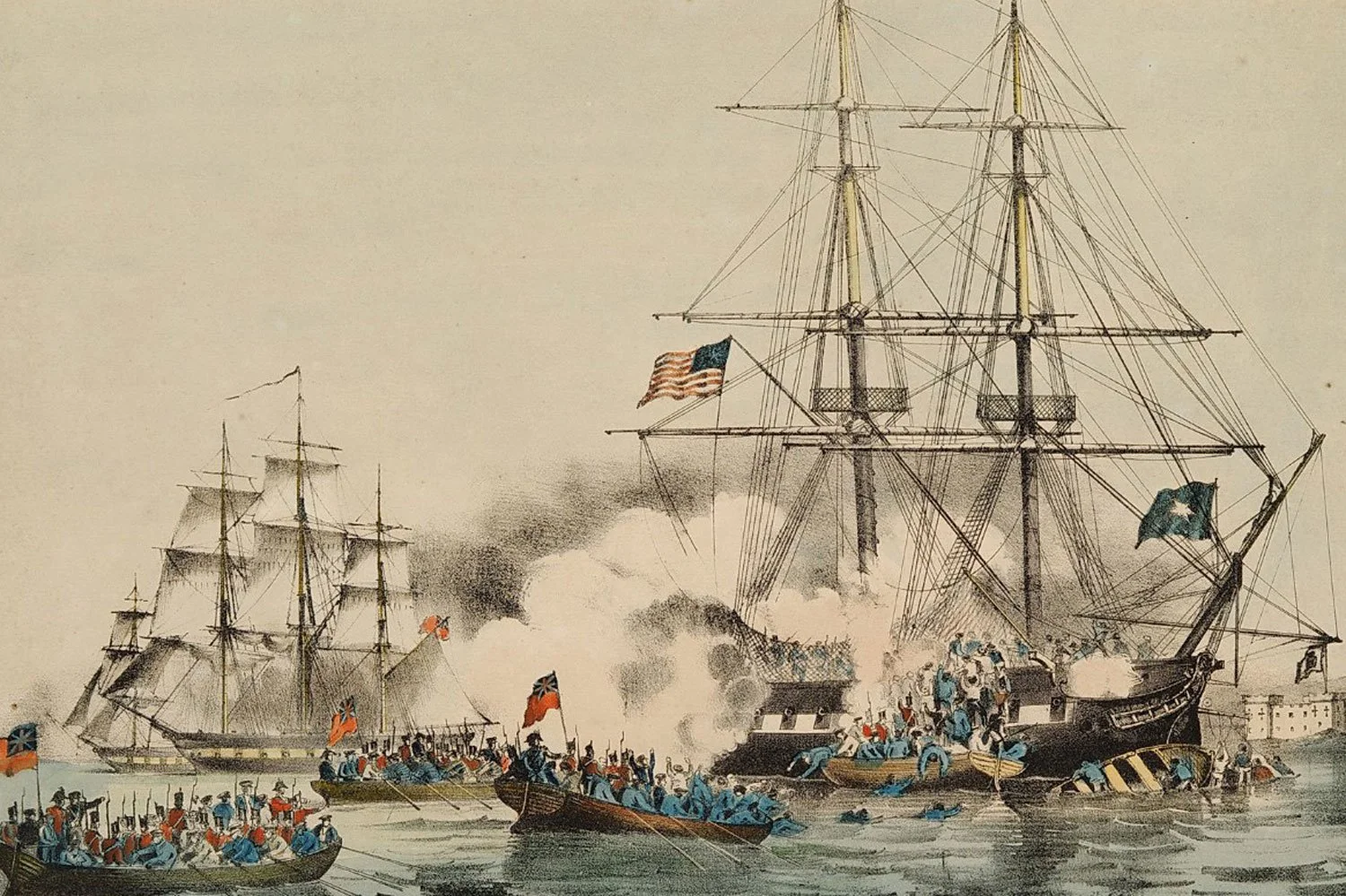
Francis Scott Key managed to become a prisoner of war due to the oddest circumstances. Doctor William Beanes was a 65-year-old physician from Upper Marlboro who had hosted General Robert Ross and Admiral George Cockburn one night on their advance towards Washington. But after playing host, Beanes helped capture several British stragglers as Ross's army was returning to the fleet. Upon learning of Beanes’ actions, Ross was furious at what he considered a breach of faith and sent a troop of British horsemen to take the good doctor into custody. Beanes was thrown into the brig aboard HMS Tonnant and there he remained as the British approached Baltimore.