
War of 1812, Part 36: By Dawn’s Early Light
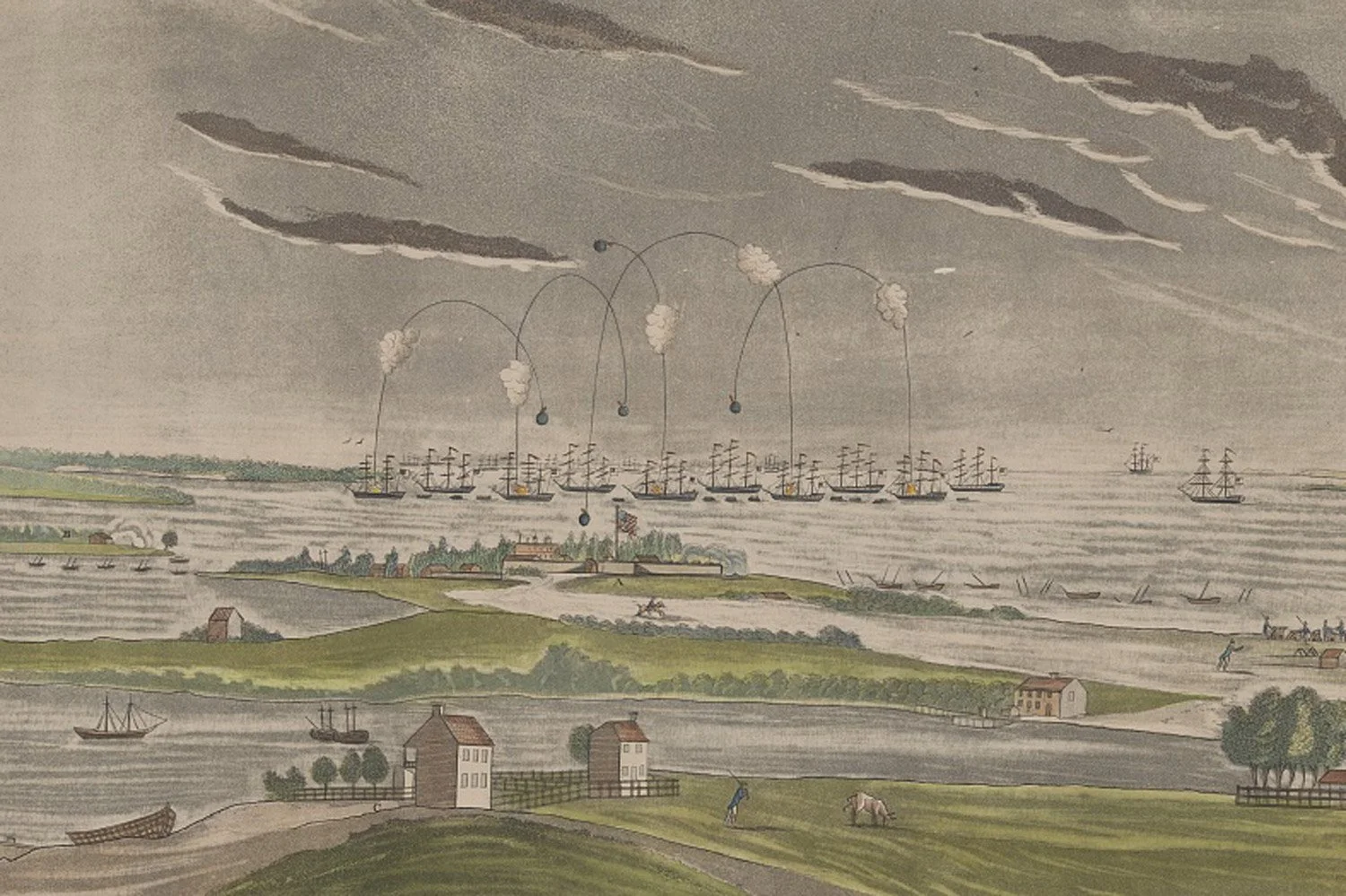
John Bower. “A view of the bombardment of Fort McHenry.” Library of Congress.
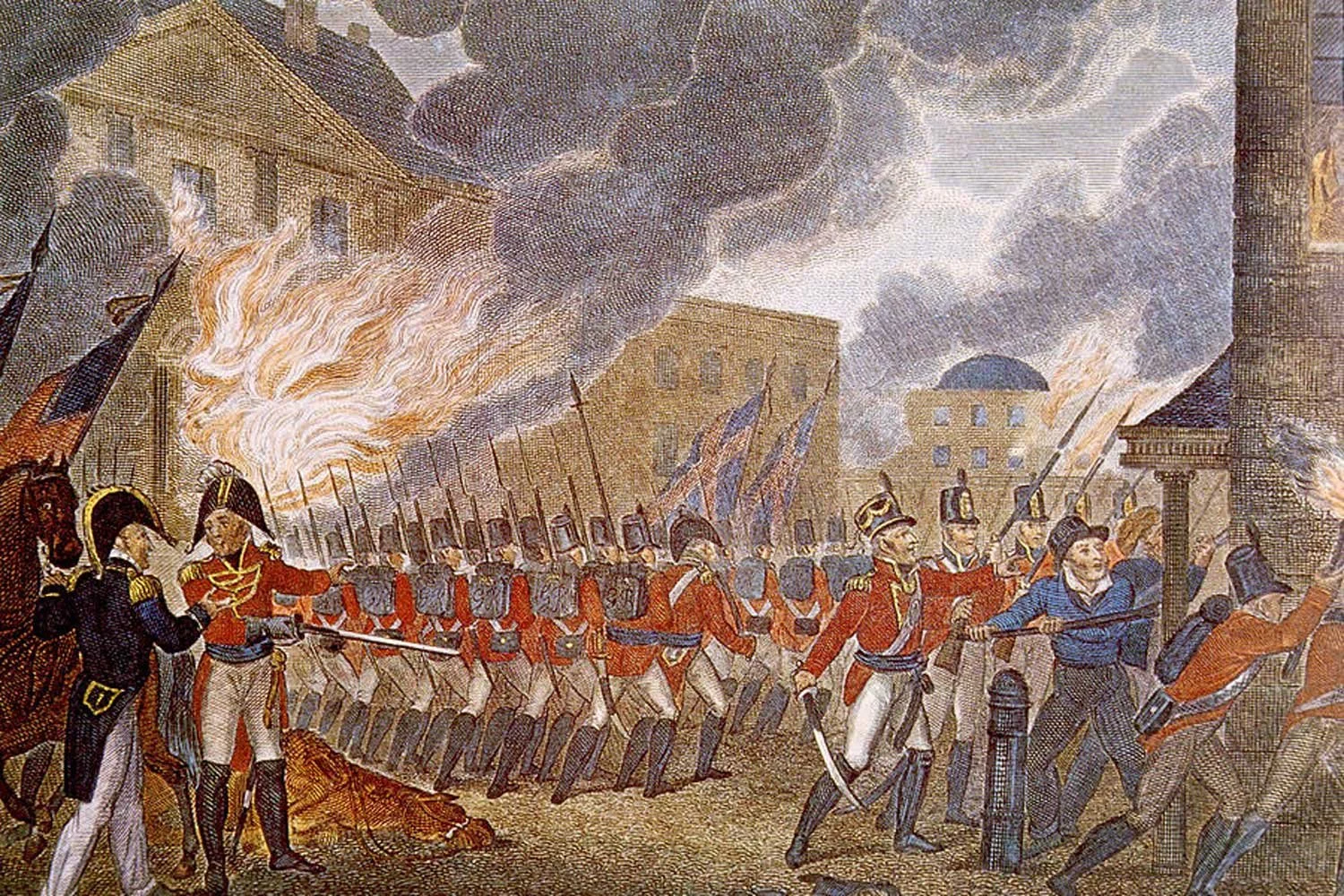
As word spread across the country of the burning of Washington, Americans forgot their differences and rallied around the flag as Americans always do in a crisis. The mood of the nation quickly changed from despair and anger at the Madison administration to indignation and anger at the British. The anti-administration Albany Register wrote, “This is no moment for recrimination... Let one voice and one spirit animate us all, the voice of our bleeding country and the spirit of our immortal ancestors.” Even Alexander Hanson's Federal Republican, which had suffered so severely in the Baltimore riots of 1812 declared, “The fight will now be for our country, not for a party.”
The next target for the British expedition under Admiral Alexander Cochrane was Baltimore with its tremendous ship-building facilities. The man selected to lead the city’s defense was Samuel Smith, who commanded the Maryland militia in the area. General Smith was a 65-year-old no-nonsense man with sound judgment and shrewd instincts who had represented Maryland in the United States House and Senate since 1792. Although a Republican, he often fought with Presidents Jefferson and Madison over policy matters but never suffered a long-term political defeat. When offered the command over the city defenses, Smith wrote to Maryland Governor Levin Winder, the uncle of General William Winder, who oversaw the 10th Federal Military District that included Baltimore. Smith informed the Governor that he would be happy to help but only if he was overall commander. And, in a rare case in which blood was not thicker than water, the Governor agreed to Smith’s demands, much to the chagrin of his nephew. Smith proved to be a good choice, and, although heavy-handed and dictatorial, he got results. Soon thousands of citizens were throwing up entrenchments around the city, and banks were issuing loans for all necessary supplies. Perhaps the biggest change was a steady flow of volunteers into the city: militiamen from Virginia, Pennsylvania, and Maryland and regulars from the US Army; by September 10, Smith had over 16,000 men covering the approaches to Baltimore.
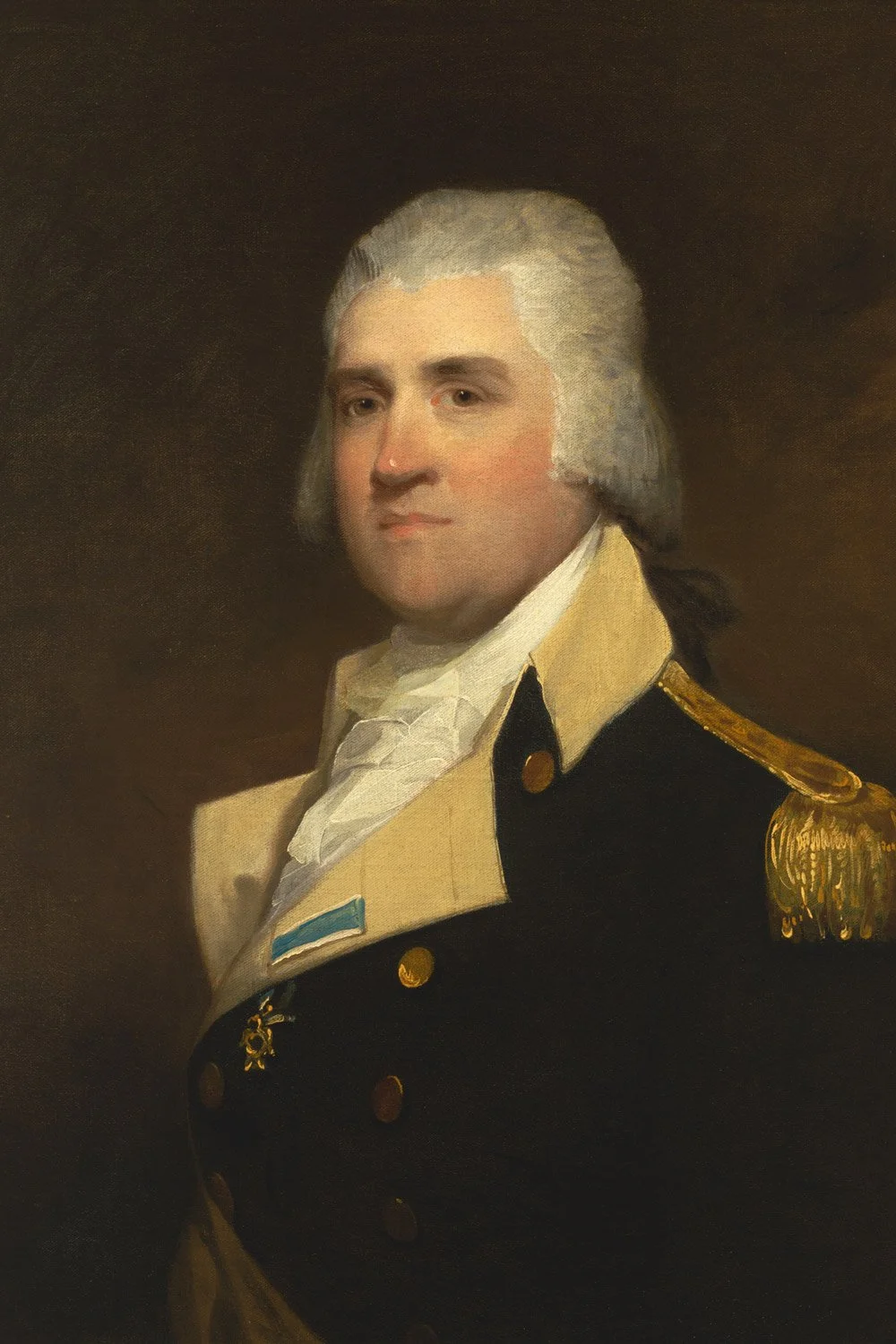
“Samuel Smith.” National Portrait Gallery, Smithsonian Institution.
Unlike Washington, Baltimore was ready when the British fleet arrived on September 11, and troops rushed to their positions as alarm guns on the courthouse green were fired. Scouts informed General Smith that the British had landed east of the city at North Point, just as he had anticipated, and, determined to avoid the mistake of Bladensburg of allowing the British to march unmolested toward the city, immediately sent a brigade of 3,200 men under General John Stricker to check the British advance.
On September 12, General Robert Ross and his 4,700-man army approached the American lines in a section of woods that offered excellent cover. Desiring to have all units on hand when he attacked, General Ross hurried back to move the trailing units along. But while en route, he was shot from his horse by a sharpshooter and soon died from his wounds, an irreparable loss to the British. The command devolved to Colonel Arthur Brooke, and around 2:30 pm, the British commenced their assault with artillery and Congreve rockets, but the American militiamen did not run as they had at Bladensburg. Putting up a stout defense for nearly two hours, the Americans gave as good as they got before the American left collapsed and the rest of the line followed suit. Ultimately, the British veterans were too much for the American militiamen, but this was no rout, and General Stricker led the men in an orderly retreat to the main lines around Baltimore. Casualties were high for both sides, with the Americans suffering over two hundred casualties while the British lost some three hundred men.
The next morning, Colonel Brooke got the army in motion and by 11 a.m., they were less than three miles from Baltimore. As the Brits came over the crest of a hill, Cockburn and Brooke observed the American lines on Hampstead Hill, the main defensive line southeast of the city, bristling with a multitude of Americans and over one hundred cannons. After a reconnaissance of the American position, Brooke recognized the army could not take the position without the assistance of the British fleet. Brooke sent a note to Admiral Cochrane stating he planned to launch a bayonet attack at 2 a.m. and requested Cochrane make a diversionary movement at the same time to draw off American troops. Cochrane responded that because the Americans had sunk vessels in the main channel, he could not bring the fleet any closer to the city and, therefore, could not comply with Brooke’s request. Feeling he had little choice, Colonel Brooke reluctantly retired from the city and returned to the fleet, and with that the land assault on Baltimore ended.
Meanwhile, that same morning, September 13, British bomb vessels anchored two miles from Fort McHenry, which guarded Baltimore’s inner harbor. The fort, commanded by Major George Armistead, was a pentagonal bastion built in 1798 and named for James McHenry, a signer of the U.S. Constitution and former Secretary of War. Around 9 a.m., the British commenced their bombardment, lobbing two-hundred-pound shells from 13-inch mortars, and because the American 18- and 24-pounders could not match the British range, the gunners at Fort McHenry were not able to reply. But the British shells had little effect on the fort, and Cochrane paused the bombardment that evening. However, Admiral Cochrane, unaware Colonel Brooke was retreating from Baltimore and wanting to do what he could to support the army, staged a small diversion shortly after midnight and recommenced the bombardment just in case the army was moving forward.
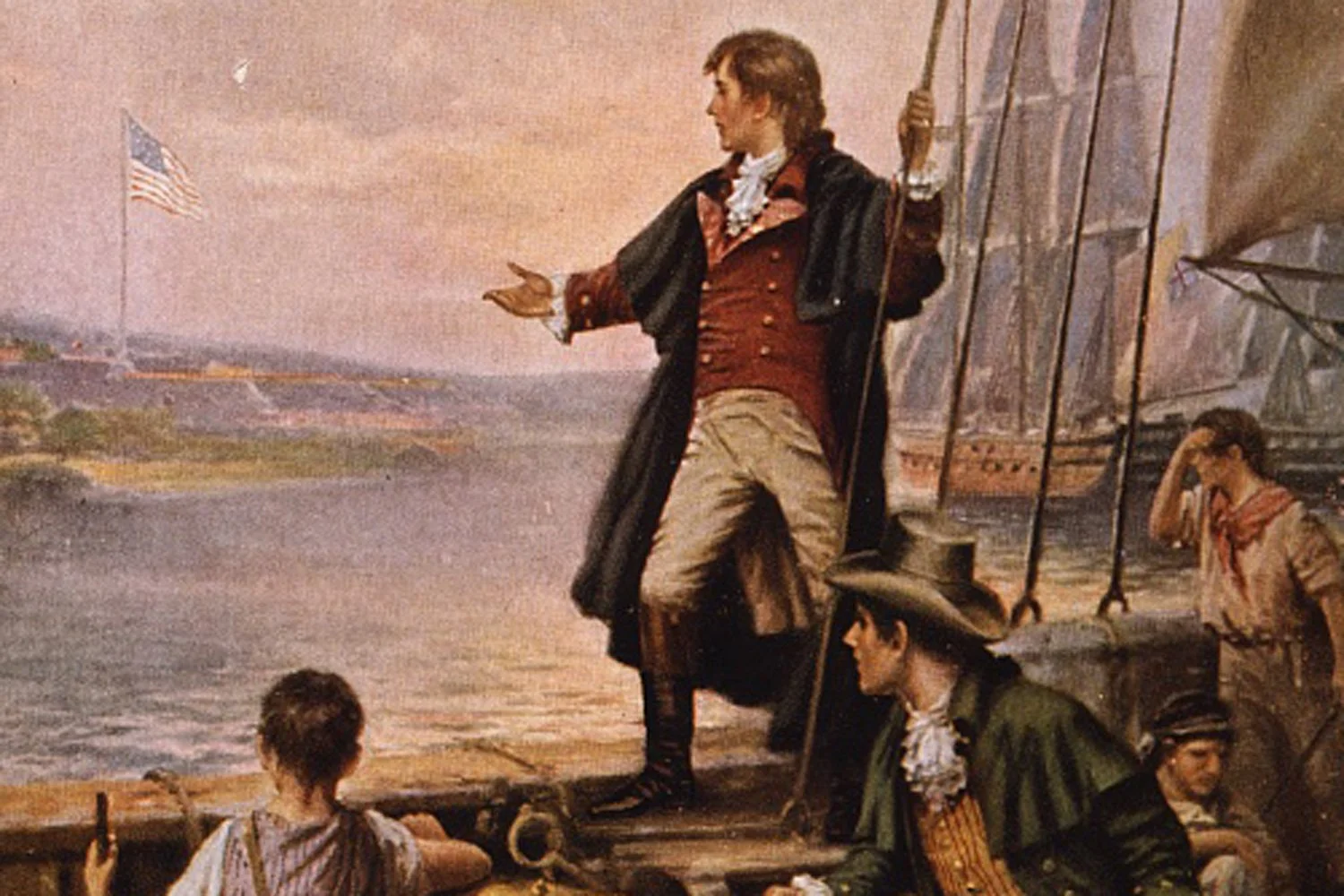
For the next three hours, as citizens crowded the city's rooftops, the glare of Congreve rockets and two-hundred-pound shells bursting over Fort McHenry gave the spectators an incredible sight. But at 4 a.m., recognizing that Baltimore could not be taken and any further fighting would be pointless, Cochrane ended the bombardment after firing some 2,000 rounds. At dawn’s early light on September 14, the huge American flag over Fort McHenry became visible and declared to one and all that the Americans had held on.
And one of the many who saw the flag was a young lawyer from Baltimore who would be inspired to pen a poem for the ages.
Next week, we will discuss the story of the Star-Spangled Banner. Until then, may your motto be “Ducit Amor Patriae,” love of country leads me.
Hello America!
Subscribe to receive weekly complimentary articles and videos delivered straight to your inbox.
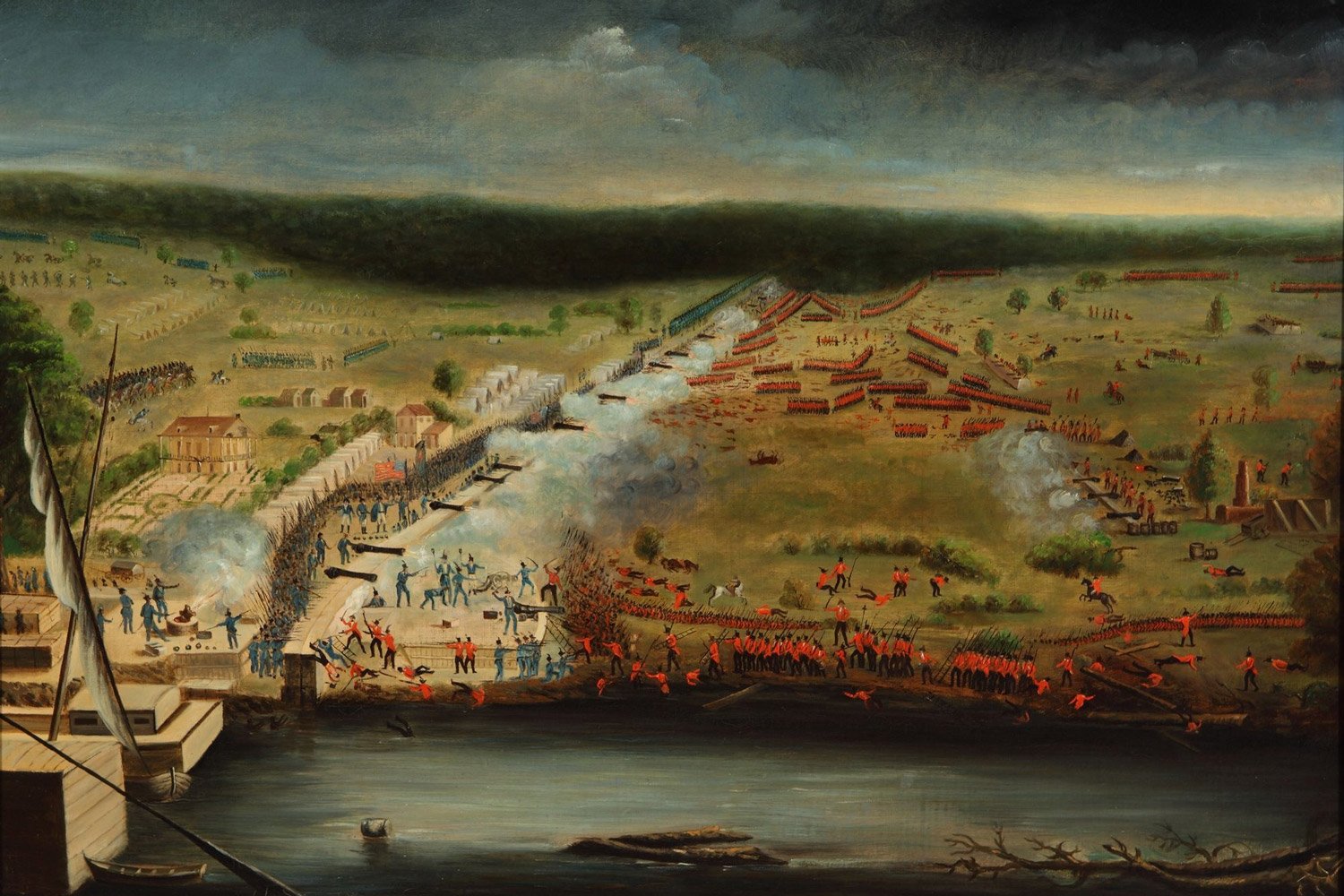
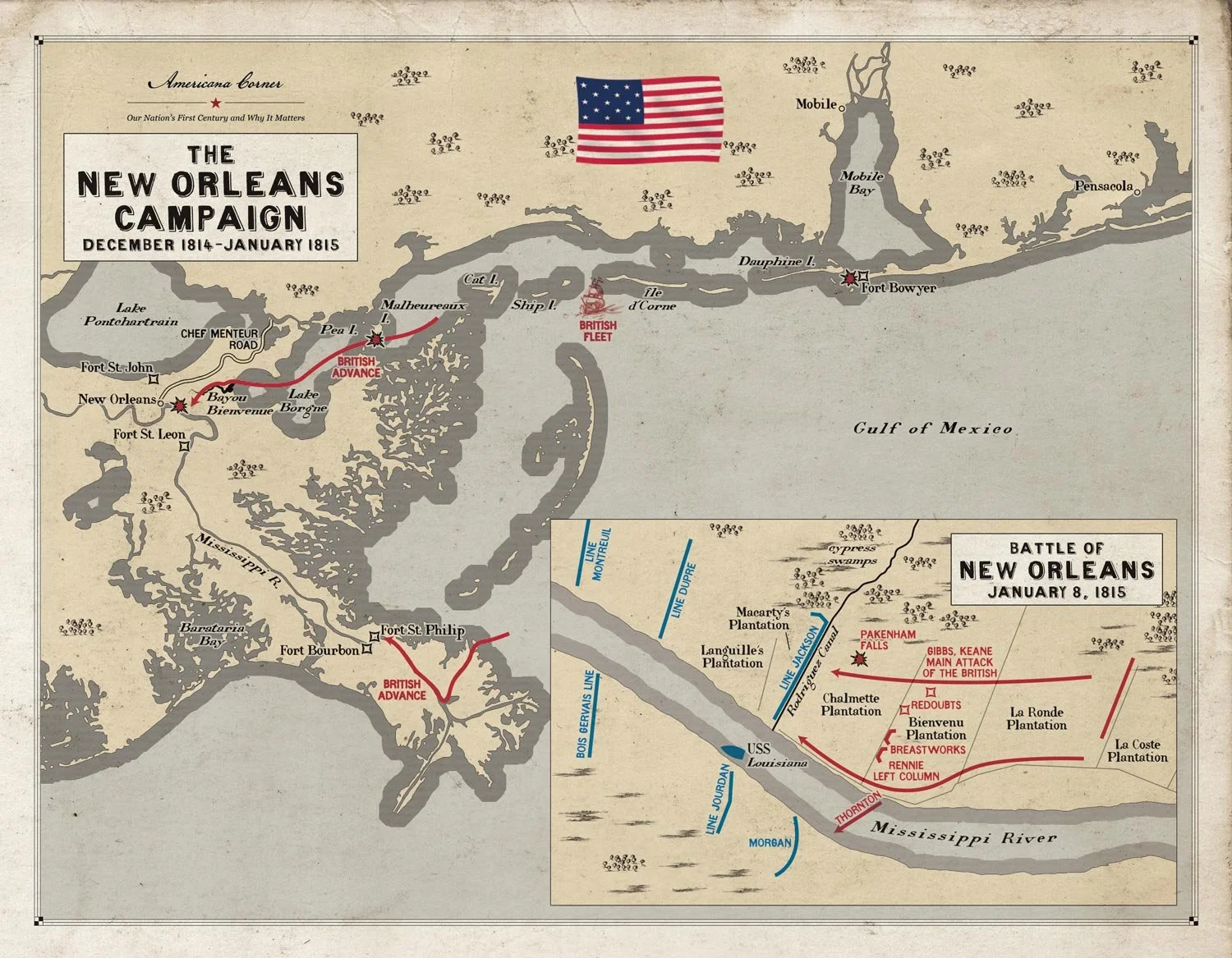
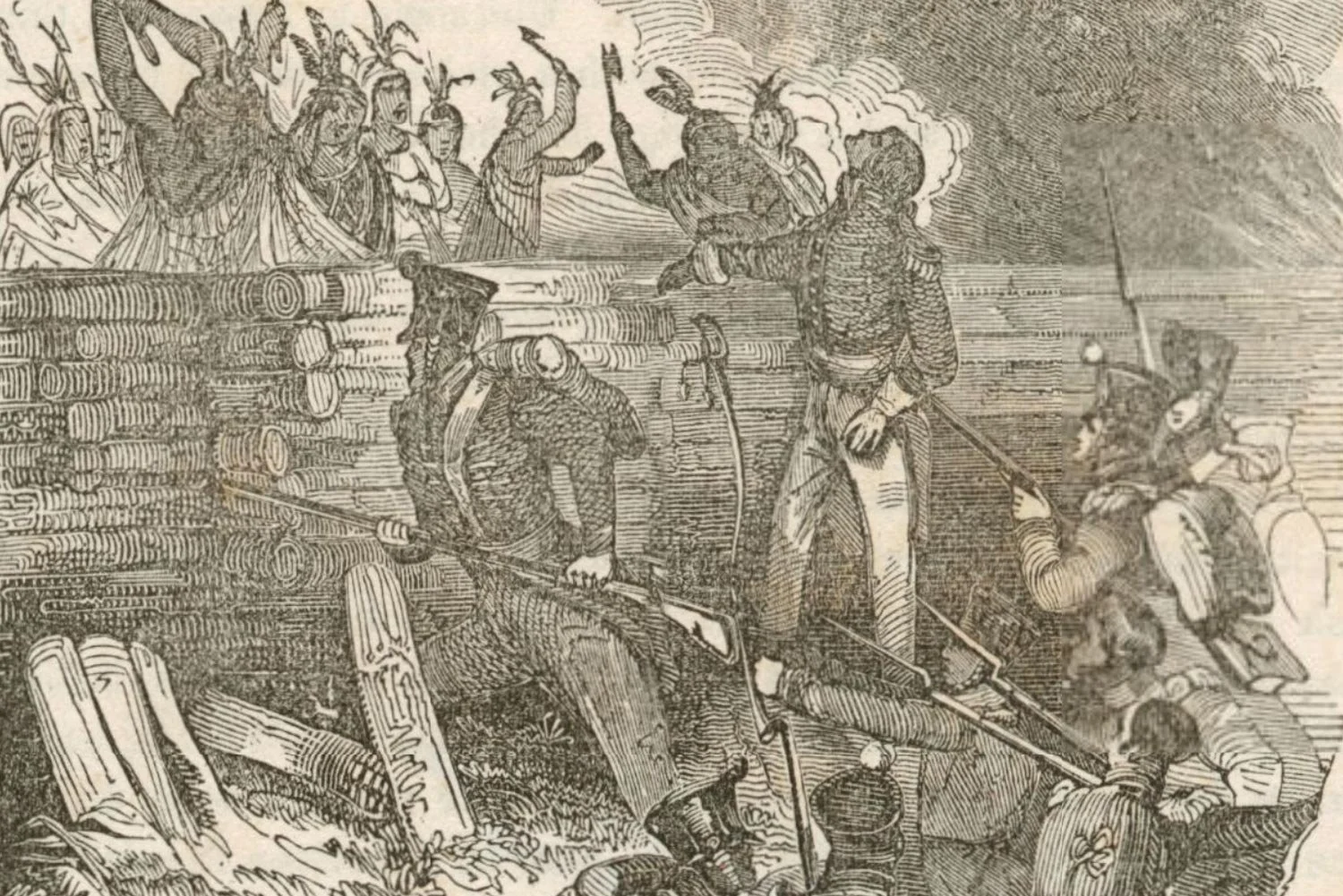
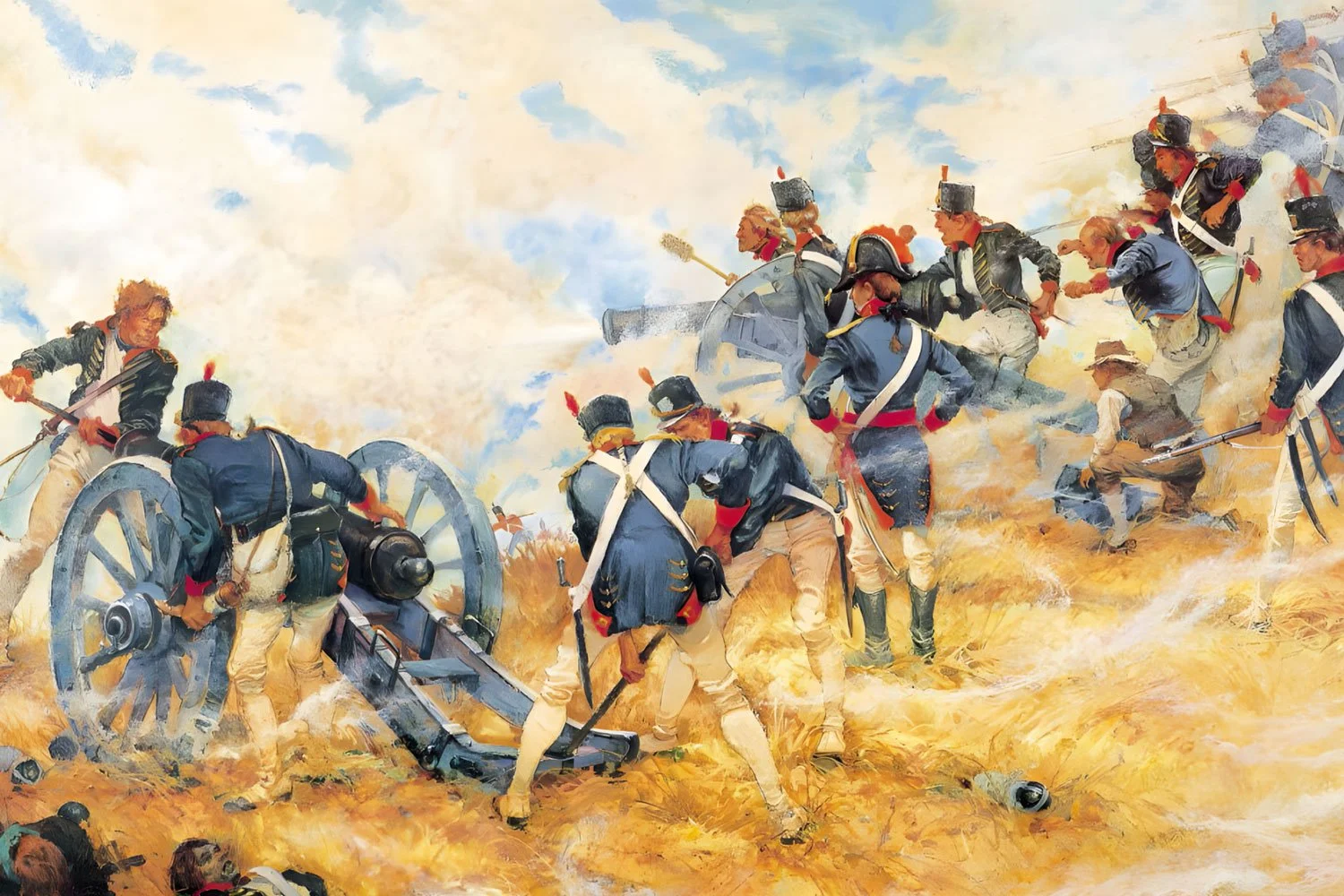
The Battle of New Orleans was really a series of four fights, three of which were already in the books: Jackson's surprise attack on December 23, the failed British assault on December 28, and the artillery duel on New Year's Day. But the one that has been taught to generations of Americans and is best remembered was the fatal attack by British General Sir Edward Pakenham on January 8, 1815.