
Browse Articles by Category

Colonial Era
American Revolution

The New Nation

National Expansion and Reform

Civil War and Reconstruction (Coming Soon)
War of 1812, Part 37: The Star-Spangled Banner
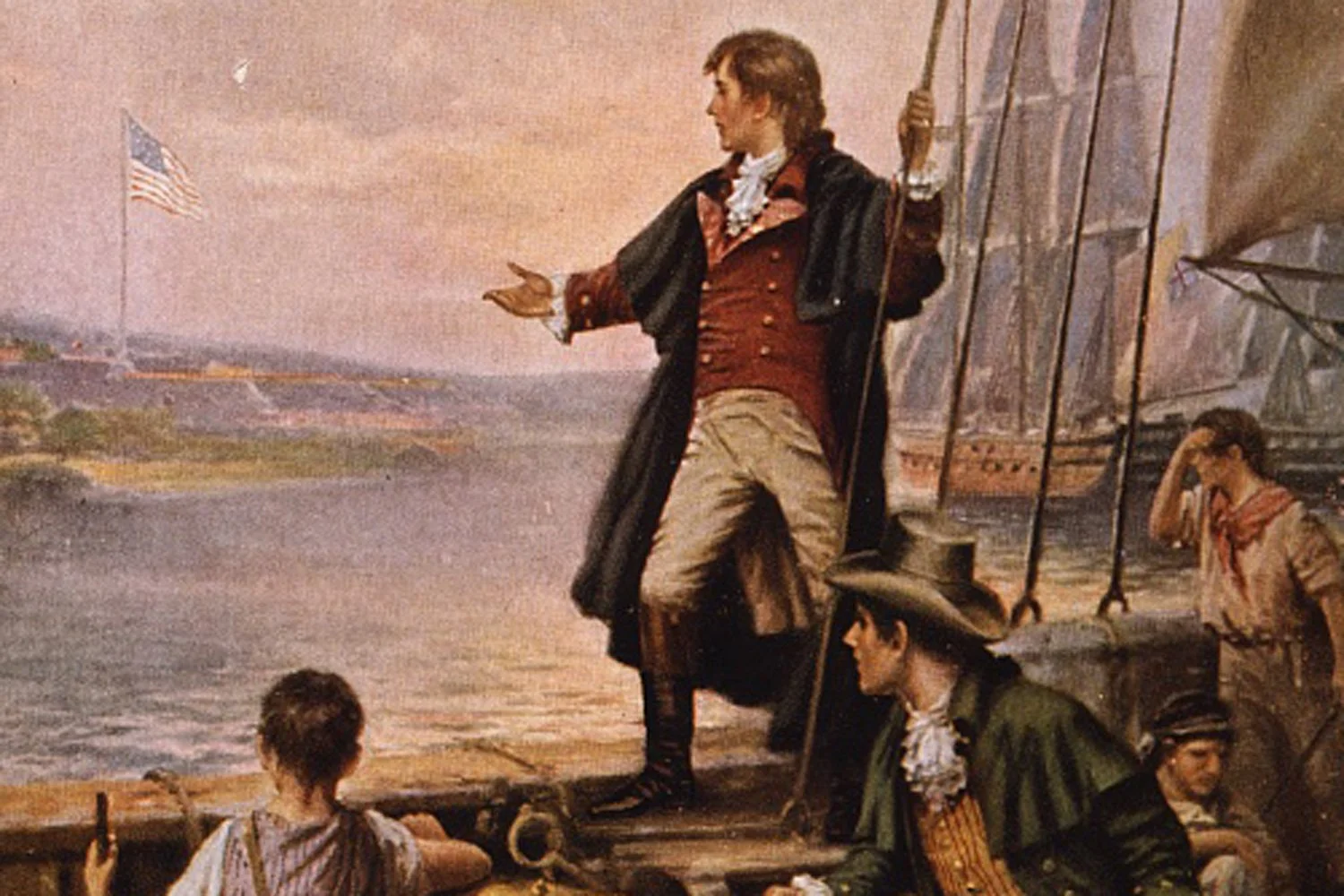
Francis Scott Key managed to become a prisoner of war due to the oddest circumstances. Doctor William Beanes was a 65-year-old physician from Upper Marlboro who had hosted General Robert Ross and Admiral George Cockburn one night on their advance towards Washington. But after playing host, Beanes helped capture several British stragglers as Ross's army was returning to the fleet. Upon learning of Beanes’ actions, Ross was furious at what he considered a breach of faith and sent a troop of British horsemen to take the good doctor into custody. Beanes was thrown into the brig aboard HMS Tonnant and there he remained as the British approached Baltimore.
War of 1812, Part 36: By Dawn’s Early Light
As word spread across the country of the burning of Washington, Americans forgot their differences and rallied around the flag as Americans always do in a crisis. The mood of the nation quickly changed from despair and anger at the Madison administration to indignation and anger at the British. The anti-administration Albany Register wrote, “This is no moment for recrimination... Let one voice and one spirit animate us all, the voice of our bleeding country and the spirit of our immortal ancestors.” Even Alexander Hanson's Federal Republican, which had suffered so severely in the Baltimore riots of 1812 declared, “The fight will now be for our country, not for a party.”

Our National Anthem
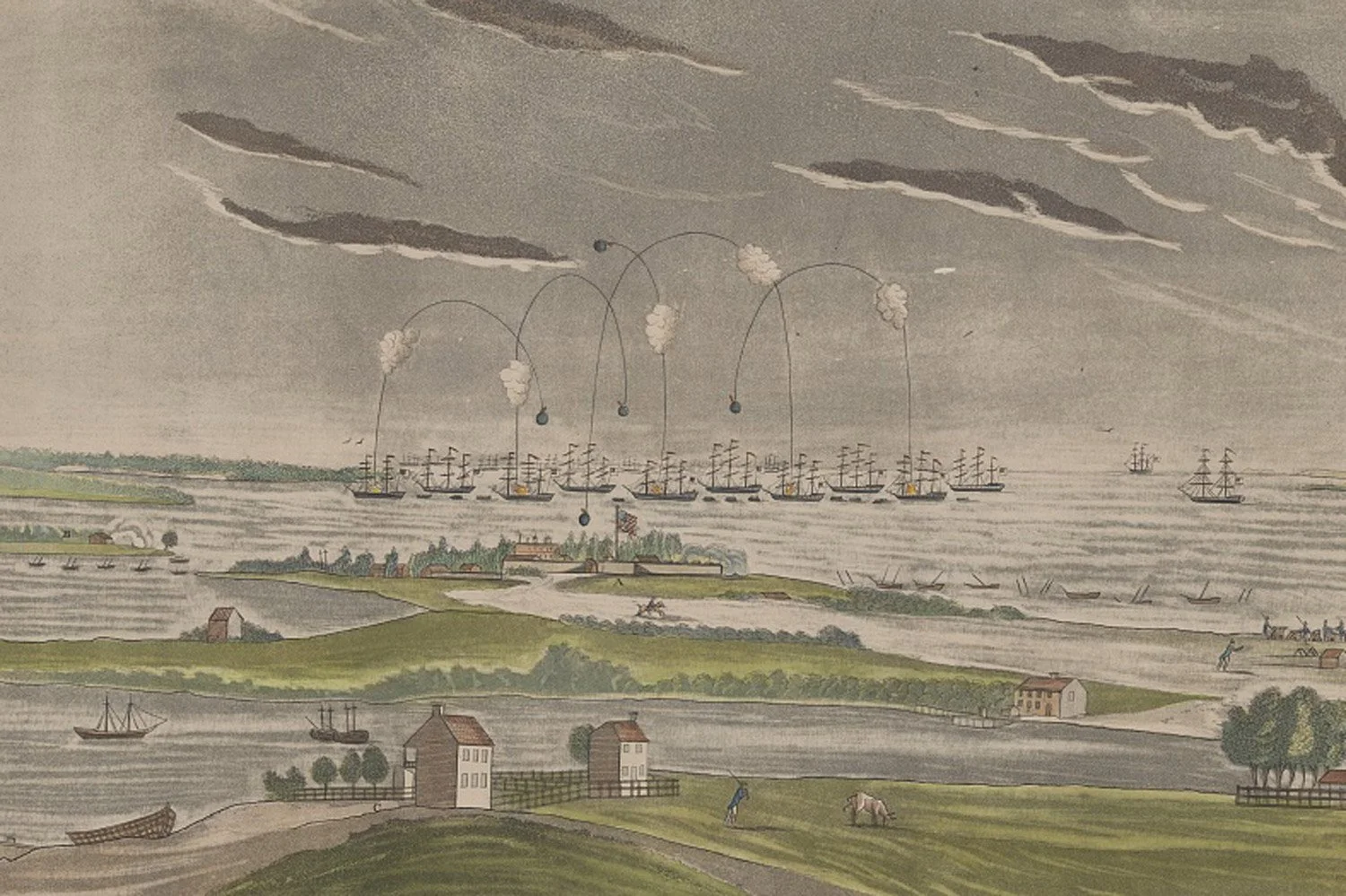
The Star Spangled Banner, our national anthem, is a beautiful song. It was written as a poem entitled “The Defence of Fort M’Henry” by Francis Scott Key on September 14, 1814, the day after a terrible bombardment of Fort McHenry in Baltimore Harbor by British forces in the War of 1812.