
War of 1812, Part 41: Fight for the Crescent City Begins
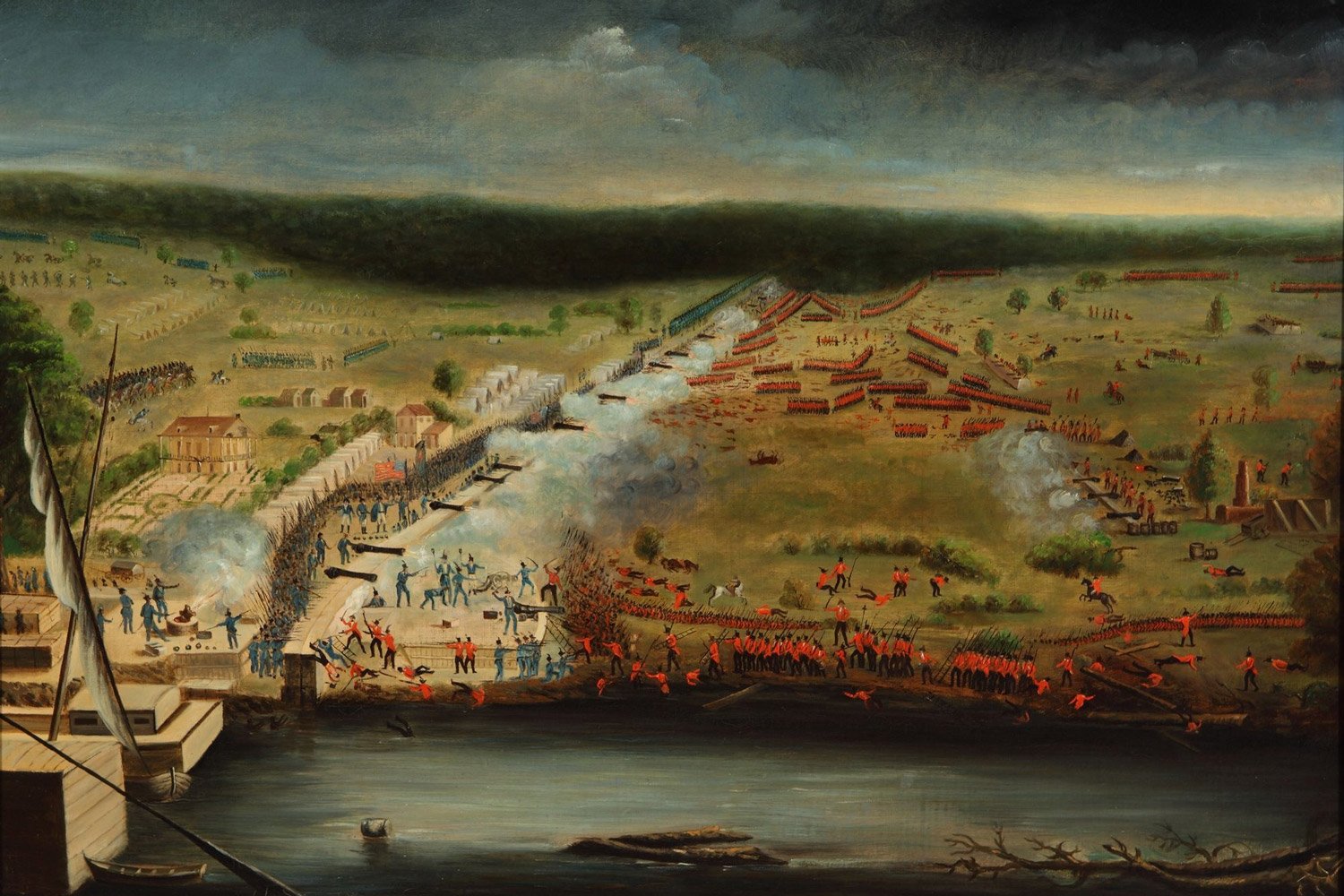
Jean Hyacinthe de Laclotte. “The Battle of New Orleans.” Wikimedia.
With the British now on the doorsteps of New Orleans but the city's defenses incomplete and the army not yet assembled, it became apparent that General Andrew Jackson had badly miscalculated regarding British intentions and had wasted precious time with his assault on Pensacola and initial focus on Mobile. But Old Hickory remained undaunted and ordered all available forces to march post-haste to the city. On December 20, General John Coffee arrived from Baton Rouge with his 1,000 mounted Tennesseans, and the following day, General William Carroll led 3,000 Tennessee volunteers into the city after a month-long journey from Nashville down the Cumberland, Ohio, and Mississippi rivers. The Americans were finally ready and none too soon.
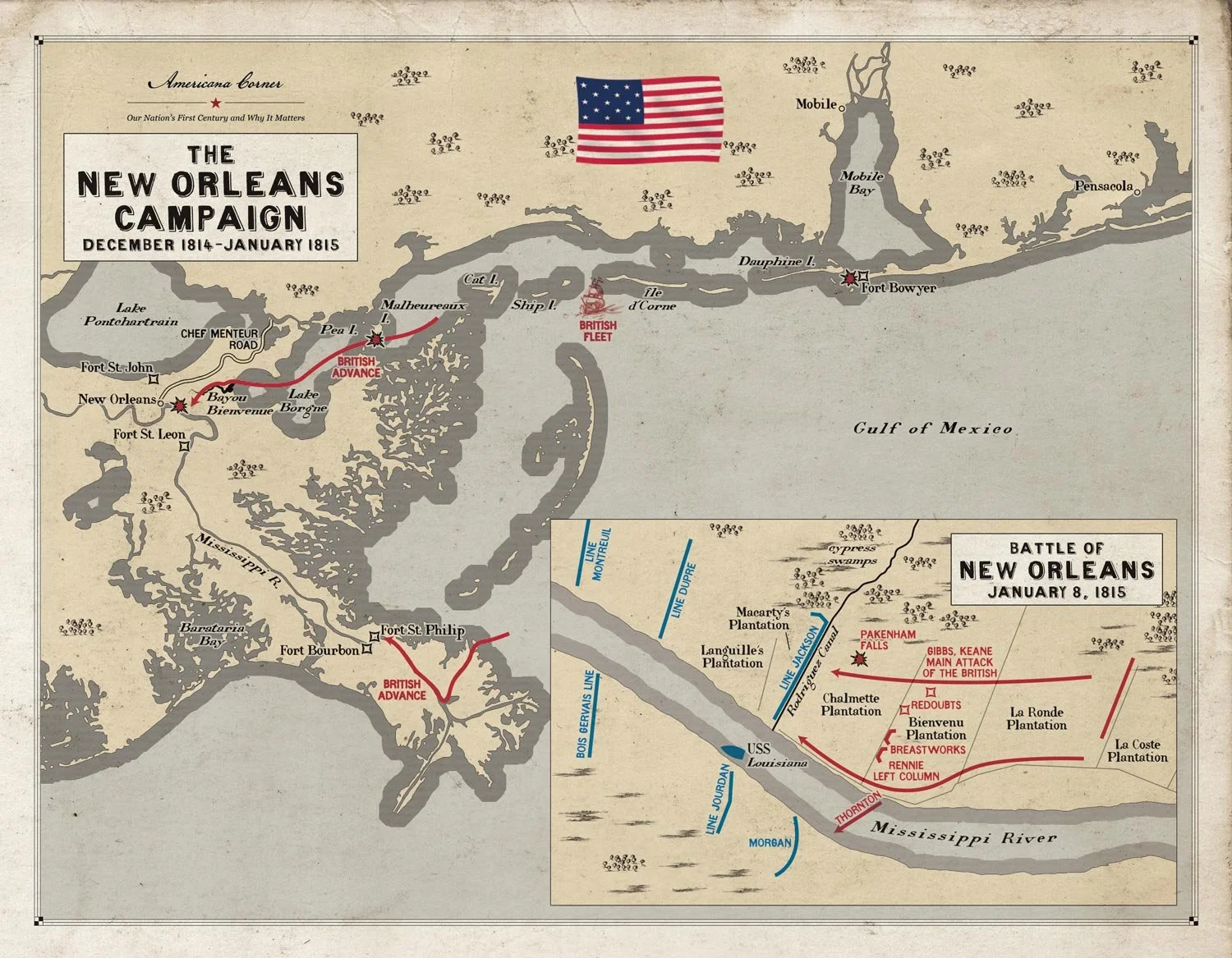
The British advance guard of 1,800 men led by General John Keane emerged undetected onto the Villere plantation the morning of December 23, a mere twelve miles from New Orleans. Despite pleas from Colonel William Thornton, who had led the British attack at Bladensburg, to continue to New Orleans before the Americans could react, the cautious Keane decided to wait for reinforcements before launching his surprise attack; it would prove to be a poor decision. With the Redcoats now in view, several messengers raced to notify General Jackson, whose fighting blood was instantly up, informing his officers, “Gentlemen, the British are below; we must fight them tonight.” Two hours later, Jackson was on the road at the head of 2,000 men and an artillery battery of 6-pounders. Jackson also ordered Master Commandant Daniel Patterson to sail the USS Carolina down river and support his attack.
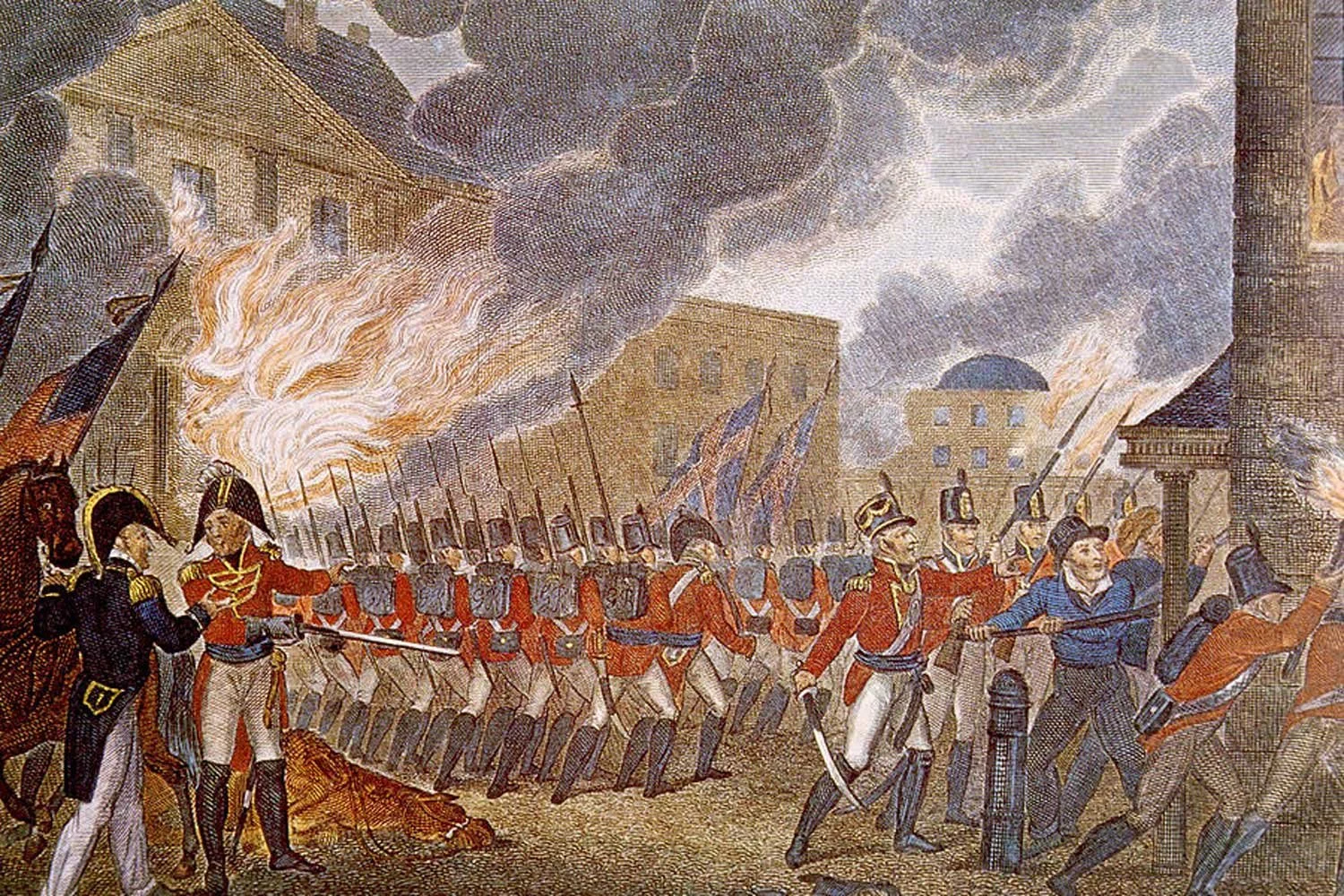
At dusk, the Americans quietly arrived at the Laronde plantation, just five hundred yards north of the British encampment, while the Carolina anchored opposite the British encampment, waiting for Jackson’s own surprise attack to commence at 7:30pm. Right on schedule, the Carolina opened with grape and round shot on the unsuspecting British encampment. The British soldiers, many of them Wellington's veterans, scrambled for their guns, and Colonel Thornton, the most capable of the British officers, began to organize the defense. After the Carolina softened the British position for fifteen minutes, Jackson ordered his infantry forward, but Thornton rushed reinforcements to the most threatened areas and repulsed the initial attack. The battlefield was soon engulfed in the early winter’s darkness, and it was hard to distinguish friend from foe as the fight descended into brutal hand-to-hand combat. By 9:30 p.m., British reinforcements reached the battlefield, and Jackson wisely withdrew. But the Americans had delivered a significant blow to the lead elements of the expedition, inflicting 300 casualties while suffering 200. More importantly, the strength of the American attack gave pause to the British, who had expected to walk into New Orleans as they had Washington. But they had not reckoned on Andrew Jackson, and that would cost the British plenty in the days ahead.
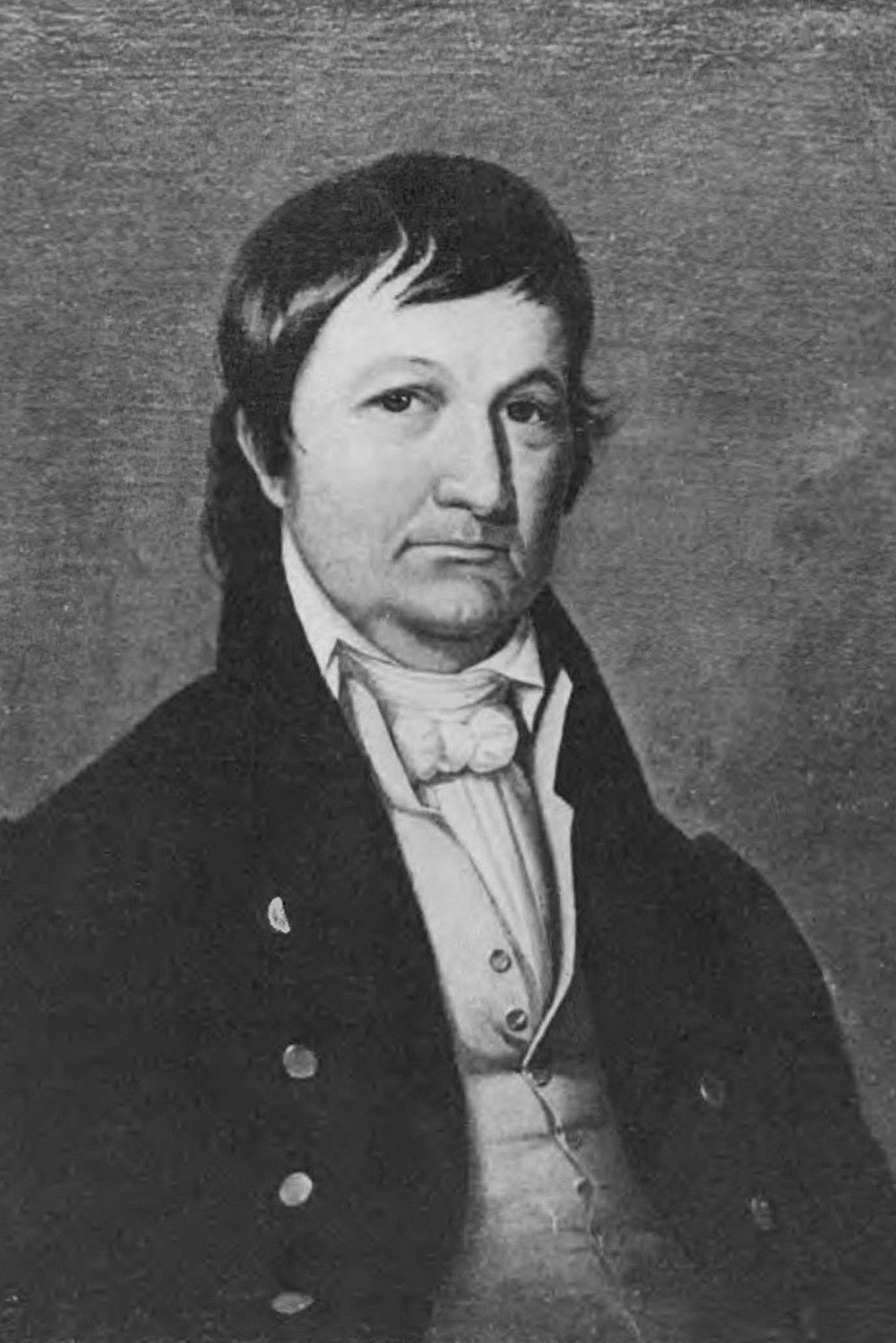
“John Coffee.” Wikimedia.
Jackson fell back three miles to the Rodriguez Canal, selected by the engineers as the primary line of defense because it crossed the narrowest section of dry land between the Mississippi and the cypress swamps to the east. The Americans used the next few days to strengthen their defenses, while the British hauled heavy guns from their fleet at Pea Island to the battlefield and, on December 27, opened with “hot shot” on the Carolina, whose magazine caught fire and blew up the ship. The next day, the British launched their first assault on the American lines when General Keane’s Redcoats attacked the American center held by General Carroll’s Tennesseans, while General Gibbs’ column took a detachment along the cypress swamp and attempted to turn the American left. Keane's detachment advanced to within thirty yards of the American line before sustaining significant casualties from the accurate American rifle and cannon fire and were forced to take cover where they could find it before withdrawing under cover of darkness. Gibbs’ men had more success and were close to turning the American left that Jackson had failed to properly anchor to the nearby cypress swamp. This movement probably would have rolled up the entire American line but General Edward Pakenham, after observing the punishment that Keene had received, assumed Gibbs had met the same fate and ordered his withdrawal. This repulse greatly demoralized the British veterans who had grown accustomed to successes in the Peninsula War and were humiliated that a ragtag army of Americans had thrown them back.
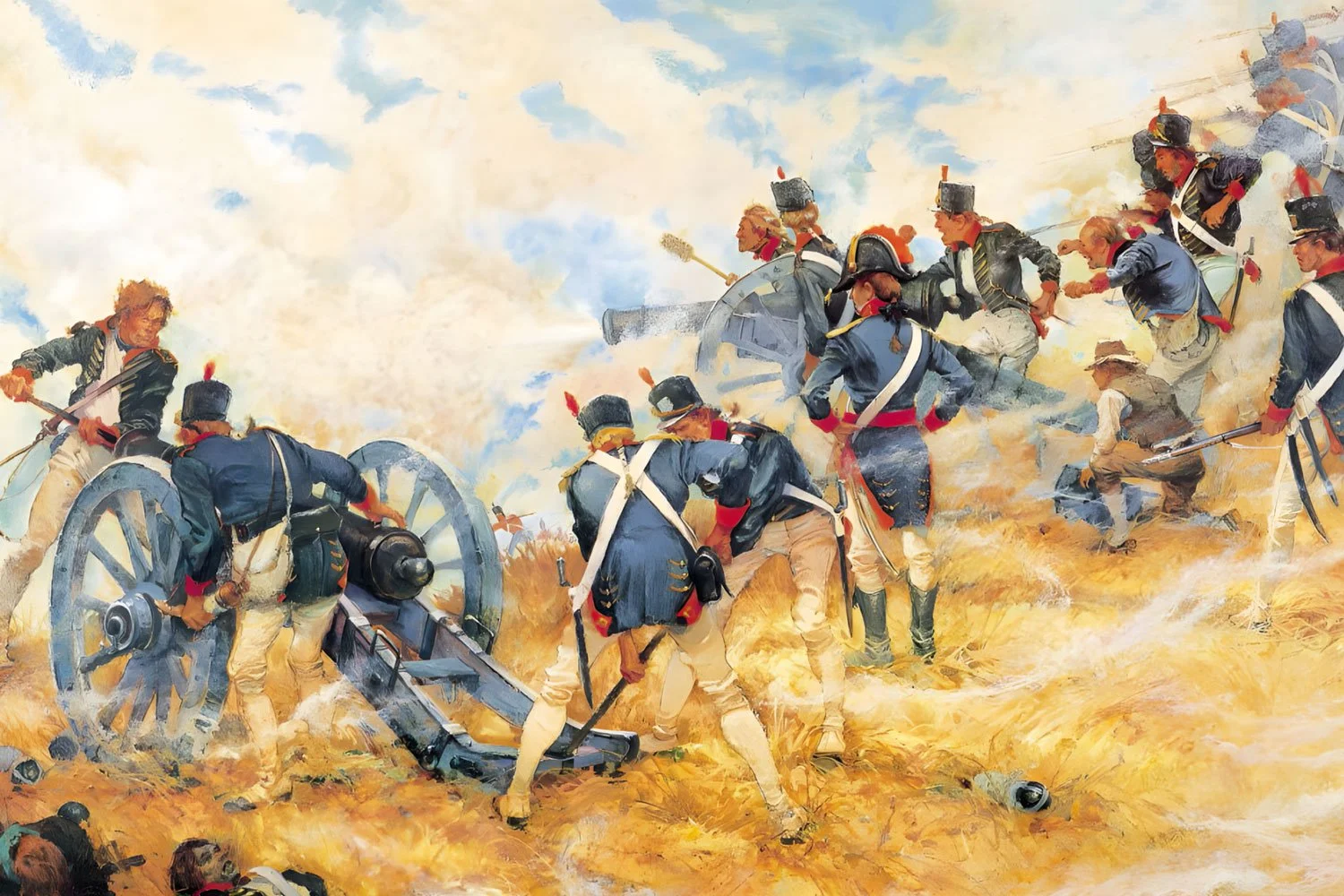
Now convinced that his infantry alone could not take Jackson's position, Pakenham sent word back to the fleet to bring up even more guns in the hopes of battering Jackson's defensive line before launching his final assault. This herculean effort on the part of the British sailors to drag an additional fourteen heavy naval guns across Lake Borgne and up Bayou Bienvenu to the British position took three days. During this lull, the Americans worked round the clock to strengthen their defenses, especially shoring up their left flank that the British had almost turned. As the fog lifted on New Year's Day 1815, twenty-four British guns opened an ear-shattering cannonade, catching the Americans by surprise. For the next three hours, the two sides pounded each other with artillery until, surprisingly, the British fire began to slacken and finally die off. When the smoke cleared, the Americans could see the devastating effect of their accuratefire, as all six British batteries had been destroyed. Moreover, the Americans had inflicted nearly one hundred casualties on the British while suffering only thirty-four themselves.
Jackson later wrote to Secretary of War James Monroe, “Too much praise cannot be bestowed on those who managed my artillery.” That fifteen American cannons manned by militia could outgun twenty-four British cannons armed by professionals was beyond humiliating to the British; many officers considered this defeat the worst they had ever endured and a stain upon their honor. As naval Lieutenant George Gleig wrote, “Never was any failure more remarkable or unlooked for than this...we were completely foiled.”
With the artillery bombardment a complete failure and food supplies running low, General Pakenham was faced with the ugly choice of either retreating in the face of the American rabble and being vilified at home or launching a frontal assault almost certain to fail.
Next week, we will discuss the Battle of New Orleans. Until then, may your motto be “Ducit Amor Patriae,” love of country leads me.
Hello America!
Subscribe to receive weekly complimentary articles and videos delivered straight to your inbox.
With the British now on the doorsteps of New Orleans but the city's defenses incomplete and the army not yet assembled, it became apparent that General Andrew Jackson had badly miscalculated regarding British intentions and had wasted precious time with his assault on Pensacola and initial focus on Mobile. But Old Hickory remained undaunted and ordered all available forces to march post-haste to the city.