
Percy Moran. “The Star-Spangled Banner.” Library of Congress.
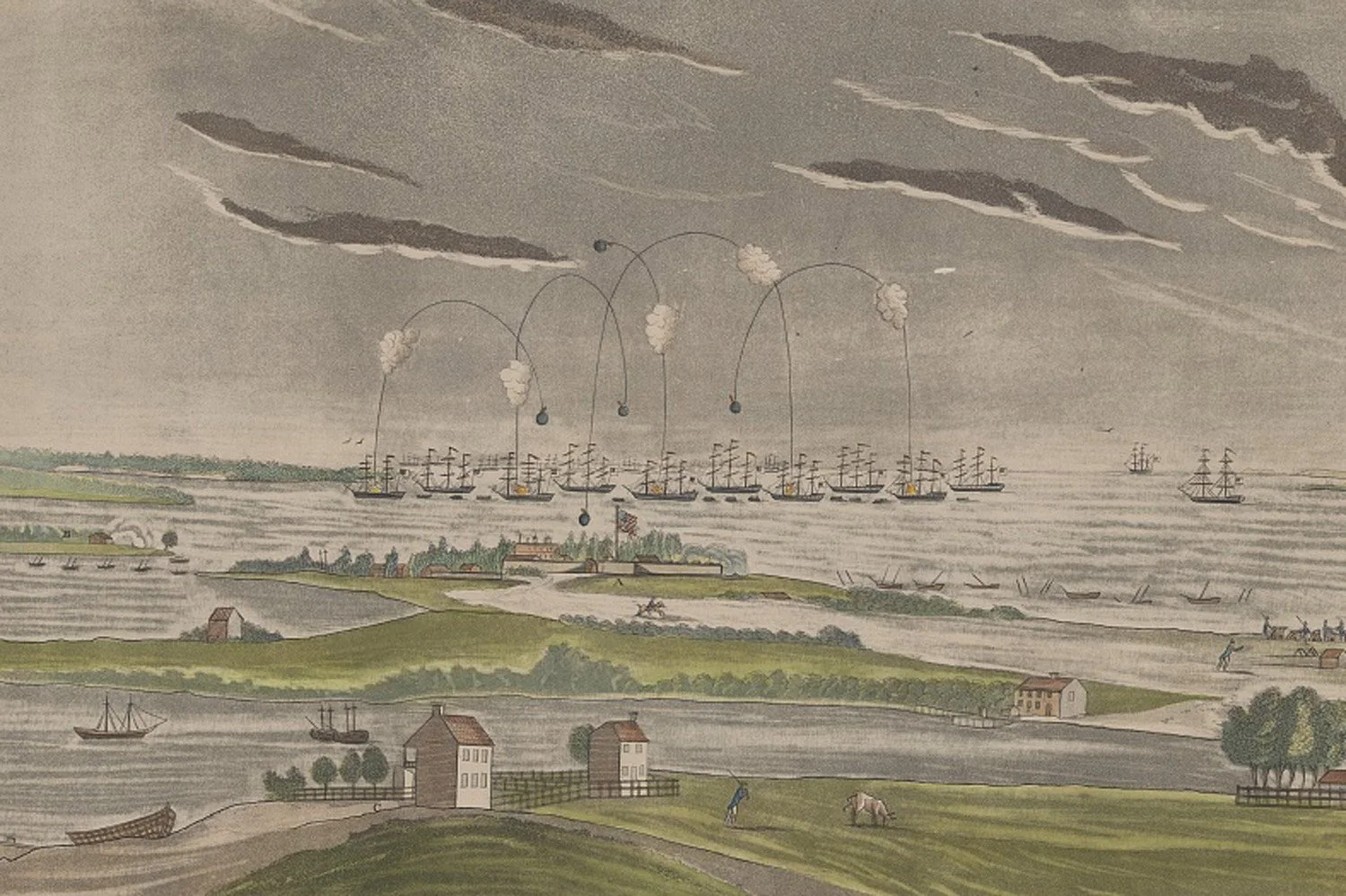
The United States was less than four decades old when it declared war on Great Britain on June 18, 1812. Like the American Revolution that came before it and the terrible Civil War, which followed five decades later, the War of 1812 was largely fought on American soil, and homesteads, farms, and towns across this great land felt its wrath.
America went to war over two maritime issues, both of which stemmed from Great Britain’s two decades-long war with France and dealt with matters of honor that would be unacceptable to any self-respecting country. The first issue was the impressment of American sailors on the high seas by the British navy. Officially, this policy consisted of Royal Navy officers coming on board American merchant ships and removing British citizens, many of whom were Royal Navy deserters, and forcing them to serve on Royal Navy ships. But in practice, impressment swallowed up many American citizens as well, and that was intolerable. The other issue was Great Britain’s Orders in Council designed to keep other countries from supplying France with goods that could aid the French war effort. The orders violated the internationally accepted maritime trading privileges of neutral nations like the United States and the country was correct to not tolerate this abuse of its rights.
Because the Jefferson and Madison administrations had neglected to maintain the American Navy for a dozen years, the country was unable to forcefully respond on the high seas; at the start of the conflict, less than half a dozen American warships were seaworthy. But President Thomas Jefferson recognized some action must be taken to maintain American rights and honor and tried to economically coerce Great Britain by restricting British access to American markets with the Embargo Act of 1807 and the Non-Intercourse Act of 1809, disastrous policies that harmed American merchants and citizens more than they did the British. Perhaps the greatest failure of the Republicans was that they were too democratic regarding their thoughts on the military, and little understood the realities of war. Men like Henry Clay, John C. Calhoun, and Thomas Jefferson, who had never donned a uniform, somehow felt qualified to easily dismiss the challenges faced by declaring war on Great Britain; Jefferson even commented that the conquest of Canada would be “a mere matter of marching.” These men believed that in time of war untrained, but patriotic American militiamen would rise to the occasion and successfully defend the country against all odds, a belief that would prove to be an illusion. It was not until President James Madison saw the disaster of the militiamen at Bladensburg firsthand in August 1814 that he recognized the country must have professional soldiers.

“James Madison.” Wikipedia.
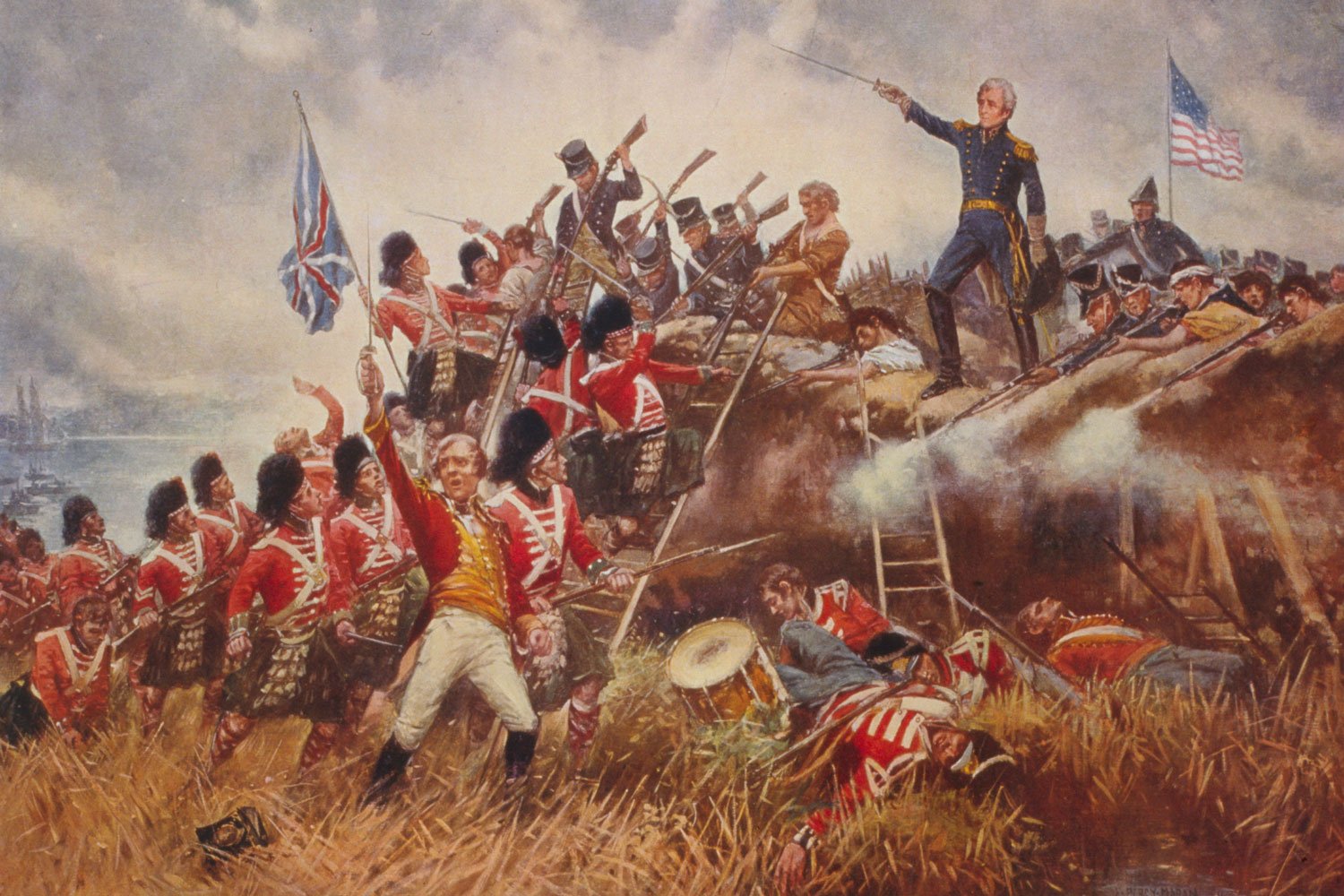
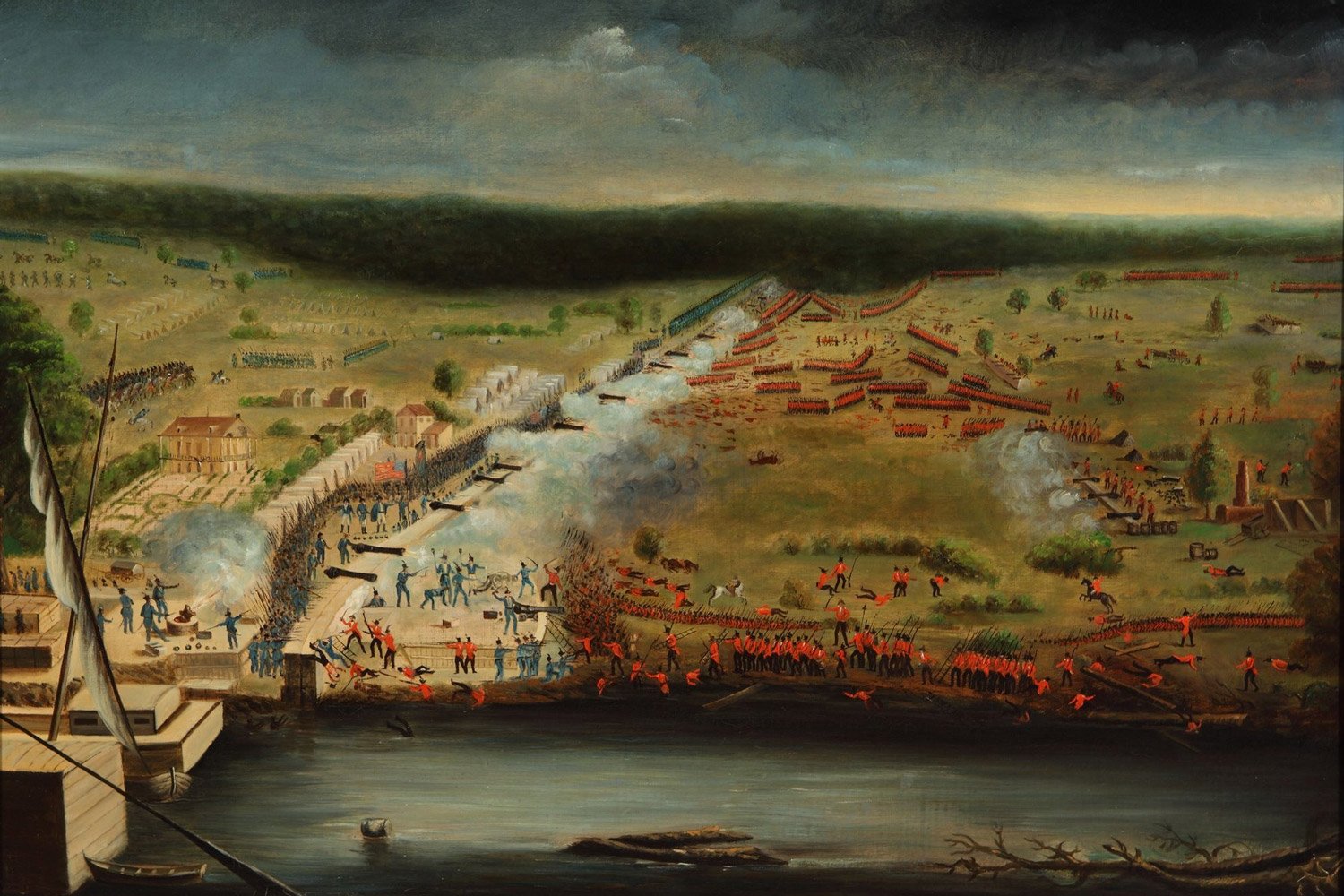
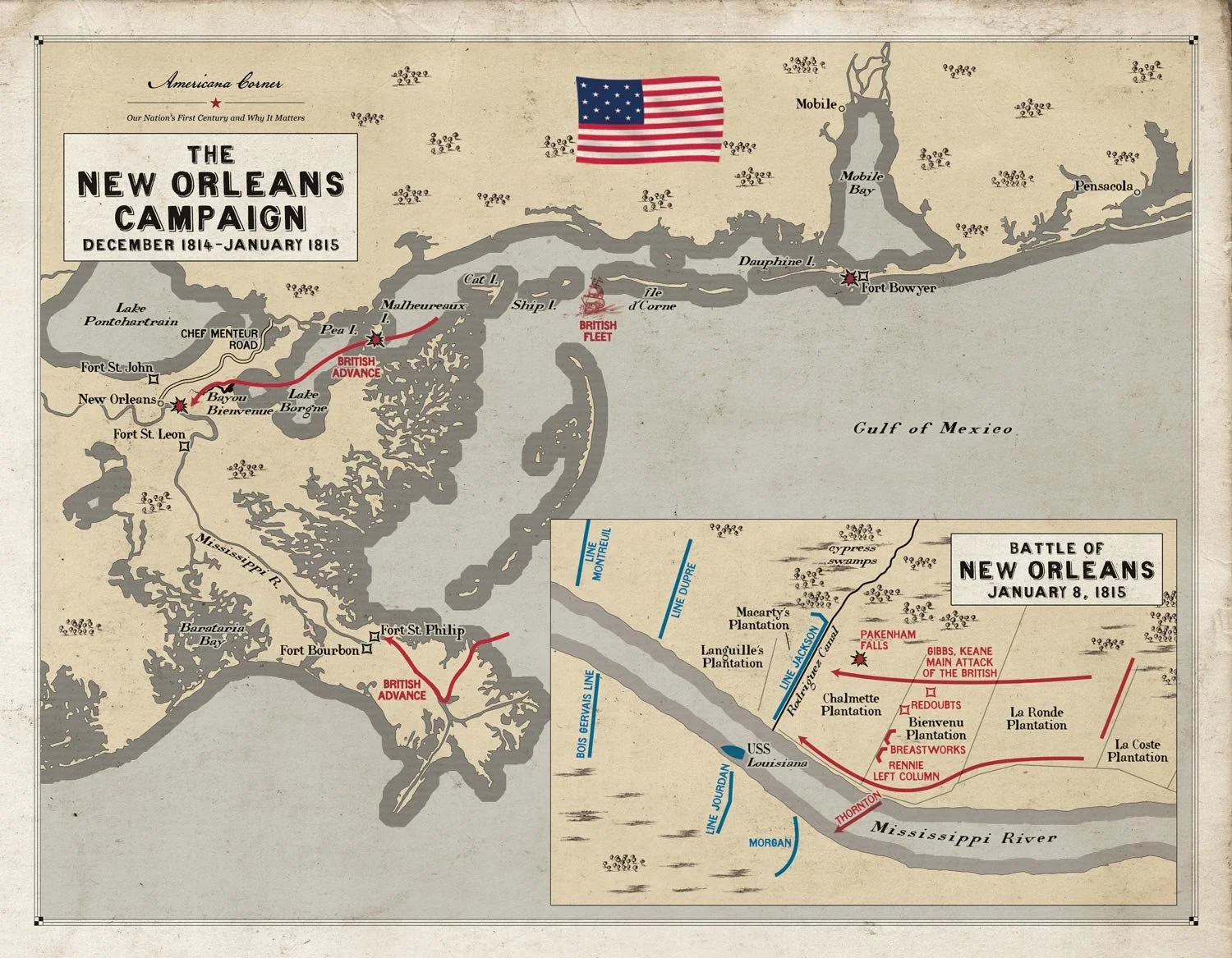
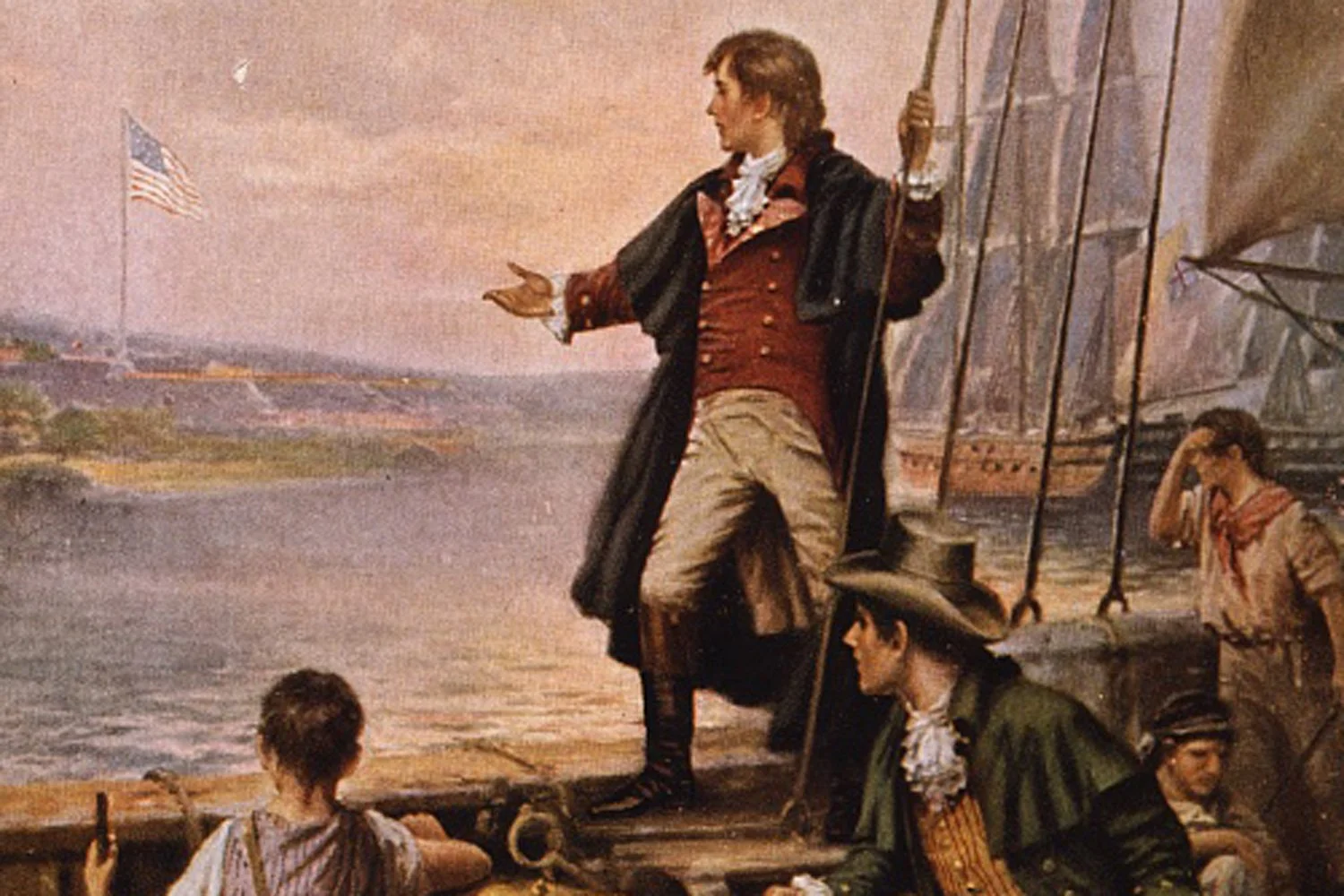
The War of 1812 was a relatively inexpensive affair, at least as wars go, with an estimated cost of $80 million. And the number of Americans killed and wounded over the course of the thirty-month war was roughly 5,000 men, less than the Union casualties in one hour at the Civil War Battle of Cold Harbor. But the country gained a new pantheon of heroes: Winfield Scott, destined to be the longest-serving Commanding General in United States history; Oliver Hazard Perry and his great victory on Lake Erie, when he informed the nation that “we have met the enemy and they are ours”; William Henry Harrison, who won the war in the west and would become our ninth President; James Lawrence, whose dying words reminded us to always persevere and “don't give up the ship”; Dolley Madison, who scorned fleeing the British until she had saved Gilbert Stuart’s iconic portrait of George Washington; Andrew Jackson, who by his toughness acquired a nickname, Old Hickory, and by his leadership became a legend when his Tennesseans “caught the bloody British in a town of New Orleans”; and Francis Scott Key, who gave us the Star-Spangled Banner and reminded us that Americans live in “the land of the free and the home of the brave.”
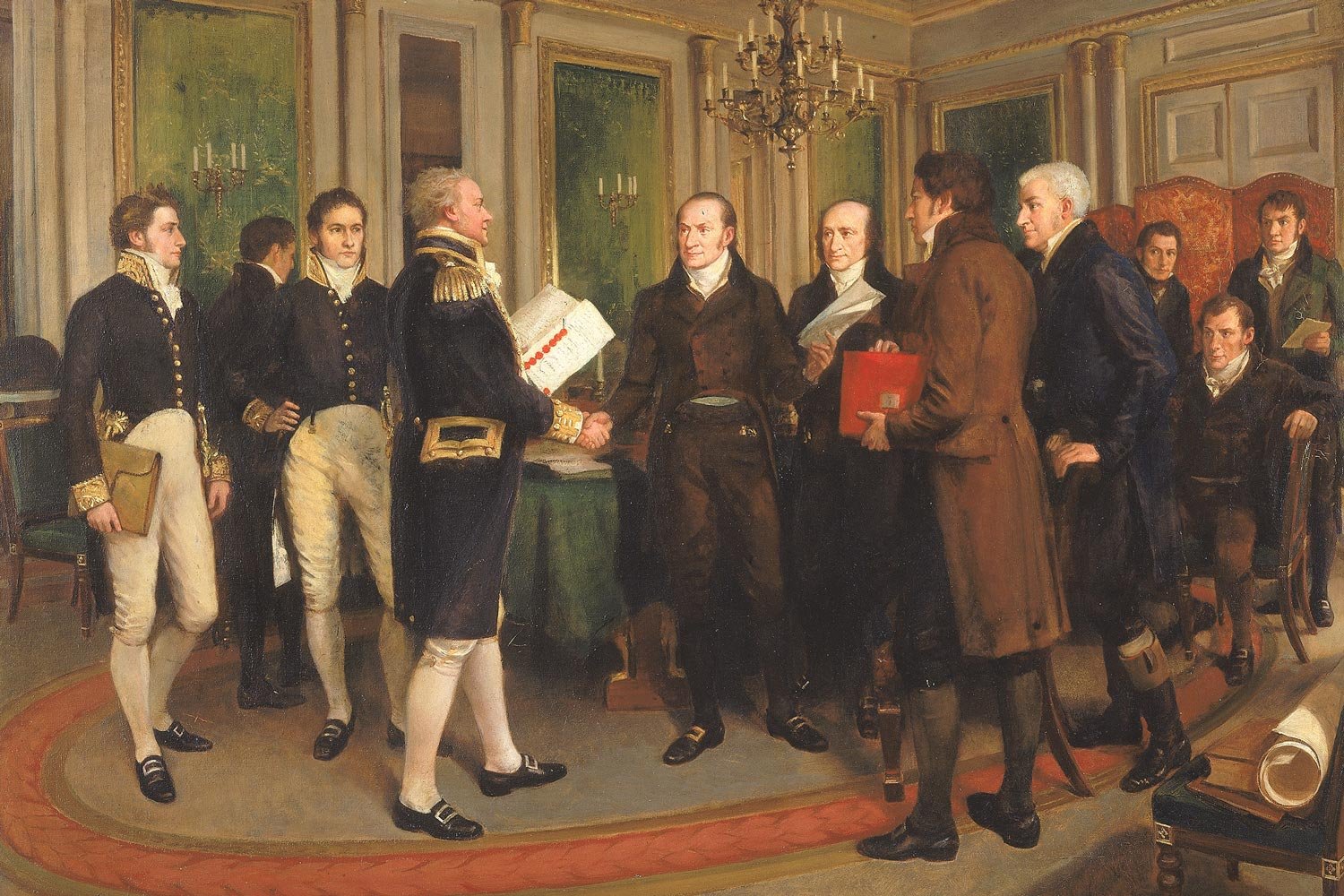
Some historians have suggested that the War of 1812 was a continuation of the American Revolution, and it is easy to see why that belief has gained some traction. In both cases, the United States fought Great Britain for perceived wrongs by the British, but the similarities regarding why the wars were fought largely end there. In the former war, Great Britain wished to maintain control over its colonies while the Founding Fathers wanted to chart their own course. In the latter conflict, the British imposed maritime restrictions on the United States not to regain mastery over its former colonies but solely to destroy Napoleonic France, their archenemy. In other words, in the eyes of the British, putting down the American rebellion was the end in itself, while the Orders in Council and impressment were simply means to an end, and that being the destruction of Napoleon. Interestingly, the war was settled based on status quo ante bellum, indicating that no one had really won the war or gained anything material by the conflict. And ironically, the primary offense that led to the declaration of war, impressment of American sailors, was not even addressed in the peace terms.
So, what lessons did the country learn from the War of 1812? Perhaps first and foremost, the President and other leaders realized there were no shortcuts to national security, and the nation must rely on a standing army and navy for its defense. For although both services had had their struggles, there had been many instances where American fighting men and sailors, properly led, performed exceptionally well. Secondly, the country began to understand that as much as we wanted to remain neutral and aloof from world affairs, it was unrealistic to think we could do so given our commercial interests around the globe, especially Europe. But perhaps most importantly, the glorious victory at New Orleans at the end of the war left everyday Americans with the impression that we had emerged victorious from this desperate fight against the world’s greatest power. And that impression, accurate or not, brought about a patriotic reawakening in the hearts of Americans that helped unify the country and inspired future generations to further expand the young nation.
Enjoyed this article? Share it to help others discover the great American story! Subscribe to receive a new article and video each week, delivered directly to your inbox.
Next week, we will start a series on the western fur trade and Astoria, the first American settlement on the Pacific Coast. Until then, may your motto be “Ducit Amor Patriae,” love of country leads me.
Hello America!
Subscribe to receive weekly complimentary articles and videos delivered straight to your inbox.
The United States was less than four decades old when it declared war on Great Britain on June 18, 1812. Like the American Revolution that came before it and the terrible Civil War, which followed five decades later, the War of 1812 was largely fought on American soil, and homesteads, farms, and towns across this great land felt its wrath.