
War of 1812, Part 32: Washington in Chaos
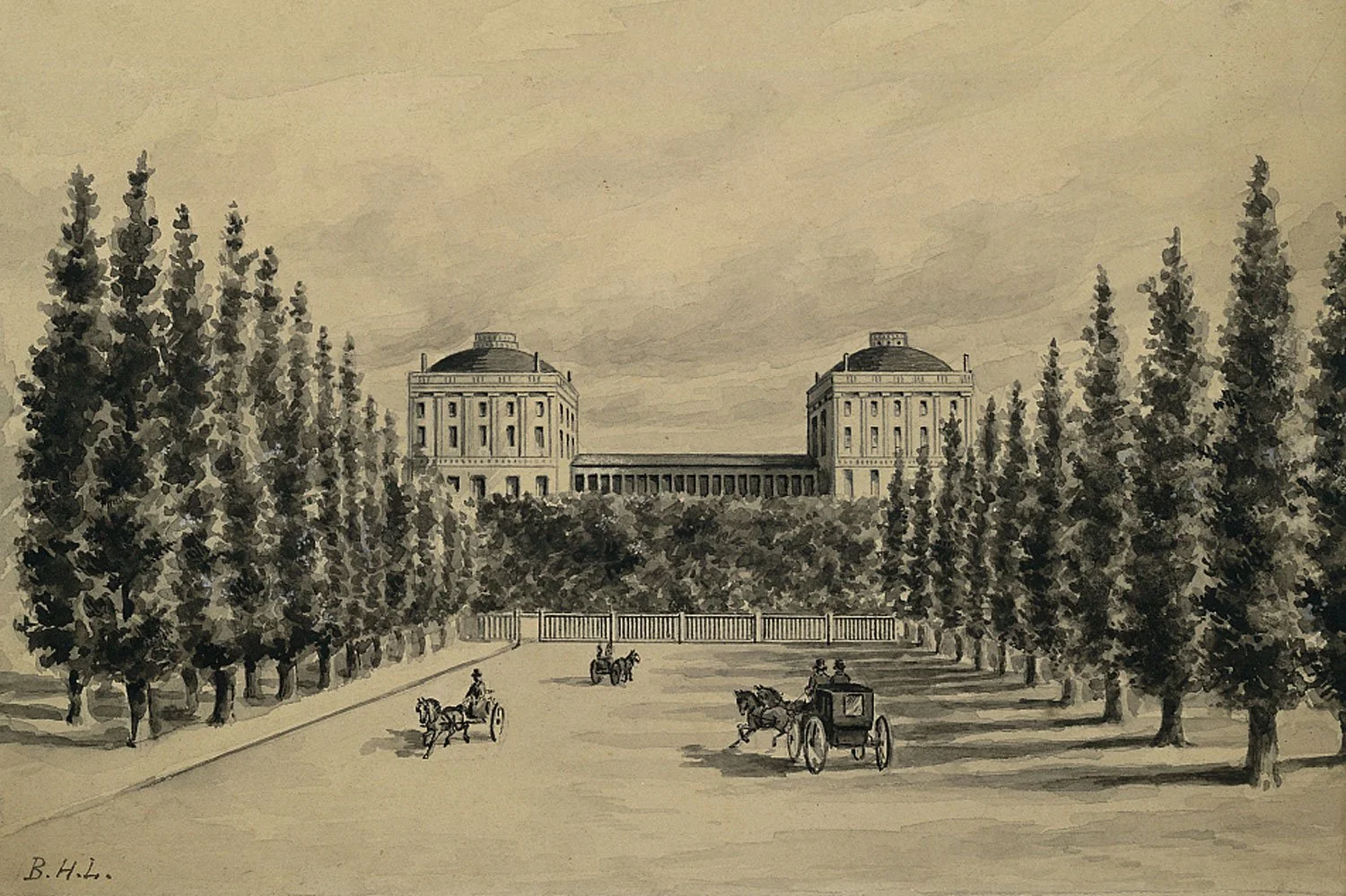
Benjamin Henry Latrobe. “U.S. Capitol and Pennsylvania Avenue before 1814.” Library of Congress.
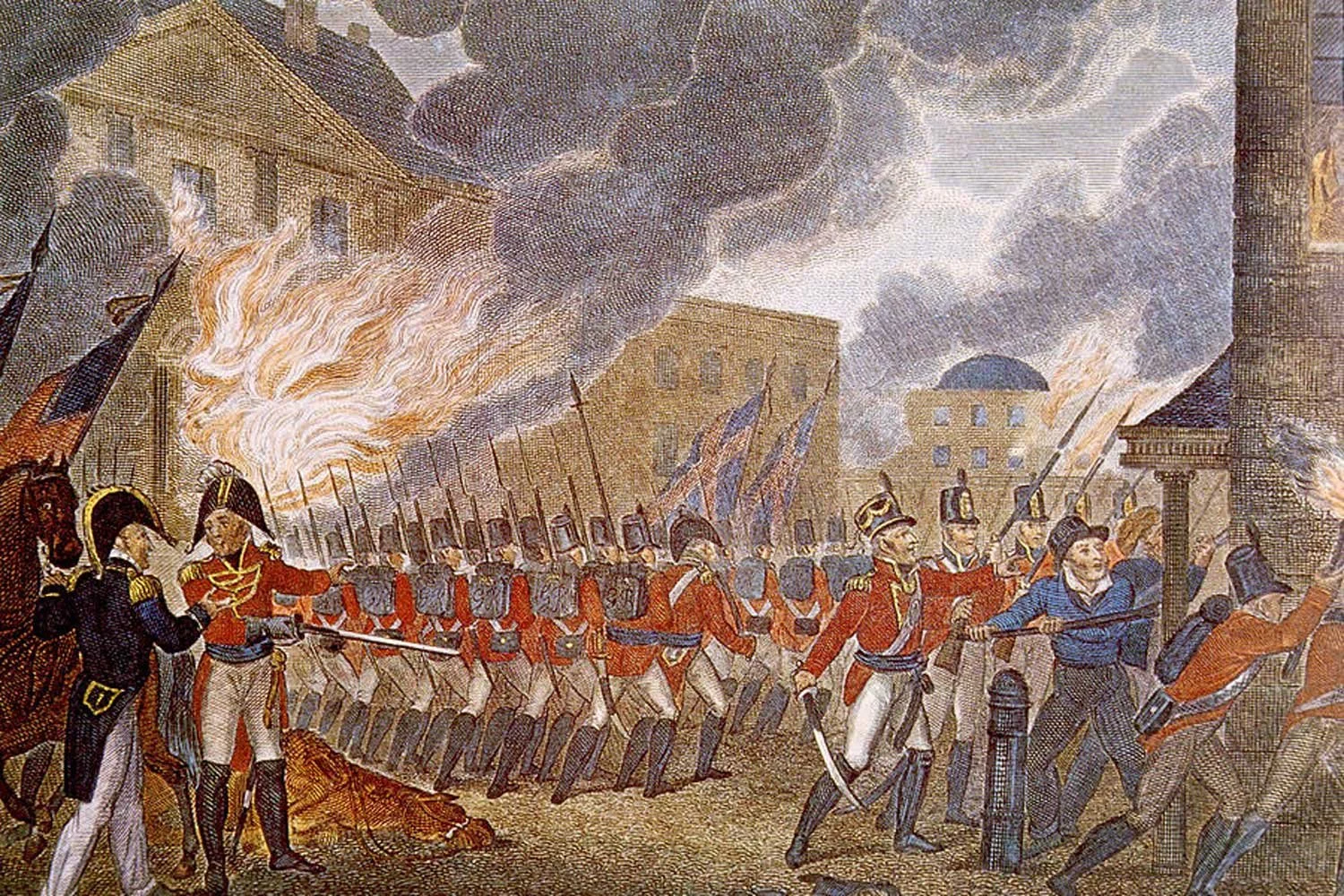
On August 17, the British flotilla ordered to Chesapeake Bay arrived off the mouth of the Patuxent River, fifty miles from Washington. With Congress adjourned and most of the well-to-do citizens away from the city to escape the smothering heat wave, there was little activity in the capital. Unfortunately, that lack of activity also extended to those responsible for defending Washington. But all that changed the next day when a messenger arrived with the long-dreaded news that the British invasion force was at hand.
As more and more scouting reports filtered in, many of them conflicting, chaos seemed to reign supreme in the capital, especially with those in charge. President James Madison ordered the militia and regulars near Washington to assemble and sent fresh requisitions for additional militia to Governors from the neighboring states of Maryland, Pennsylvania and Virginia, but the response was disappointing to say the least. Secretary of War John Armstrong continued to insist that Baltimore was the target, not Washington, and offered little assistance to the district commander, General William Winder, despite Winder’s many pleas for advice. After being in his post for about six weeks, Winder realized all too painfully he was not up to the task and that the 15,000-man army he had been promised was no more than a dream, with no staff officers, no artillery, and no quartermaster. For the next week, Winder would do his best but prove to be a one-man flurry of activity who accomplished very little. And Secretary of State James Monroe, a man of action who had crossed the Delaware with Washington and helped defeat the Hessians at Trenton in 1776, offered to go to the front and scout out the British invaders, and President Madison was only too happy to have the help.
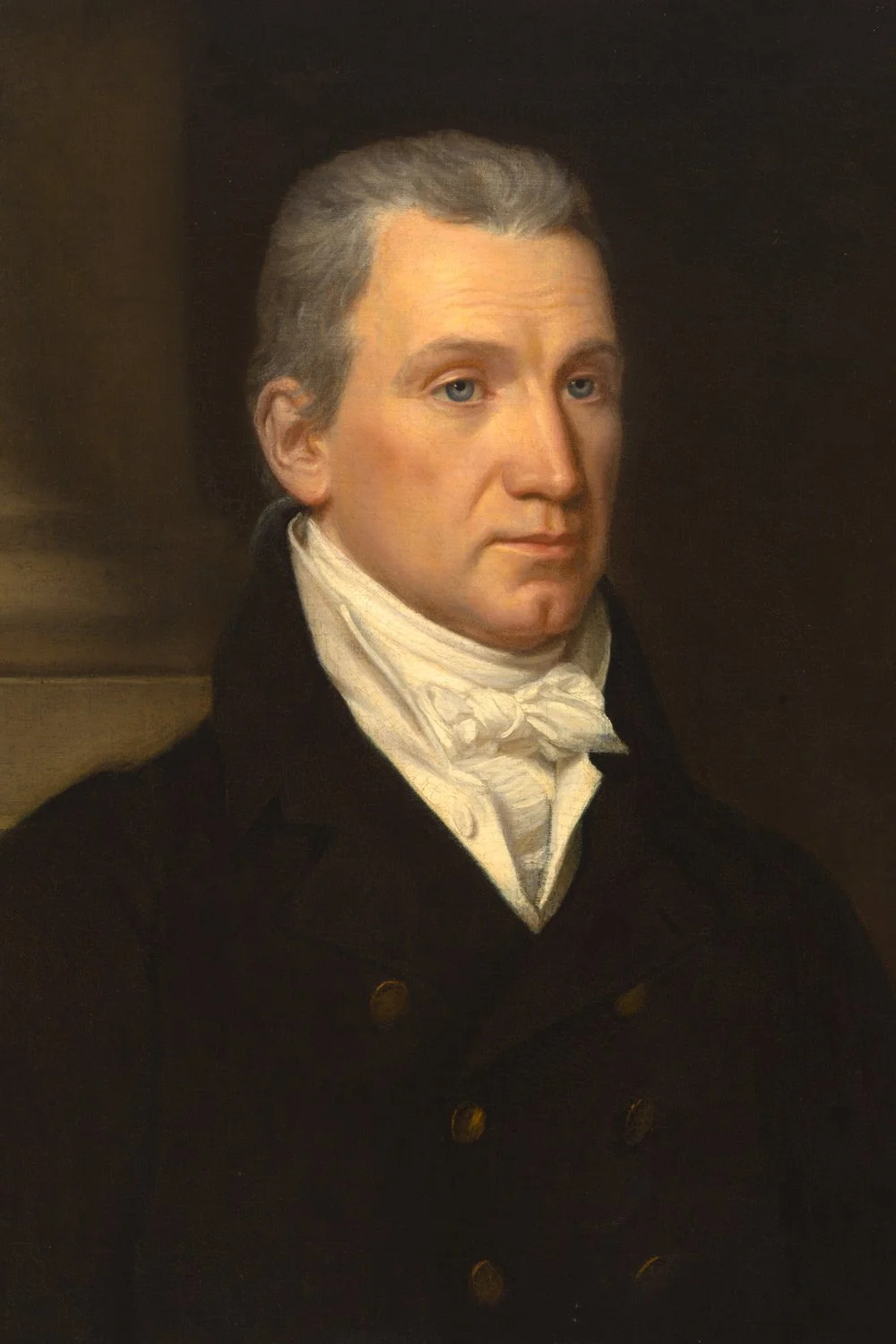
“James Monroe.” National Portrait Gallery, Smithsonian Institution.
On August 19, the British fleet sailed twenty miles up the Patuxent and disembarked at the small town of Benedict, and by midafternoon, 4,500 Redcoats were on Maryland soil without a spark of opposition. At their approach, the American gunboats, led by Commodore Joshua Barney, fled further up the river with orders from Secretary of the Navy William Jones to burn the ships rather than have them fall into British hands. Late the next day, the British advanced north, the fleet under Admiral George Cockburn on the river in search of the American gunboats, while the army under General Robert Ross marched on a road parallel to the river. Three days later, Cockburn caught up with Barney's flotilla near Pig Point, where the Patuxent River narrows and turns into little more than a creek. Unable to move his ships any further upstream, the Commodore burned all his boats before the British arrived, but, importantly, escaped with his sailors, who would perform masterfully in the upcoming fight.
Despite the entire area being on the alert at the approach of the British, there was still no consensus regarding the size of the British army. Many, including General Winder, believed that the British host consisted of 10,000 men, a number more than twice its actual strength. There was also no consensus as to where the British were headed now that Barney’s boats were destroyed. Some administration officials felt Annapolis was the likely goal, while others were convinced Baltimore was their main objective; interestingly, very few thought Washington was their destination. One exception was Secretary of State Monroe, turned cavalry scout extraordinaire, who had been following British movements for the last two days and was convinced the Brits were headed to the capital. He sent word to the President, adding the somber note, “You had better remove the records.” Soon, State Department officials were packing up some of those most cherished possessions of the country: George Washington’s commission, secret journals of Congress, papers of the Revolutionary government, and the Declaration of Independence.
Late that night, unable to bear the suspense any longer, President Madison, accompanied by Secretary of the Navy William Jones and Attorney General Richard Rush, headed for Long Old Fields, a crossroads eight miles east of Washington, where Winder had assembled the army. The next morning, August 23, General Winder briefed President Madison and informed him that, in his opinion, the British would probably fall back to the fleet now that Barney’s gunboats had been destroyed, for without cavalry or artillery the British army was too weak to attack Washington. And President Madison, satisfied that the capital was safe, headed back to the President's House. But later that evening, still uncertain as to where the British were headed and fearful of a surprise night attack, Winder hastily pulled the troops at Long Old Fields back to Washington, and by 8 p.m., the army had retreated, or rather raced, across the Eastern Branch bridge and the exhausted militiamen simply laid down for the night wherever they could find some open ground.
Meanwhile, the British, after salvaging what they could from the American gunboats, advanced from Upper Marlboro to the hamlet of Melwood and bedded down for the night. Both Cockburn and Ross were shocked that there had not been the slightest opposition to the British despite being less than 50 miles from the nation's capital; not one musket shot, not one cannon fired in anger, no harassment by sharp shooters, almost as if the British were marching in their home country. Around 2 a.m., a letter was delivered to Cockburn from Admiral Alexander Cochrane, commander of the British expedition, ordering him to return to the fleet at once and not to attack Washington. Cockburn consulted with Ross, who thought that they had no choice but to turn back given the orders, but Cockburn would have none of it. The Admiral argued that to turn back now without even making an attempt would be worse than a defeat, it would be dishonorable and “a stain upon our arms.” Swayed by Cockburn’s argument, and assured by the Admiral that they would succeed, General Ross, who had the final say over the disposition of the soldiers, said, “Well, be it so, we will proceed.” And, at 5 a.m. on August 24, 1814, the Redcoats got on the road to Washington.
Next week, we will discuss the Battle of Bladensburg. Until then, may your motto be “Ducit Amor Patriae,” love of country leads me.
Hello America!
Subscribe to receive weekly complimentary articles and videos delivered straight to your inbox.
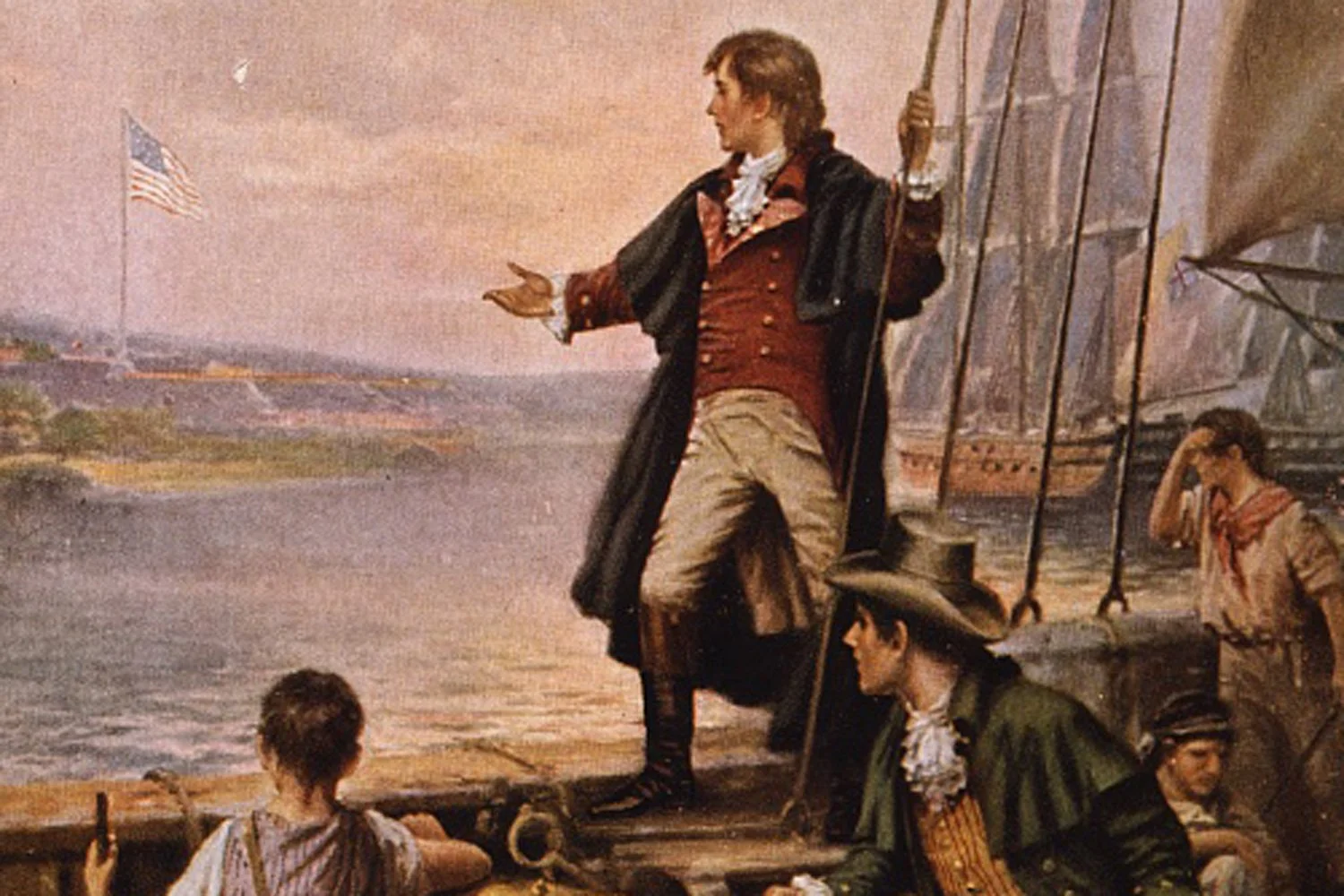
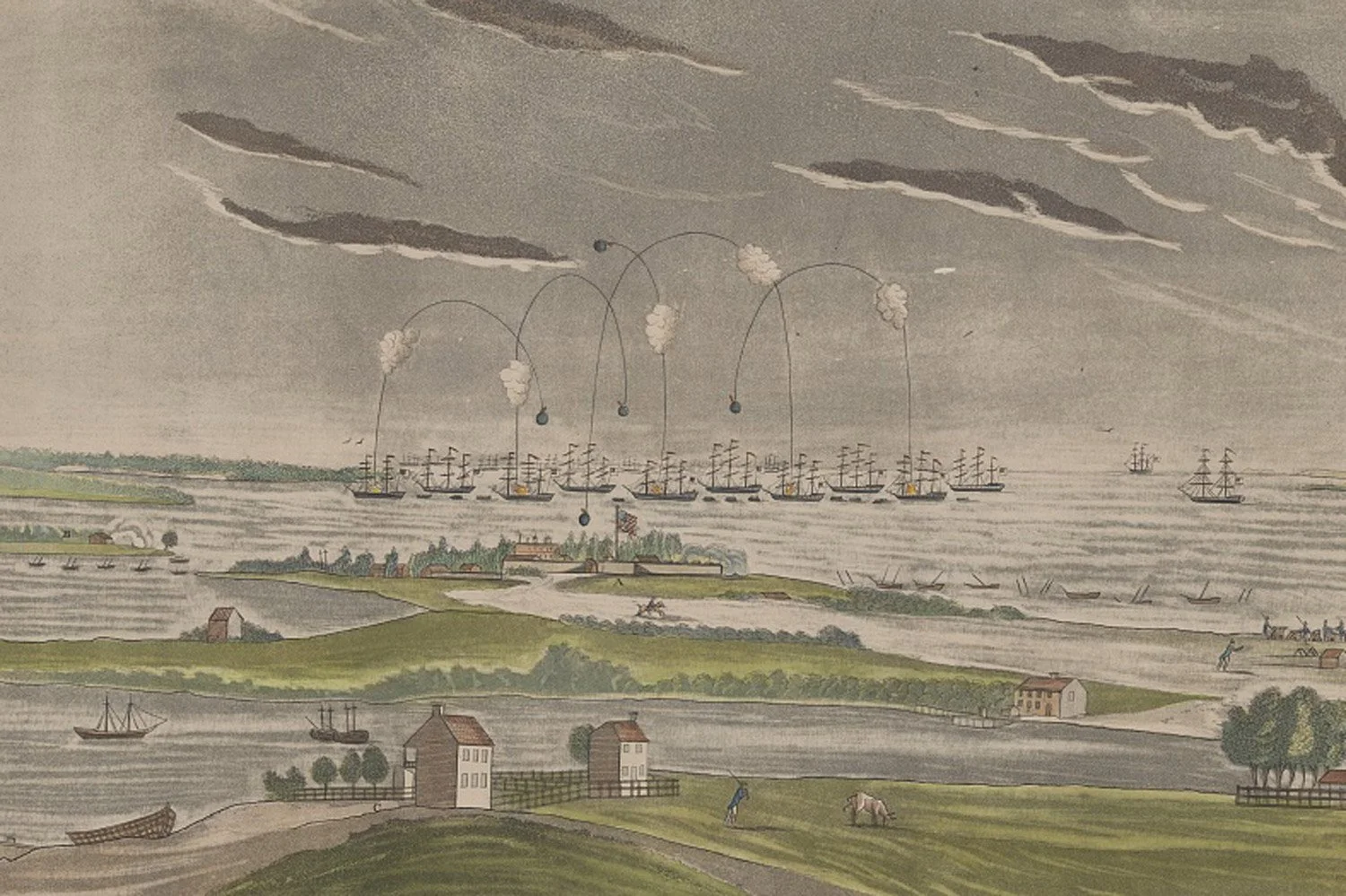
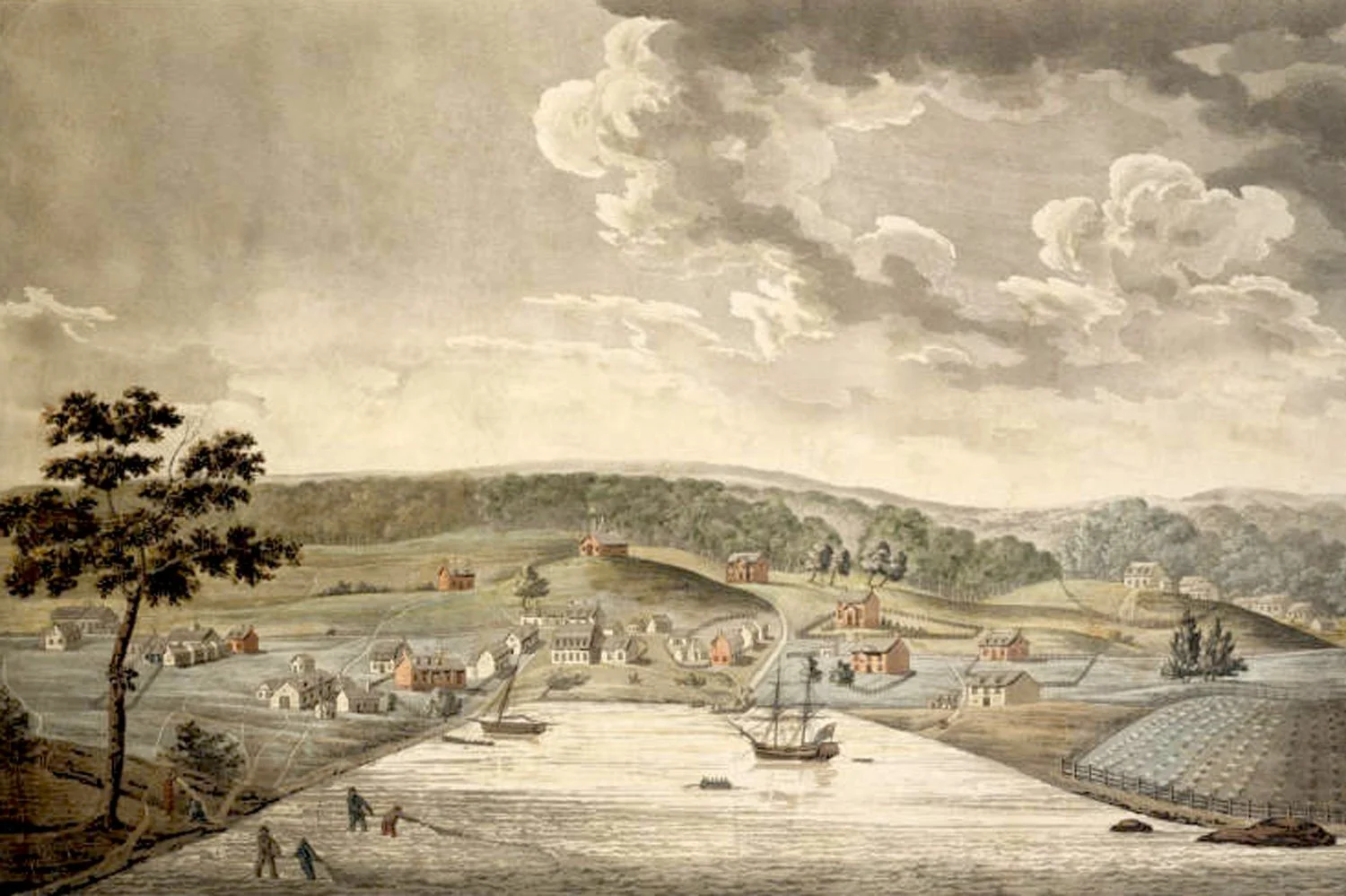

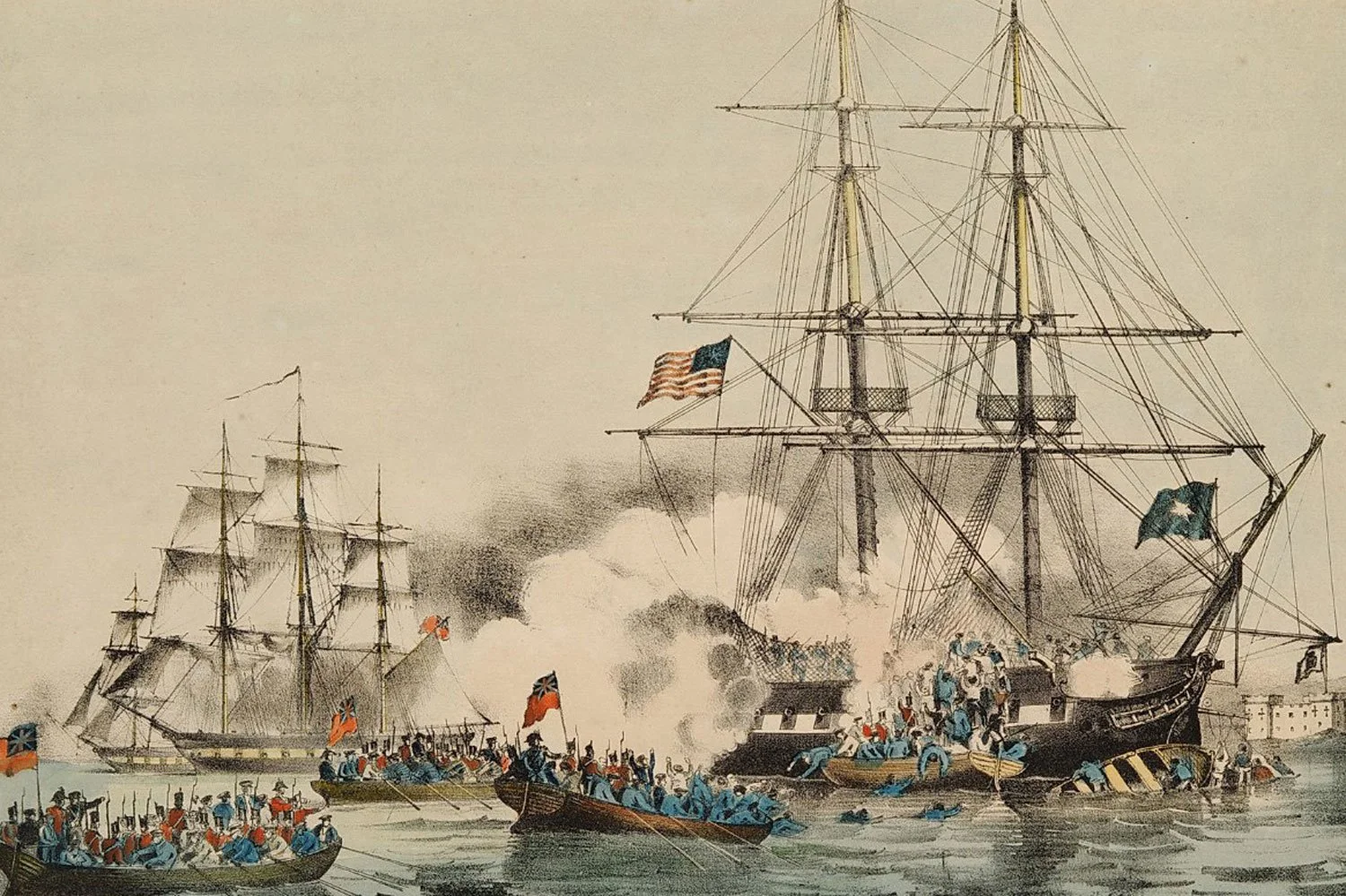
Many Americans, especially those in the Deep South, had cast covetous eyes towards Florida since the Treaty of Paris in 1783 ended the American Revolution and Spain regained the territory. Not surprisingly, when war was declared on Great Britain in 1812, one of the main goals of Southerners and President James Madison was to use the war as a pretext for obtaining possession of Florida from a decaying Spanish empire. The most contentious portion was the present-day panhandle of Florida, lower Alabama, lower Mississippi, and eastern Louisiana, an area known as West Florida.