
War of 1812, Part 24: Don’t Give Up the Ship
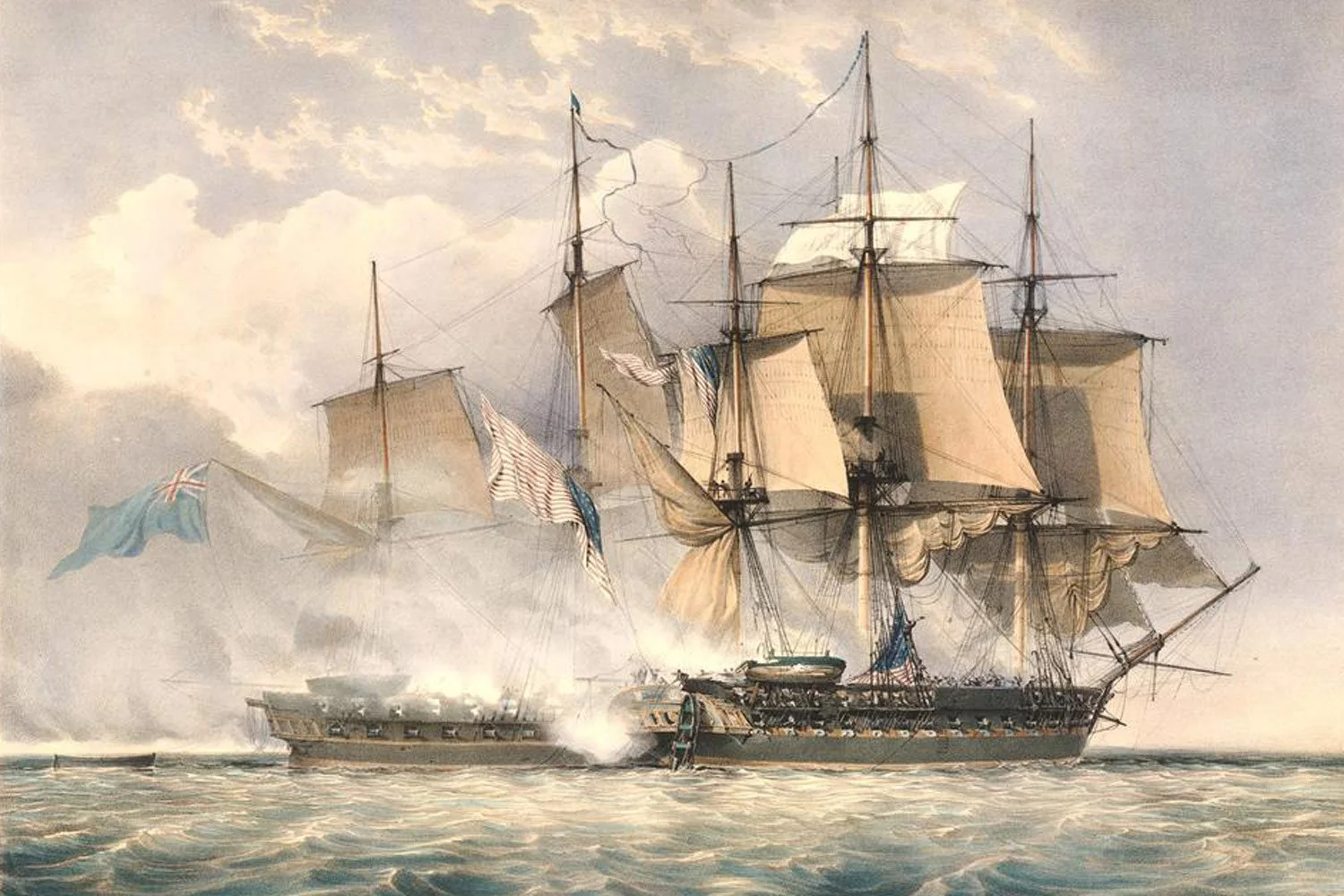
Louis Haghe. “The Shannon and the Chesapeake.” Wikimedia.
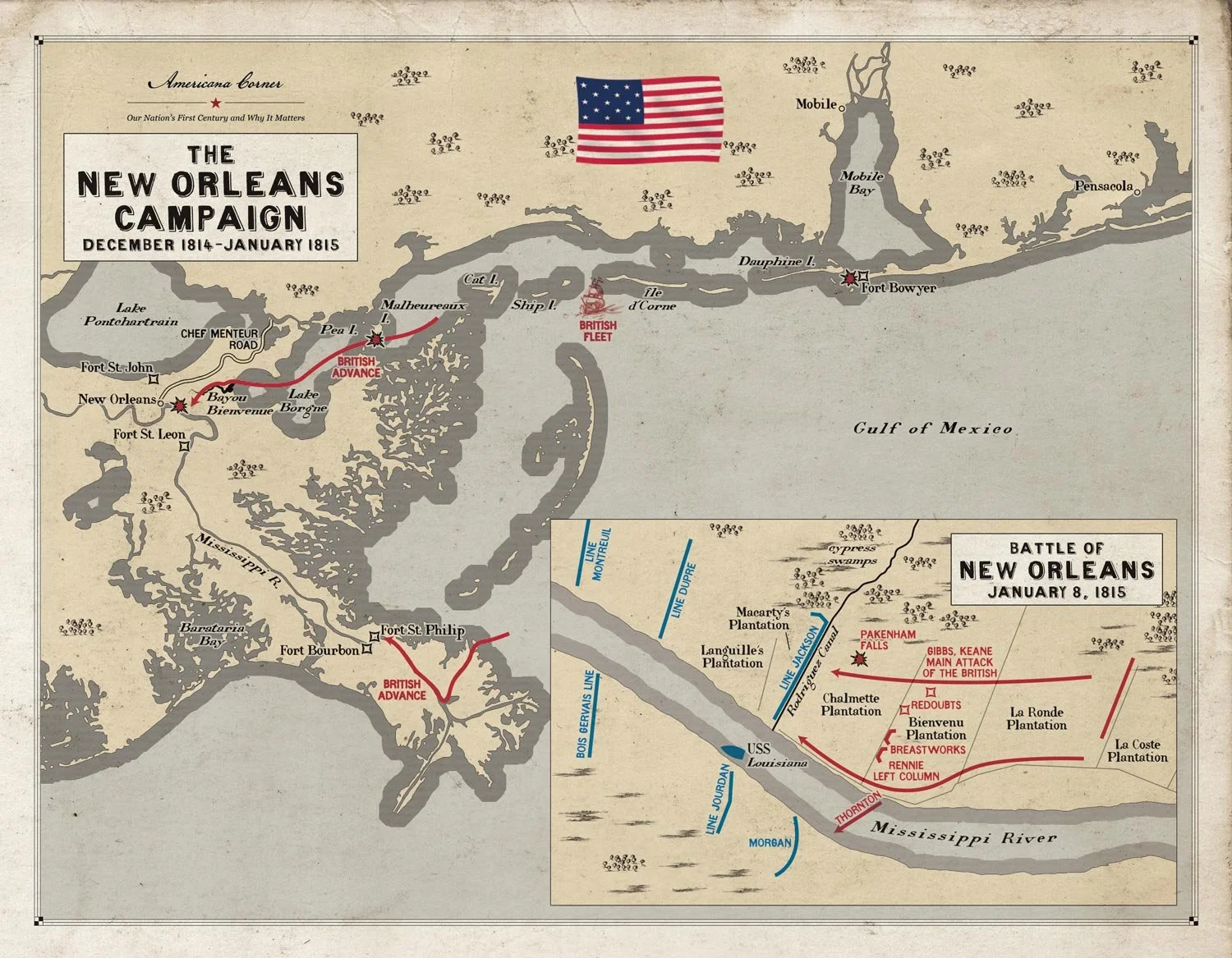
There were many memorable battles during the War of 1812 that have become part of the American legend; Perry's great naval victory on Lake Erie and Jackson's coup de grace at the Battle of New Orleans immediately come to mind. But one of the more compelling stories of the war was an engagement between USS Chesapeake and HMS Shannon, a single-ship duel fought roughly twenty miles northeast of Boston near Cape Ann in the late spring of 1813. Known as the Battle of Boston Harbor, it was fought by two courageous Captains with a spirit of chivalry for the glory of their country.
The British fleet blockading Boston Harbor was commanded by Captain Phillip Broke, perhaps the most capable Captain in the Royal Navy. Broke had been commanding Shannon since 1806 and, in those seven years, had drilled his crew relentlessly, especially in gunnery. Broke was the antithesis of the staid, conservative Royal Navy career officer, initiating such changes as sight adjustments and leveling devices for his guns and requiring daily gunnery practice with a pound of tobacco for all crews who hit the target. In 1813, Shannon was arguably the most dangerous frigate in the British fleet, and Broke greatly desired to showcase its talents by engaging an American frigate in a single-ship duel to disprove the growing feeling that the Royal Navy had fallen behind the upstart Americans.
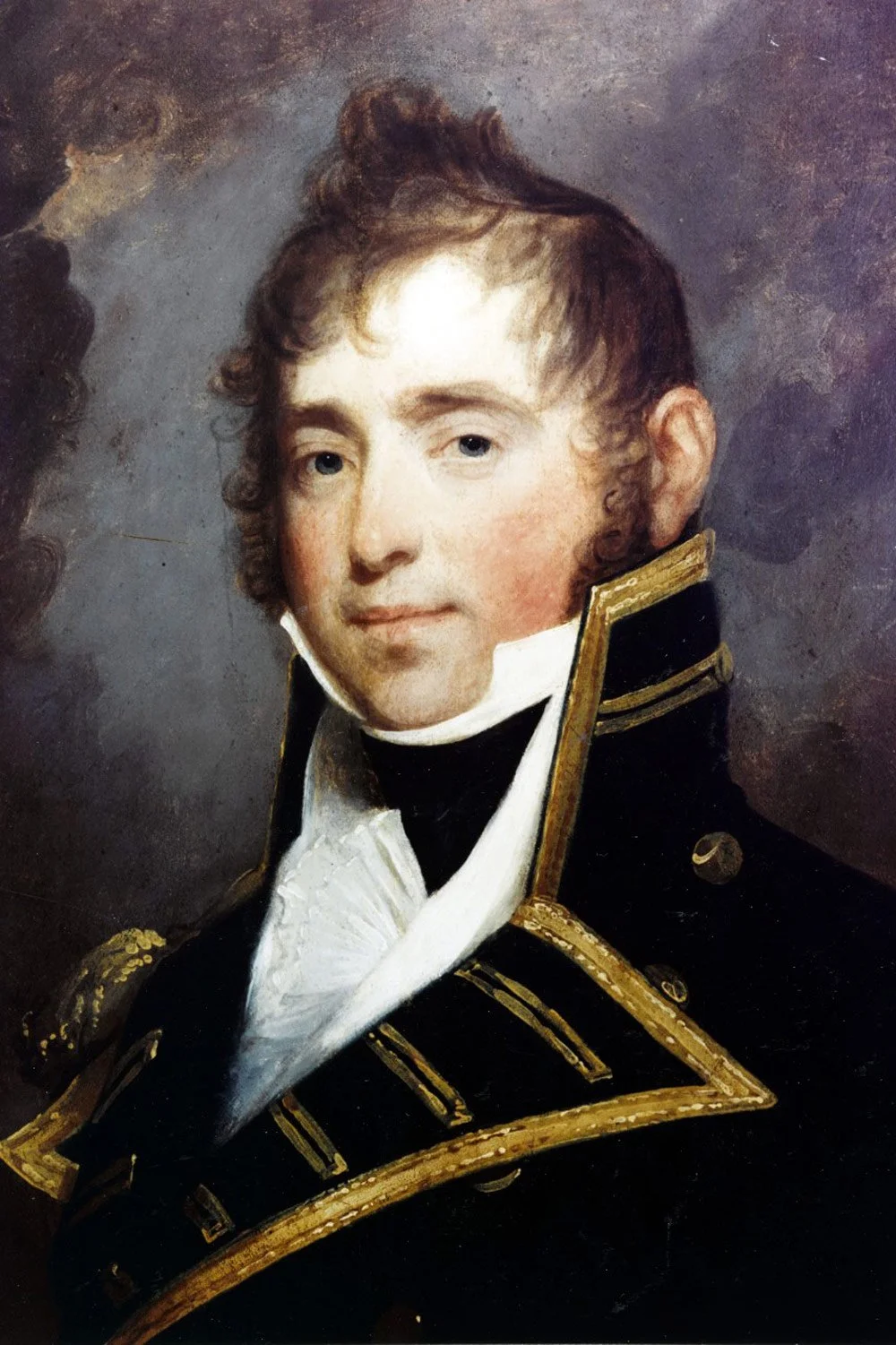
“Master Commandant James Lawrence, USN (1781-1813).” Naval History and Heritage Command.
Broke had been cruising outside Boston Harbor since early April and had sent several messages into the town stating his desire for any one of the three American frigates then in the harbor to come out and fight. Broke even sent away his companion warship, HMS Tenedos, in a further effort to entice the Americans to accept his challenge. But Captain John Rodgers, commanding USS President, declined the offer and slipped through the British blockade, and USS Constitution was not seaworthy. That left USS Chesapeake and Captain James Lawrence, who had recently assumed command and was working feverously to gather a crew. The crew that Lawrence finally assembled was a far cry from that of Shannon, as most of the men knew neither their fellow sailors nor their officers and most importantly, many were recent additions to the navy and had not been drilled or trained by Lawrence. Regardless, Bostonians wondered aloud when Lawrence would accept Broke’s challenge and destroy Shannon as he had HMS Peacock when commanding USS Hornet.
But after fifty-six days of cruising and low on supplies, Broke despaired of ever fighting an American ship and finally sent a written challenge to Lawrence, even informing him of Shannon’s exact armament and the size of its crew. Lawrence never saw the message but knew Broke was waiting for him and wanted the fight as desperately as Broke. Consequently, Chesapeake sailed from Boston Harbor on the afternoon of June 1, with thousands of people crowding the harbor heights and dozens of smaller sailing craft filled with spectators following in Chesapeake’s wake, anxious to see “Captain Jim” punish the Brits. As Chesapeake approached Shannon, Lawrence noticed that Broke had left his ship dead in the water and in a terribly vulnerable position. Lawrence recognized at once that Broke was issuing the ultimate challenge to Lawrence, daring the American to come alongside and slug it out toe to toe in a brutal test of gunnery and nerve rather than a battle of maneuver. Lawrence, a man imbued with a spirit of chivalry and honor, made the fateful decision to accept Broke’s bold challenge and moved his vessel to within pistol shot of the Shannon.
The duel began just before 6 p.m. when Shannon opened fire and Chesapeake responded in kind. The broadsides from both vessels were fired with great effect, but Shannon’s were more rapid and more accurate than those of Chesapeake, and soon the American vessel was in trouble. Broke’s plan was unconventional in that he did not aim to dismast the ship but rather targeted the crew, telling his men, “Kill the sailors and the ship is yours.” Between his well-trained sharpshooters aloft and grapeshot from his cannons, the main deck of Chesapeake was quickly strewn with dead and wounded, including Lawrence, who continued to direct the fight. A shot from Shannon then destroyed the steering mechanism of Chesapeake, and the American vessel drifted helplessly backward toward Shannon. For ten minutes, Shannon pelted Chesapeake with shot after shot before the two ships came together and their rigging fouled. Recognizing his ship was in peril and taking over Shannon was his only path to victory, Lawrence then called for boarders, but most American sailors by then had sought refuge in the lower decks, and few were there to answer his call.
Meanwhile, Captain Broke, observing the confusion on the American ship, personally led a twenty-man boarding party onto Chesapeake, shouting, “Follow me who can.” The few Americans left on deck put up a stiff fight, and Broke’s skull was sliced open by a pike (he would survive the wound), but resistance was quickly overcome as more Brits raced to help. Captain Lawrence, who was now down below after receiving a musket ball to his abdomen, noticed that the gunfire had greatly slackened and exhorted the men loudly and repeatedly, “Don't give up the ship,” an order that has become the inspirational motto of the United States Navy. But it was an order that could not be obeyed, and just thirteen minutes after the duel began, the American flag was taken down.
As word spread of Lawrence’s defeat, Americans felt the deepest sense of gloom and dismay that one of their prize frigates had been beaten by the British. To the degree that Americans were depressed, the British were elated, a subtle indication of the newfound respect the British had for our navy. The unfortunate Lawrence died while en route to Halifax, but such was the regard for this courageous Captain that he received full military honors from the British. Six weeks later, Lawrence’s body was brought home to New York and laid to rest in Trinity Cemetery beneath a monument with the following inscription:
Neither the fury of battle, the anguish of a mortal wound, nor the horrors of approaching death could subdue this gallant spirit. His dying words were “Don't Give up the Ship.”
Next week, we will discuss the cruise of the USS Essex. Until then, may your motto be “Ducit Amor Patriae,” love of country leads me.
Hello America!
Subscribe to receive weekly complimentary articles and videos delivered straight to your inbox.
The War of 1812 was arguably the most partisan war in our nation's history, with virtually all Federalists across the country opposing what they dubbed “Mr. Madison’s War” and all Republicans supporting it. This difference in sentiment was pronounced and led to many ugly confrontations such as the Baltimore riots of 1812. But nowhere was opposition to the war more strongly manifested than in New England, the last bastion of the Federalist party.