
Browse Articles by Category

Colonial Era
American Revolution

The New Nation

National Expansion and Reform

Civil War and Reconstruction (Coming Soon)
War of 1812, Part 32: Washington in Chaos
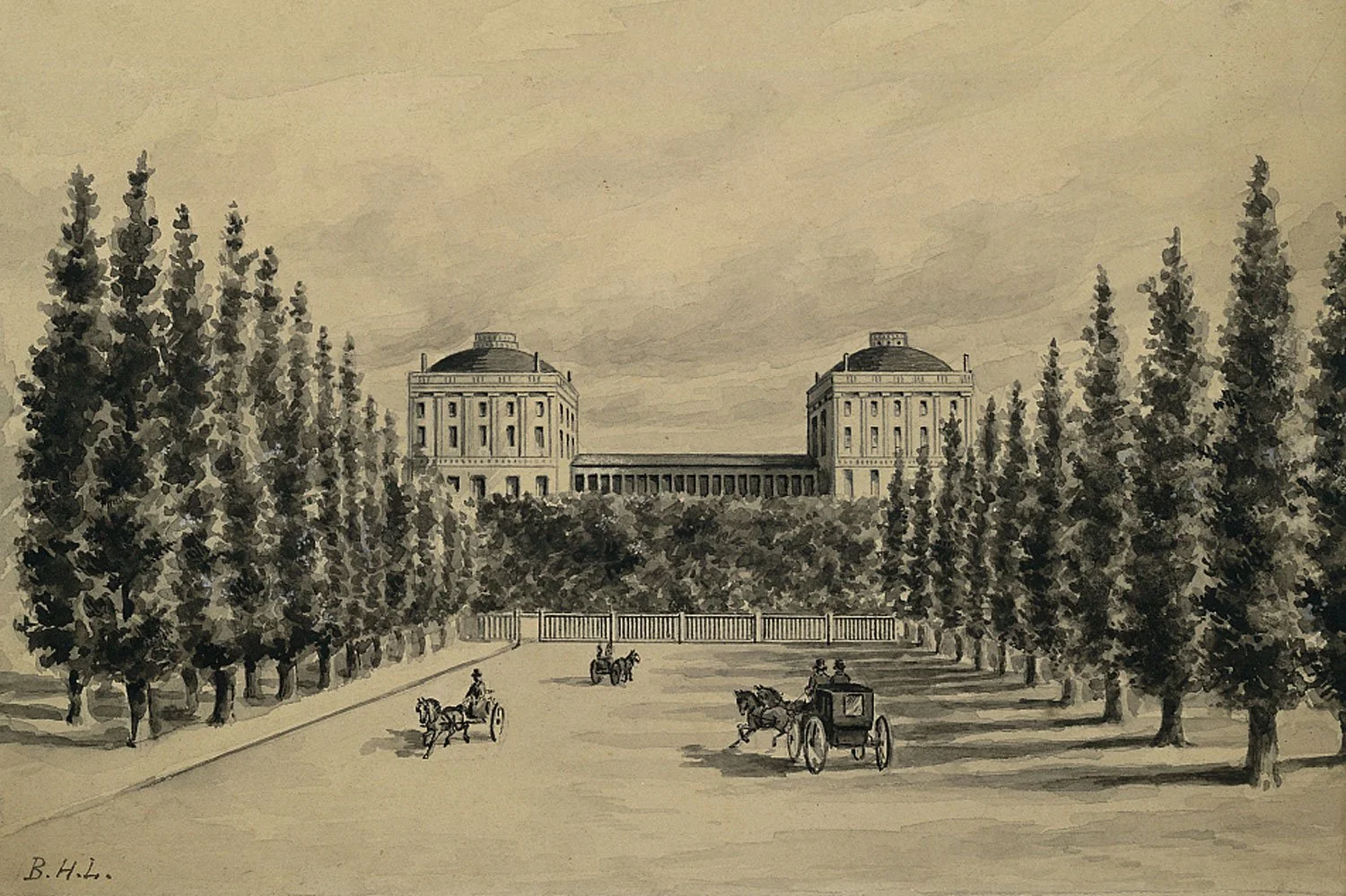
On August 17, the British flotilla ordered to Chesapeake Bay arrived off the mouth of the Patuxent River, fifty miles from Washington. With Congress adjourned and most of the well-to-do citizens away from the city to escape the smothering heat wave, there was little activity in the capital. Unfortunately, that lack of activity also extended to those responsible for defending Washington. But all that changed the next day when a messenger arrived with the long-dreaded news that the British invasion force was at hand.

War of 1812, Part 31: British Set Their Sights on Washington
The grand strategic plan of the British in 1814 was to attack up the Lake Champlain corridor and drive deep into New York State, splitting New England off from the rest of the country, a plan similar to the one they had envisioned during the American Revolution. Accordingly, 15,000 men were dispatched to the Canadian front, and, to distract the Americans and force them to divide their meager resources, the British also decided to make a diversionary movement in the Chesapeake Bay, and it was to that part of the country that a British fleet proceeded in early August.
War of 1812, Part 30: The Battle of Craney Island
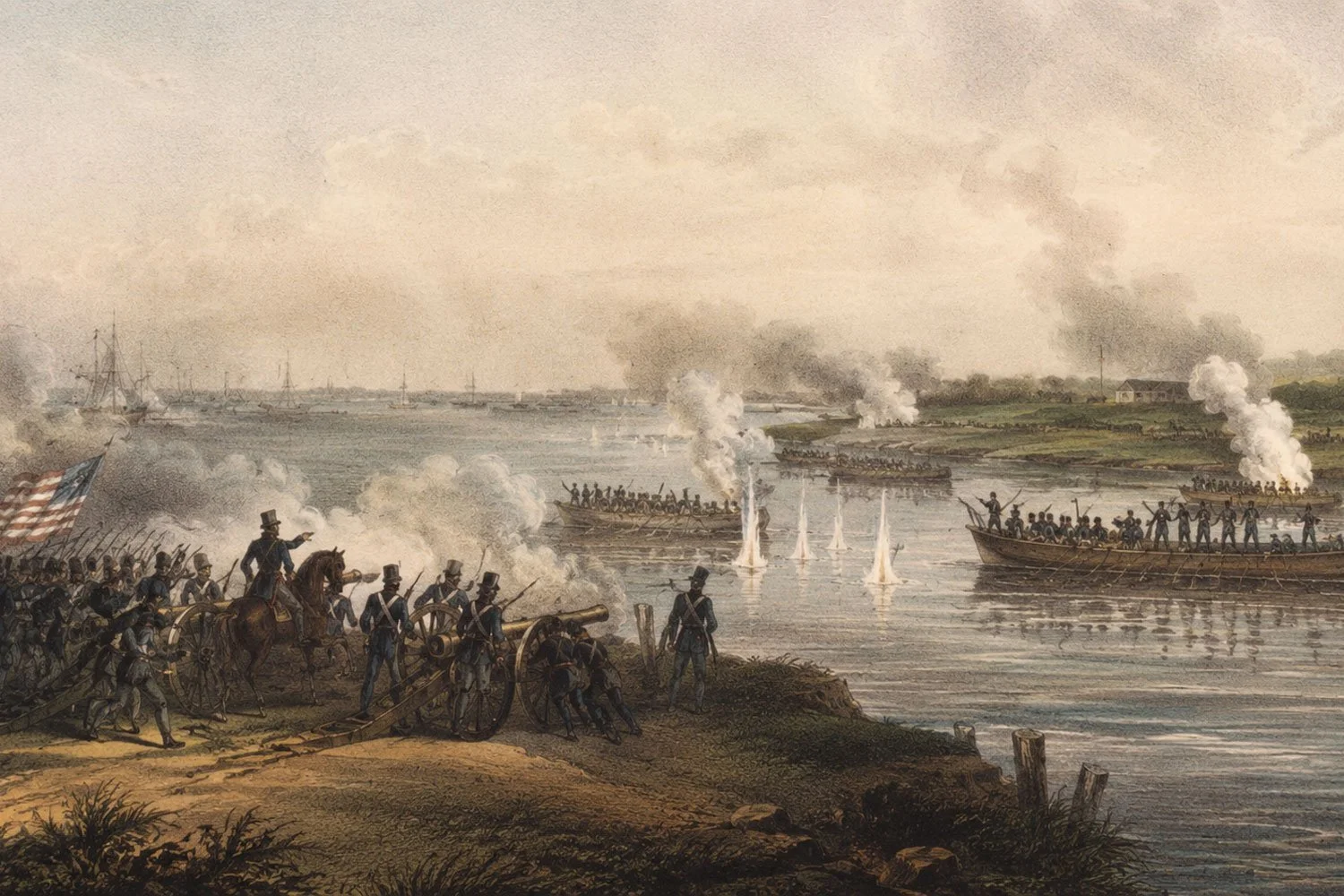
In the spring of 1813, the British Admiralty initiated a push to wreak havoc in the Chesapeake Bay and gave command of an expedition to Admiral John Warren. Cautious by nature, Warren would prove to be a poor choice, but his second-in-command was a tough sailor named George Cockburn, a Royal Navy Captain who first entered the service at the age of nine and would eventually rise to be the First Sea Lord, the highest-ranking officer in the Royal Navy. More importantly, Cockburn was a man who relished the chance to chastise the Americans.
War of 1812, Part 29: American Prisoners of War
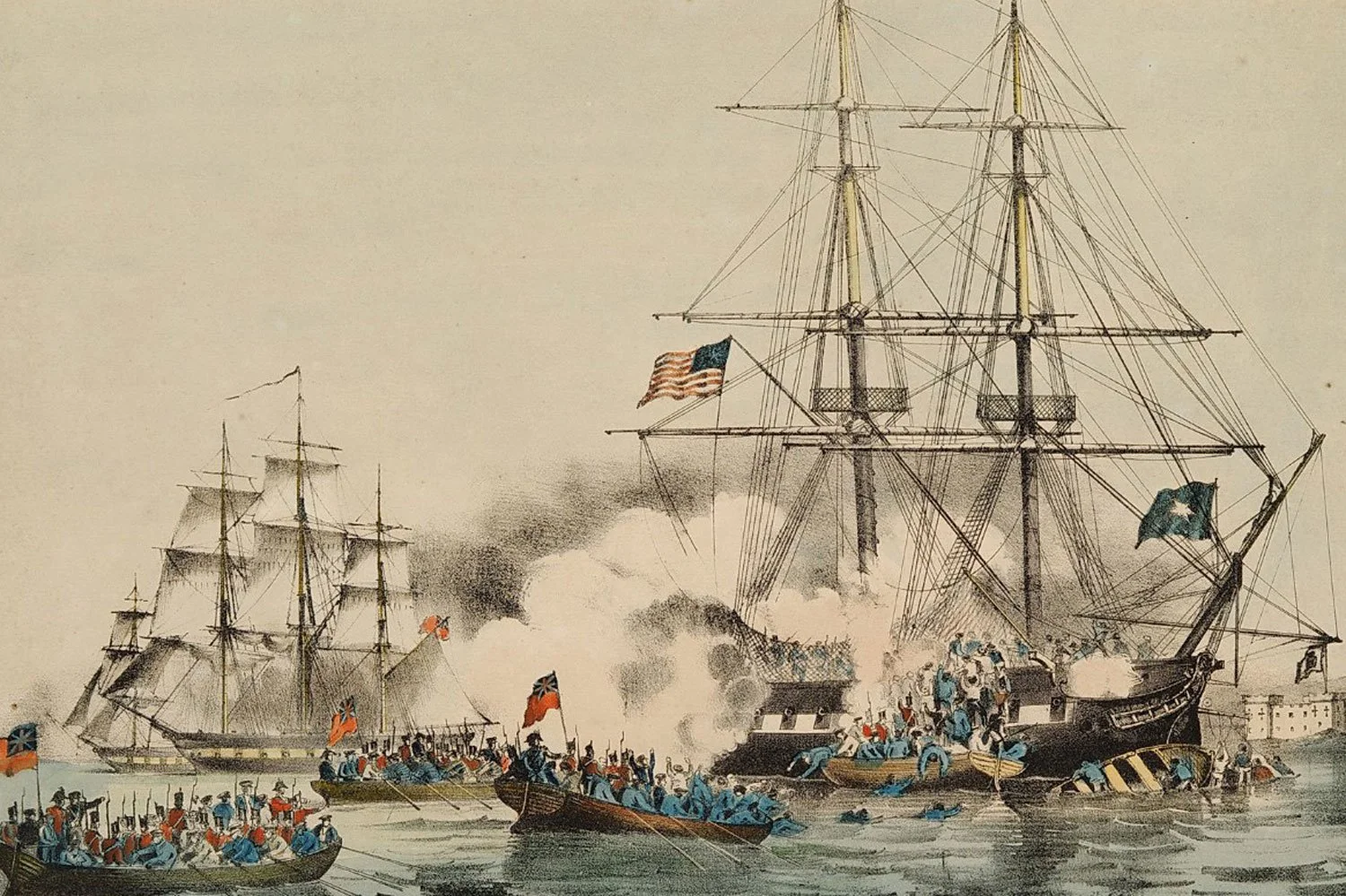
In 1812, President James Madison asked Congress to declare war on Great Britain over two maritime offenses that the American people found unacceptable: greatly restricted American commercial traffic and the impressment of our sailors. And around these transgressions was created a slogan that aptly summed up American demands, “Free Trade and Sailors Rights.” While the odious Orders in Council that restricted our trade were repealed a few days before war was declared by the United States, Great Britain steadfastly maintained its ancient right to impress any sailor who was a British citizen into its national navy.
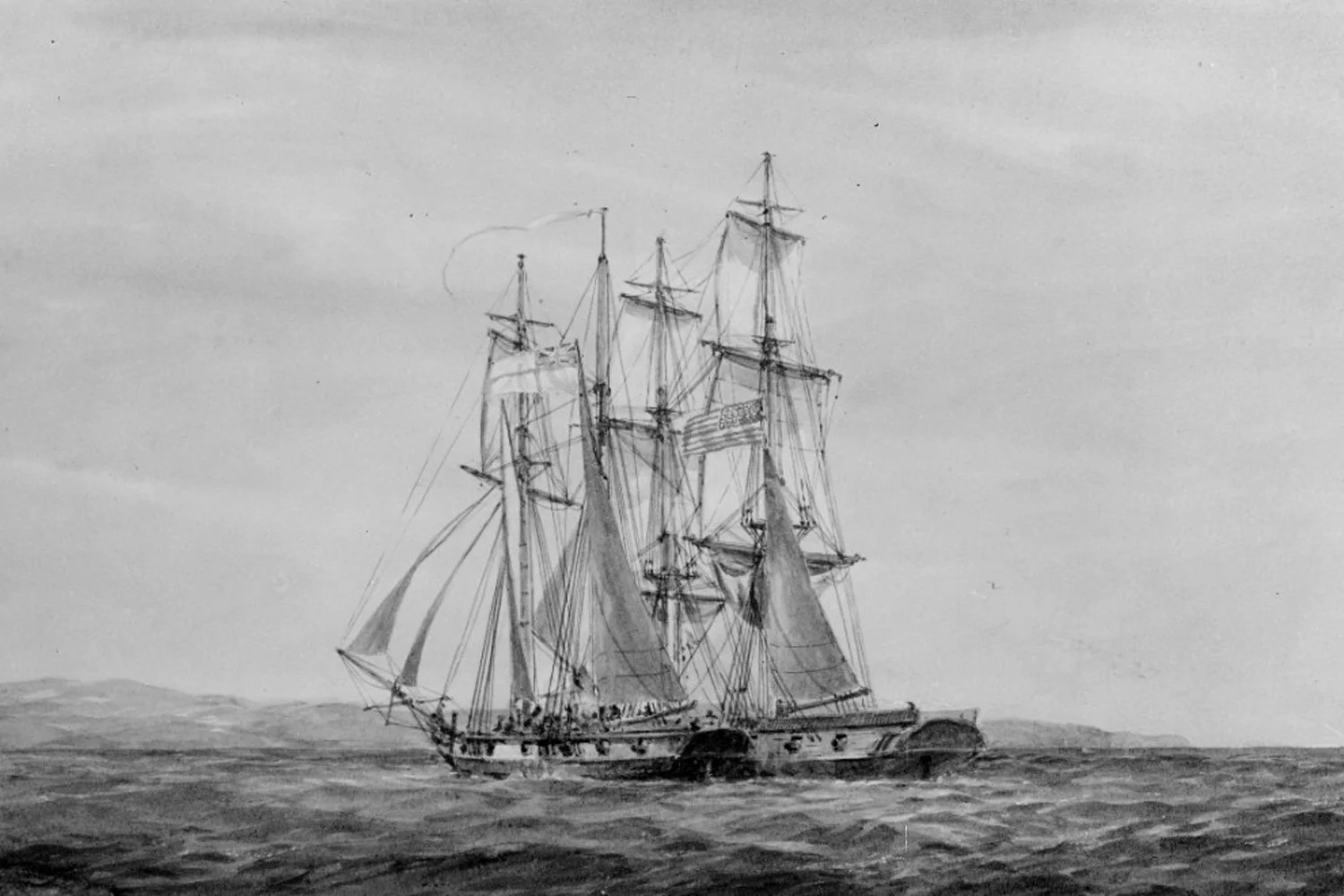
War of 1812, Part 28: Privateers Take on the British
The British blockade of the United States during the War of 1812 was both suffocating and irresistible, and the great preponderance of Royal Navy ships relative to American fighting vessels left America with few offensive options with which to strike back at the British. Although our frigates and other warships had been victorious in several single-ship combats in 1812, by the summer of 1814 nearly all had been captured or were blockaded within ports along the Atlantic Coast. But there was one offensive operation that the Americans pursued masterfully, and that was their broad attack on British commerce.
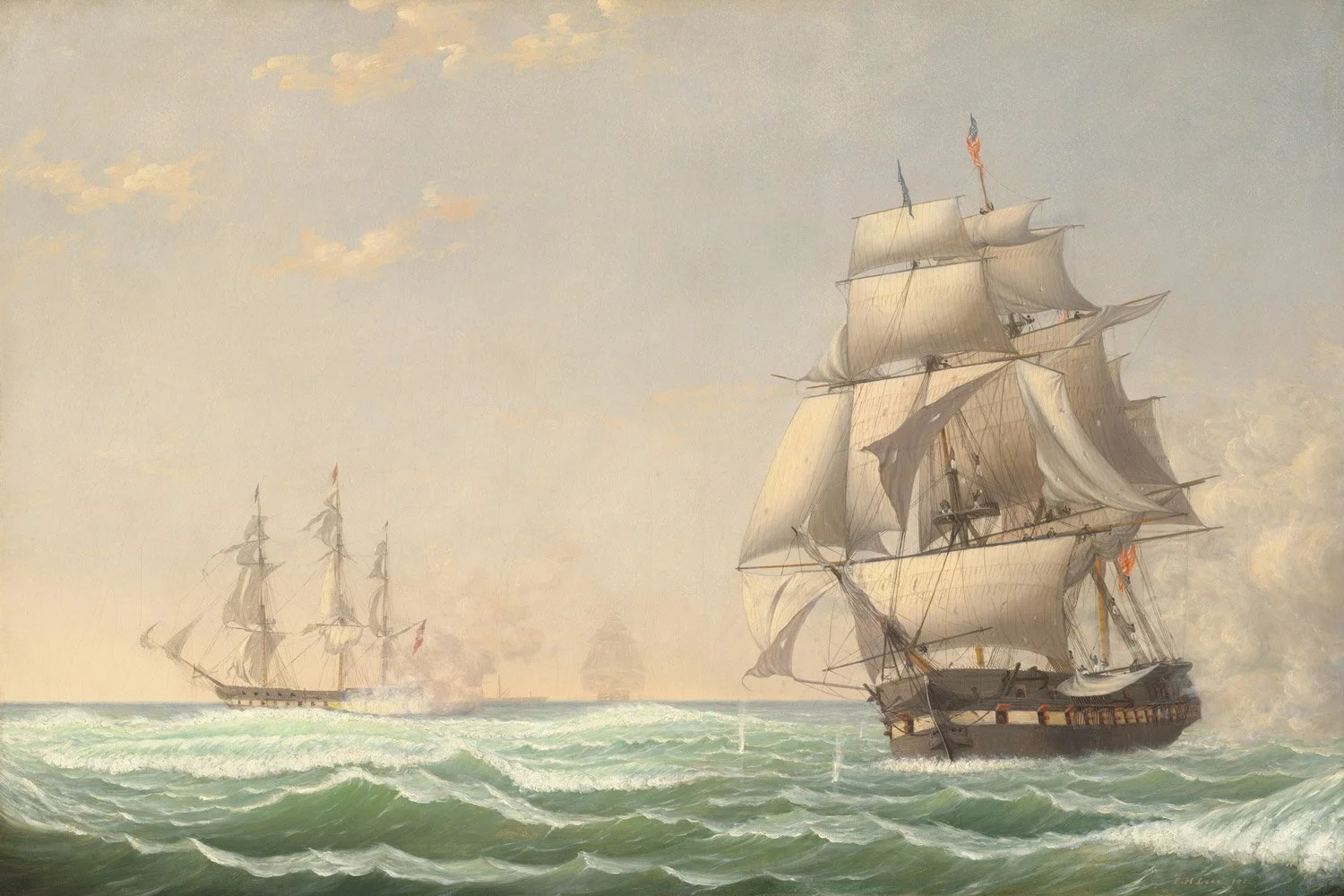
War of 1812, Part 27: United States Suffers Under British Blockade
With Napoleon's abdication on April 6, 1814, not only was the British Army freed up to go to North America, but so too was the Royal Navy, which had been blockading much of the European coast for nearly a decade. But now that their main adversary had been vanquished, British warships were on their way to enforce a strict blockade of the American coastline and finally teach the upstart “Yankees” a lesson.
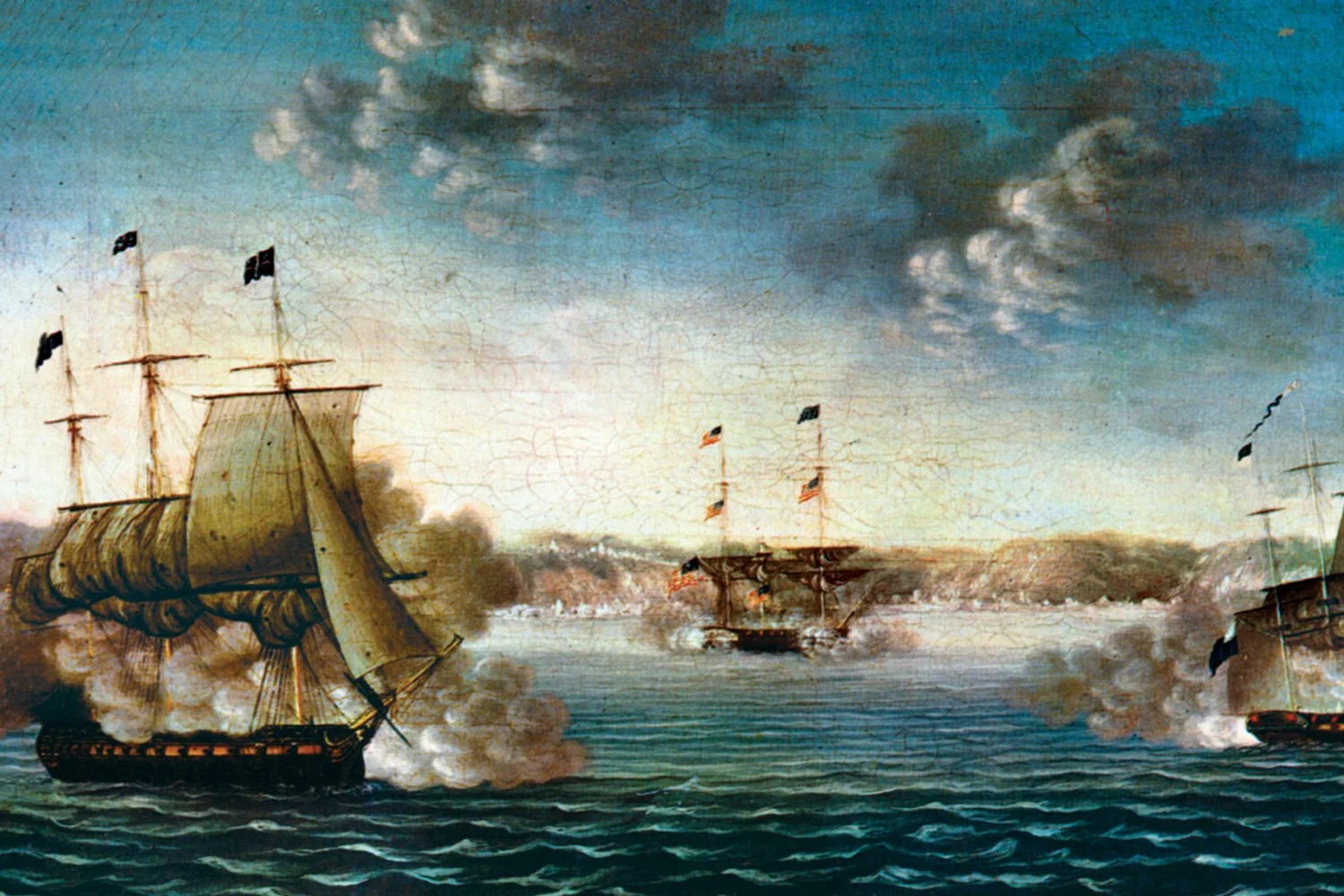
War of 1812, Part 26: The Battle of Valparaiso
Following a summer during which Captain David Porter and USS Essex captured a dozen British whaling ships in the eastern Pacific, Porter sailed west to continue his work destroying British commerce. Additionally, Essex had been at sea for nearly a year and needed caulking, and her copper bottom was wearing off and required repairs. Perhaps more importantly, the ship's hold was infested with rats, who destroyed the provisions, and Essex could not remain at sea much longer unless the rats were smoked out.
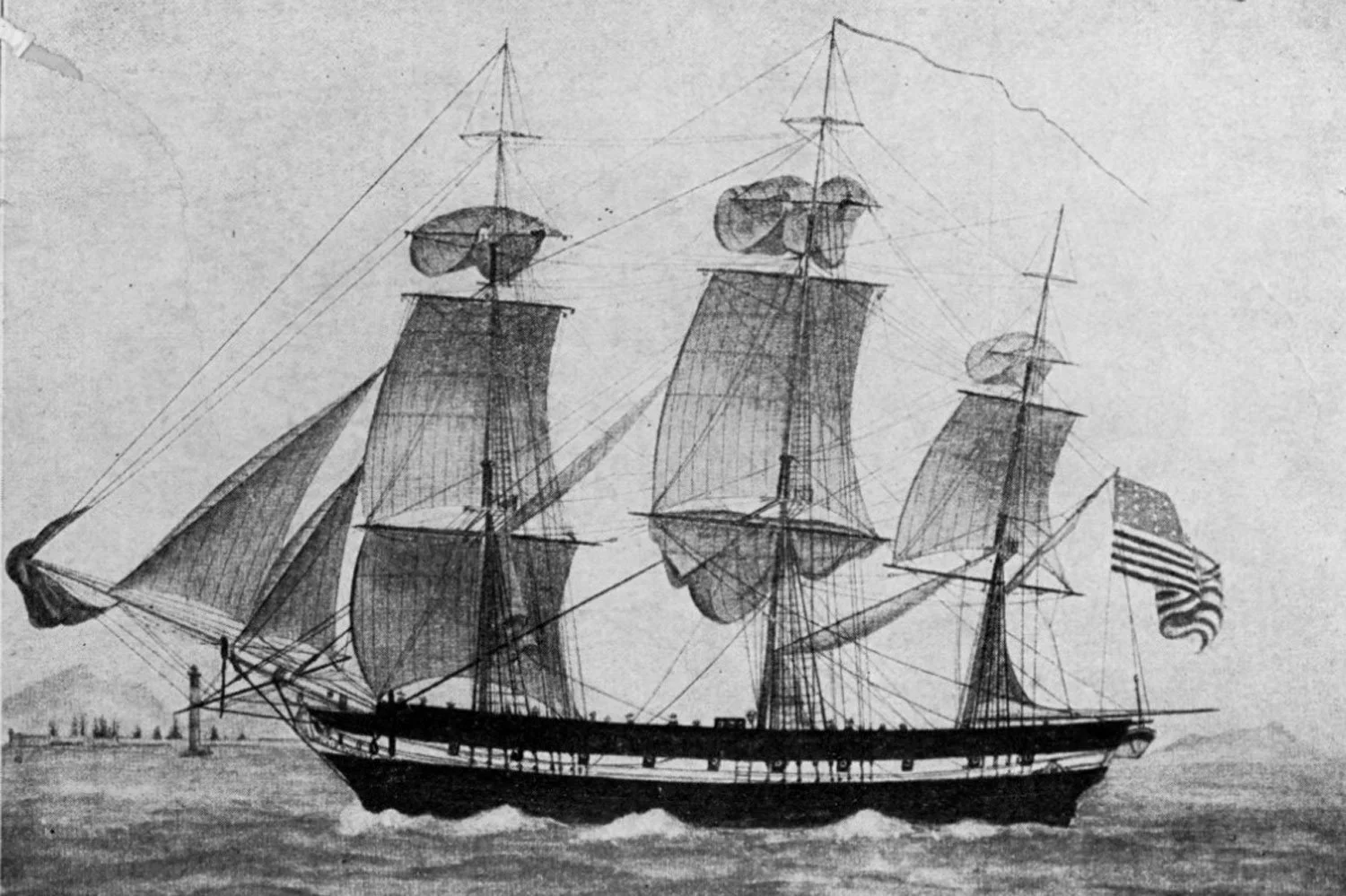
War of 1812, Part 25: The Cruise of USS Essex
The longest cruise of a United States Navy ship during the War of 1812 and the one most financially damaging to the British occurred in the Pacific Ocean. It was the result of a bold captain who saw the opportunity to strike at the heart of the British whaling industry and, by doing so, harm the British economy and help drive Great Britain to the bargaining table.
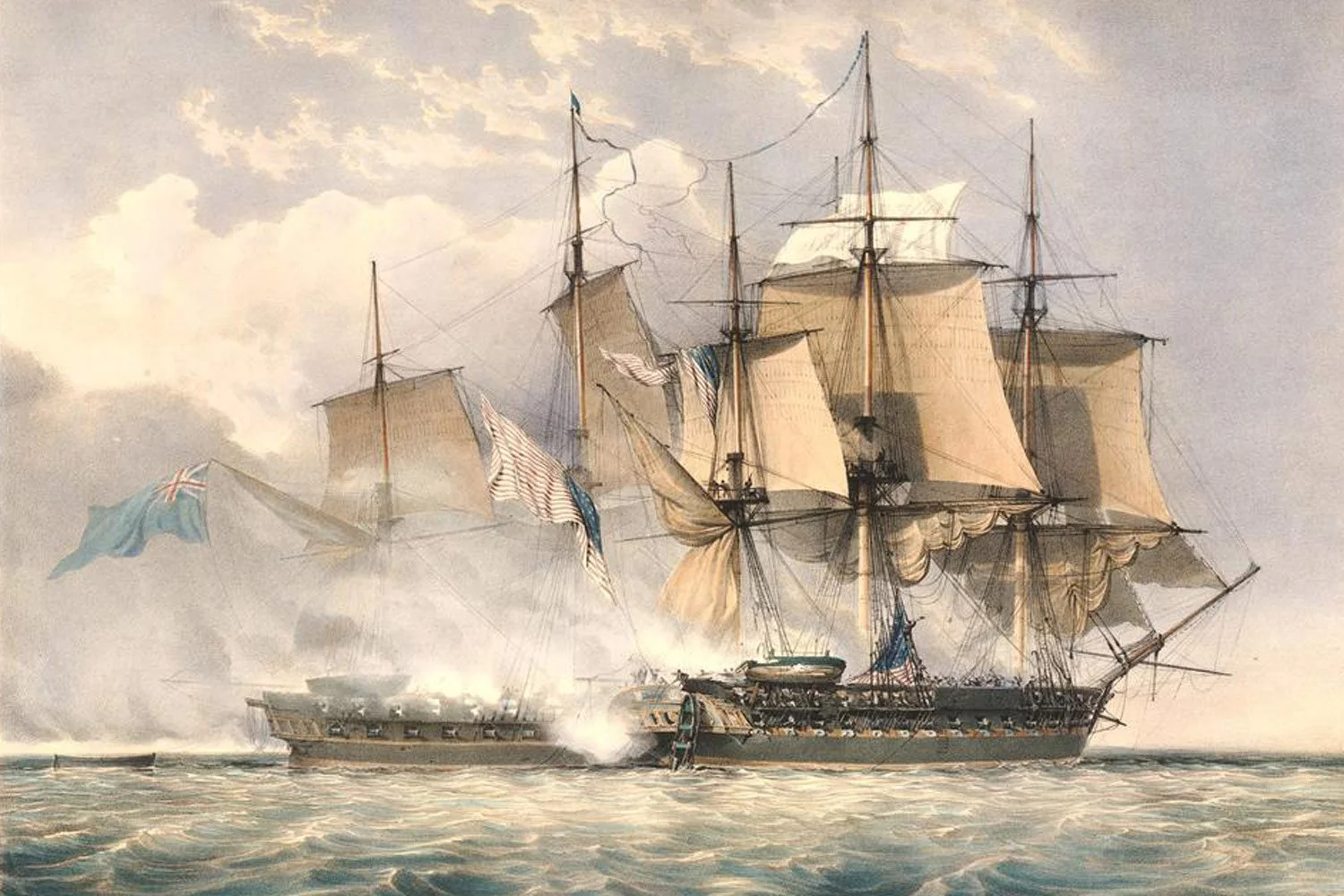
War of 1812, Part 24: Don’t Give Up the Ship
There were many memorable battles during the War of 1812 that have become part of the American legend; Perry's great naval victory on Lake Erie and Jackson's coup de grace at the Battle of New Orleans immediately come to mind. But one of the more compelling stories of the war was an engagement between USS Chesapeake and HMS Shannon, a single-ship duel fought roughly twenty miles northeast of Boston near Cape Ann in the late spring of 1813. Known as the Battle of Boston Harbor, it was fought by two courageous Captains with a spirit of chivalry for the glory of their country.
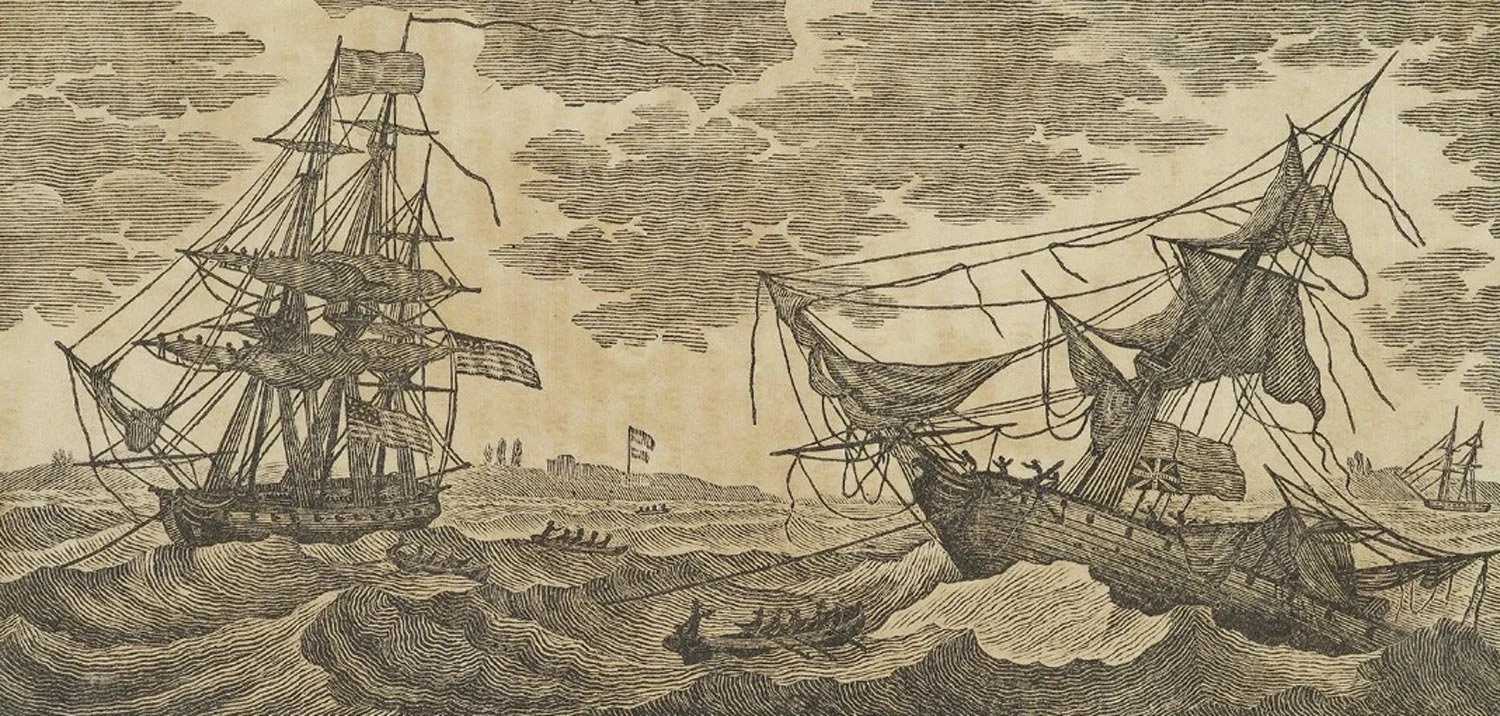
War of 1812, Part 23: USS Wasp and Hornet Sting British
Besides the much-heralded frigates, of which the United States Navy was justifiably proud, there were eight smaller vessels that also contributed to the growing respect for our country’s Navy. These were sloops-of-war and roughly half the size of frigates, carrying eighteen to twenty guns and about one hundred thirty sailors. Like their larger brothers, they too went to sea as soon as war was declared on Great Britain and, in the first six months of the year, recorded two notable victories.
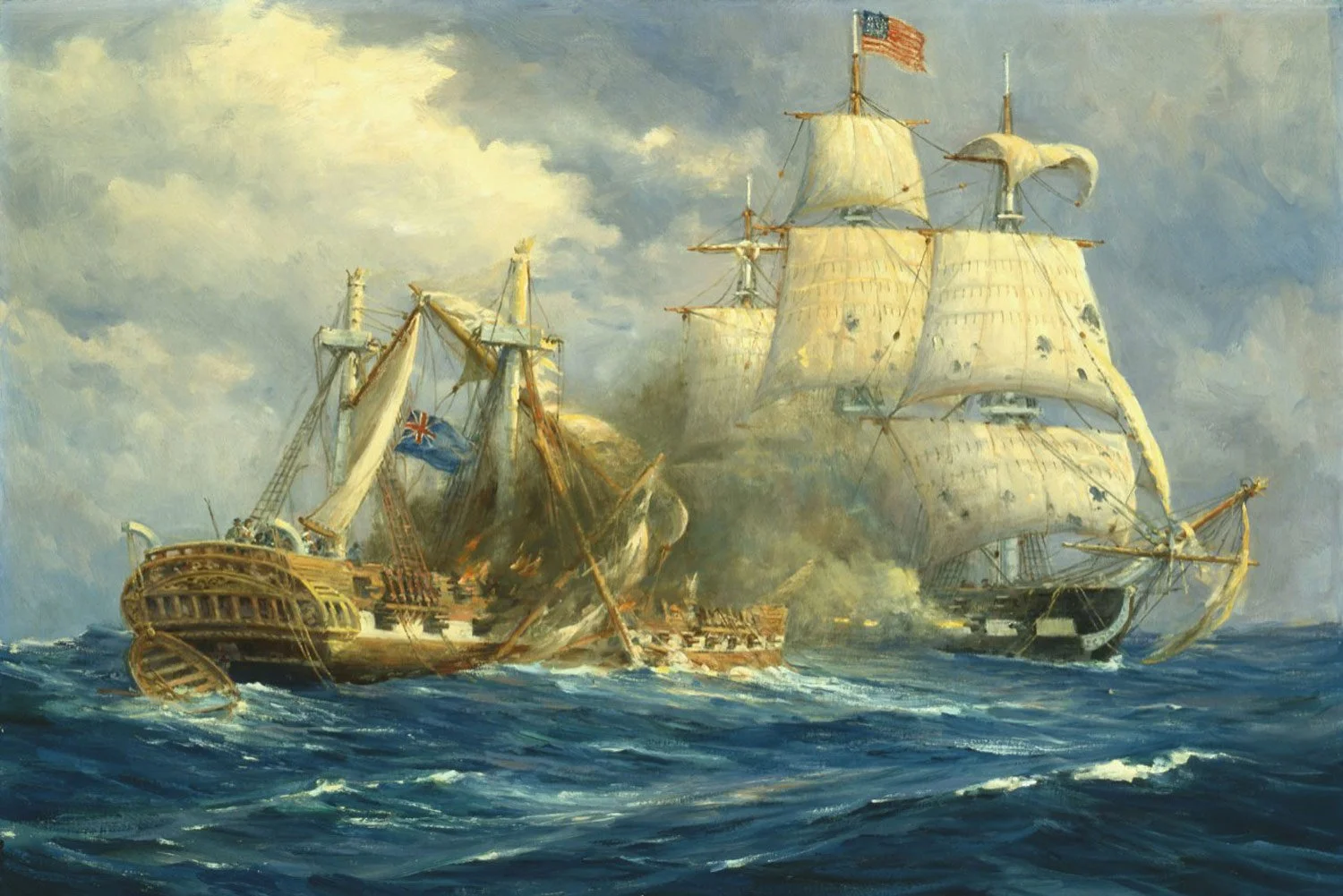
War of 1812, Part 22: American Frigates Shock British
At the start of the War of 1812, there was little confidence outside American naval circles that the United States Navy could hold its own against Great Britain’s vaunted fleet. Politicians both within and without the Madison administration fully recognized that woeful defense funding practices for the previous twelve years had left the navy in a disreputable state. But the next six months would demonstrate that ship for ship and man for man, American sailors were more than a match for the Brits.
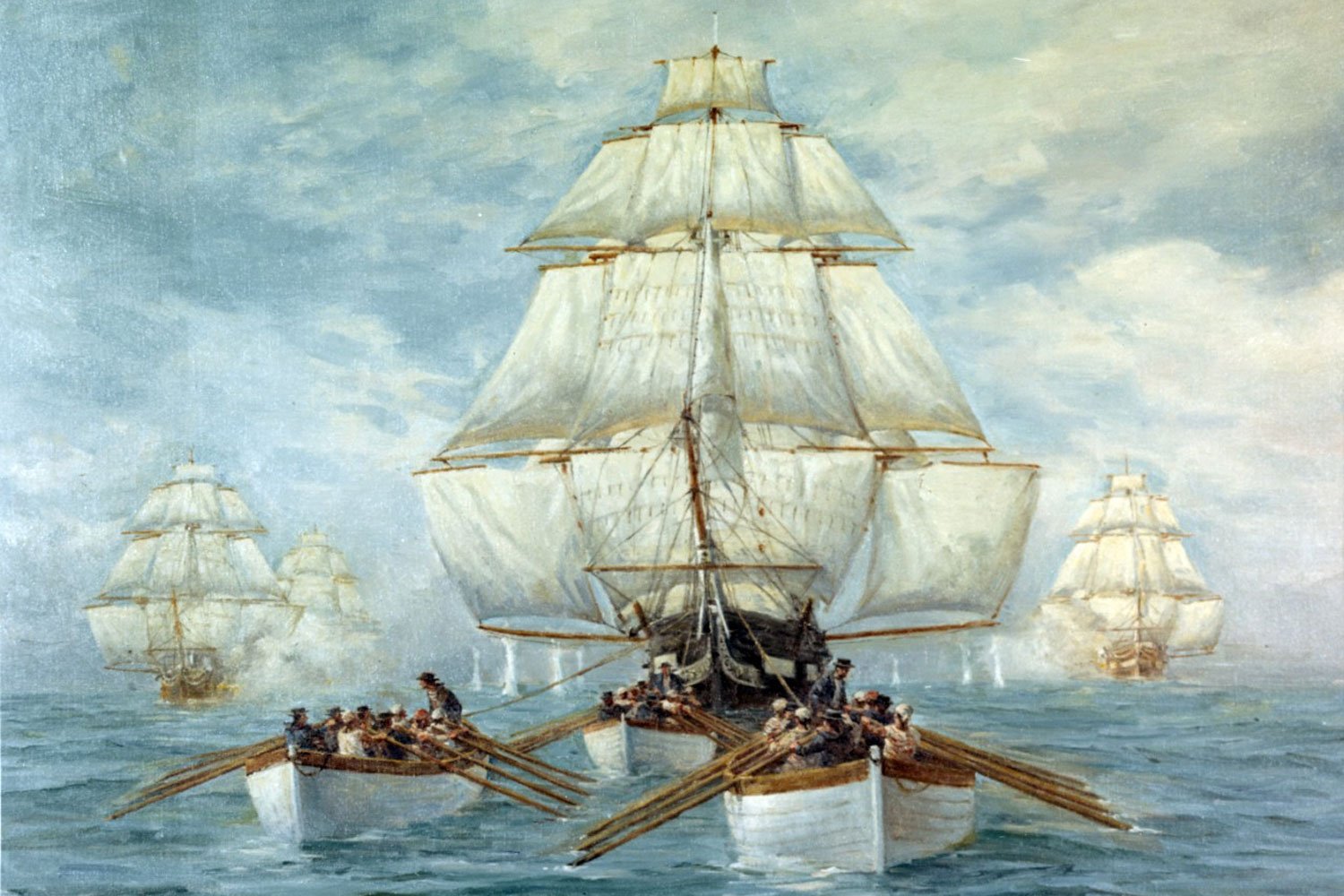
War of 1812, Part 21: The Great Naval Chase of 1812
When the United States declared war on Great Britain on June 18, 1812, the nation's army was woefully unprepared for the conflict, and its navy was not much better off. This deficiency would have been a problem against any European nation, but especially when the adversary was the greatest naval force in the world. And to compound matters, the United States was dependent on overseas trade for its economic prosperity and many of its manufactured goods, and those sea lanes were controlled by our newly declared adversary.