
War of 1812, Part 25: The Cruise of USS Essex
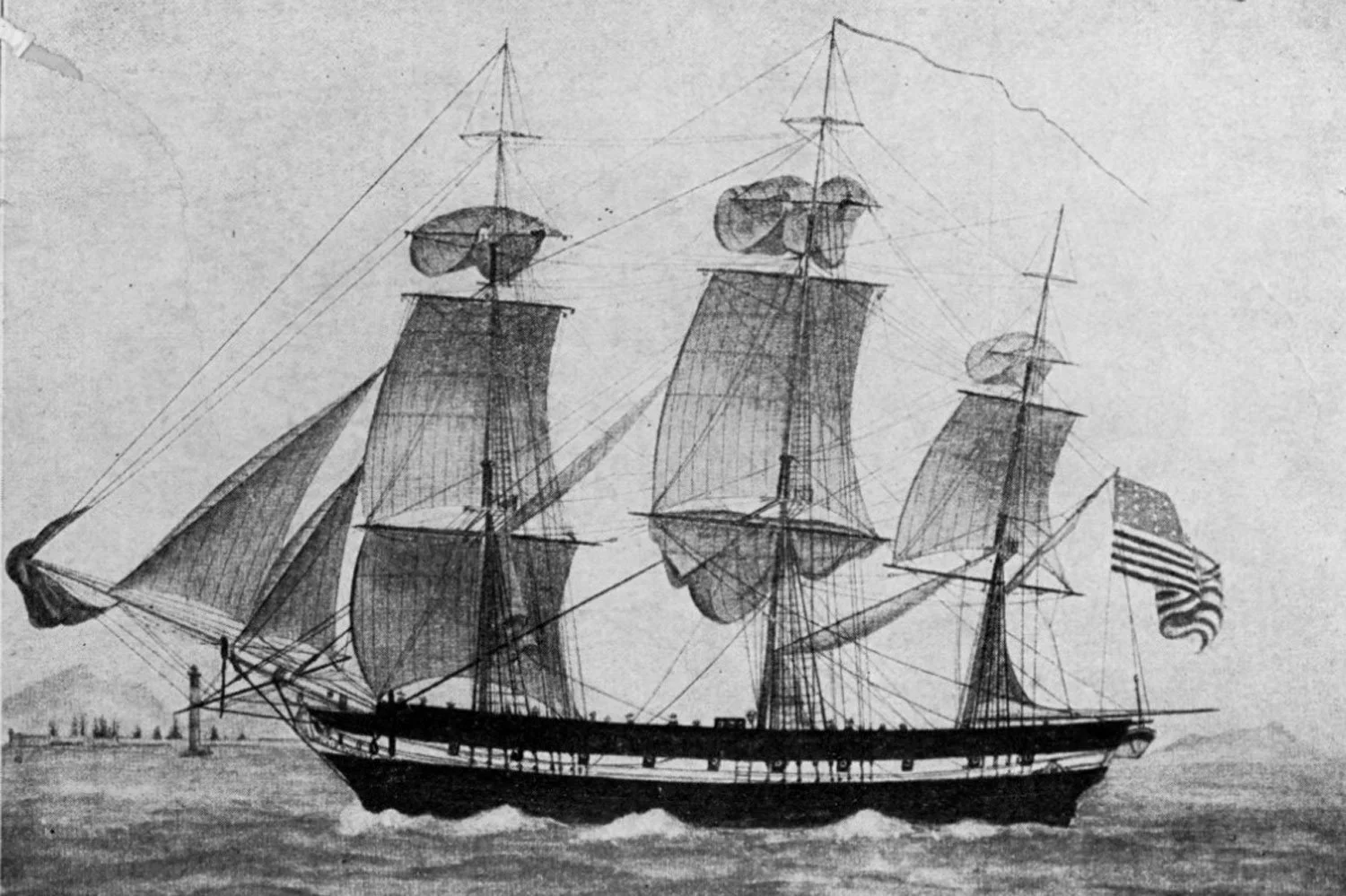
“USS Essex.” Naval History and Heritage Command.
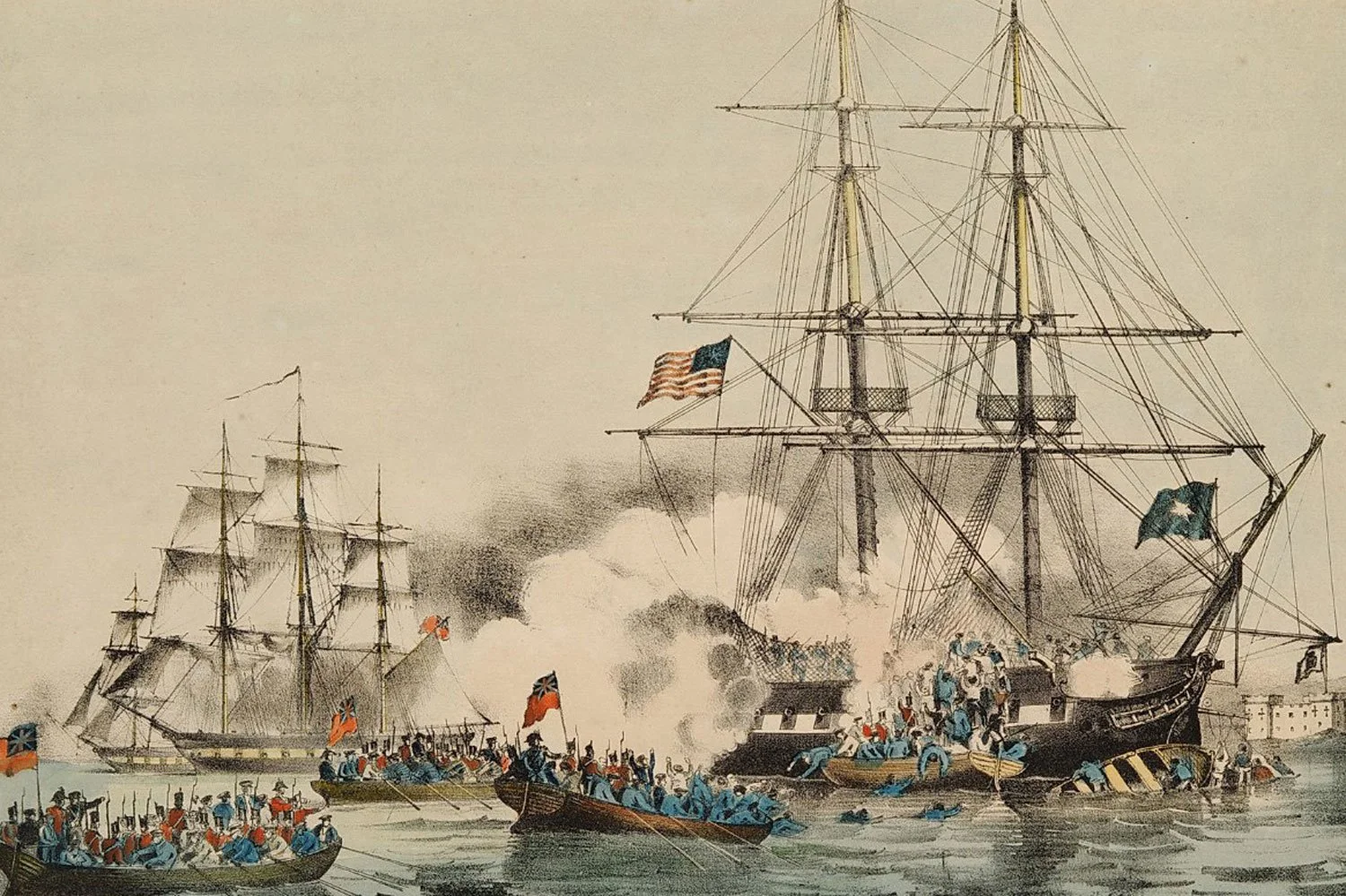
The longest cruise of a United States Navy ship during the War of 1812 and the one most financially damaging to the British occurred in the Pacific Ocean. It was the result of a bold captain who saw the opportunity to strike at the heart of the British whaling industry and, by doing so, harm the British economy and help drive Great Britain to the bargaining table.
The ship was the 32-gun frigate USS Essex, built in Salem, Massachusetts, by Enos Briggs near the beginning of the Quasi-War. At the time, a wave of patriotic fervor was sweeping the country as the administration of President John Adams was building out the Navy to defend our maritime rights. Guided by a sentiment that seems foreign today, one in which Americans asked how they could help their country rather than how their country could help them, several towns wished to participate in this effort. These feelings were especially strong in New England coastal communities where merchant shipping dominated the economy, such as Salem in Essex County, Massachusetts. Citizens there decided to donate a frigate to the new Navy and, in less than a year, raised almost $140,000, which in those days was a princely sum. Launched in September 1799 to the cheers of thousands, Essex was commissioned in the U.S. Navy on December 17 and began cruising the high seas. The following spring, Essex became the first United States man-of-war to round the Cape of Good Hope at the bottom of Africa and then served admirably in the Mediterranean during the Barbary Wars.
In May 1811, command of Essex passed to Master Commandant David Porter (he was promoted to Captain the following year), who first sailed at the age of sixteen as an ordinary seaman “before the mast,” so-called because the quarters for common sailors were at the front part of the ship ahead of the mainmast. Porter was from the most illustrious family in American naval history and was one of those men who “were born with the sea in their blood,” following in the footsteps of his father, who served in the American Revolution as a privateer, and grandfather. Moreover, Porter’s adopted twelve-year-old son, David Glasgow Farragut, who sailed with him on Essex, and his natural son, David Dixon Porter, would become the first two men to attain the rank of Admiral in the U.S. Navy. Porter had gained valuable experience during the Quasi-War under Captain Thomas Truxtun aboard USS Constellation and the Barbary Wars on USS Enterprise and the ill-fated USS Philadelphia, and, on the eve of the War of 1812, was one of the more highly regarded Captains in the Navy, a bright, aggressive man with a courageous spirit.
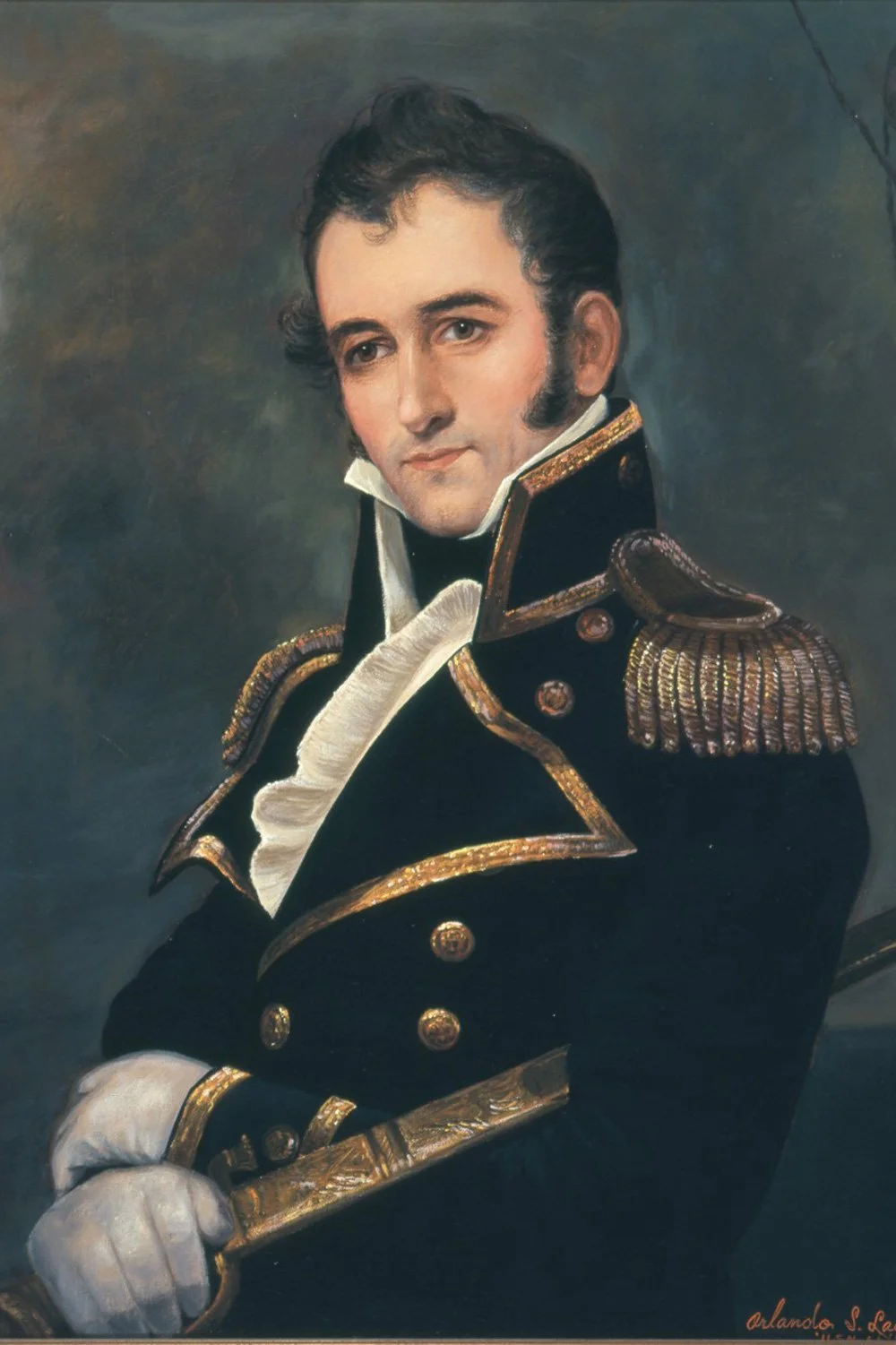
“David Porter.” Naval History and Heritage Command.
On June 19, 1812, Essex cleared New York harbor, and by early September, Essex had seized ten prizes, including the sloop-of-war HMS Alert, the first Royal Navy ship to be taken in the conflict. The following month, Secretary of the Navy Paul Hamilton instructed Porter to take his ship south and rendezvous at Fernando de Noronha, a group of islands east of Brazil, with a squadron commanded by Commodore William Bainbridge. On October 20, 1812, Essex began her memorable cruise with a mission initially “to harass enemy shipping in the South Atlantic, to take prizes and to seek out and destroy hostile men-of-war,” but fate would lead her into more distant seas.
Essex reached Fernando de Noronha in mid-December but found no sign of Bainbridge’s fleet and so proceeded 1,500 miles south to a secondary meeting spot, Cape Frio on the Brazilian coast. But Porter had no more luck there finding the American squadron, and, after waiting until mid-January for Bainbridge to appear, Porter decided upon a bold venture. Recognizing he must strike the British where they were most vulnerable, Porter sailed for the Pacific Ocean, where dozens of British whaling vessels were plying their lucrative trade. And, because no American warship had yet sailed its waters, there were no Royal Navy ships in the Pacific, leaving the British whalers somewhat unprotected, even though most of the whalers carried their own cannons. Porter recognized he did not have enough provisions for a sustained cruise in the Pacific, but he knew that whaling ships were always well provisioned and planned to live off the stores of captured British ships. Porter knew that at some point the British would hear about his work and send a squadron to destroy his ship, but he felt that the economic harm he would do to the British would be worth the price. With that in mind, Porter headed for Cape Horn and the dangerous passage through the Drake Passage around the tip of South America, and, in late February 1813, Essex became the first American warship to enter the Pacific Ocean.
The ship had been badly battered by the unrelenting pounding of the surf and gale-like winds of the Drake Passage, and the ship sailed to Valparaiso, Chile, the best port on the Pacific coast of South America, for refitting. After a brief rest, Porter headed west to the Galapagos Islands (in Spanish, Galapagos means tortoises), 600 miles west of Ecuador, where whalers often went to take on wood, water, and a supply of tortoises, which they kept alive in the hold of their ship, thus assuring the mariners a ready supply of fresh meat (one of the ships Porter captured held 800 tortoises). In late April, Essex began to capture numerous prizes, the first three of which held whale oil, ivory, and ambergris (whale fecal waste used in musk-like perfumes since ancient Egypt) with an estimated value of $500,000. These prizes also provided Porter with an abundance of spare canvas and cordage so that he was able to outfit Essex with new sails, running gear, and rigging. More prizes quickly followed, including Atlantic, a 20-gun sloop and the fastest of the captured ships. Wanting a companion vessel, Porter renamed it Essex Junior and placed it under the capable command of Lieutenant John Downes with a crew of sixty men.
Eventually, word got around that an American raider was in the Pacific, and British whalers began to avoid the Galapagos area. To find more prizes, Porter recognized he would have to venture further afield and set his eyes on the South Pacific.
Next week, we will discuss the closing scenes of the cruise of the Essex. Until then, may your motto be “Ducit Amor Patriae,” love of country leads me.
Hello America!
Subscribe to receive weekly complimentary articles and videos delivered straight to your inbox.
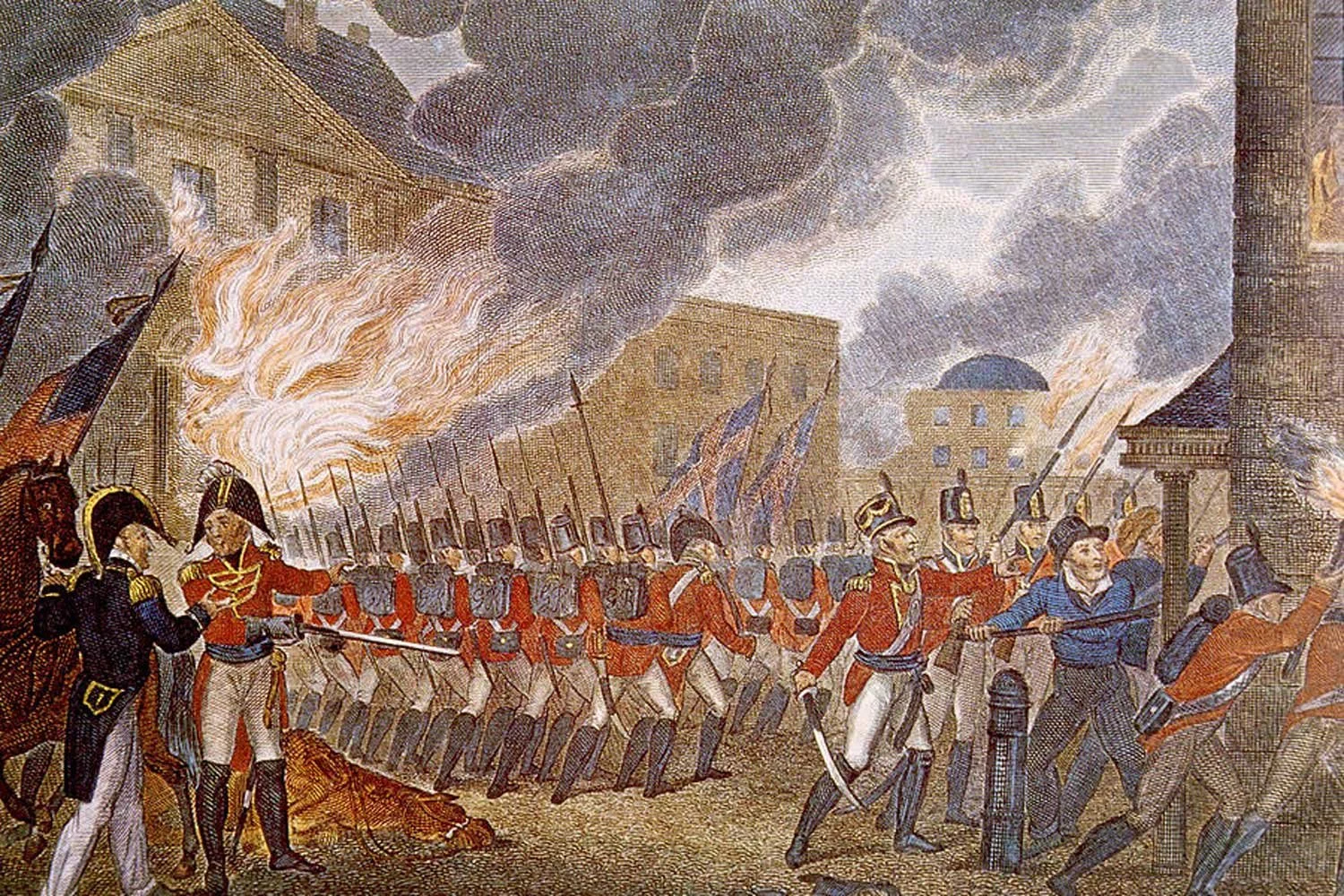

Francis Scott Key managed to become a prisoner of war due to the oddest circumstances. Doctor William Beanes was a 65-year-old physician from Upper Marlboro who had hosted General Robert Ross and Admiral George Cockburn one night on their advance towards Washington. But after playing host, Beanes helped capture several British stragglers as Ross's army was returning to the fleet. Upon learning of Beanes’ actions, Ross was furious at what he considered a breach of faith and sent a troop of British horsemen to take the good doctor into custody. Beanes was thrown into the brig aboard HMS Tonnant and there he remained as the British approached Baltimore.