
War of 1812, Part 28: Privateers Take on the British
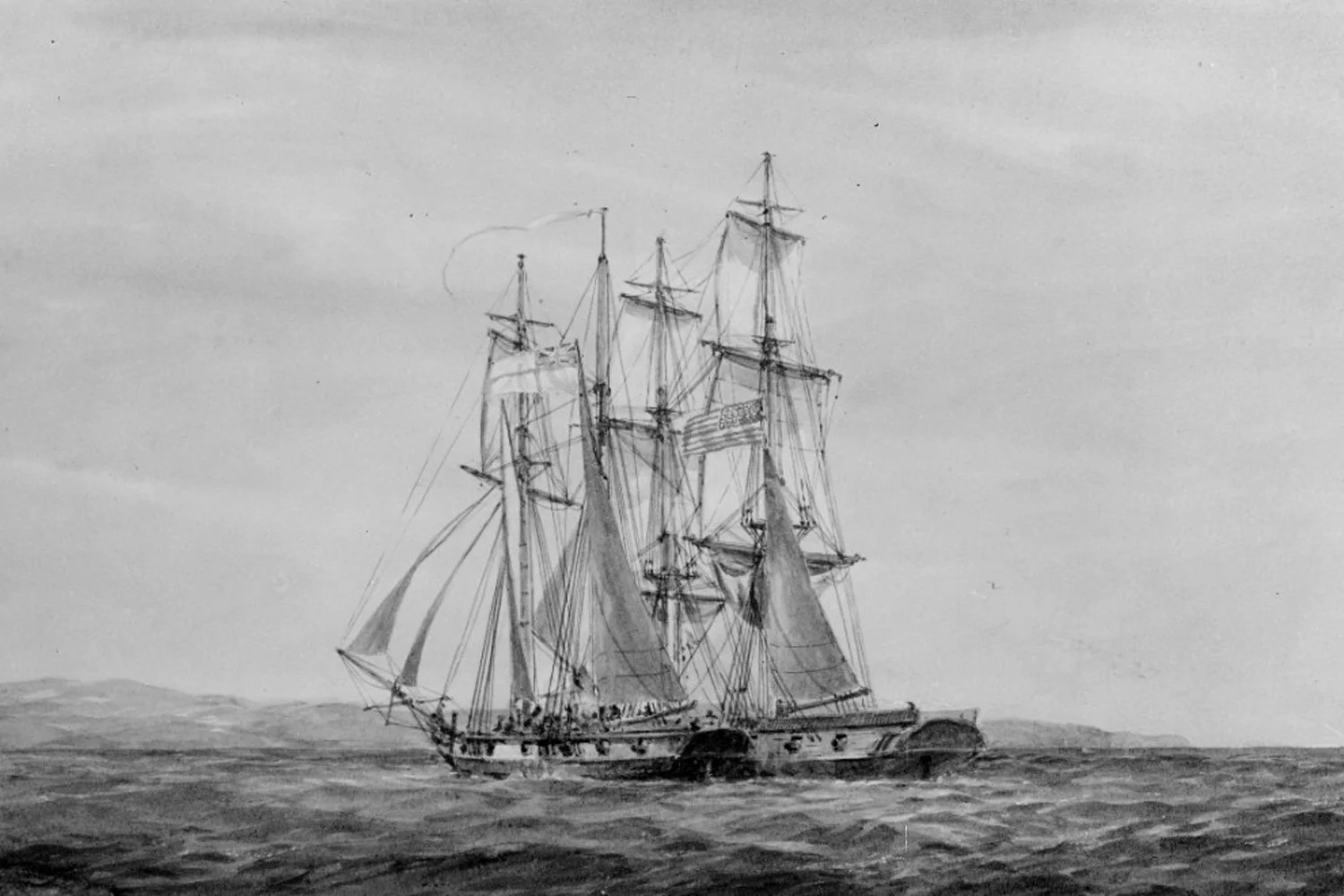
“U.S. Privateer Brig Chasseur captures H.M. Schooner St. Lawrence, 26 February 1815.” Naval History and Heritage Command.
The British blockade of the United States during the War of 1812 was both suffocating and irresistible, and the great preponderance of Royal Navy ships relative to American fighting vessels left America with few offensive options with which to strike back at the British. Although our frigates and other warships had been victorious in several single-ship combats in 1812, by the summer of 1814 nearly all had been captured or were blockaded within ports along the Atlantic Coast. But there was one offensive operation that the Americans pursued masterfully, and that was their broad attack on British commerce.
Recognizing Great Britain was above all else a mercantile nation, the United States decided to wage war against that very thing the British held most dear and attacked British merchant ships from the West Indies to the English Channel. This war was carried out by both national ships of war and privately owned ships known as privateers that were equipped by private citizens but authorized by the government to pursue offensive measures against the enemy. This authorization came in the form of a “letter of marque and reprisal,” which essentially gave the bearer permission to plunder privately owned vessels from enemy nations. If this seems a bit like piracy, that's because it was, but there were some differences. While privateers only operated in wartime against a defined enemy and acted under the authority of a government, pirates acted outside the bounds of international law and respected no flag and attacked any ship regardless of nationality. Moreover, ships and cargo captured by privateers were judged by an admiralty court to determine whether the capture was legal and the value of the prize, while pirates recognized no legal authority and regarded all property as their rightful plunder.
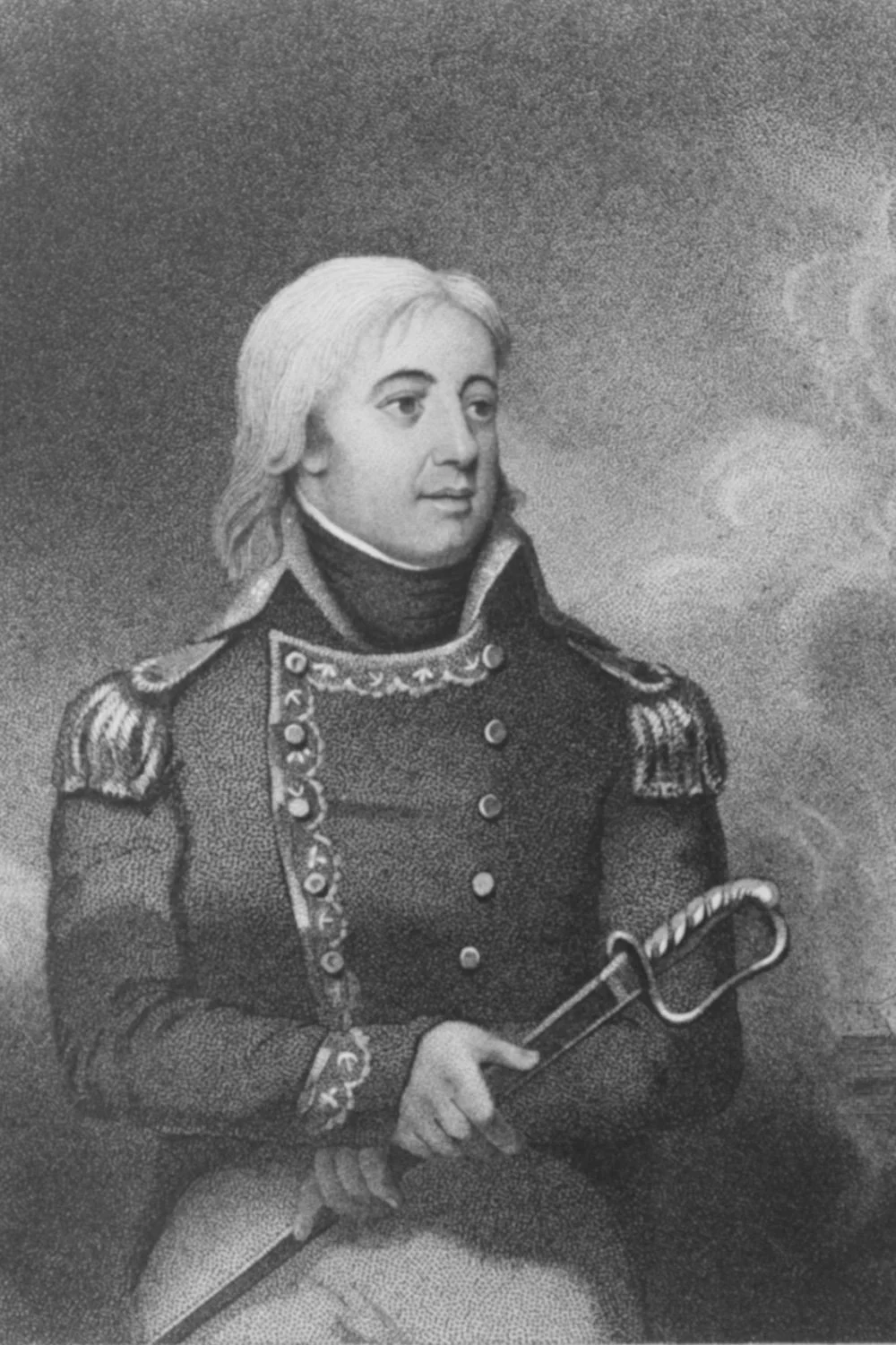
“Captain Joshua Barney.” Naval History and Heritage Command.
Above all else, privateering was a business in which investors pooled their resources to purchase and outfit a vessel, typically, at a cost of about $25,000. They then obtained a letter of marque from the government, found a suitable captain, manned the ship, and went to sea. If the ship was captured or lost at sea, the investors lost their entire investment, and if the privateer returned empty-handed, the basic rule was “no prizes, no pay.” For those captured vessels that were brought safely into port, an admiralty court determined the value of the prizes, and, after paying admiralty fees and other expenses, the profits were split between sailors, the captain, and investors; but even successful voyages did not generate huge returns. In one particularly successful ninety-day voyage, Joshua Barney aboard the Rossie captured twenty vessels valued at $1,500,000; of the total, Barney received $18,000 and the investors $63,000. Perhaps the most successful American privateer was Thomas Boyle, who largely preyed on British merchant ships in the English Channel. So successful was Boyle that in August 1814 he had the audacity to declare a “blockade” of the entire British Isles with his one ship, Chasseur. Although issued a bit “tongue-in-cheek,” Boyle’s declaration led to increased insurance rates and more Royal Navy ships seeking him out. Amazingly, Boyle was never caught and, after peace was declared, sailed into Baltimore Harbor as a returning hero.
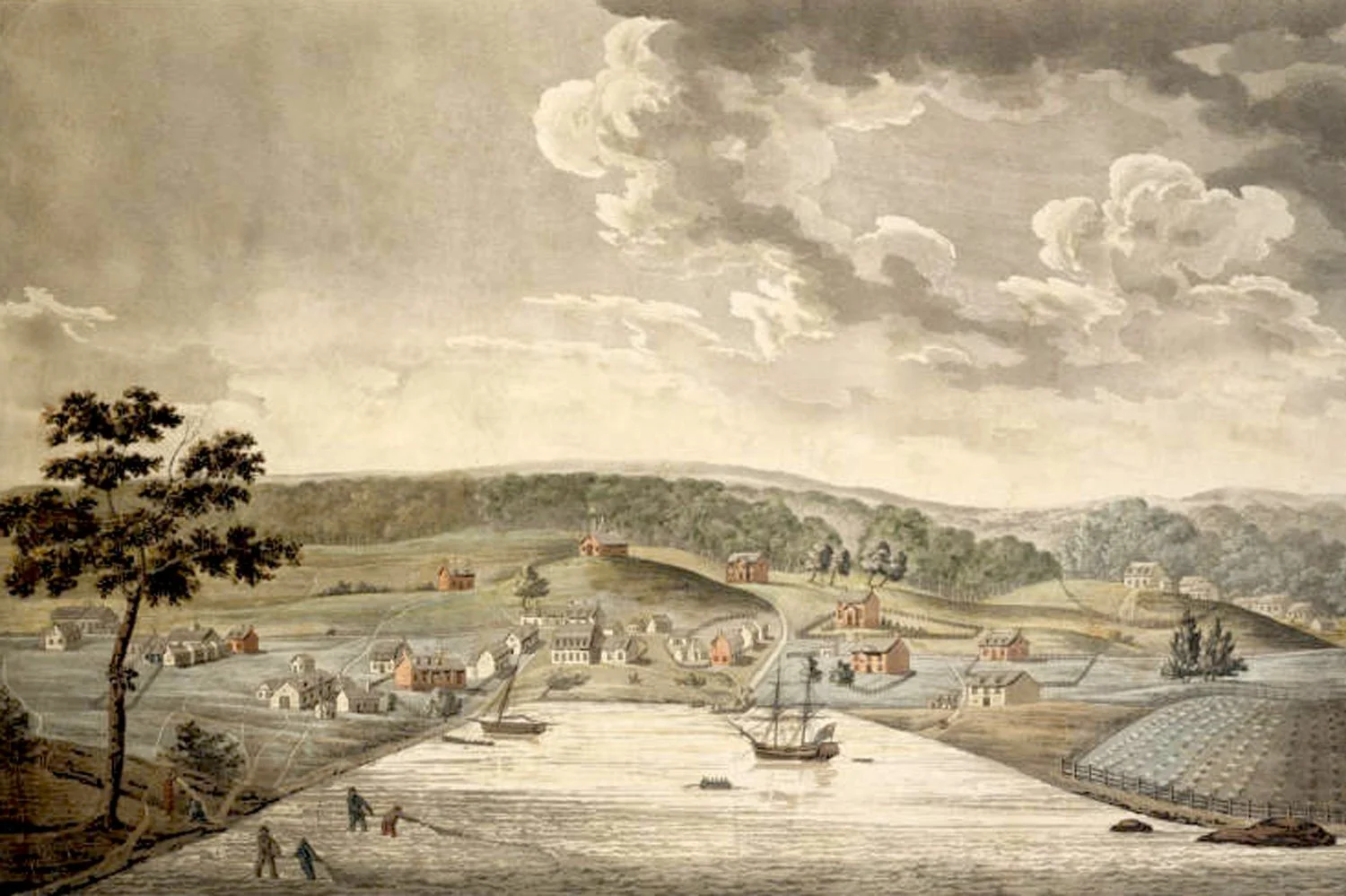
Because the primary goal of privateers was profit and not national interests, fighting by privateers was avoided whenever possible, quite the opposite of American fighting vessels, whose very purpose is to protect national interests, especially national shipping, and who could shun no encounter if it led to the destruction of a hostile cruiser. Not surprisingly, given American ingenuity, the optimal sailing vessel for the privateering trade was developed by American shipbuilders, and the center of the industry was Baltimore's Fells Point. By 1812, there were nine shipyards in this deep-water area of Baltimore’s inner harbor, and forty percent of the city’s population worked in the maritime trades. The ships they developed came to be known as Baltimore Clippers or Baltimore Flyers, two-masted schooners built for speed and agility but armed heavily enough to be formidable fighters; they could catch and capture practically any ship they wanted but were fast enough to escape from any ship they could not overpower.
Due to the commercial character of American society, the possibility of financial gain drew many seafaring men to become privateers, and, during the war, the federal government issued letters of marque to 526 ships, which captured 1,344 British merchant vessels. However, while privateers captured more vessels, the national warships proved to be much more effective. The twenty-two U.S. Navy vessels captured 165 ships for an average of 7.5 vessels each, and this despite many of the national warships being bottled up in harbors during a significant portion of the fighting. On the other hand, the 526 privateers captured an average of only 2.7 merchant ships each, and 60% of privateers either returned to port empty-handed or were themselves captured. Moreover, as the blockade tightened, it became more difficult for privateers to pierce the blockade and reach the safety of American or neutral ports with their prizes. For instance, of the 556 prizes taken by privateers from Baltimore, only 138 arrived safely in port.
As more ships were lost to American privateers and maritime insurance rates rose dramatically, British ship owners and merchants screamed the loudest that their government must do something to stop the American depredations. Ironically, these were the very same men who several years before had encouraged the British Cabinet to suppress American maritime rights with their Orders in Council, which led to the war itself. To remedy the issue and stifle the complaints, the Royal Navy issued a decree requiring all merchant ships to travel in convoys guarded by British warships. But the ship captains often proved to be their own worst enemy as many left the safety of the convoy as they approached their destination and were picked up by opportunist American privateers in British home waters.
At the end of the day, a few American privateers did fabulously well while the vast majority did not, and, while the losses they inflicted were certainly painful, their captures hurt but did not destroy the British economy. And, unfortunately, many American sailors discovered that waging war against the world’s most powerful navy was not without its risks.
Next week, we will discuss American prisoners of war in the War of 1812. Until then, may your motto be “Ducit Amor Patriae,” love of country leads me.
Hello America!
Subscribe to receive weekly complimentary articles and videos delivered straight to your inbox.
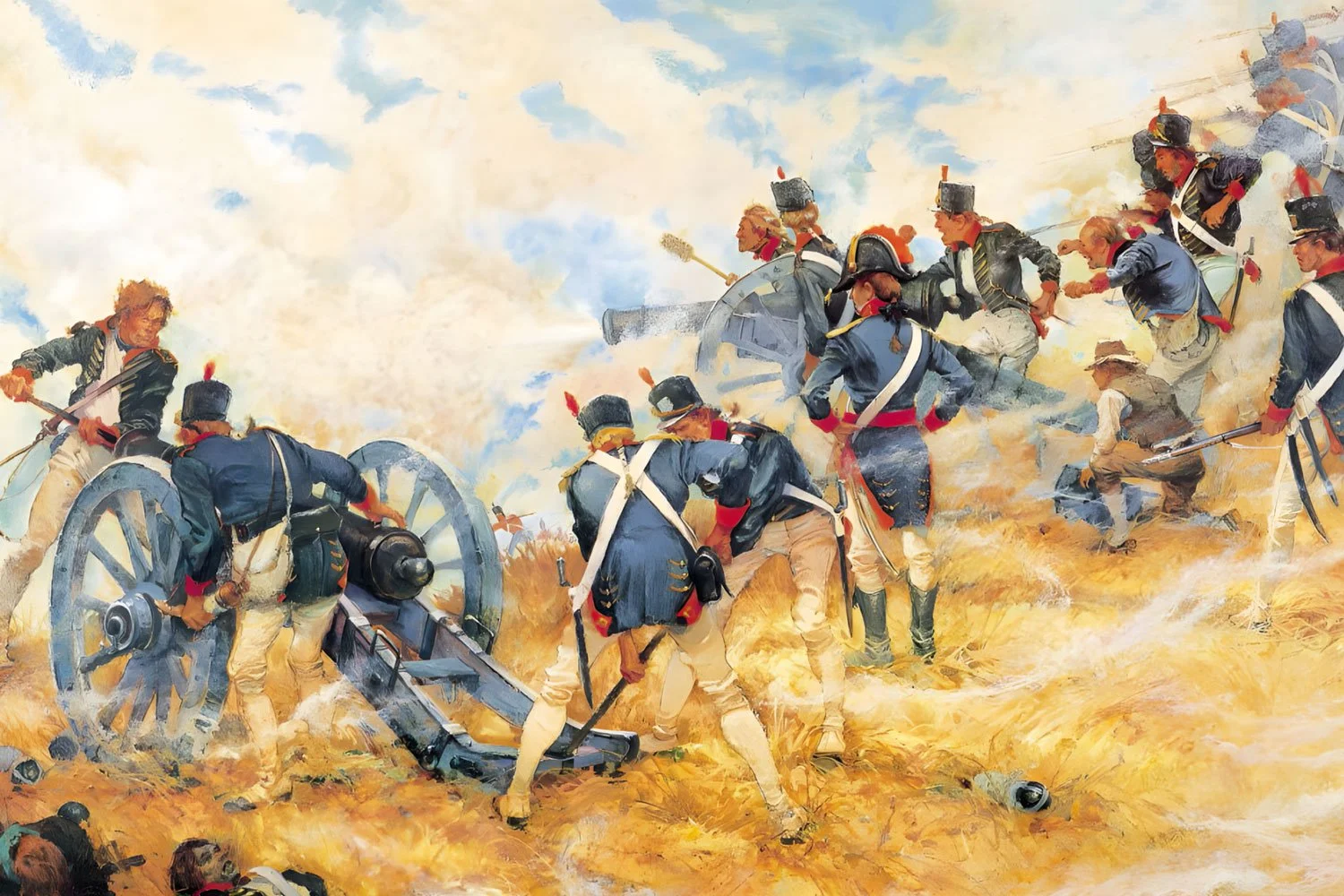

In a dispatch dated August 10, 1814, Vice Admiral Alexander Cochrane was instructed by Lord Bathurst, Secretary of State for War and the Colonies, to proceed to Jamaica and rendezvous with reinforcements coming from England to assist him in capturing New Orleans. With the death of Major General Robert Ross at North Point, the War Department in London gave the command of the land force for this new expedition to Major General Sir Edward Pakenham, a veteran of the Peninsula War and the brother-in-law of the Duke of Wellington. And on November 26, Cochrane, Pakenham, and a British army of nearly 7,000 veterans sailed for New Orleans.