
War of 1812, Part 13: British Retake the Niagara
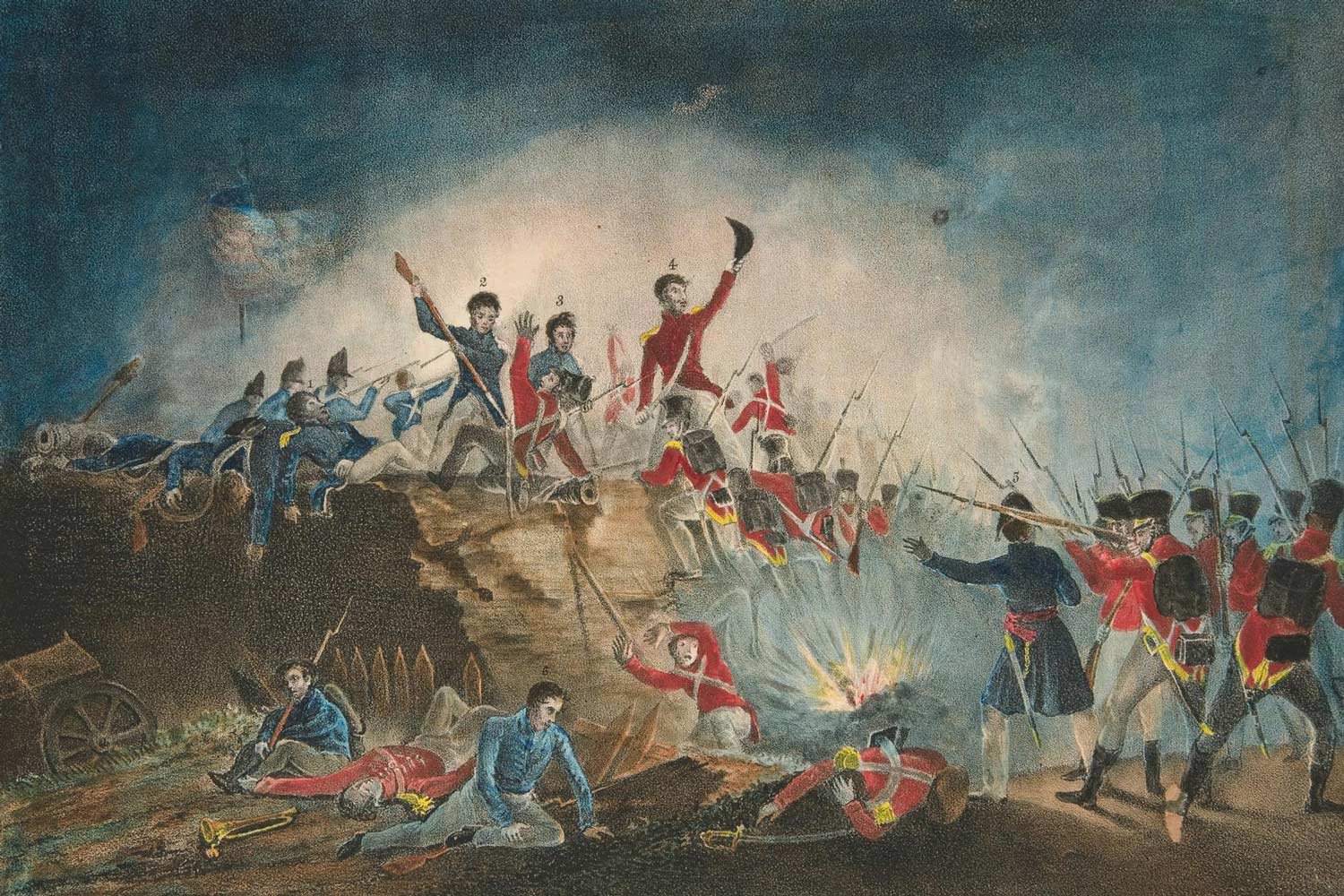
James Queen. “Repulsion of the British at Fort Erie.” Yale University Art Gallery.
On July 3, 1814, the American army under General Jacob Brown had invaded Canada, marking the third straight year that American forces tried to gain a foothold on Canadian soil along the Niagara frontier. But following a resounding American victory on July 5 in the Battle of Chippawa and a bloody stalemate at Lundy’s Lane three weeks later, the American army was in no condition to renew the fight and had withdrawn back to Fort Erie. The 3,500-man invading army was down to roughly 750 men in fighting condition and supplies were dangerously low.
General Brown, recovering from wounds sustained at Lundy’s Lane, brought in Brigadier General Edmund Gaines to take command of the army and instructed Gaines to hold Fort Erie at all costs. Gaines, recognizing it was only a matter of time before the British were upon the American army, immediately set out to expand and strengthen the works around Fort Erie, extending the fortifications half a mile to the west and anchoring the extreme position on the shoreline of Lake Erie. He also constructed a redoubt for an artillery battery with six guns on Snake Hill, ably commanded by Major Nathaniel Towson, a future Major General, and a second one near the lakeshore. Gaines was aided in his efforts by several excellent Engineer officers, including Major Eleazer Wood of the 21st regiment who had also constructed Fort Meigs on the Maumee River which thwarted the invasion of Ohio by the British in 1813.
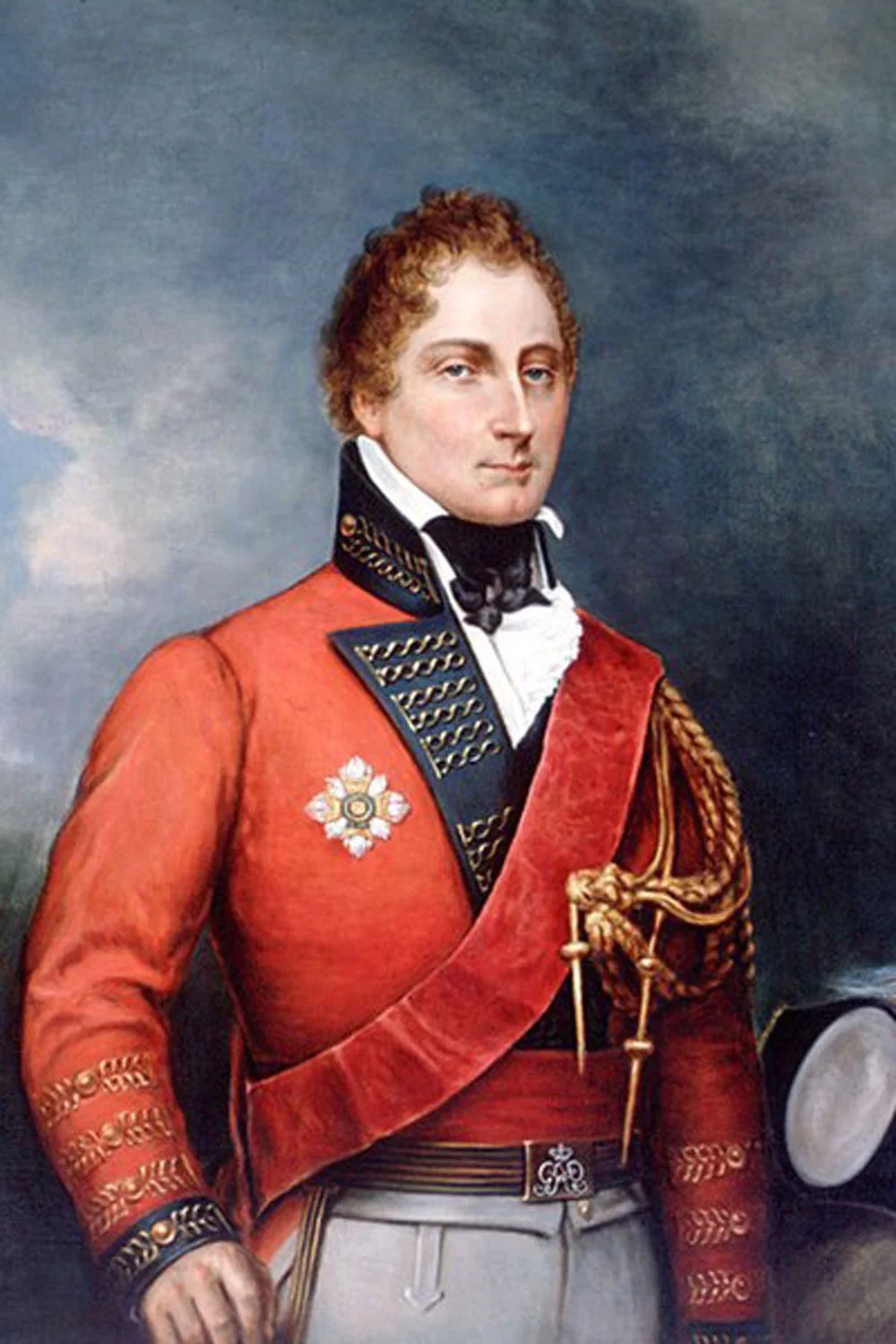
“Sir Gordon Drummond.” World History Encyclopedia.
On August 4, Lieutenant General Gordon Drummond led 3,000 men to the outskirts of the Fort Erie and laid siege to the American position. The recent bloody encounters with the Americans had made Drummond and the British soldiers more respectful of American fighting qualities and more cautious in their approach to reducing the fort. Drummond had the army construct several artillery batteries and tried to pound Fort Erie into submission, but the batteries were too far away and their fire relatively ineffective. After several days of bombardment, Drummond lost patience and decided to simultaneously assault the walls at three different points. But Gaines kept strong pickets out well in advance of the American lines and, when the British attack started shortly after 2am on August 15, the Americans were ready.
The initial British assault was against the extreme American left, the new battery atop Snake Hill, but the Americans held firm and the Redcoats fell back to their original starting point. On the American right the fight was more determined, and, over the course of three hours, the British and American rank and file vied for control of the northeast bastion. The fighting was vicious and, as daylight broke, the British recognized it would be fruitless to maintain their attack and retreated to their lines. Moreover, their losses had been significant as the British lost over 900 men, including two regimental commanders killed, while in comparison the Americans suffered just 84 casualties. General Gaines was the hero of the hour, and Congress struck a Gold Medal in his honor and promoted him to Major General. But Gaines was wounded the next day and General Brown, although still recovering from a wound himself, resumed command of the army.
The following month, in an attempt to force Drummond to lift the siege, Brown ordered a sortie against the British lines. At 3 p.m. on September 17, under cover of a heavy rain, Generals Porter and Miller led 1,600 men against the extreme right of the British line. The Americans caught the British unawares and succeeded in capturing a block house and two batteries of artillery. The fighting was desperate and three of Porter’s battalion commanders were killed or mortally wounded including Major Wood. Recognizing nothing further could be gained, Brown ordered his troops to disengage and return to Fort Erie. The sortie was costly as the Americans suffered over 500 casualties, while Drummond’s army lost roughly 600 men. But it had its desired effect as, a few days later, Drummond moved his army from Fort Erie to a strong defensive position behind the Chippawa.
Major General George Izard soon arrived with 4,000 reinforcements for the American army, hoping that these reinforcements would finally secure the American gains along the Niagara and Izard, as the ranking officer, assumed command from Brown. At Brown's urging, Izard moved forward to the Chippawa to confront Drummond but Izard, concerned at the cost of taking those formidable lines, halted his advance. At the same time, Izard received word that the British had launched a new frigate and a ship of the line and now dominated Lake Ontario. Worried that the British fleet could quickly move an army onto his flank or rear, Izard withdrew to Fort Erie. There, Izard made the painful decision to blow up Fort Erie, which was done on November 5, and return to American soil. With Canada abandoned, the Niagara campaign of 1814 came to a bitter end, and the army was broken up with Brown taking a division to Sackett’s Harbor and the rest placed in winter quarters in Buffalo.
For the American army, it had been a year of high hopes and valiant efforts, but also one of lost opportunities on the Niagara frontier. In the summer, 3,500 men under General Brown had captured Fort Erie and swept up the west side of the Niagara. The Americans had performed well in two pitched battles against British regulars and withstood a siege before driving the British back behind the Chippawa River. But at the end of the year, the Americans were back where they had started from. Perhaps more disappointingly, after three years of fighting and unprecedented cost, the United States did not possess one inch of Canadian soil.
General Drummond lost no time and immediately reestablished his lines along the Niagara and took a portion of his troops with him to Kingston for the expected attack on Sackett’s Harbor. British reinforcements were now pouring into Canada from the European continent and, with naval mastery of Lake Ontario gained by the British, 1815 was shaping up to be a bad year for the Americans. But 3,000 miles away, in Ghent, Belgium, peace negotiations were drawing to a close, and the war would soon come to an end.
Next week, we will discuss the campaign for Montreal. Until then, may your motto be “Ducit Amor Patriae,” love of country leads me.
Hello America!
Subscribe to receive weekly complimentary articles and videos delivered straight to your inbox.
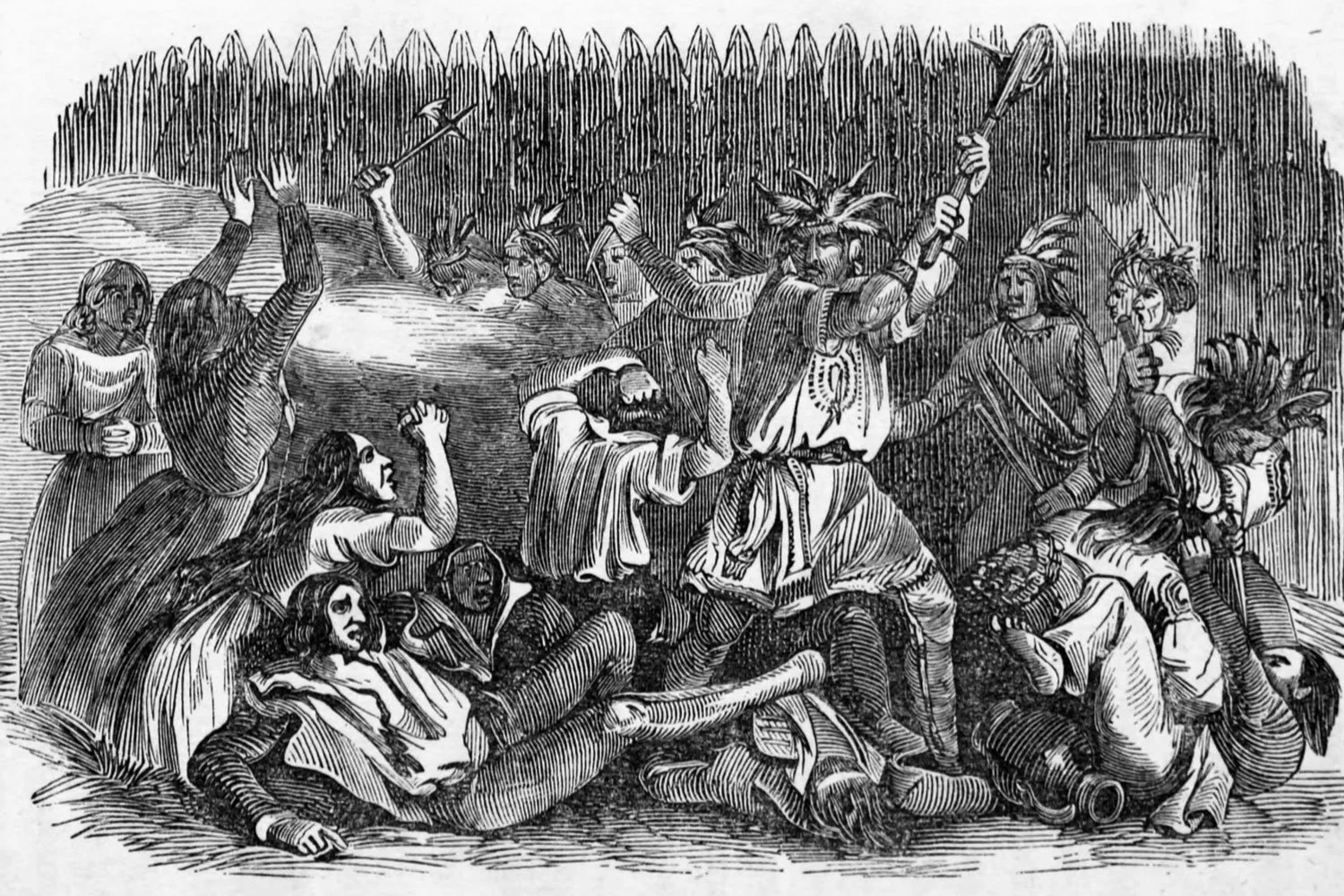

In 1812, the Creek, or Muskogee, Indians occupied much of today’s Alabama and southwest Georgia, roughly 300 square miles from the Tennessee River to the Gulf of Mexico. The Creeks enjoyed good relations with the United States largely due to a benevolent policy established by President George Washington to interpose the federal government between the Indians and land-hungry Georgians. But despite these restrictions, the federal government was helpless to prevent Americans from trespassing onto Creek lands.