
War of 1812, Part 9: An Opportunity Lost for the Americans
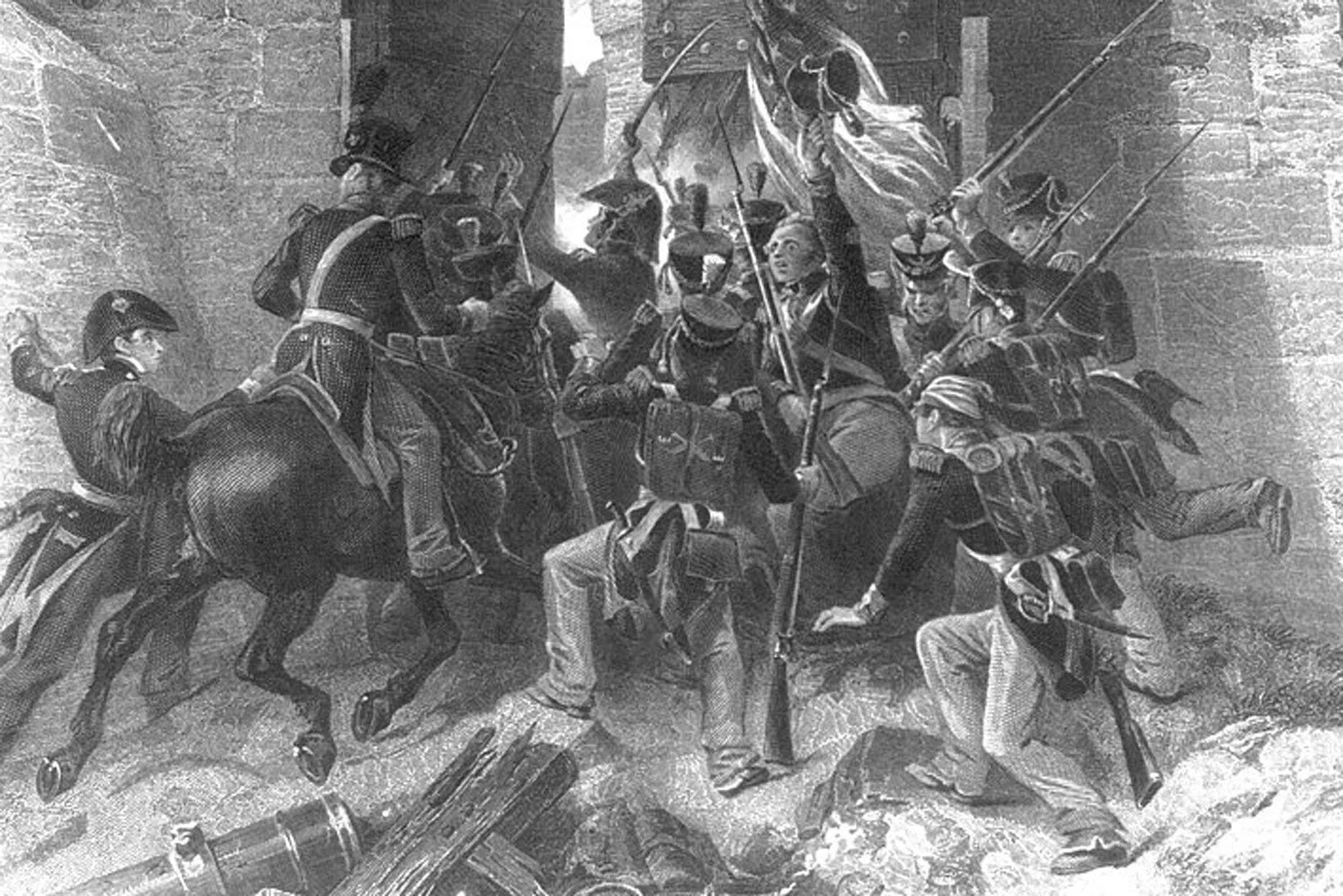
Alonzo Chappel. “Capture of Fort George (Col. Winfield Scott leading the attack).” Library of Congress.
In early May 1813, Commodore Isaac Chauncey loaded General Henry Dearborn’s army onto his waiting ships and sailed back across Lake Ontario for the second phase of Dearborn’s campaign, the capture of Fort George, discharging the soldiers about four miles east of Fort Niagara. Between the men stationed at Fort Niagara and Dearborn’s contingent, the American force consisted of roughly 4,000 men, while opposing them were 1,000 British regulars and 400 Canadian militiamen under Brigadier General John Vincent, along with a contingent of Mohawk warriors. With Dearborn still incapacitated, effective command of the army fell to 26-year-old Colonel Winfield Scott, destined to be one of the great military commanders in American history. On the morning May 27, Colonel Scott led 500 men ashore, deftly transported by Captain Oliver Hazard Perry’s boats to the landing area and supported by Chauncey’s fleet guns as well as those from Fort Niagara across the river. General Vincent and the Indians contested the landing, but the American vanguard established a foothold and the main body soon followed. The opening engagement lasted for about thirty minutes before American numbers and accurate musketry drove the British from the field.
General Vincent ordered the guns at Fort George spiked and the ammunition destroyed and withdrew the garrison. He issued similar orders to the garrisons at Fort Chippawa and Fort Erie, and established Beaver Dams, eighteen miles to the west, as the rallying point, leaving the Americans in complete control of both banks of the Niagara River. The British loss was severe as they suffered roughly 450 men killed, wounded, and captured, while the Americans suffered less than 200 casualties. The hero of the day was clearly Colonel Winfield Scott who Major General Morgan Lewis said, “fought nine-tenths of the battle.” Scott hoped to follow up his victory by striking the retreating British before they could reach their lines at Beaver Dams, stating to General Lewis “I have the enemy within my power…in seventy minutes, I shall bag their whole force,” but Scott was called off from his pursuit by Lewis, an overly cautious, politically appointed General.
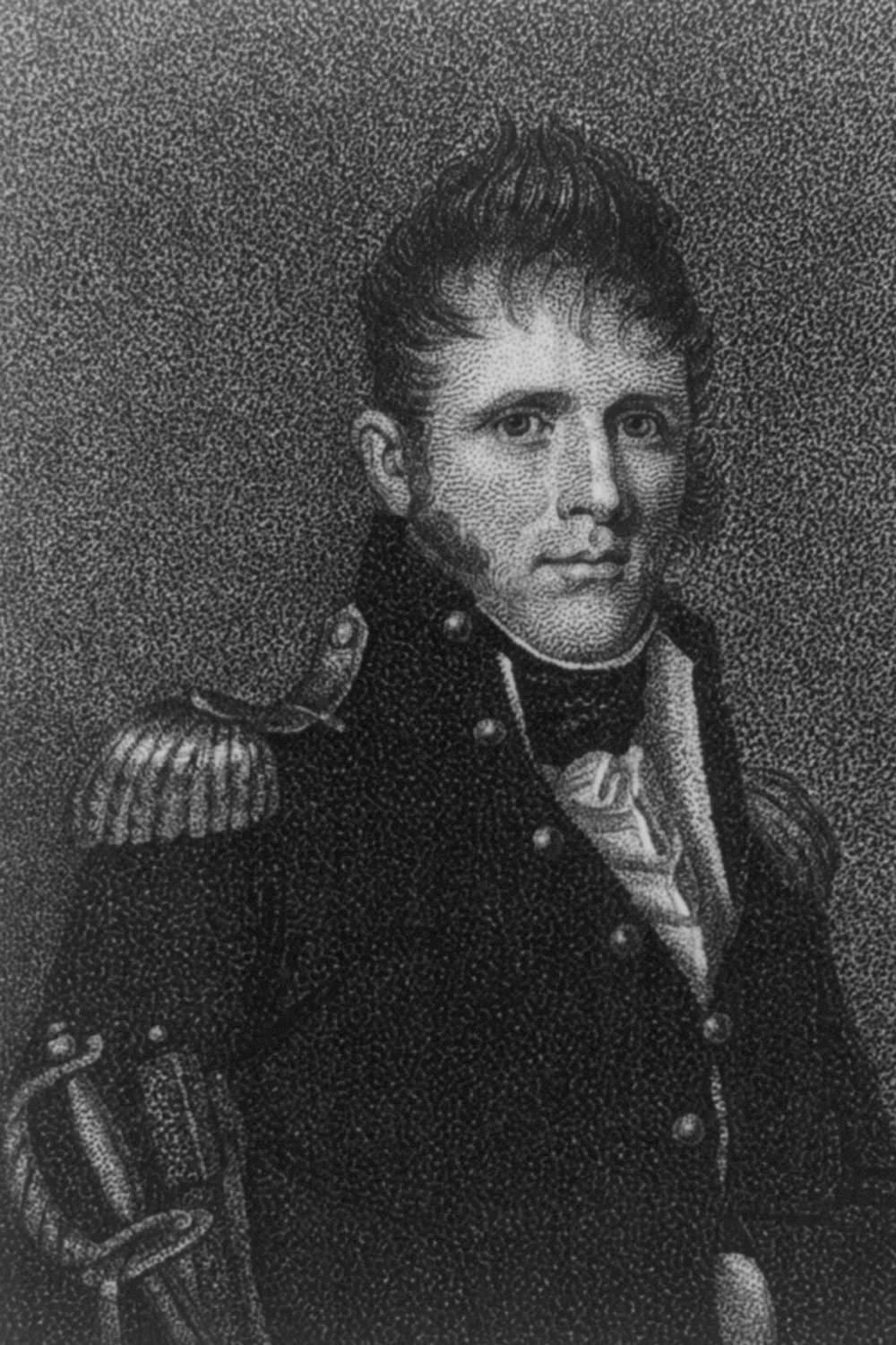
“Winfield Scott.” Library of Congress.
Still, with Chauncey in control of Lake Ontario, York sacked, and Vincent's army on its heels, the time seemed ripe for the American conquest of Upper Canada. It would prove to be the best opportunity of the war for the Americans, but unfortunately one they would squander as several days passed before the Americans began their pursuit. And during that brief respite, British General John Vincent had retired further west to Burlington Heights and had received much needed reinforcements from York, bringing his force to 1,600 soldiers. In early June, Generals William Winder and John Chandler moved their brigades totaling some 3,000 men west to confront Vincent's army. The Americans probed the British position on June 5 and retired for the night to Stoney Creek, ten miles from the British lines. But a British reconnaissance party under Lieutenant Colonel John Harvey discovered the American camp and urged Vincent to attack that night, noting that “the enemy’s camp guards were few and negligent” and many of the American regiments were too far in the rear to support those at Stoney Creek; Vincent agreed and directed Harvey to lead 700 men against the American camp. Perhaps more importantly, Vincent had obtained the counter sign for that night from a Canadian who had joined the American army and then deserted back to the British. Consequently, the British were able to capture the American sentinels without giving alarm.
The assault began at 2 a.m. in the pitch-black night and, in the darkness, confusion reigned and the undermanned British force quickly broke the American line which had been taken completely by surprise. During the 45-minute engagement, both Winder and Chandler mistakenly stumbled into the British lines and were captured. Now leaderless and thinking themselves defeated, the Americans retreated from the field, back towards Fort George, while Colonel Harvey, recognizing his small force could not hold the field, retreated as well. In a testament to the intensity of the fighting, casualties were unusually high with the British losing 23 men killed, 100 wounded, and another 55 missing while the Americans suffered 17 killed, 38 wounded, and 99 missing.
With the repulse of the Americans, General Vincent moved his base forward 20 miles to Beaver Dams, today's Thorold, Ontario, and from here conducted almost daily raids against the American camp. Annoyed by these raids, General Dearborn sent an expedition of 570 men under Lieutenant Colonel Charles Boerstler to dislodge the enemy. On June 21, while waiting to move forward against Beaver Dams, several American officers lodged at the home of Captain James Secord, a Canadian militia officer who had been wounded the previous year at Queenston Heights. His wife, Laura, overheard the Americans discussing the pending attack at Beaver Dams and, the following morning, Laura set out on a 20-mile hike through the woods to warn Lieutenant James Fitzgibbon, the British commander, of the American plans. On June 24, when the Americans finally moved towards the British outpost, they marched through a densely wooded area and straight into an ambush of several hundred Indians.
The Americans fought hard for three hours but were preparing to retire from the field when a British officer under a flag of truce approached the Americans. The messenger was Lieutenant Fitzgibbon who informed Colonel Boerstler that a contingent of 1,500 British soldiers and 700 Indians were minutes away preparing to attack and asked if Colonel Boerstler would consider surrendering to avoid more bloodshed. Thinking he was badly outnumbered, the wounded Boerstler agreed to surrender if the officers kept their firearms and the soldiers were paroled. The Americans stacked their arms and waited for the British reinforcements to arrive on the field. But that never happened as Fitzgibbons’ story of British reinforcements was simply that, a story, and over 500 Americans surrendered to a force of only 250 British soldiers, thus ending the Battle of Beaver Dams and firmly ensconcing Laura Secord in Canadian lore. For the Americans, this second check on their invasion ambitions effectively crushed their spirit of initiative and, for the remainder of their time at Fort George, they stayed within its walls, more a prisoner of the besieging British army than an invasion force.
Next week, we will discuss the American retreat across the Niagara River. Until then, may your motto be “Ducit Amor Patriae,” love of country leads me.
Hello America!
Subscribe to receive weekly complimentary articles and videos delivered straight to your inbox.
With the British now on the doorsteps of New Orleans but the city's defenses incomplete and the army not yet assembled, it became apparent that General Andrew Jackson had badly miscalculated regarding British intentions and had wasted precious time with his assault on Pensacola and initial focus on Mobile. But Old Hickory remained undaunted and ordered all available forces to march post-haste to the city.