
Browse Articles by Category

Colonial Era
American Revolution

The New Nation

National Expansion and Reform

Civil War and Reconstruction (Coming Soon)
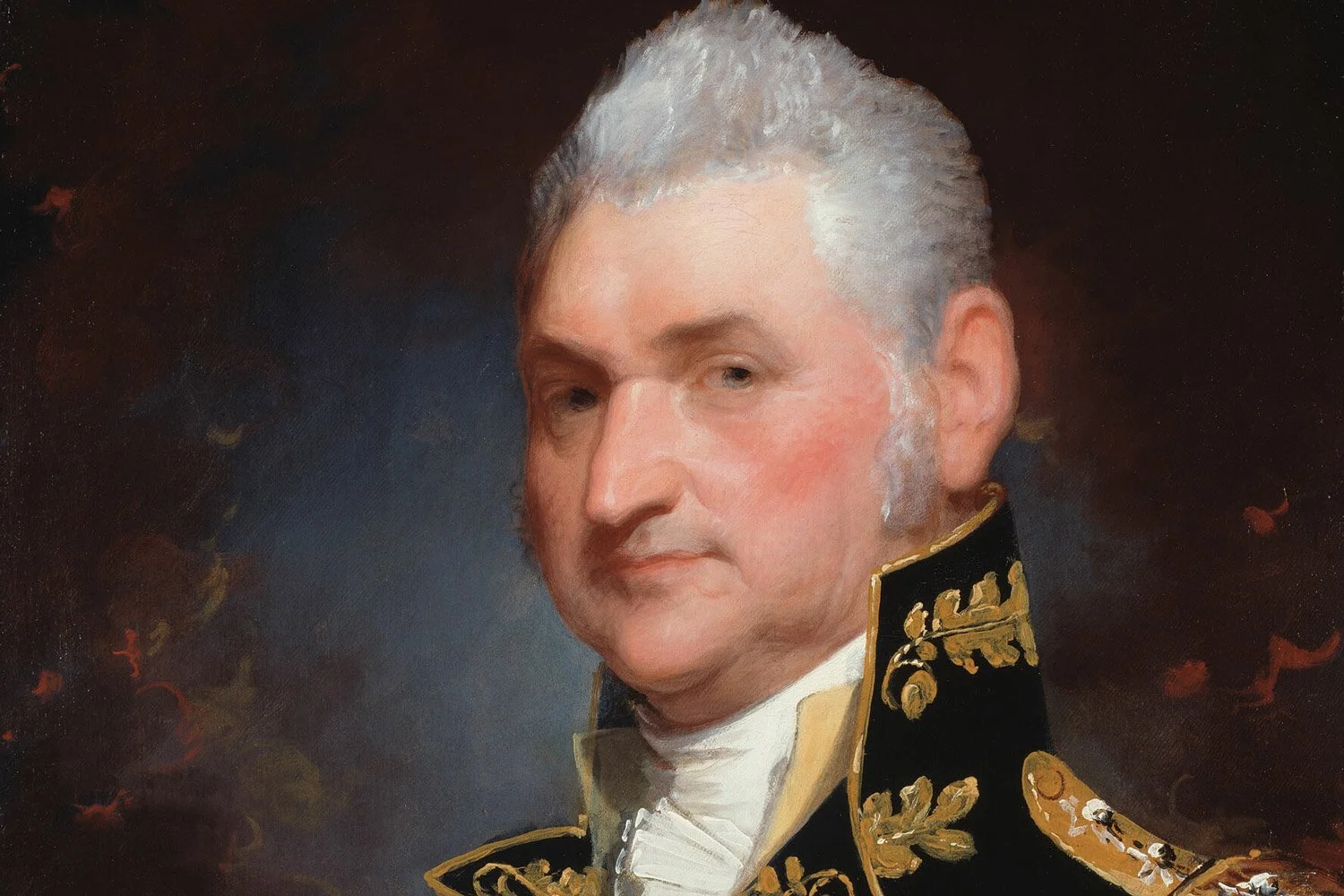
War of 1812, Part 14: Command Issues in the American Army
Major General Henry Dearborn was tasked by President James Madison with conducting the right wing of the American invasion of Canada. The objective of this thrust was to capture Montreal and close off the Saint Lawrence River, thereby severing the British supply line to Upper Canada. This responsibility would have been formidable for any commander, but it was especially so for a General in his sixty-second year and in poor health who had not seen active military service since the American Revolution.

War of 1812, Part 10: The Battle of Sackett’s Harbor
While General Henry Dearborn was trying to make headway along the Niagara front, the British were busy launching an offensive of their own against Sackett’s Harbor. This was not the first British attack on the American outpost, as the previous summer, on July 19, a British fleet had attempted to destroy Sackett’s Harbor’s critical navy yard, but the British were repulsed in that attack which marked the first armed engagement in the War of 1812.
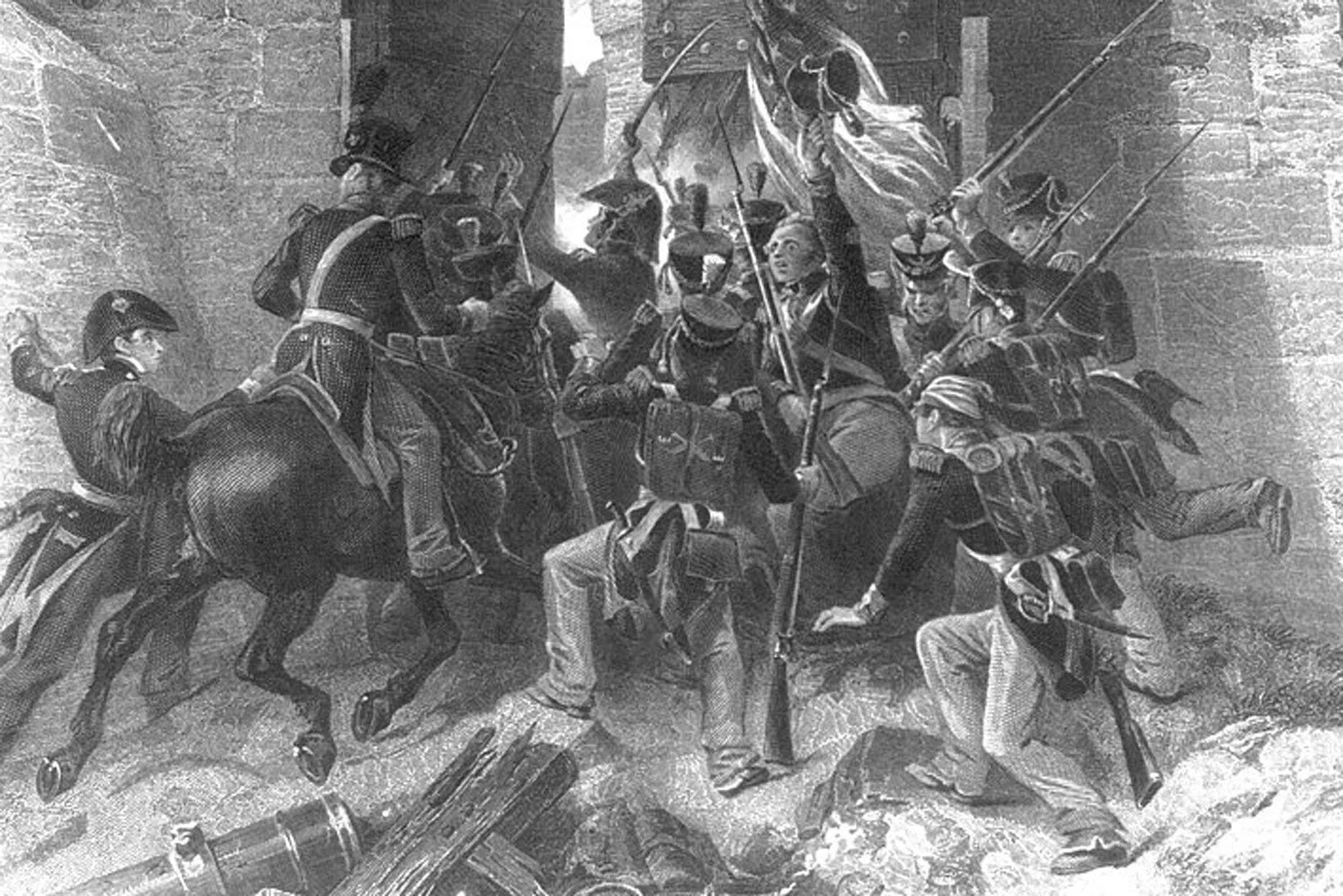
War of 1812, Part 9: An Opportunity Lost for the Americans
In early May 1813, Commodore Isaac Chauncey loaded General Henry Dearborn’s army onto his waiting ships and sailed back across Lake Ontario for the second phase of Dearborn’s campaign, the capture of Fort George. Between the men stationed at Fort Niagara and Dearborn’s contingent, the American force consisted of roughly 4,000 men, with command of the army falling to 26-year-old Colonel Winfield Scott, destined to be one of the great military commanders in American history.
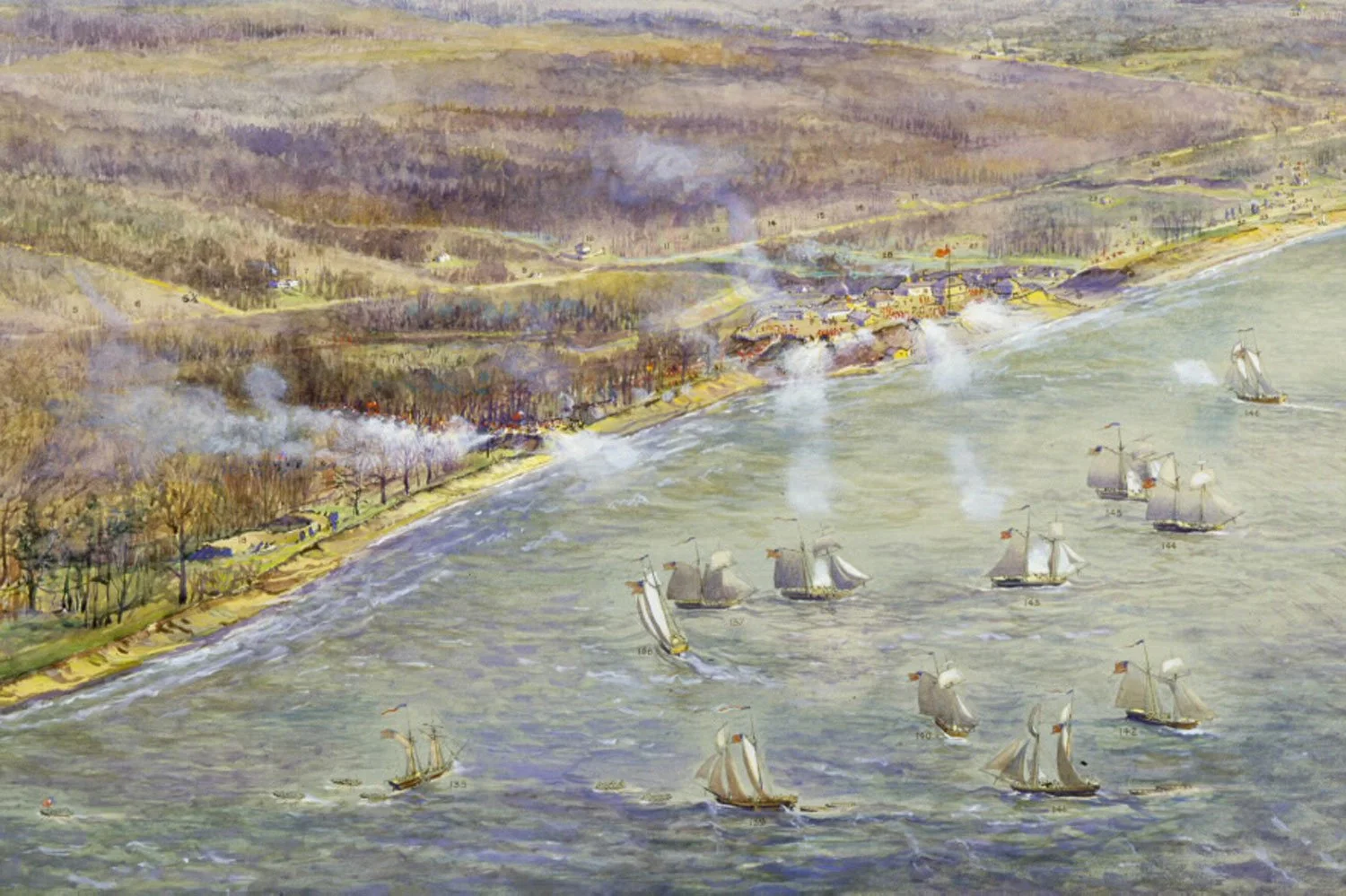
War of 1812, Part 8: Americans Burn a Capital
The man to whom President James Madison and Secretary of War William Eustis gave command of the overall war effort for the War of 1812 was Henry Dearborn from New Hampshire. In addition to the overall command, Dearborn was assigned the right wing of the three-pronged American attack into Canada, up the Lake Champlain corridor to the St. Lawrence River and then onward to Montreal. Arguably, this invasion sector was the most critical, as the St. Lawrence represented the only means of communication between Lower Canada and Upper Canada.