
War of 1812, Part 4: British Invade Ohio
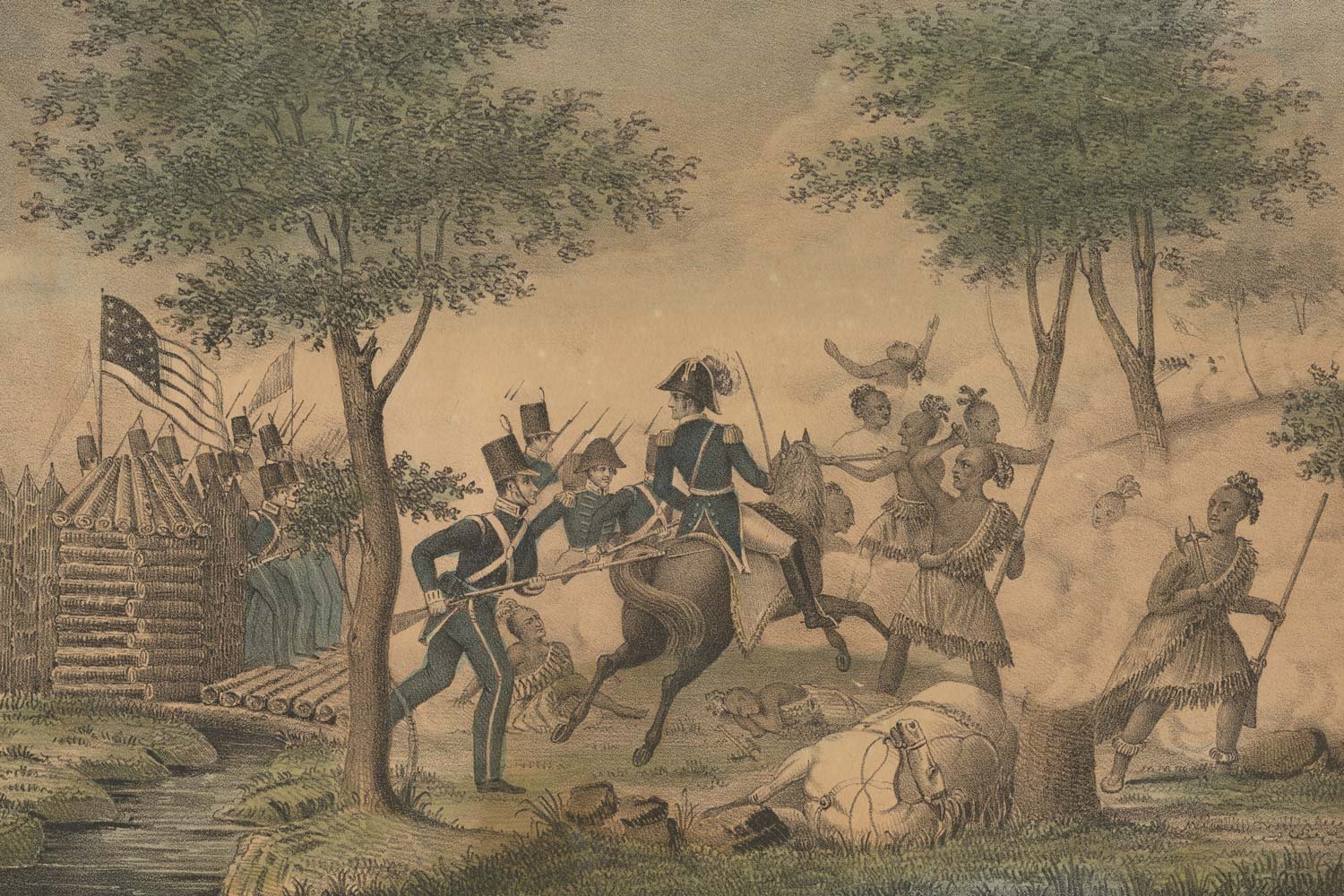
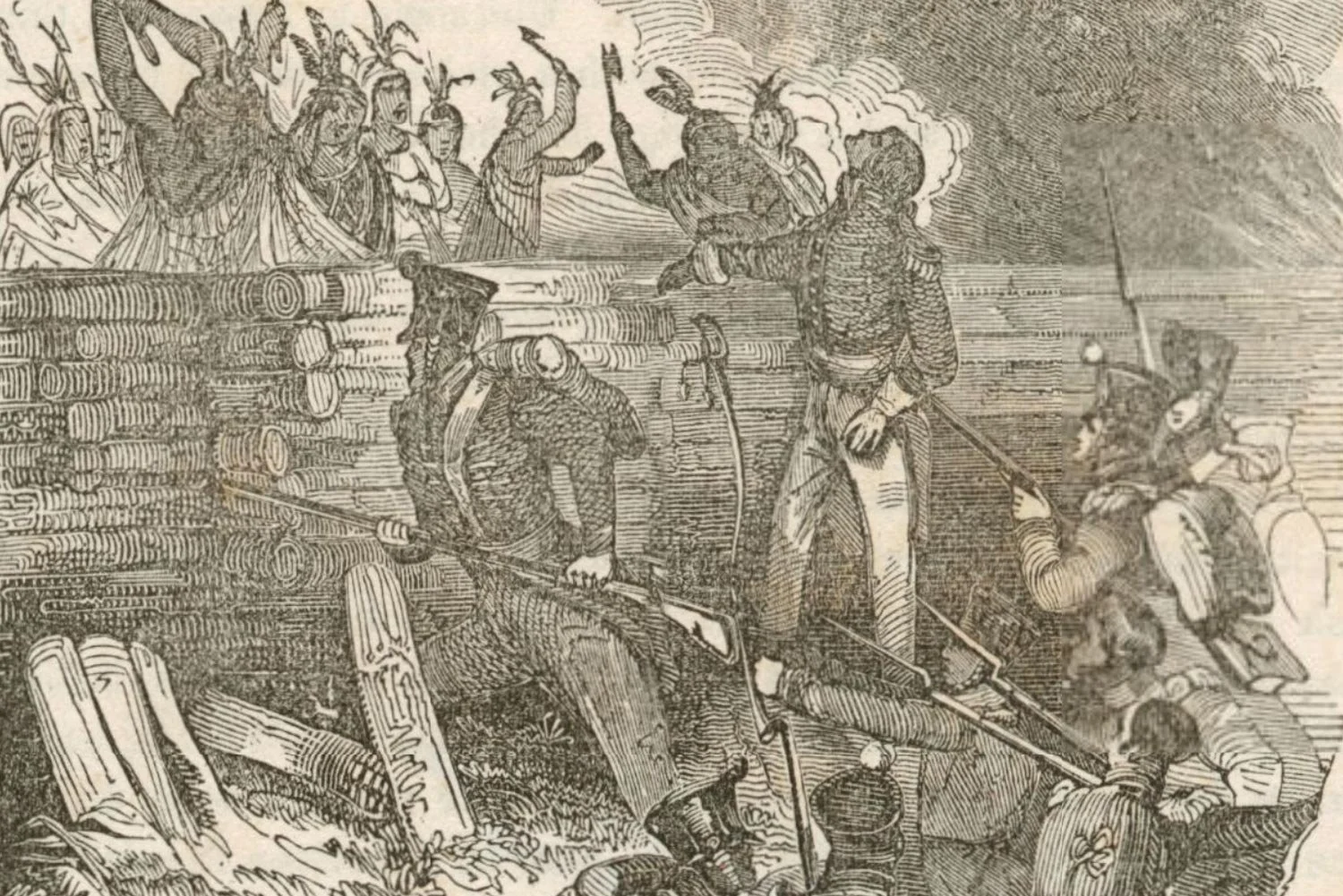
D.W. Kellogg & Co. “Siege of Fort Meigs.” Brown University Library courtesy of Wikimedia.
Following the American disaster at Frenchtown, General William Henry Harrison gathered another force to turn the tide in the West. On February 1, 1813, Harrison returned to the rapids of the Maumee with 1,800 Pennsylvania and Virginia militiamen and tasked Major Eleazer D. Wood of the Engineers, an early graduate of West Point, to construct Fort Meigs. Wood finished the fort by the end of the month, but unfortunately the enlistments of most of the men expired at the same time and Harrison was left with a formidable fort but a garrison of less than 500 soldiers. Harrison sent out urgent appeals for men and supplies to the Governors of Kentucky and Ohio and, by the end of April, had assembled 1,000 men at Fort Meigs and another 1,200 Kentucky militiamen under General Green Clay, Henry Clay’s cousin, at Fort Winchester, thirty miles upriver from Fort Meigs. Additionally, Harrison stationed 160 men at Fort Stephenson, commanded by Major George Croghan, a promising young officer and the nephew of George Rogers Clark.
Fortunately for Harrison and the American army, the British commander, recently promoted General Henry Proctor, was a cautious man. Proctor, whose force greatly outnumbered Harrison’s, had done very little since winning the battle at Frenchtown to harass the Americans while their ranks were thin and made no attempt to prevent the construction of Fort Meigs. Instead, Proctor remained at Fort Malden assembling a larger army and, by the end of April, had roughly 500 British regulars, 500 Canadian militiamen, and 1,500 Indians under his command. Finally feeling strong enough to strike, Proctor loaded his troops onto transport boats and crossed Lake Erie to the mouth of the Maumee River, 12 miles below Fort Meigs, landing there on April 28. When Harrison learned of the British presence, he ordered General Clay to descend the river and come to his assistance at Fort Meigs.
On May 1, the British army appeared on the opposite bank of the Maumee and initiated a siege with two batteries of artillery. Later that afternoon, Tecumseh and 1,500 Indians crossed the river to attack the fort from the rear, but Harrison and Wood had prepared for this contingency, and the attack failed. Despite Tecumseh’s unsuccessful assault, Proctor had Fort Meigs practically surrounded and, after pounding the fort with artillery for four days, sent in a demand that Harrison surrender the fort or face the consequences. But “Old Tippecanoe” was made of stiffer stuff than most and Harrison told the messenger, “Assure your General…that he will never have the post surrendered on any terms.” On May 4, Clay got word through the lines to Harrison that he was just upriver from Proctor’s artillery battery and awaiting instructions. Harrison ordered Clay to capture and spike the British cannons and then cross the river to the safety of the fort.
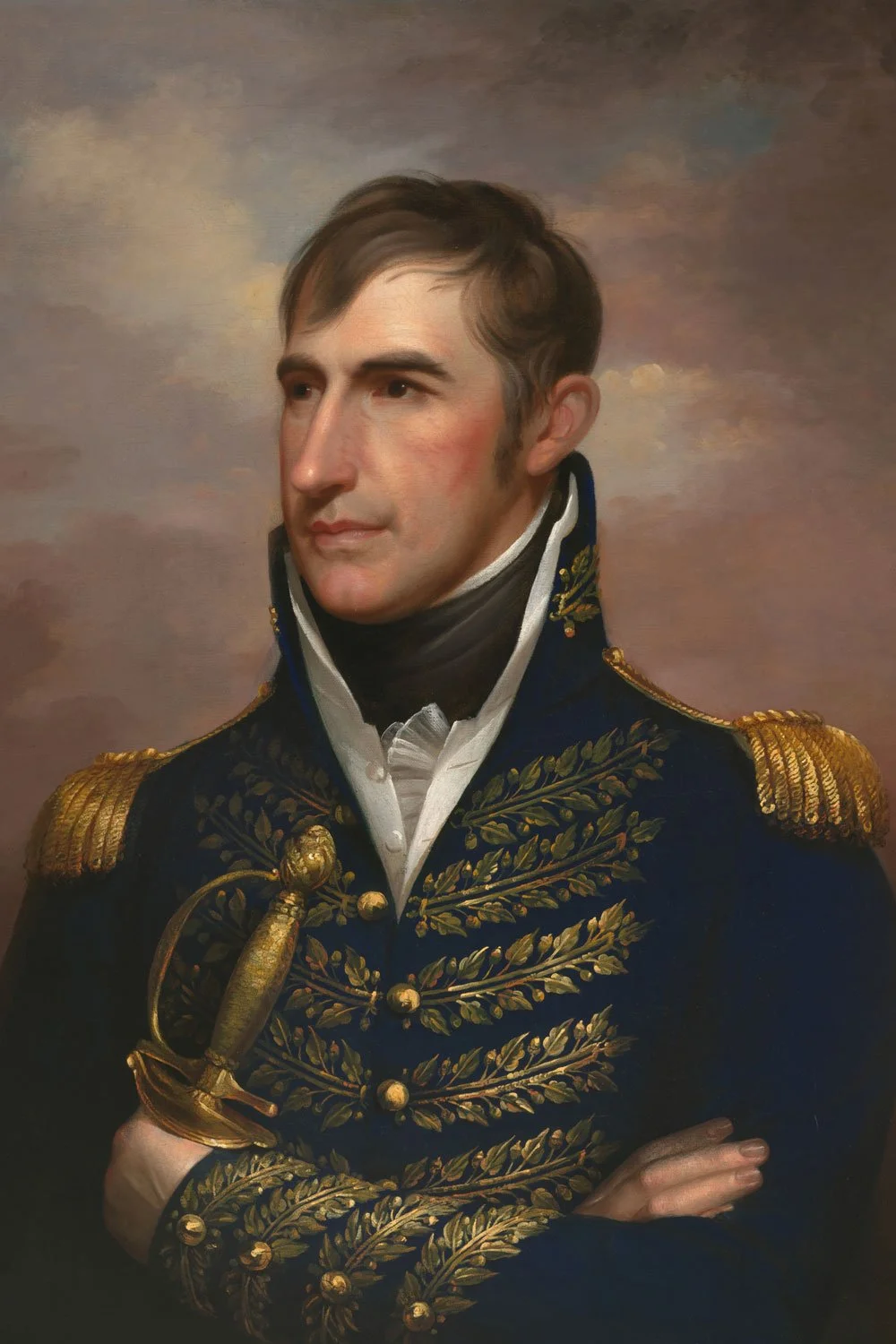
“William Henry Harrison.” National Portrait Gallery, Smithsonian Institution.
The following morning, Clay detailed Colonel William Dudley and 800 men to carry out the mission which they did in short order as the British were unprepared for an attack from that direction. But enthusiasm got the better of the Kentuckians and, despite orders from Harrison to return to the fort, they raced after the retreating British. Their impetuous pursuit proved fatal as waiting in the woods just beyond the British battery was a large contingent of Indians who ambushed the Kentuckians and were joined by British reinforcements sent by Proctor.
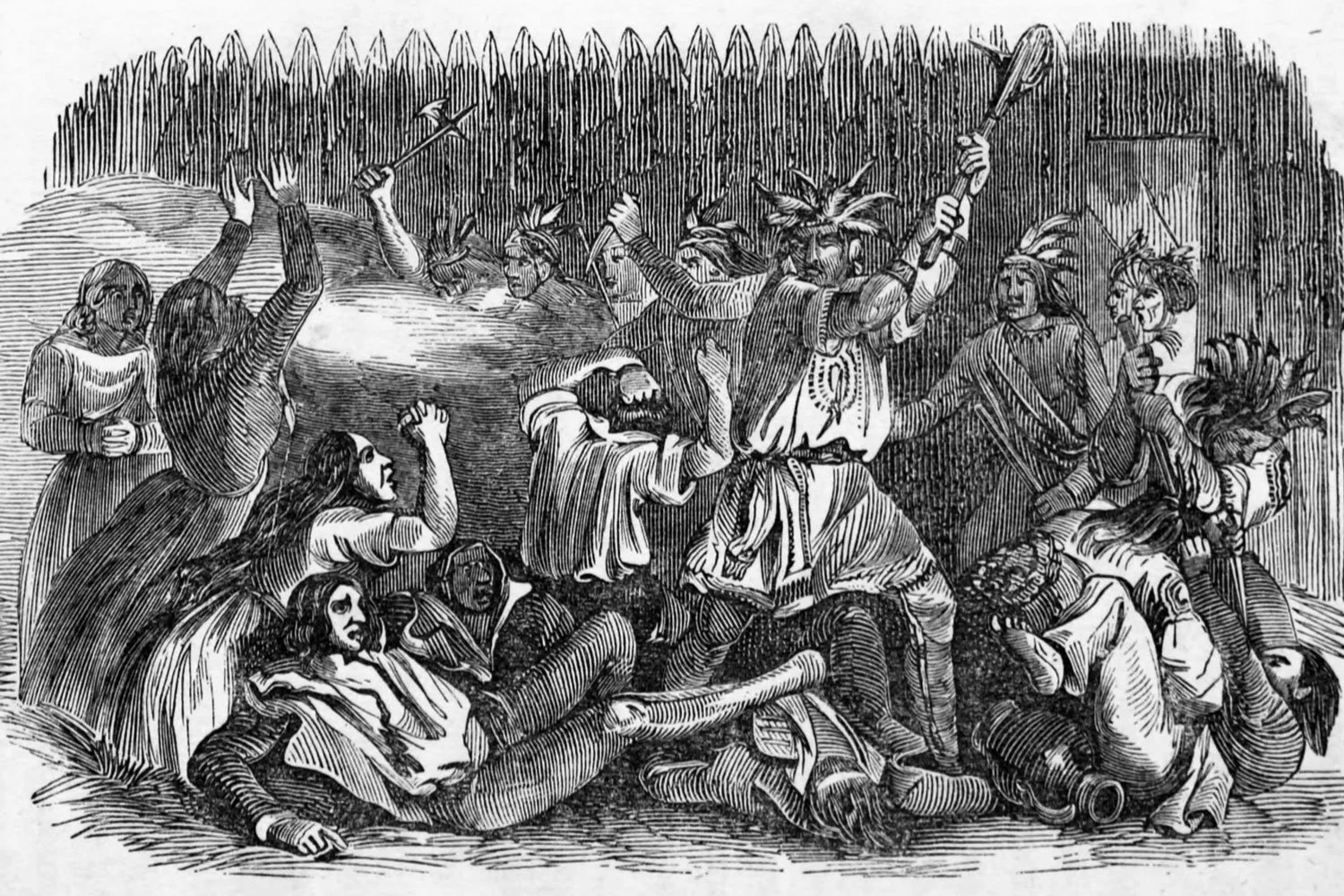
As Harrison and the soldiers at Fort Meigs helplessly watched from across the river, Dudley’s force was destroyed, only 170 men managed to escape and make their way back across the river to Fort Meigs. The remaining 630 soldiers were either killed or captured, including Colonel Dudley, who was killed and mutilated by the Indians; the British suffered less than 50 casualties. Sadly, as happened at Frenchtown, General Proctor carelessly handled the guard around the American prisoners and at least 40 of them were massacred and scalped by the raging Indians before Tecumseh arrived and stopped the carnage.
Despite defeating Dudley’s force and still outnumbering the Americans, Proctor lost heart and abandoned the siege, retreating to Fort Malden. But when Proctor returned, he found another 2,500 Indians had arrived in his absence, bringing his total force to over 5,000 men. Tecumseh urged Proctor to take the initiative and attack the Americans before they could be reinforced. Bowing to Tecumseh’s wishes, Proctor again loaded his men into transport vessels, crossed Lake Erie to the Maumee River, and took a position across the river from Fort Meigs on July 21. Tecumseh’s warriors then staged a mock battle just out of sight of the garrison, hoping the sounds would lure the Americans from the safety of their fort. But General Clay, left in charge of the fort by Harrison, sensed a trap and wisely refused the bait. Recognizing his deception had failed, Proctor called off the attack on Fort Meigs, reloaded the boats, and sailed back down the Maumee to Lake Erie. After coasting the shore of the lake, Proctor took his force of 400 regulars and 3,000 Indians up the Sandusky River to Fort Stephenson, a seemingly easier target.
Anticipating Proctor’s move, on July 30 Harrison ordered Major Croghan to abandon the fort, more of a supply depot than a strong fortress, and retreat to Fort Seneca, sixteen miles away. But Croghan replied that Harrison’s order “was received too late to be carried into execution. We have determined to maintain this place and by heavens we can.” Croghan further informed Harrison that the woods surrounding the fort were already infested with Indians and felt it more prudent to remain within the walls of Fort Stephenson rather than risk a march to Fort Seneca, and Harrison, who had great respect for the Major, rescinded his order to withdraw.
Proctor opened his bombardment of Fort Stephenson the afternoon of July 31, and the next afternoon British regulars from the 41st Regiment assaulted the walls. But Croghan had mounted his one 6-pound cannon at the weak point of the fort and loaded it with grapeshot, anticipating Proctor to strike this spot. Croghan guessed correctly and when the Redcoats were just twenty paces away the American gunners discharged the cannons, devastating the ranks. After two hours of futile assaults and nearly 100 casualties, Proctor called off the British attack, and the 2,000 Indians who had clamored for this fight refused to try their luck against the Americans. That same night, Proctor reboarded his men into the waiting boats and returned to Fort Malden, ending the last attempt by the British to invade American soil from Upper Canada.
General Harrison knew he must take the fight to the British but recognized that until Lake Erie was secured any invasion of Upper Canada was impractical. That situation would soon change with one of the most significant naval battles in early American history.
Next week, we will discuss the Battle of Lake Erie. Until then, may your motto be “Ducit Amor Patriae,” love of country leads me.
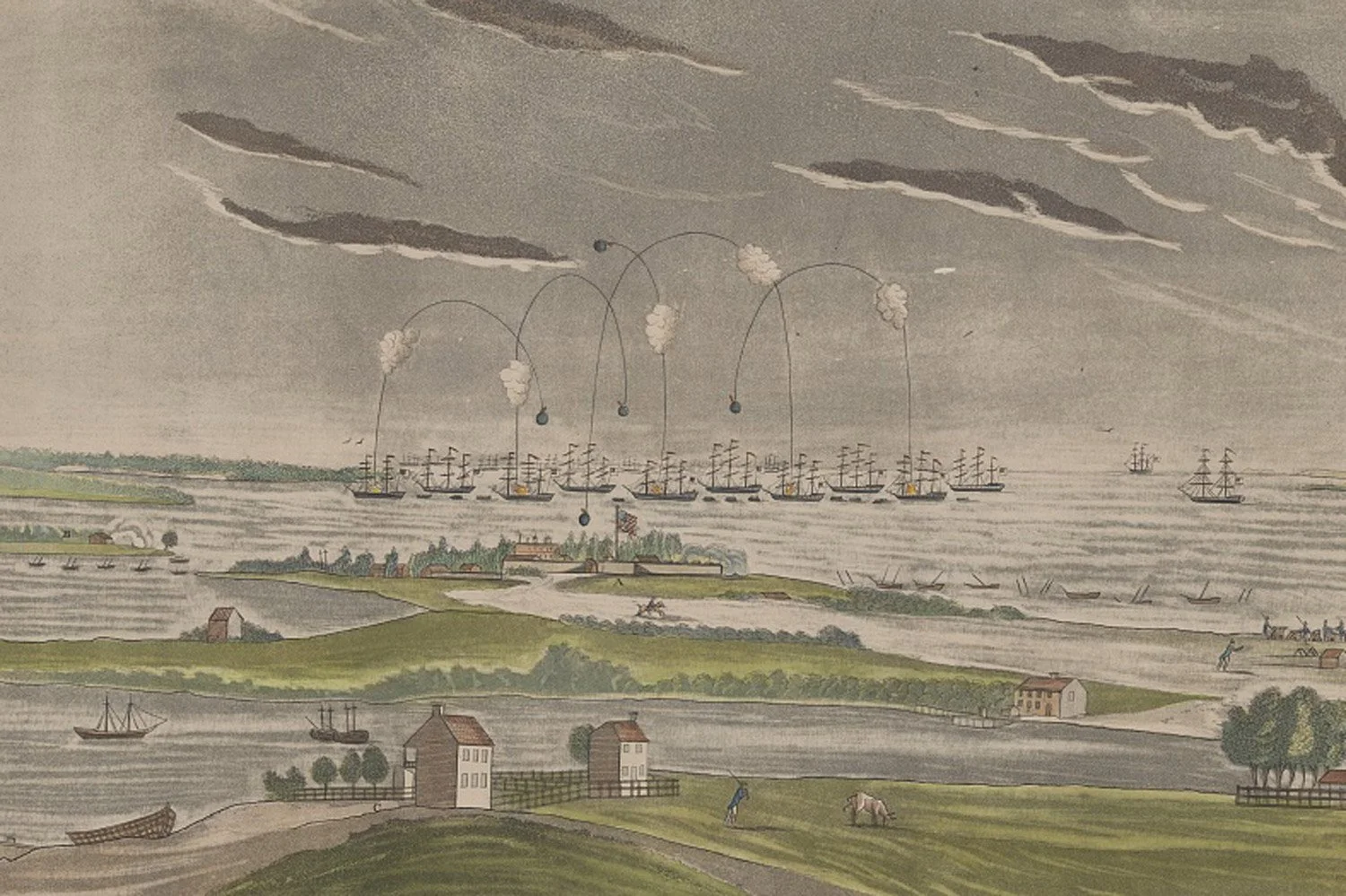
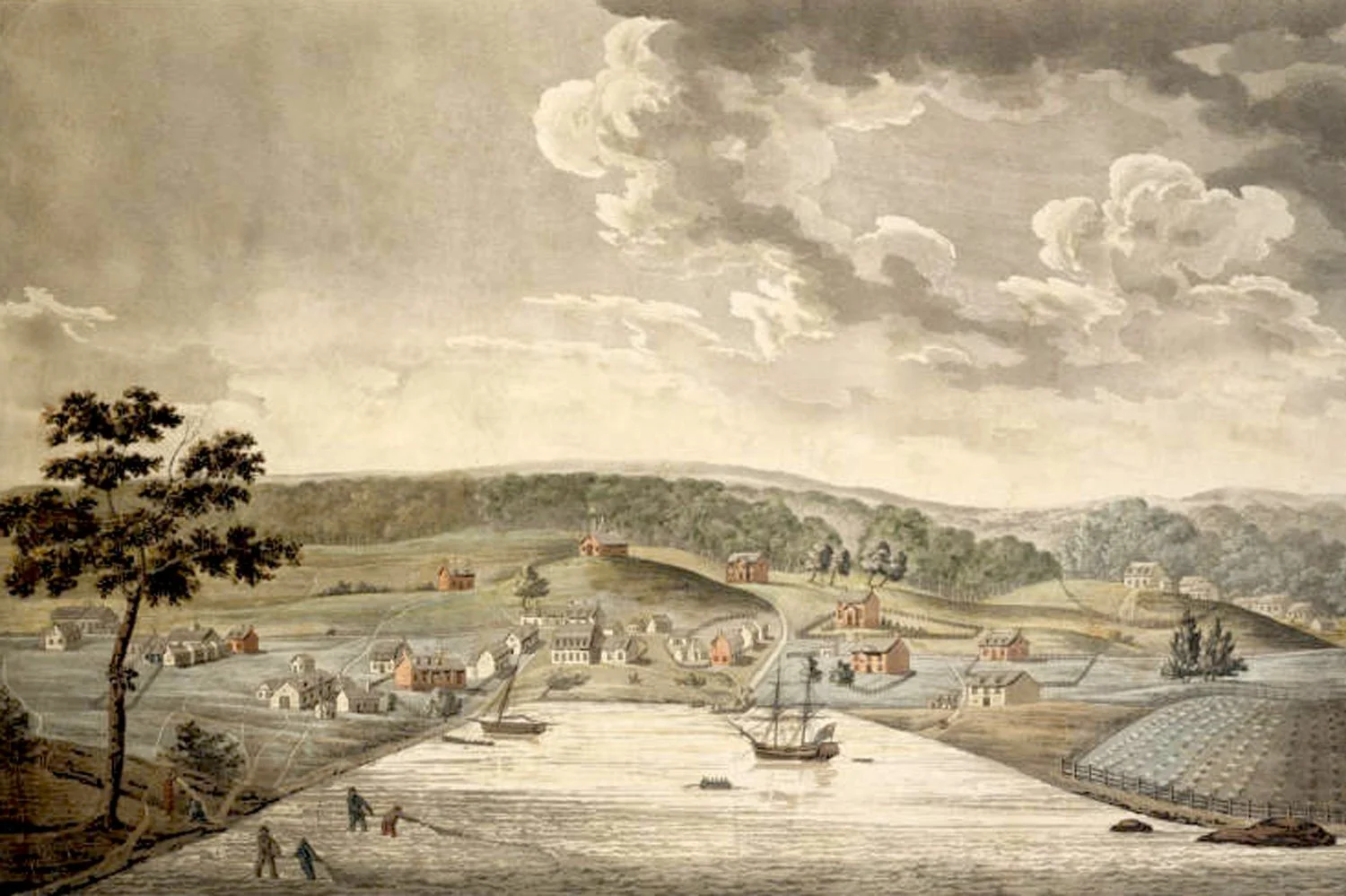
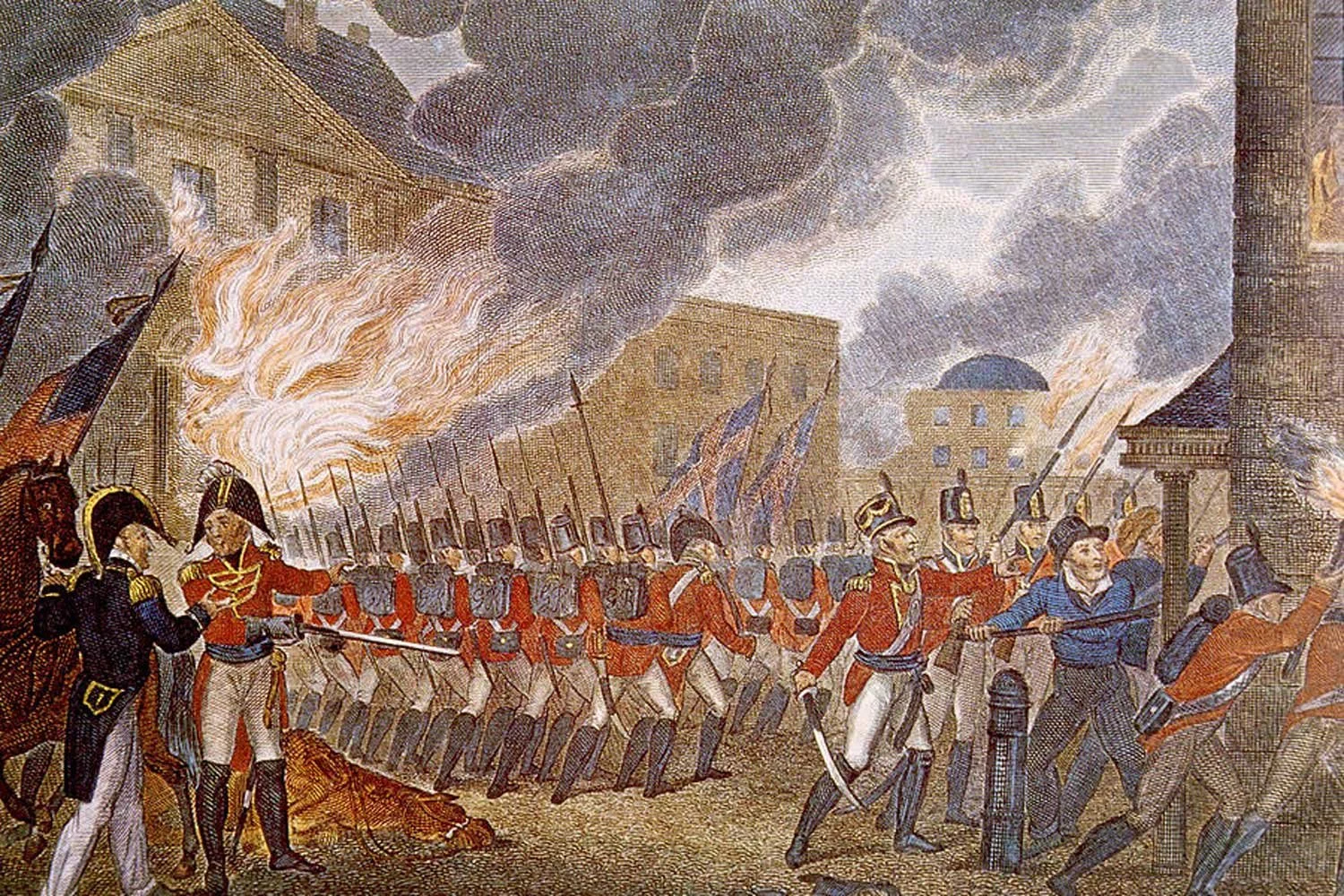
The War of 1812 was arguably the most partisan war in our nation's history, with virtually all Federalists across the country opposing what they dubbed “Mr. Madison’s War” and all Republicans supporting it. This difference in sentiment was pronounced and led to many ugly confrontations such as the Baltimore riots of 1812. But nowhere was opposition to the war more strongly manifested than in New England, the last bastion of the Federalist party.