
Browse Articles by Category

Colonial Era
American Revolution

The New Nation

National Expansion and Reform

Civil War and Reconstruction (Coming Soon)
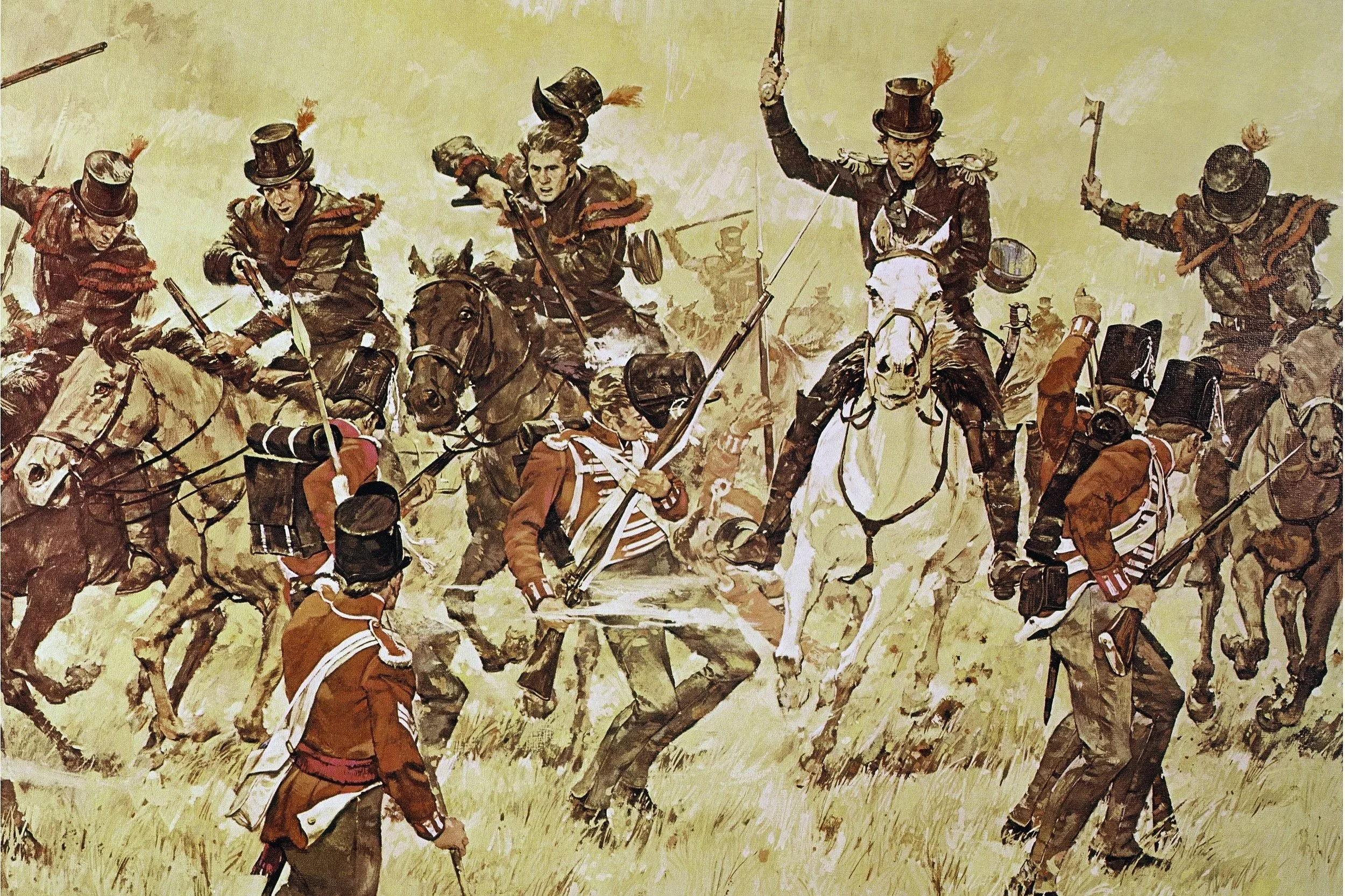
War of 1812, Part 6: The Battle of the Thames
On September 12, 1813, General William Henry Harrison received word of Captain Oliver Hazard Perry's great victory on Lake Erie two days before. Recognizing that the Navy had done their part and cleared the lake of British warships, Harrison knew the time had finally come for the invasion of Upper Canada, and the General immediately put the wheels in motion to strike the British while he held the advantage.
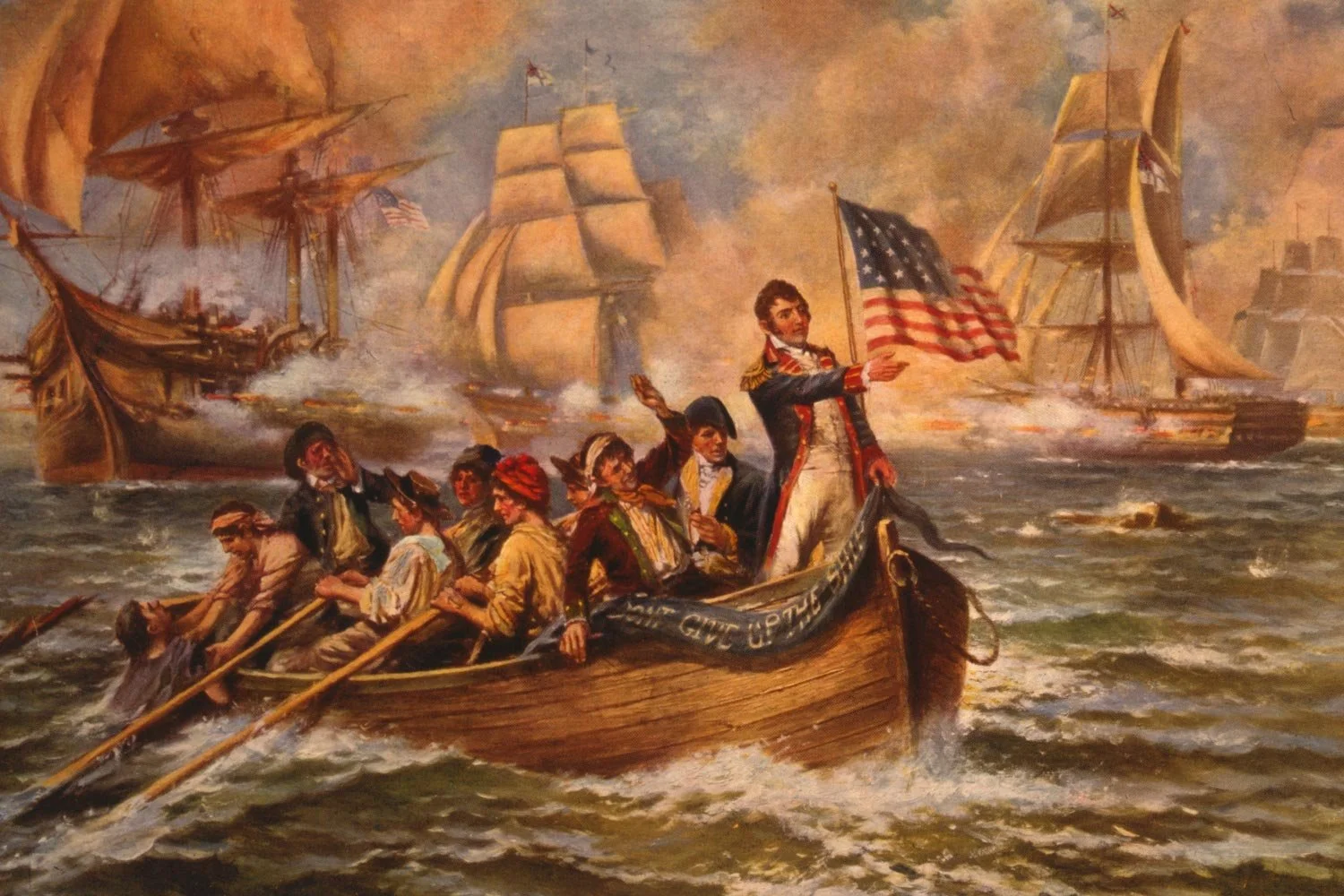
War of 1812, Part 5: We Have Met the Enemy
The key to controlling Upper Canada in the War of 1812 was gaining naval mastery of the Great Lakes, especially Lakes Erie and Ontario. Given the lack of adequate roads in that area, neither side could hope to sustain an army of any size in the field without the ability to deliver supplies and reinforcements via these lakes. As 1813 opened, the British were in firm control of both and, despite the clamor of the Madison administration and Americans living west of the Appalachians to invade Canada, General William Henry Harrison, commander of the western army, was painfully aware that he must wait for a situational change on Lake Erie before beginning his advance.
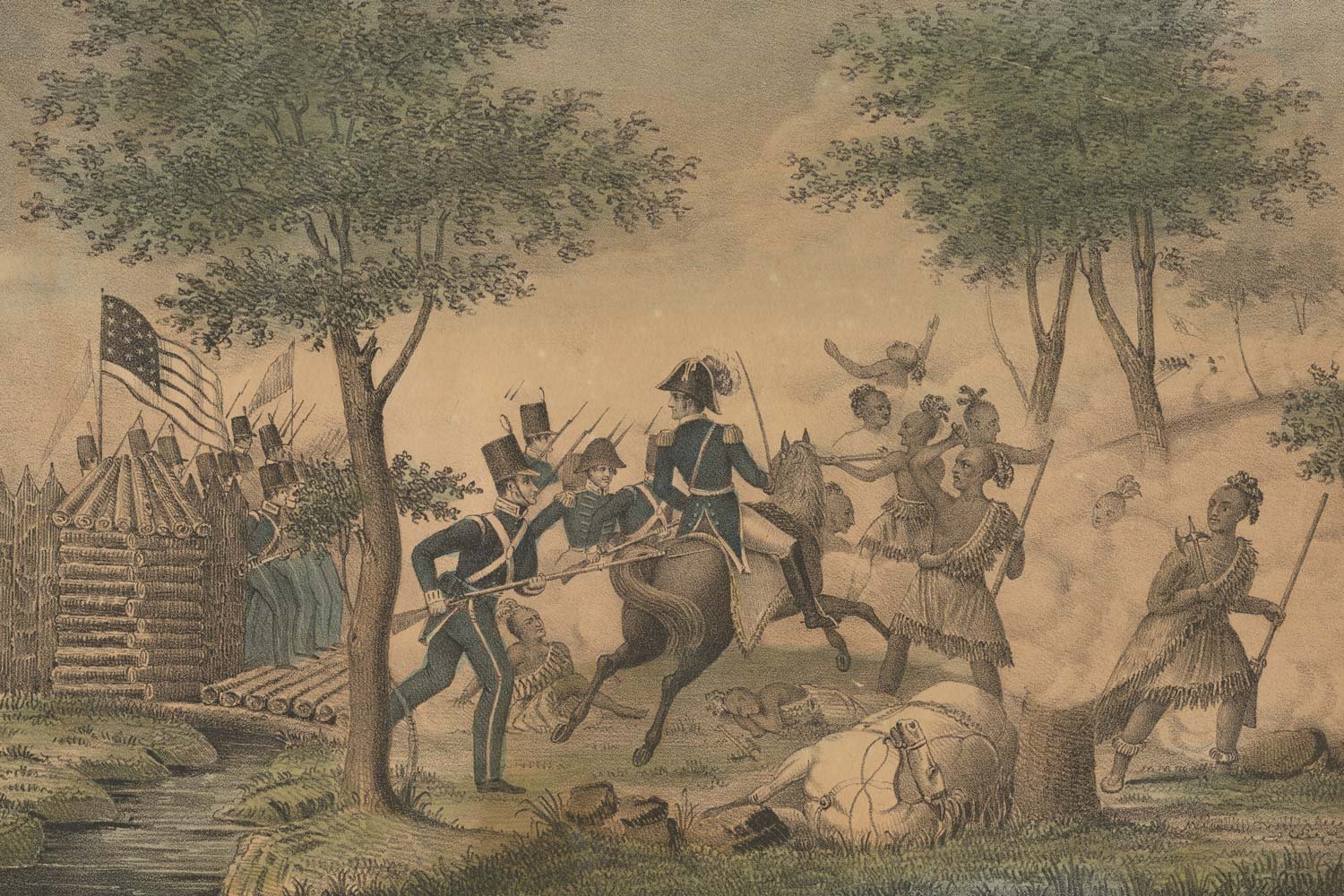
War of 1812, Part 4: British Invade Ohio
Following the American disaster at Frenchtown, General William Henry Harrison gathered another force to turn the tide in the West. On February 1, 1813, Harrison returned to the rapids of the Maumee with 1,800 Pennsylvania and Virginia militiamen and tasked Major Eleazer D. Wood of the Engineers, an early graduate of West Point, to construct Fort Meigs. Wood finished the fort by the end of the month, but unfortunately the enlistments of most of the men expired at the same time and Harrison was left with a formidable fort but a garrison of less than 500 soldiers.
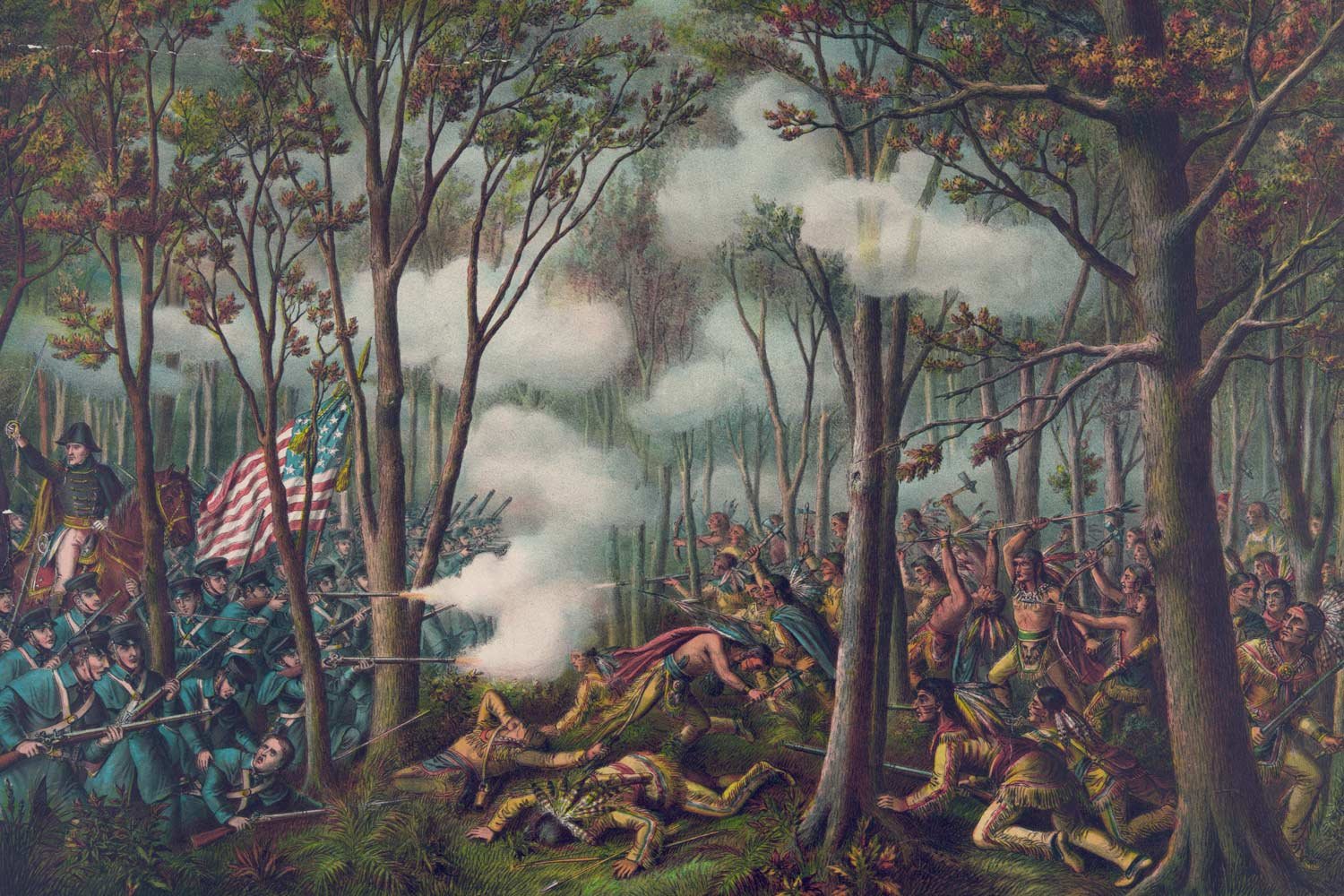
Road to War, Part 10: The Battle of Tippecanoe
The last great battle between Indians in the old Northwest Territory and the forces of the United States, and one of the most consequential in our nation's early decades, was the Battle of Tippecanoe, fought on November 7, 1811, between Shawnee, Potawatomi, and Kickapoo warriors and American troops led by General William Henry Harrison, the Governor of the Indiana Territory.
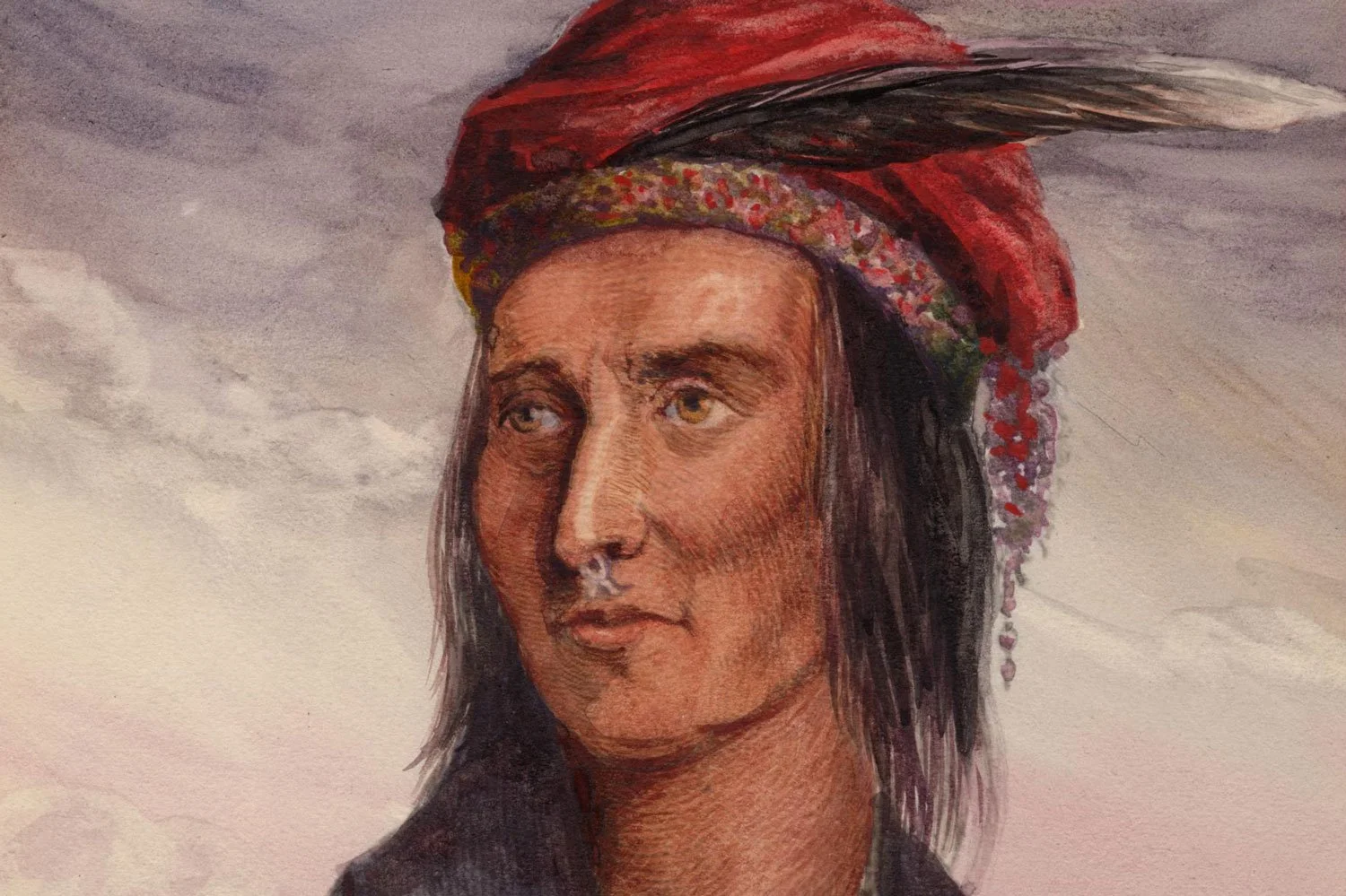
Road to War, Part 9: Tecumseh and the Prophet
Tecumseh’s War was the last great Indian war in the Northwest Territory and raged from 1811 to 1817. The cause of the conflict was Indian anger at the numerous land cessions made between Indian nations and the United States from 1803 to 1809. While this war overlapped with the War of 1812, the two conflicts were separate events with different goals for the participants.