
Road to War, Part 6: James Madison, Father of the Constitution
In 1787, James Madison and Alexander Hamilton organized the Constitutional Convention not simply to fix flaws in the Articles of Confederation but rather to create a new vibrant national government under which the United States could flourish. The most critical issue to be resolved was how representation in Congress would be determined, for with more representatives came more power. Madison’s Virginia Plan comprised fifteen resolutions that became the basis for our constitution and called for representation according to population in both the House and the Senate. After the convention, Madison, along with Alexander Hamilton and John Jay, drafted eighty-five essays known as The Federalist Papers, the greatest collection of writings ever on a federal constitutional government. No other Founding Father played such an outsized role in creating our nation’s Constitution.
Tom Hand, creator and publisher of Americana Corner, discusses James Madison’s influence at the Constitutional Convention and why it still matters today.
Images courtesy of the National Portrait Gallery - Smithsonian Institution, National Archives, New York Public Library, National Gallery of Art, Library of Congress, World History Encyclopedia, Colonial Williamsburg Foundation, Wikimedia.
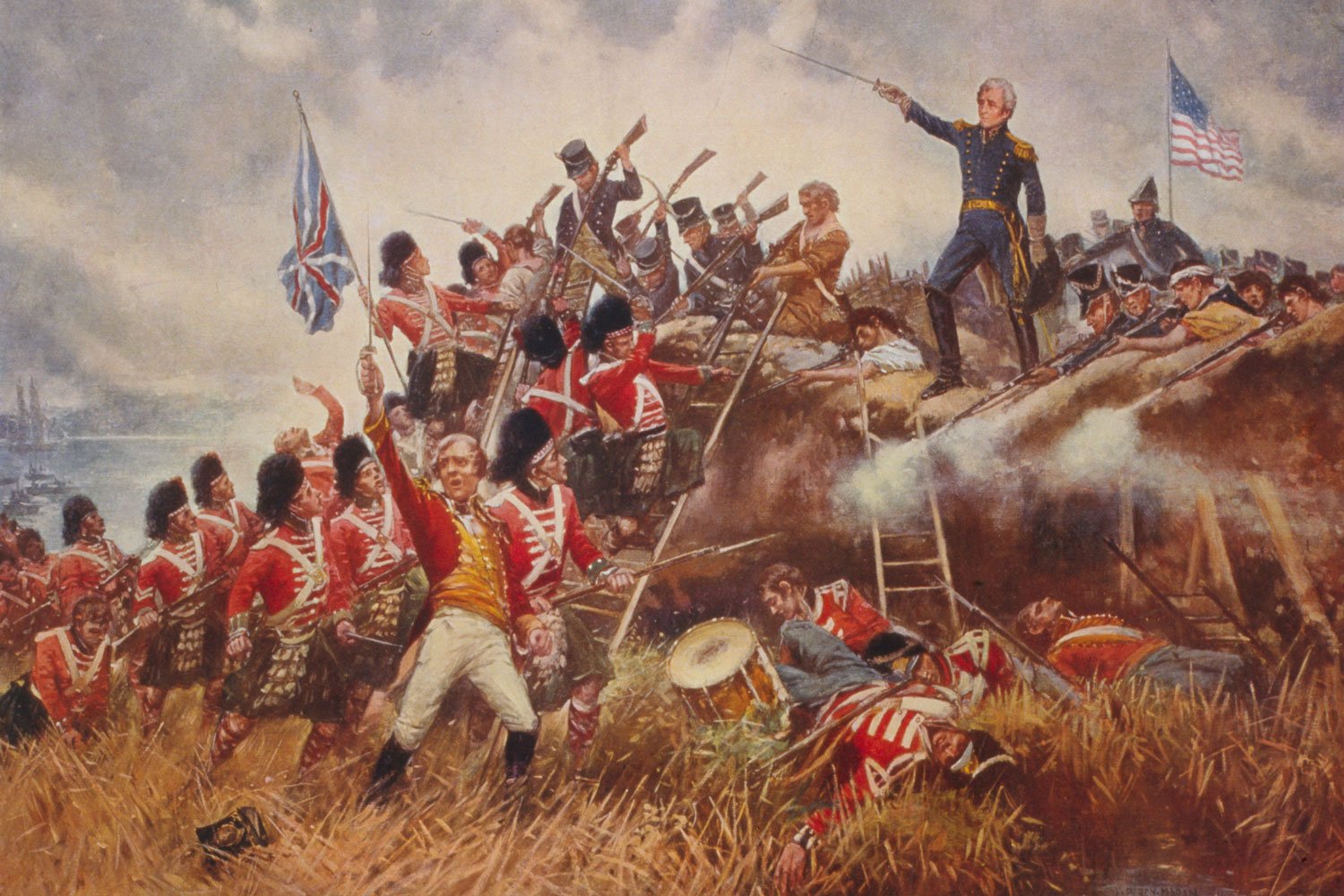
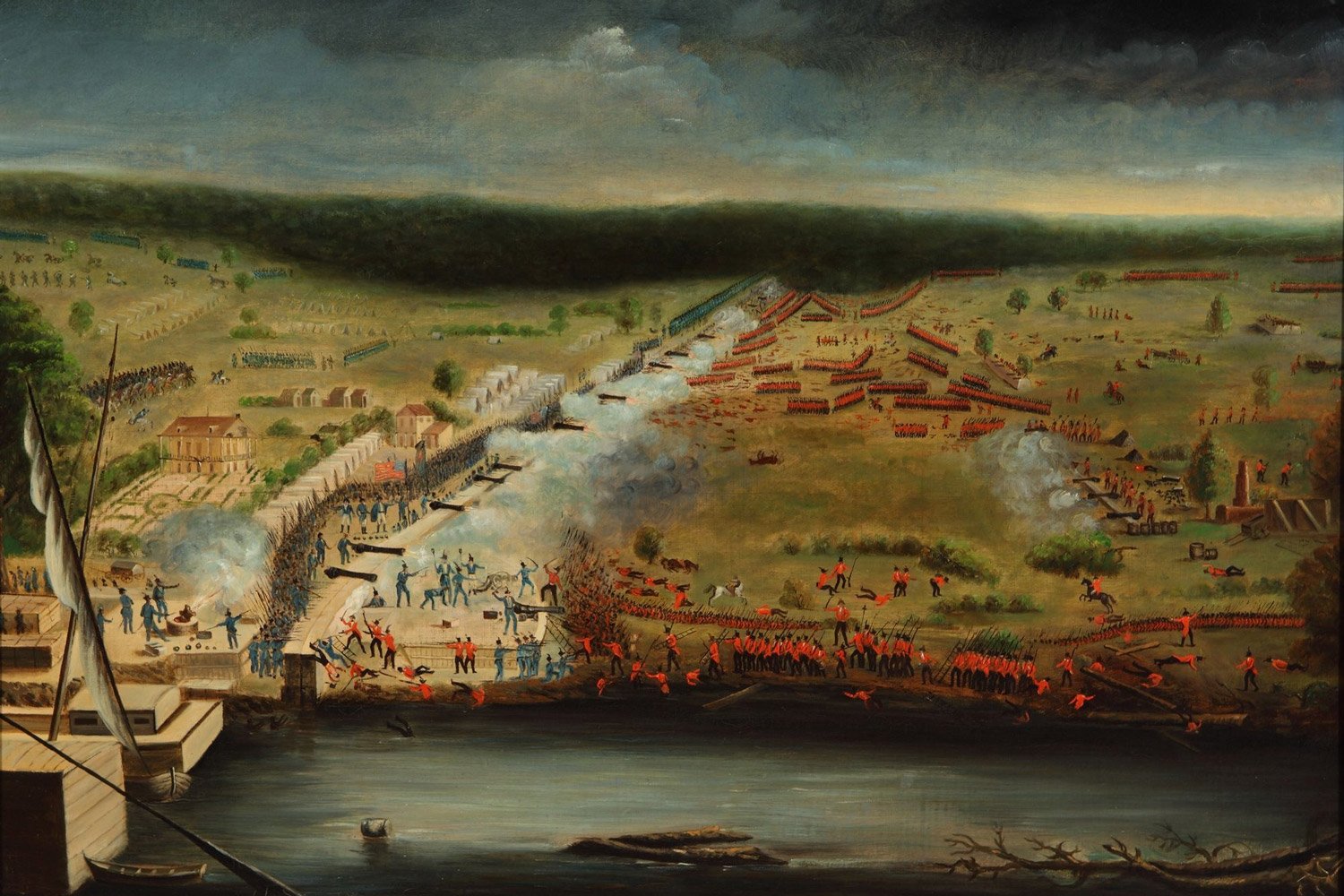
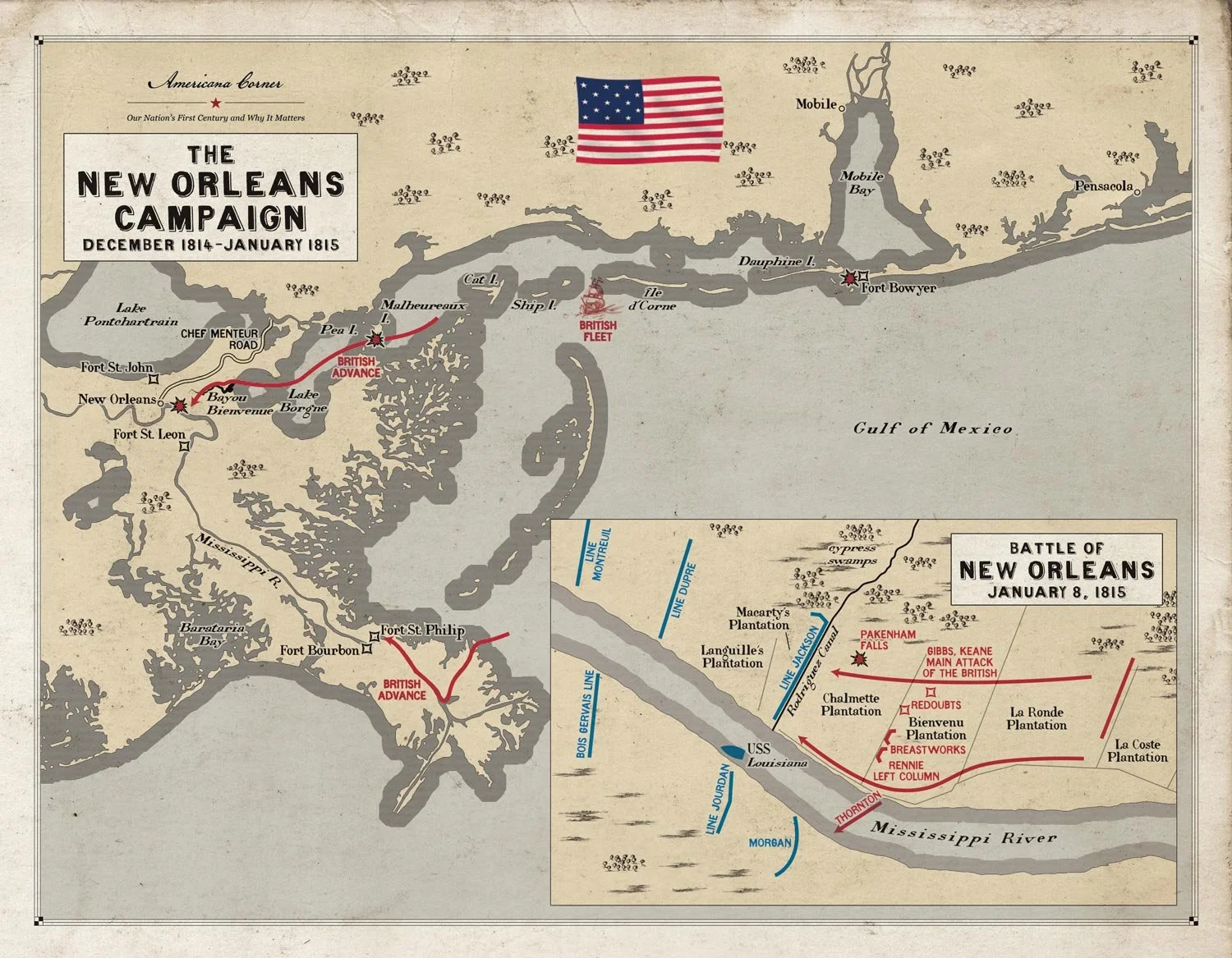
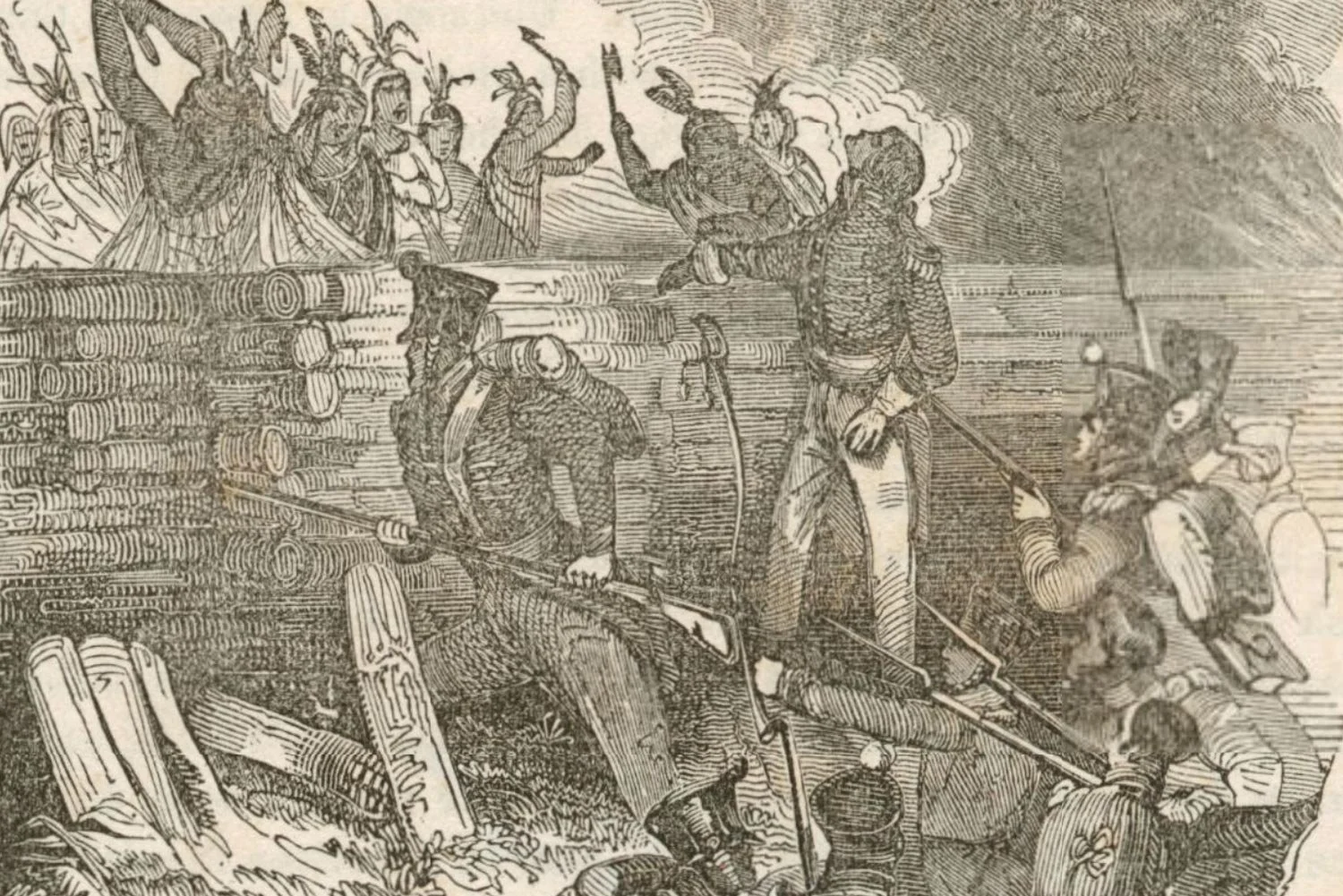
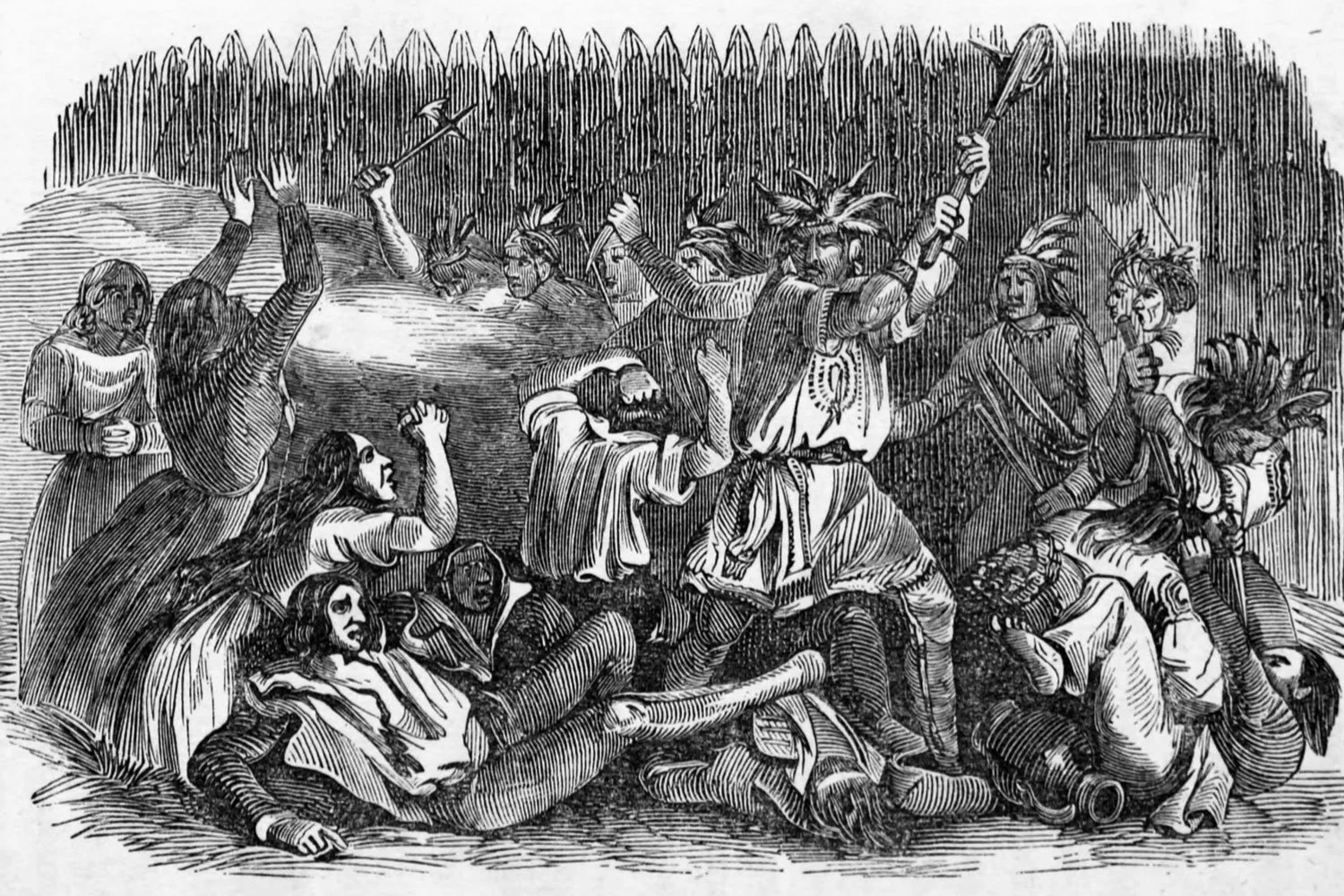
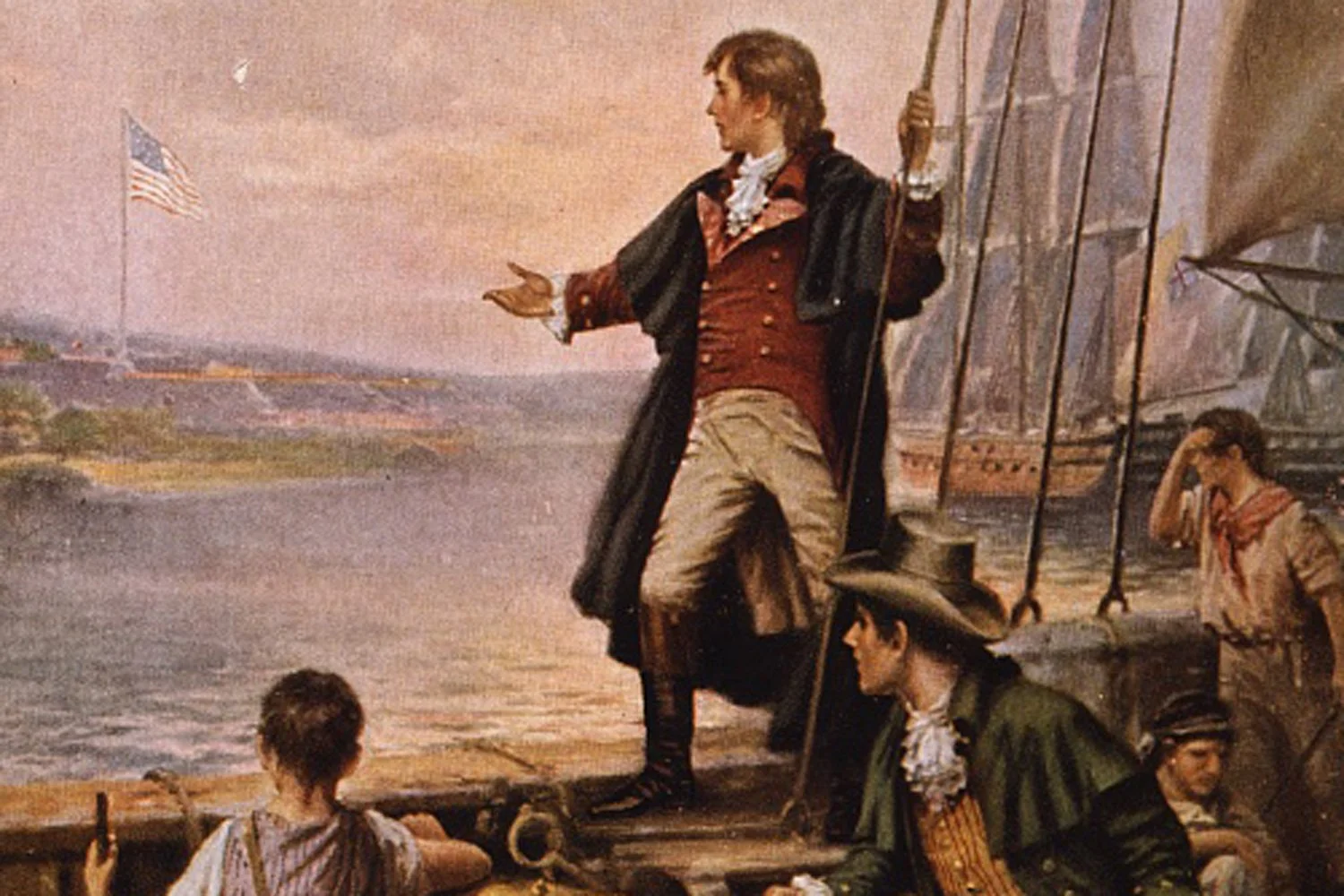
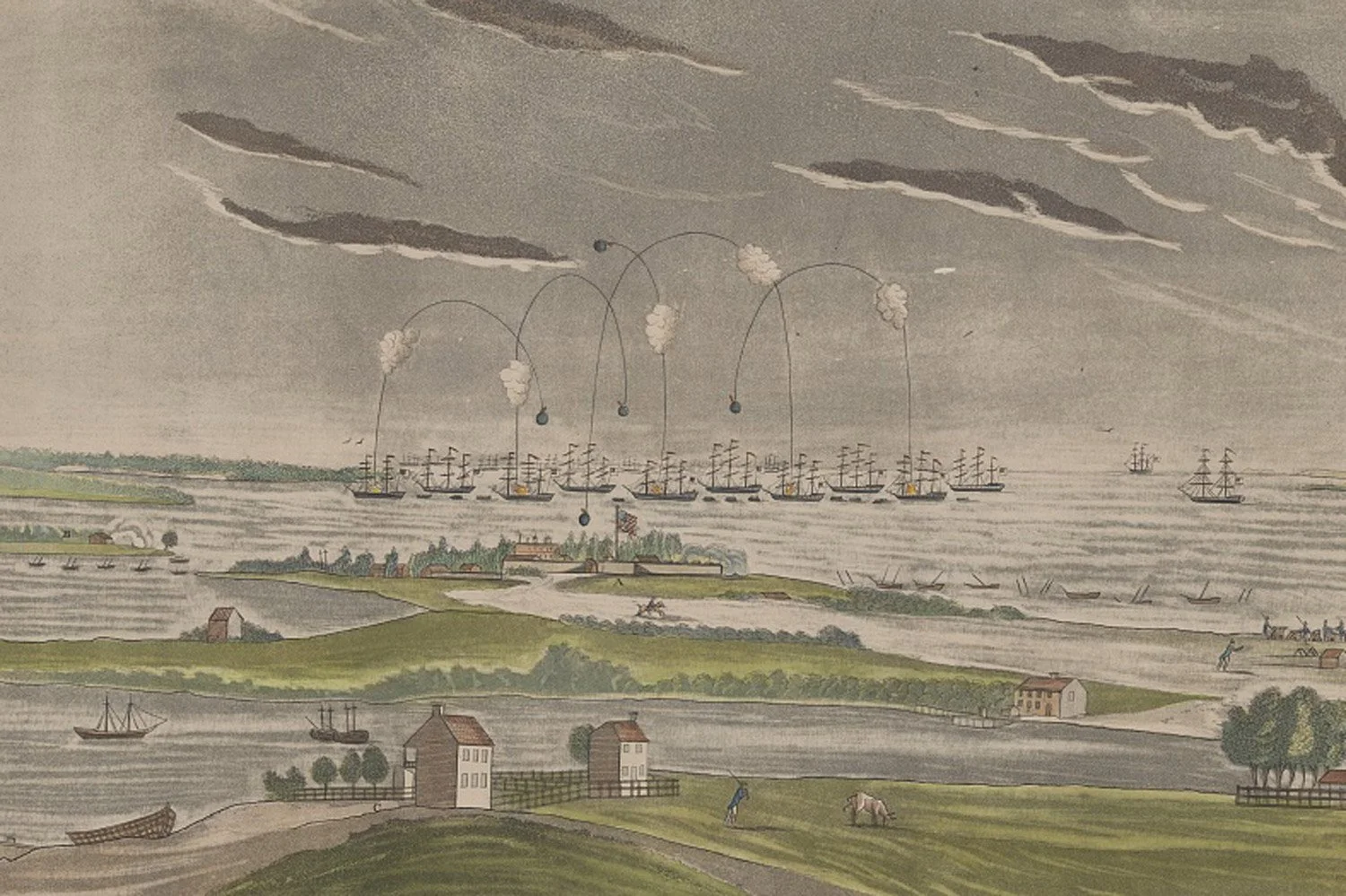
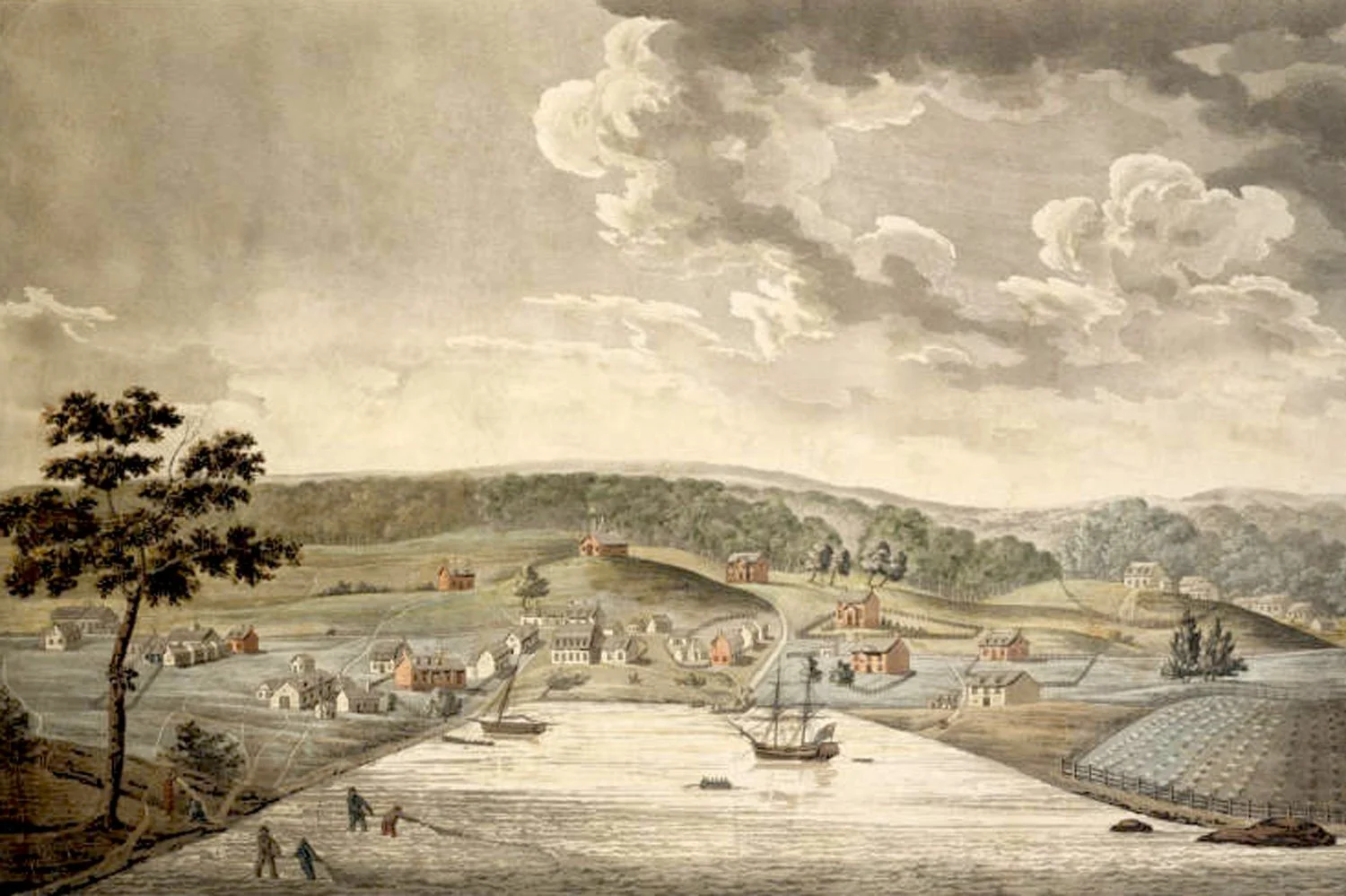
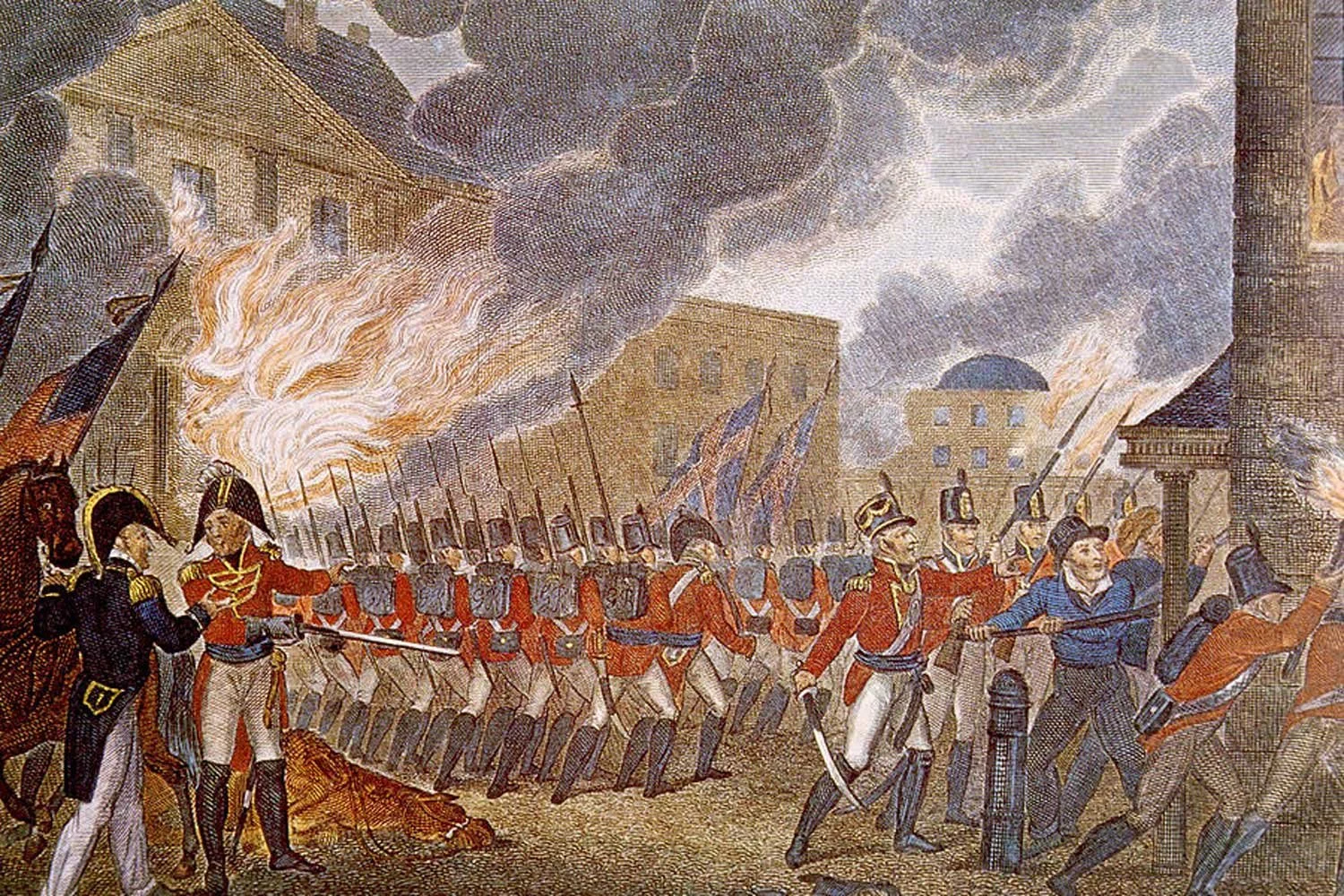
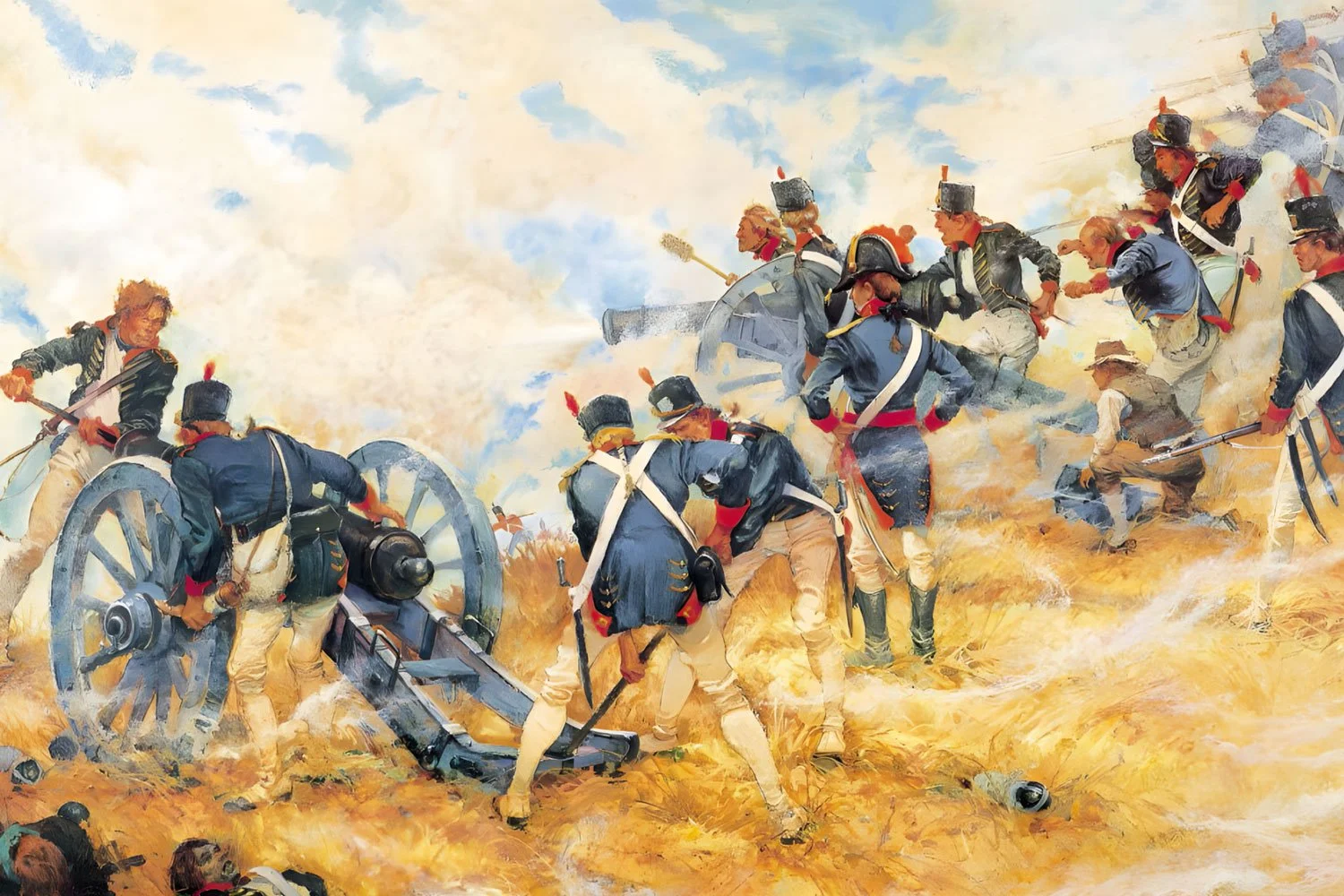
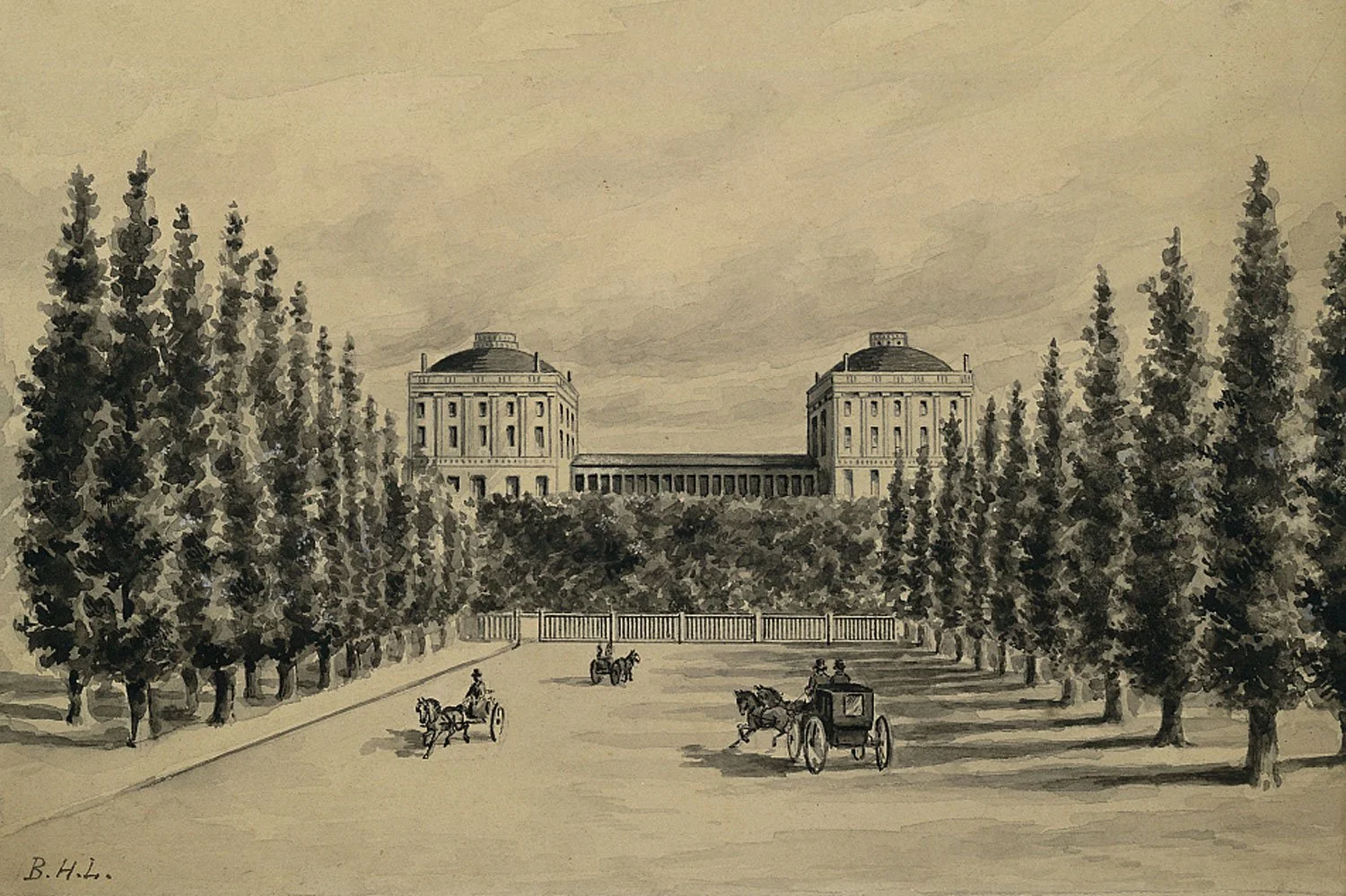

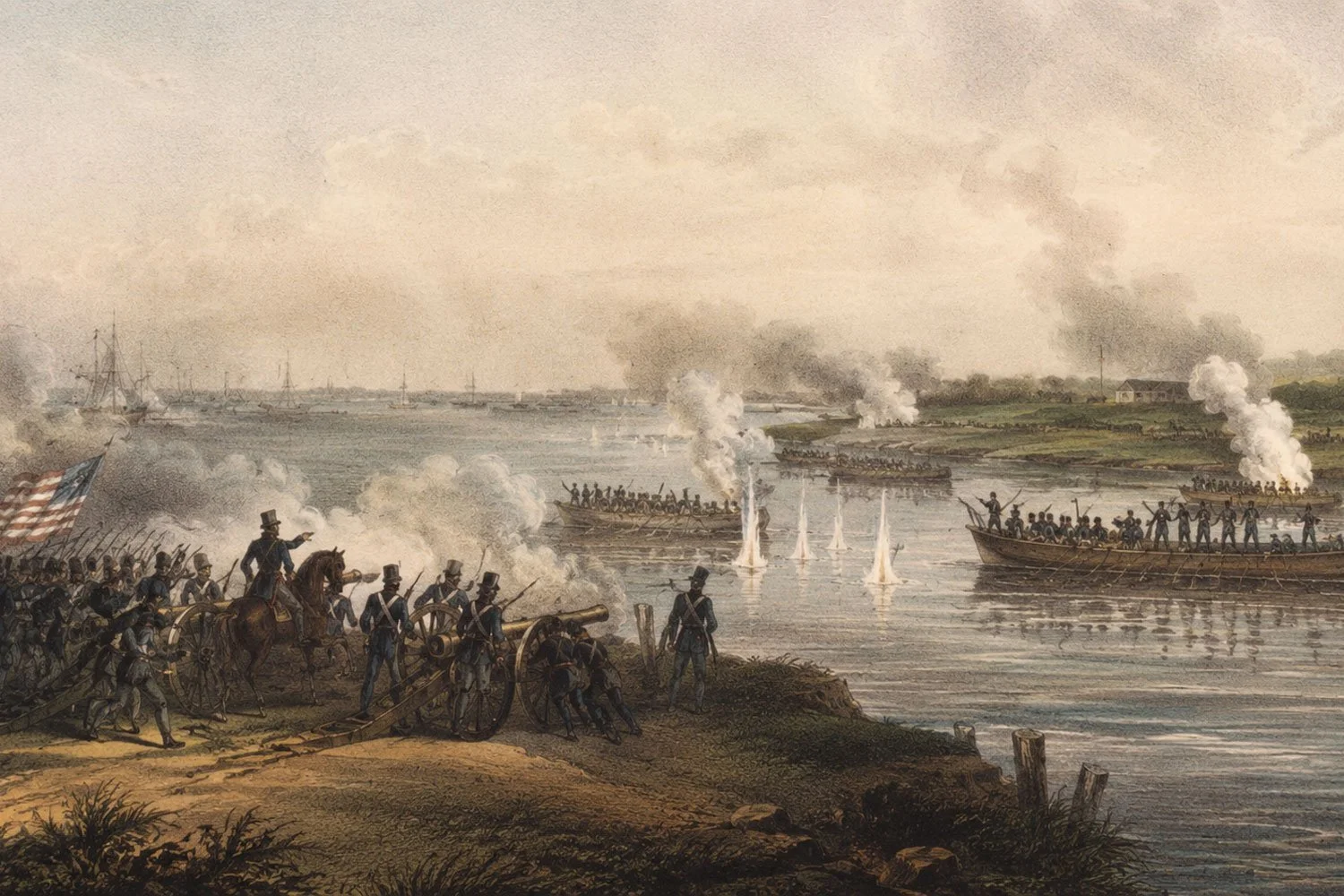
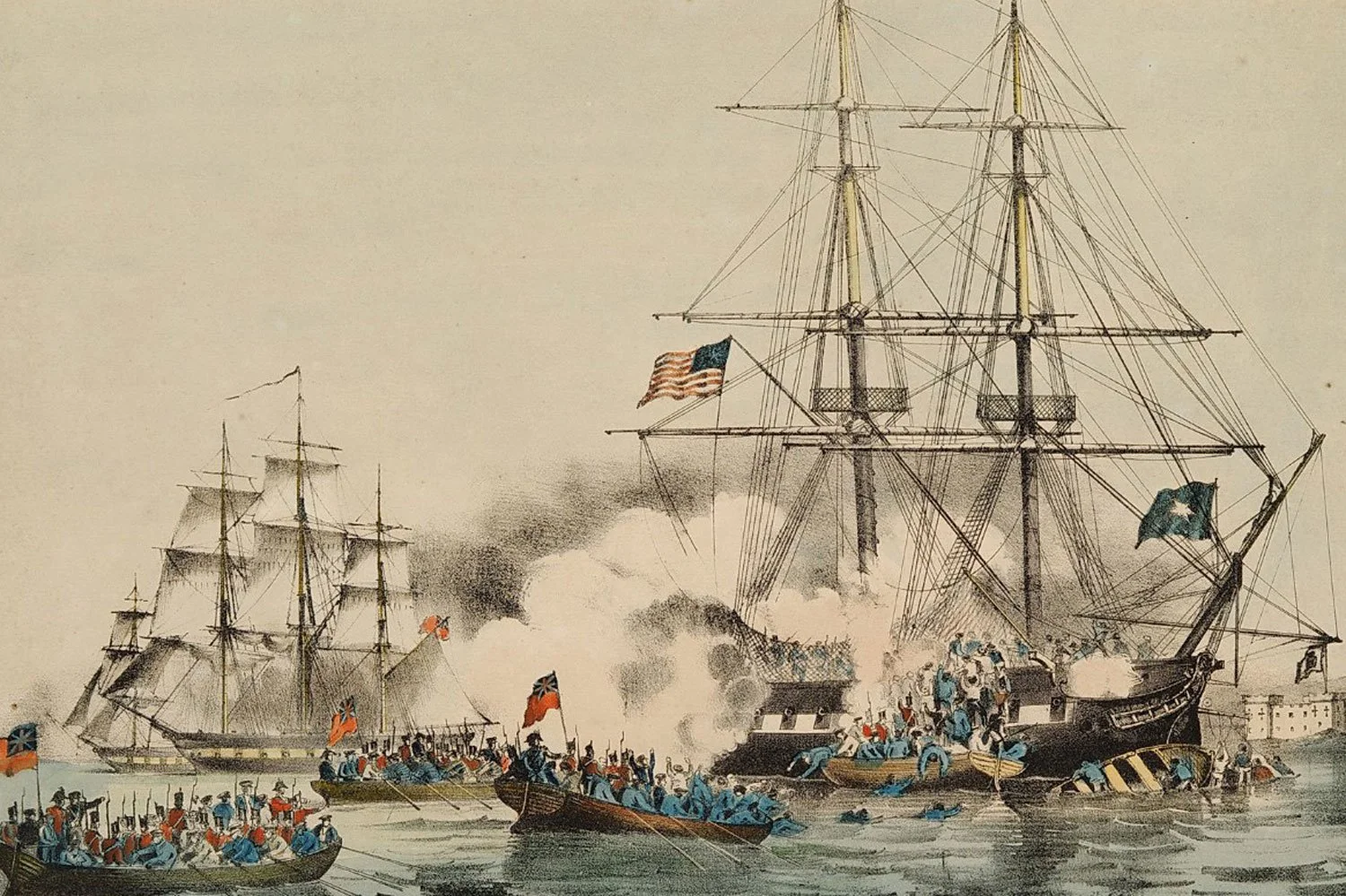
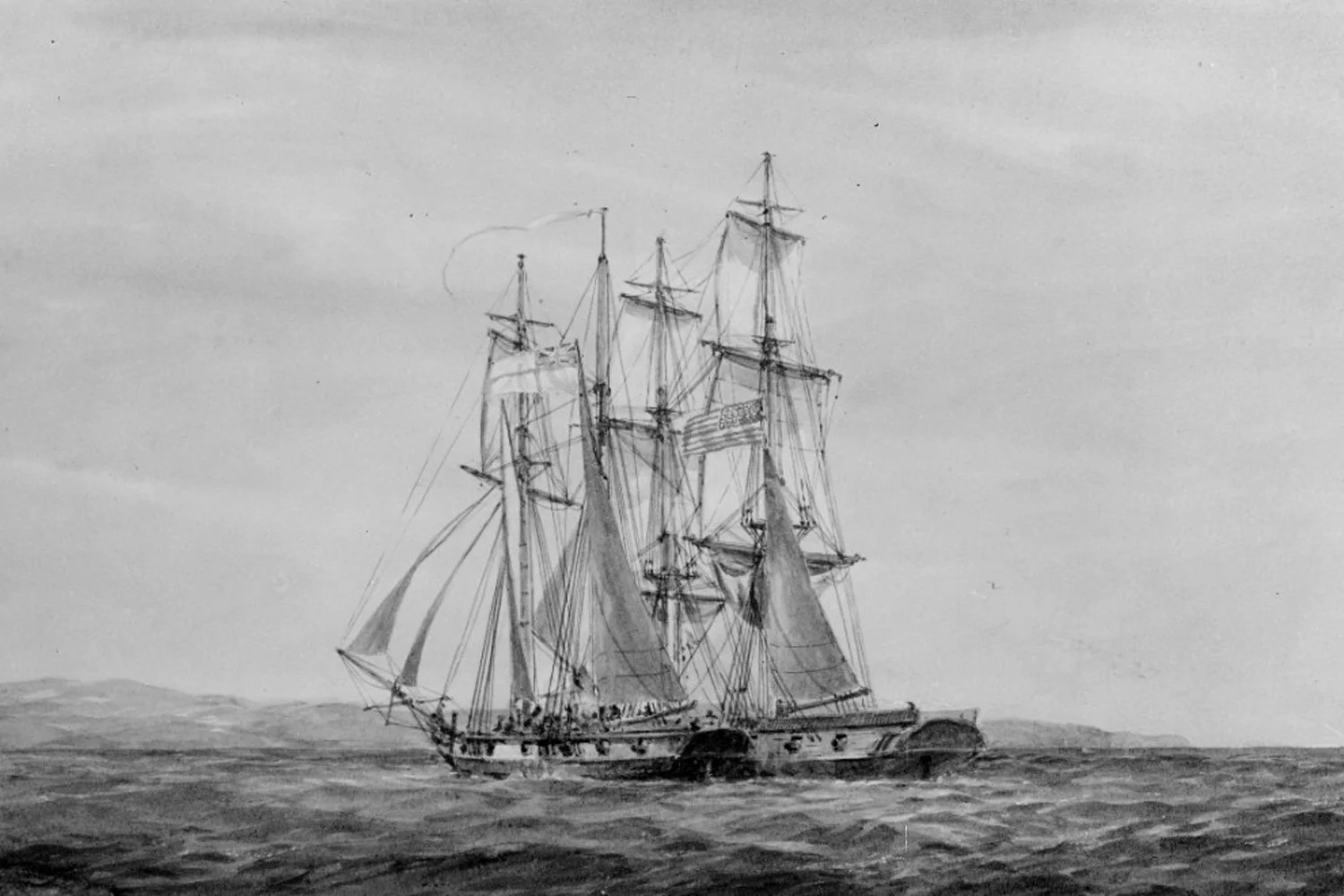
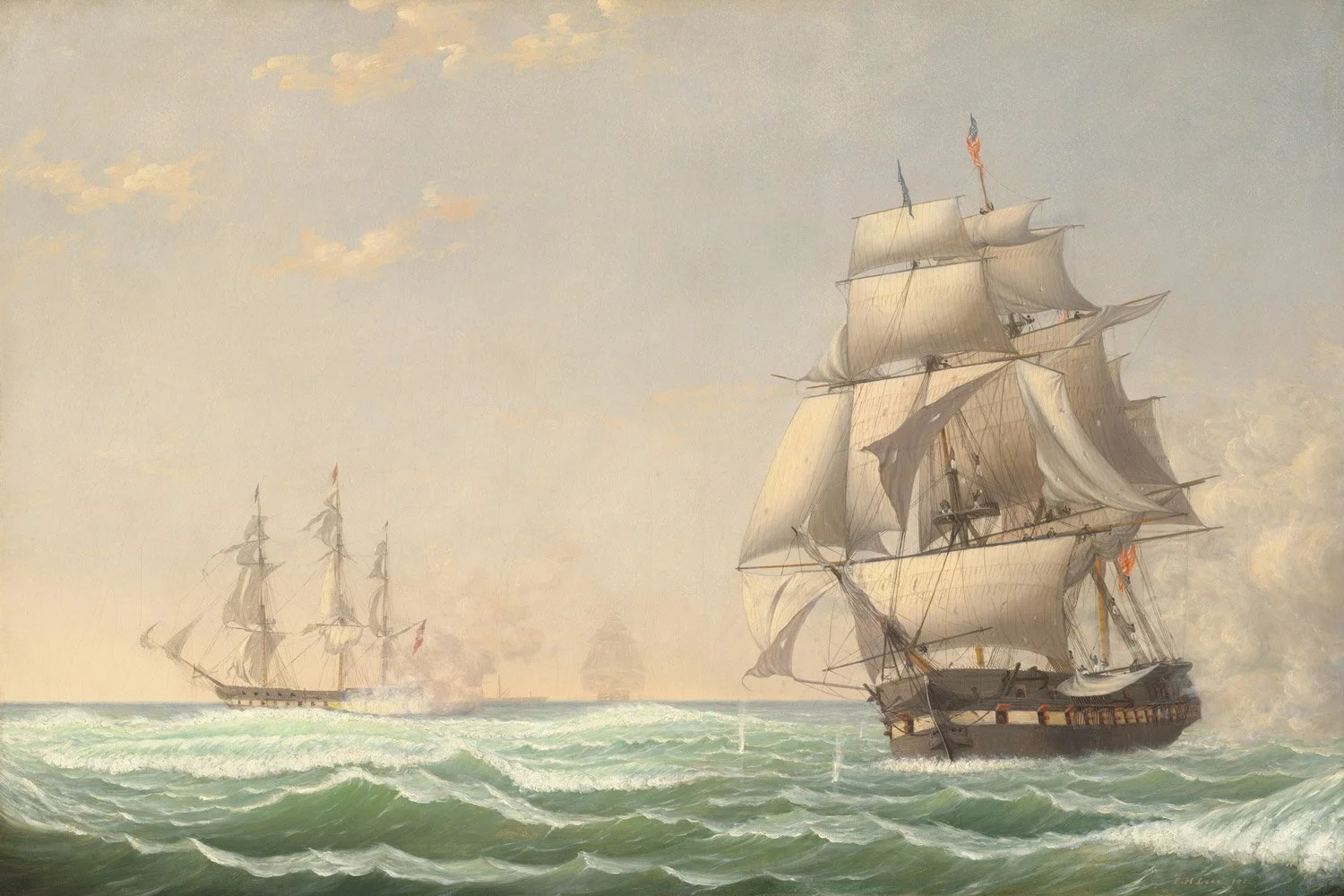
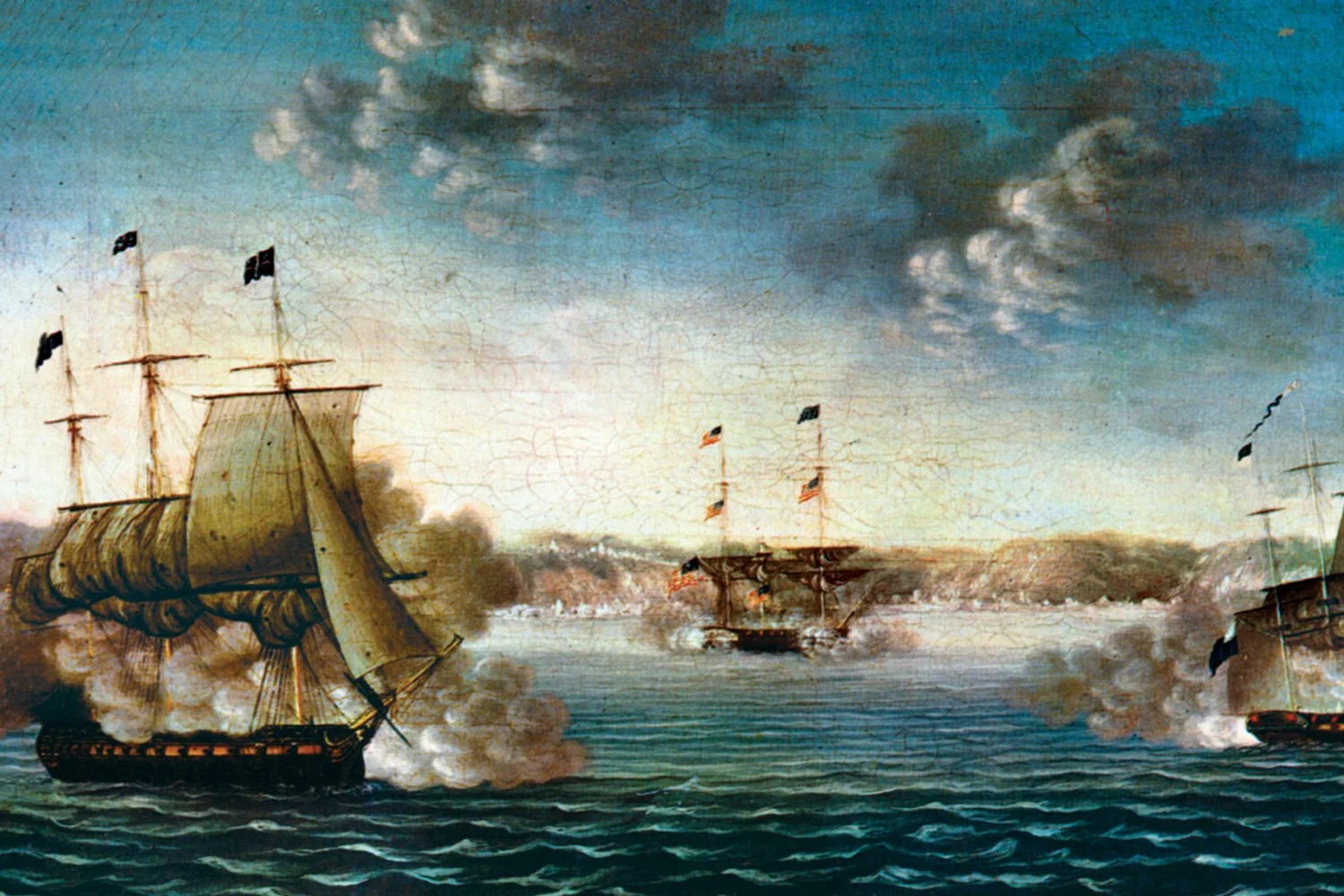
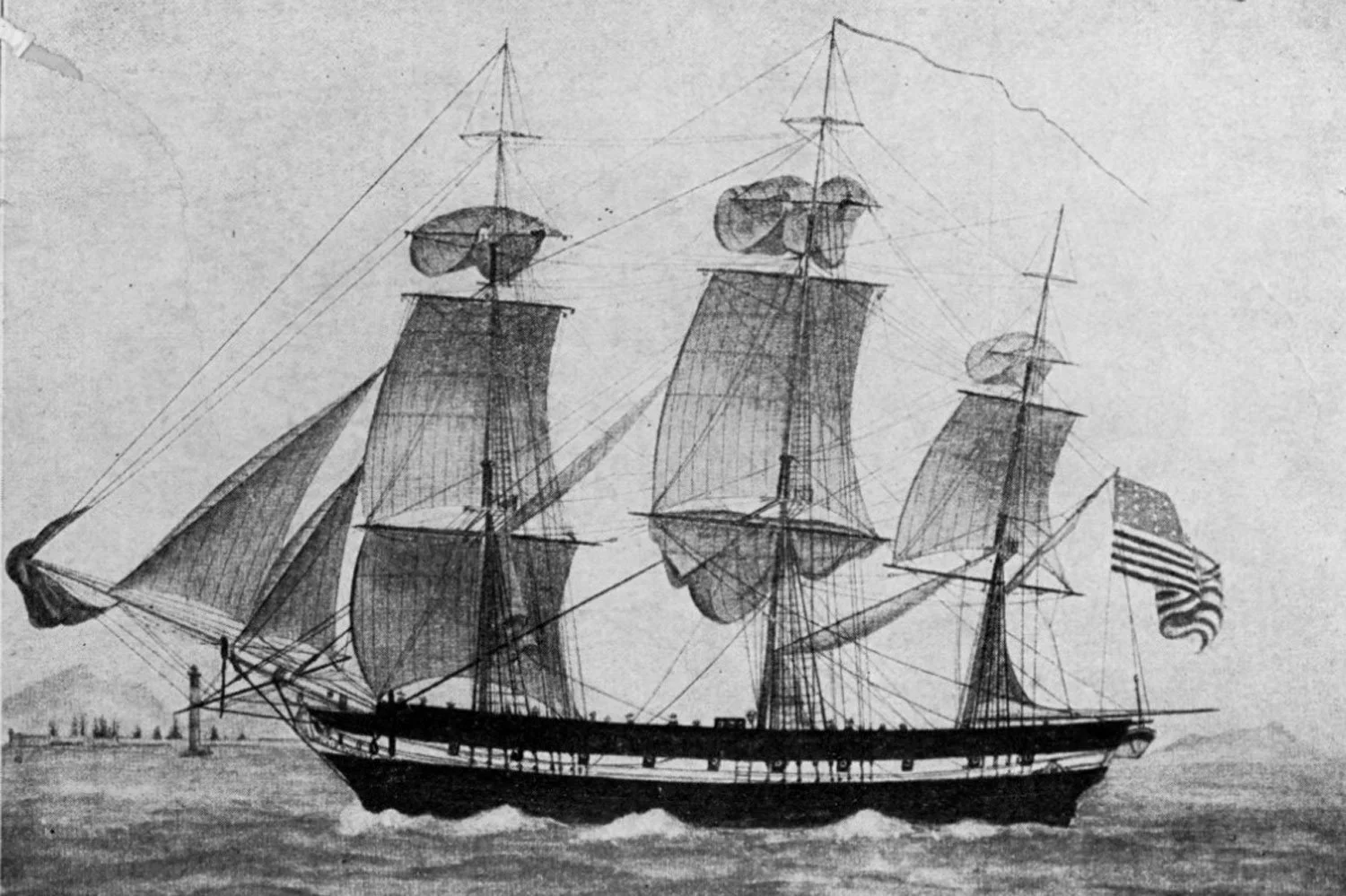
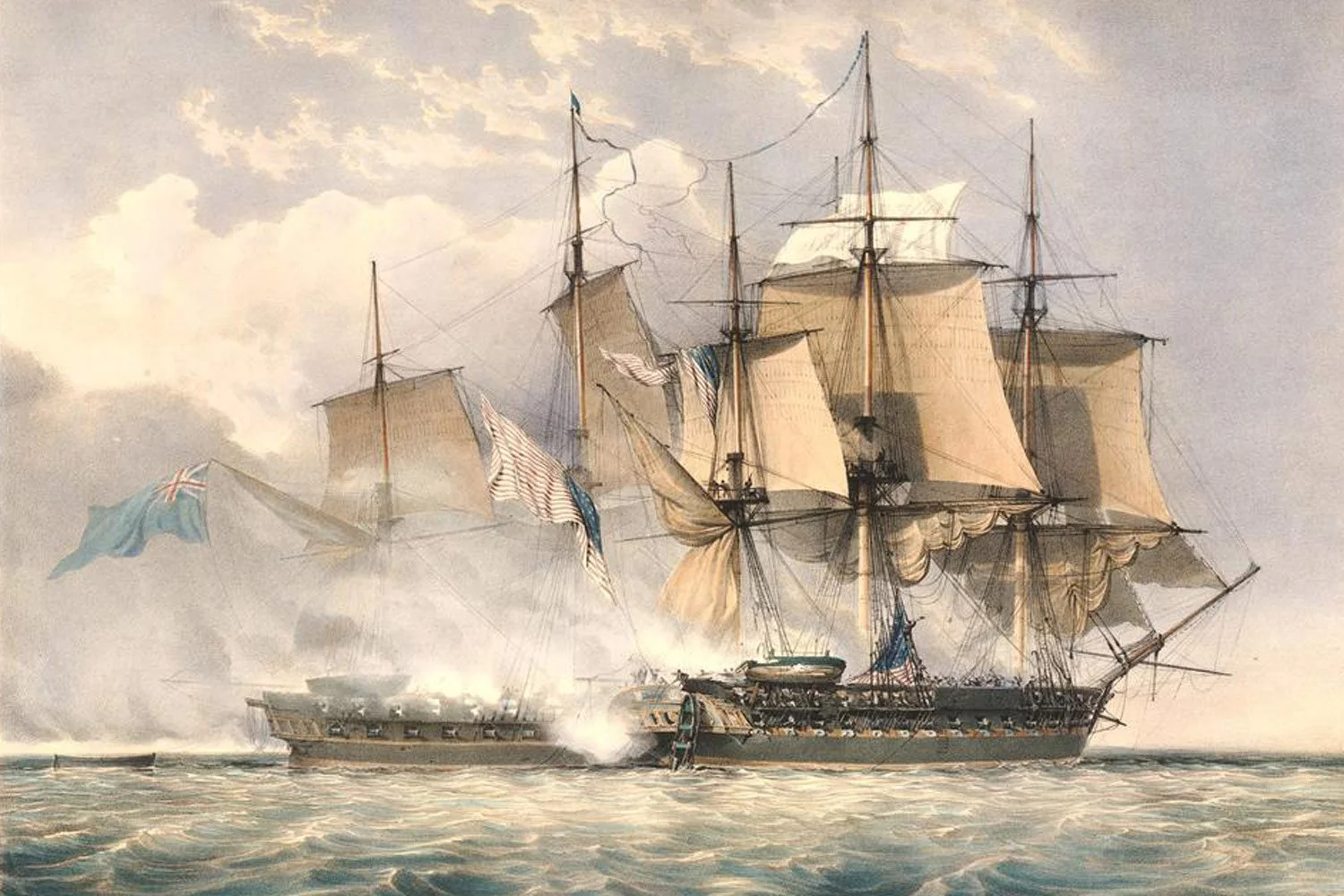
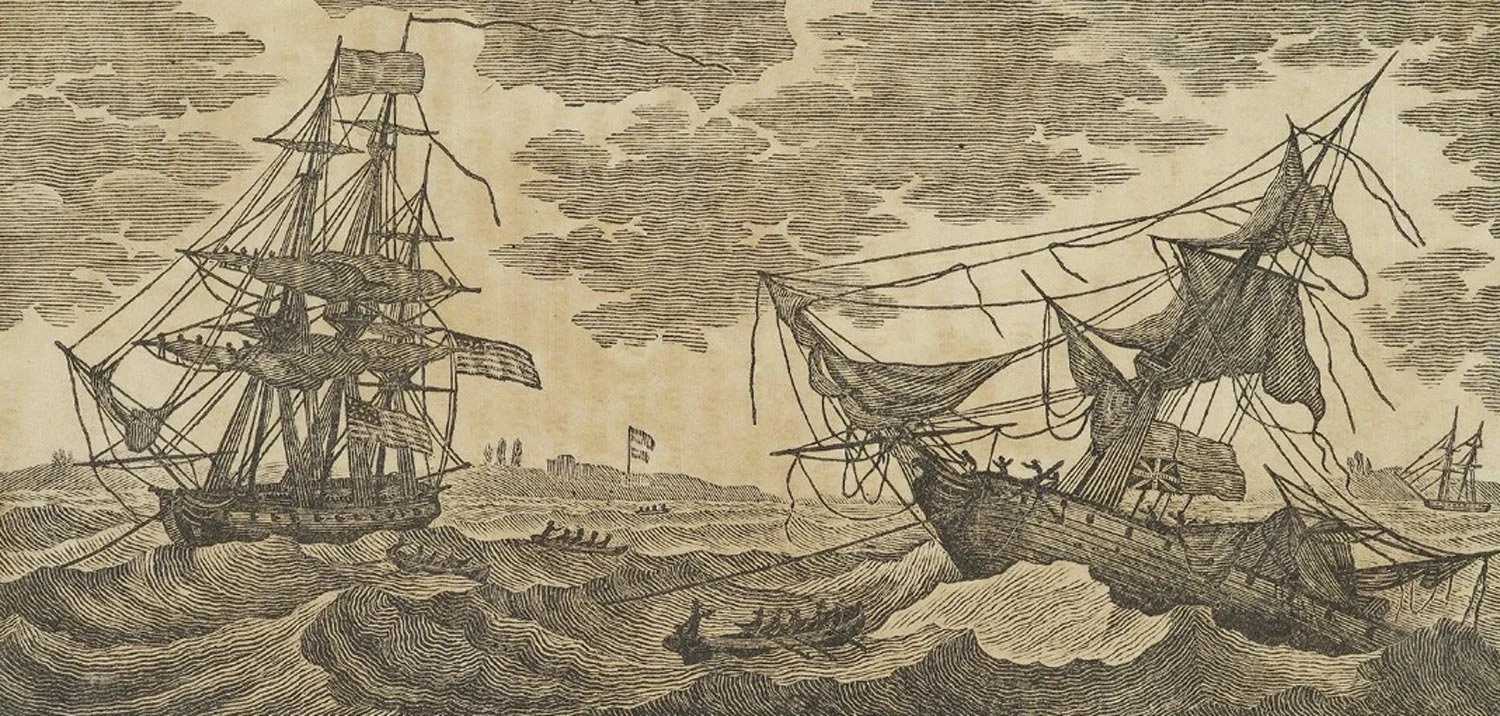
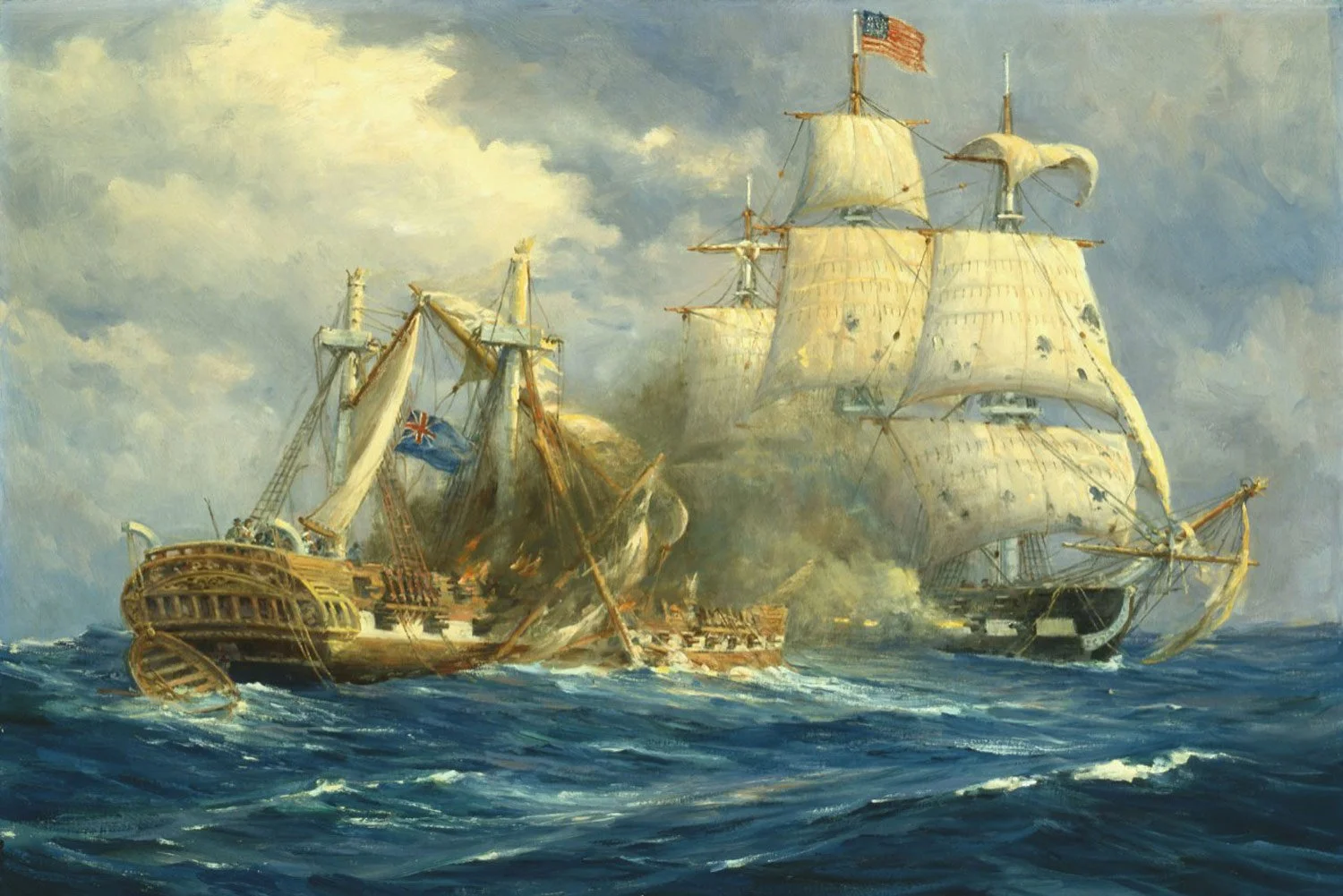
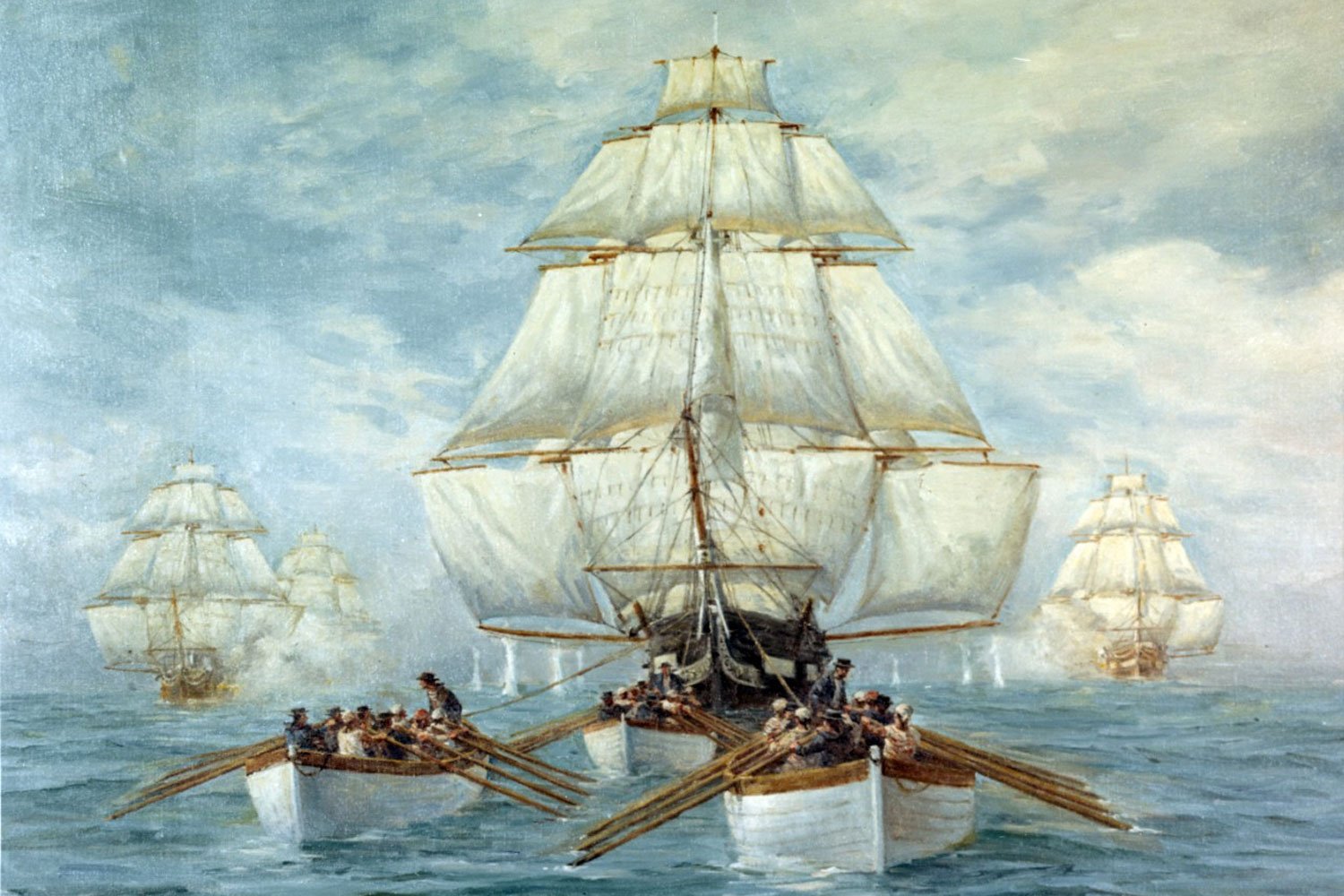
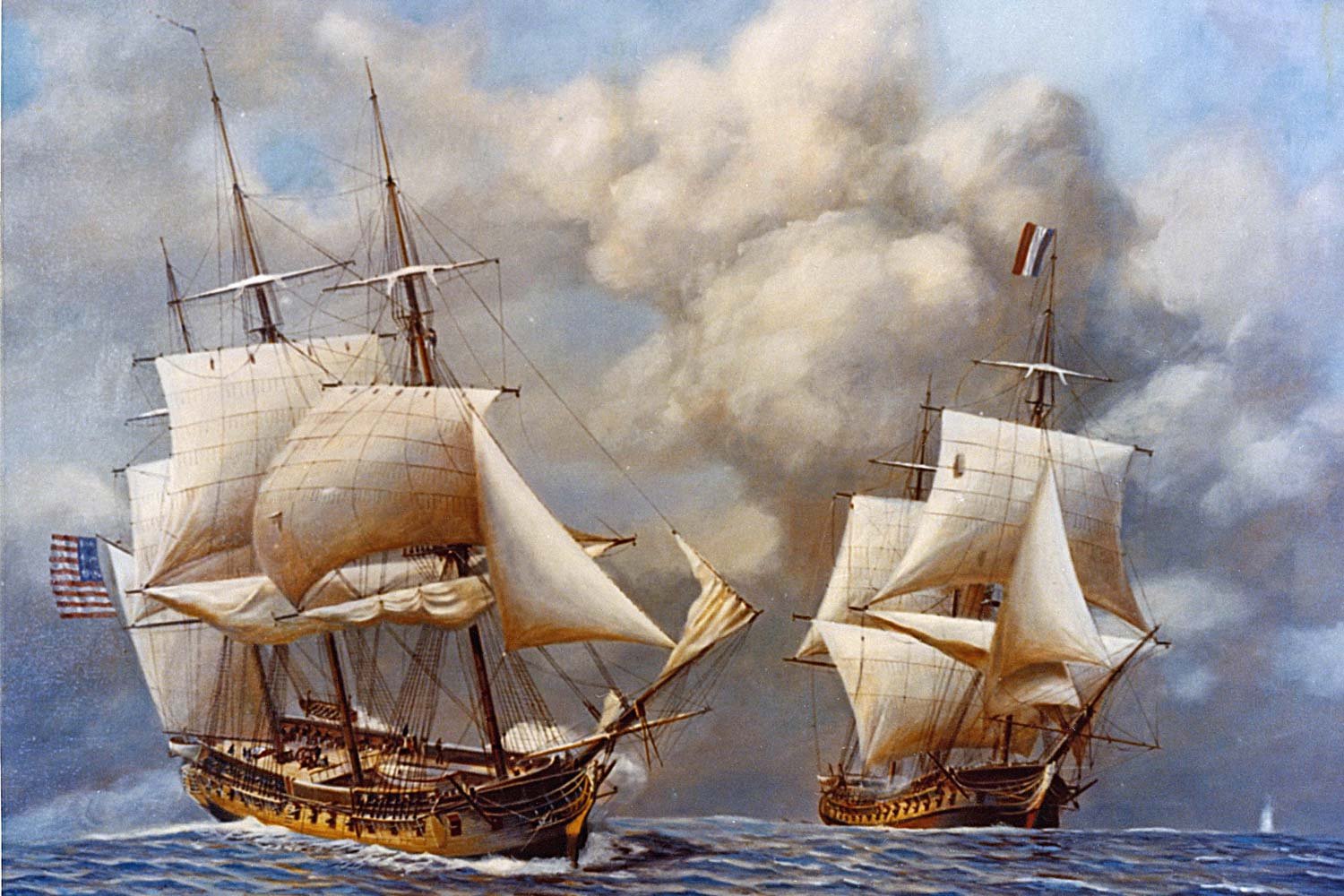
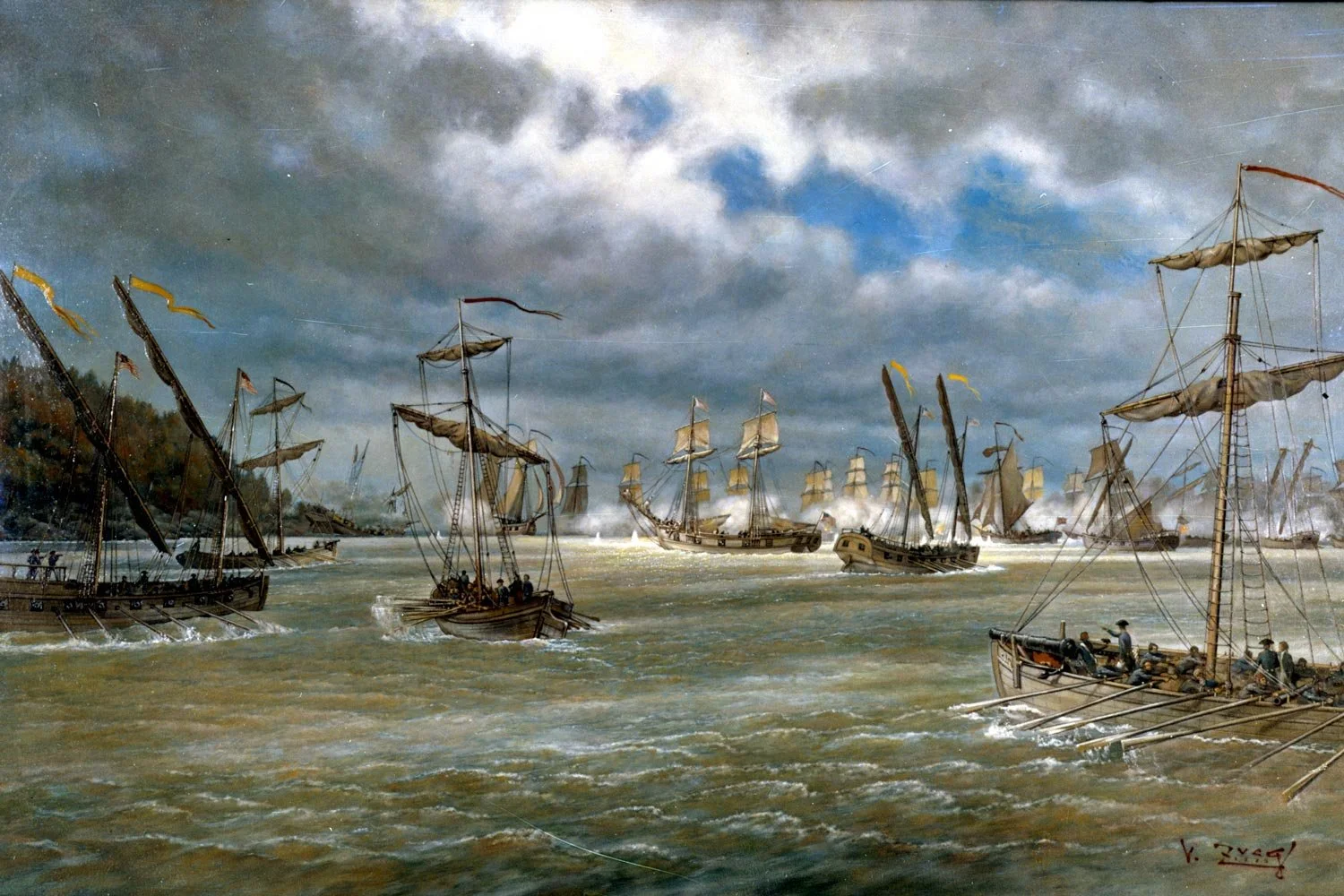
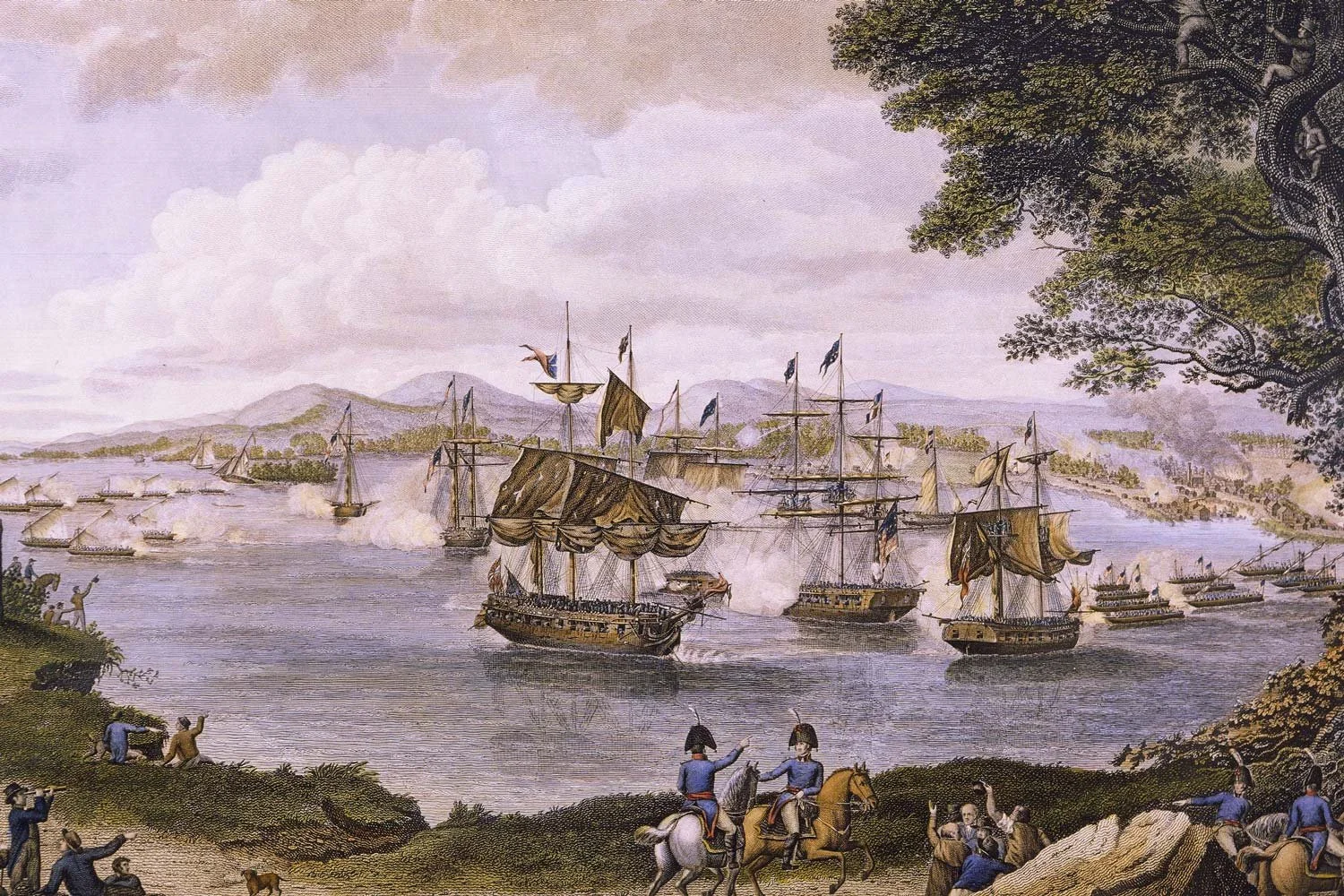
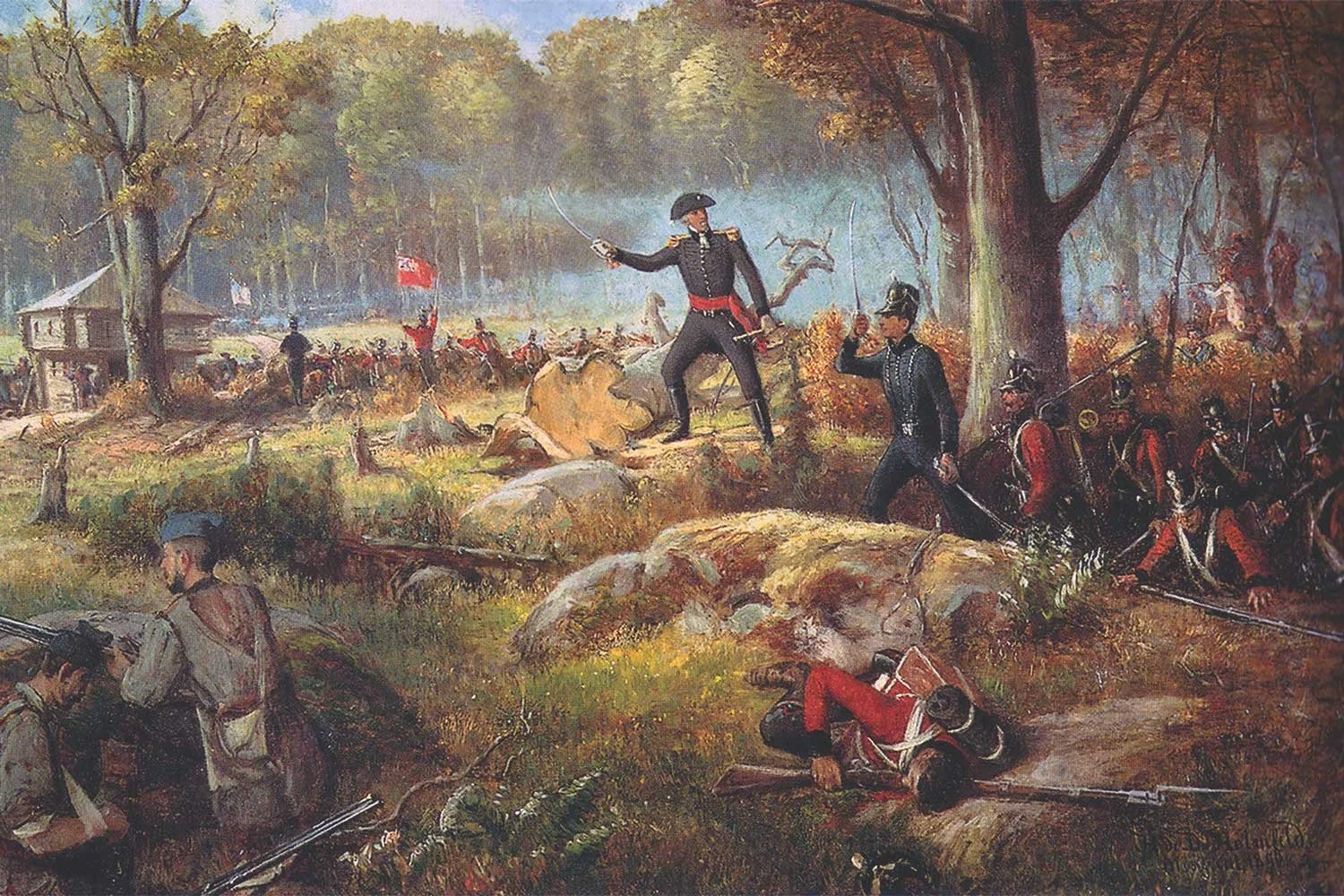
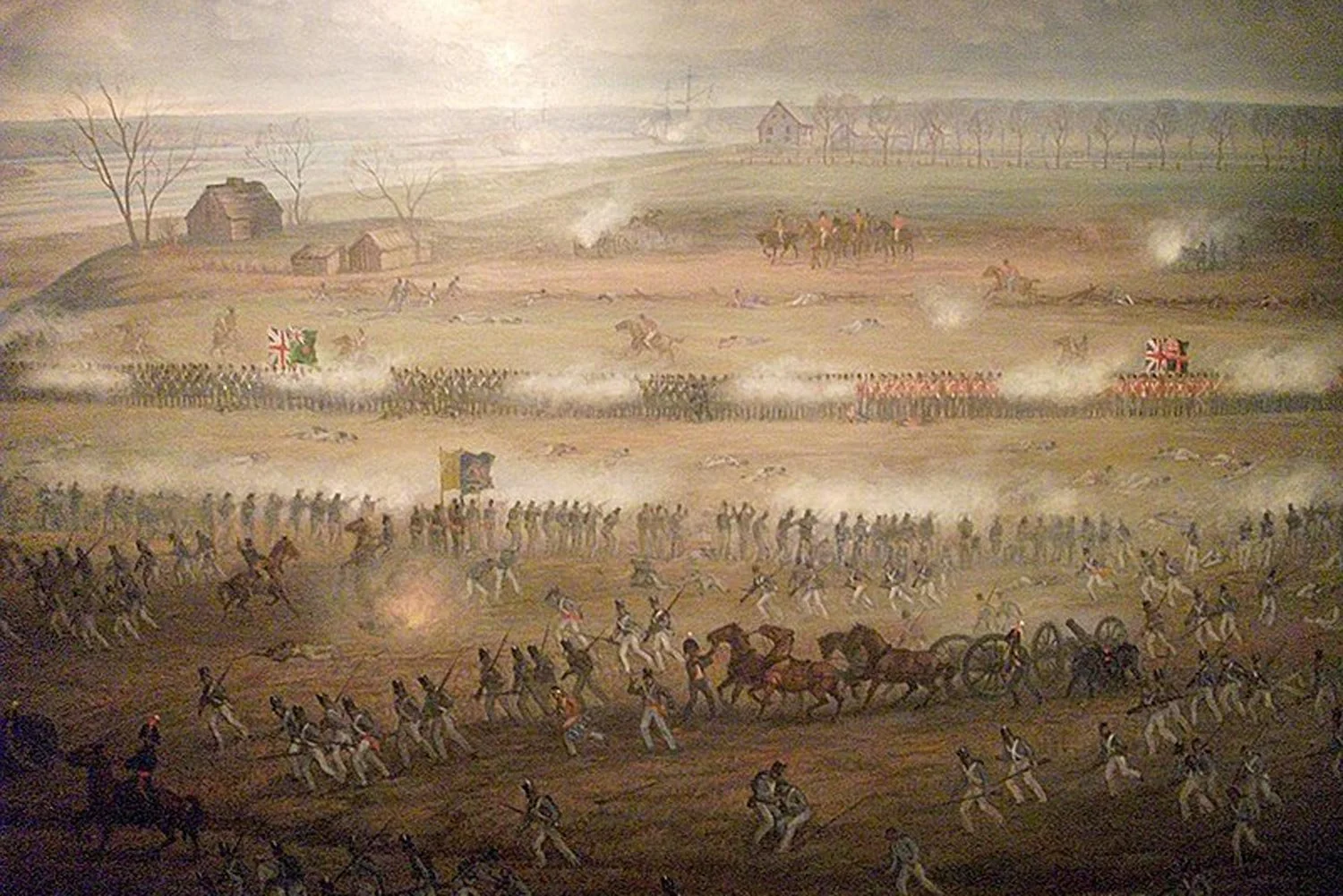
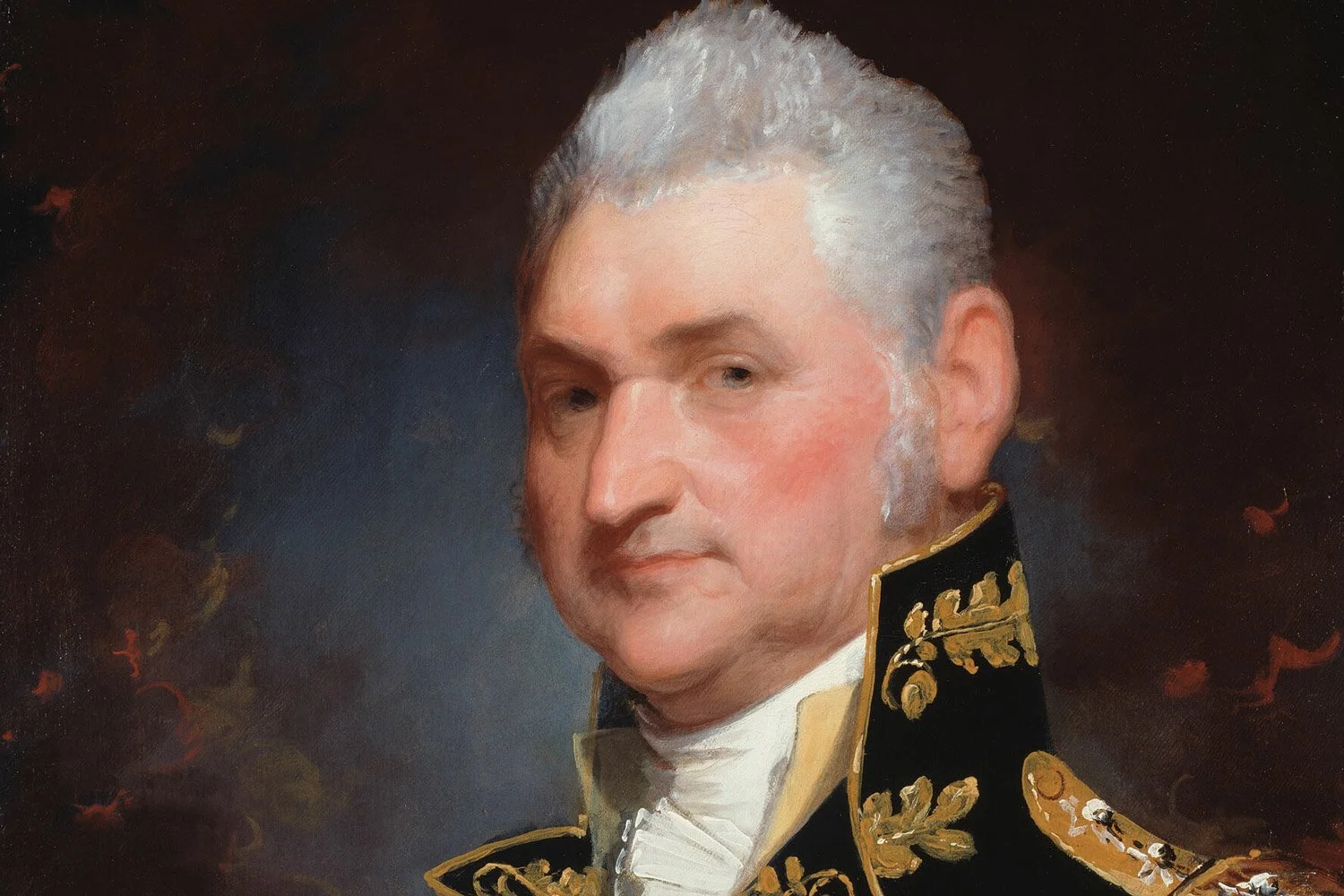
The War of 1812 was arguably the most partisan war in our nation's history, with virtually all Federalists across the country opposing what they dubbed “Mr. Madison’s War” and all Republicans supporting it. This difference in sentiment was pronounced and led to many ugly confrontations such as the Baltimore riots of 1812. But nowhere was opposition to the war more strongly manifested than in New England, the last bastion of the Federalist party.