
Road to War, Part 7: Madison Changes Sides
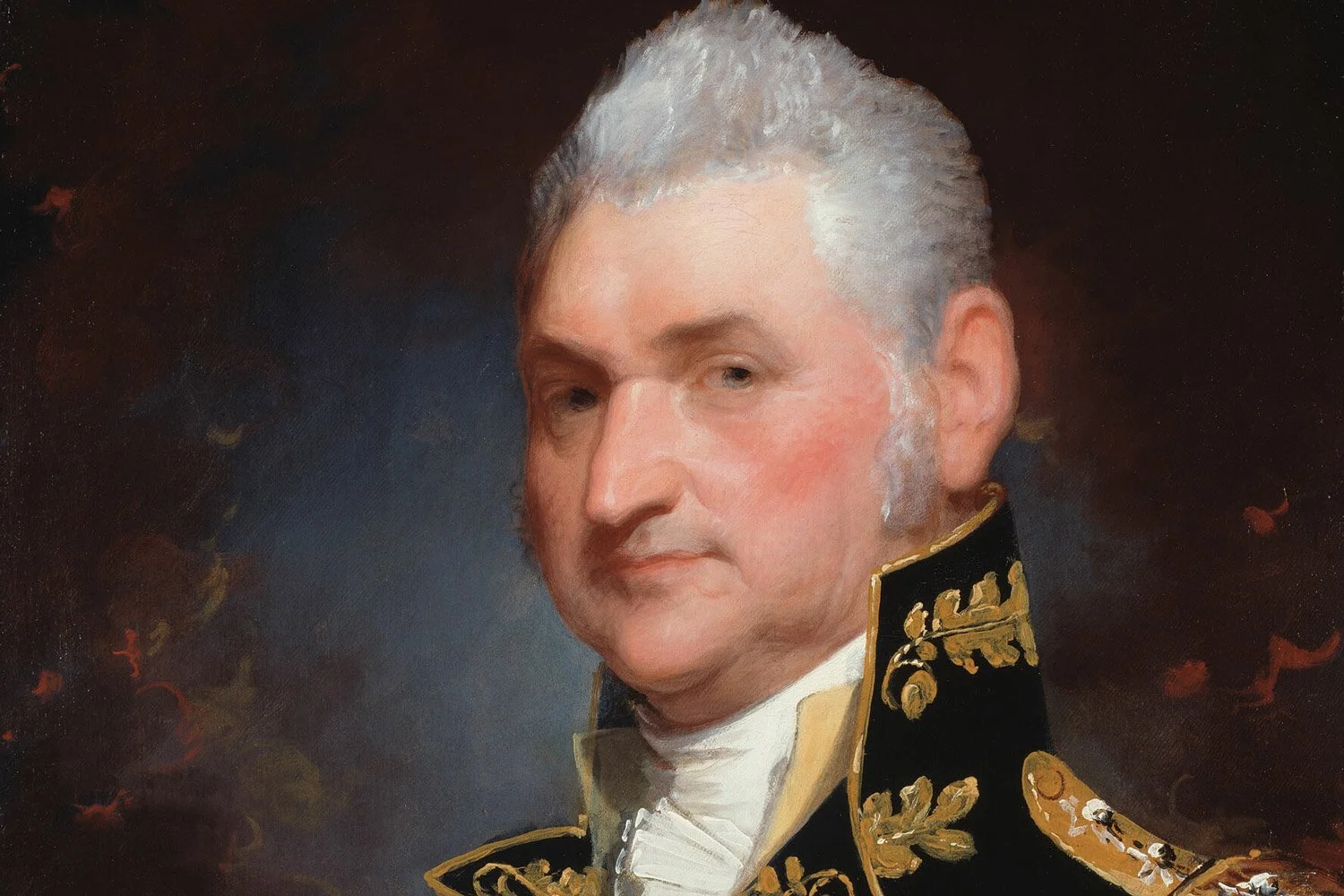
In February 1789, James Madison was elected to the House of Representatives for the first Congress under the Constitution. Besides leading the House, Madison helped shape the Washington administration, drafting President Washington’s inaugural address and recommending Alexander Hamilton for Secretary of the Treasury and Thomas Jefferson for Secretary of State. But a break soon developed between the Madison-Jefferson faction, known as Democratic-Republicans, and Washington’s Federalist administration over Hamilton's plan for the national government to assume state debt incurred during the war.
Tom Hand, creator and publisher of Americana Corner, explores the motives behind James Madison’s switch from the Federalists to the Democratic-Republican movement, and why it still matters today.
Images courtesy of the Yale University Art Gallery, Library of Congress, National Gallery of Art, U.S. Senate Collection, National Portrait Gallery - Smithsonian Institution, National Archives, Metropolitan Museum of Art, New York Public Library, Library Company of Philadelphia, U.S. House of Representatives, Wikimedia.
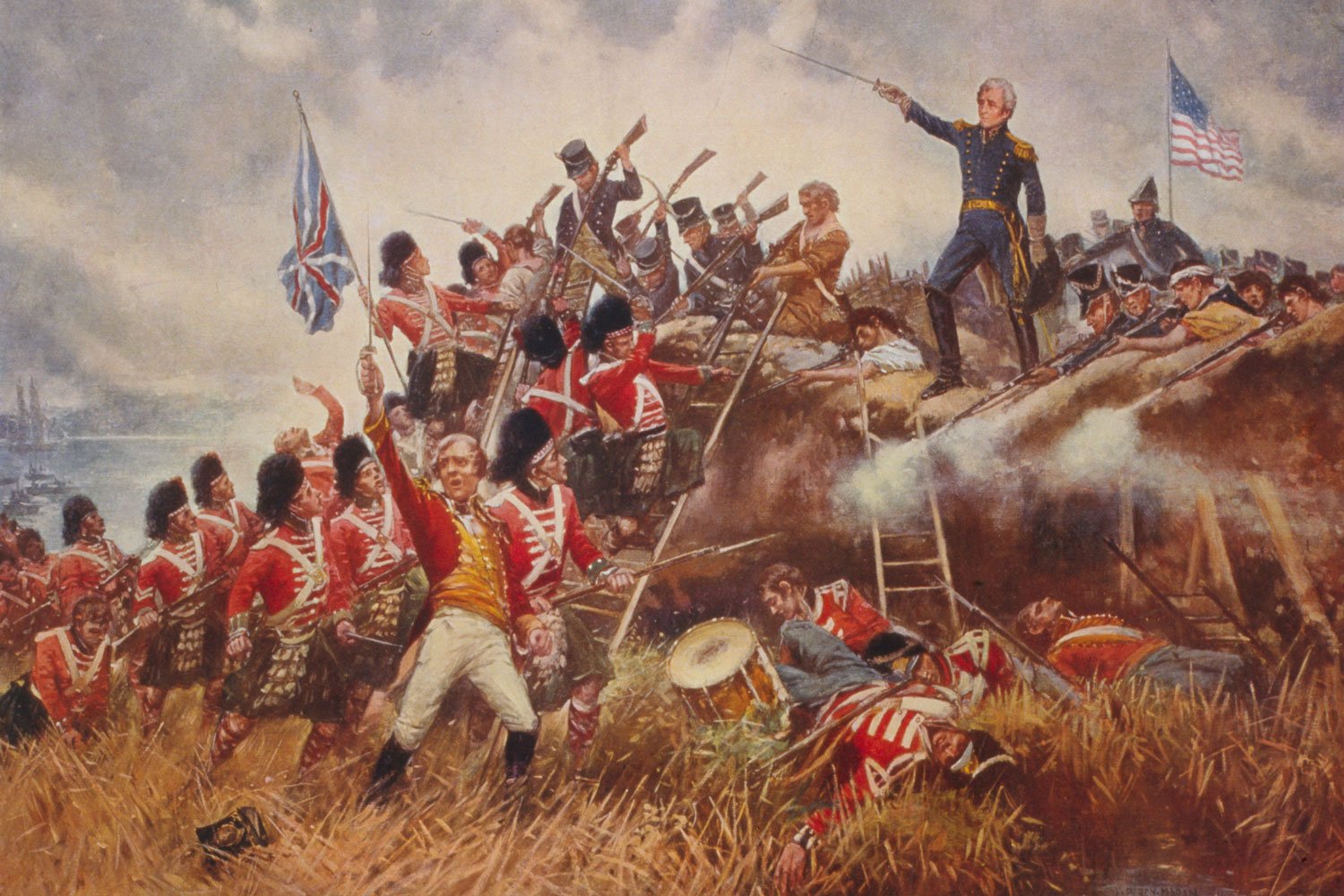
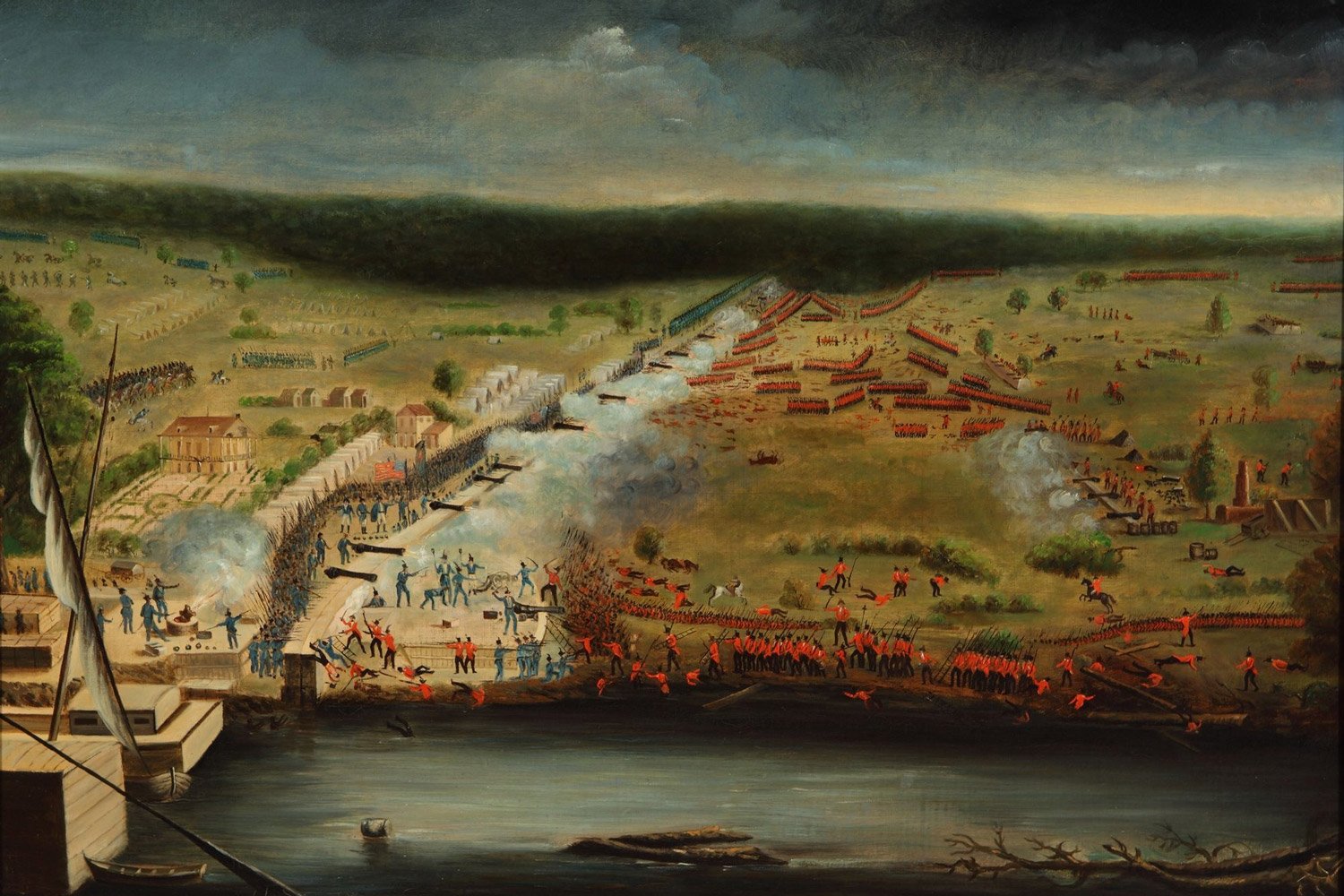
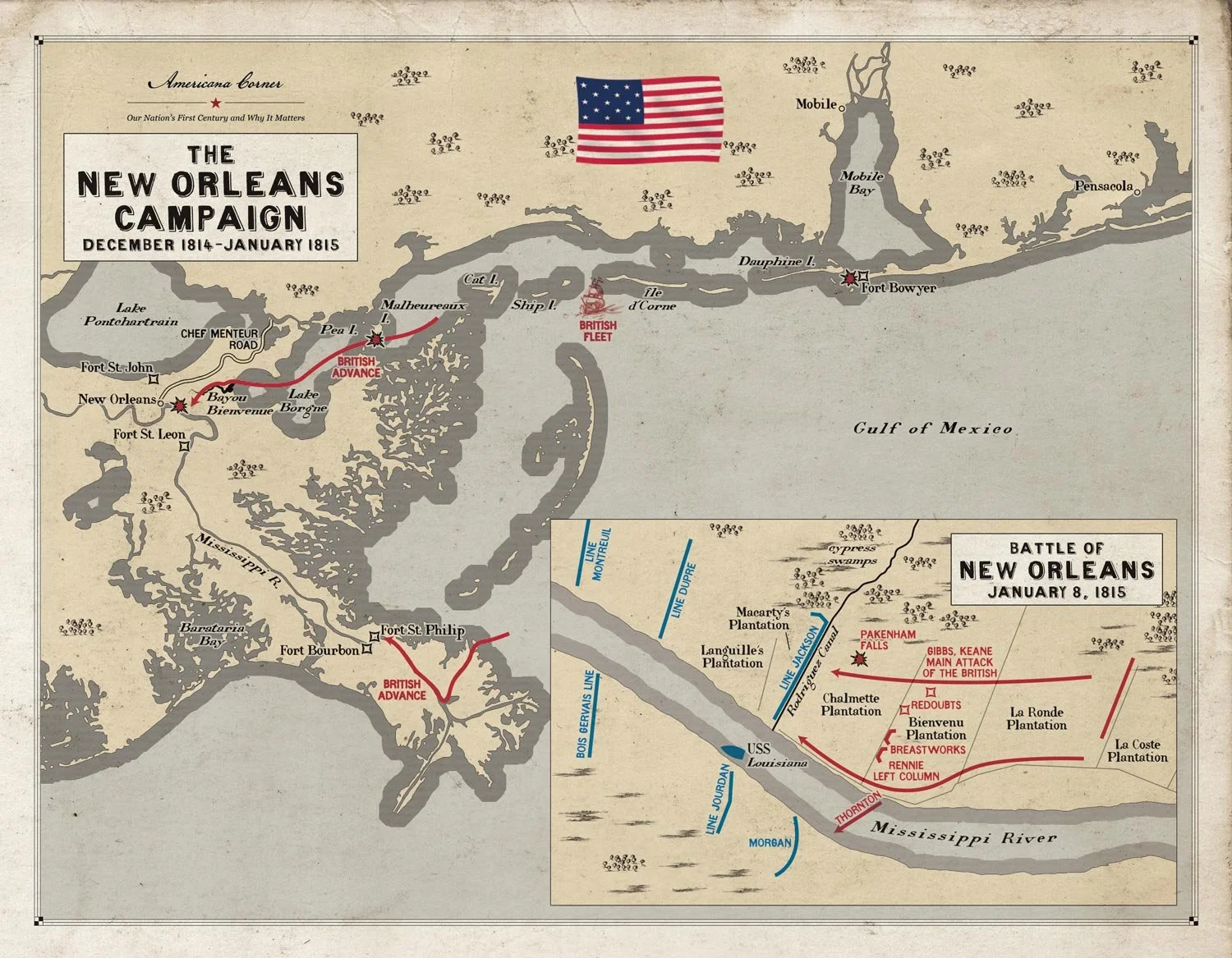
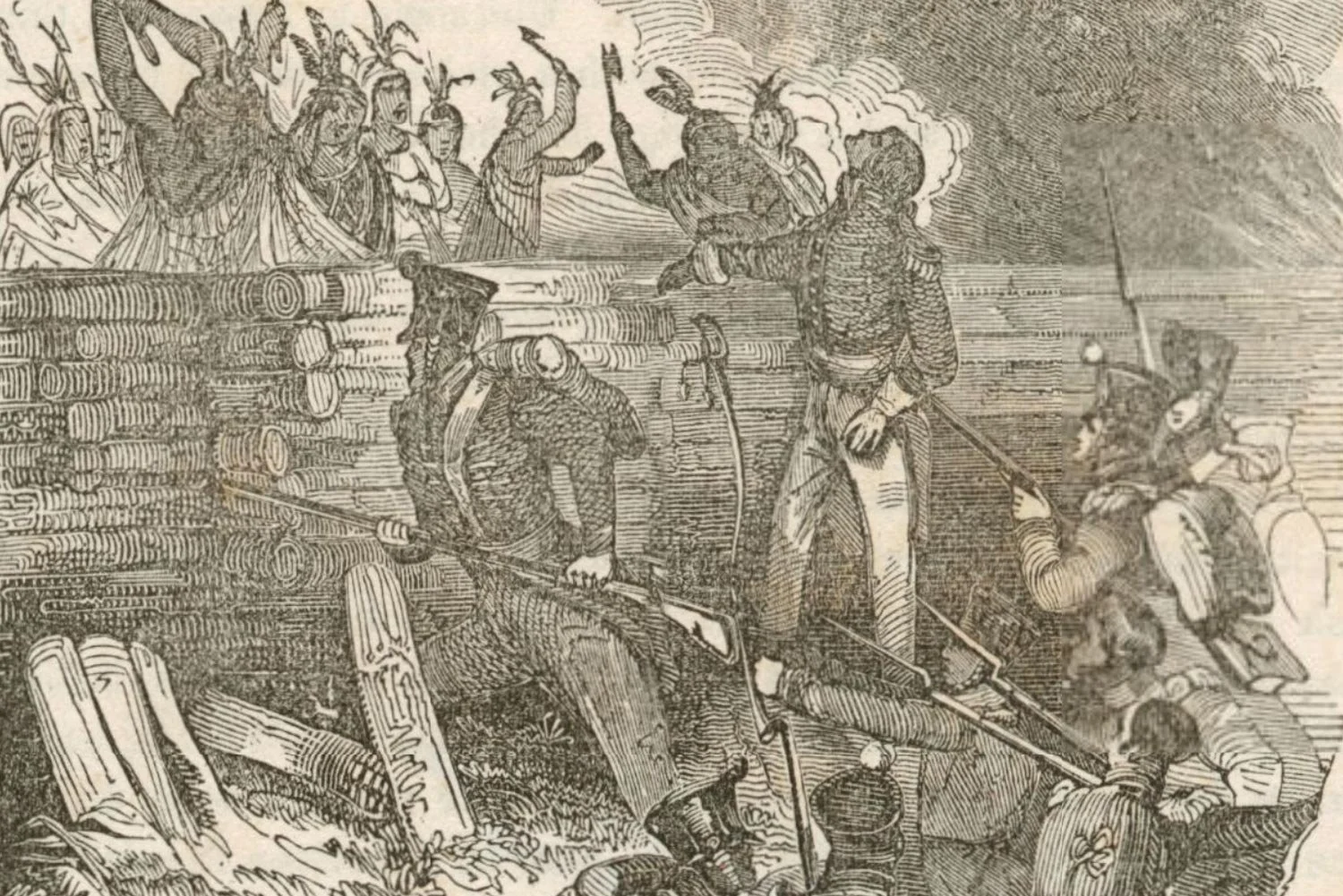
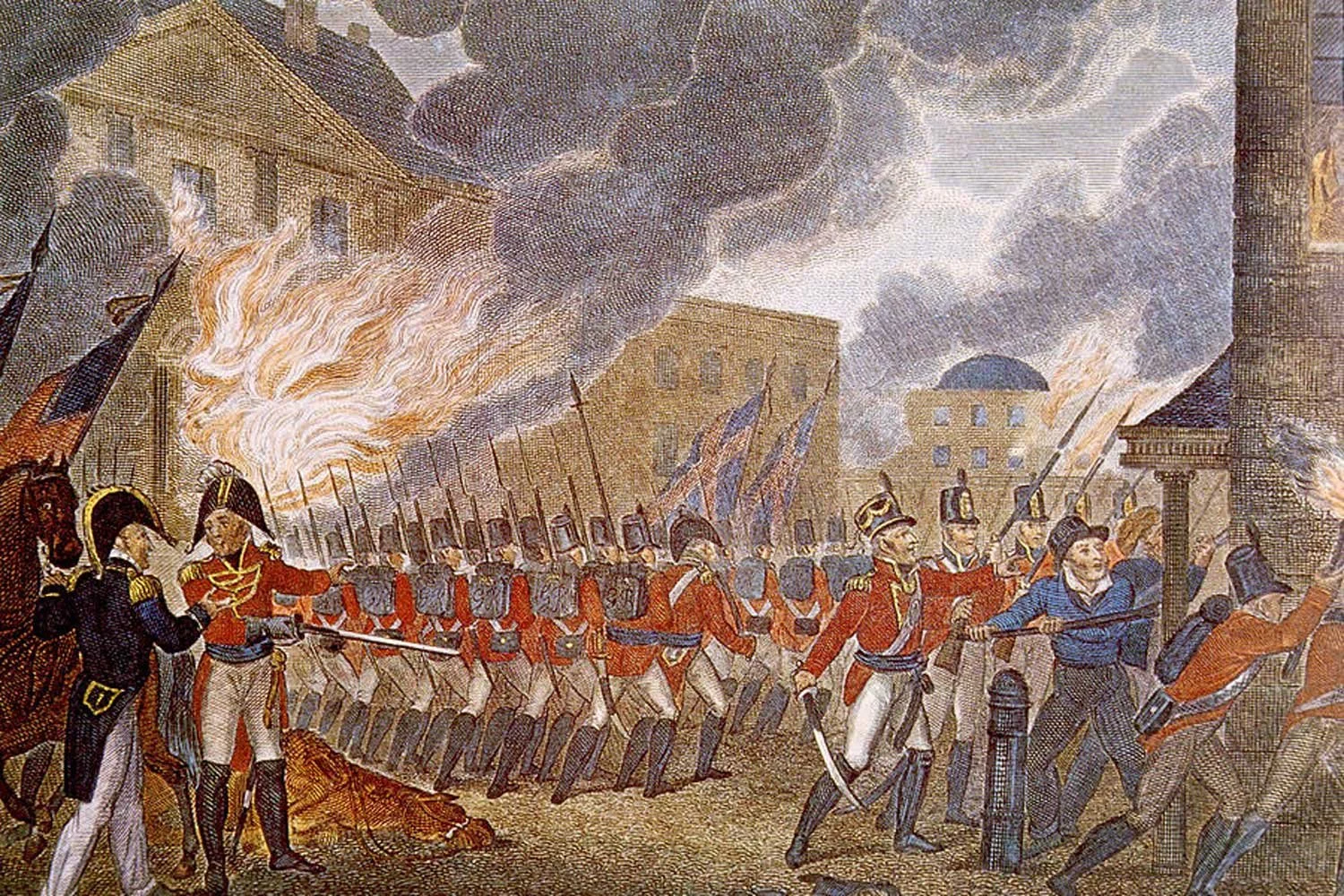
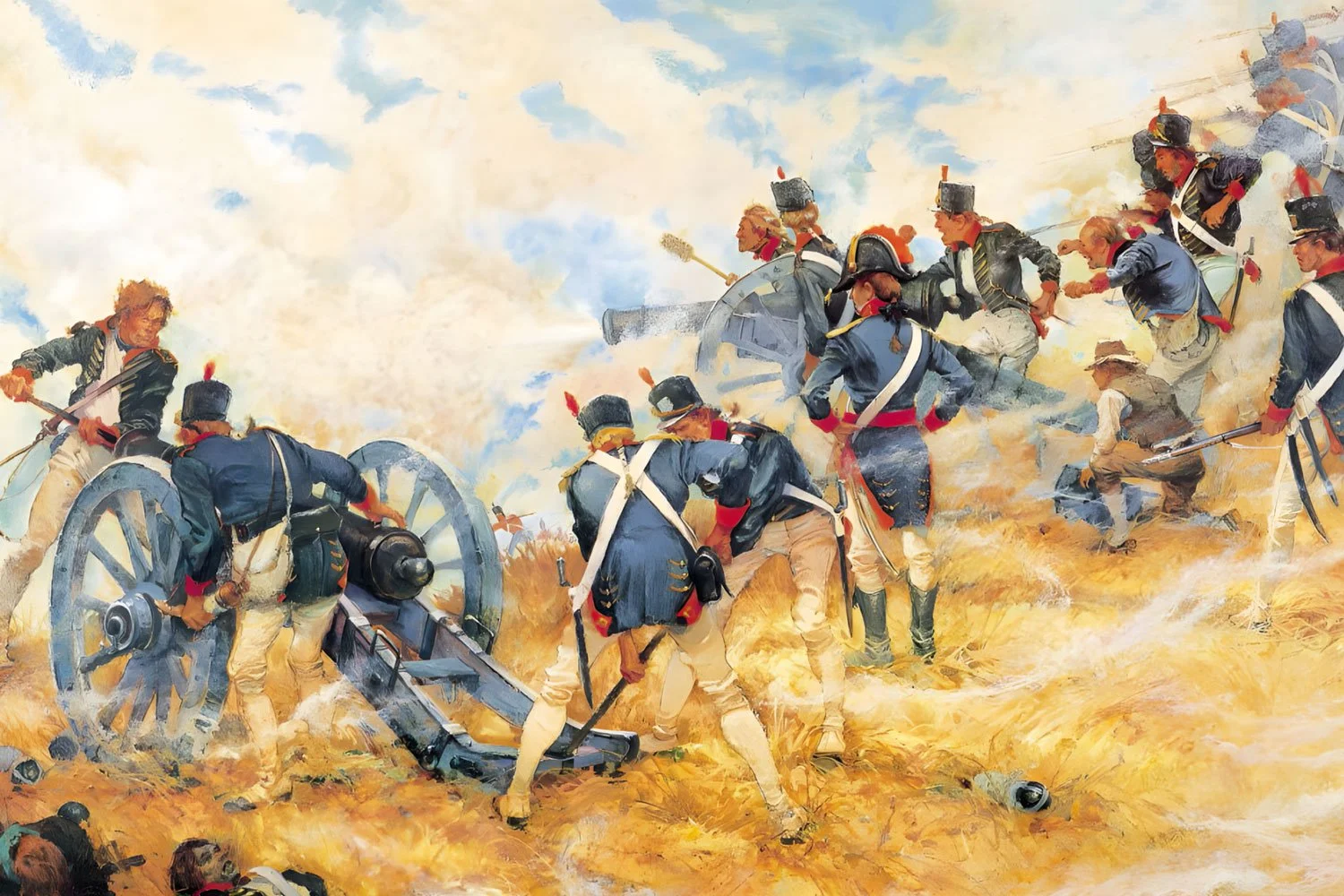
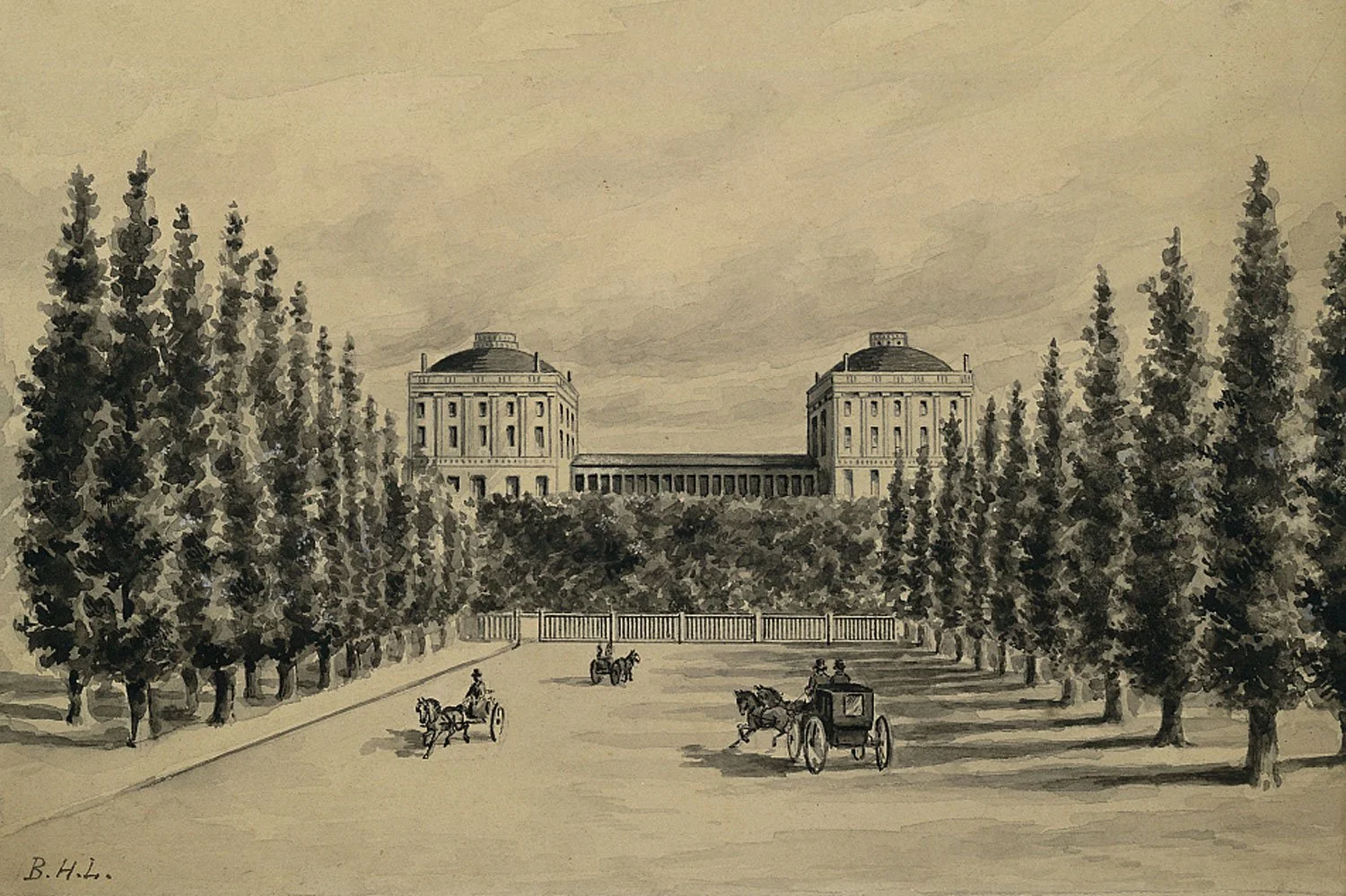

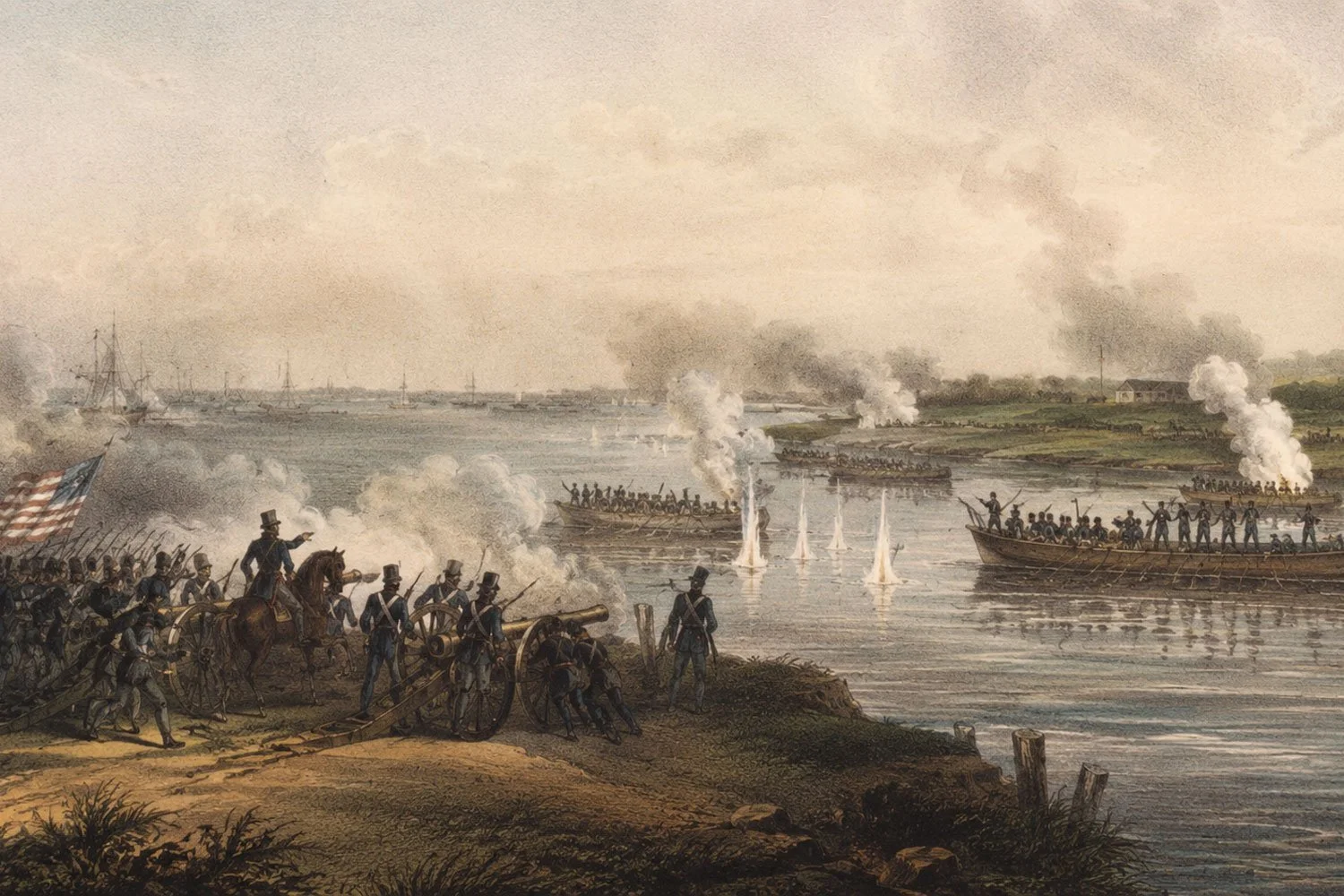
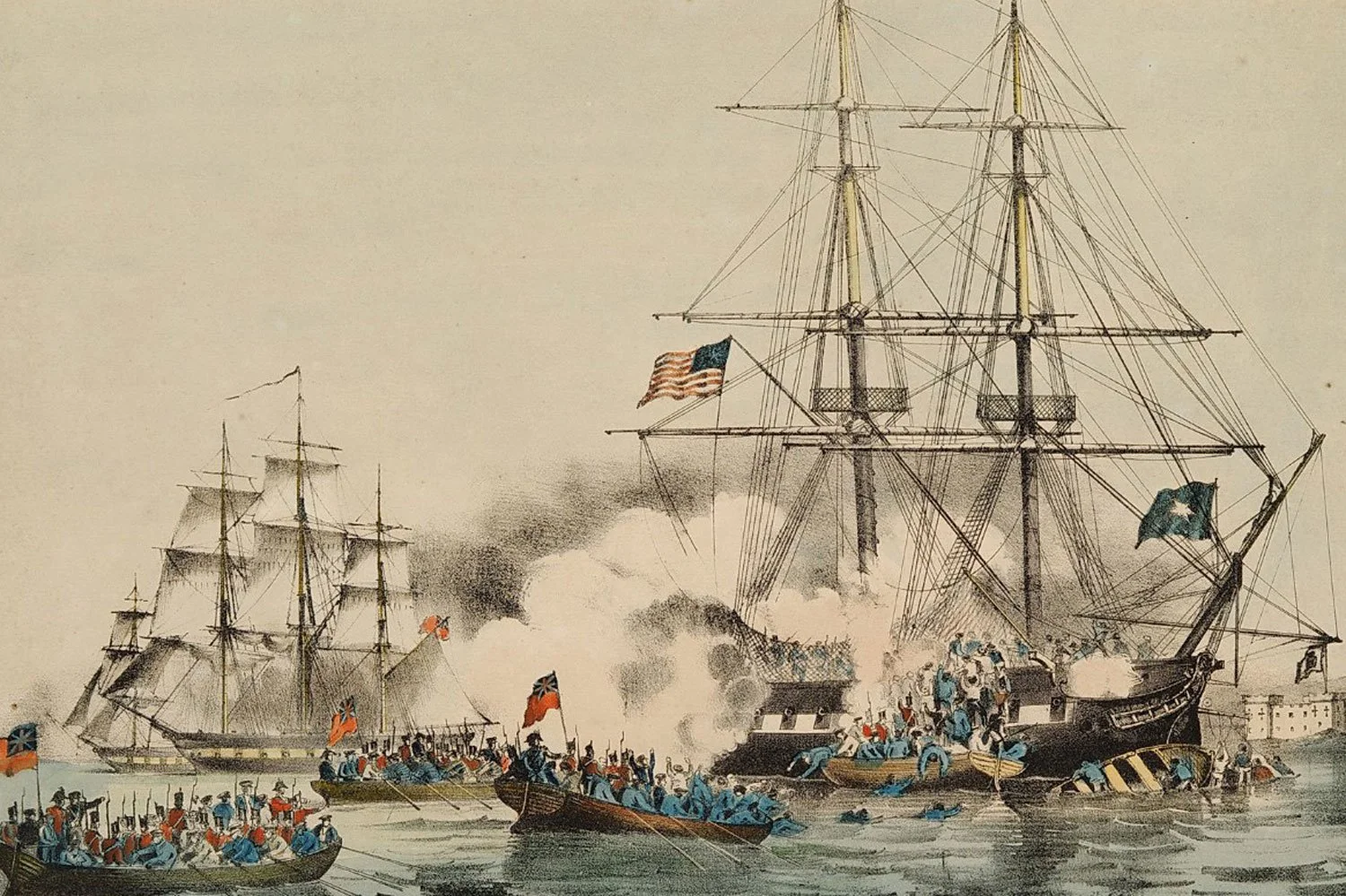
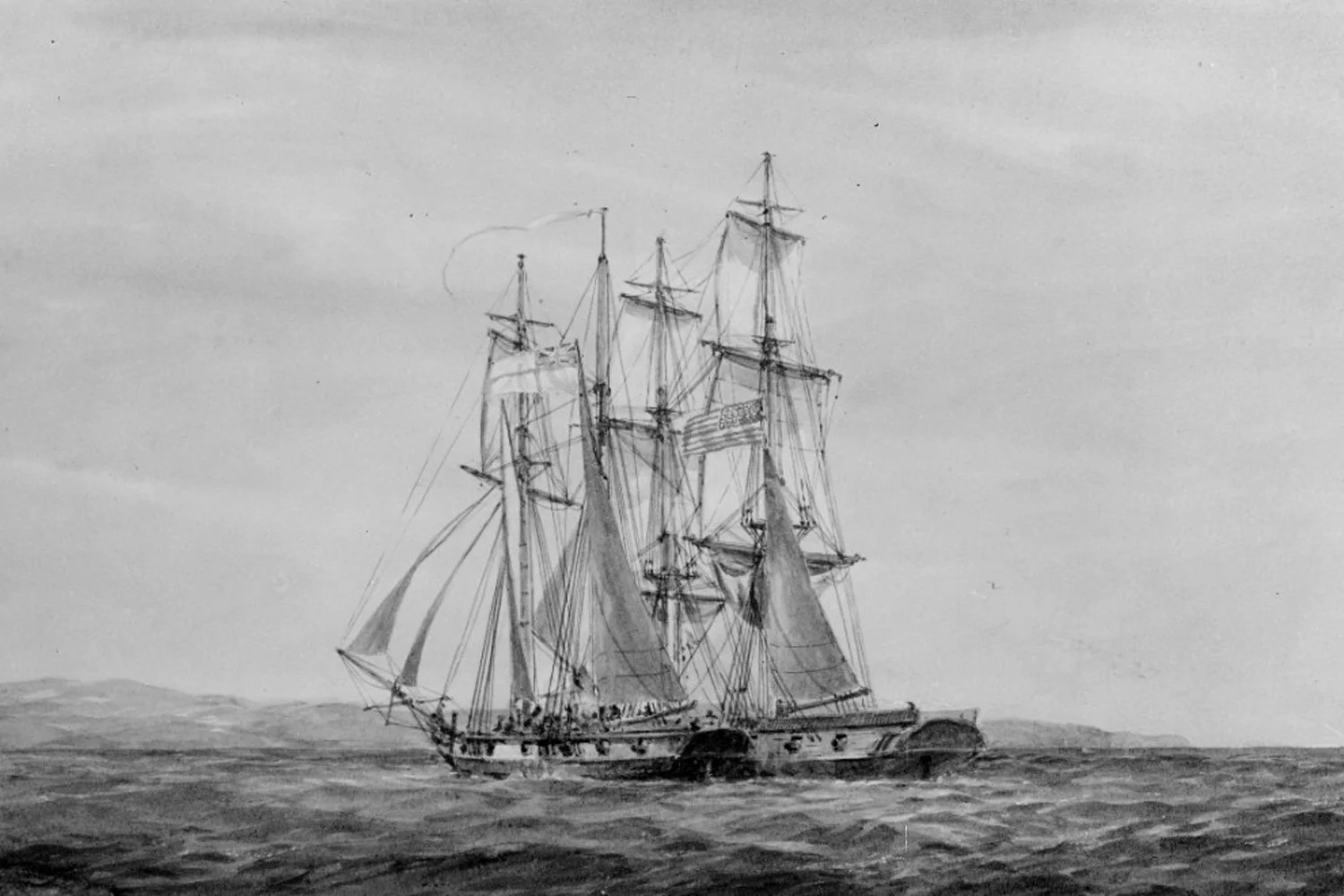
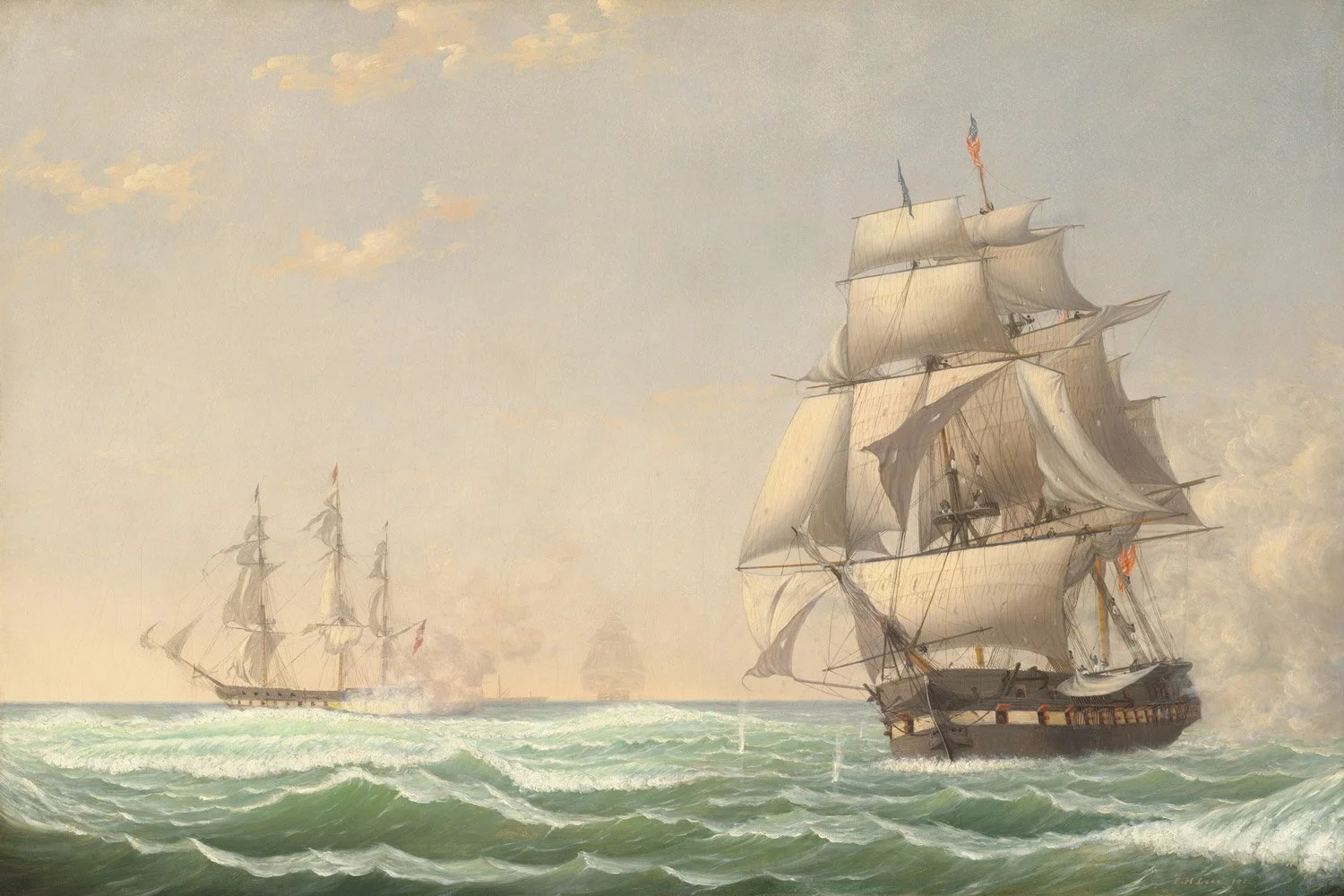
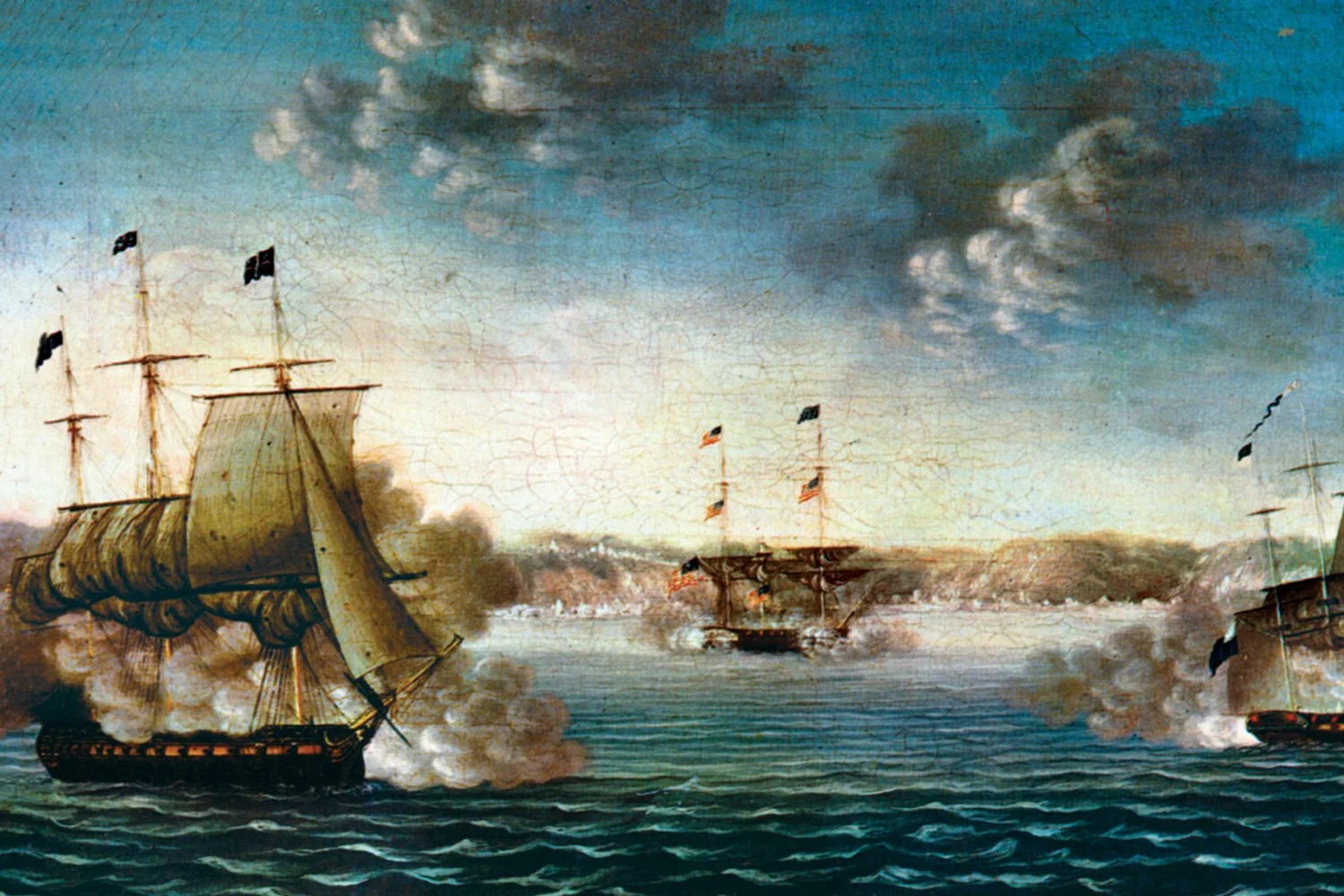
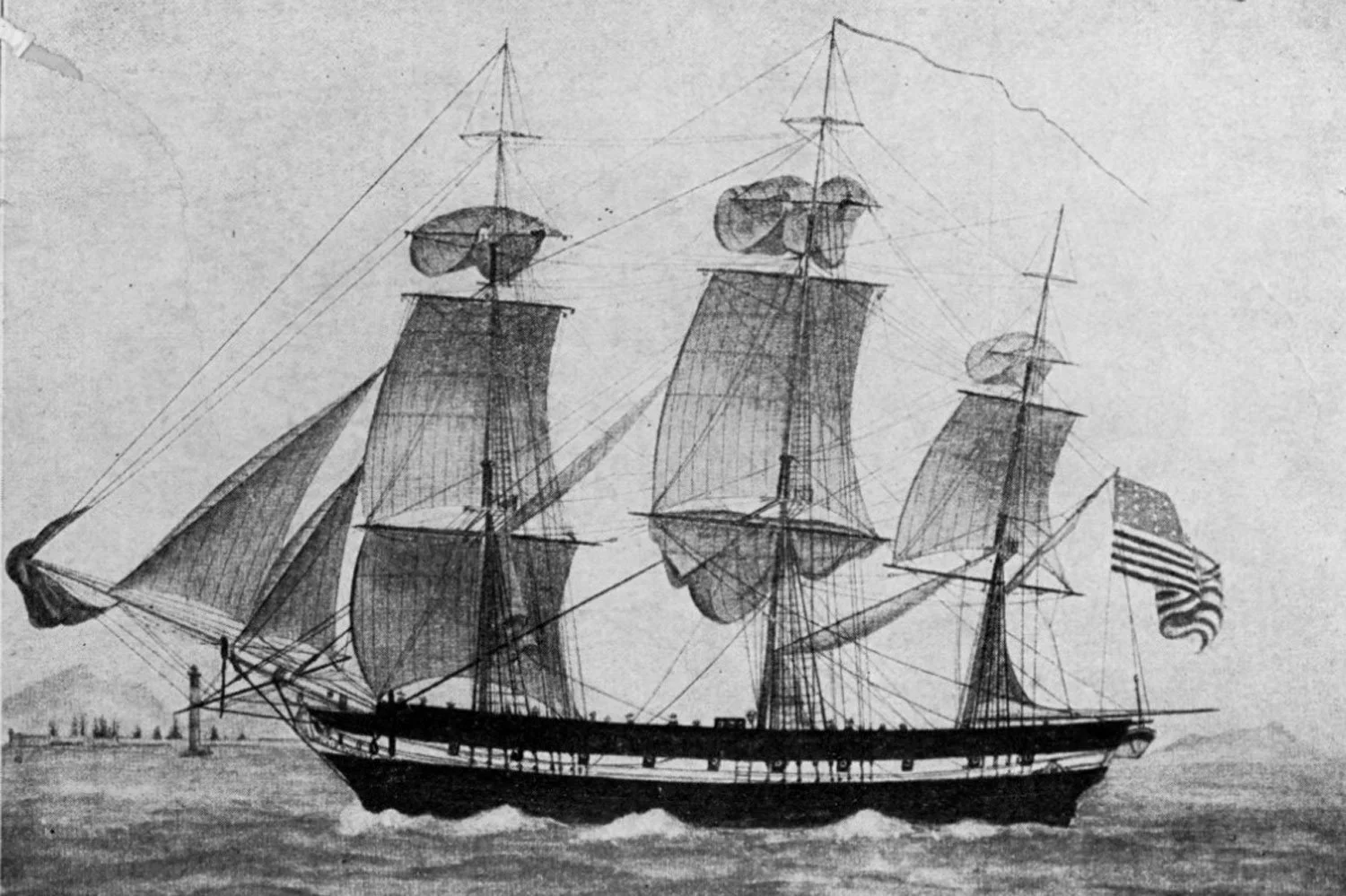
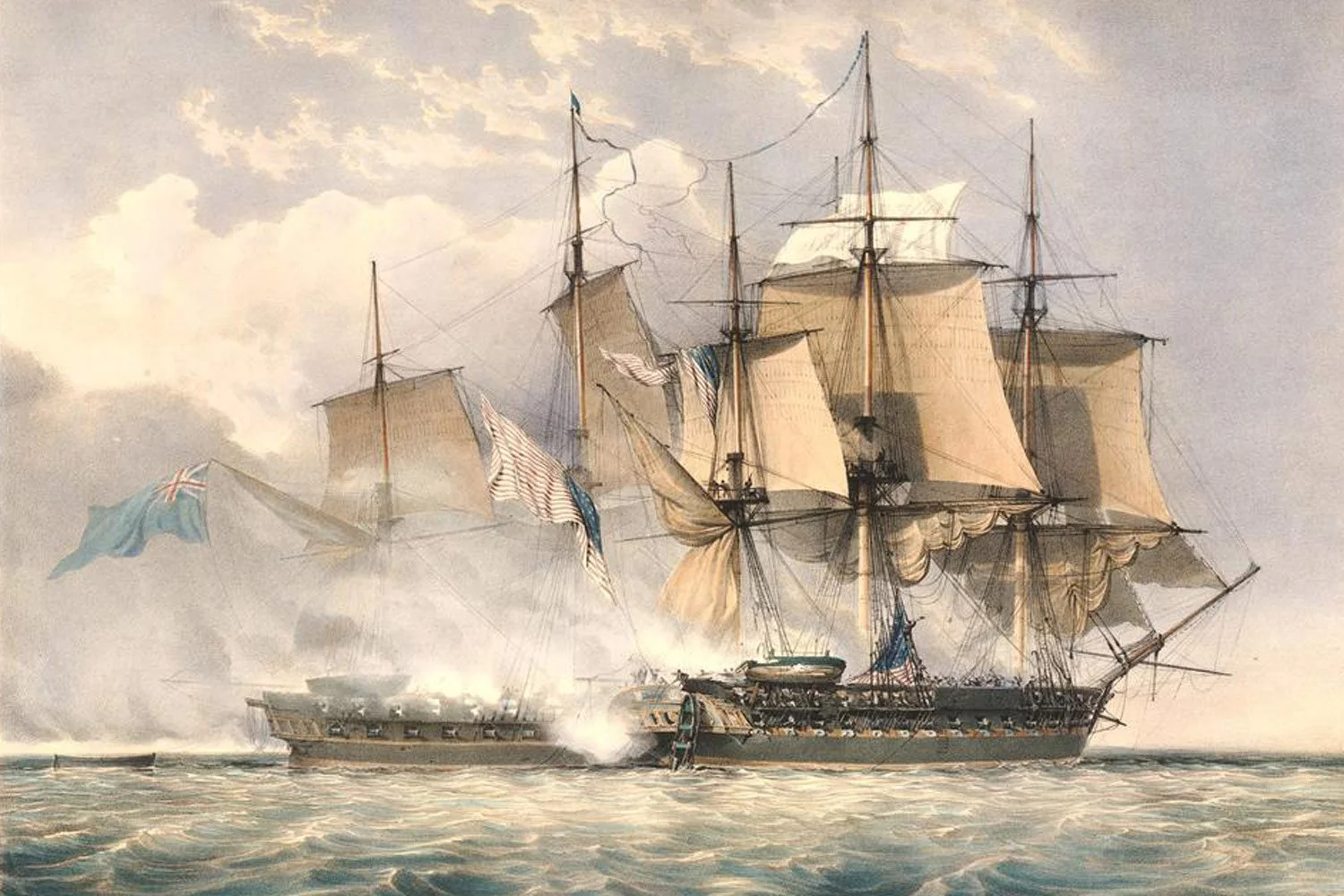
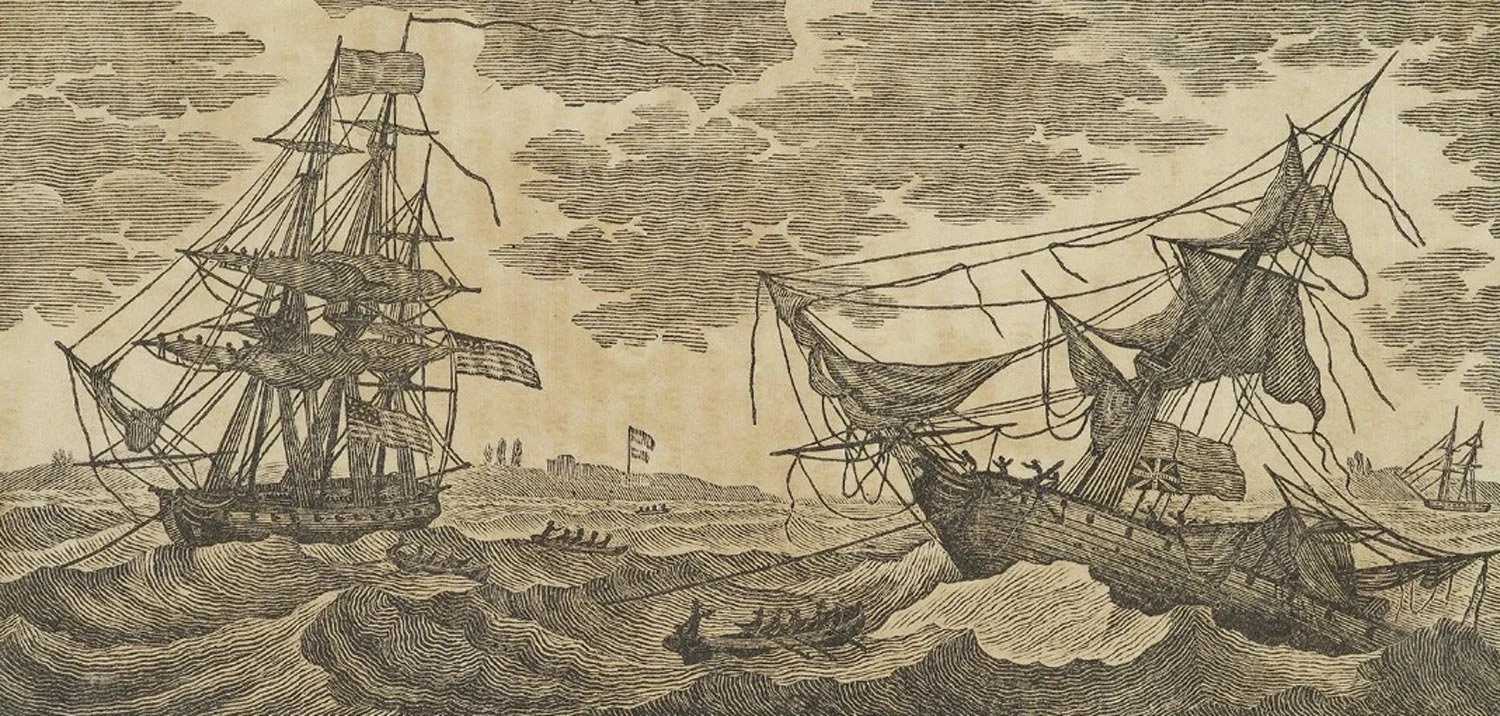
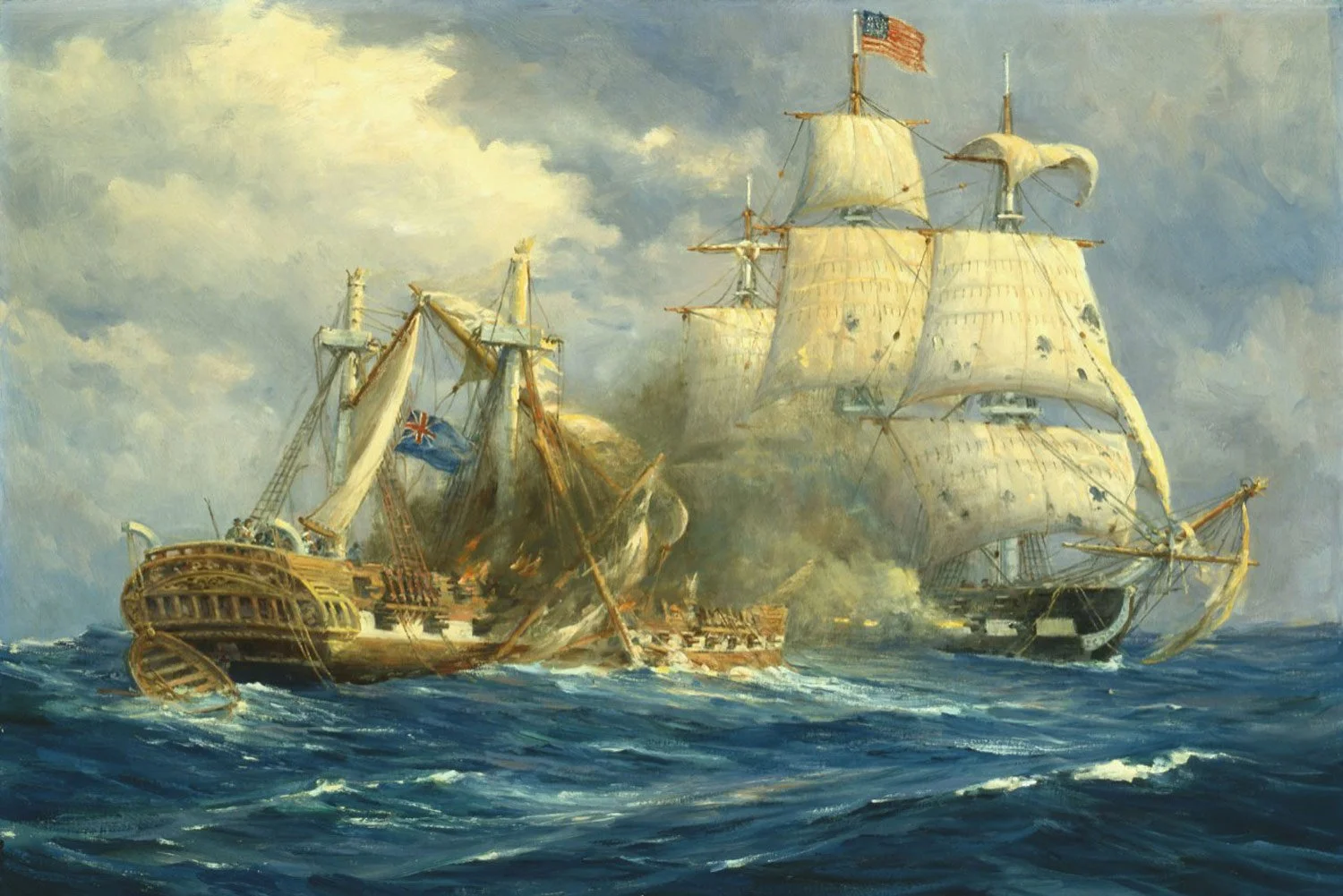
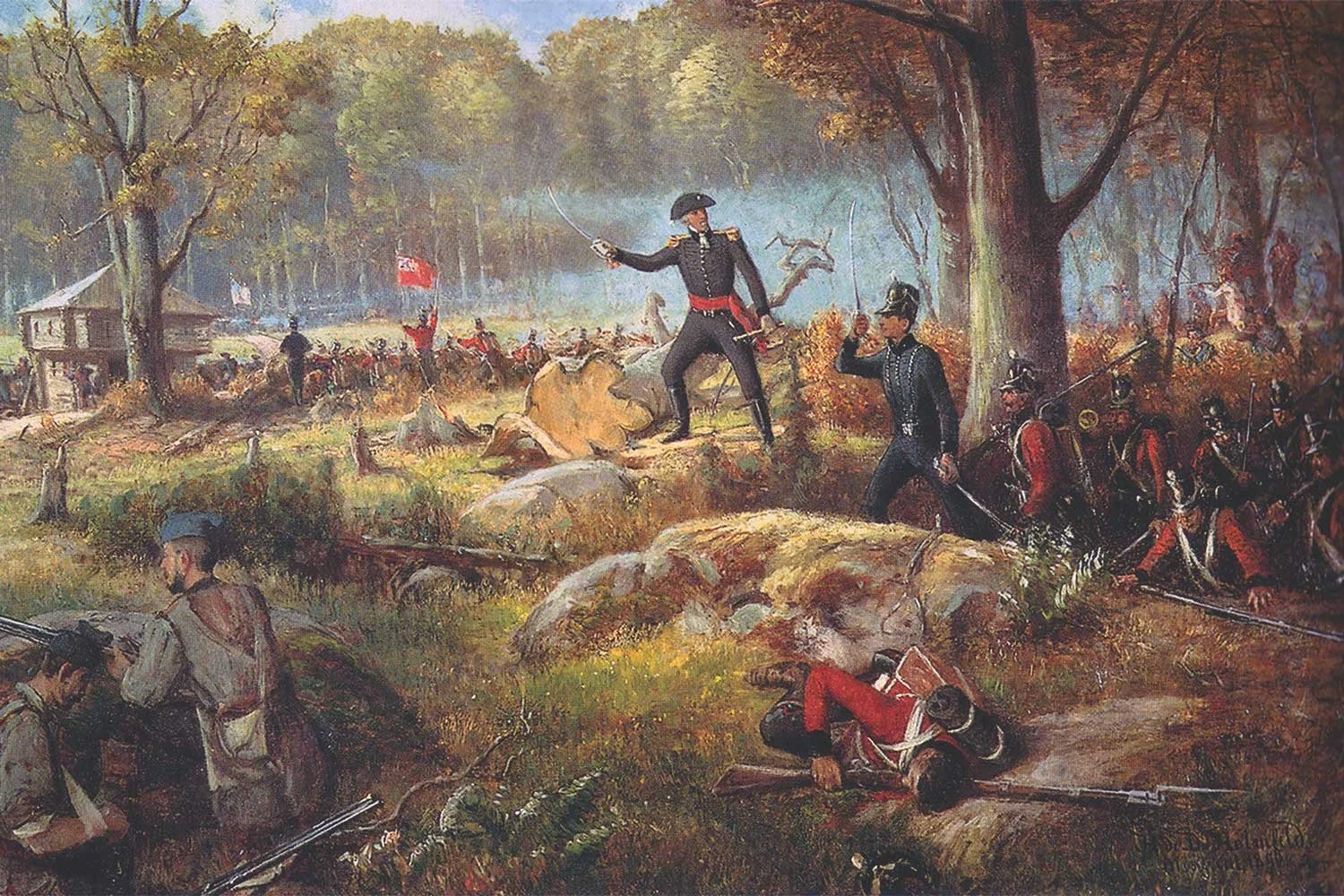
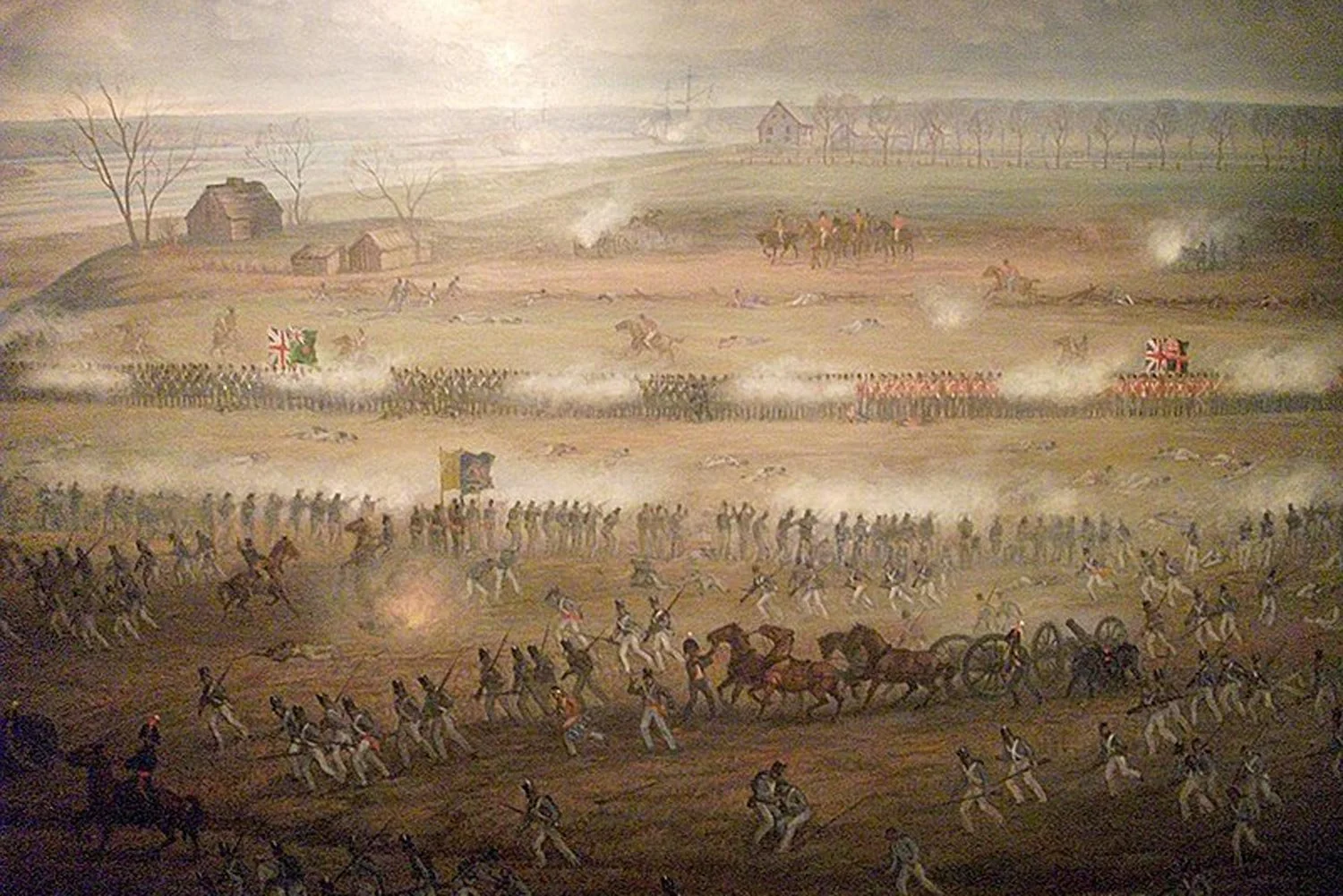
The War of 1812 was arguably the most partisan war in our nation's history, with virtually all Federalists across the country opposing what they dubbed “Mr. Madison’s War” and all Republicans supporting it. This difference in sentiment was pronounced and led to many ugly confrontations such as the Baltimore riots of 1812. But nowhere was opposition to the war more strongly manifested than in New England, the last bastion of the Federalist party.