Road to War, Part 8: The Fifty-Year War for the Old Northwest
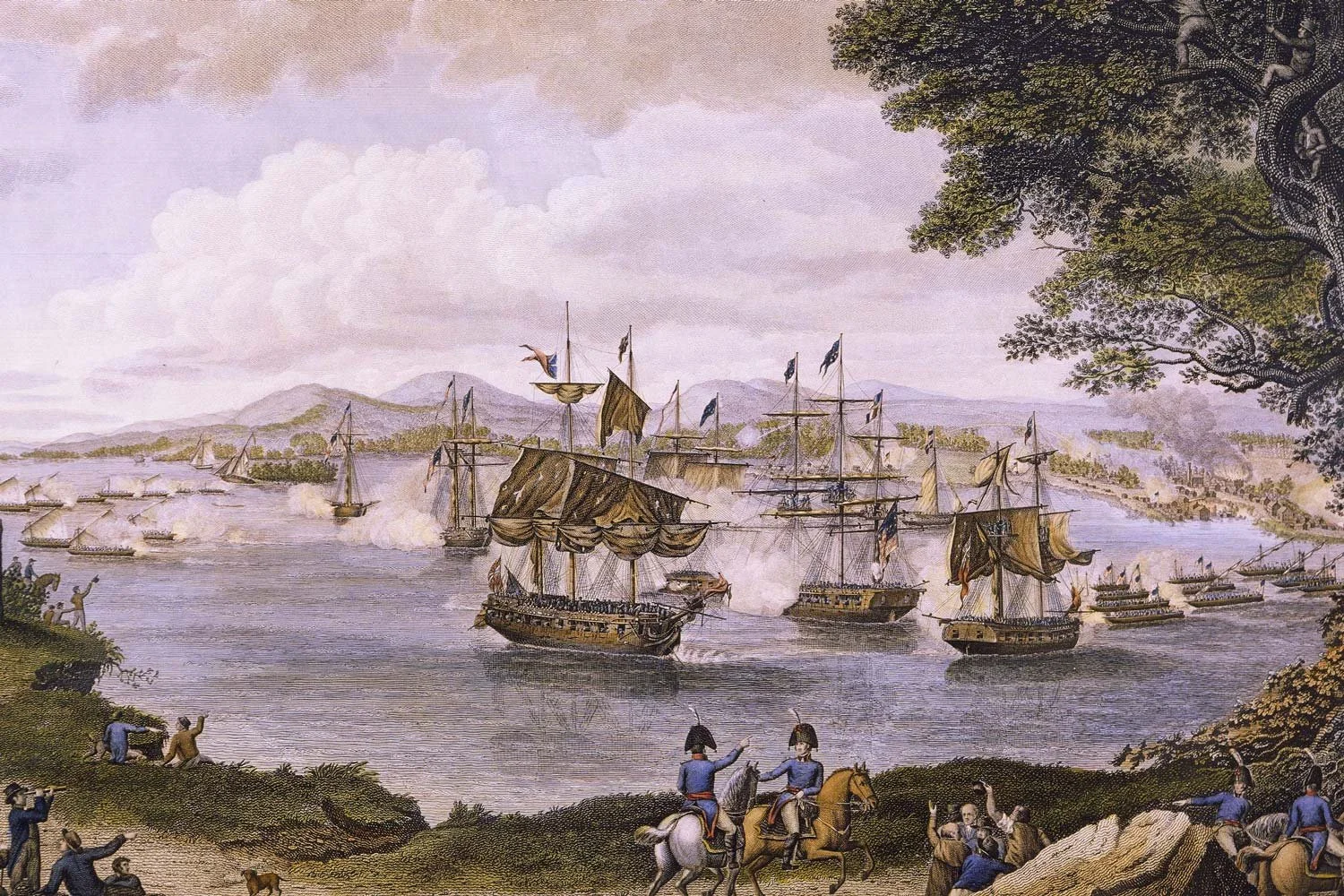
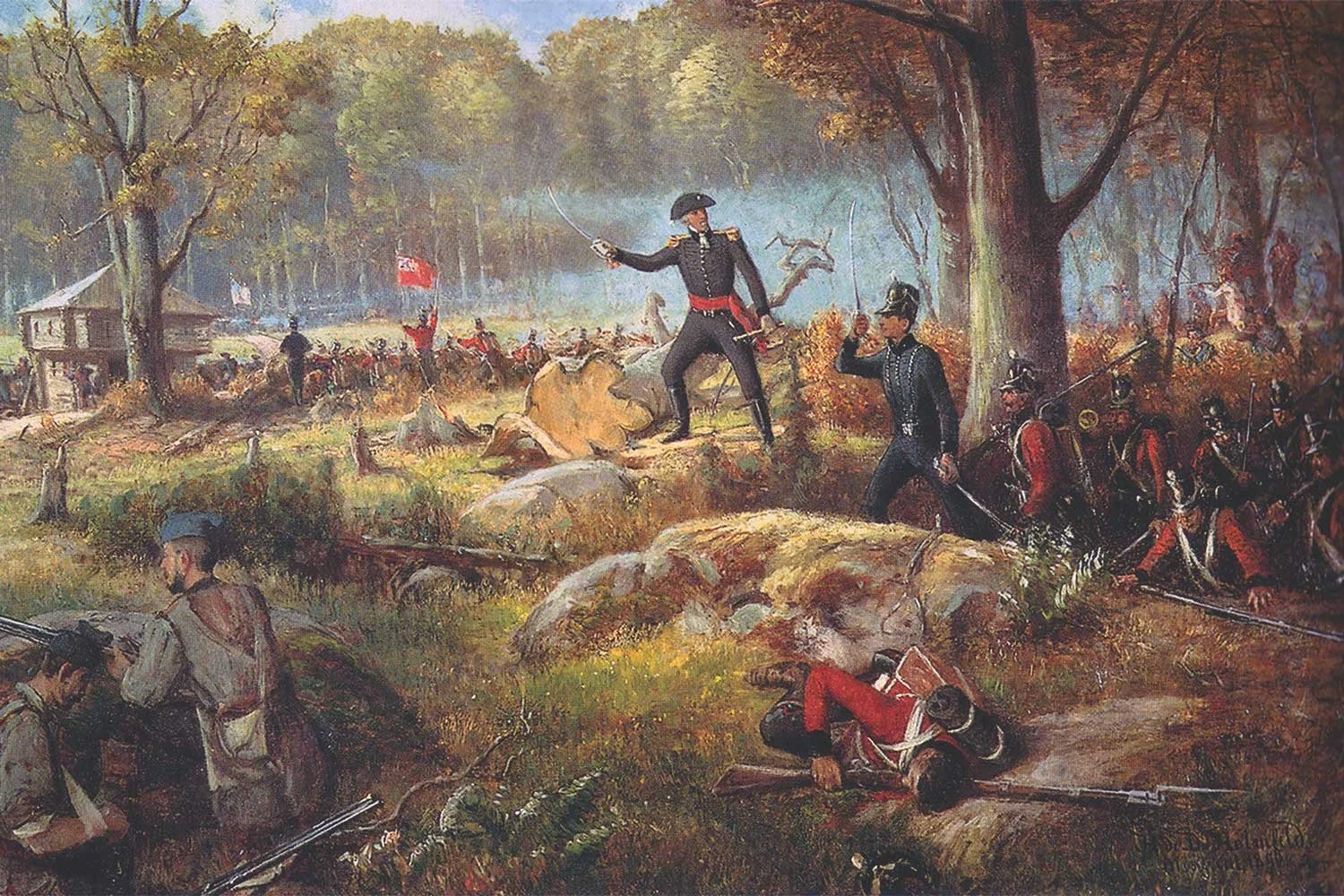
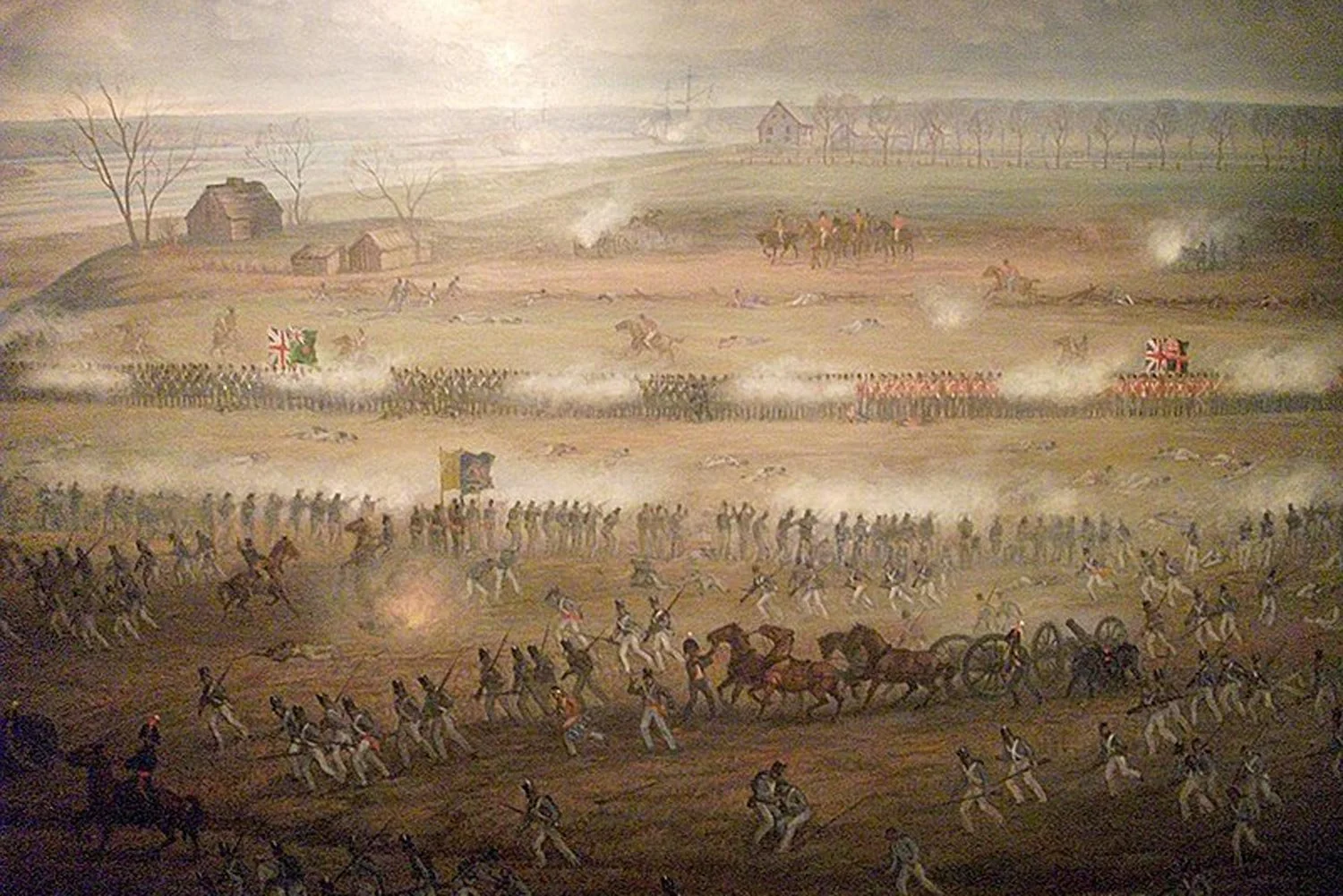
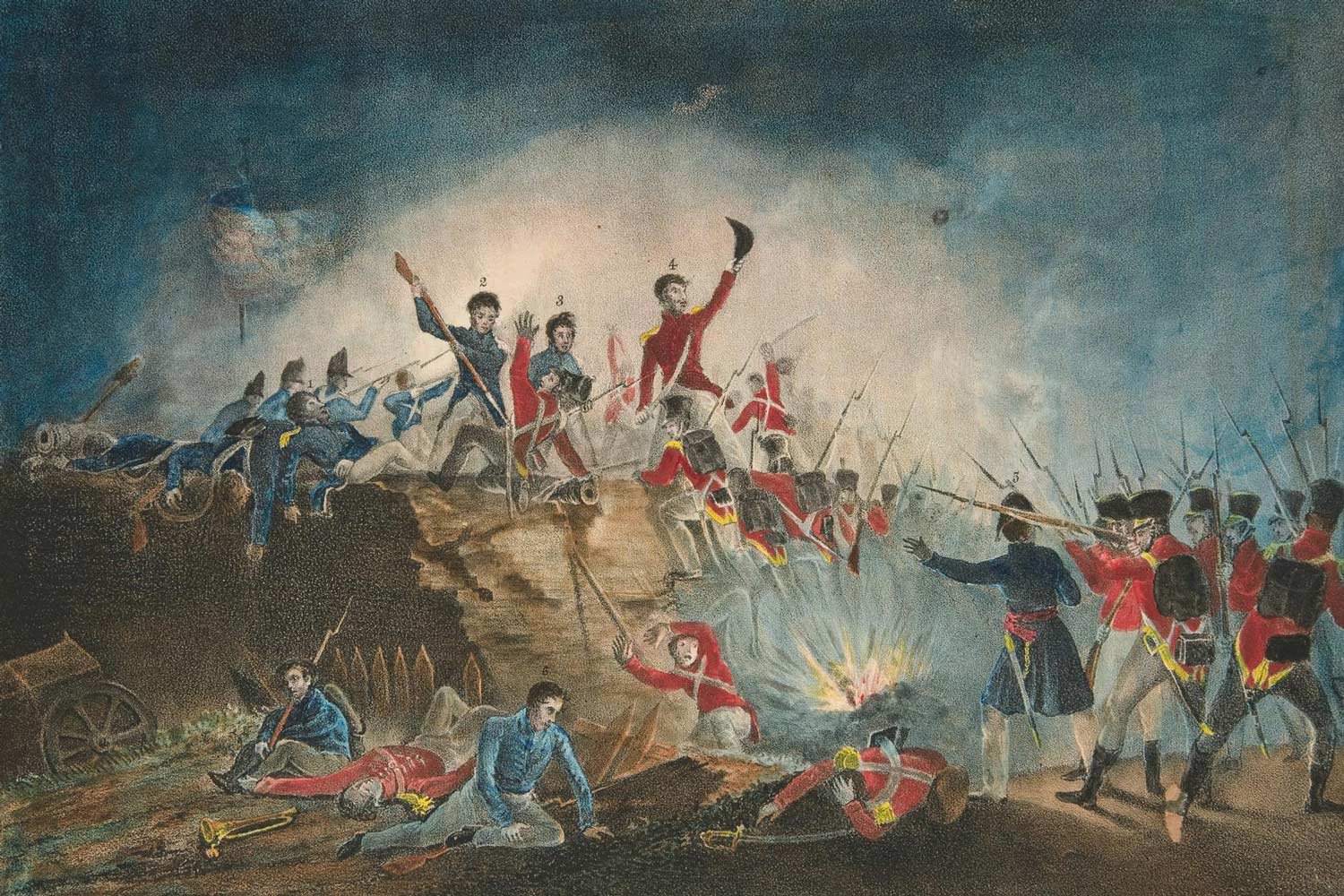
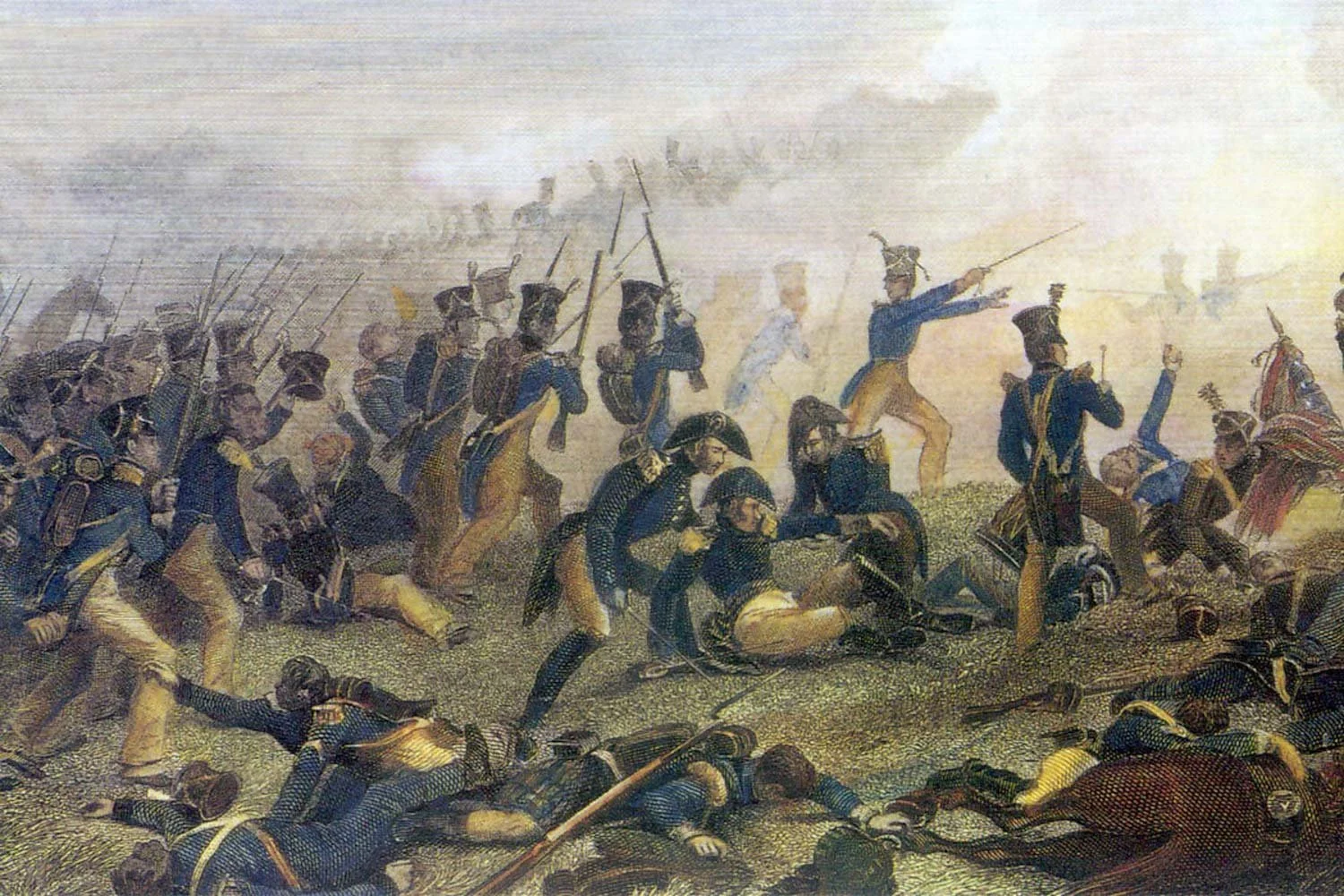
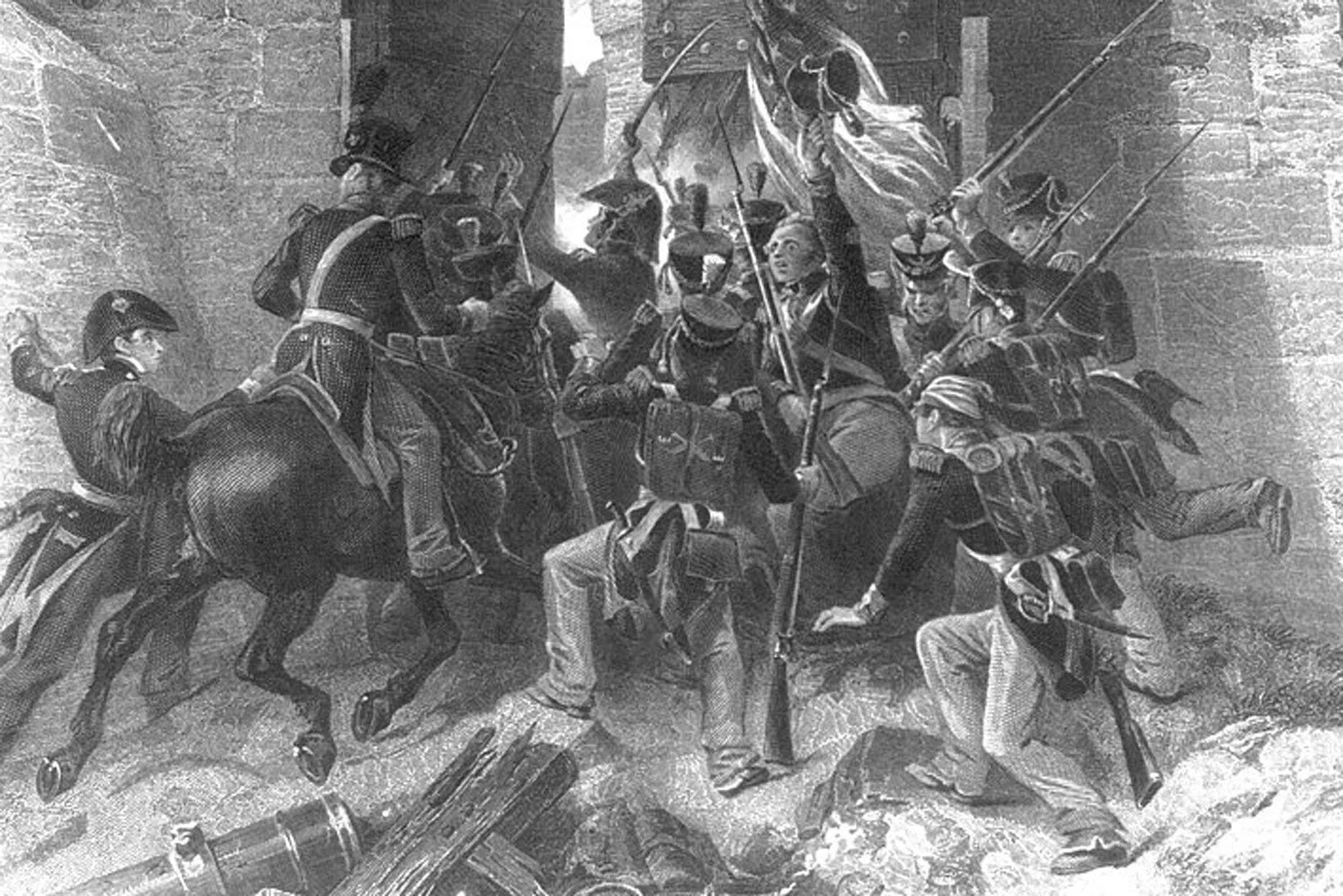
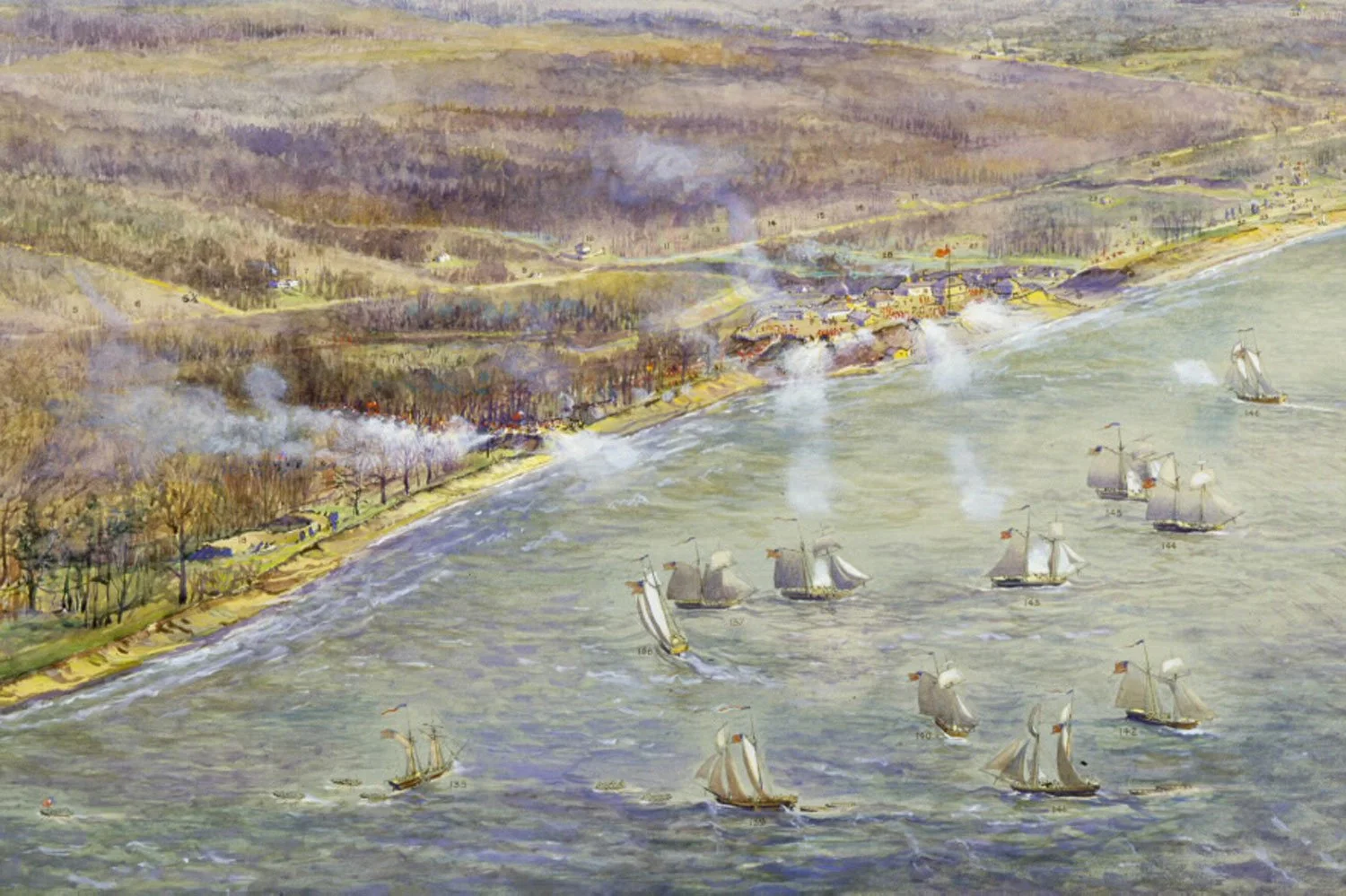
At the conclusion of the French and Indian War in 1763, the British gained possession of all French lands in North America, including the Northwest Territory, which was then part of Canada. Unlike the French who allied themselves with the Indian nations, the British treated the natives as a conquered people and for the next fifty years there was continuous conflict between white settlers and Indians in this region.
Tom Hand, creator and publisher of Americana Corner, discusses the fifty-year war for the Northwest Territory and why it still matters today.
Images courtesy of the Government of Canada, Library of Congress, University of Michigan Library, New York Public Library, Gilcrease Museum, National Gallery of Art, National Portrait Gallery - Smithsonian Institution, Wikimedia.
On March 4, 1789, the Constitutional government, largely the creation of James Madison’s fertile mind, took effect. Naturally, Madison was there at the start to help President George Washington implement and execute this new government. But within a matter of just a few years, Madison would be opposed to the new administration that he helped bring to power as he saw the federal government going in a direction he had not envisioned. Madison’s about face, arguably the greatest political transformation by a national figure in American history, came about largely because of differing ideas regarding what the new government should look like.
In the summer of 1787, leaders from across the United States gathered in Philadelphia for the stated purpose of fixing flaws in the Articles of Confederation. But in the minds of nationalists like James Madison, fixing issues with the Articles was not the answer. What was needed was an entirely new form of government that could allow the fledgling nation to grow. This convention, known at the time as the Philadelphia or Federal Convention, was largely organized by Madison and Alexander Hamilton and the government created at that gathering bore Madison’s indelible stamp.
When James Madison graduated from the College of New Jersey in 1771, he was a man in search of a vocation. Madison had enjoyed studying law but did not want to become a lawyer; he had grown up on a plantation but had no desire to become a farmer and detested the slave culture inherent on a southern plantation. Fortunately, his family’s money and support allowed him time to figure it all out. Ultimately, Madison realized that his true calling was the American cause, and, to that end, James Madison devoted the remainder of his life.
James Madison was one of our nation’s most important Founding Fathers and played a critical role in shaping the United States. Known to history as the Father of the Constitution, Madison was not a dynamic leader of men but was perhaps the most useful subordinate of our Founding Fathers.
When the Democratic-Republicans came to power in the election of 1800, the Jefferson administration effectively shut down and disbanded both the United States Army and Navy. As a result, when American merchant ships were abused and seized as contraband of war on the high seas and in British and French ports during the Napoleonic wars, the United States was helpless to respond.
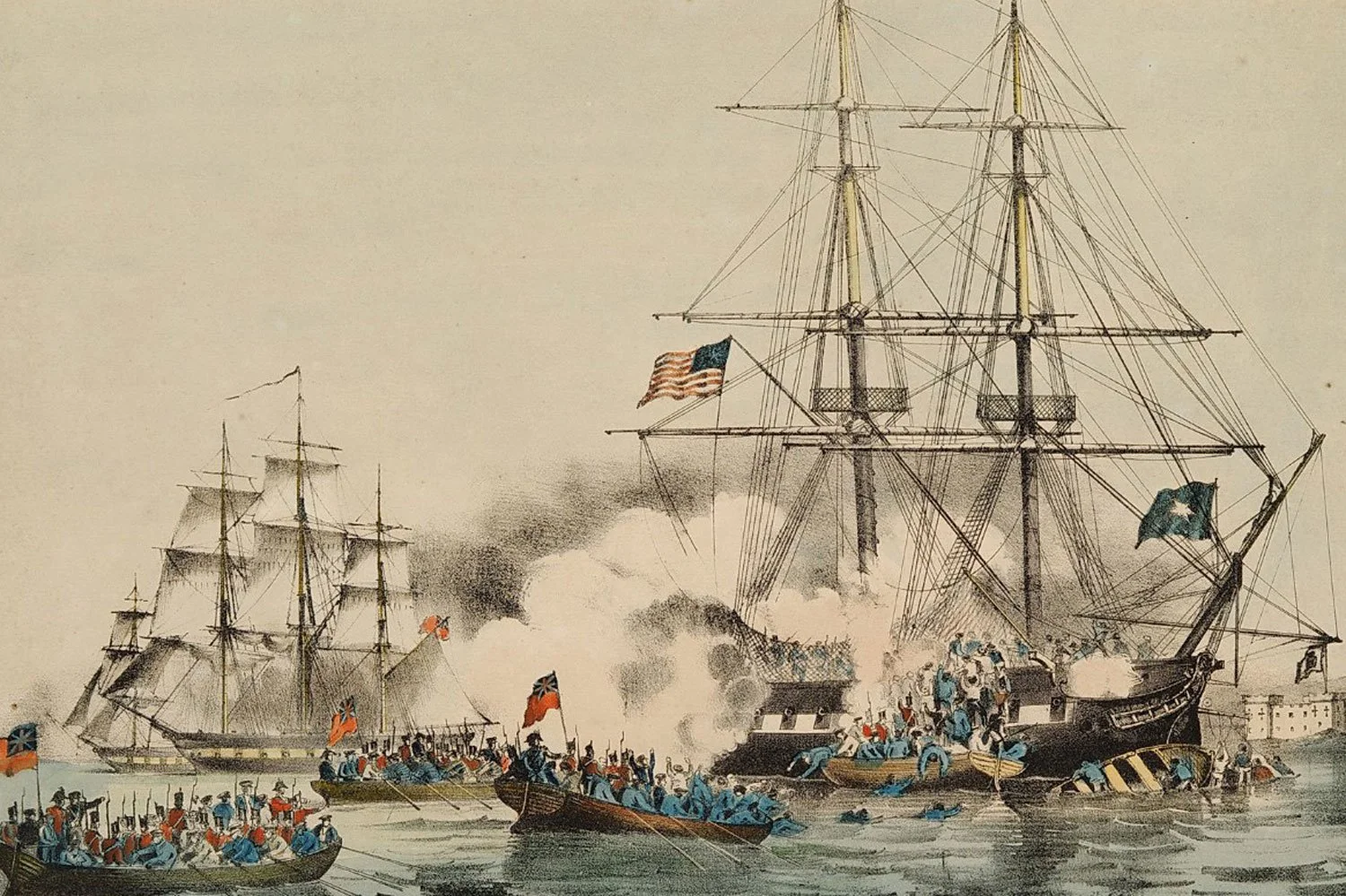
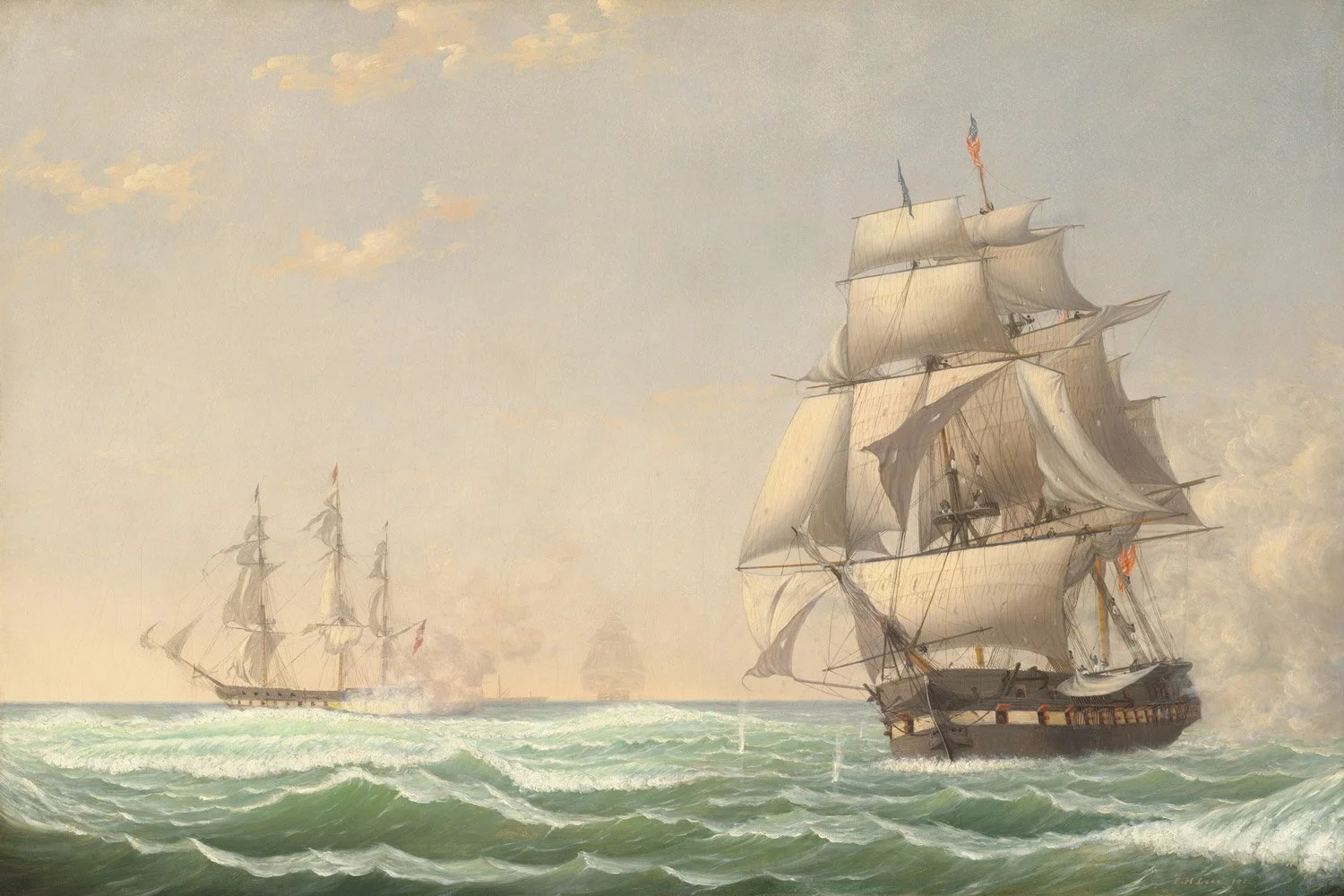
One of the most prominent grievances that led the United States to declare war on Great Britain in 1812 was the impressment of sailors serving on American merchant ships by the Royal Navy. Although this practice continued until after the Napoleonic wars ended in 1815, it truly reached its ugly climax in the summer of 1807 with the infamous Chesapeake-Leopard affair, a naval encounter that brought the two countries to the brink of war.
Many people have called the War of 1812 the “second American Revolution,” and while that phrase has some merit, the facts do not fully support the assertion. It is true that in both cases America’s enemy was Great Britain and the main catalyst that took us to war was American animosity resulting from perceived British wrongs, but the similarities essentially end there.
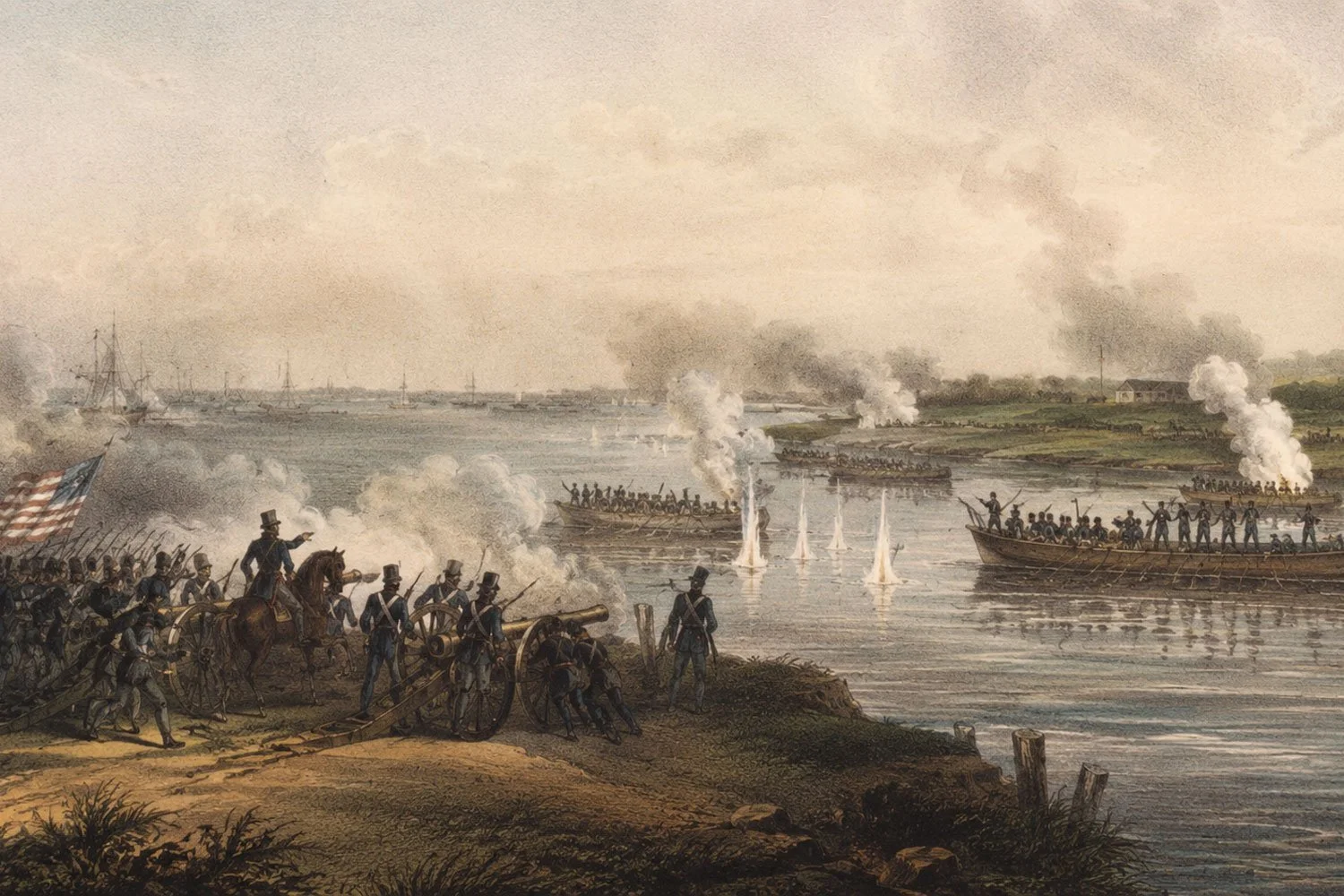
When James Madison was sworn in as President on March 4, 1809, his most pressing issue was dealing with British and French violations of American neutrality on the high seas. But he also had a rising issue in the west in the form of an Indian confederacy headed by the Shawnee chief Tecumseh and his younger brother, Tenskwatawa, better known to history as the Prophet. The focal point of this movement was the old Northwest Territory, the most fought over area in American history where white settlers and Native Americans vied for control in a virtually continuous conflict that lasted for more than fifty years before coming to an end in 1817.