
War of 1812, Part 8: Americans Burn a Capital
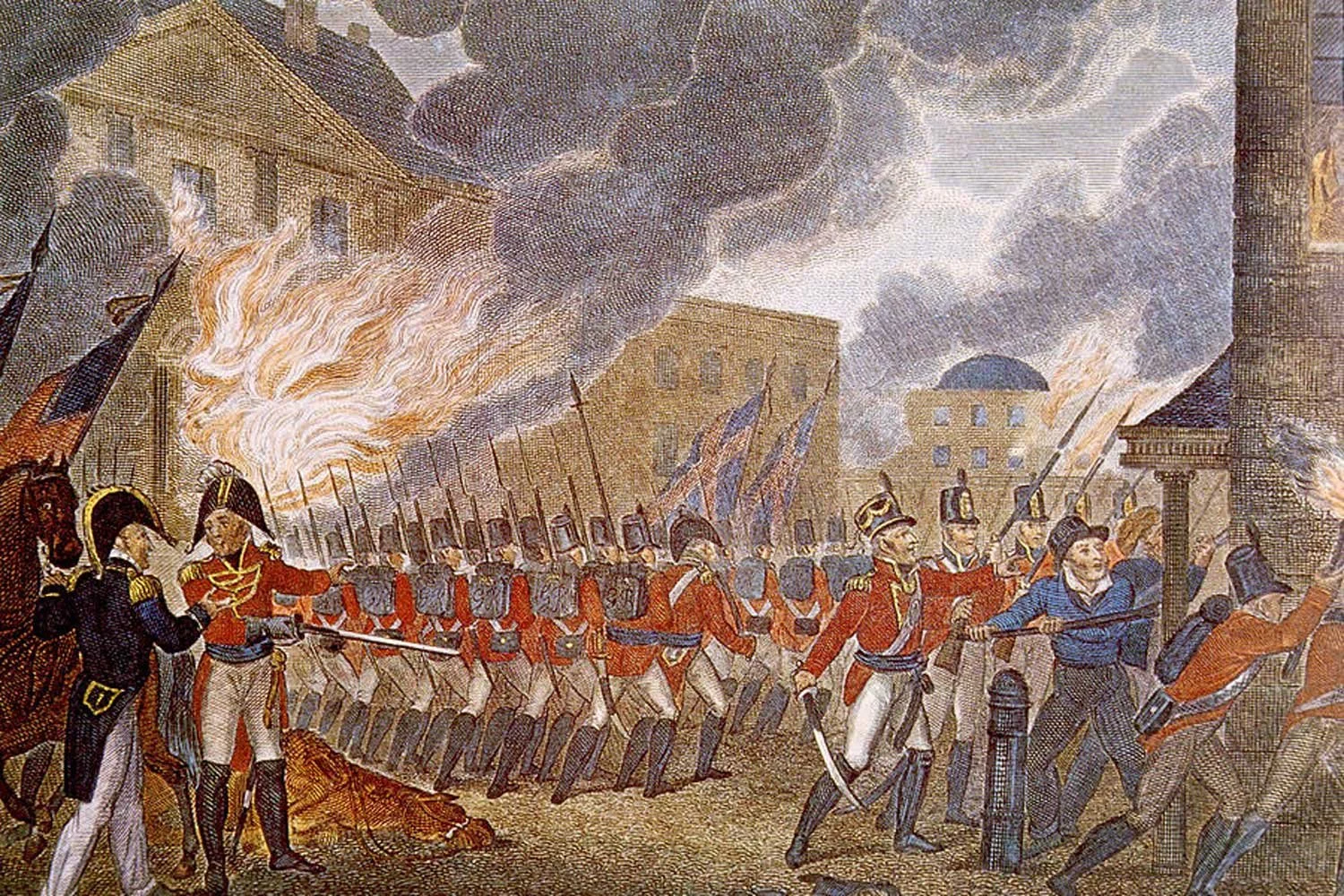
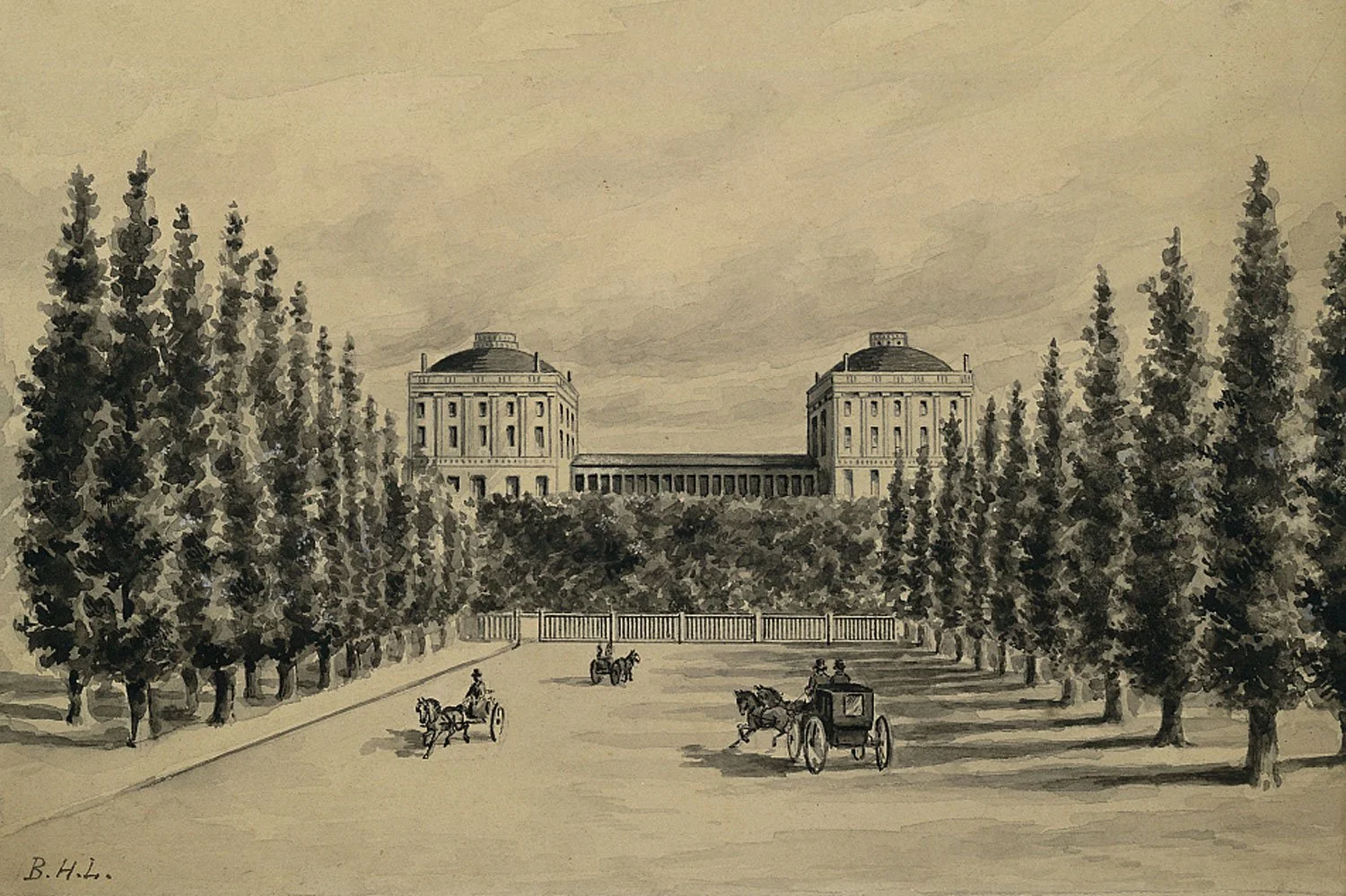
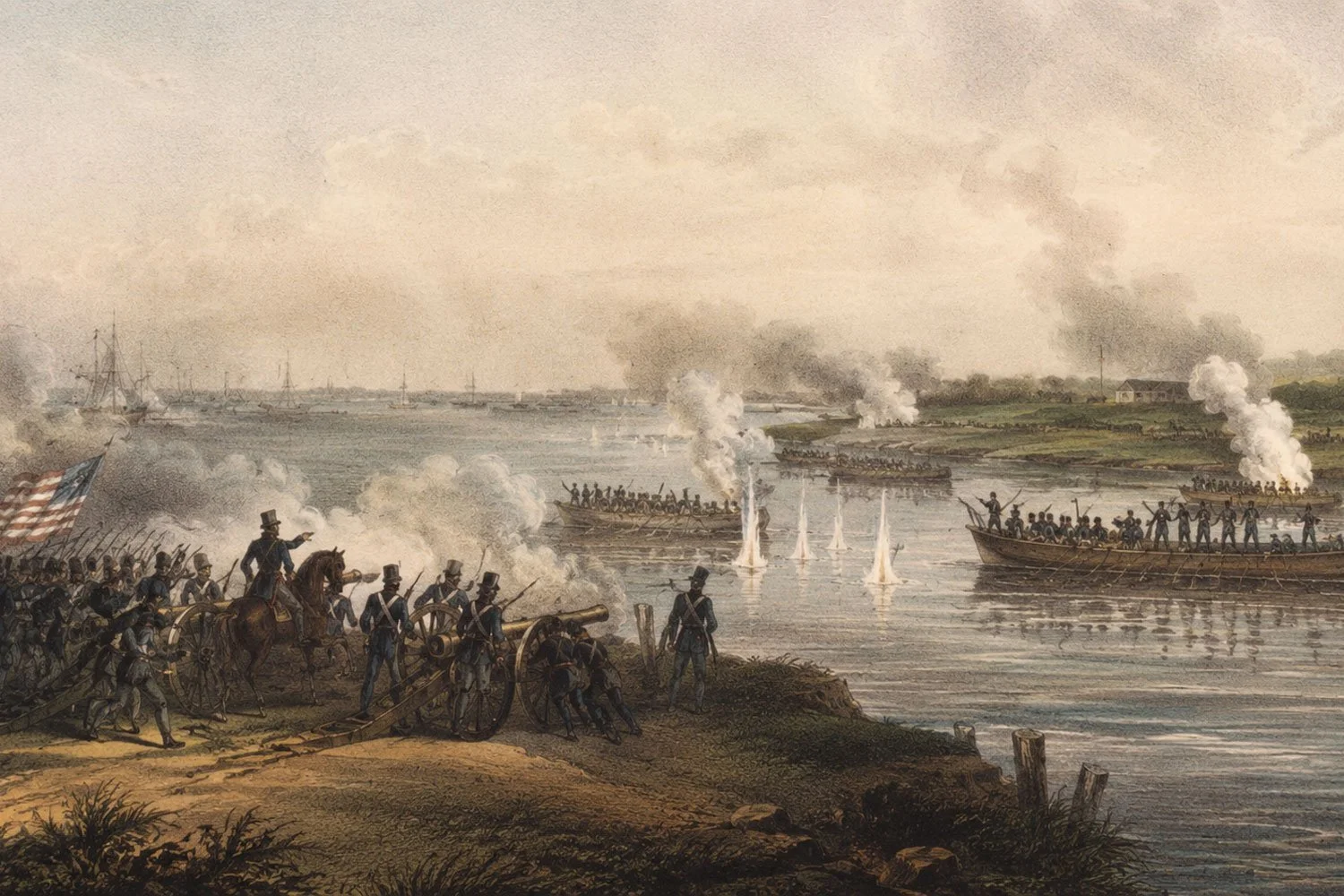
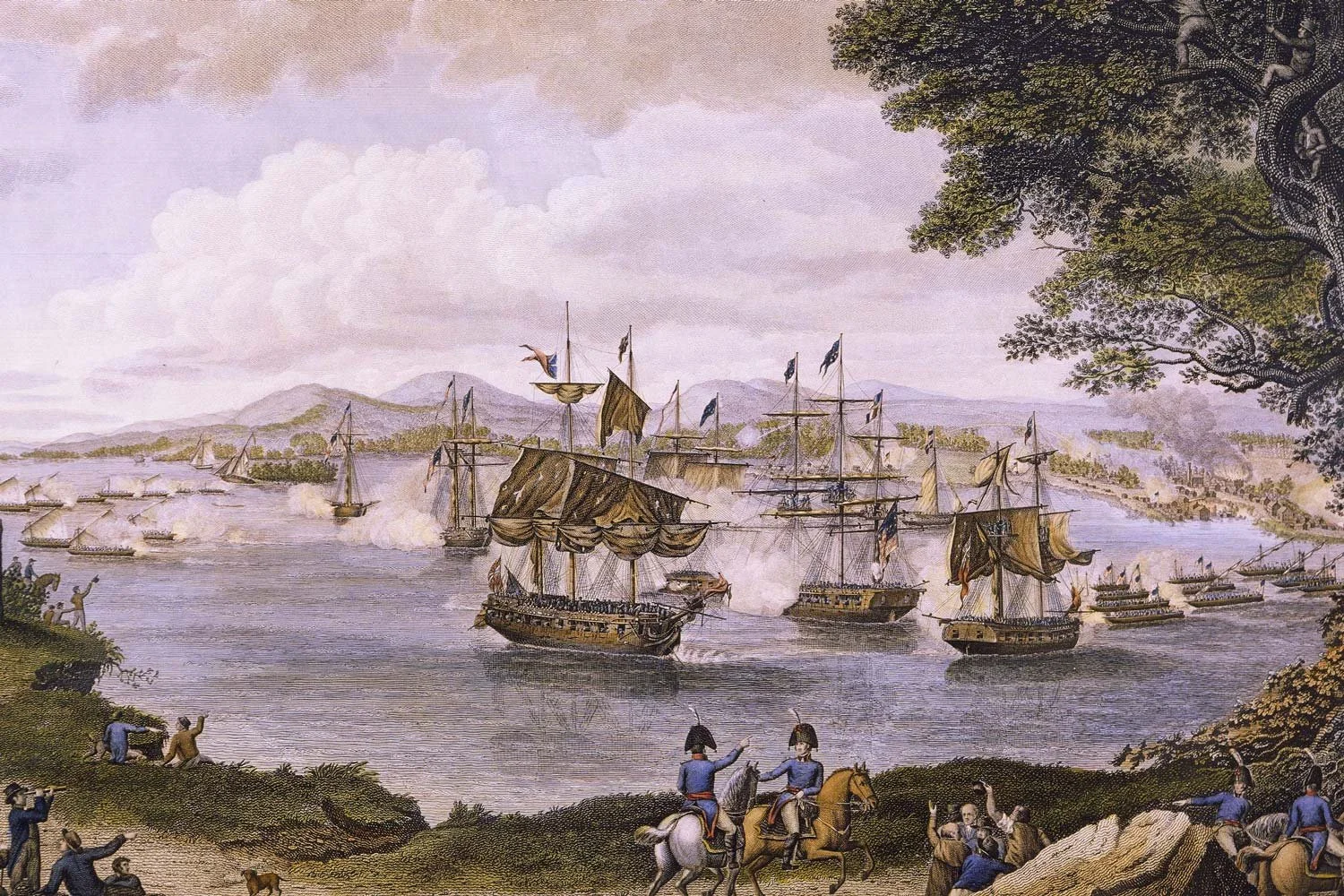
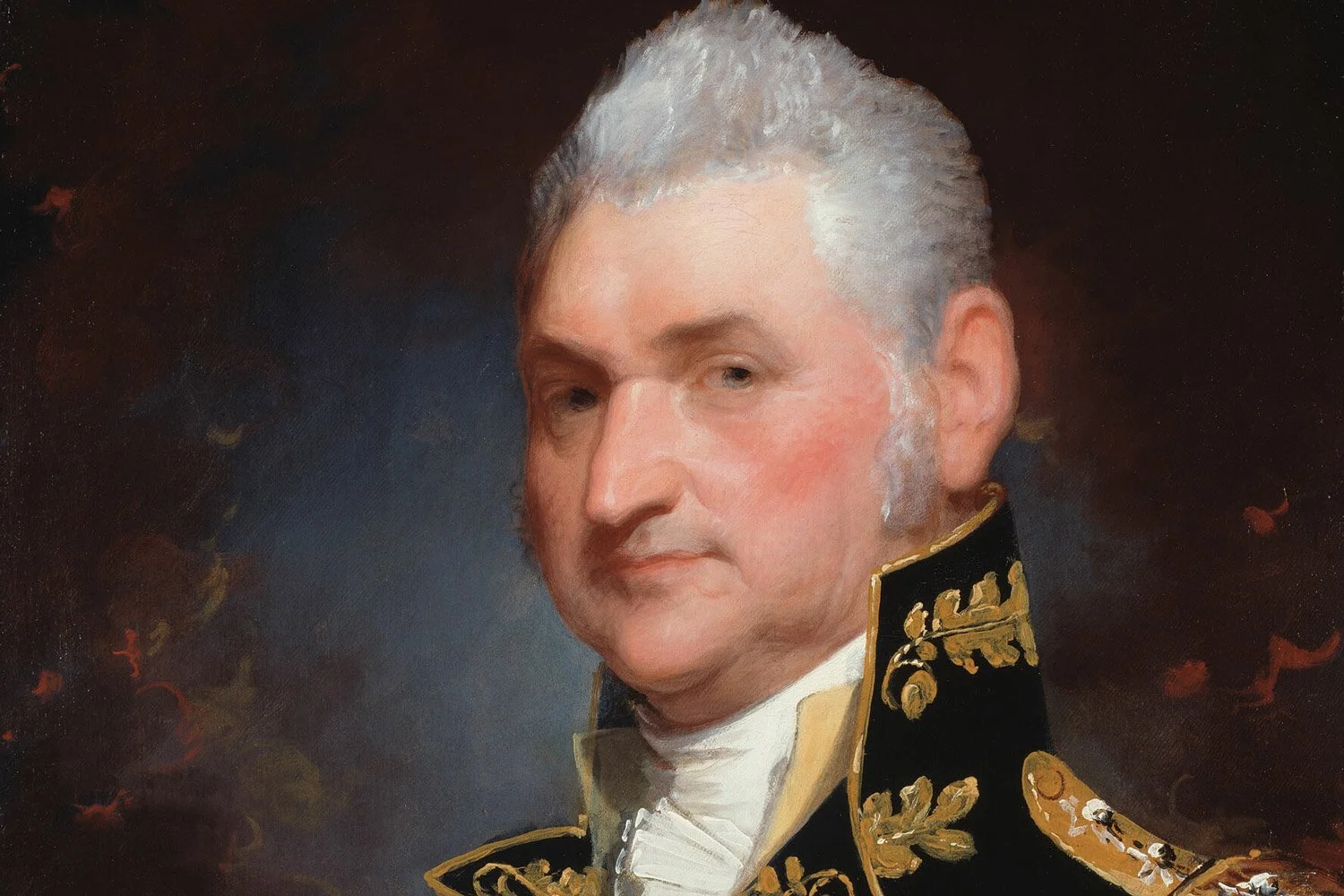
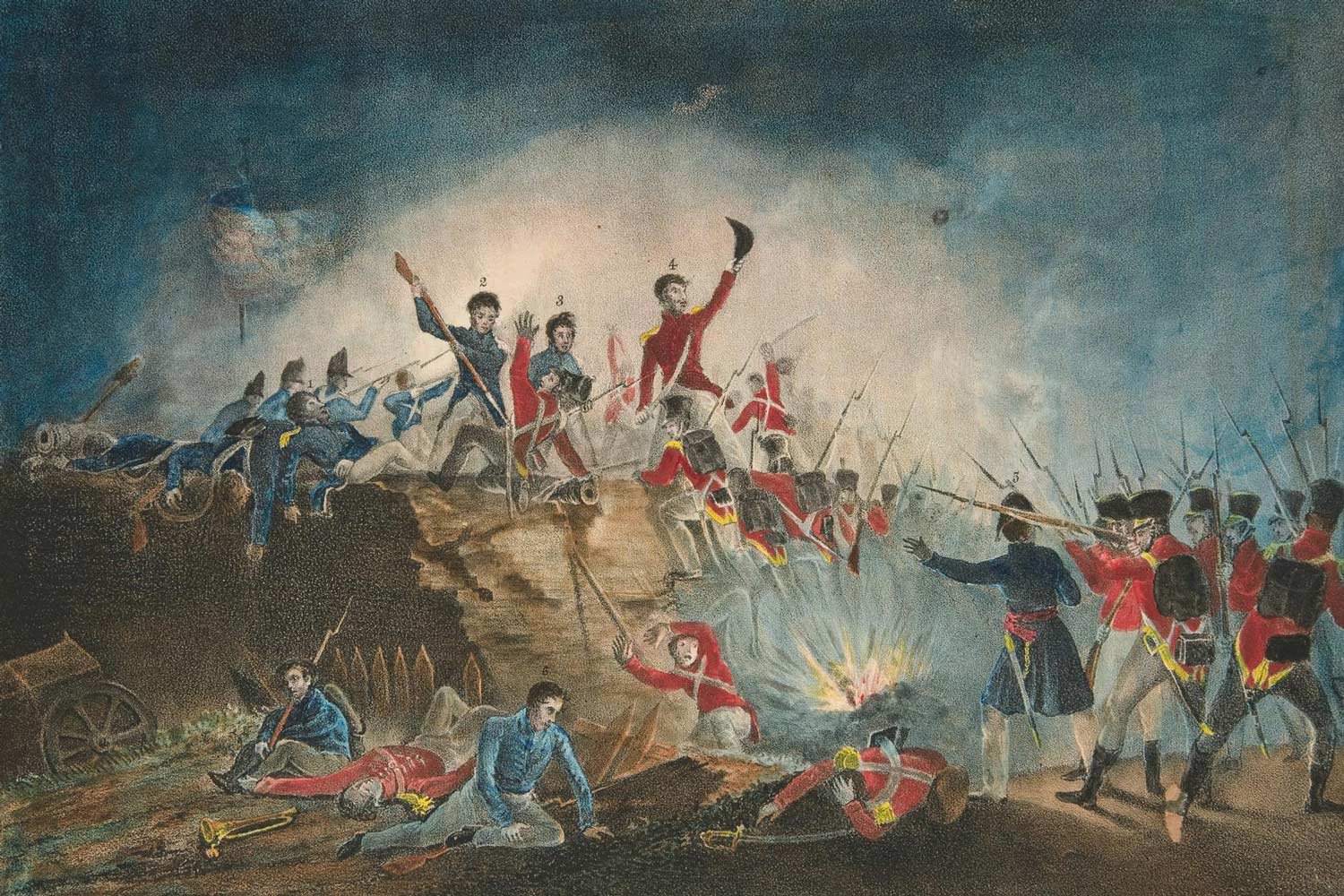
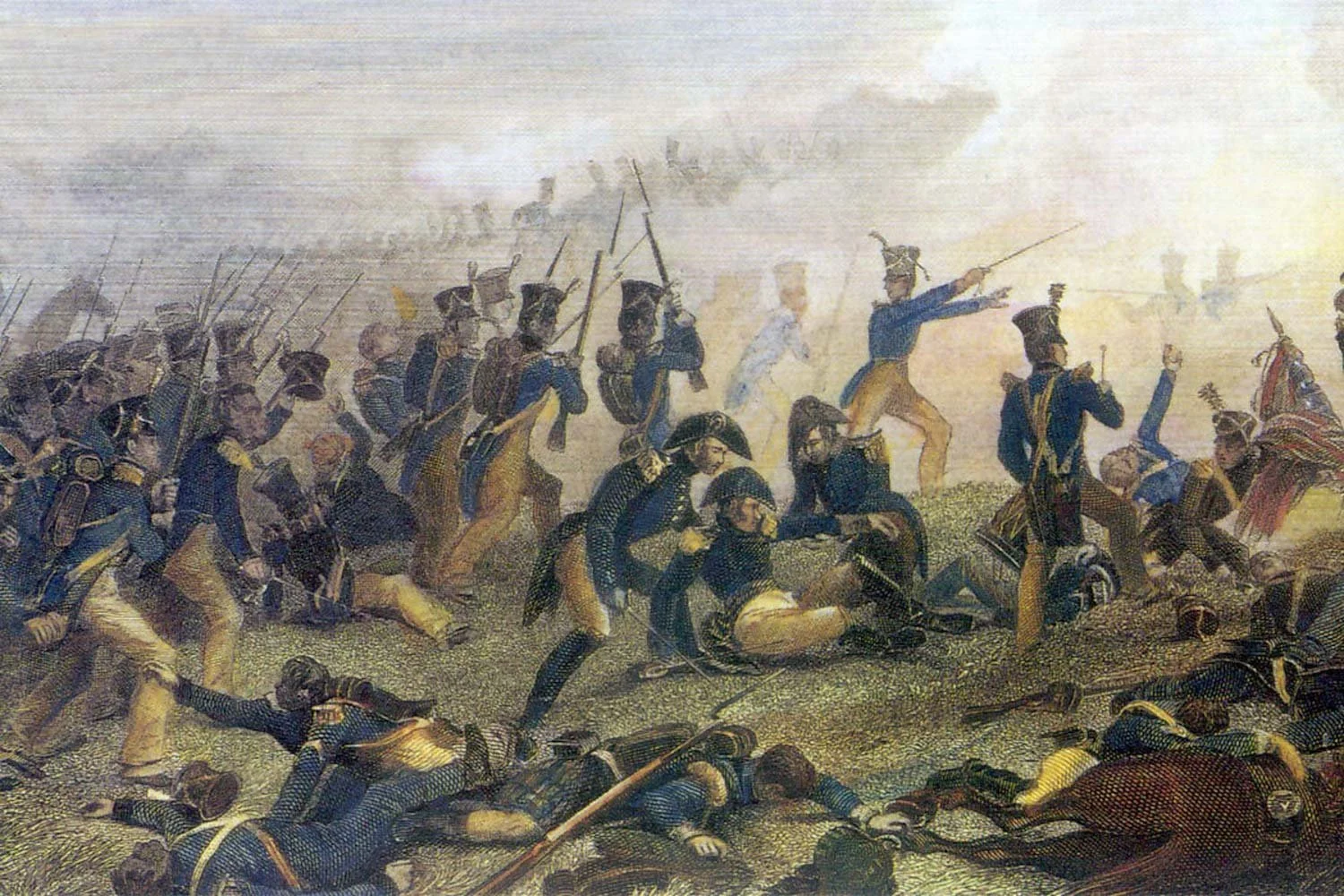
President James Madison assigned Henry Dearborn the right wing of the three-pronged American invasion of Canada, up Lake Champlain to the St. Lawrence River and then onward to Montreal. Arguably, this invasion sector was the most critical, as the St. Lawrence represented the only means of communication between Lower Canada and Upper Canada. In late April 1813, Dearborn and Commodore Isaac Chauncey, commander of the American fleet on Lake Ontario, sailed with 1,700 men from Sackett’s Harbor, arriving at York, the capital of Upper Canada. The Americans landed at 8 a.m. and, by late morning, the British recognized they could not hold the town and withdrew across the Don River. But prior to leaving, the British rigged the powder magazine, which held 74 tons of iron shells and 300 barrels of gunpowder, to explode rather than let it fall into American hands. Around 1 p.m. the charge denoted and beams, metal, and stone from the magazine flew off in every direction, killing or wounding over 200 Americans and nearly as many Brits. Angered by the explosion, the Americans set fire to the town’s public buildings.
Tom Hand, creator and publisher of Americana Corner, explore the actions that led to America’s first victory in the War of 1812 and why it still matters today.
Images courtesy of the National Portrait Gallery - Smithsonian Institution, Art Institute of Chicago, New York Public Library, Library of Congress, Yale University Art Gallery, Naval History and Heritage Command, World History Encyclopedia, Wikimedia.
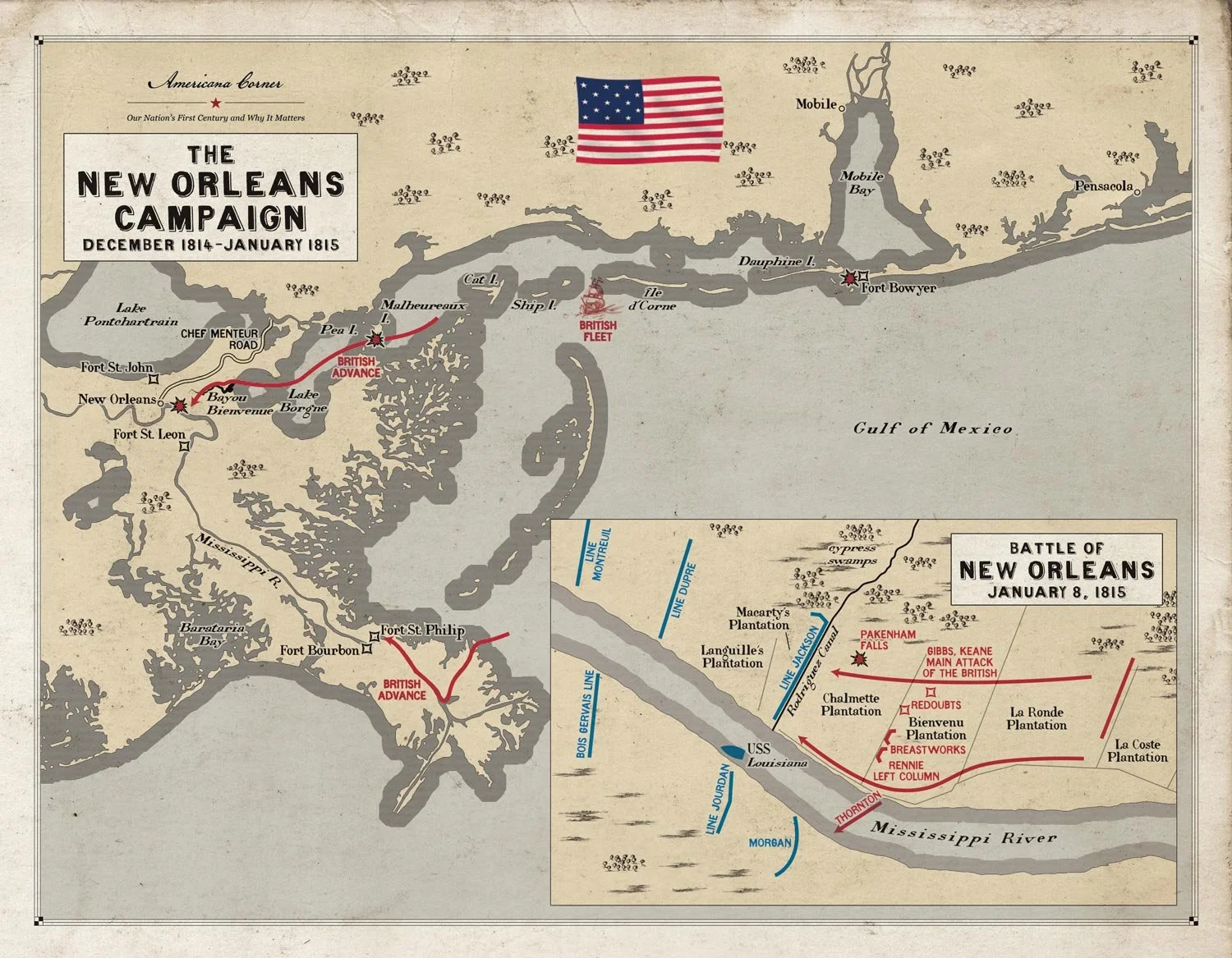

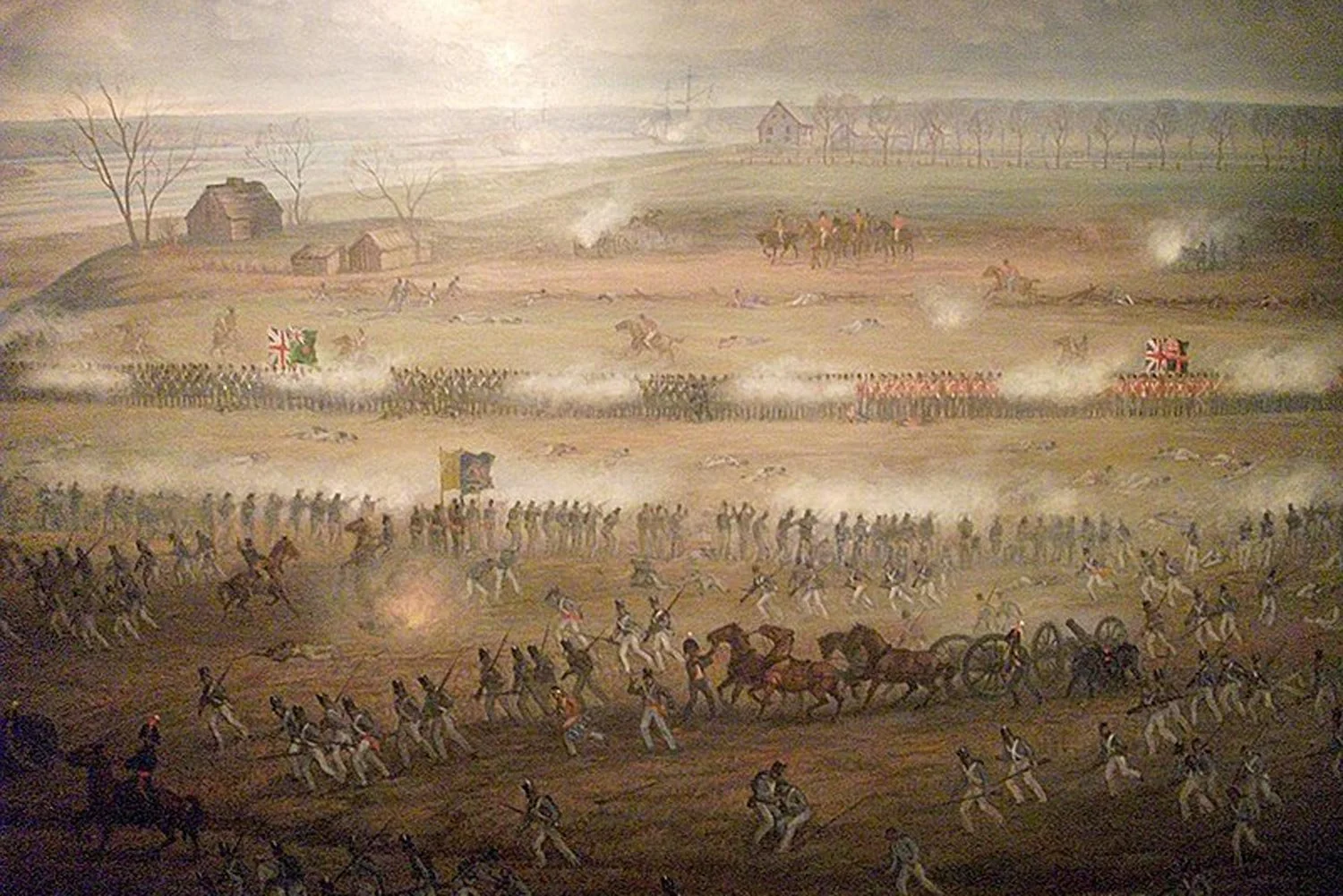
With the British now on the doorsteps of New Orleans but the city's defenses incomplete and the army not yet assembled, it became apparent that General Andrew Jackson had badly miscalculated regarding British intentions and had wasted precious time with his assault on Pensacola and initial focus on Mobile. But Old Hickory remained undaunted and ordered all available forces to march post-haste to the city.