
War of 1812, Part 1: A Divided America Goes to War
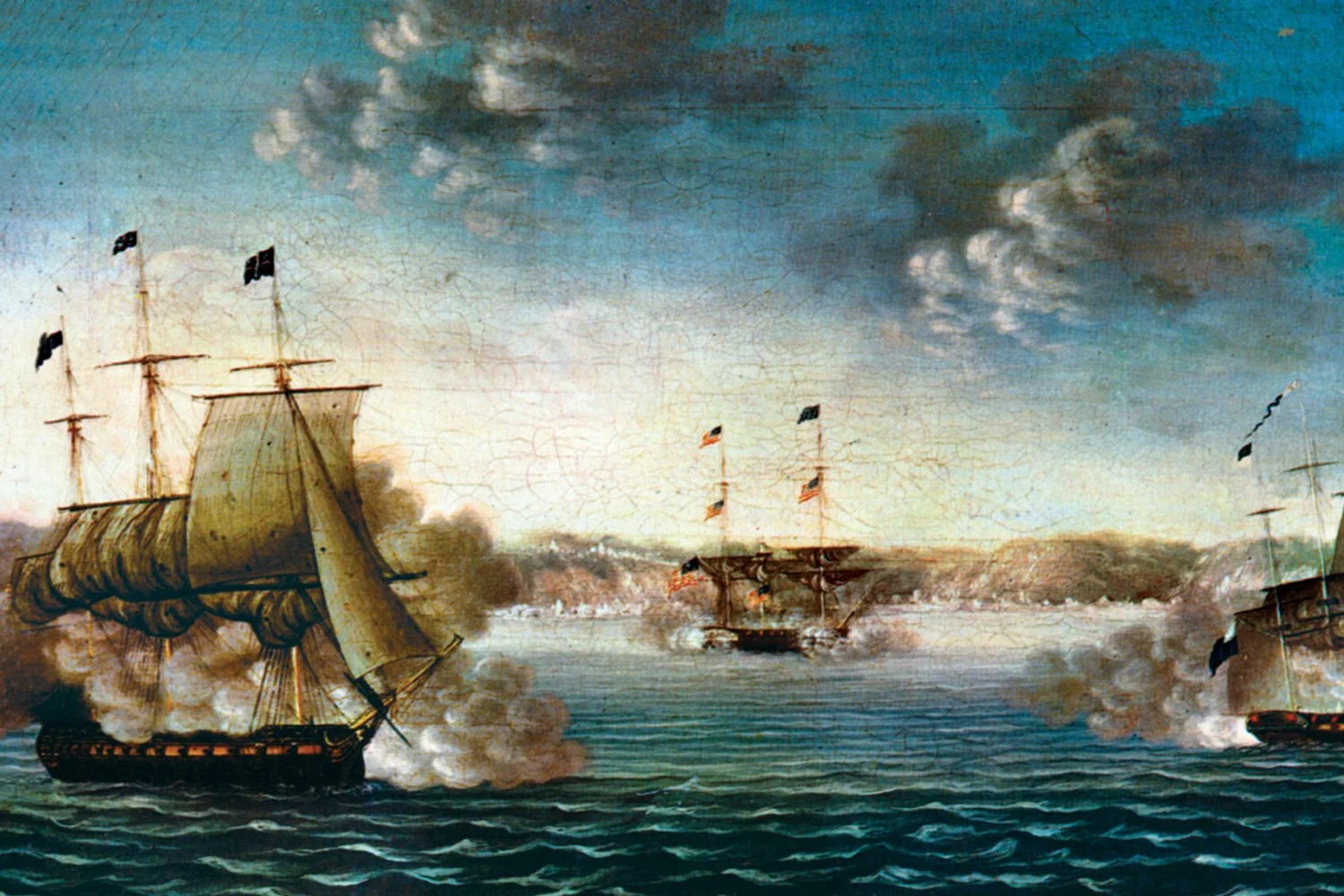
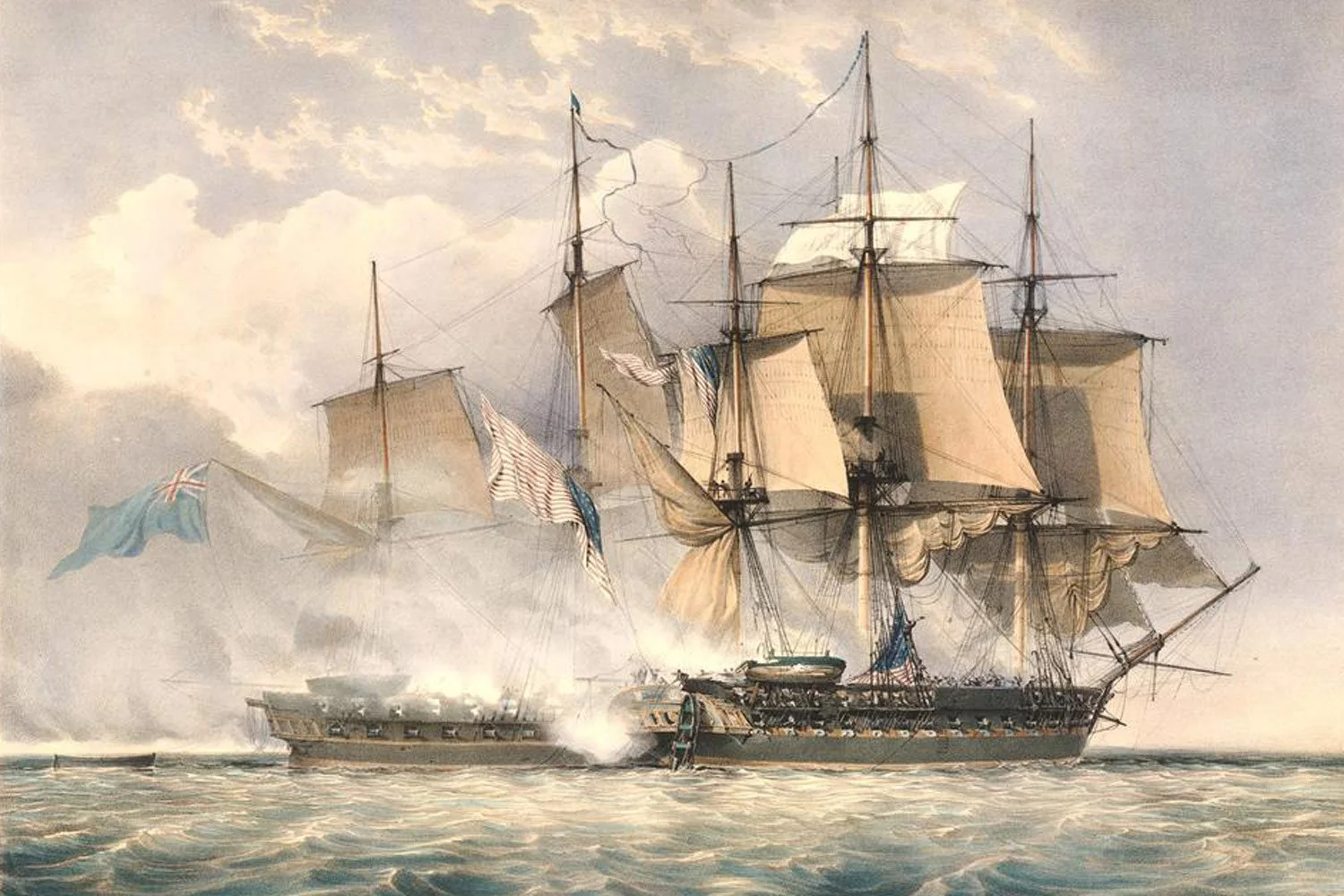
In June of 1812, President James Madison asked Congress to declare war on Great Britain for refusing to honor American maritime rights. Madison’s hand was forced by the young firebrands who made up the Twelfth Congress. Support for the war was not unanimous, as New England, dominated by Federalists, strongly opposed the conflict. But to the Democratic-Republicans, Canada seemed an easy conquest, with Thomas Jefferson stating that “the acquisition of Canada…will be a mere matter of marching.” When the vote on Madison’s request was taken on June 18, 1812, it was the closest in our country’s history on a declaration of war.
Tom Hand, creator and publisher of Americana Corner, discusses how a divided America was drawn into war, and why it still matters today.
Images courtesy of the Naval History and Heritage Command, National Portrait Gallery - Smithsonian Institution, Library of Congress, National Gallery of Art, U.S. Senate, Art Institute Chicago, Wikimedia.

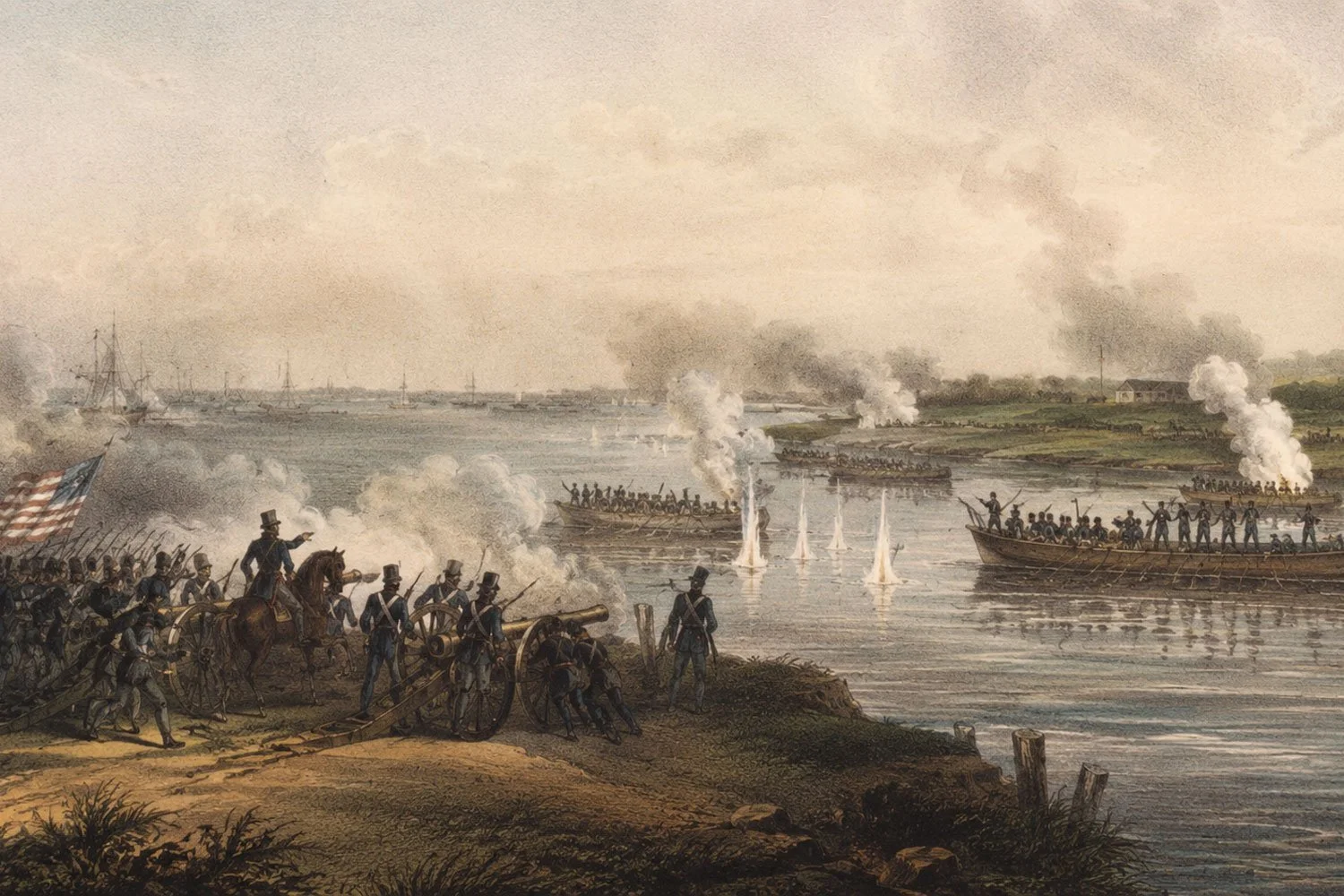
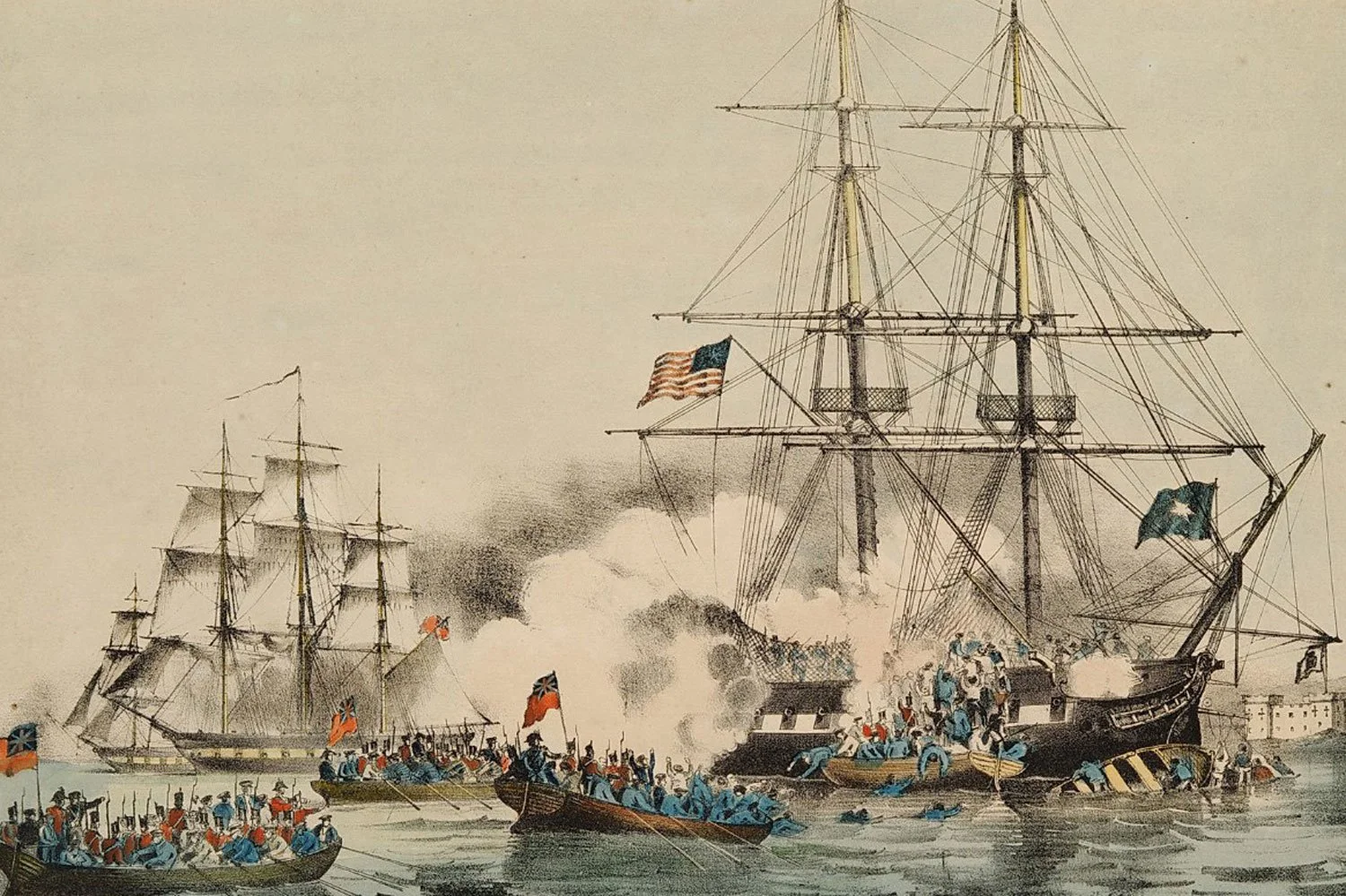
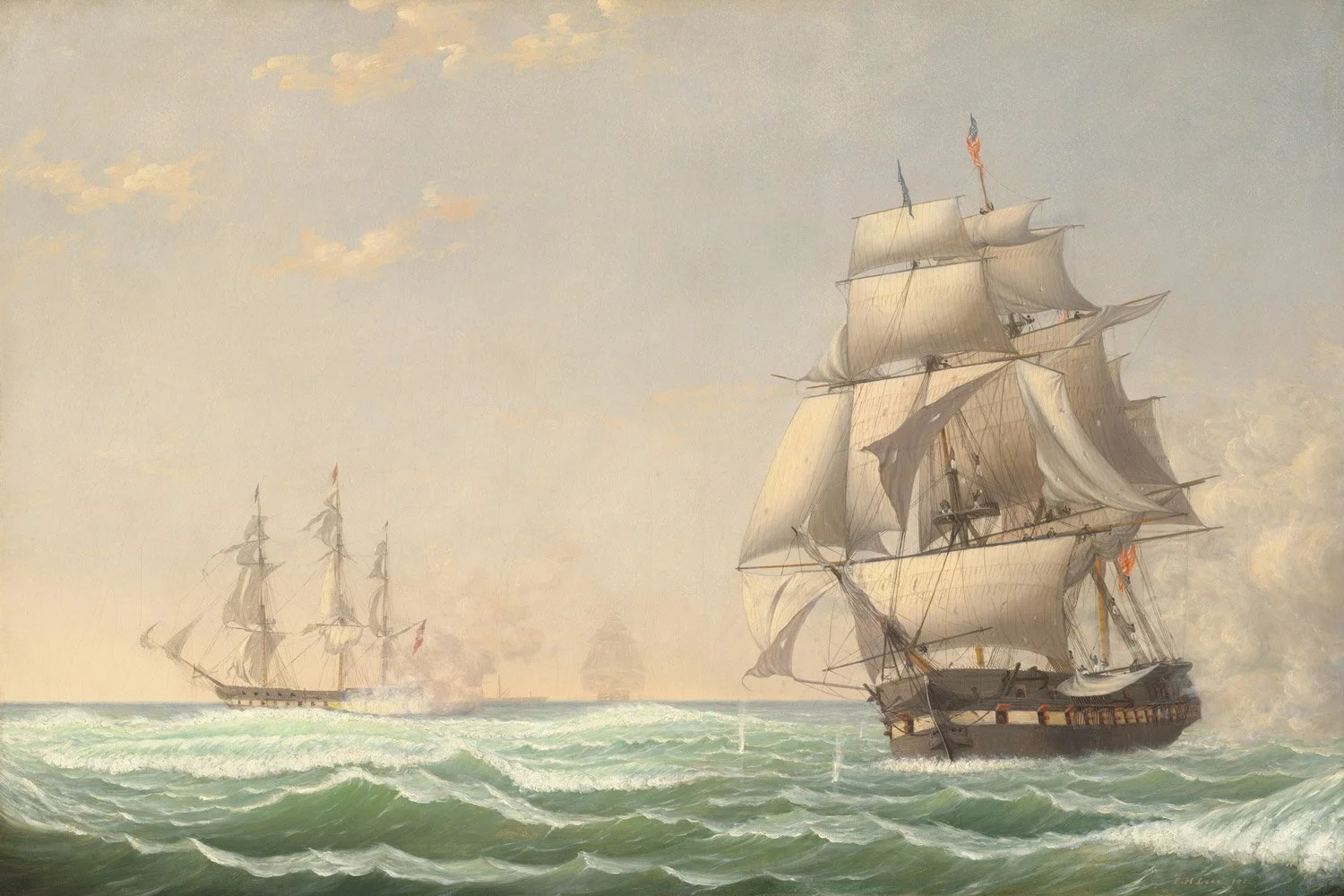
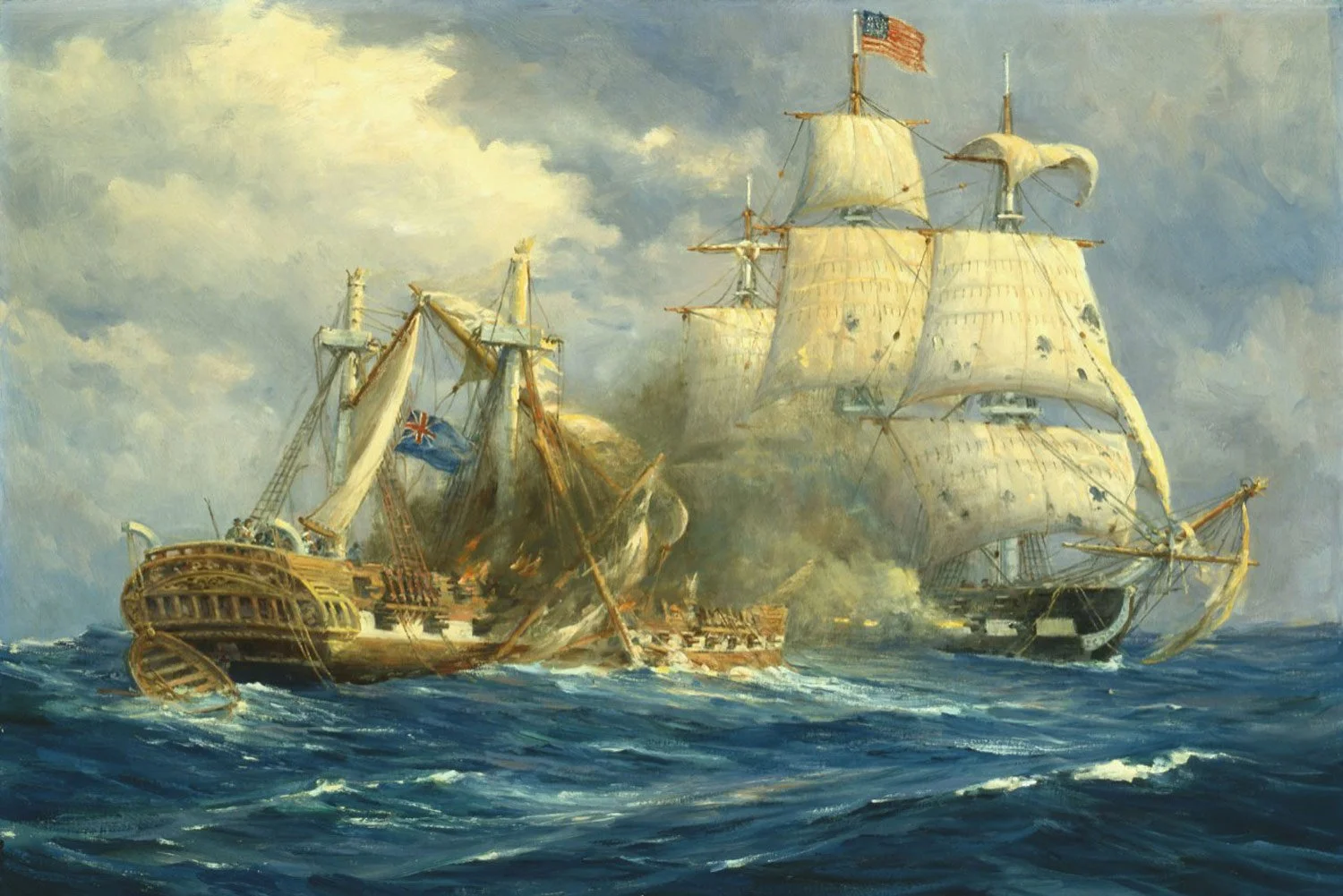
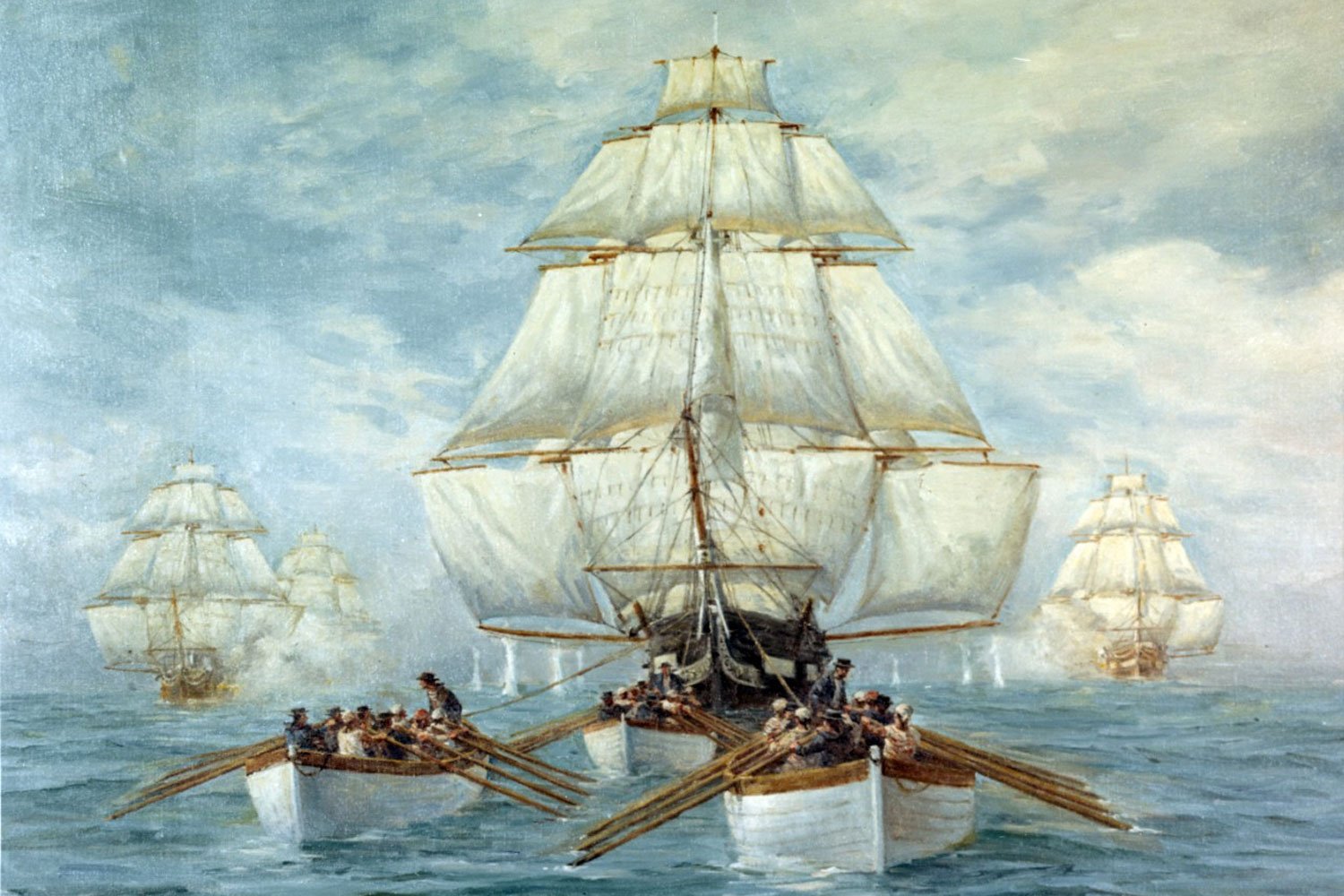
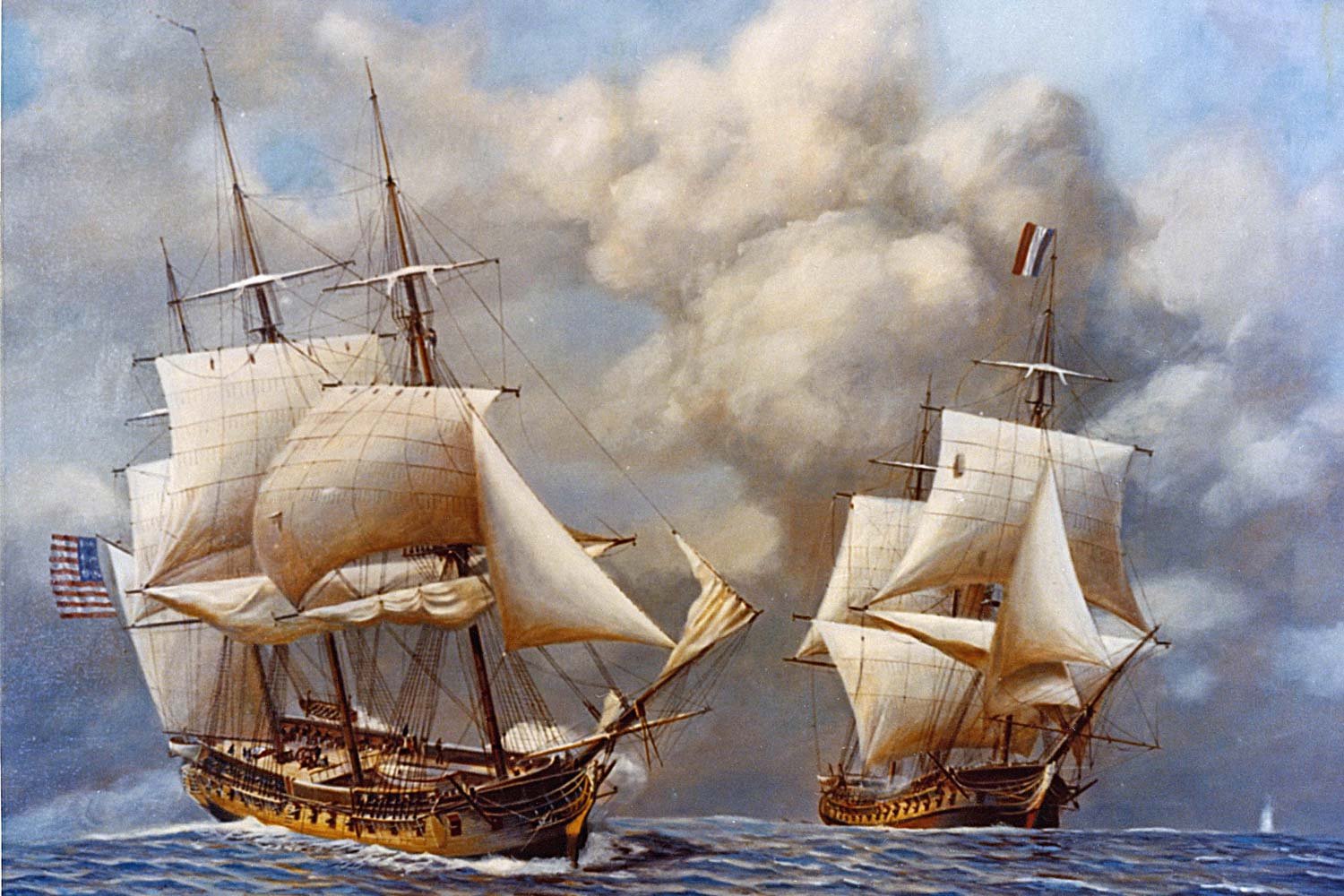
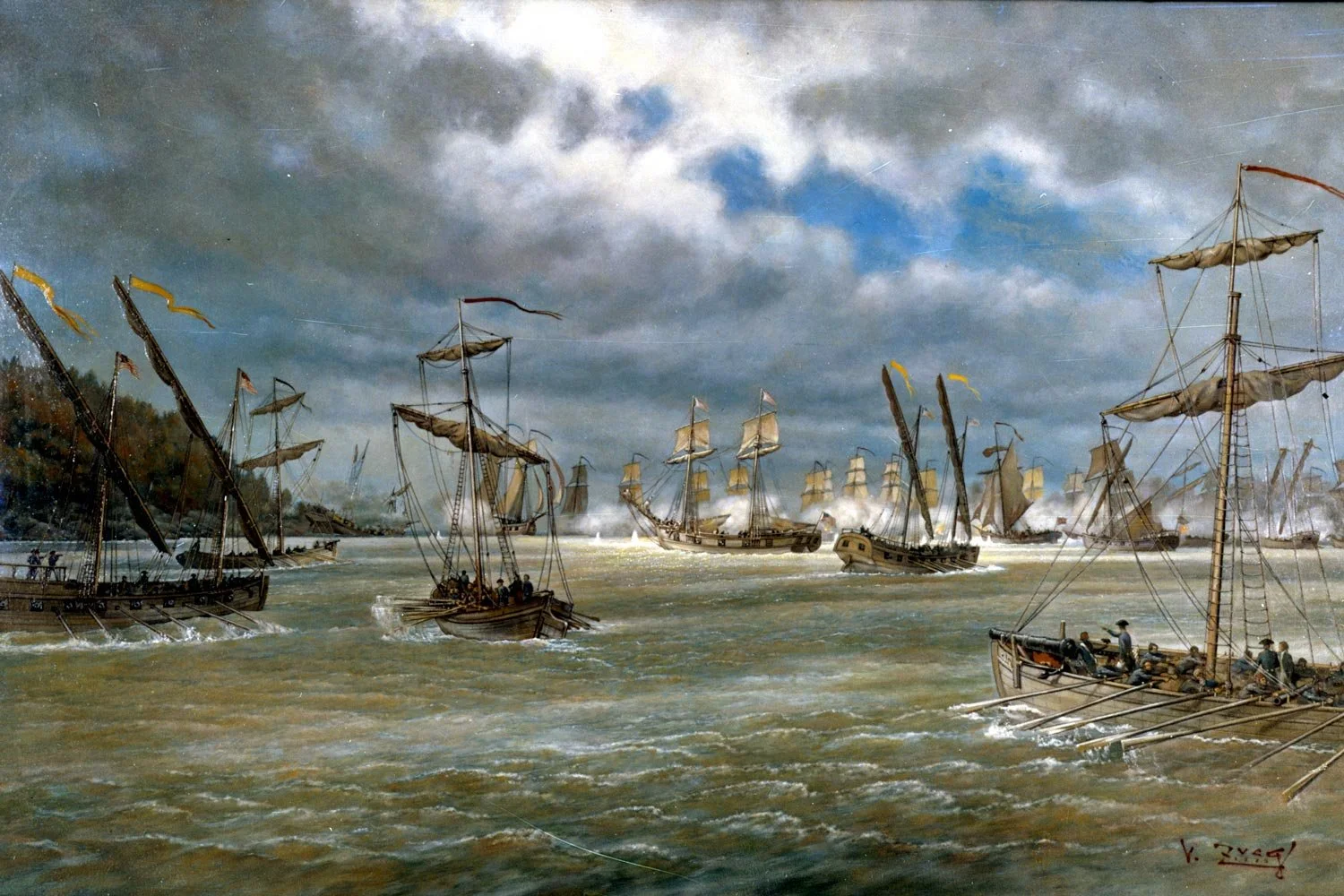
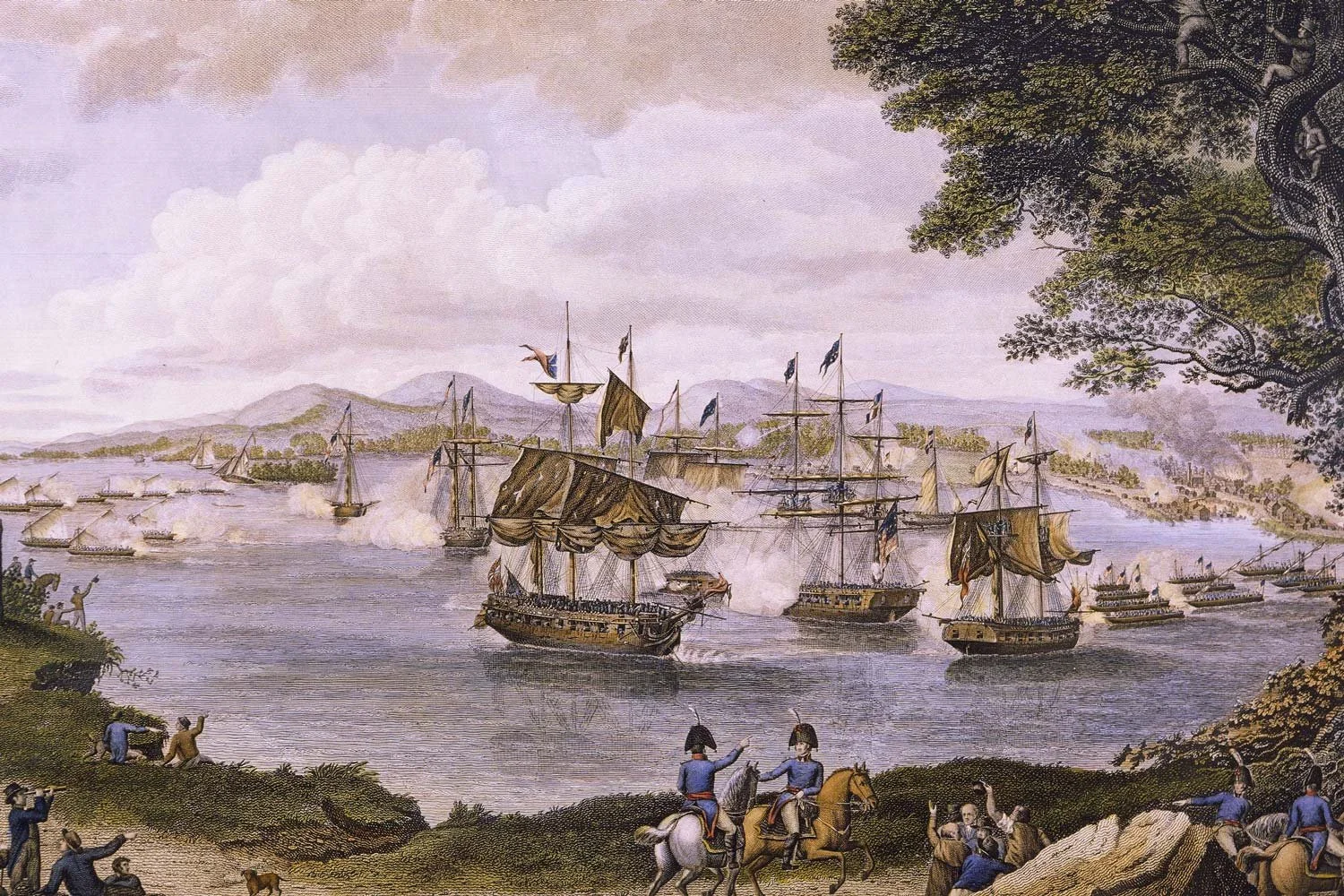
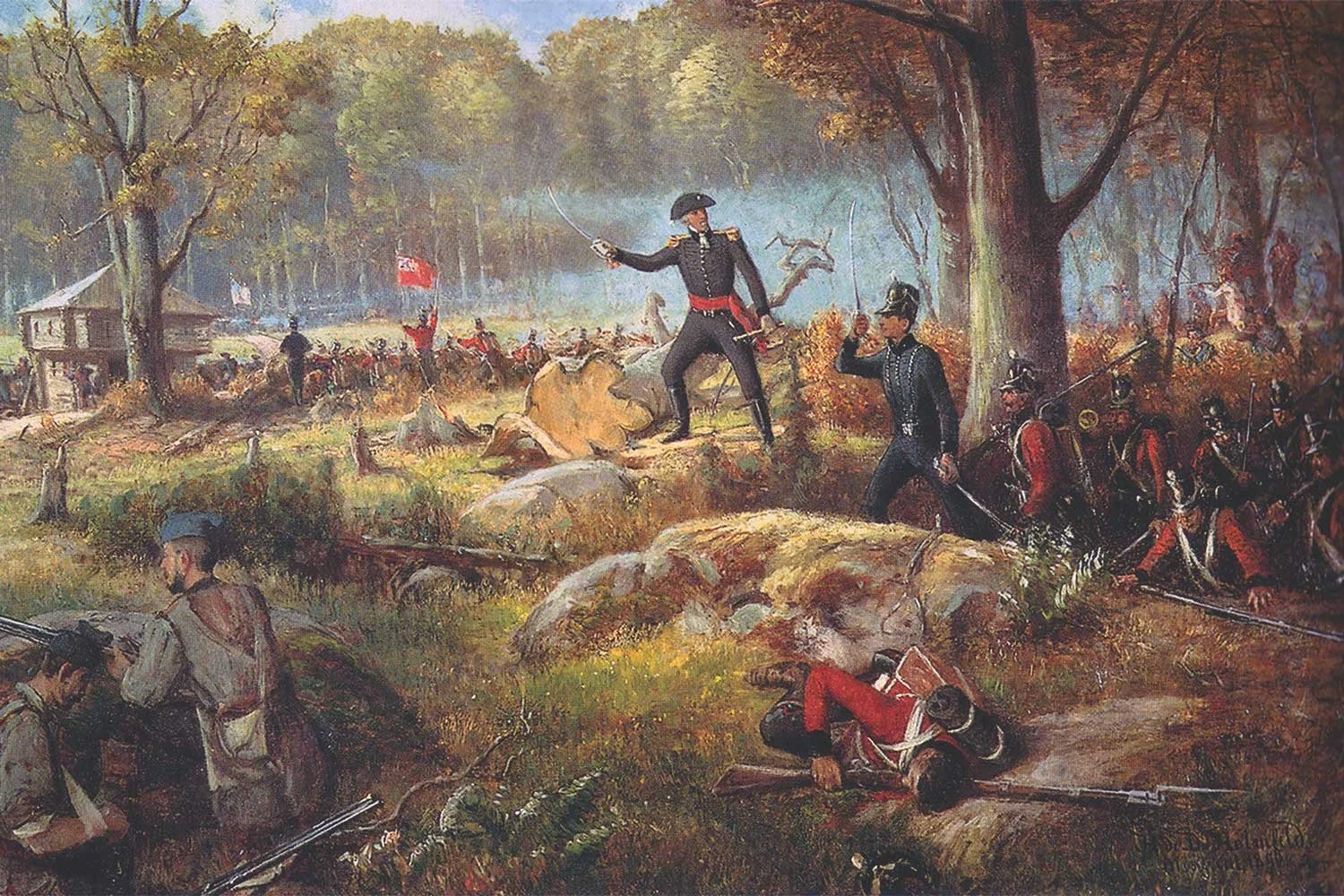
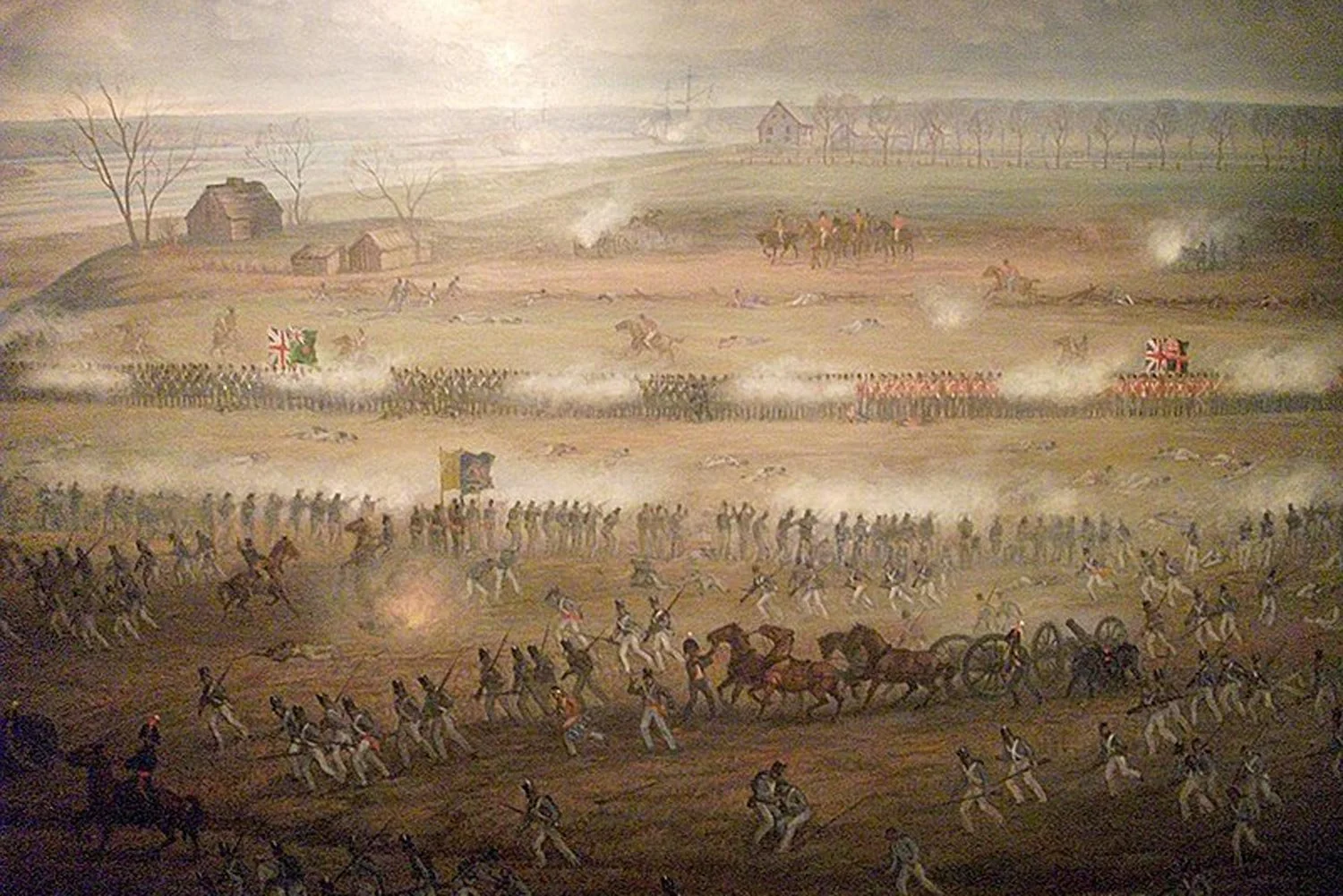
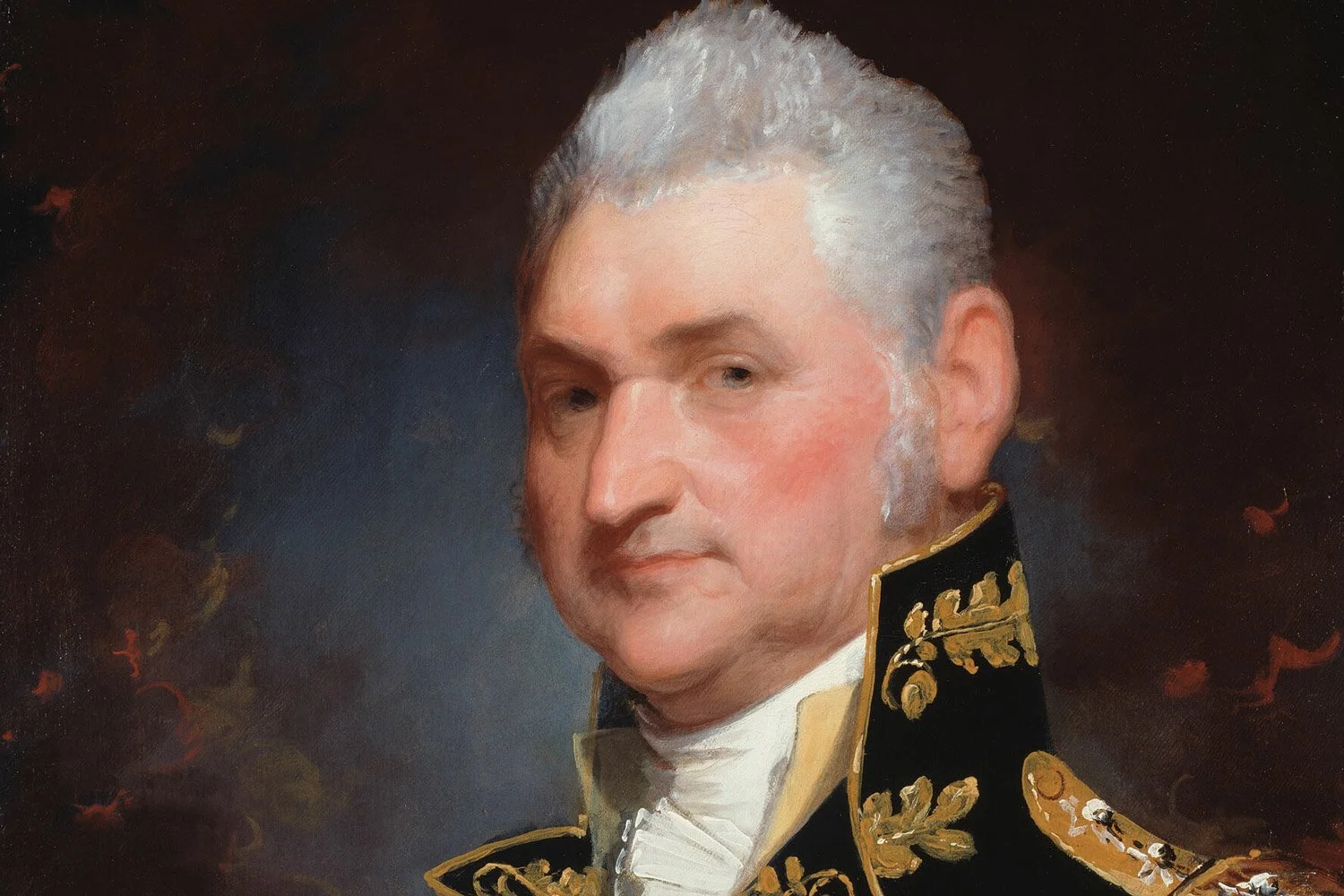
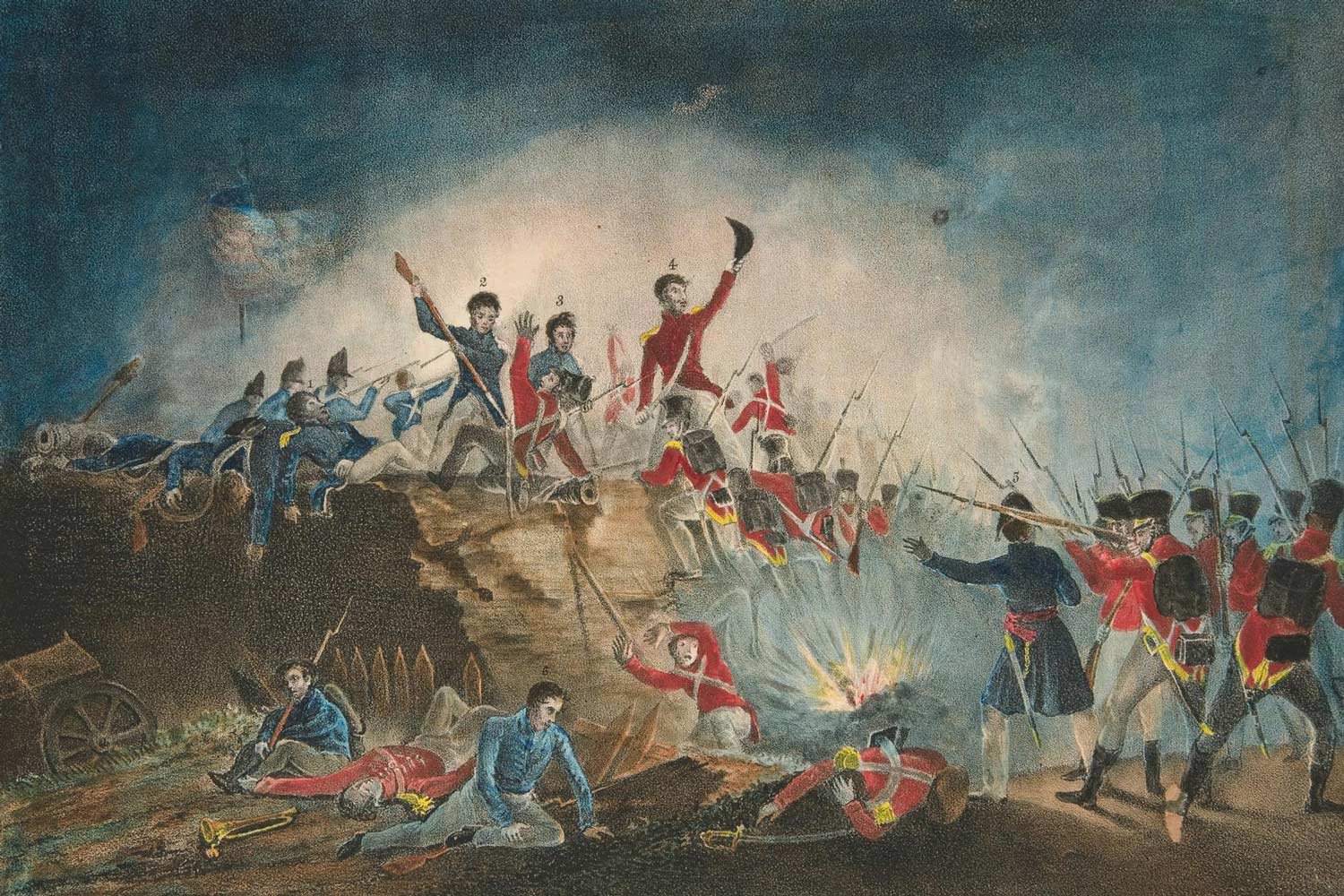
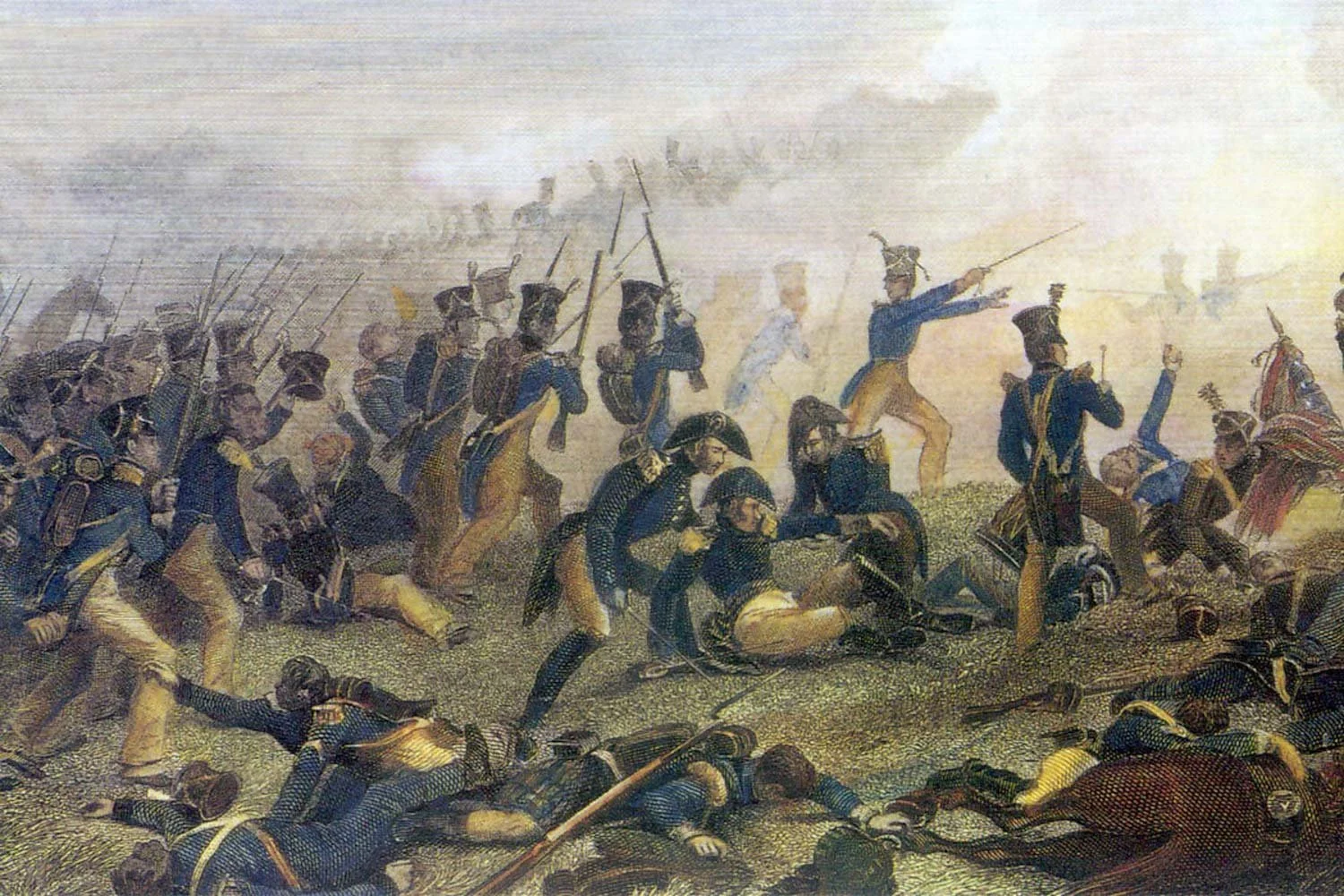

In a dispatch dated August 10, 1814, Vice Admiral Alexander Cochrane was instructed by Lord Bathurst, Secretary of State for War and the Colonies, to proceed to Jamaica and rendezvous with reinforcements coming from England to assist him in capturing New Orleans. With the death of Major General Robert Ross at North Point, the War Department in London gave the command of the land force for this new expedition to Major General Sir Edward Pakenham, a veteran of the Peninsula War and the brother-in-law of the Duke of Wellington. And on November 26, Cochrane, Pakenham, and a British army of nearly 7,000 veterans sailed for New Orleans.