
Browse Articles by Category

Colonial Era
American Revolution

The New Nation

National Expansion and Reform

Civil War and Reconstruction (Coming Soon)
Assault on Quebec Ends in Disaster
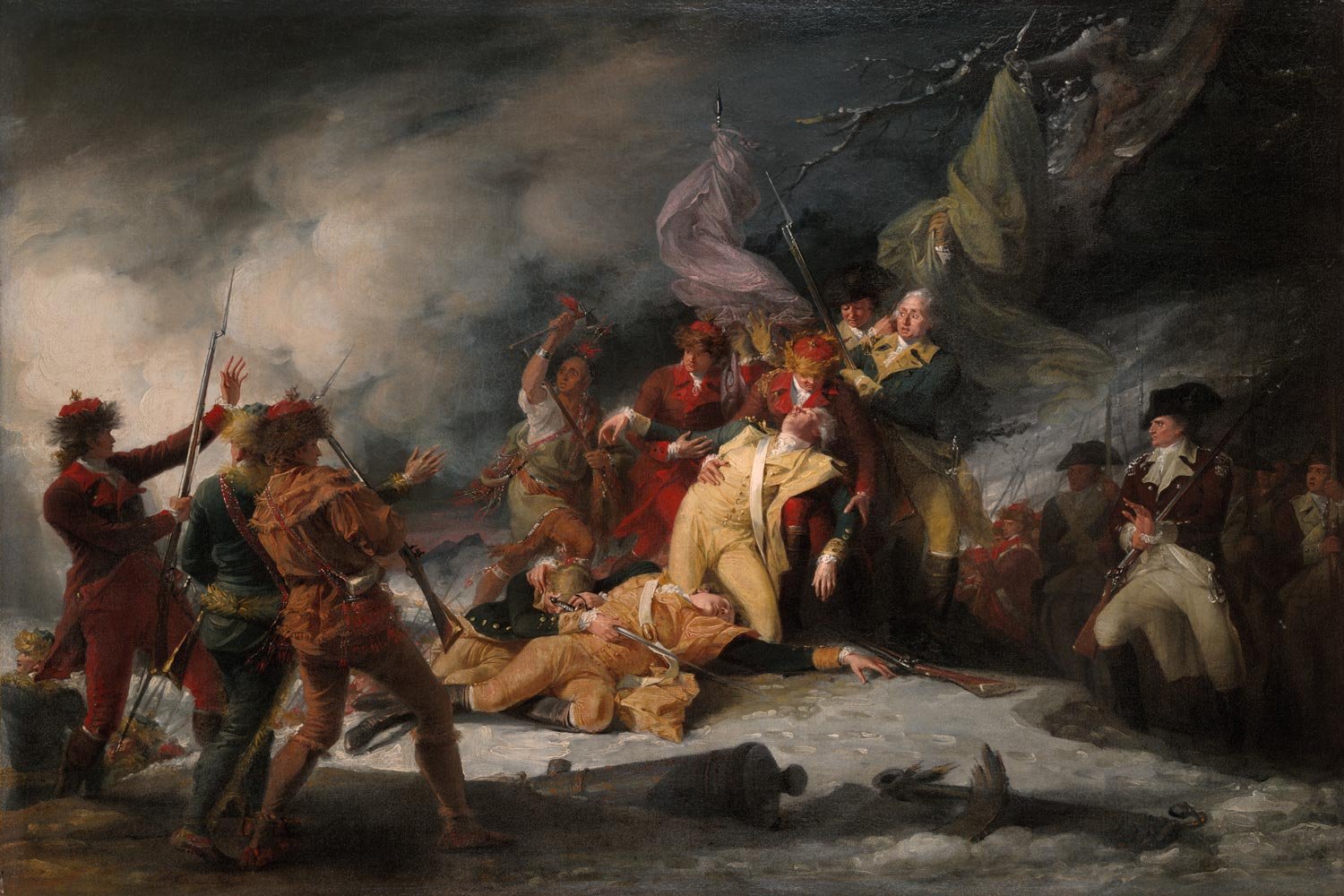
On December 26, General Richard Montgomery assembled the key officers in his army besieging Quebec City to discuss their next steps. The bombardment of the city had failed to convince British General Guy Carleton to surrender and there were only five days remaining until the enlistments of most of Montgomery’s men expired and they left for home. There was grumbling in the ranks that the retreat should have already started.
Americans Commence Siege of Quebec
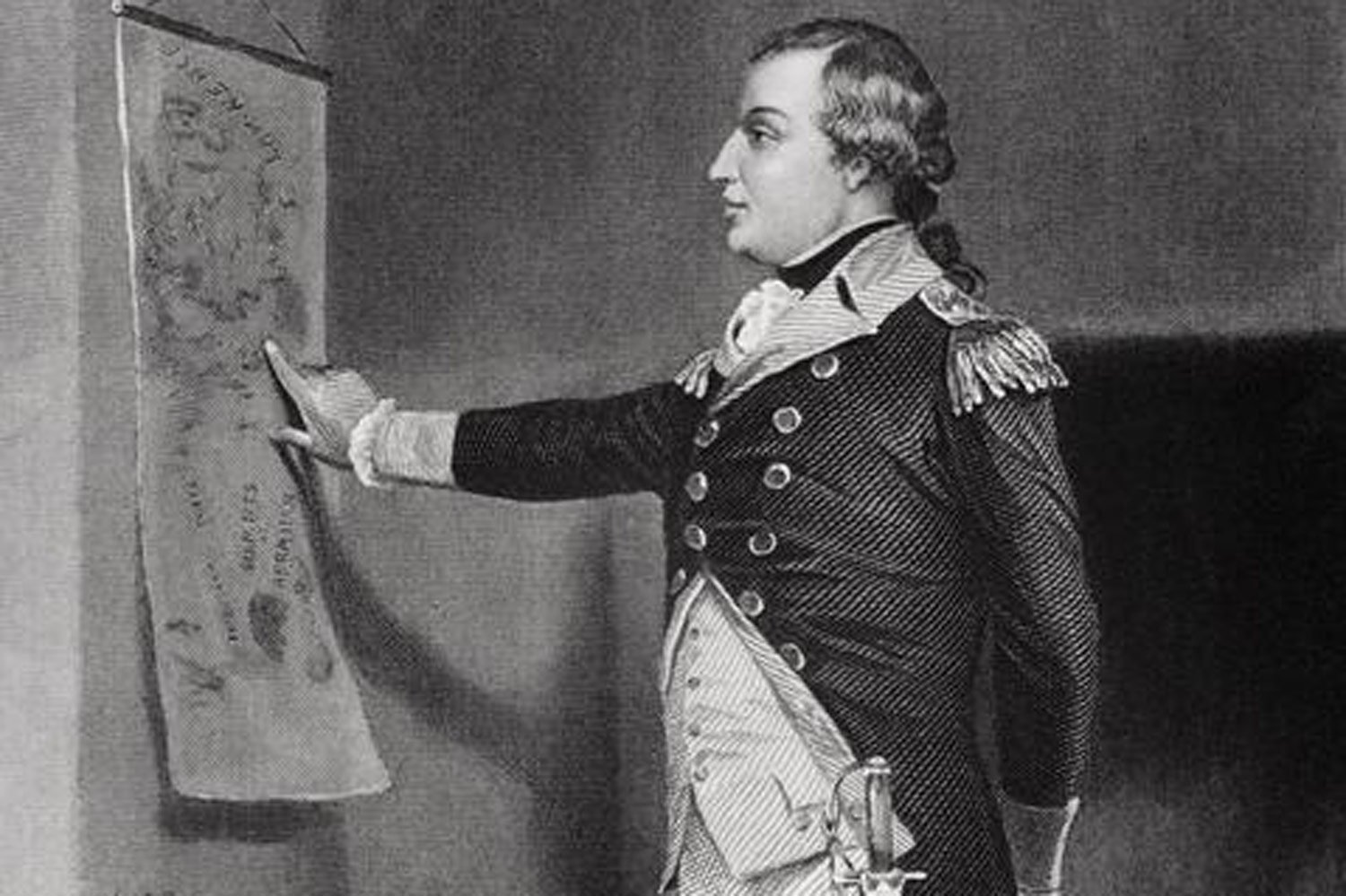
With the capture of Montreal by General Richard Montgomery and the presence of Colonel Benedict Arnold’s force of 600 men on the Plains of Abraham, Britain’s foothold in Canada had dwindled to about one square mile, the area within the mighty walls of Quebec City. Now the defenses of that fortress would be tested by a band of determined Americans.
Benedict Arnold’s Army Reaches Quebec
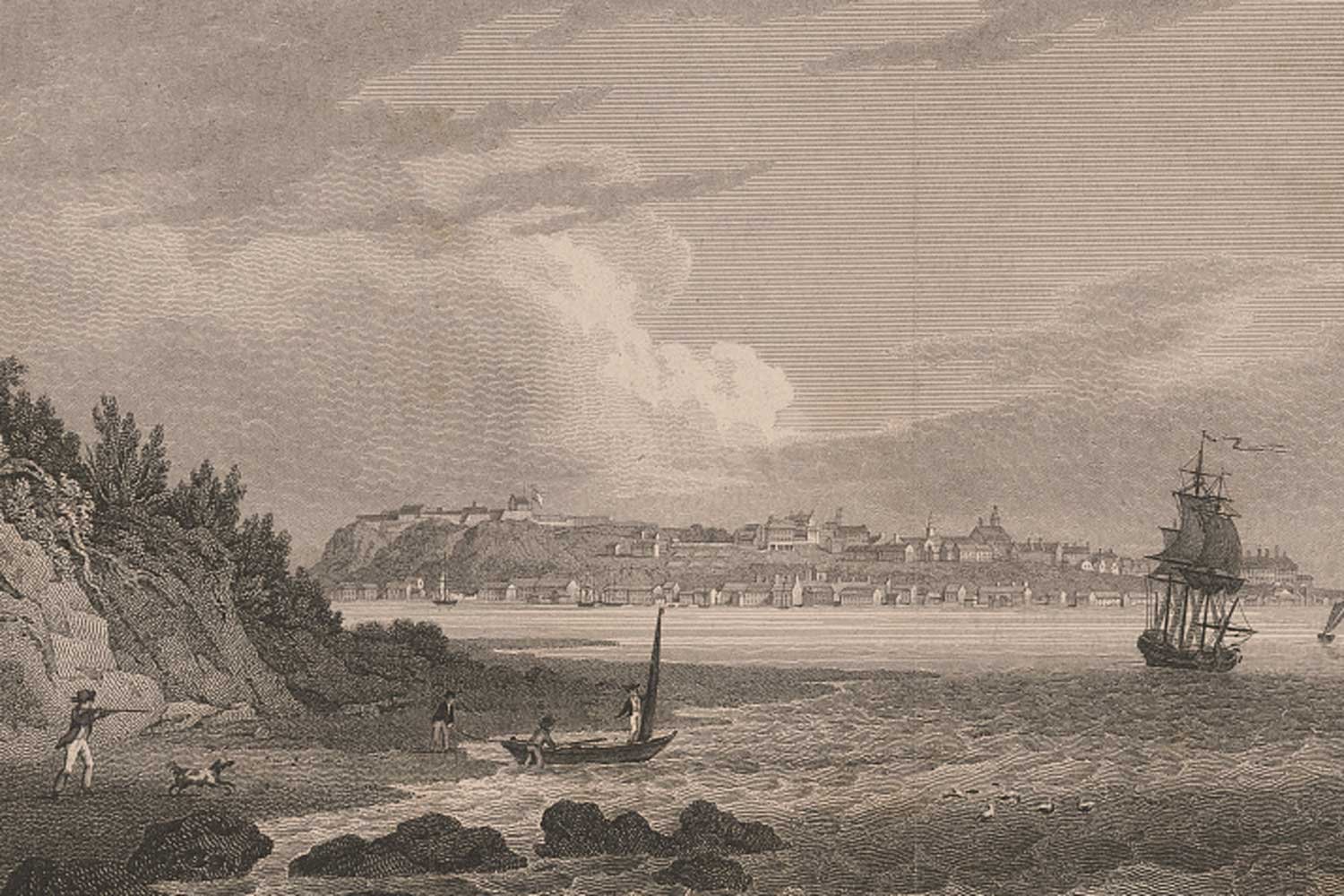
After clearing the Height of Land, Colonel Benedict Arnold’s army on its way to capture Quebec City believed they were on the downhill slope to their destination, but their hardships were not finished. The area which they just entered was poorly mapped, and Arnold’s regiments paid the price for this lack of knowledge.
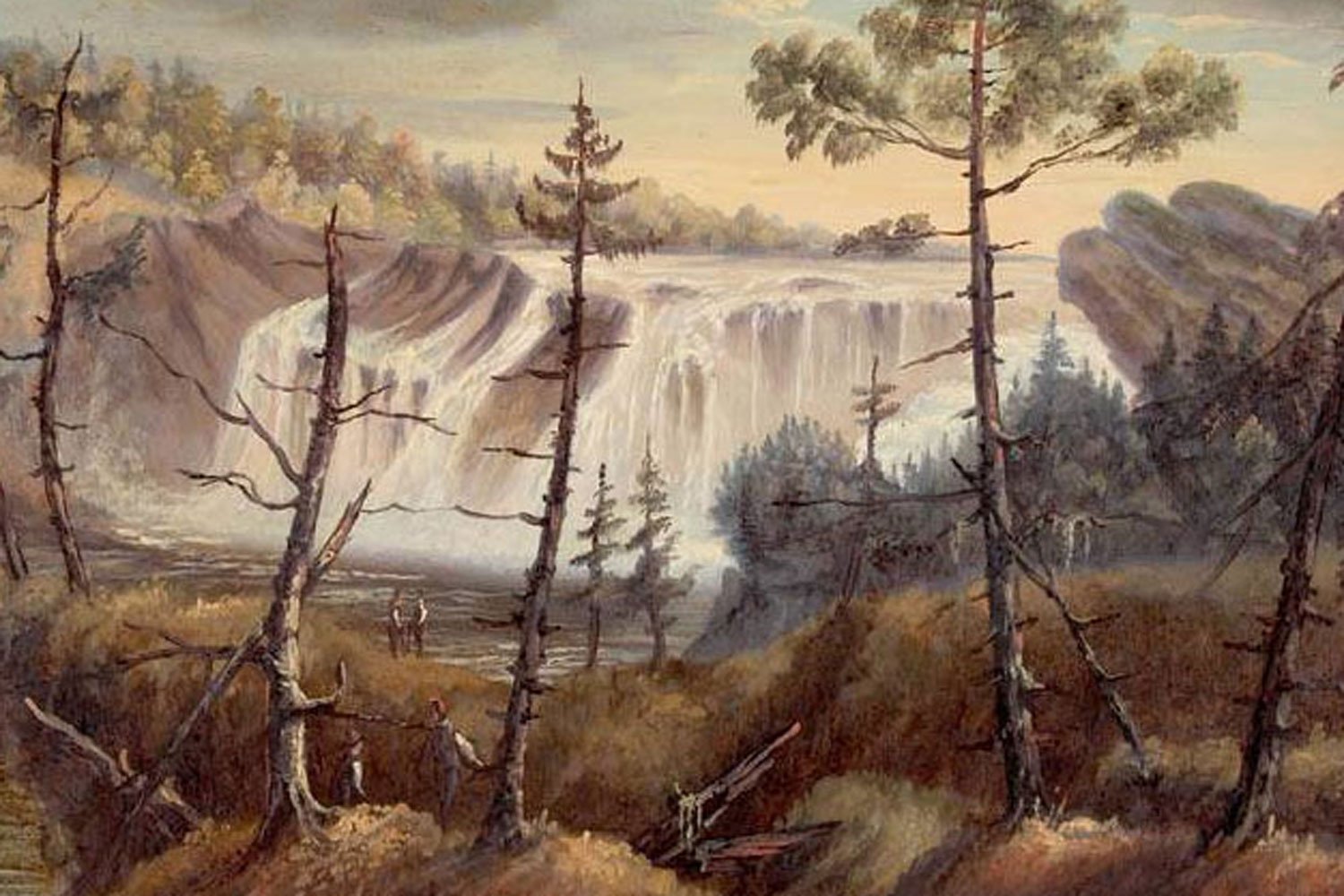
Arnold’s Army Marches into Trouble
When Colonel Benedict Arnold’s army reached the Great Carrying Place on October 11, 1775, they had been moving north on the Kennebec River for almost three weeks and had advanced eighty-four miles. The American militiamen were on their way to assault Quebec City, the crown jewel of British Canada. The time originally estimated for the entire journey to Quebec was about twenty days, and the anticipated distance was 180 miles. Neither Arnold nor the men were aware they had another 300 miles to go.
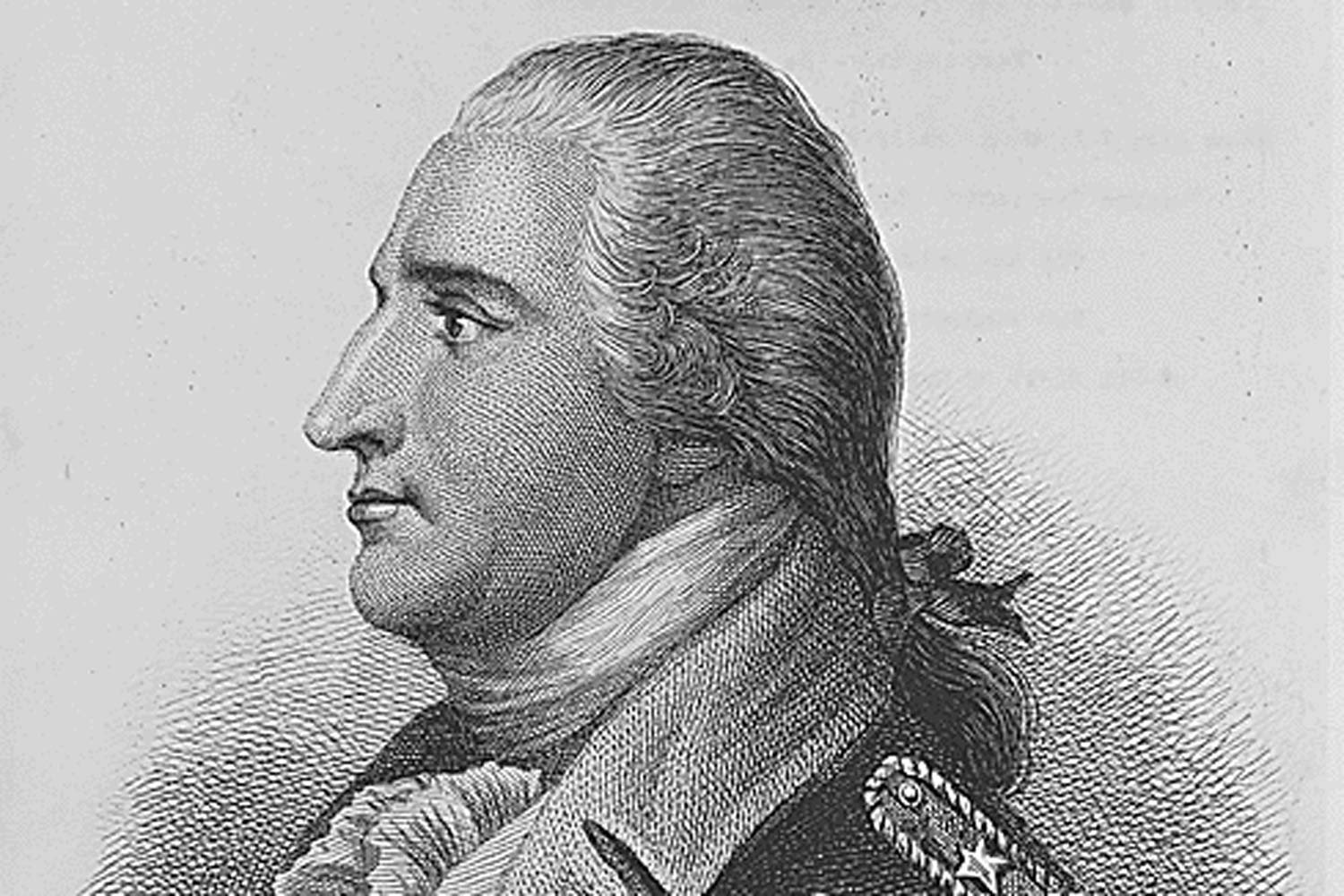
Benedict Arnold and the Perilous March to Quebec
Benedict Arnold’s expedition to the gates of Quebec City in the fall and winter of 1775 is widely regarded as one of the greatest military marches in history. Arnold, despite his sullied reputation due to his traitorous behavior later in the war, was one of America’s most gifted field commanders, and his tremendous leadership skills were put to the test on this perilous journey.
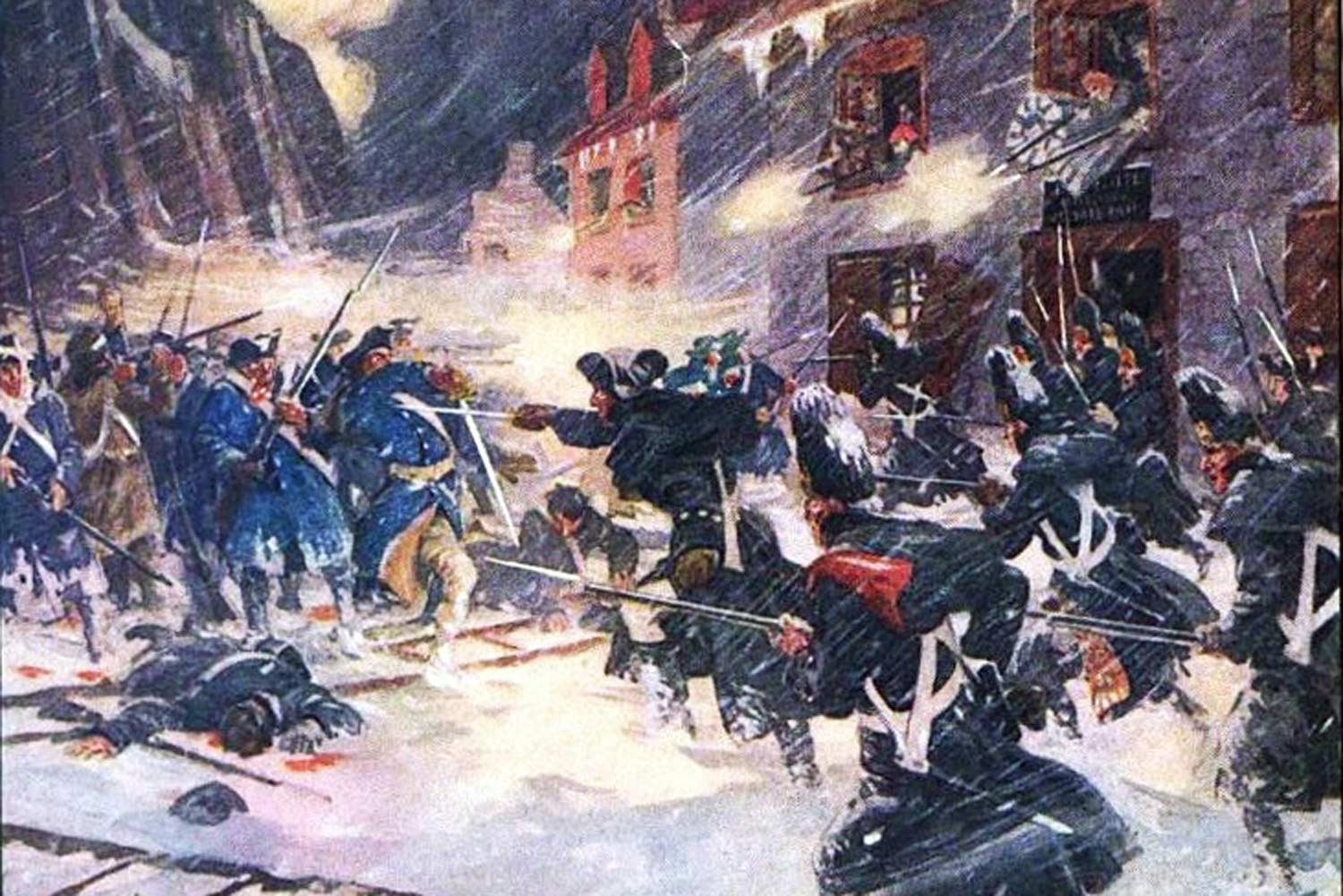
The Continental Army’s Largely Forgotten Invasion of Quebec
The first significant offensive operation of the American Revolution was the largely forgotten invasion of the Province of Quebec by American troops in 1775. It was the opening act of the greater Northern Campaign of 1775-1776 in which the American colonies tried to wrest control of Canada from England. Although it did not end well, there were moments of incredible bravery and perseverance that demonstrated the resolve of our founding generation.
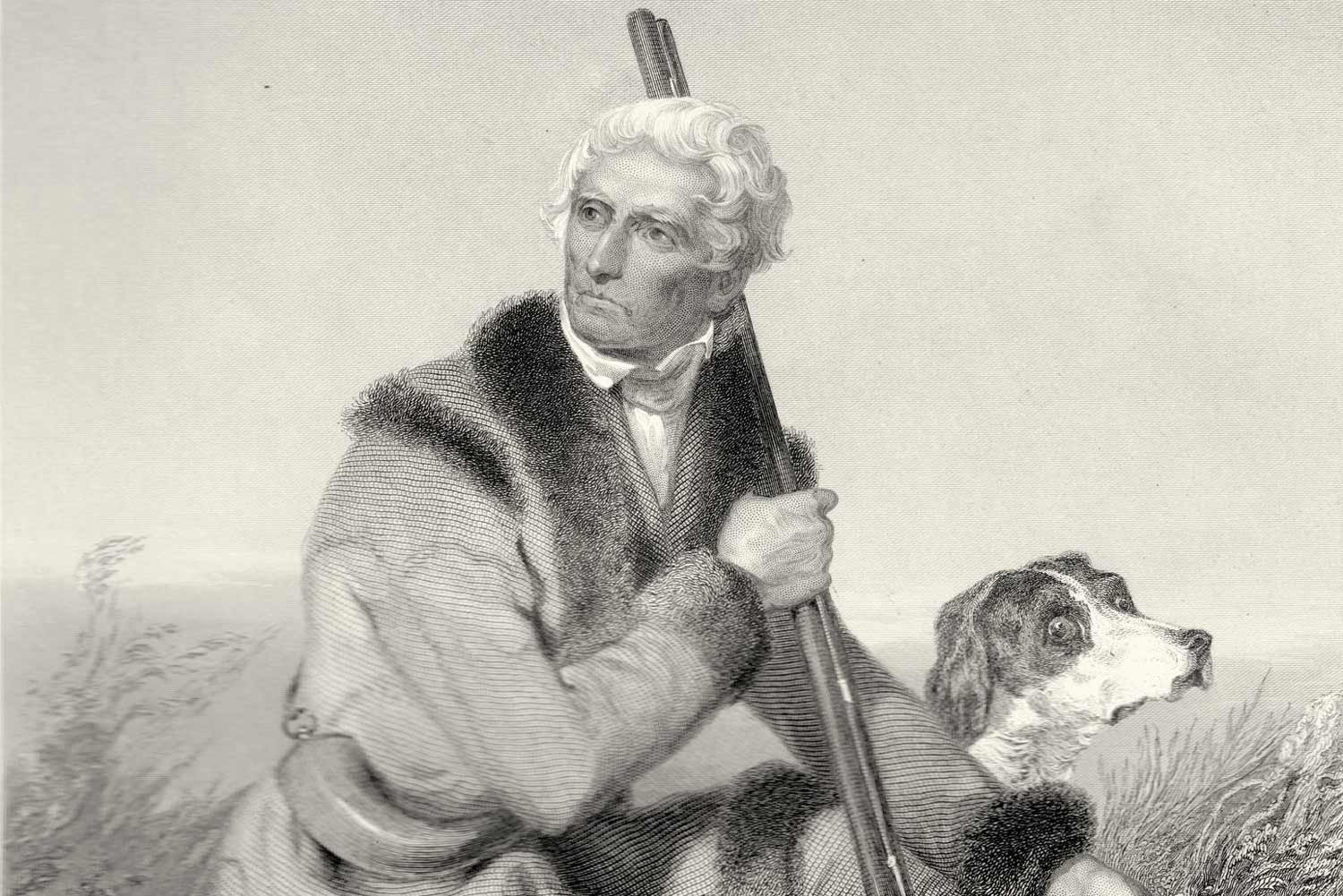
The Legacy of Daniel Boone
Soon after the American Revolution began in 1775, Daniel Boone joined the Virginia militia of Kentucky County (later Fayette County) and was named a captain due to his leadership ability and knowledge of the area. Over the next several years, Boone would participate in numerous engagements.
The Early Life of Daniel Boone
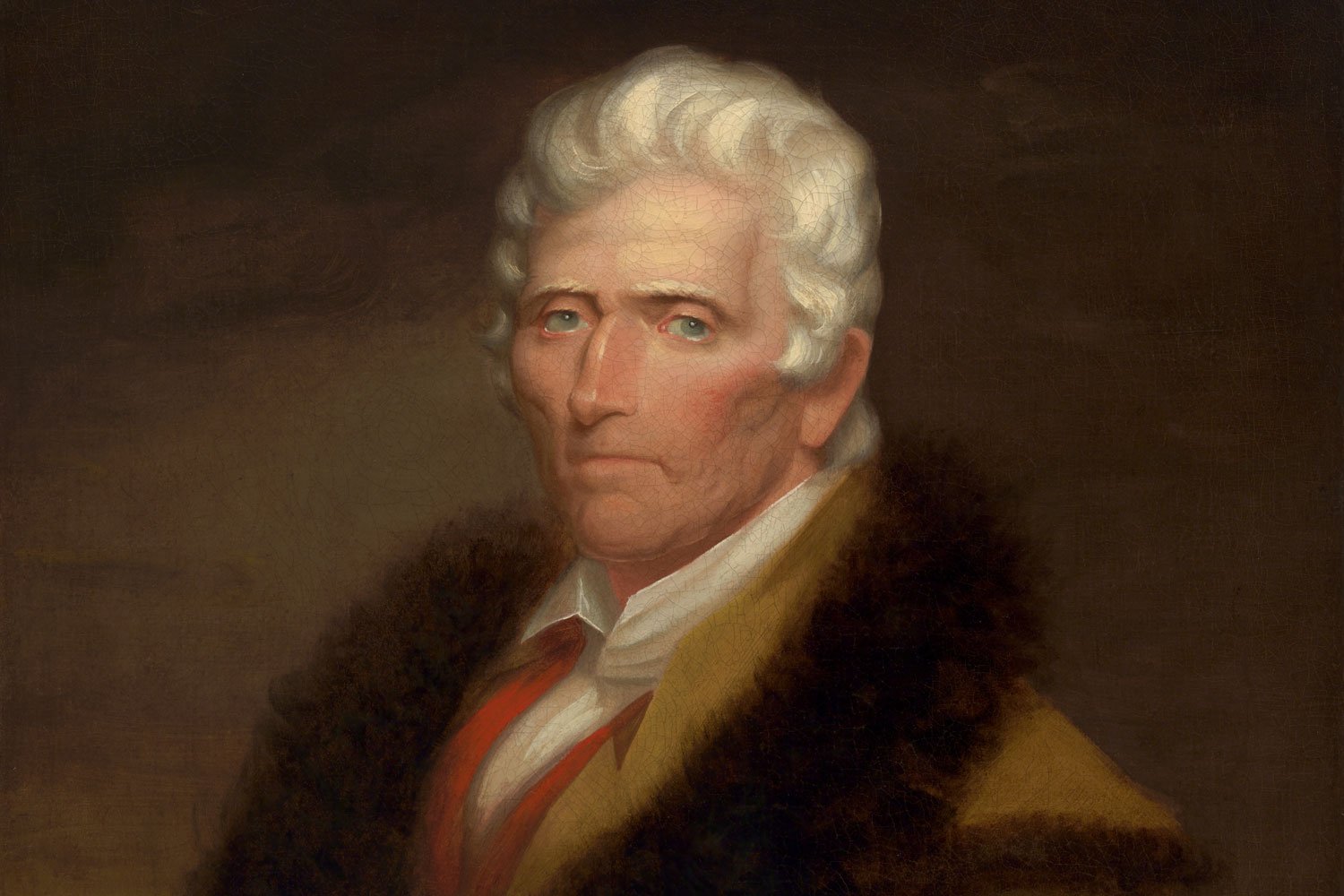
One of the greatest American explorers from our founding era was Daniel Boone. A legendary woodsman, Boone helped to make America’s dream of westward expansion in the late 1700s a reality.
Ben Franklin Becomes America’s Top Diplomat
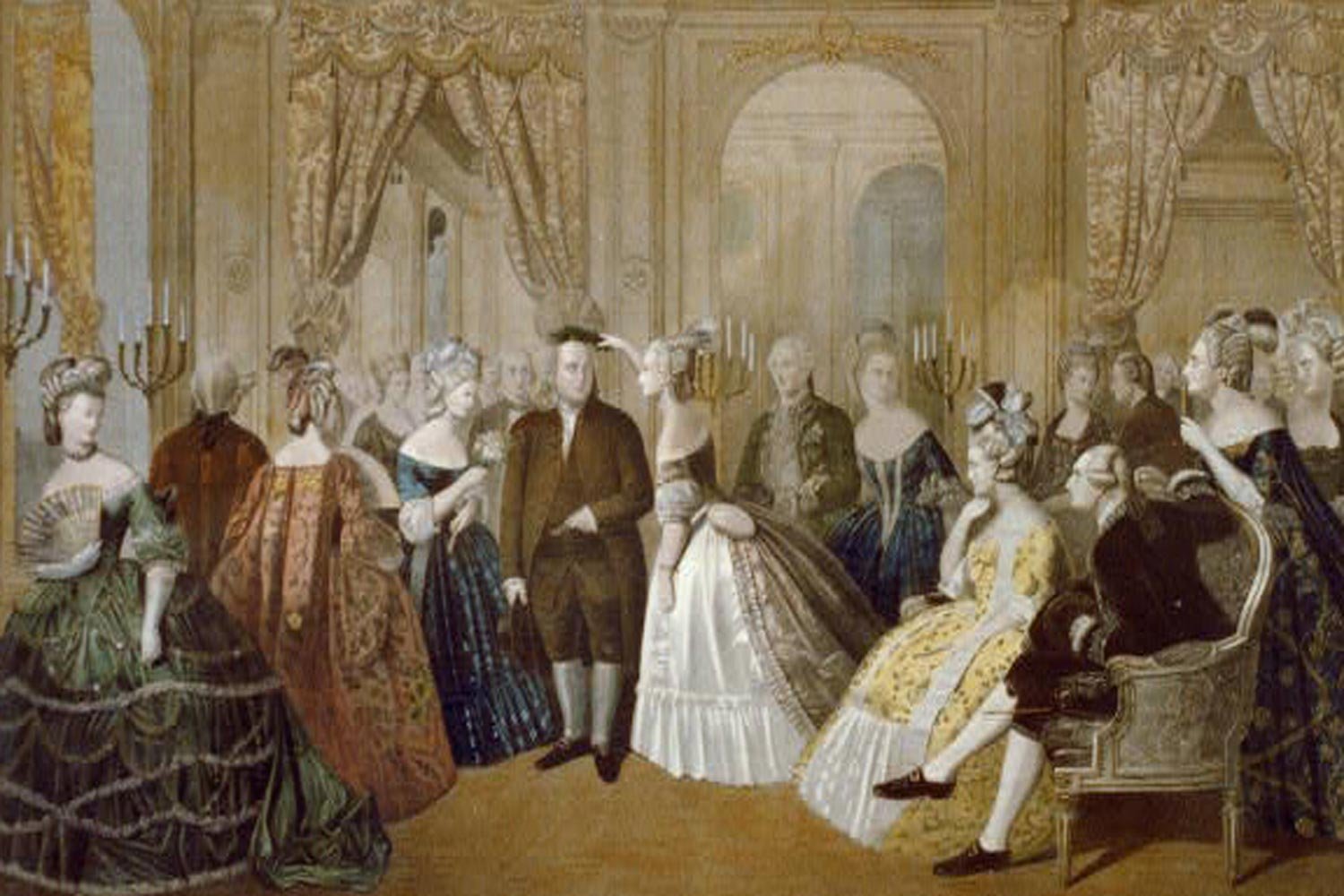
Congress declared America’s independence from England on July 4, 1776, but the most crucial step still lay ahead and that was to secure what we had declared. Delegates knew that to have a real chance at success, the United States needed the assistance of one or more European powers.
Ben Franklin Works Towards Independence
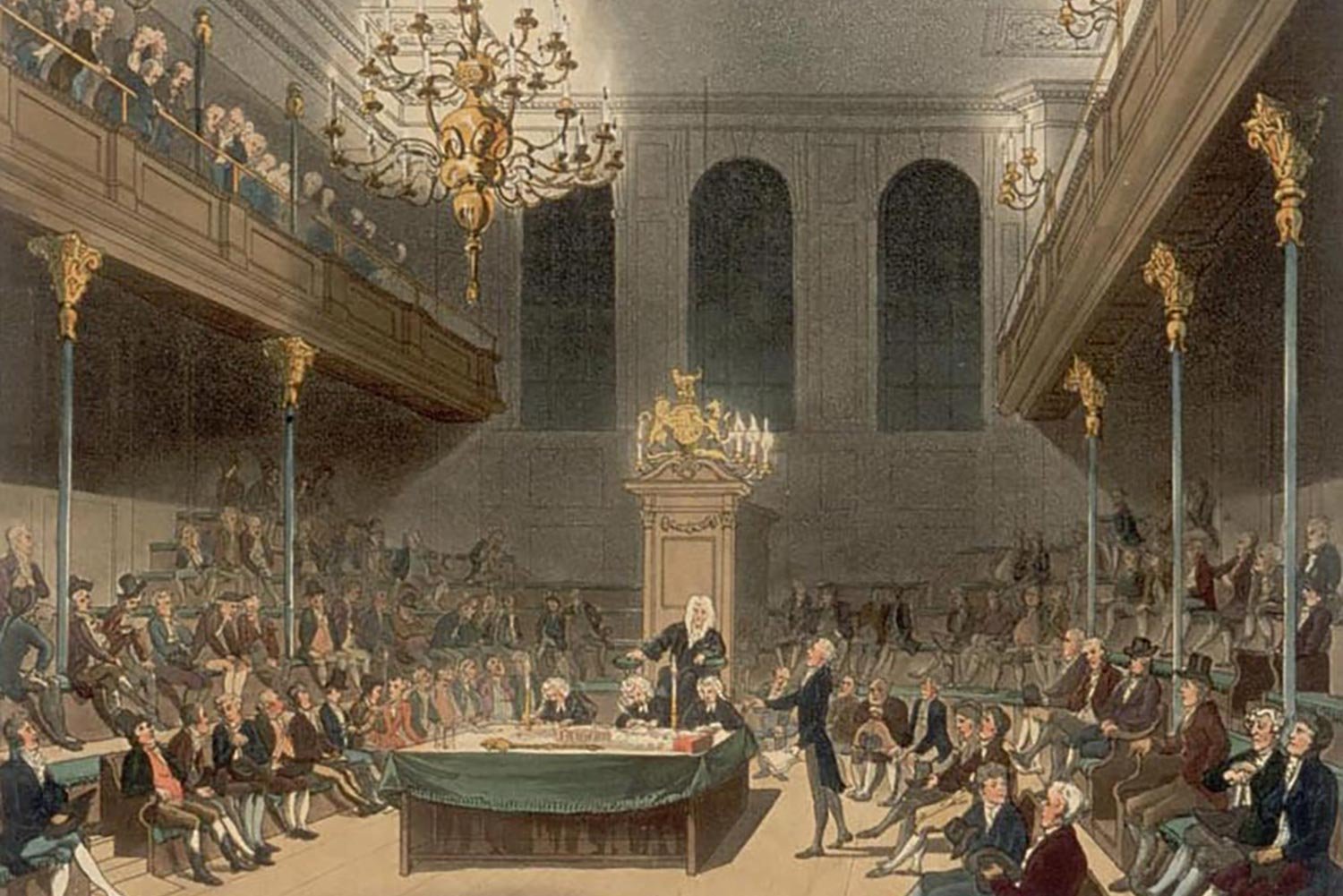
Partly due to Benjamin Franklin’s testimony before the House of Commons, the Stamp Act, which taxed items such as newspapers and legal documents, was repealed by Parliament on March 18, 1766. Unfortunately, this conciliatory measure was immediately undone when Parliament enacted the Declaratory Act which reasserted that all laws passed by that legislative body were binding on the colonies, including those related to taxes.
Loyalists, King George and the American Revolution
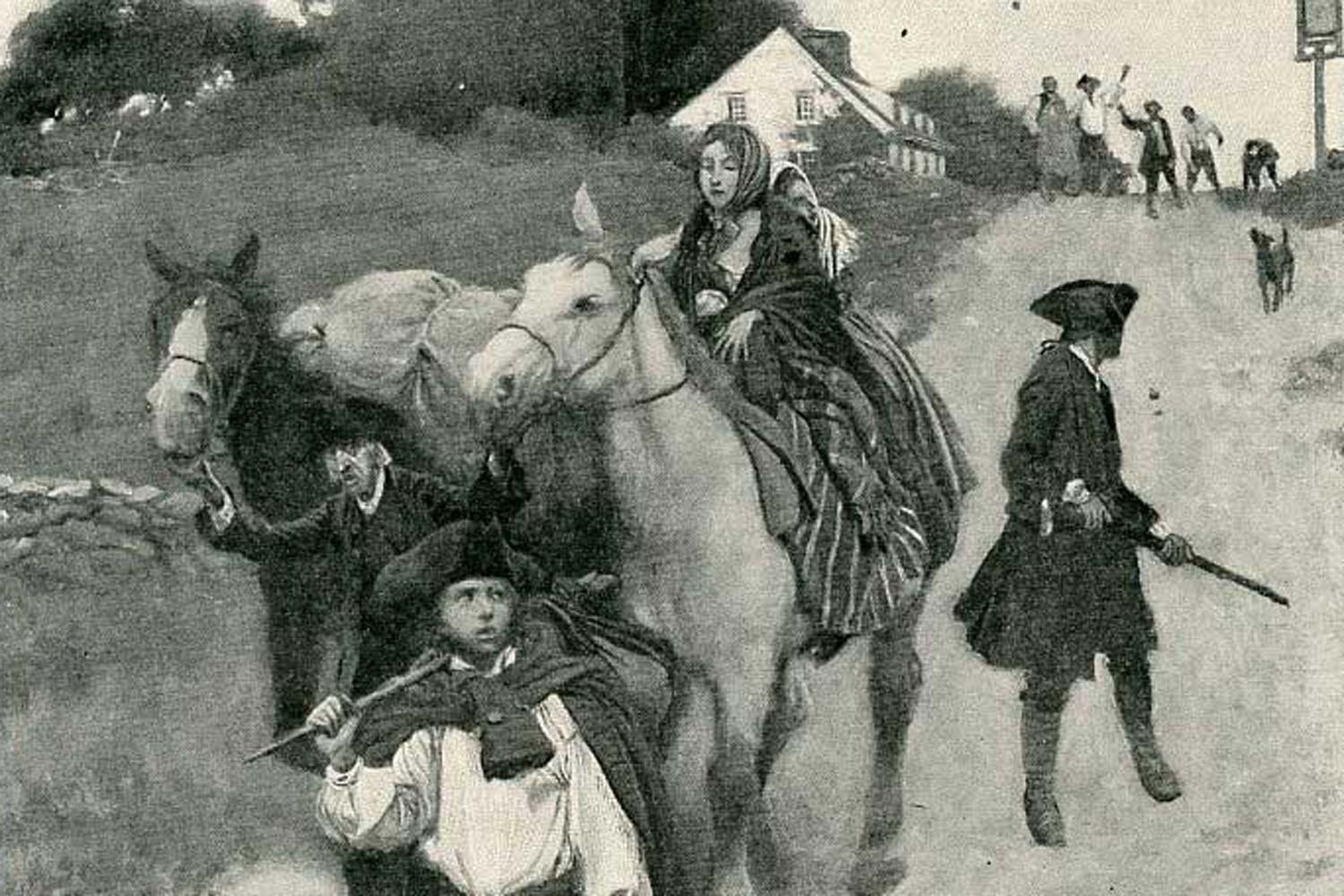
The American Revolution was not viewed the same by all Americans. Roughly one in four Americans, those we call Loyalists or Tories, did not want to separate from England. They represented a significant portion of the American population, and many of them were prominent citizens. Importantly, they had worked as hard to create America and believed as much in the righteous of their cause as any Patriot.
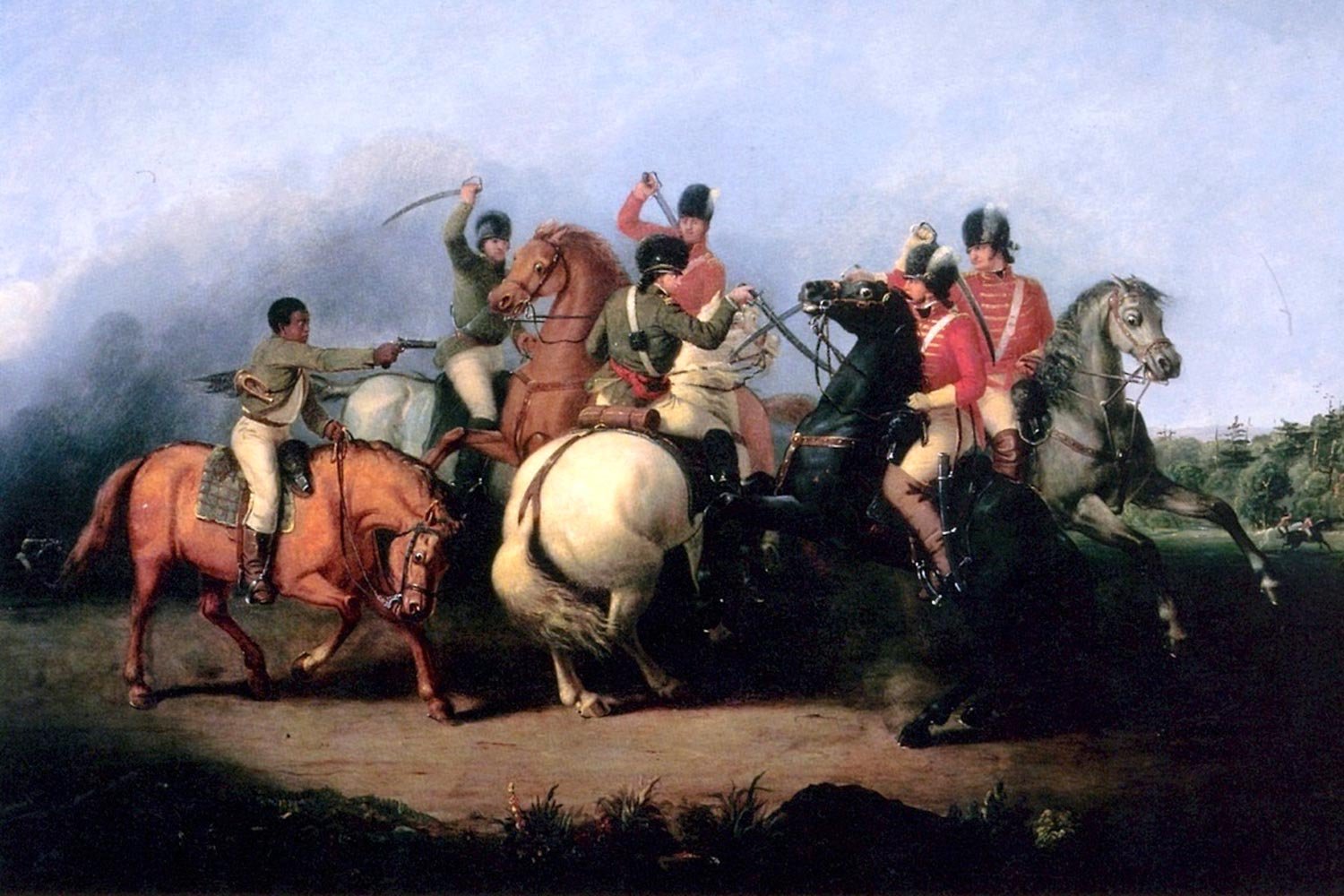
Patriots, Loyalists and America’s First Civil War
With the Battles of Lexington and Concord in 1775, the actual fighting of the American Revolution was underway. As it turned out, this open warfare was not reserved just for the new Continental Army formed around Boston and the British Army trapped in the city. It soon spilled over into a fight between neighbors.