
Browse Articles by Category

Colonial Era
American Revolution

The New Nation

National Expansion and Reform

Civil War and Reconstruction (Coming Soon)

Death and Destruction at the Battle of Oriskany
The Battle of Oriskany on August 6, 1777, ended as suddenly and unexpectedly as it began. Shortly after 3 p.m., the Mohawks, Senecas, and Loyalists ceased fire on the Tryon County militiamen and headed back to their camp outside Fort Stanwix, about six miles away. The death and destruction left in their wake was frightening to behold.

The Battle of Oriskany
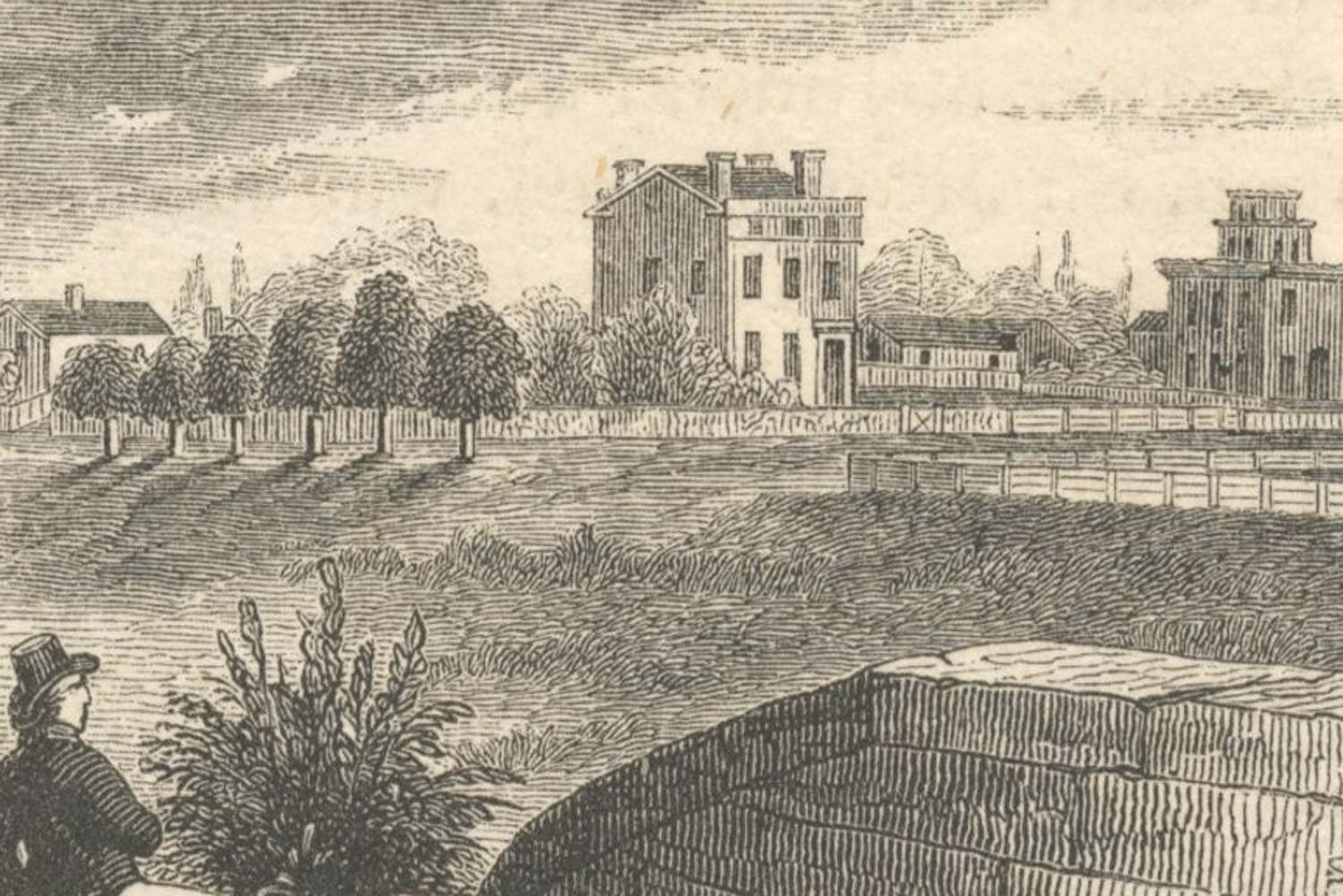
The morning of August 6, 1777 found 700 Tryon County New York militiamen encamped at an Oneida Indian village about seven miles from Fort Stanwix, itching for a fight. They planned to make a surprise attack on the British force besieging the fort, but things did not go as expected and most would not survive the day.
The Siege of Fort Stanwix
The American Revolution battle with the greatest loss of American lives was not one of the better-known engagements such as Bunker Hill, Brooklyn Heights, or Camden. It was a somewhat forgotten fight in western New York at a place called Oriskany. Although not well-remembered, it had a significant impact on our fight for independence.

Americans Victorious at Saratoga
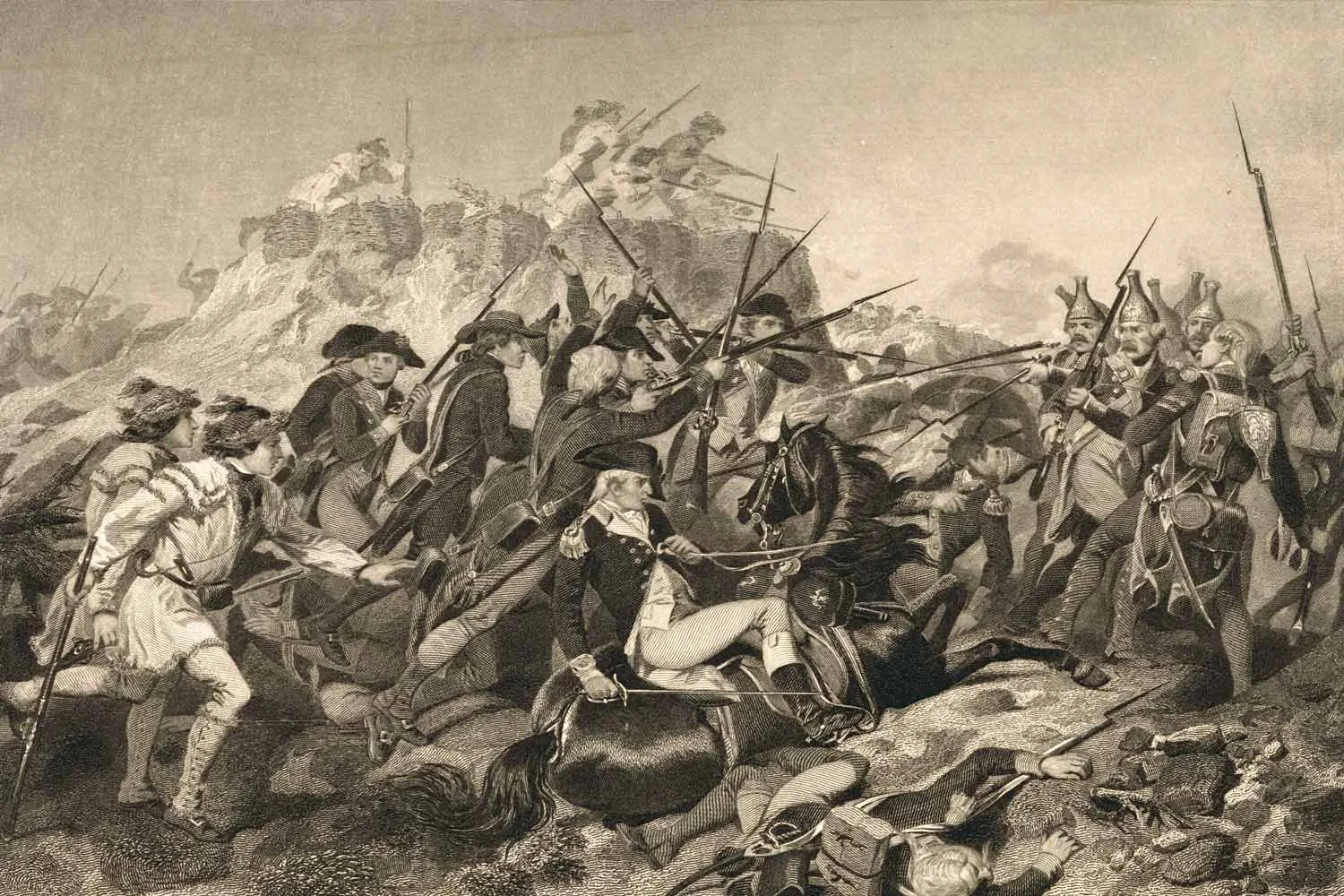
Following the setback at Bemis Heights on October 7, 1777, in which the British had lost another 900 men, and despite the deplorable condition of the British Army, General John Burgoyne still had hope that he could somehow extricate his forces from the grip of the Continental Army. But the noose was tightening, and Burgoyne and his other commanders knew they had to act fast.
British and Americans Clash at Saratoga
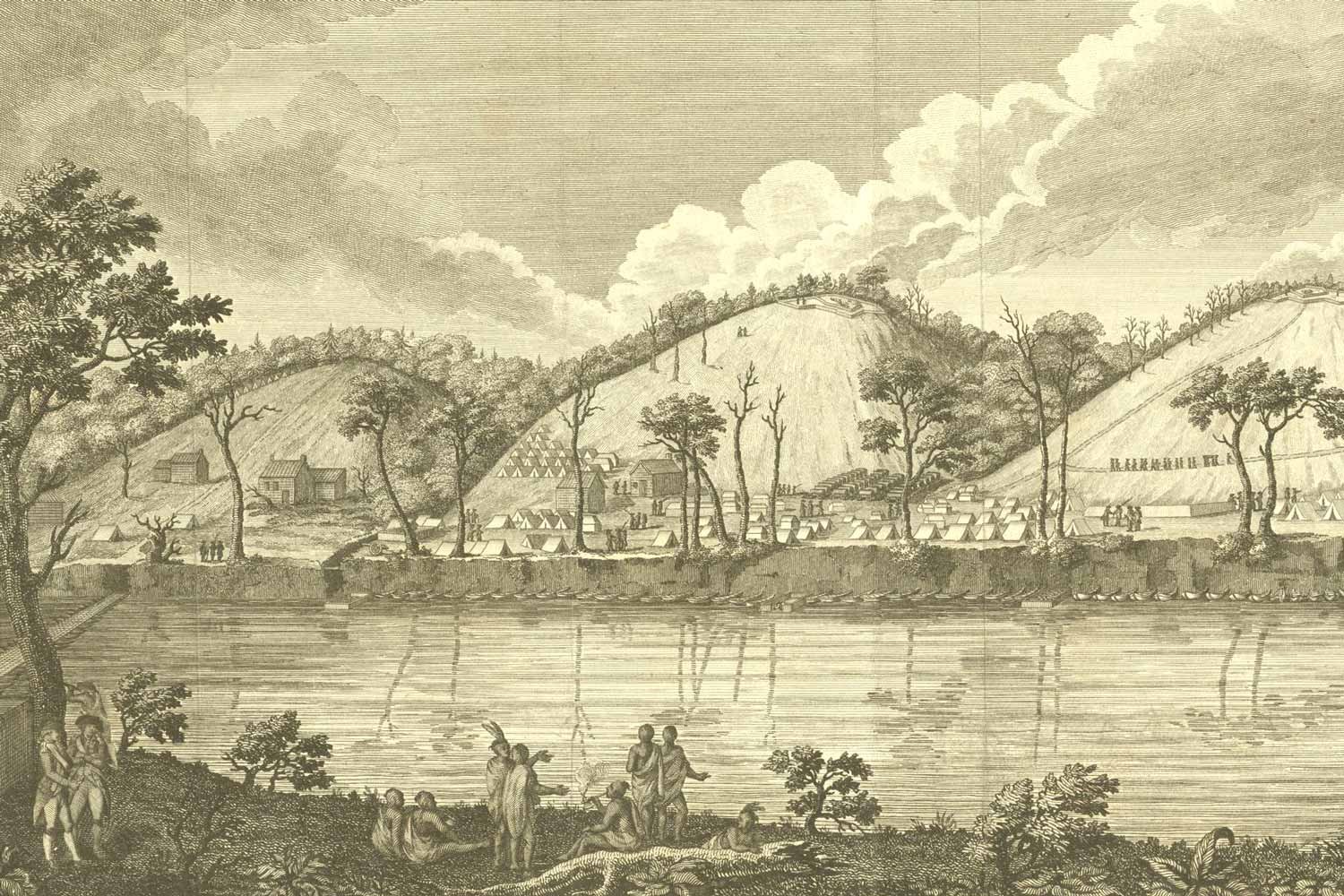
By mid-September 1777, British General John Burgoyne, after crossing to the west bank of the Hudson River, was committed to continuing his advance towards Albany. There was only one road he could take to get there, and that road was strongly defended by an American army, twice as large as his own.
British and Americans Poised for Battle
In the eight short weeks since capturing Fort Ticonderoga without a fight, British General John Burgoyne had seen his army go from being invincible to facing starvation and defeat. More bad news arrived on August 28, when Indians brought word that a relief force under Lieutenant Colonel Barry St. Leger coming from the west down the Mohawk River Valley had turned back.
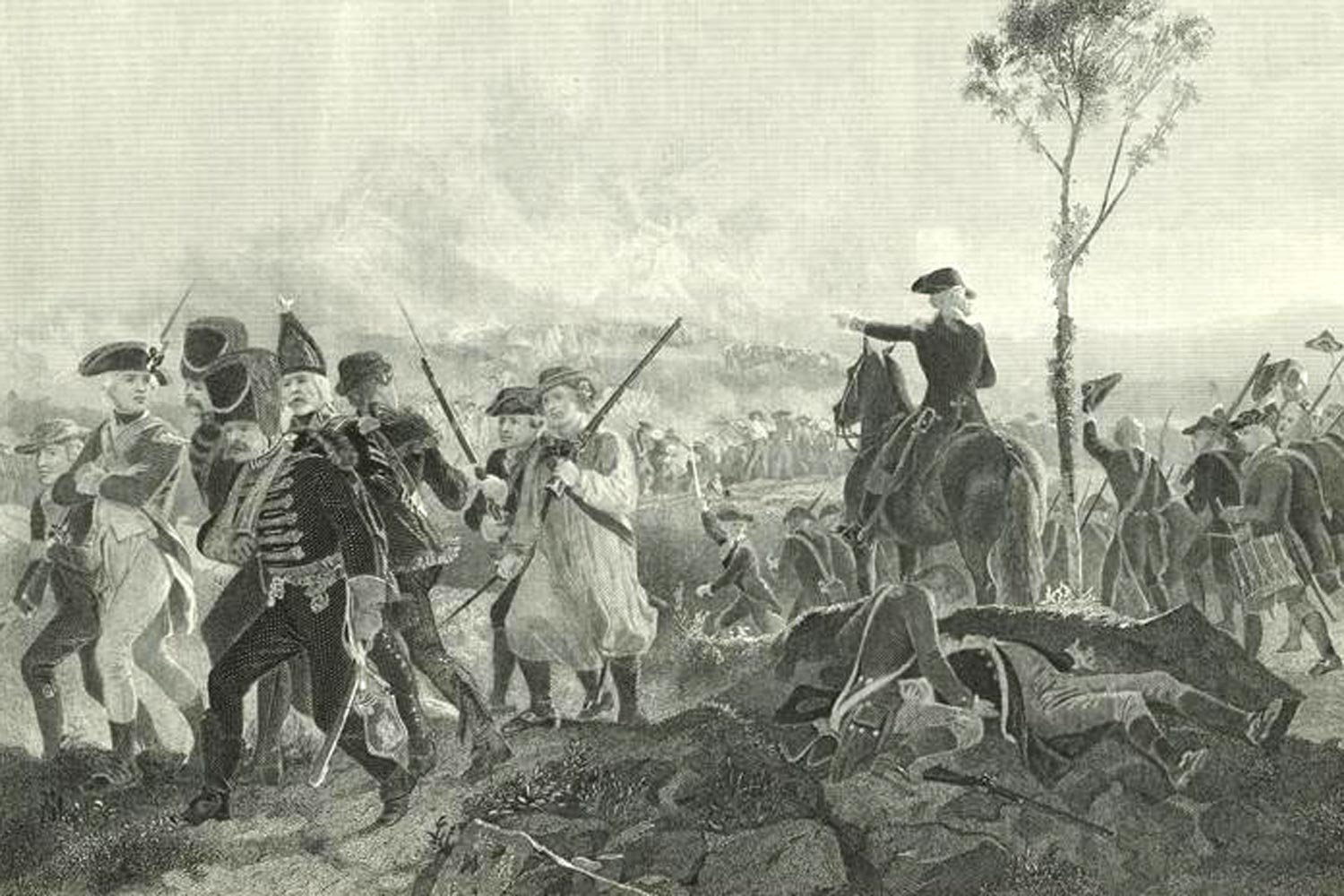
Burgoyne Battles American Wilderness and Continental Army
Despite his early successes of capturing Fort Ticonderoga and defeating the American rear guard at both Hubbardton and Fort Anne, Burgoyne now faced the greatest adversary of an army invading a foreign land: a lengthening supply line. As Napoleon remarked, an army marches on its stomach and the British soldiers were no exception.
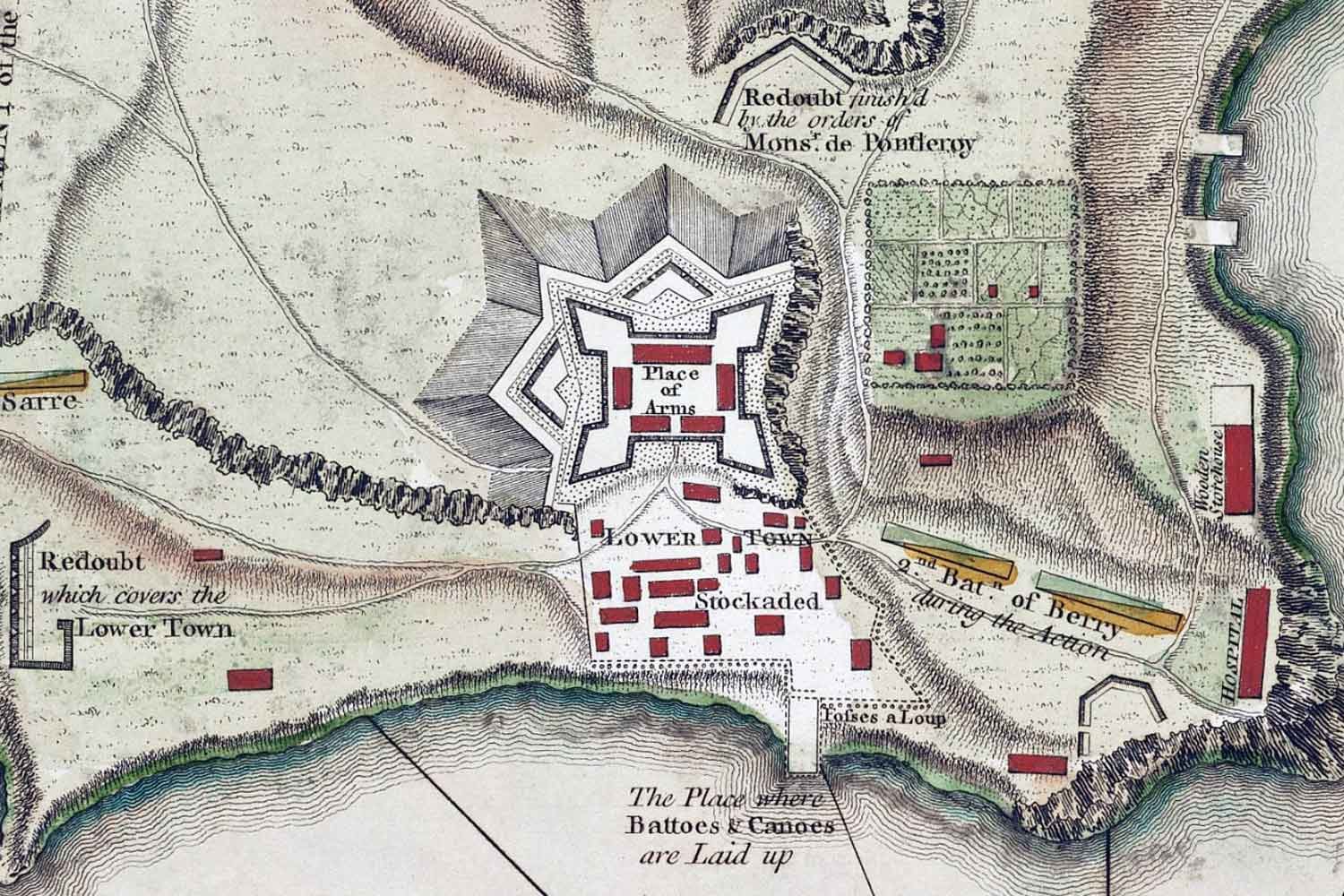
Fort Ticonderoga Falls to British
The first objective for the British task force under the command of General John Burgoyne was the capture of Fort Ticonderoga on the south end of Lake Champlain. This fortress had been the key military site in the region since its construction in 1757, and the scene of conflicts both in the French and Indian War and the American Revolution.
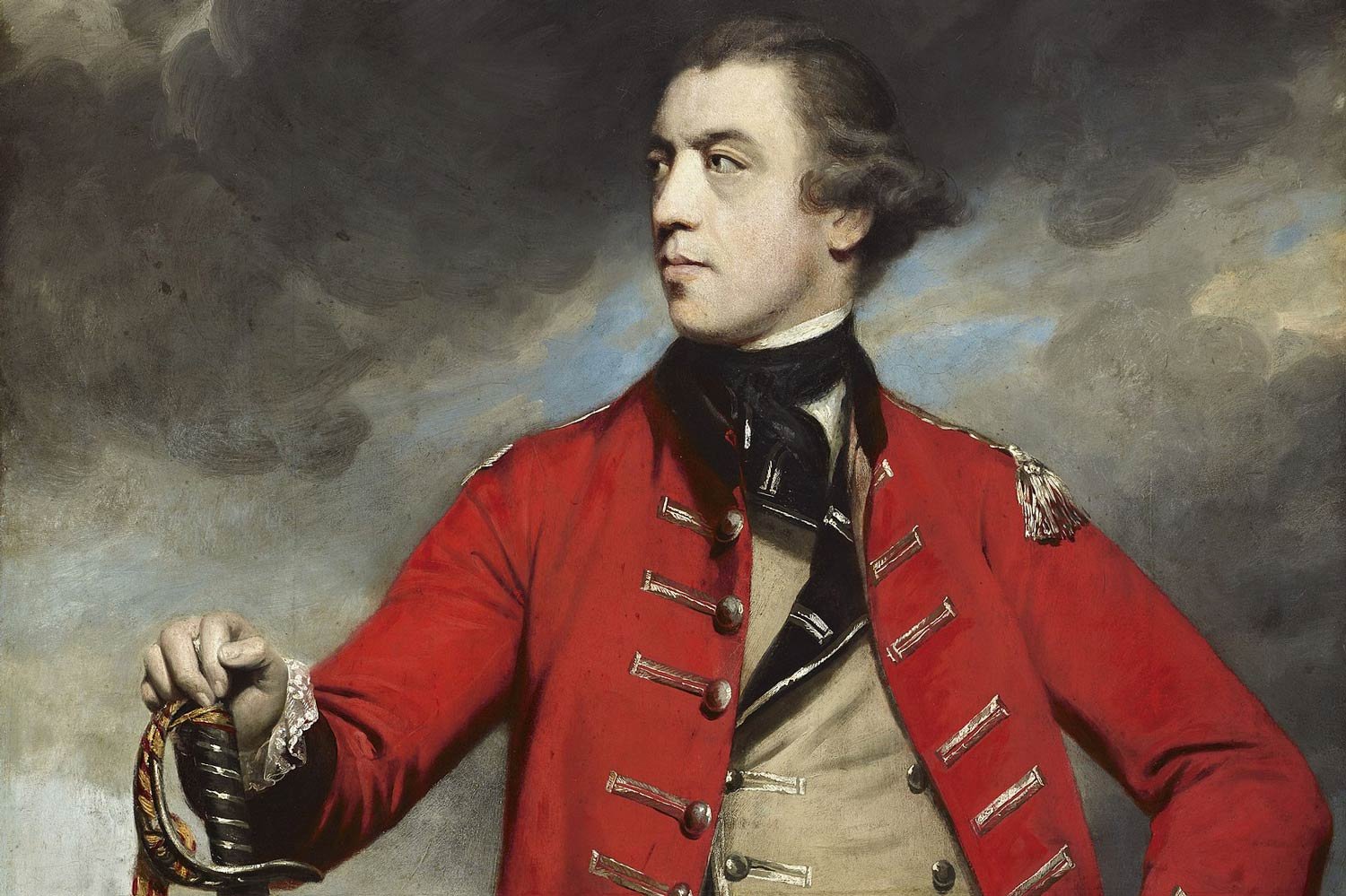
British Begin the Saratoga Campaign
The Saratoga Campaign of 1777 was arguably the most significant military event during the American Revolution. If the British had achieved their goals, the American colonies would have been split in two and it is very likely that our quest for independence would have failed.
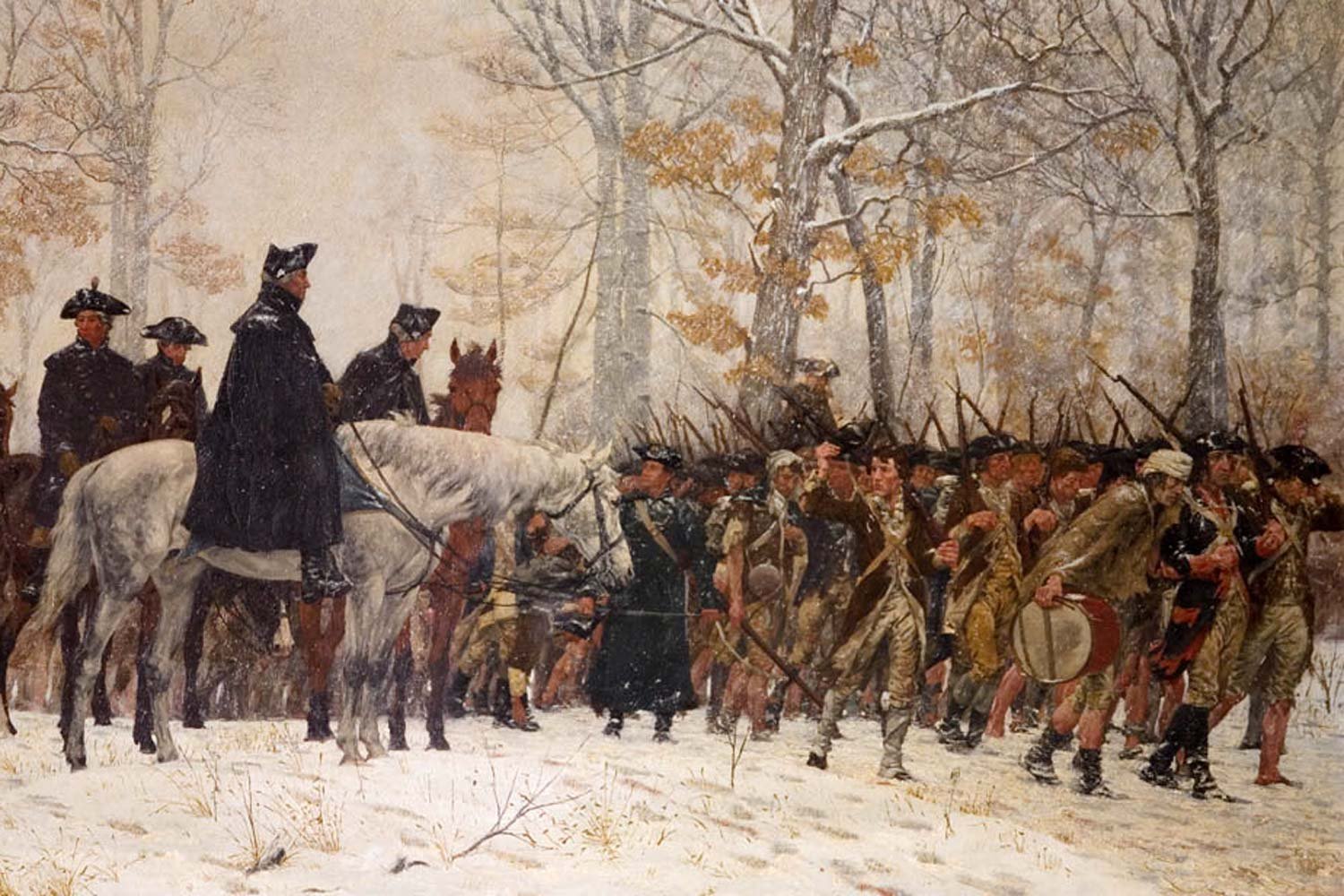
A Desperate Winter at Valley Forge
In December 1777, following the loss of Philadelphia, our nation’s capital, General George Washington moved his Continental Army to Valley Forge for the winter. It would prove to be a desperately hard winter for the soldiers, with conditions that might have broken the spirit of less determined men, but one from which the American army emerged a more professional fighting force.
The British Capture Philadelphia
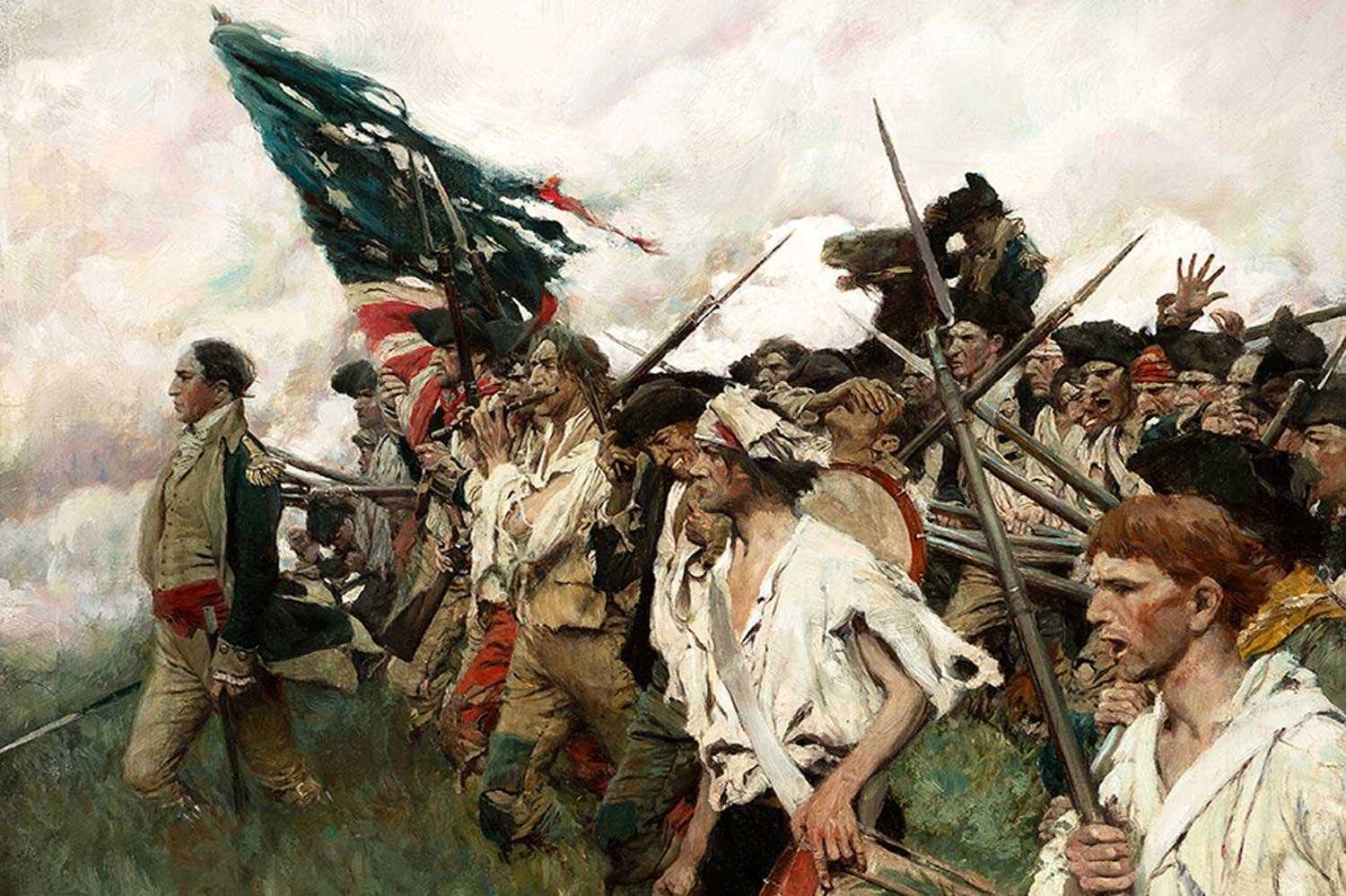
Our nation’s capital has twice been captured by a foreign army and in both cases, it was by British Redcoats. The more famous incident was the burning of Washington on August 24, 1814, during the War of 1812. However, the first occurred 37 years before that event, in 1777, when the British captured Philadelphia, the capital of newly independent United States.
Continental Army Victorious at Princeton
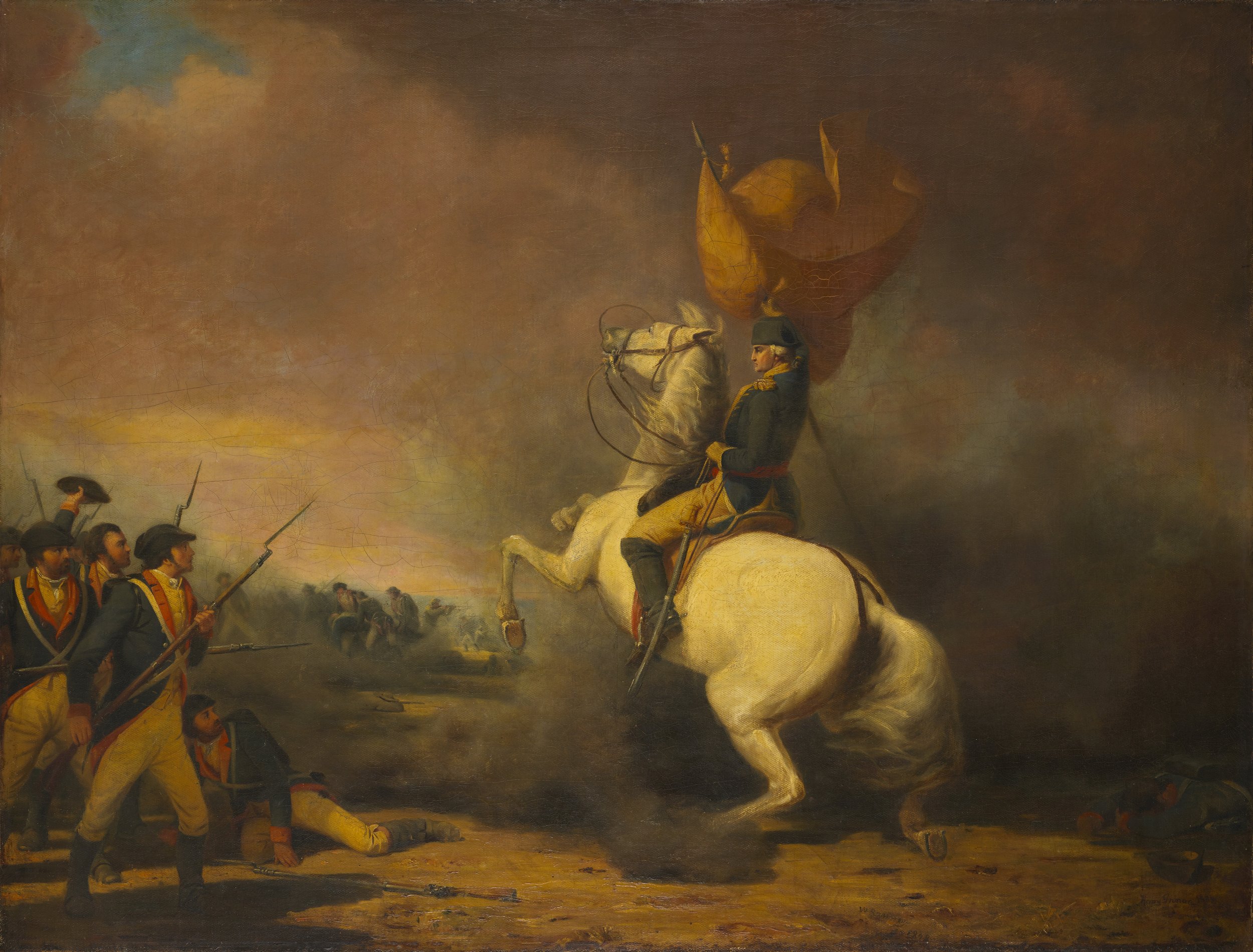
General George Washington and his Continentals had achieved a great victory at Trenton on December 26, but the General saw another opportunity if he acted aggressively. On December 30, he recrossed the Delaware hoping for another miracle.