
Browse Articles by Category

Colonial Era
American Revolution

The New Nation

National Expansion and Reform

Civil War and Reconstruction (Coming Soon)

The Federal Convention Opens
In the years immediately following the successful conclusion of its war for independence, the United States struggled to survive under the Articles of Confederation. The nation’s leaders knew something had to be done to fix its many issues for this great experiment in democracy to continue.
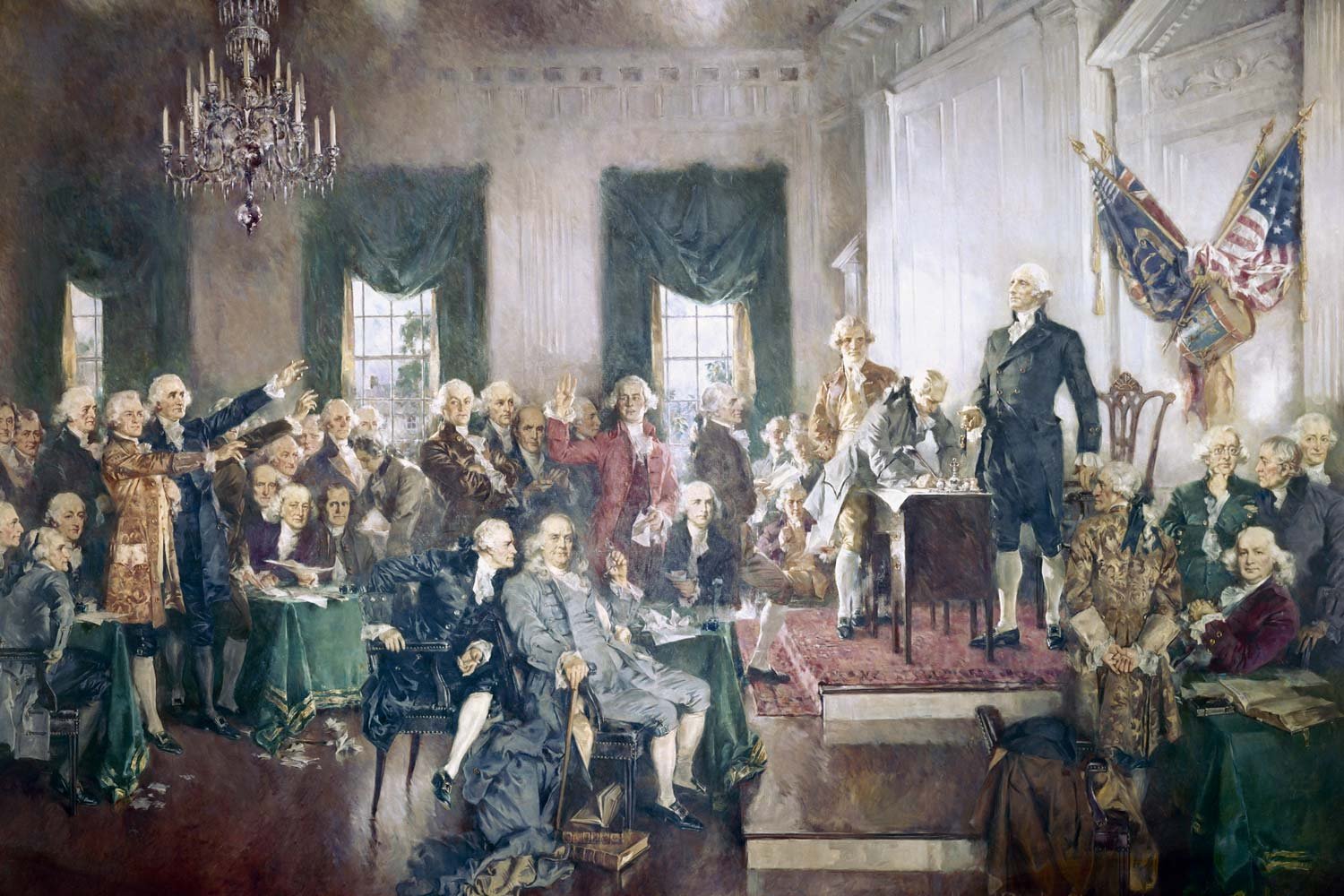
Ben Franklin’s Sage Advice Influences Constitutional Convention
In 1785, Franklin, his work done in France, was recalled to America by Congress. He arrived in Philadelphia that September, revered as one of our nation’s greatest patriots. Despite his need for a well-deserved rest, he was kept continually busy receiving dignitaries, wrapping up loose ends from his eight-year diplomatic mission, and with what would prove to be one final opportunity to help his country.
The Quasi-War and Its Aftermath
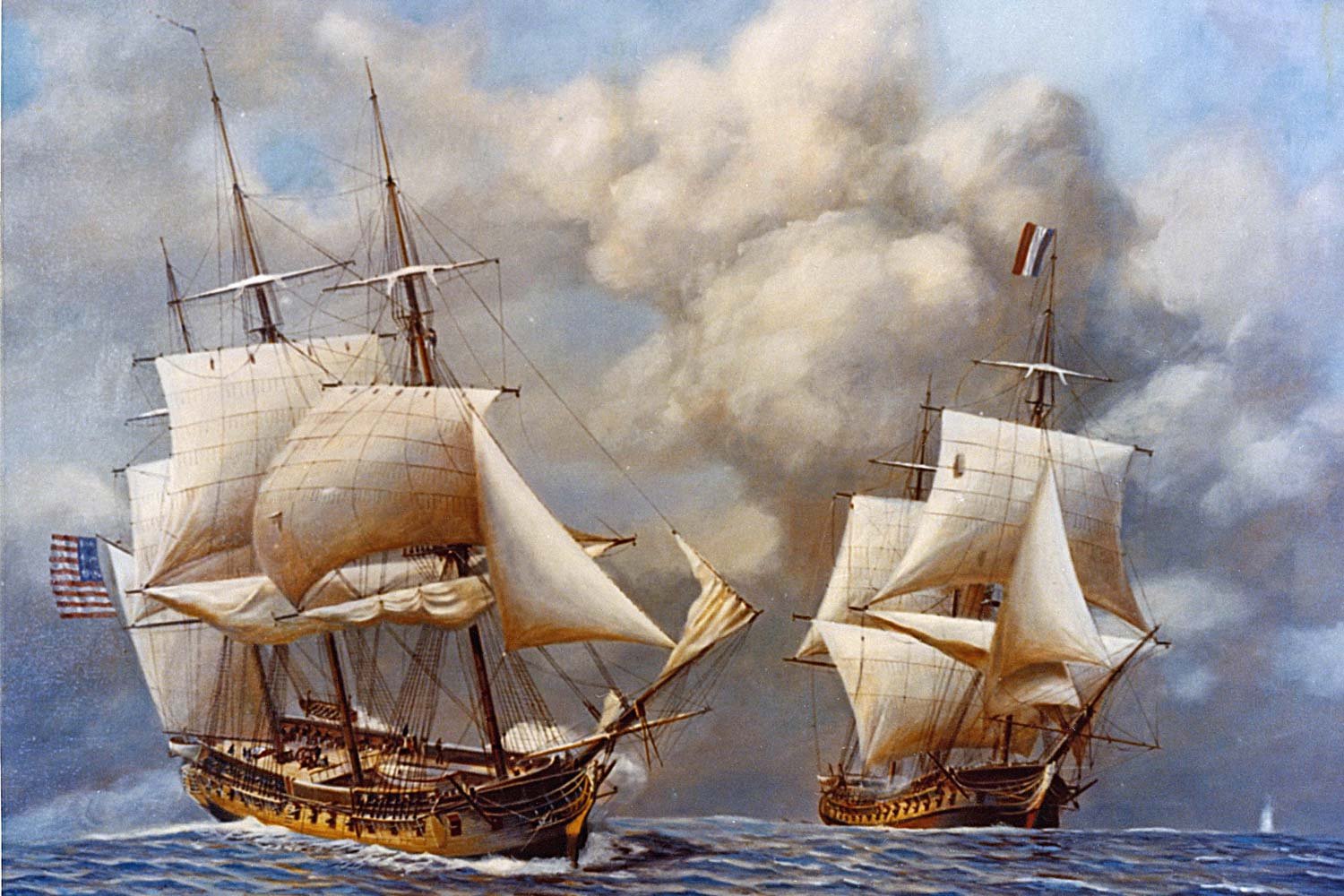
The only fighting in the Quasi-War occurred at sea, and mostly in the Caribbean. But with war at a fever pitch and French interests so close by in Louisiana, there was a very real concern in Congress about a possible French invasion of the United States from the west.
Escalating Tensions with France Lead to Quasi-War
The Quasi-War was an undeclared war between France and the United States, largely fought at sea in the Caribbean and along the southern coast of America, between 1798 and 1800. It developed because of a series of related events that soured the formerly strong relationship between the two nations.
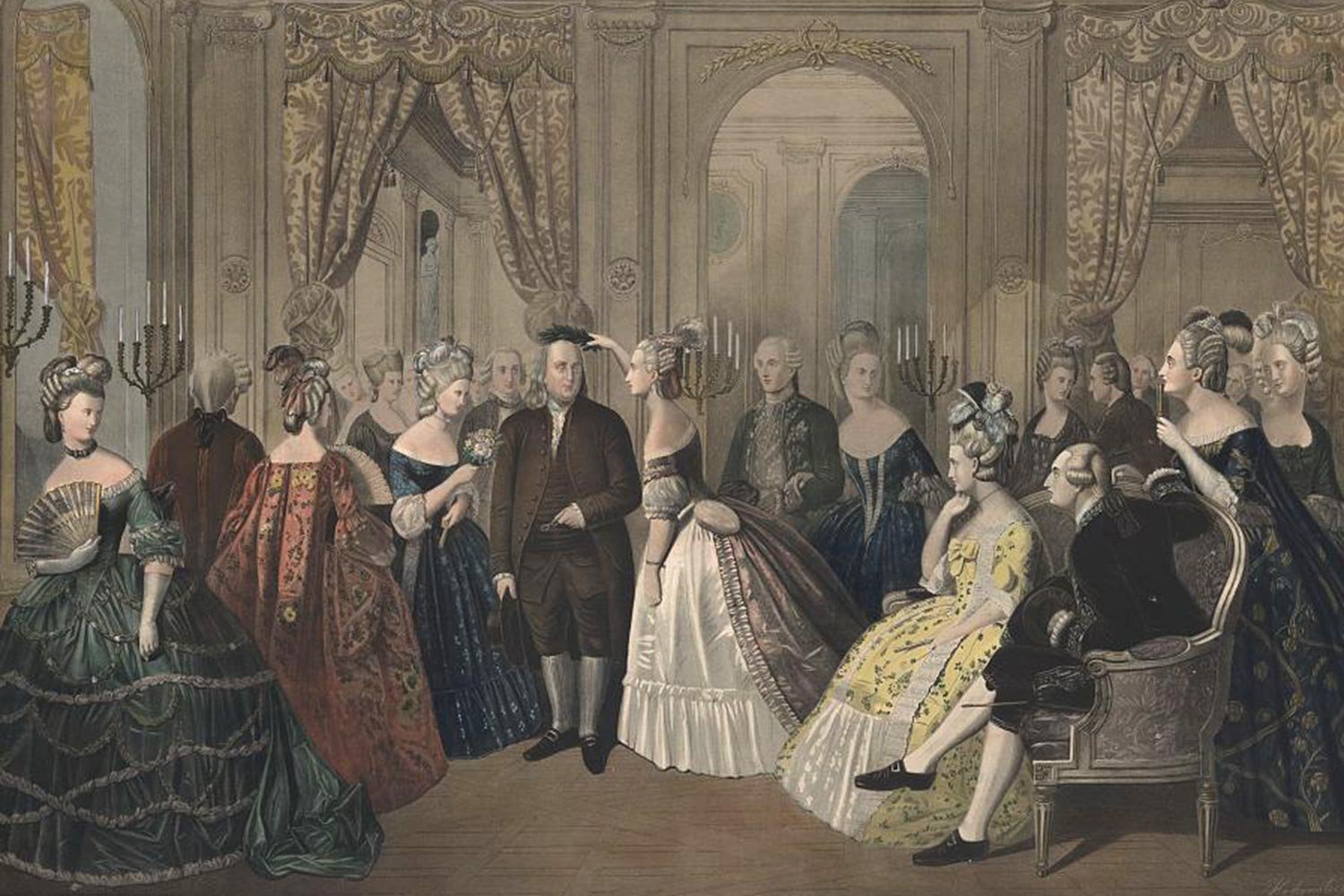
Relations Between America and France Fall Apart
America’s first armed conflict with a foreign nation following our Revolution was not the War of 1812, but rather a mostly forgotten fight called the Quasi-War. Although little known today, in its time it made a significant impact on the course of American history, affecting trade, the creation of our Navy, and a presidential election.
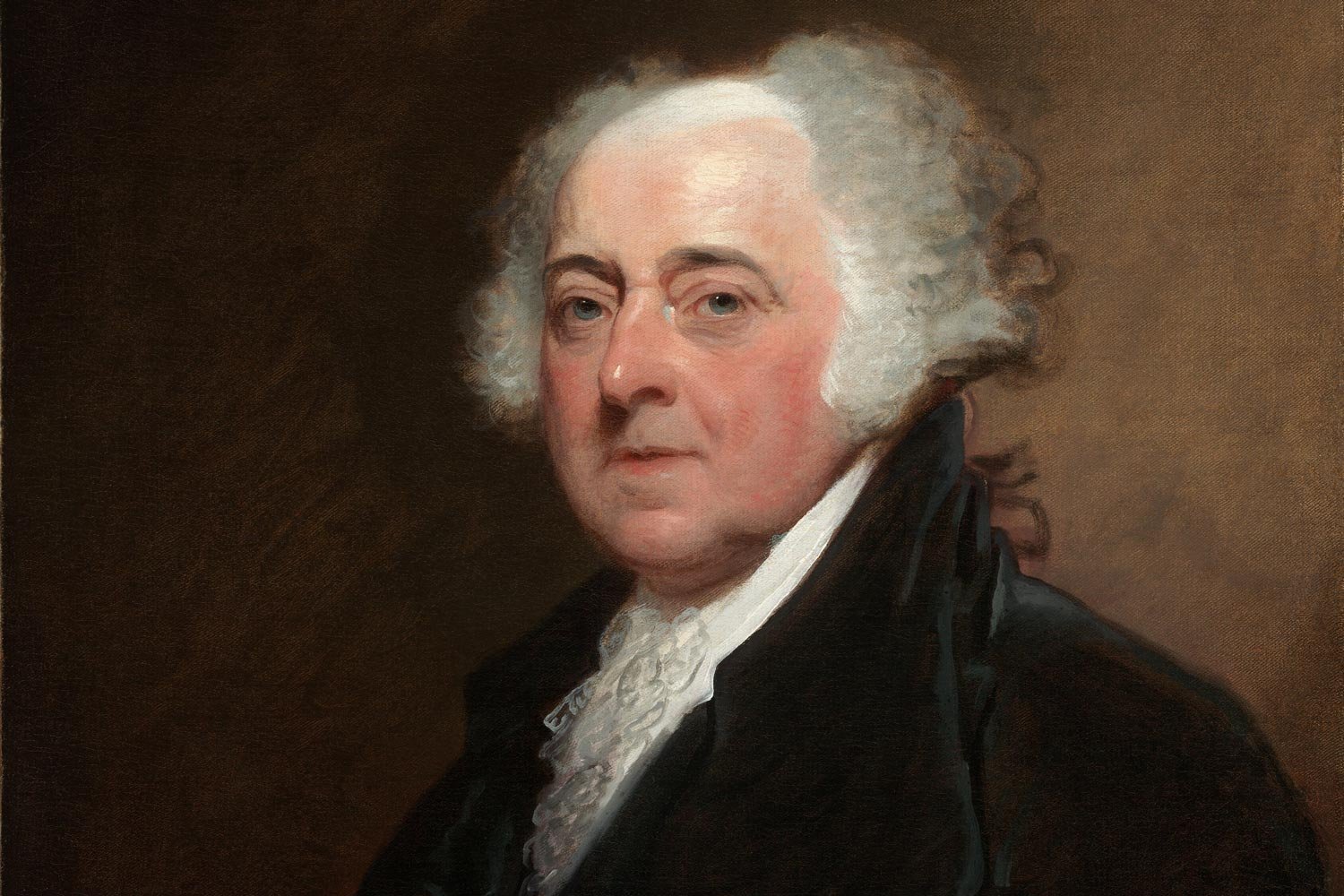
The Inspiring Legacy of John Adams
John Adams lost the Presidential election of 1800 to Thomas Jefferson after a bitter fight. Adams was terribly disappointed as felt he deserved another term, but he accepted the verdict of the Electoral College.
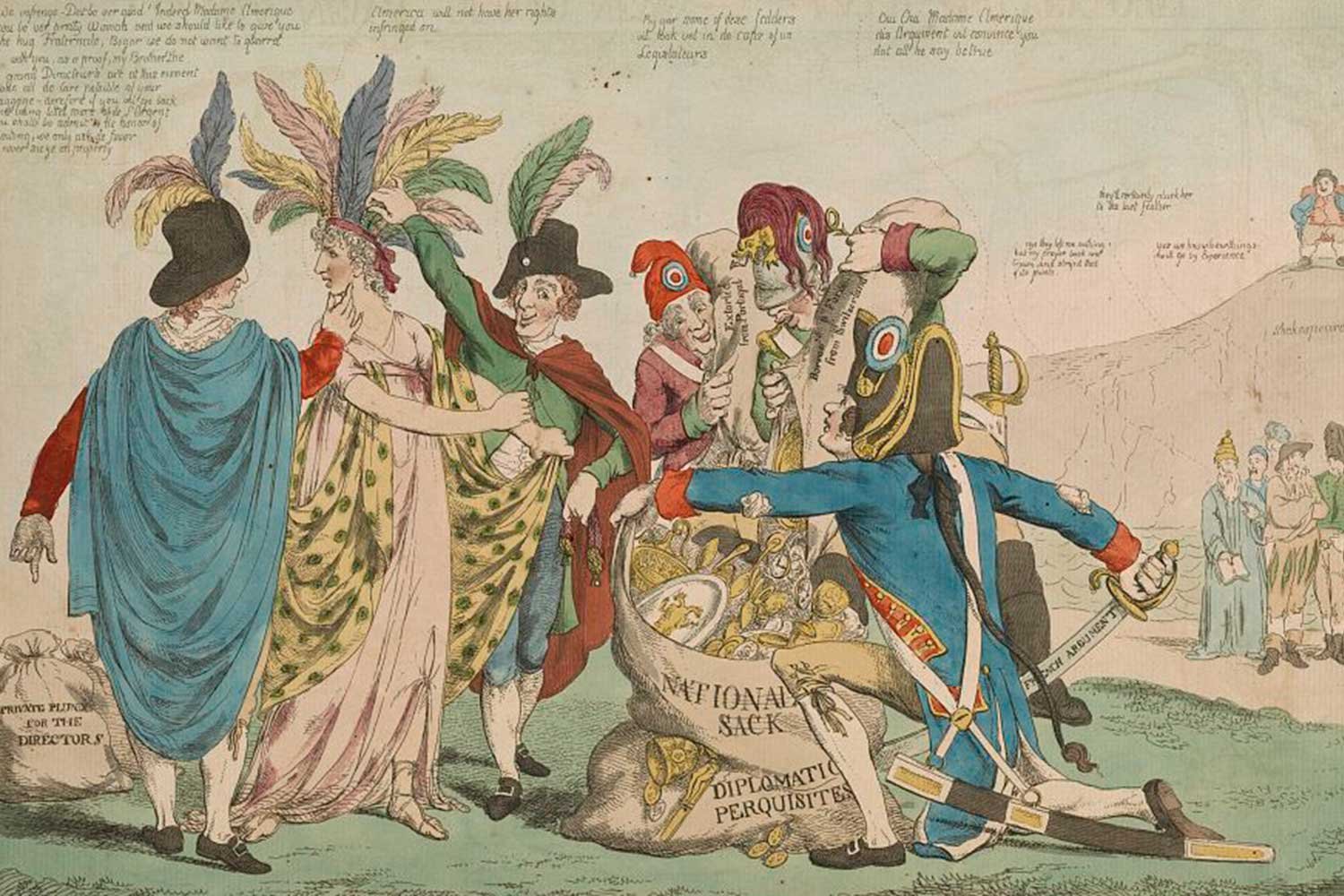
The Presidency of John Adams
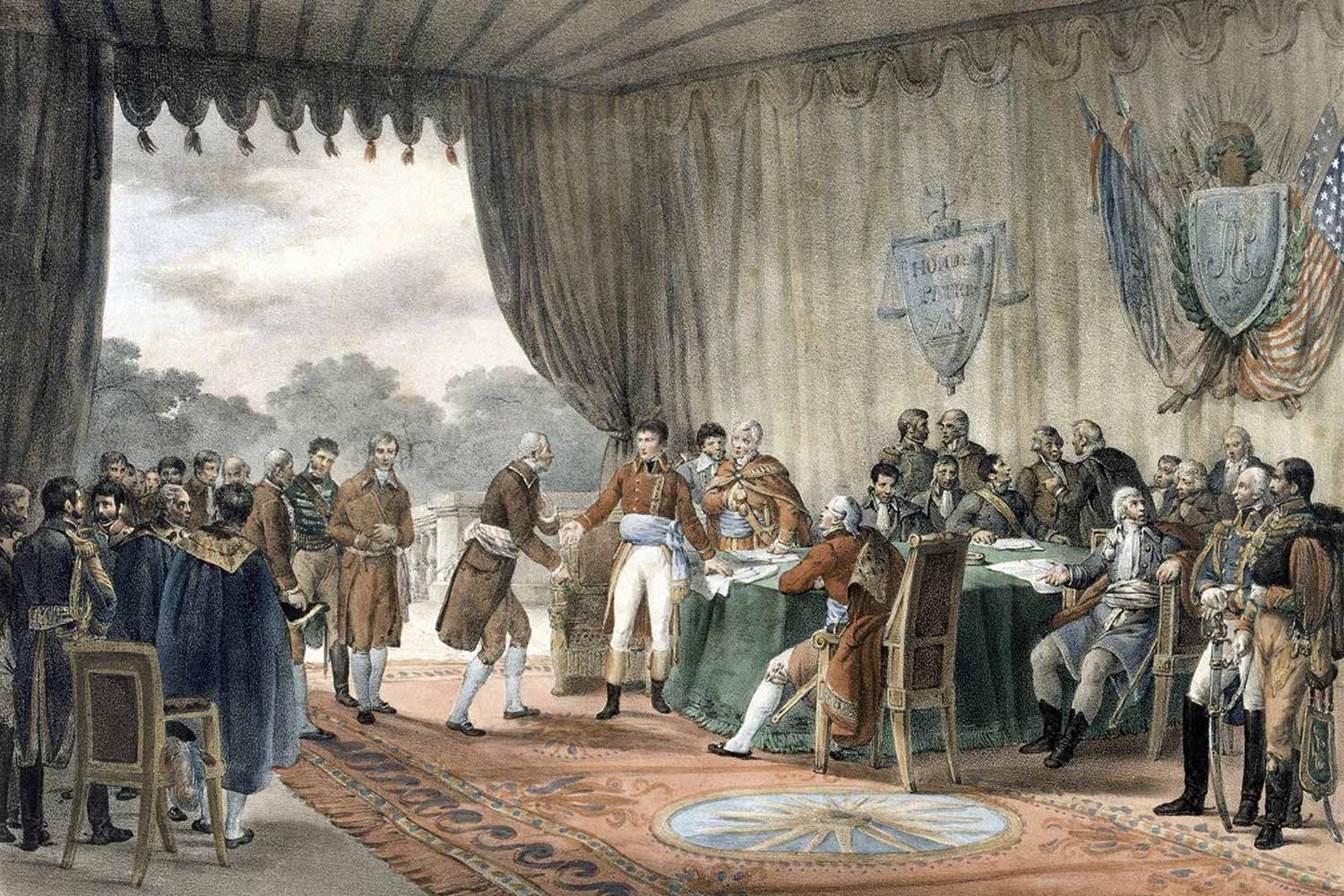
To avoid a war with France, in 1797, President John Adams sent a diplomatic delegation to Paris to calm rising tensions. When our team arrived in France in October 1797, they were approached by three French officials whose code-names were X, Y, and Z. These Frenchmen demanded large bribes from the Americans for themselves and other French officials before negotiations could start.
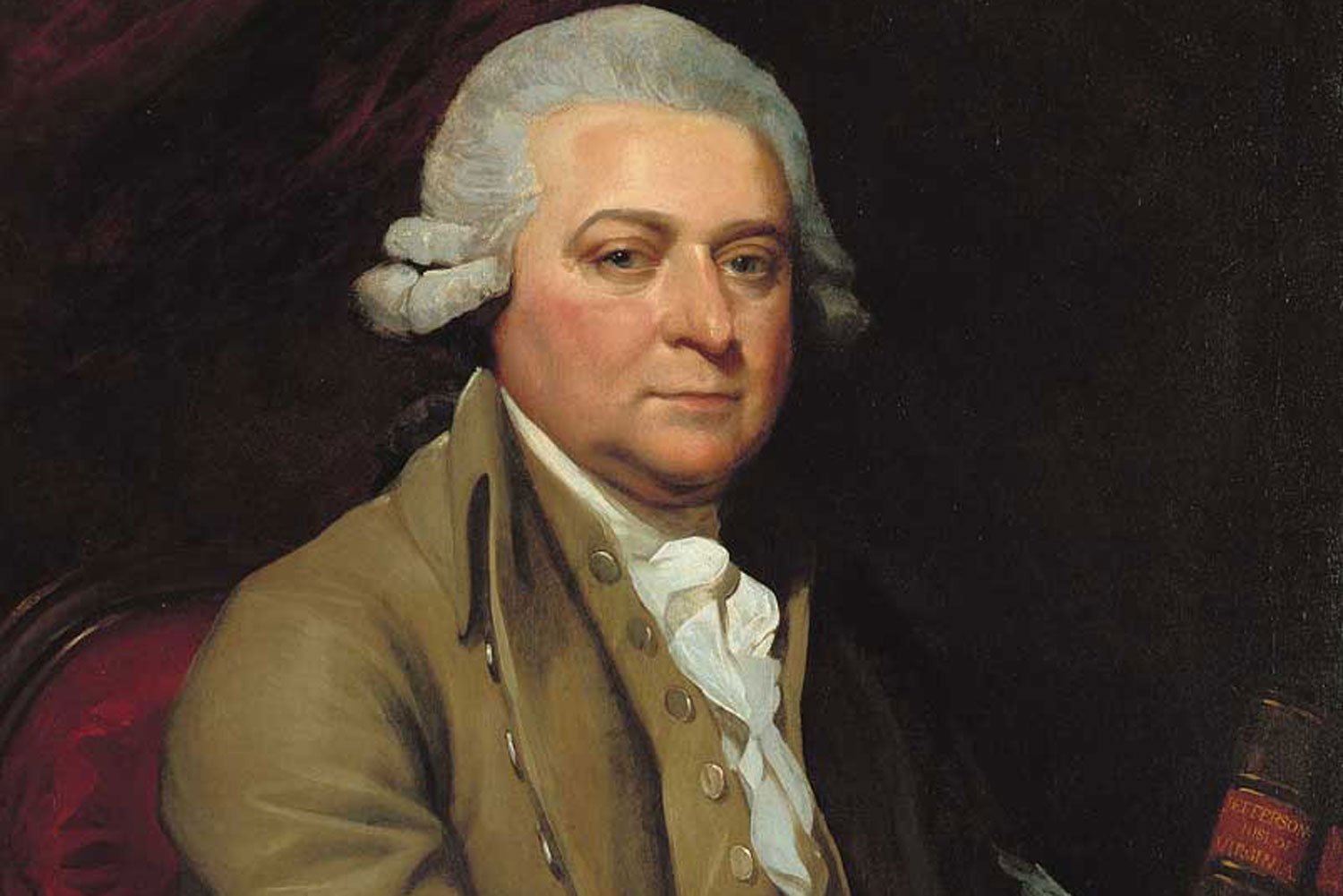
John Adams and the Presidential Election of 1796
After eight years as Vice President under George Washington, John Adams hoped to succeed the Father of our Country as President of the United States. His successful election in 1796 gave him his chance.
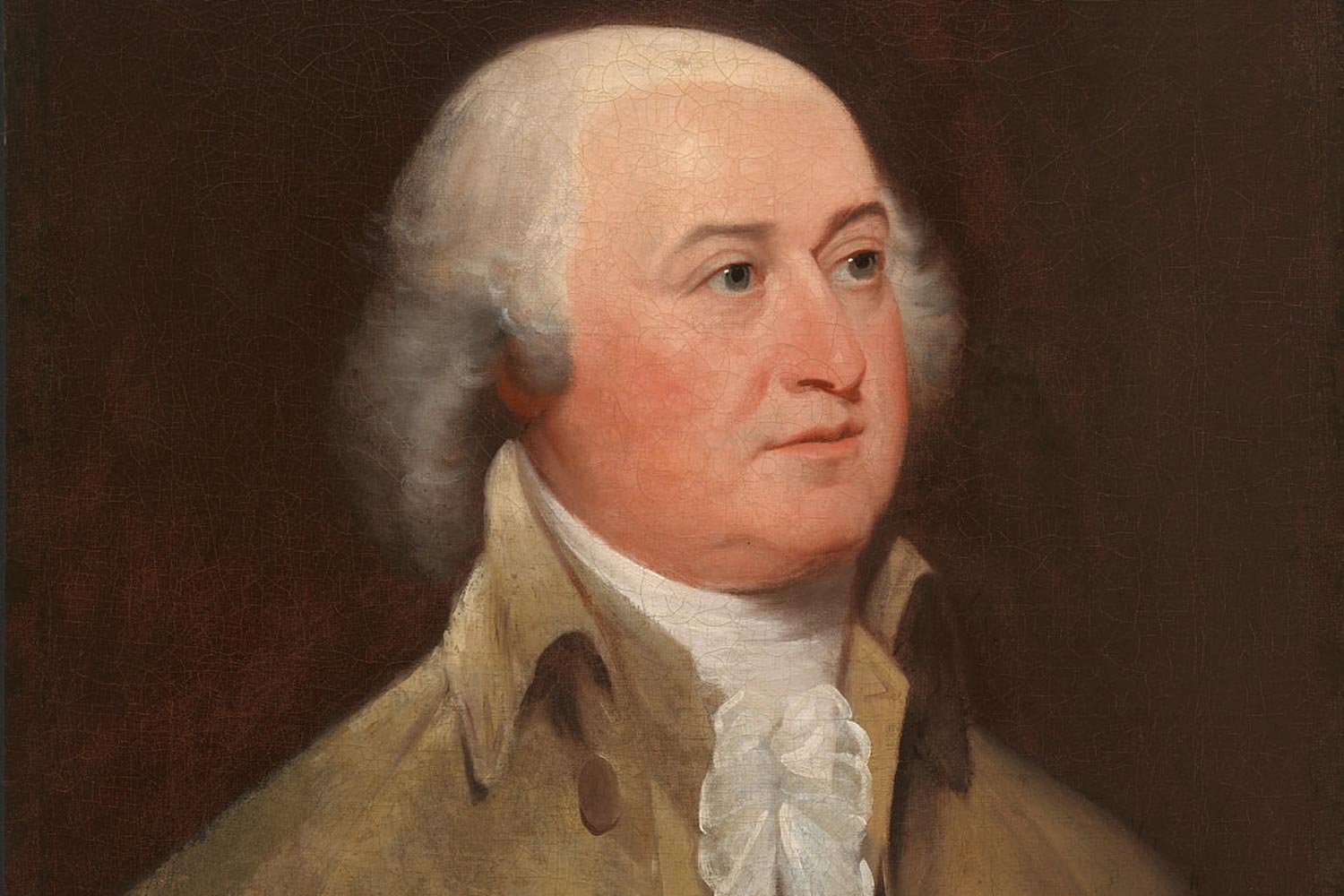
John Adams, Our First Vice President
John Adams was our nation’s first Vice President and helped shape the responsibilities of the office. Moreover, as the tie-breaking vote in the Senate, Vice President Adams was instrumental in passing several key pieces of legislation and establishing important precedents.
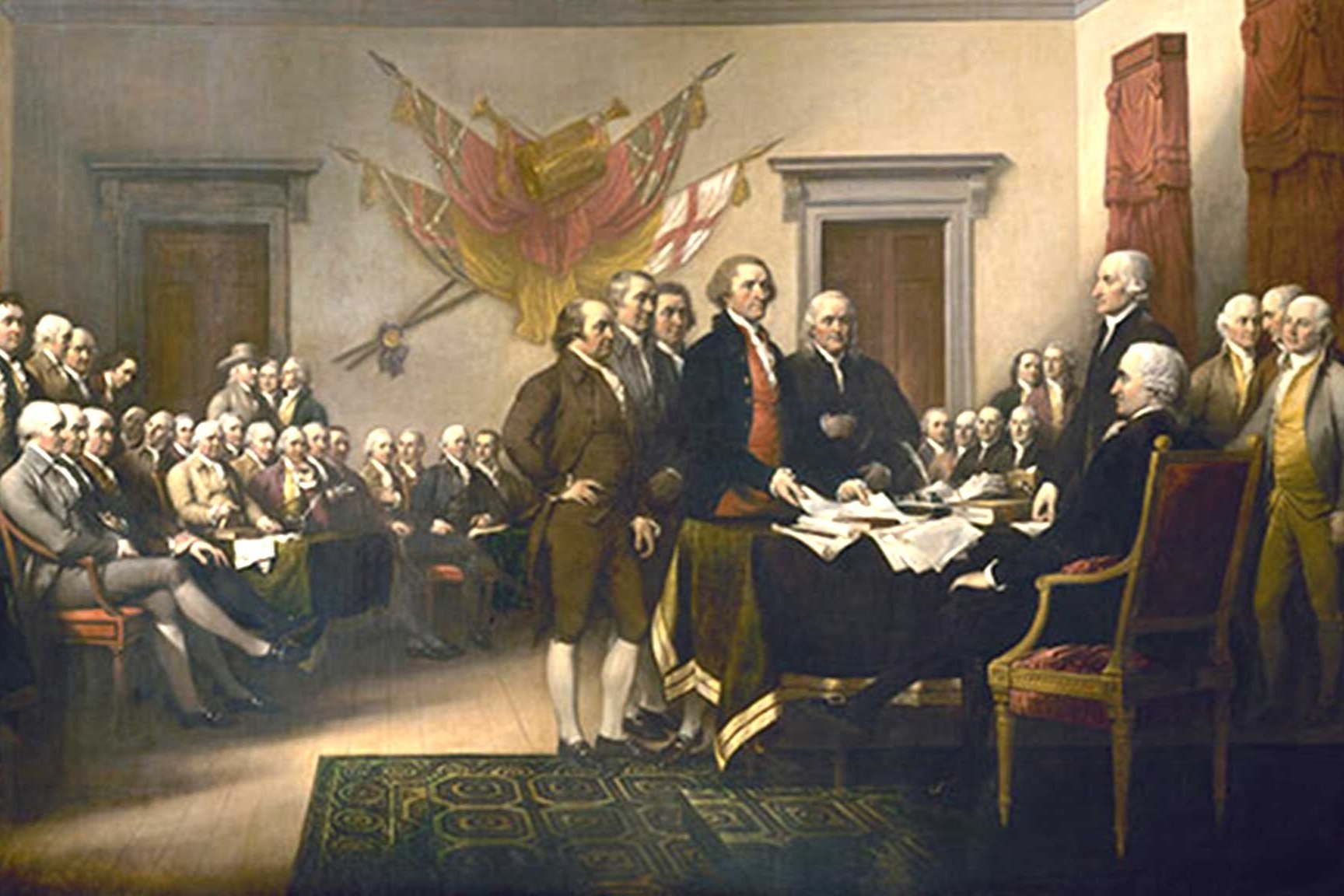
America’s Founding Era, A Time of Political Unity
During America’s founding era, our country was more politically unified than at any other time in our nation’s history. That is not to say politicians did not squabble because they did. The unity was reflected in the lack of political parties at first and then essentially having only one party for a quarter of a century.
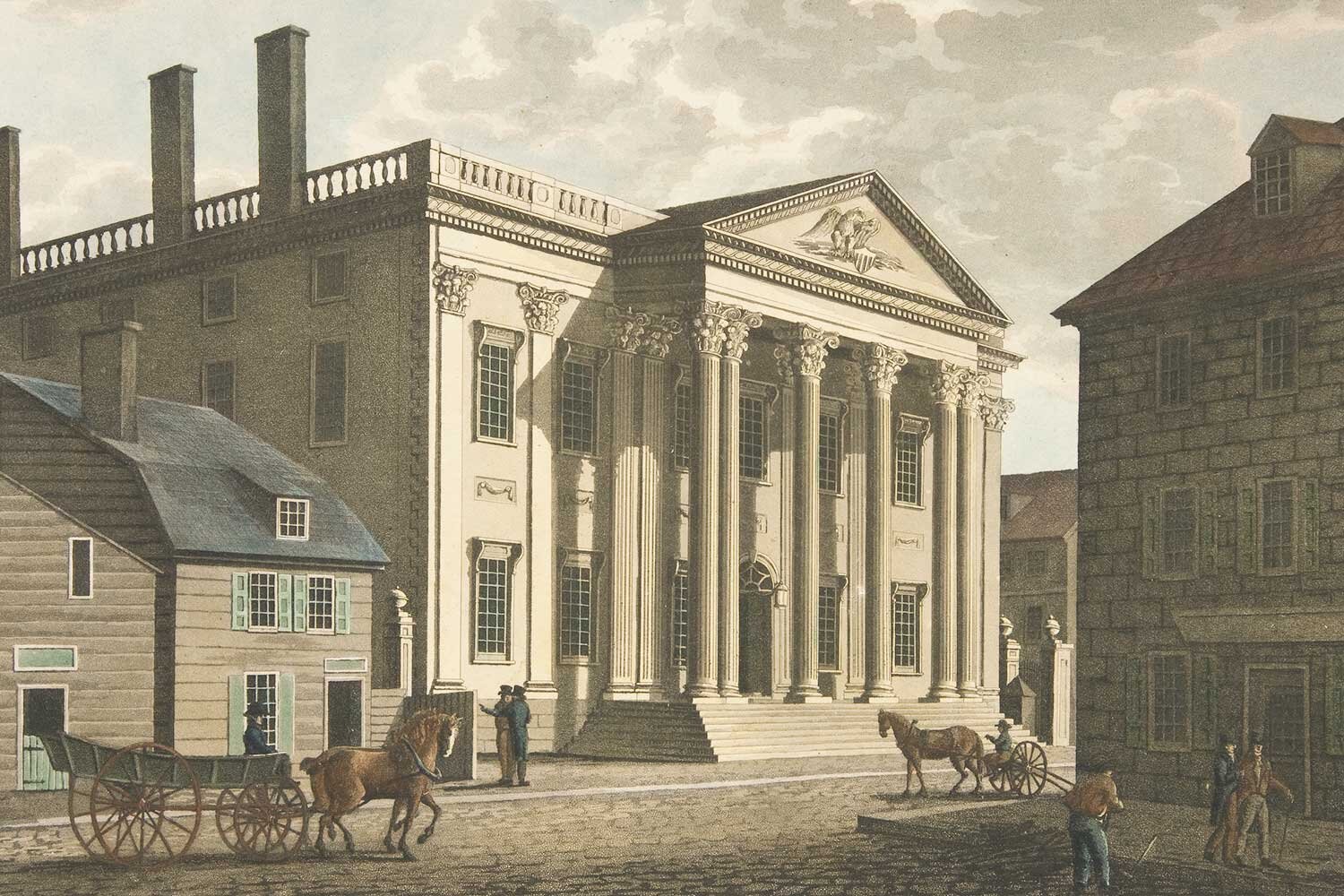
George Washington Discourages Debt and Foreign Entanglements
In his Farewell Address, President Washington shared his thoughts on several topics, including our national debt and the need for our country to remain fiscally prudent.

George Washington Calls for Unity in Farewell Address
After eight years in office, President Washington was ready to step down. He had planned to retire at the end of his first term but was talked out of it. During this second run at saying goodbye to public life, Washington was determined to finally retire.