
Browse Articles by Category

Colonial Era
American Revolution

The New Nation

National Expansion and Reform

Civil War and Reconstruction (Coming Soon)
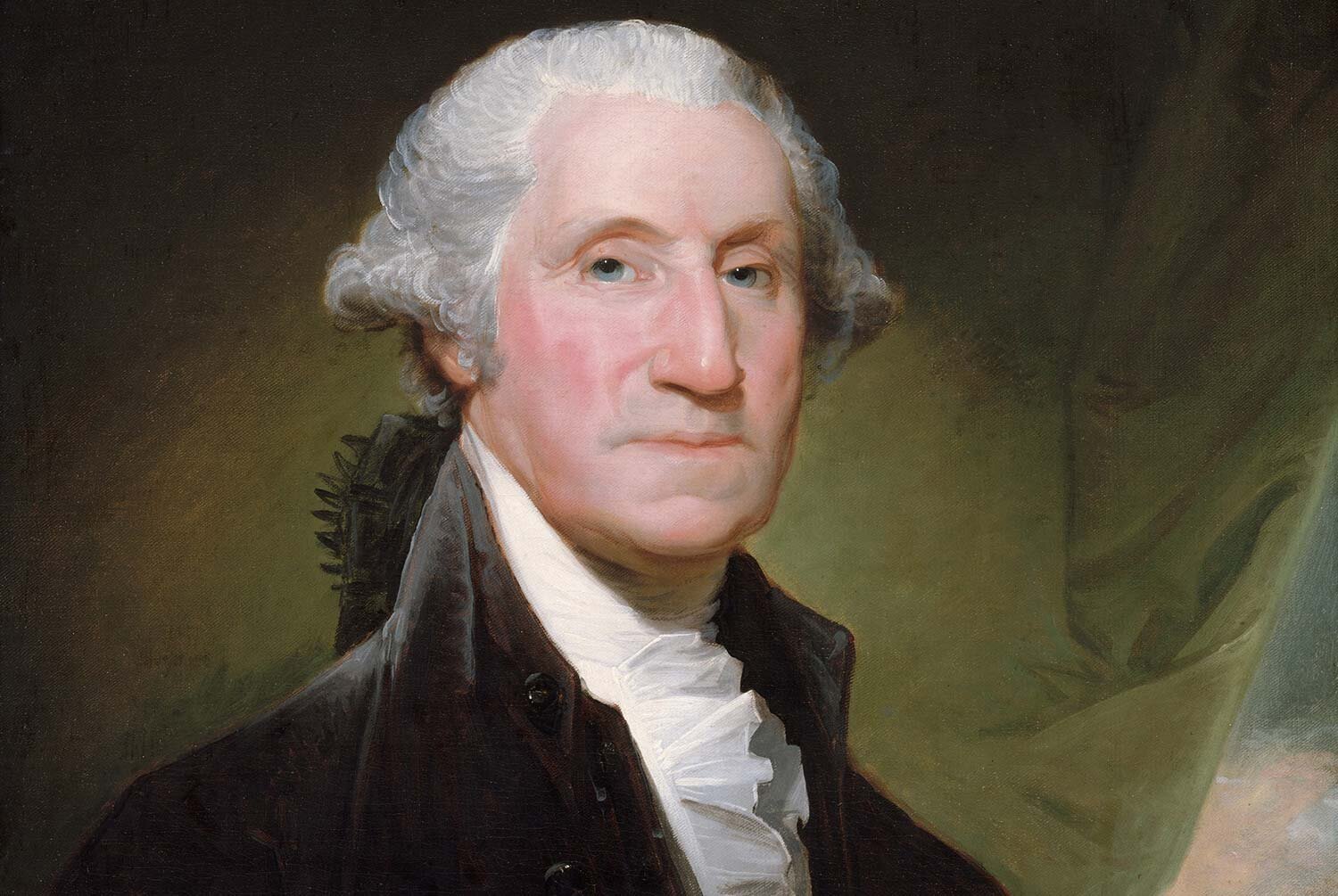
George Washington, Our Nation’s First President
The federal Constitution, the new law of the land, took effect on March 4, 1789, and had several notable differences with the Articles of Confederation. One of the most significant changes was the creation of a strong executive or President. However, the powerful executive reminded skeptics of the authority held by King George, and they worried the United States could eventually drift towards despotism. Virtually everyone knew that the only man strong enough to lead the nation and conscientious enough to be entrusted with so much power was George Washington.
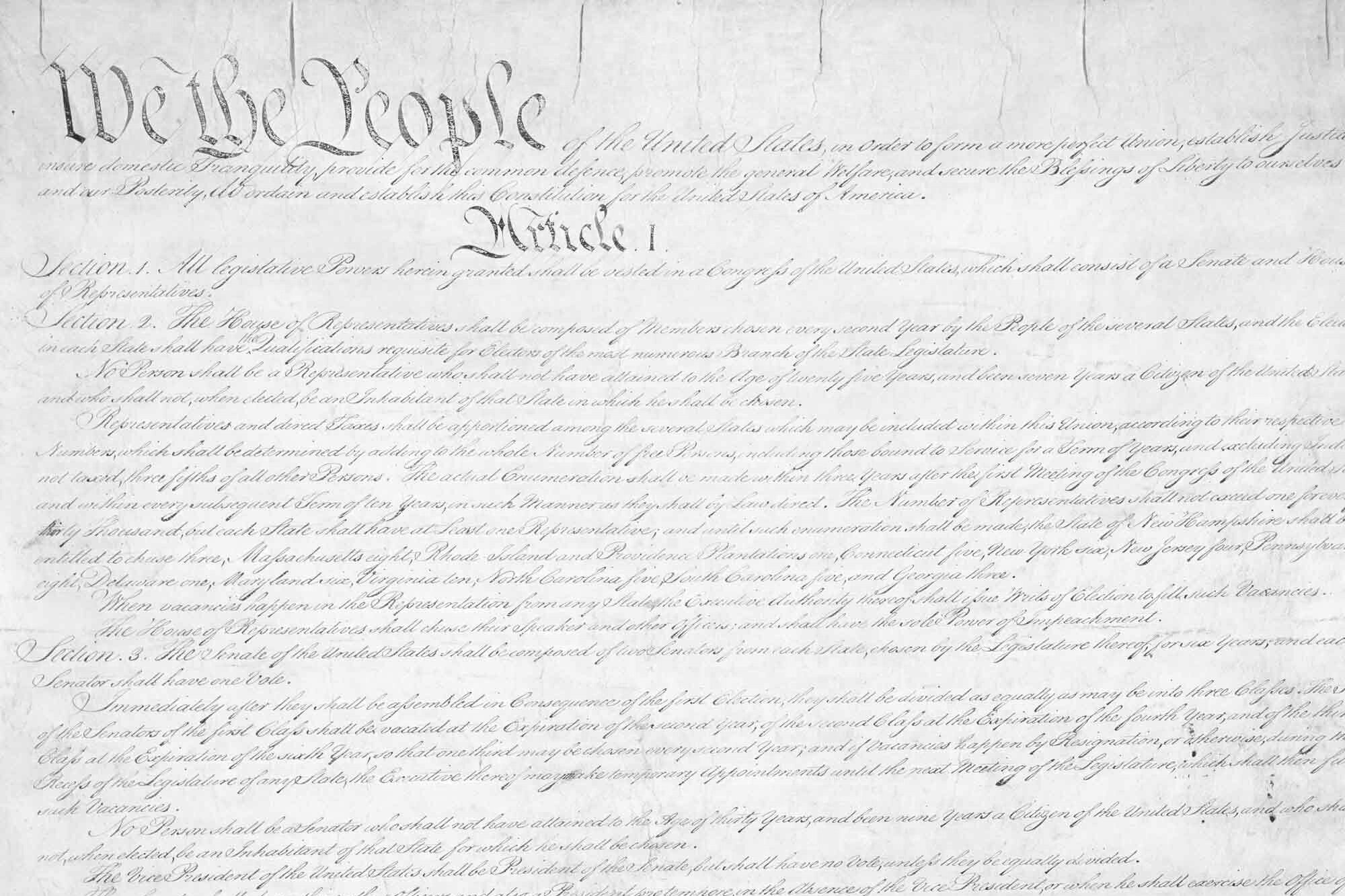
The Constitution of the United States
The opening phrase of the preamble, “We the People,” spoke volumes regarding upon whose authority the Constitution rested and suggested the unanimity of country and purpose that this new Constitution would create. It was written by Gouverneur Morris, a delegate from New York, and his eloquent words speak for themselves.
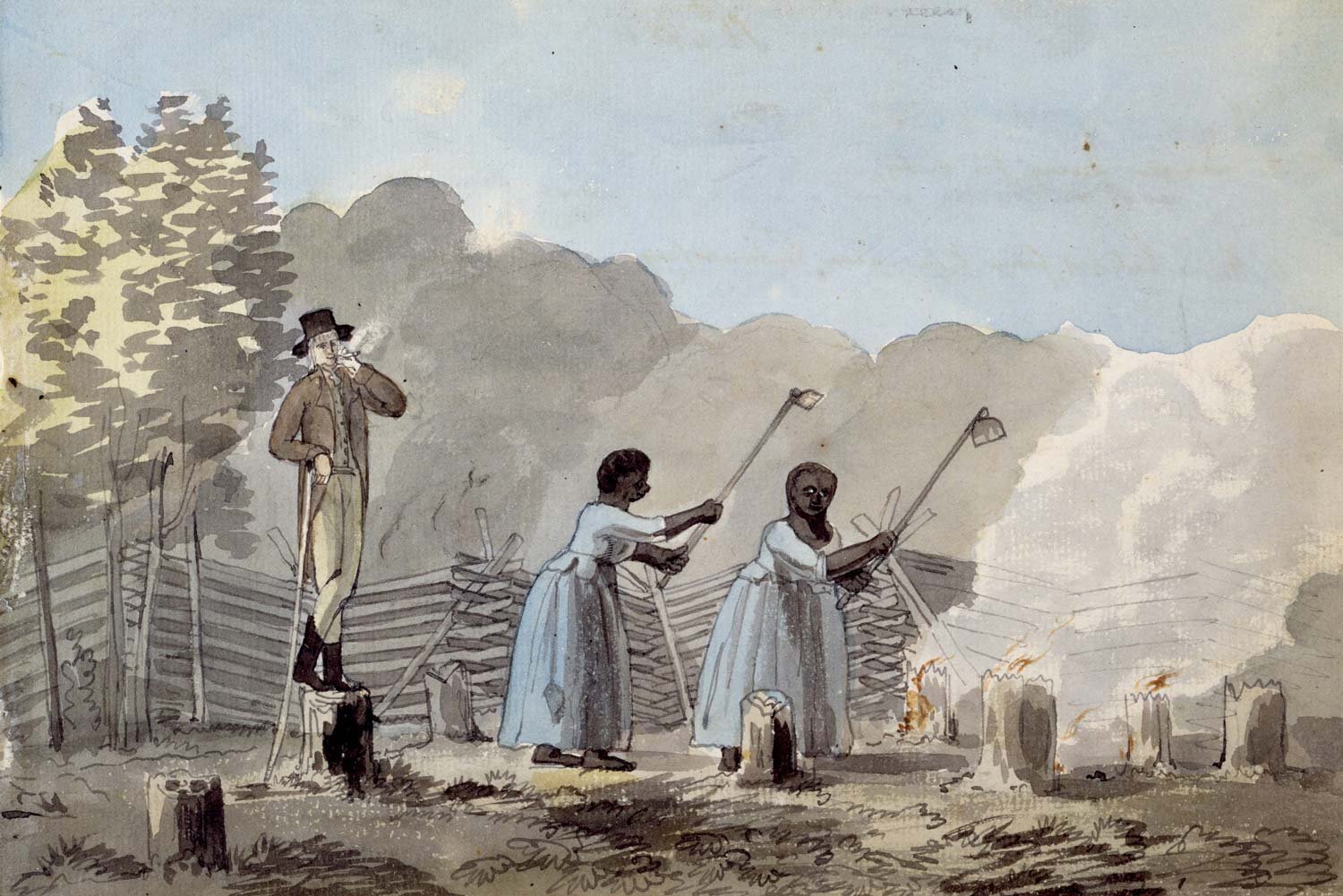
The Slavery Question at the Constitutional Convention
When delegates met at the Constitutional Convention in Philadelphia in the summer of 1787, one of the most troublesome questions was what to do about slavery. Not whether it should be abolished, because even the most vehement abolitionist recognized this was neither the time nor the place for that fight. The issues to be decided were how would slaves be counted in the census and whether the states or the central government would control the institution, and what that control would look like.
Key Debates at the Constitutional Convention
On May 29, 1787, Edmund Randolph, Governor of Virginia, rose and introduced fifteen resolutions to the Federal Convention. Known to history as the Virginia Resolves or the Virginia Plan, Randolph’s proposal, which was probably drafted by James Madison, was an outline for an entirely new national government. It called for a national executive, a two-house national legislature, and a national judiciary.

The Federal Convention Opens
In the years immediately following the successful conclusion of its war for independence, the United States struggled to survive under the Articles of Confederation. The nation’s leaders knew something had to be done to fix its many issues for this great experiment in democracy to continue.
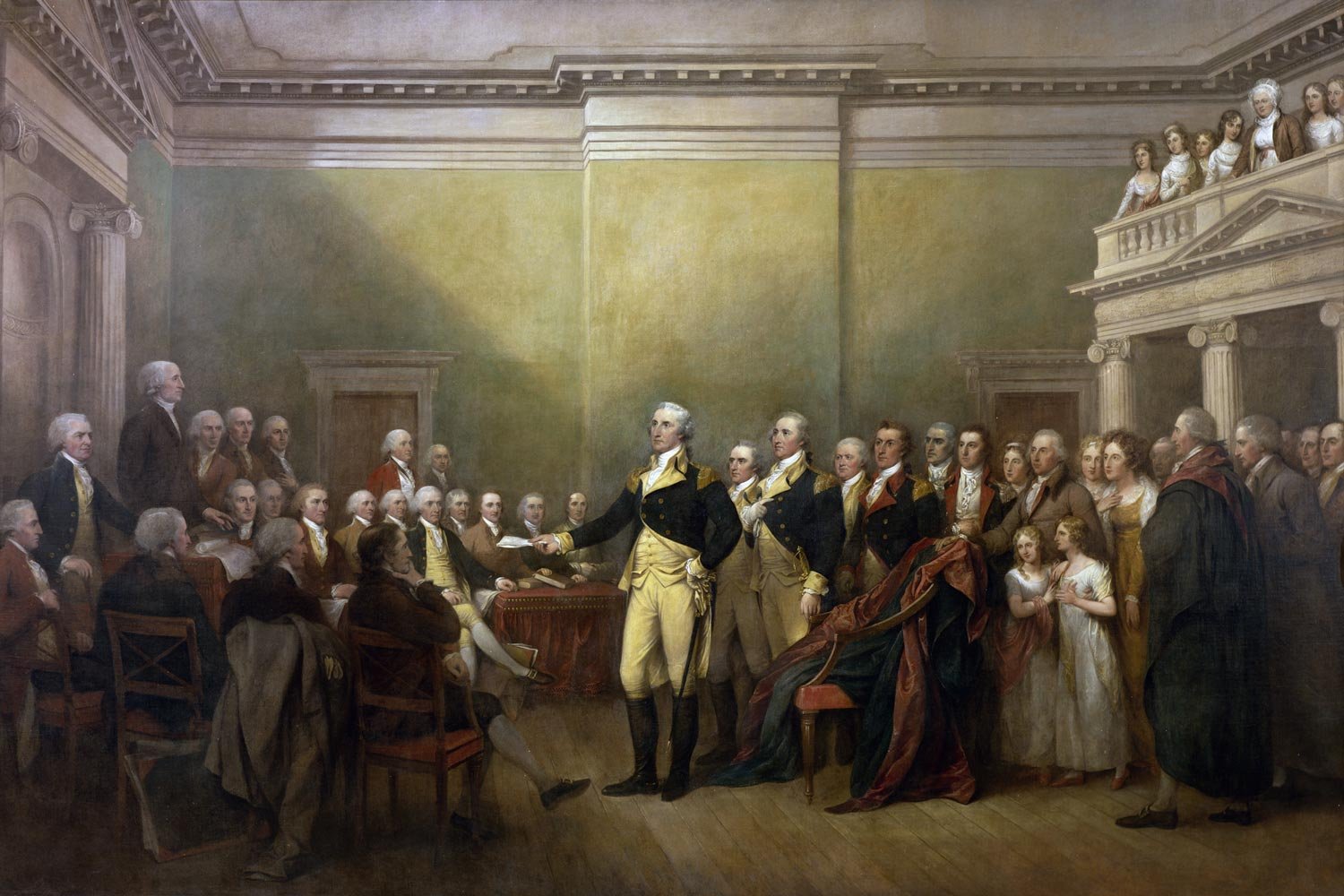
General George Washington’s Finest Hour
Following the signing of the Treaty of Paris on September 3, 1783, the need to retain the Continental Army was diminished. With Congress financially broke and little reason to think that situation would change given they had no authority to tax, they decided to cut their costs and dissolved the army.
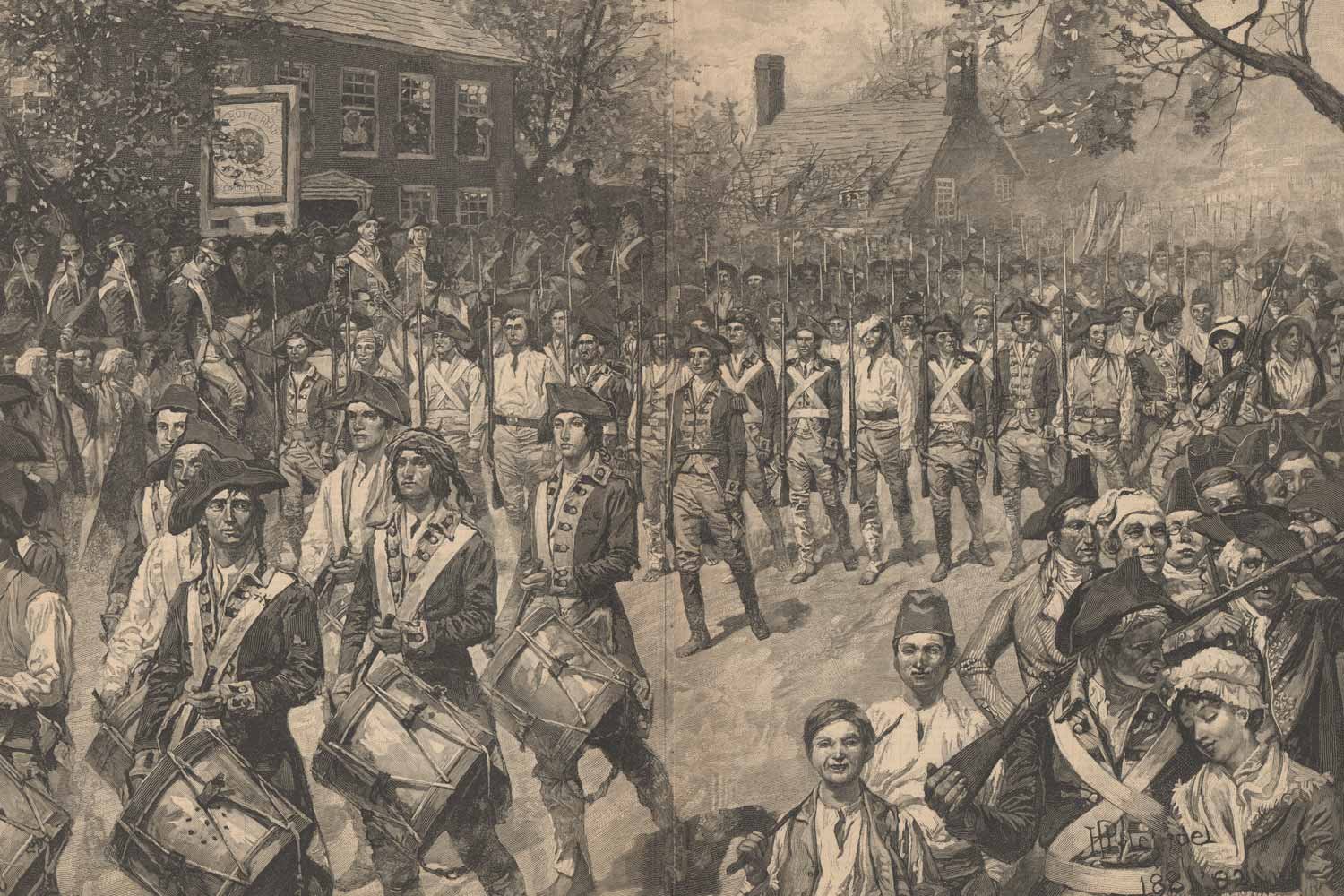
Aftermath of the Newburgh Conspiracy
The Newburgh Conspiracy represents a time when our nation came closest to deviating from our core revolutionary principles of representative government with civilian control of the military. Because of a weak Confederation Congress and unhappiness within the officer ranks of the Continental Army, the stage was set for our new nation to drift into a military dictatorship or monarchy.
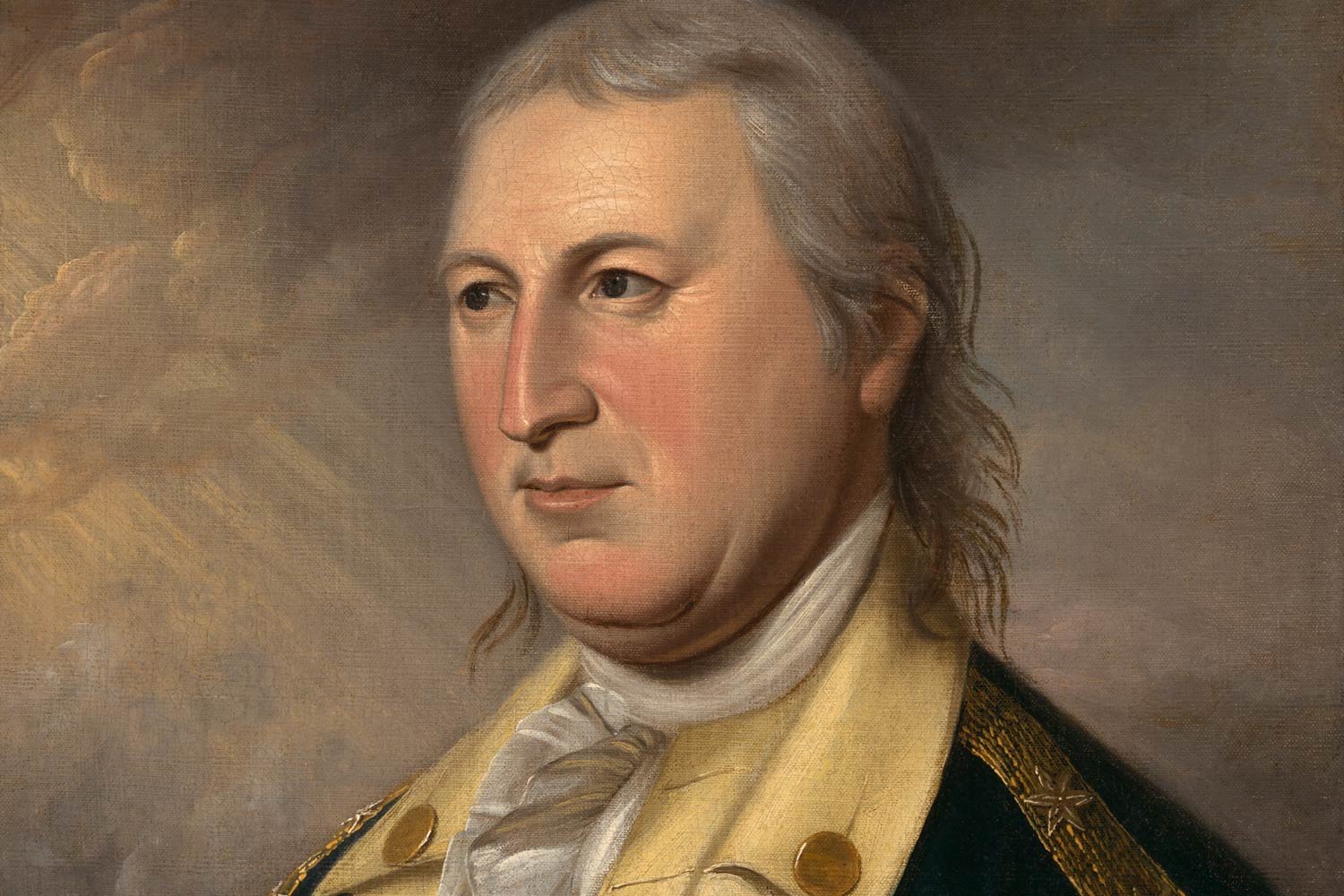
The Newburgh Conspiracy: Washington Ends a Crisis
By early 1783, America was close to finalizing its peace agreement with England. However, the Confederation Congress had some issues to resolve with its own discontented Continental Army, as the internal threat of mutiny appeared worse than the external one posed by British forces.
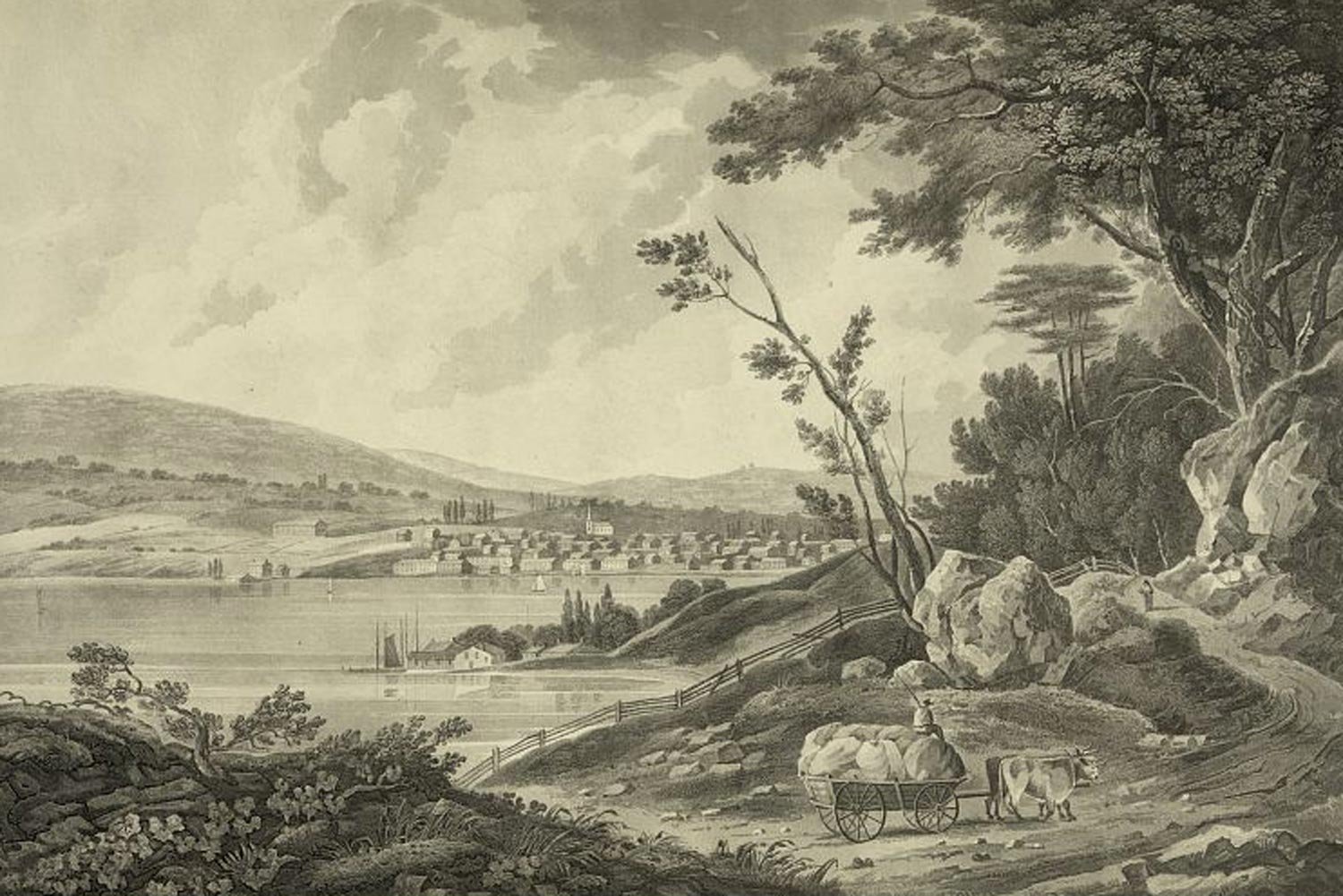
The Newburgh Conspiracy: Dissension in the Ranks
We take civilian control of the military for granted today in America. However, were it not for General George Washington’s actions and words in the so-called Newburgh Conspiracy, things might be quite a bit different.
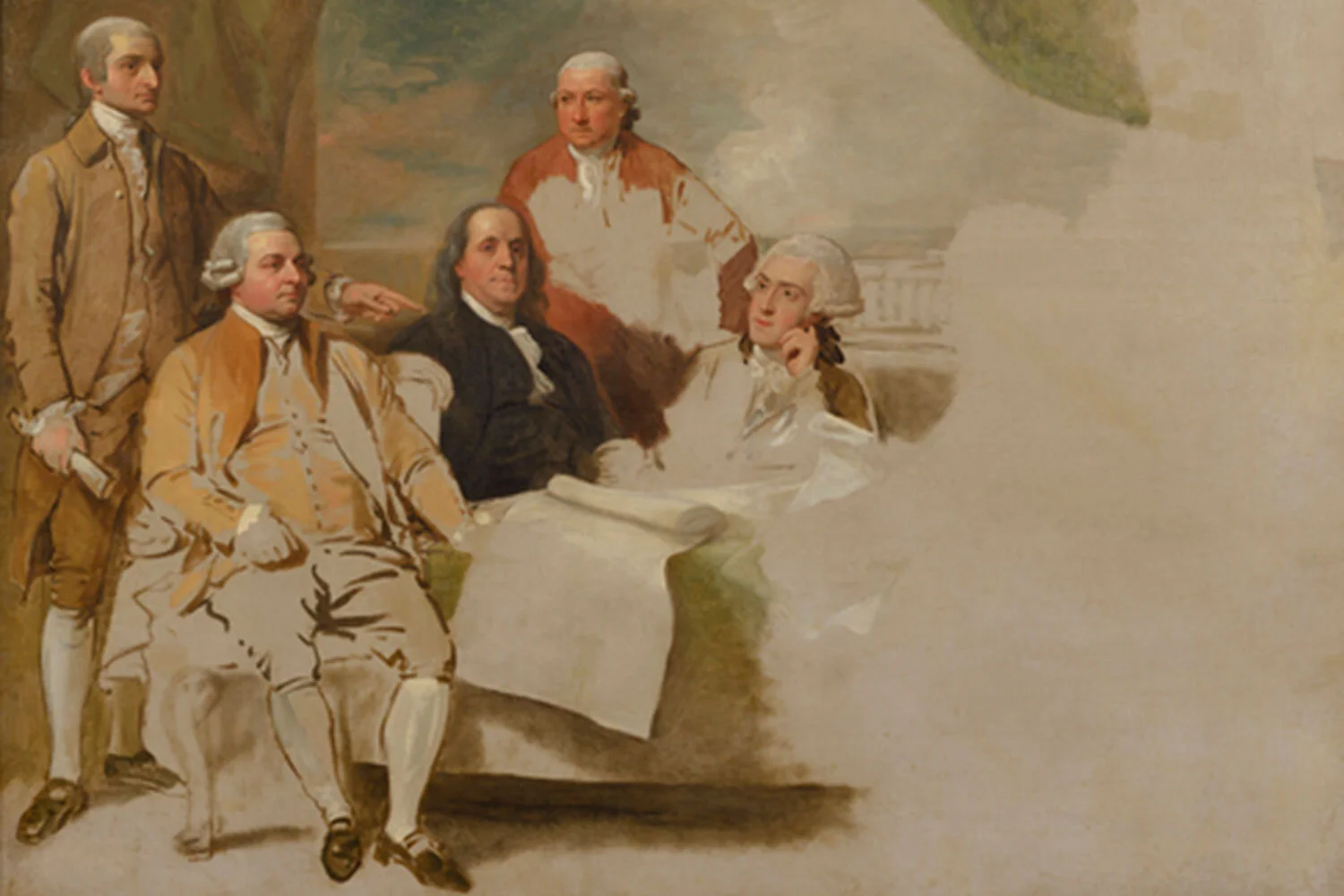
American Revolution Ends with the Treaty of Paris
After Lord Charles Cornwallis surrendered to General George Washington in Yorktown on October 19, 1781, English officials reached the painful conclusion that the war was simply too costly to continue. Not only was the war in North America expensive to prosecute, but it was also a distraction from England’s defense of their more lucrative possessions elsewhere in the world, such as the sugar islands in the Caribbean and trading posts in India.
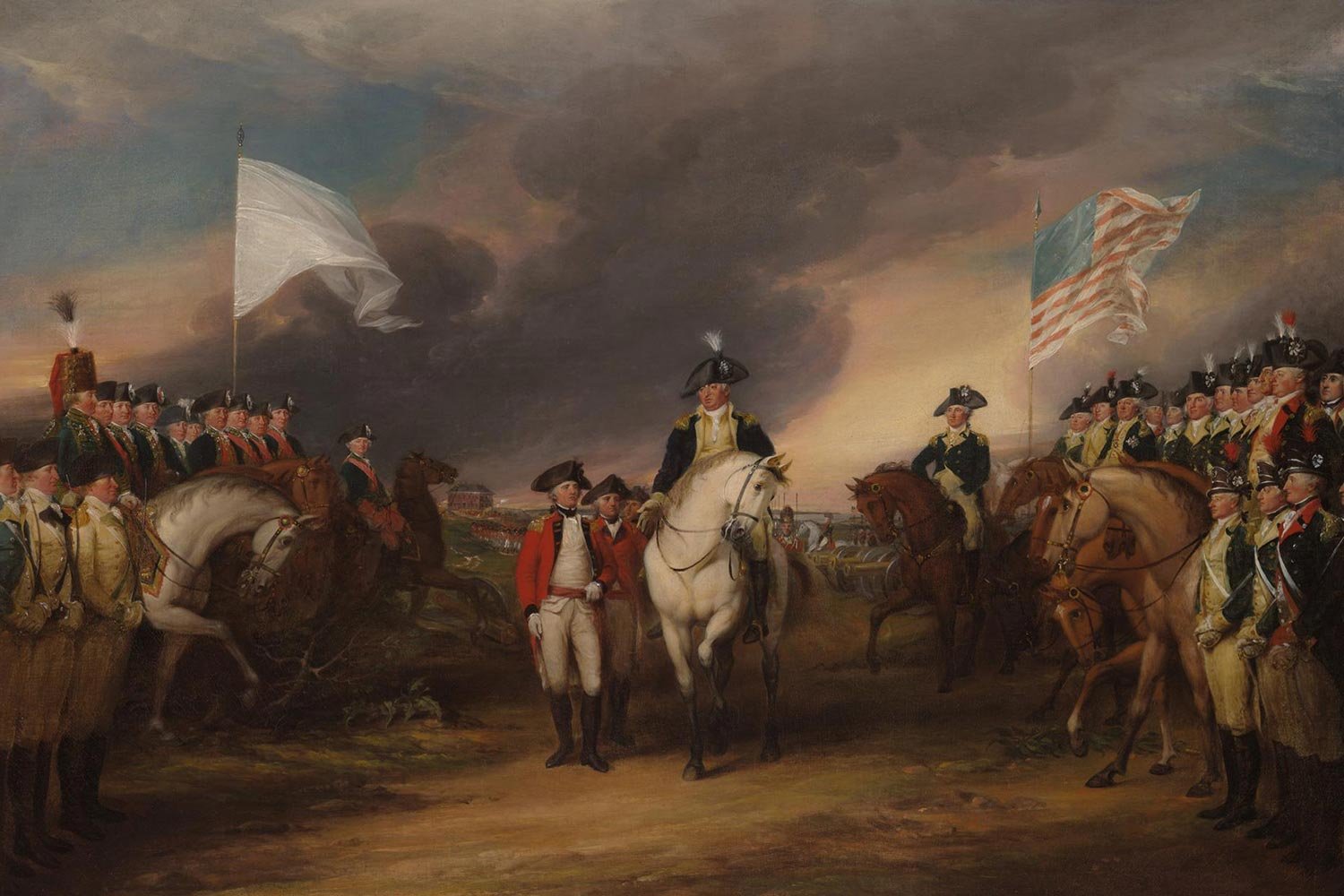
British Surrender at Yorktown
General George Washington led his Continental Army and the French Army under General Jean-Baptiste de Rochambeau into Virginia in mid-September 1781. The combined force was on its way to Yorktown and its appointment with destiny with the entrapped British command of General Lord Charles Cornwallis.
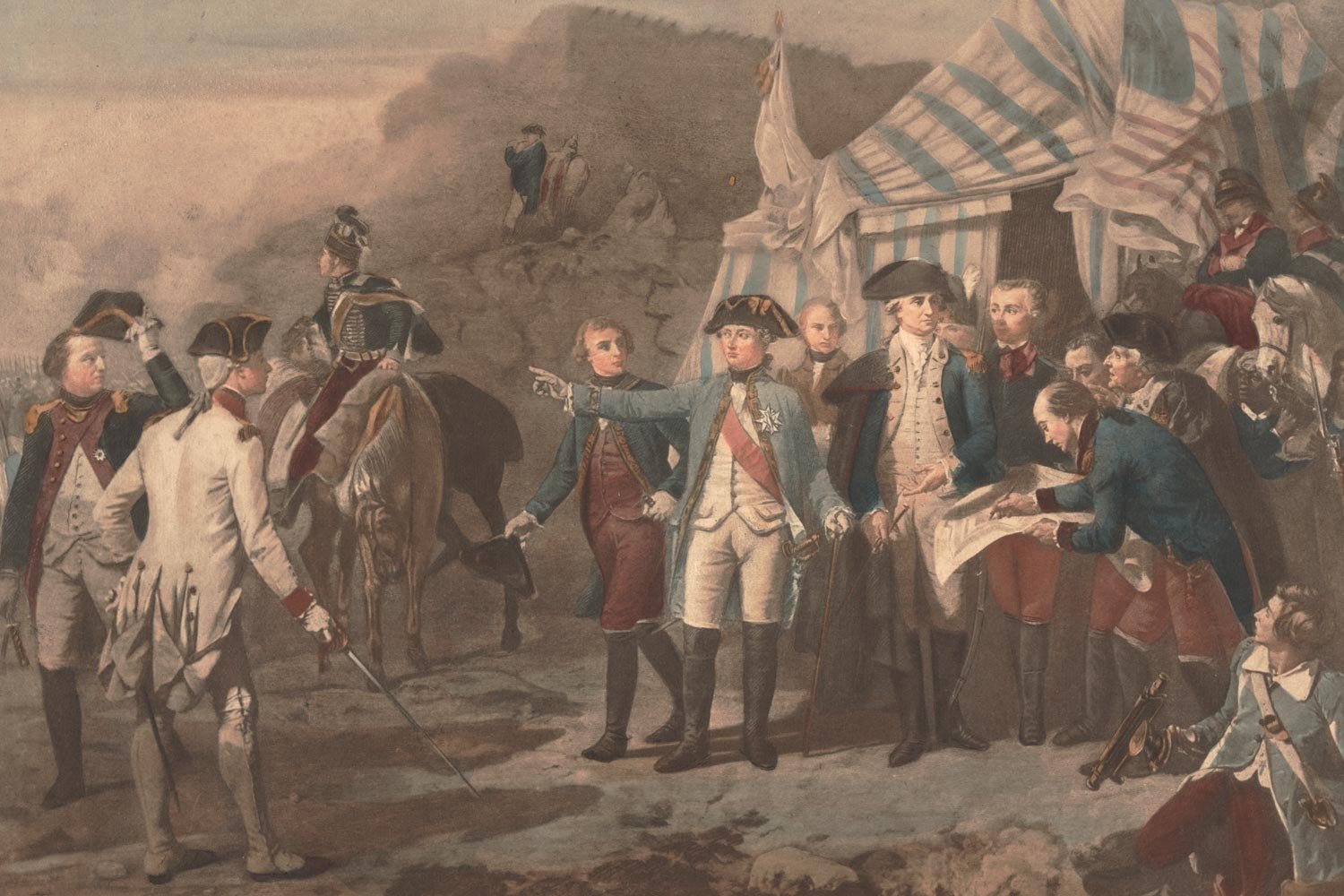
The Yorktown Campaign
After the Battle of Monmouth Courthouse in June of 1778, the British retreated into the friendly confines of New York City. Following two lengthy campaigns (New York in 1776 and Philadelphia in 1777), England had neither crushed the Continental Army nor roused the local populace to join the British effort.