
Browse Articles by Category

Colonial Era
American Revolution

The New Nation

National Expansion and Reform

Civil War and Reconstruction (Coming Soon)
An Expression of the American Mind
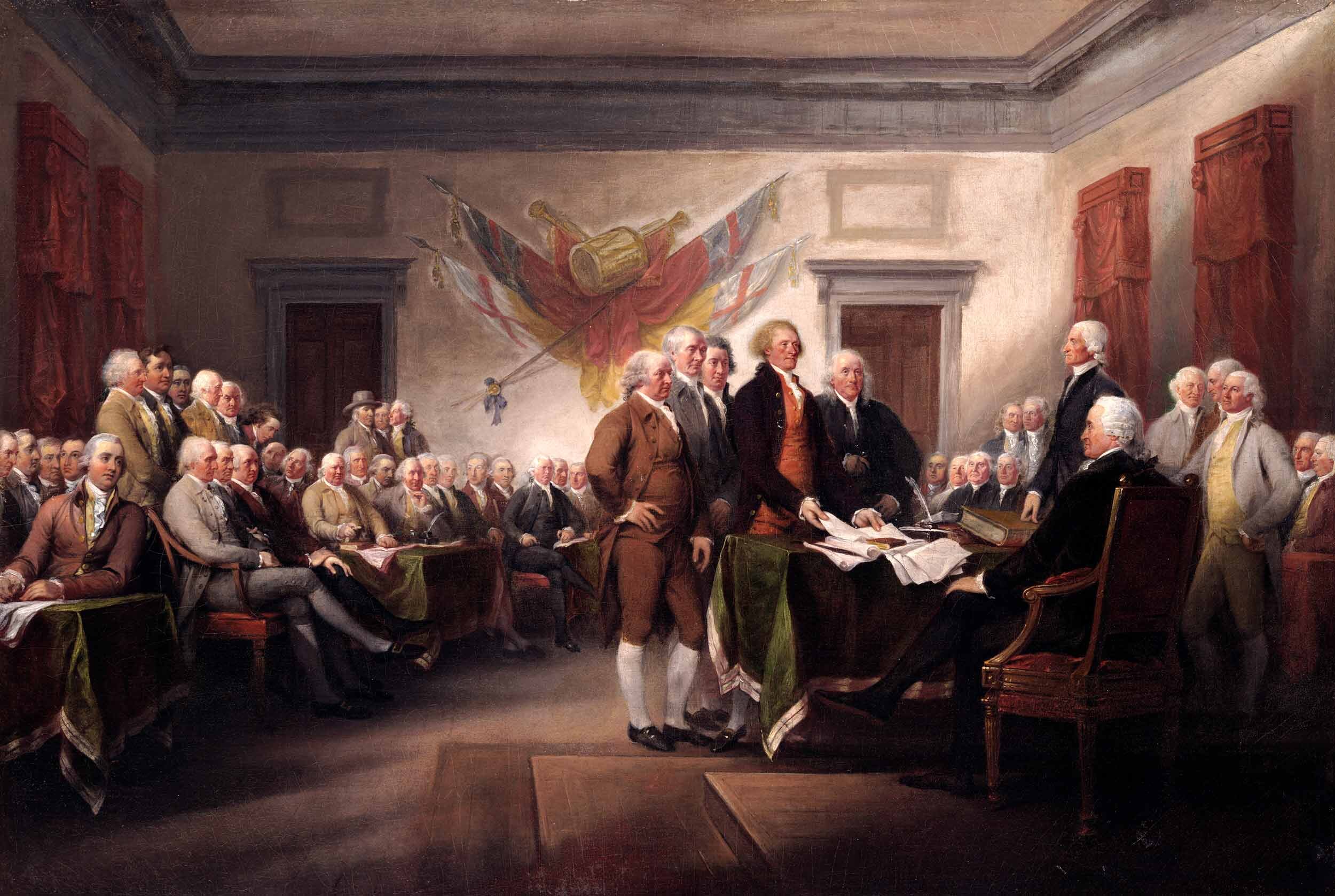
On May 15, 1776, the fifth Virginia Convention meeting in Williamsburg passed a resolution calling on their delegates at the Second Continental Congress to declare a complete separation from Great Britain. Accordingly, on June 7, Richard Henry Lee rose and introduced into Congress what has come to be known as the Lee Resolution.

Thomas Jefferson’s “Summary View”
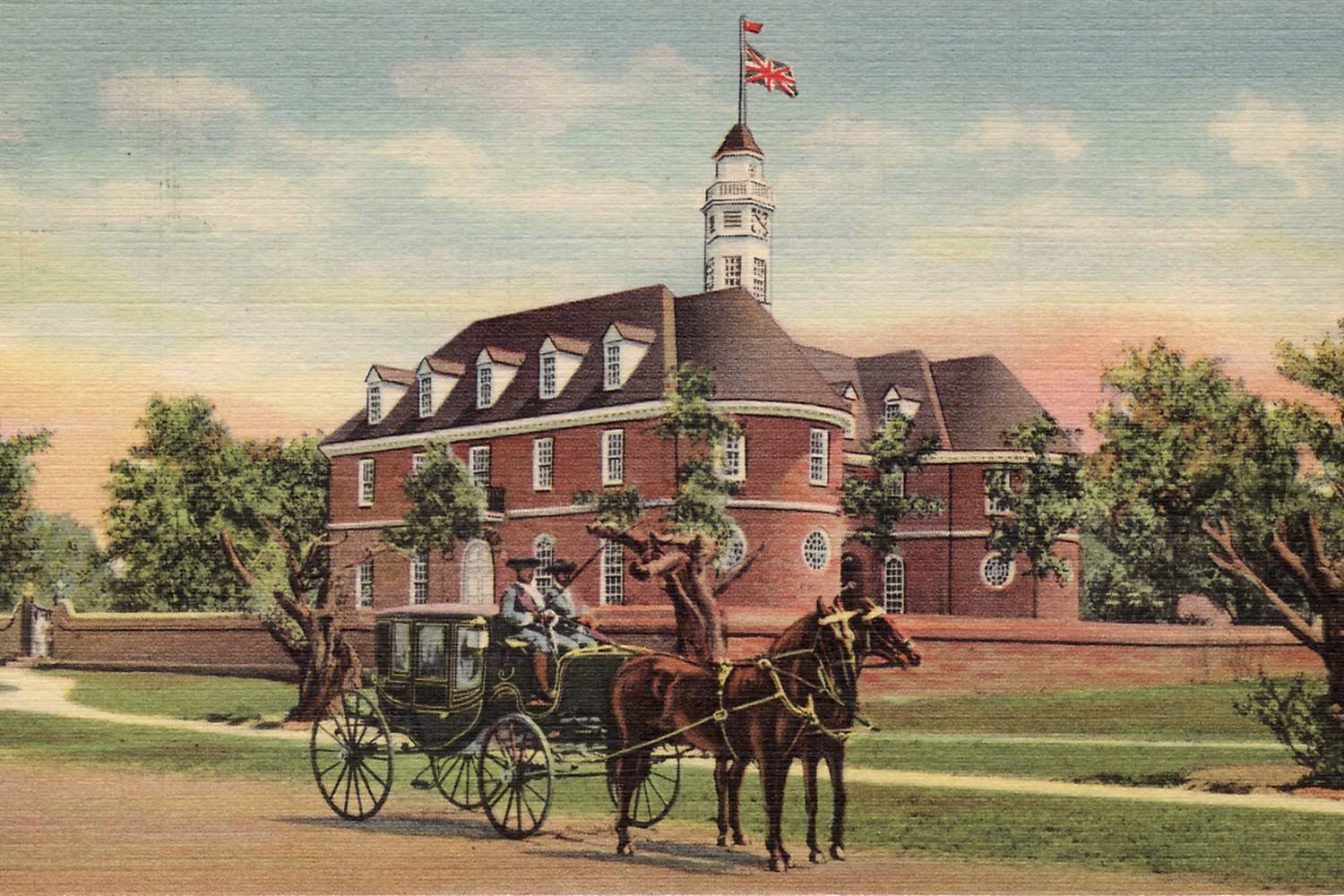
Thomas Jefferson’s revolutionary journey began in the 1760s and culminated in his masterfully written Declaration of Independence in 1776. But in between these events, Jefferson crafted one of the most impactful statements ever for American independence. Entitled A Summary View of the Rights of British America, it was perhaps the most logical assessment of the true relationship between Great Britain and her American colonies. The concepts Jefferson laid out had been refined and brought into focus following several dustups with Lord Dunmore, the new Royal Governor.
Thomas Jefferson, the Virginia Barrister
In 1765, Parliament passed the Stamp Act, the first internal tax on the American colonies, and thus began a decade of missteps by the British. Their miscalculations would take their country and their colonists on a direct path to Lexington Green and Concord Bridge on April 19, 1775. During this same year, Thomas Jefferson was concluding his time studying law under George Wythe and began to turn his eye towards the world at large and, more specifically, politics in the Colony of Virginia.
The Early Life of Thomas Jefferson
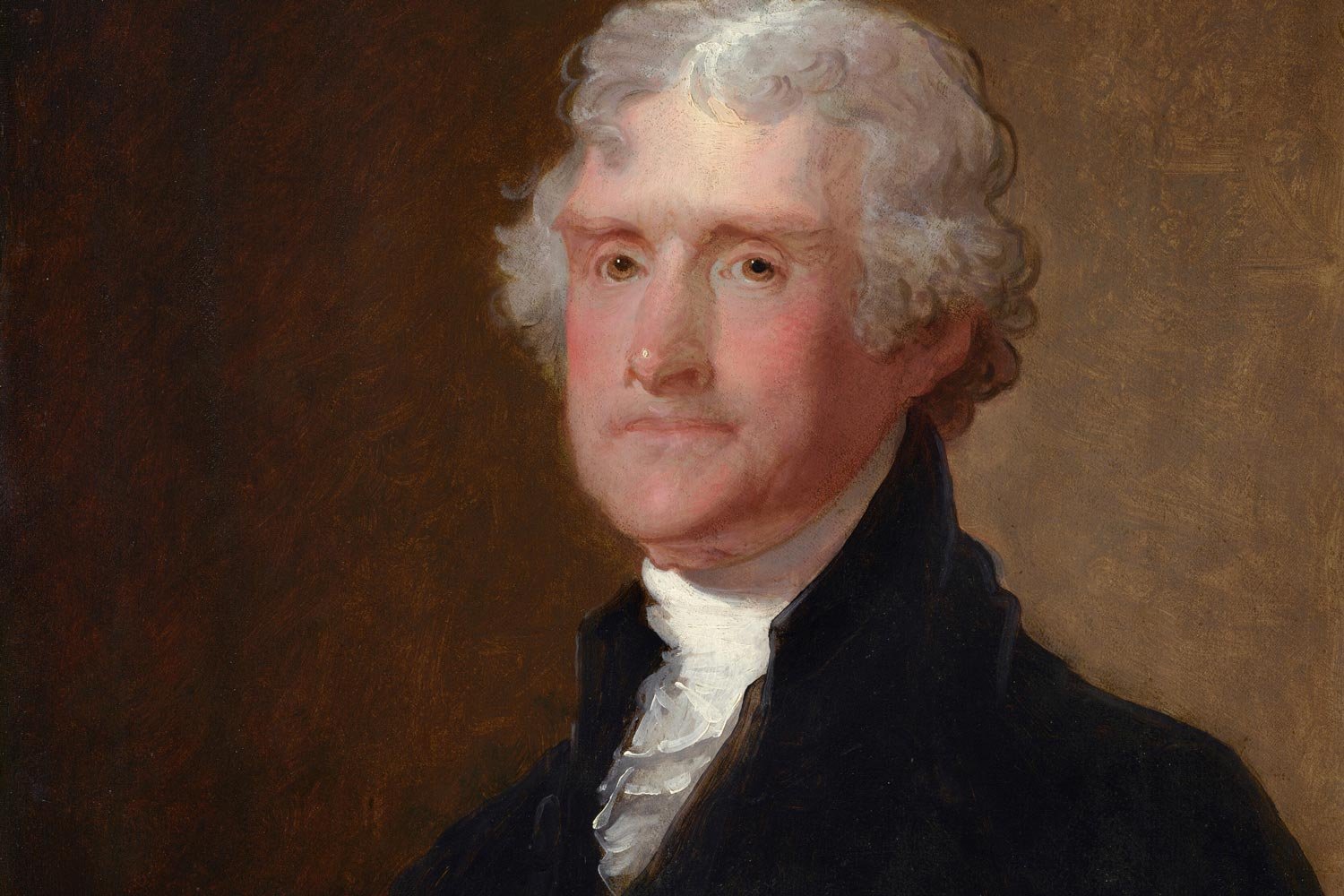
Thomas Jefferson is one of America’s most iconic Founding Fathers. Best known for his inspirational words in the Declaration of Independence, Jefferson was a brilliant man with diverse interests who spent the bulk of his life in service to his country and his later years in retirement at his beloved mountain home of Monticello, near Charlottesville, Virginia.
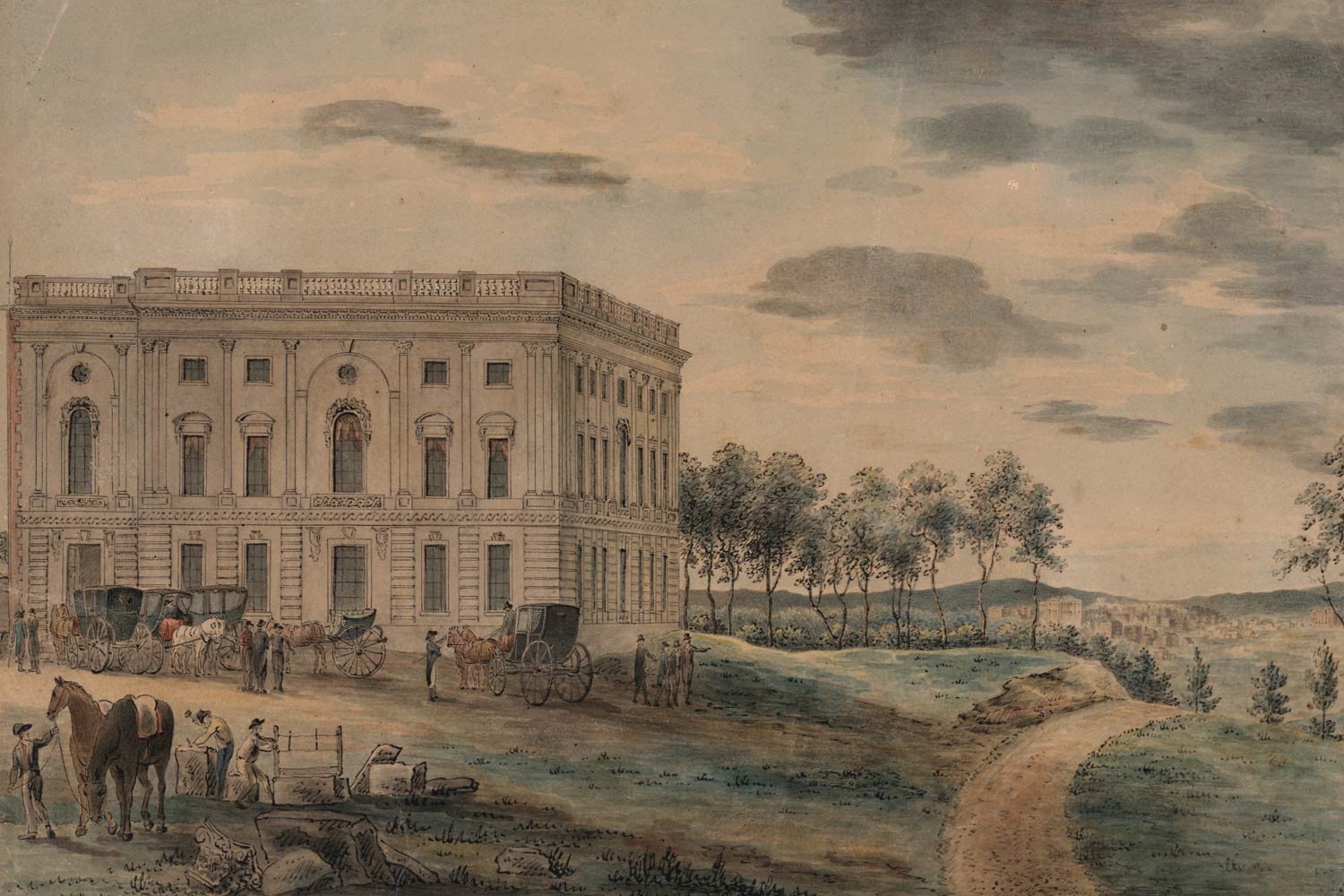
The House of Representatives Chooses Thomas Jefferson
The presidential election of 1800 ended in a tie, as the two Democratic-Republican candidates, Thomas Jefferson and Aaron Burr, each received 73 electoral votes under the original guidelines of the Constitution.
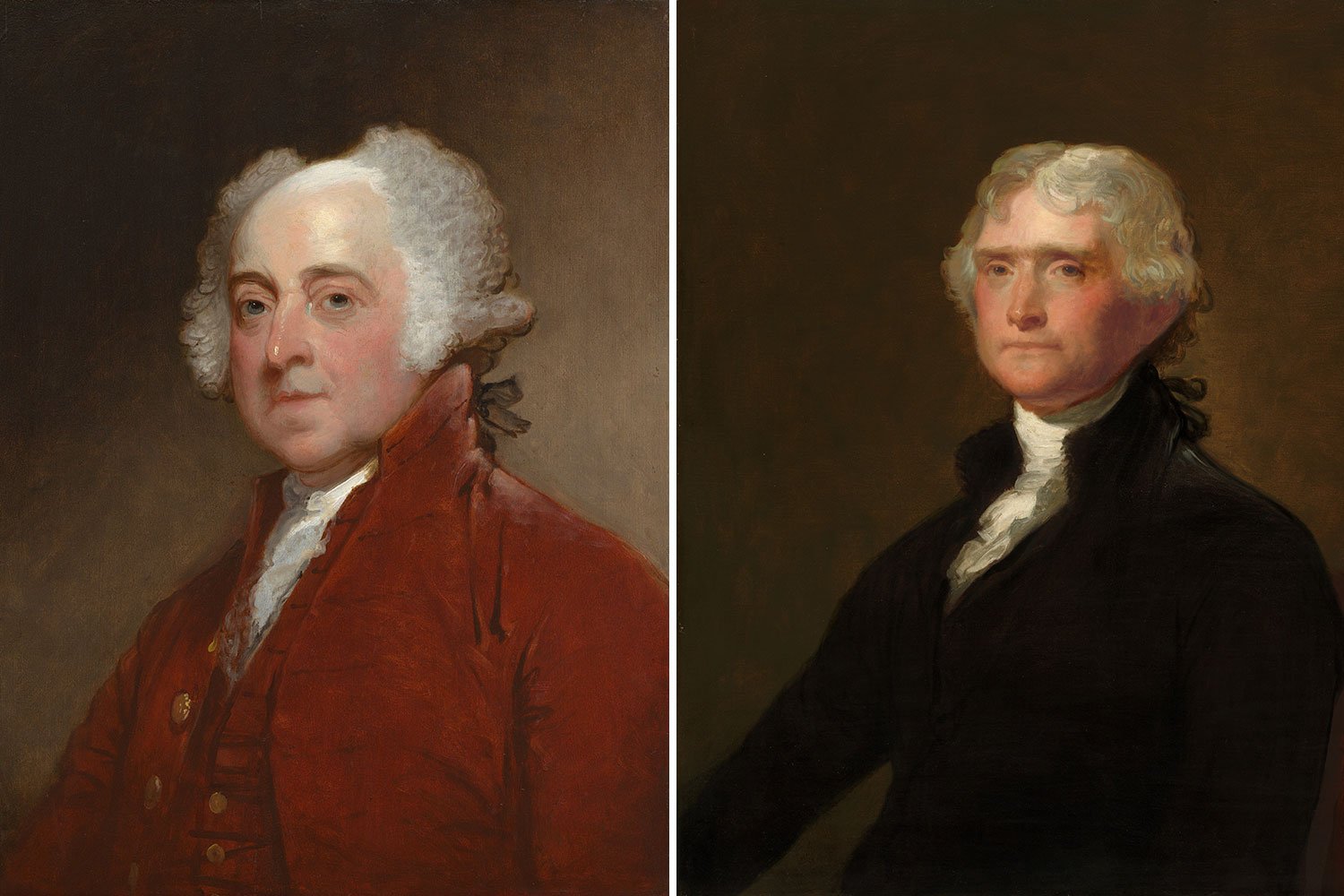
The Election of 1800
The Presidential election of 1800 was one of the most controversial and consequential in the history of the United States. It represented a true changing of the guard as the Federalist party of Washington, Hamilton, and Adams gave way to the Democratic-Republican ideals of Jefferson and Madison and took the United States in a different direction for a generation to come.
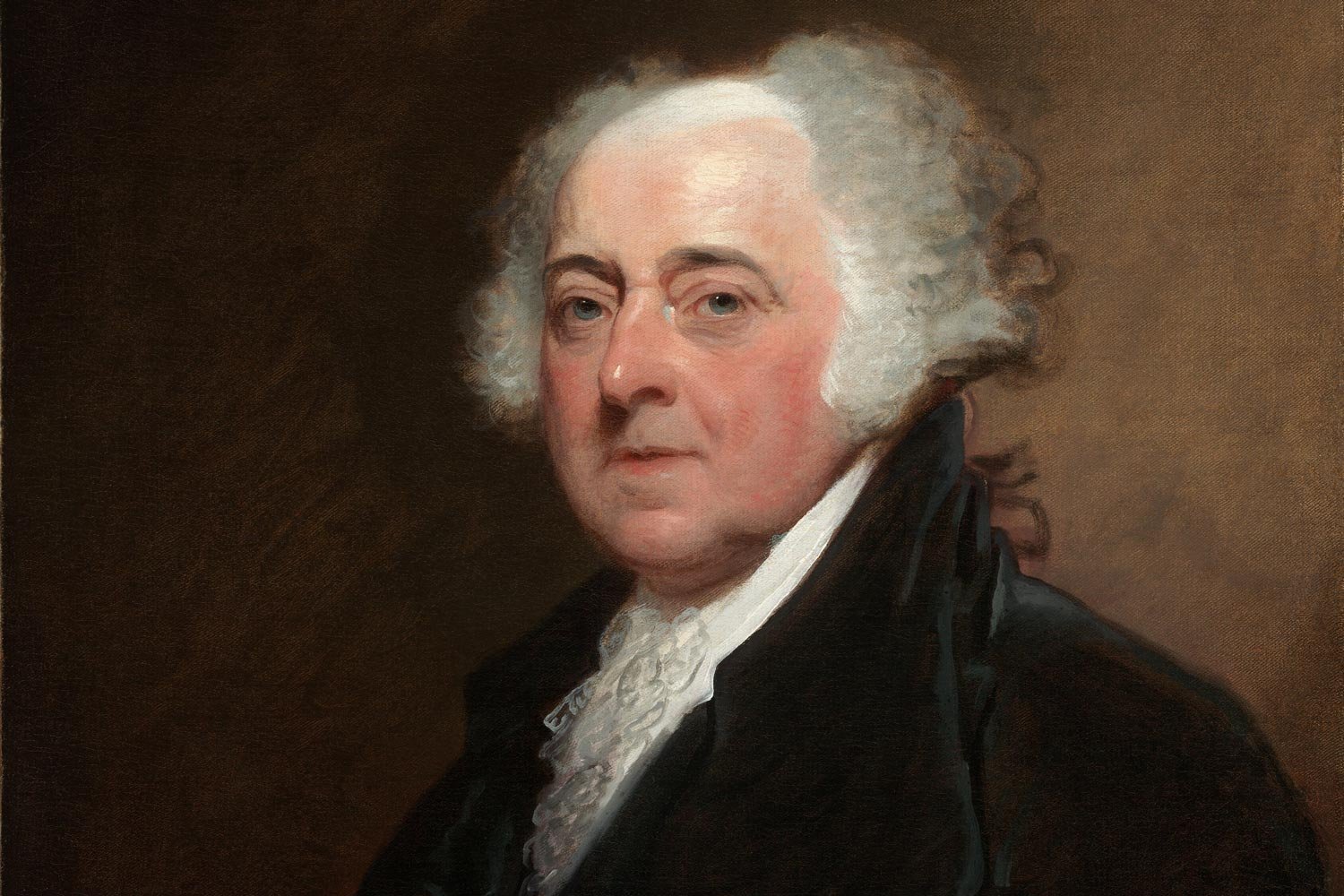
The Legacy of John Adams
John Adams’s loss to Thomas Jefferson in the presidential election of 1800 was a great disappointment for Adams as he felt he deserved another term based on his accomplishments during his four years as President. But Adams accepted the verdict of the Electoral College and looked forward to the next phase of his life.
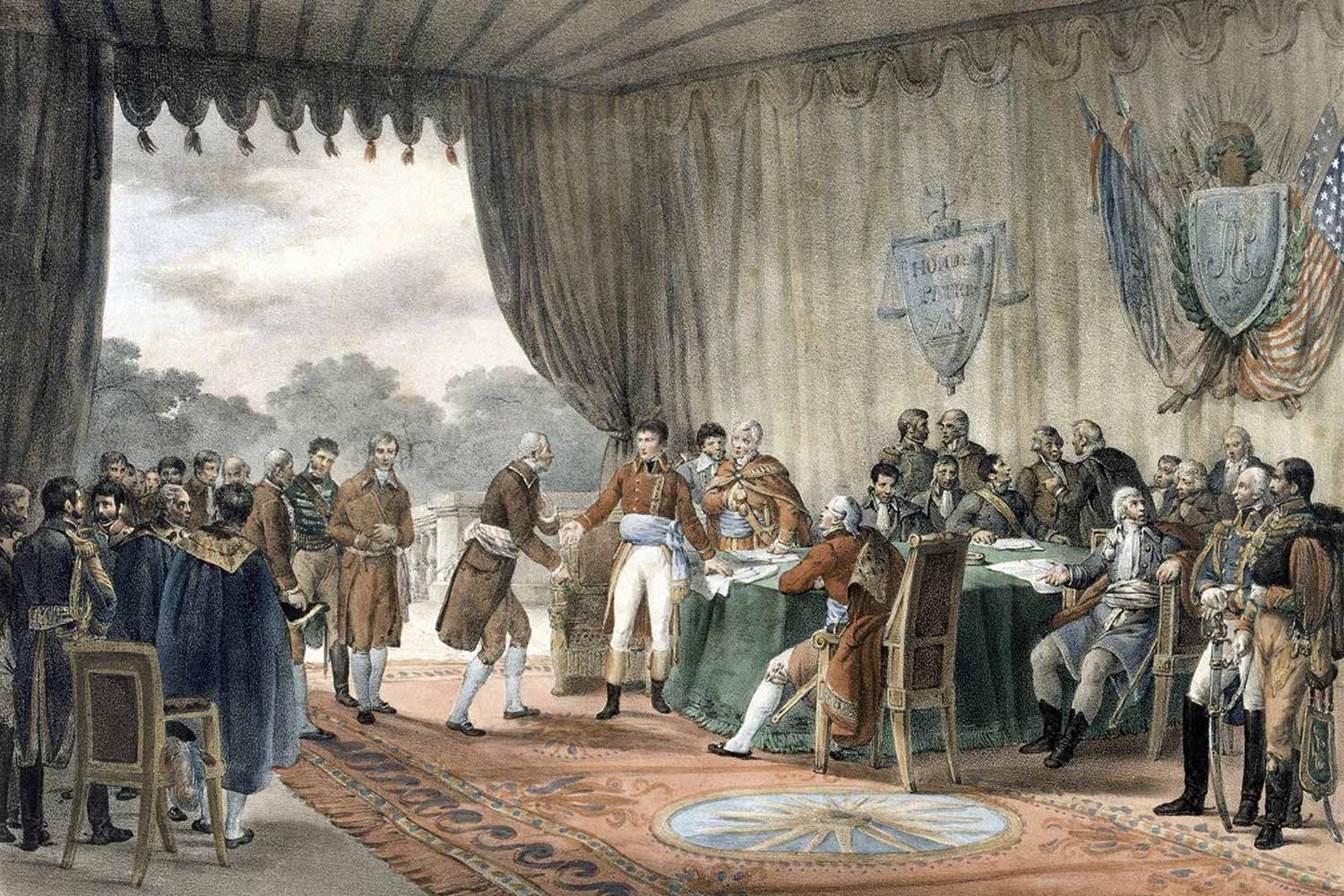
The End of the Quasi-War
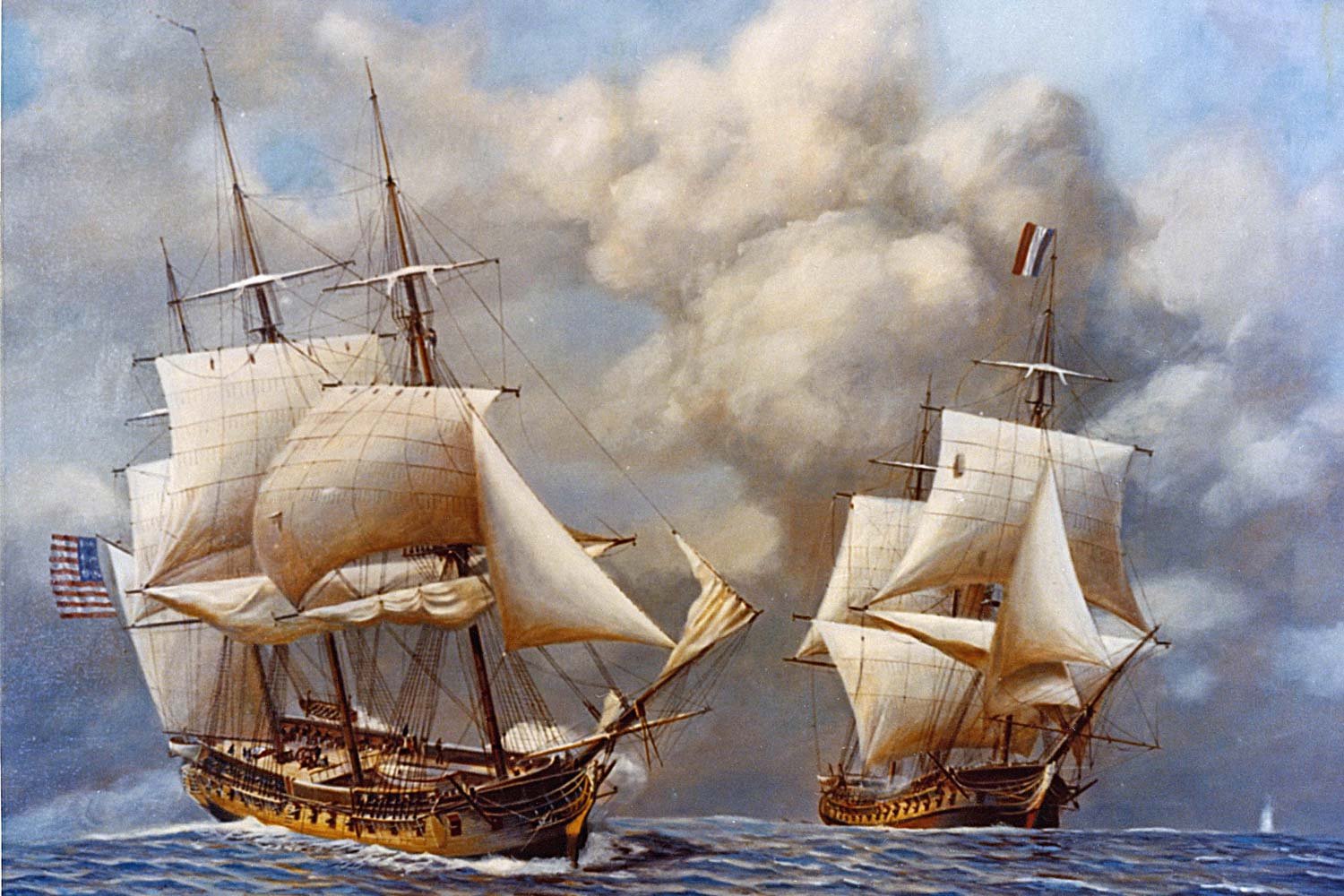
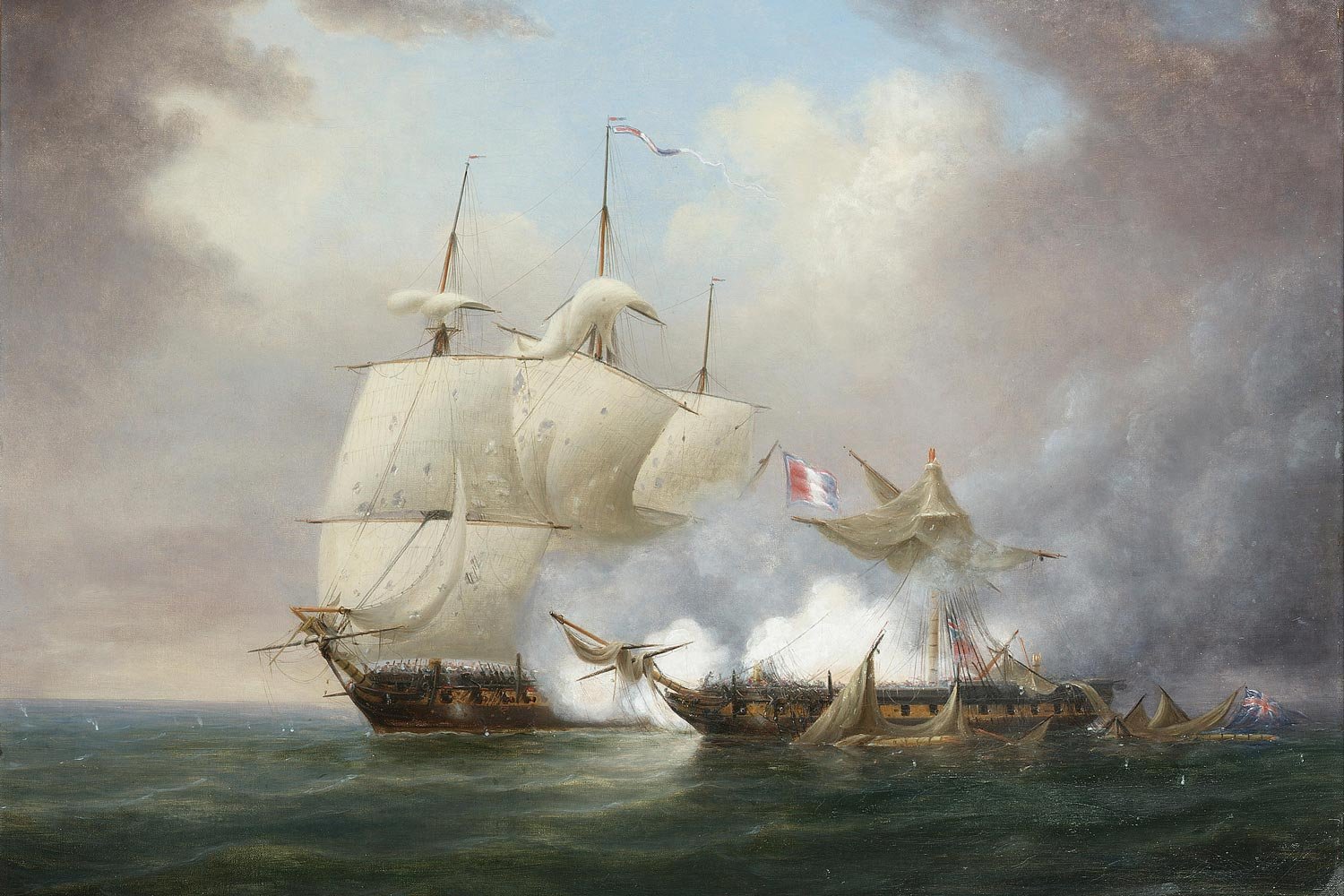
The only fighting in the Quasi-War occurred at sea, and mostly in the Caribbean. But with war at a fever pitch and French interests so close by in Louisiana, there was a very real concern in Congress about a possible French invasion of the United States from the west.
The Quasi-War with France
Between 1798 and 1800, the United States fought an undeclared war with France called the Quasi-War, or Half War, because it was not formally recognized by Congress. It was largely a naval conflict fought in the Caribbean and southern coast of America and developed because of a series of related events that soured the formerly strong relationship between the two nations.
Relations with France Fall Apart
America’s first armed conflict with a foreign nation following the American Revolution was not the War of 1812, but rather a mostly forgotten fight called the Quasi-War. Although little known today, in its time it made a significant impact on the course of American history, affecting trade, the creation of the United States Navy, and a presidential election.
The Kentucky and Virginia Resolutions
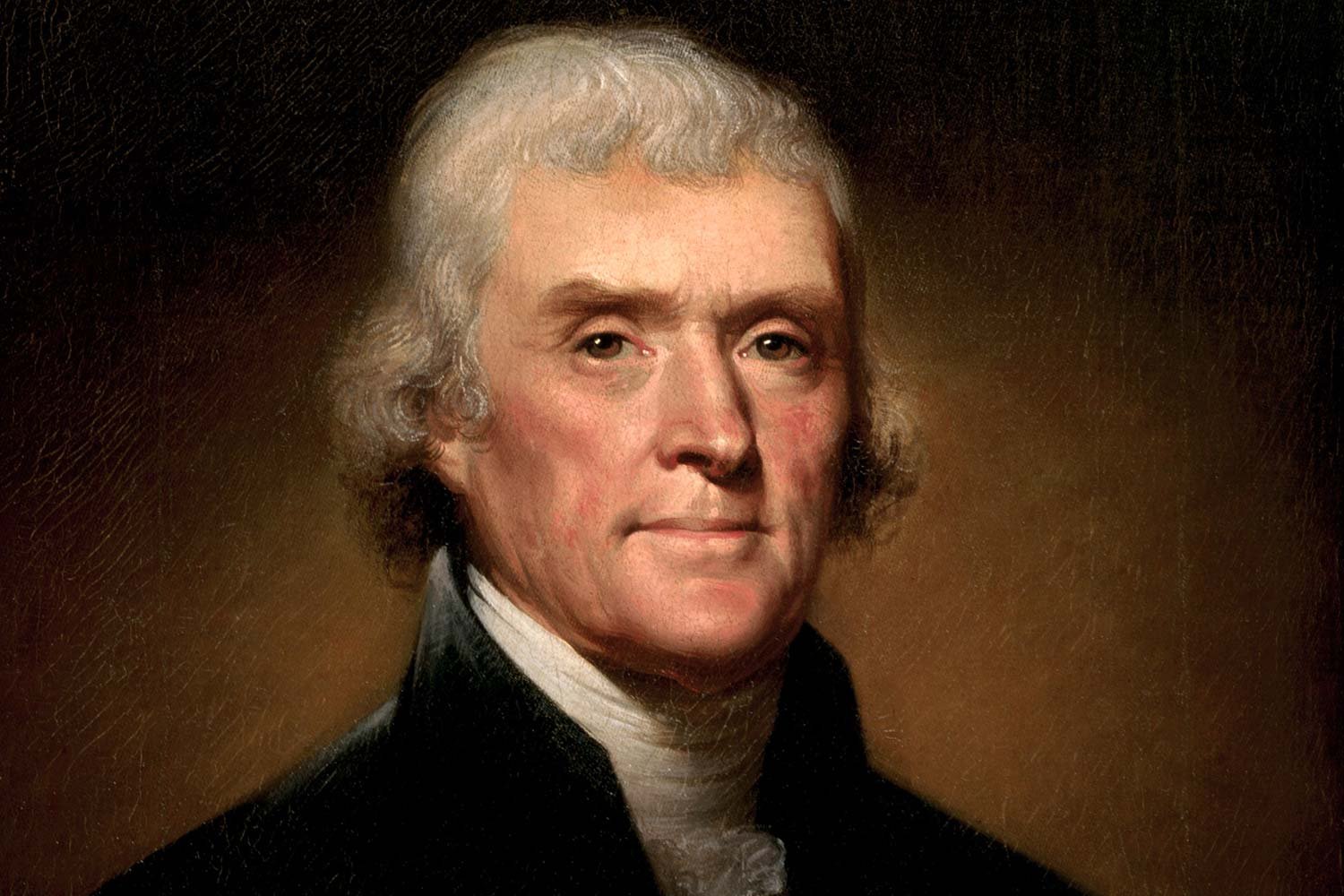
In response to the Alien and Sedition Acts passed by the Federalist controlled Congress and signed by President John Adams in July 1798, Democratic-Republicans howled long and loud about the legislation that they viewed as an assault on both their party and the Constitution. They turned to their leader, Vice President Thomas Jefferson, to counter these Acts and, if possible, use them to their political advantage.
The Alien and Sedition Acts
The disrespect shown to the United States by France in the XYZ Affair in the spring of 1798 pushed the Federalists who controlled Congress to pass the Alien and Sedition Acts, a series of four laws, which President John Adams reluctantly signed into law in July. Posterity has viewed these measures harshly, but it is important to view them from the lens of 1798 and not modern times. At the time of their enactment, although many had reservations, the rationale behind them was not entirely groundless.