
Assault on Quebec Ends in Disaster
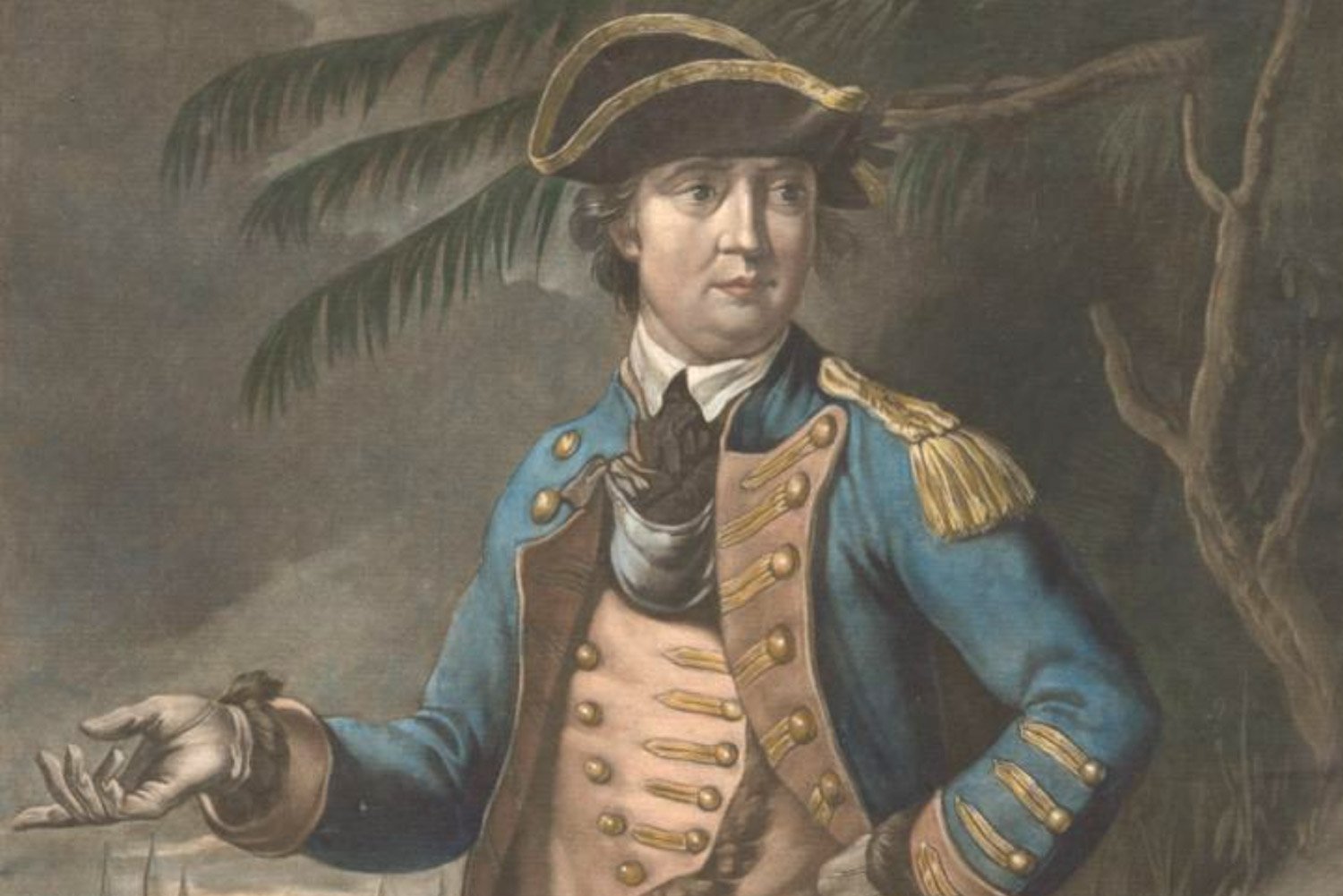
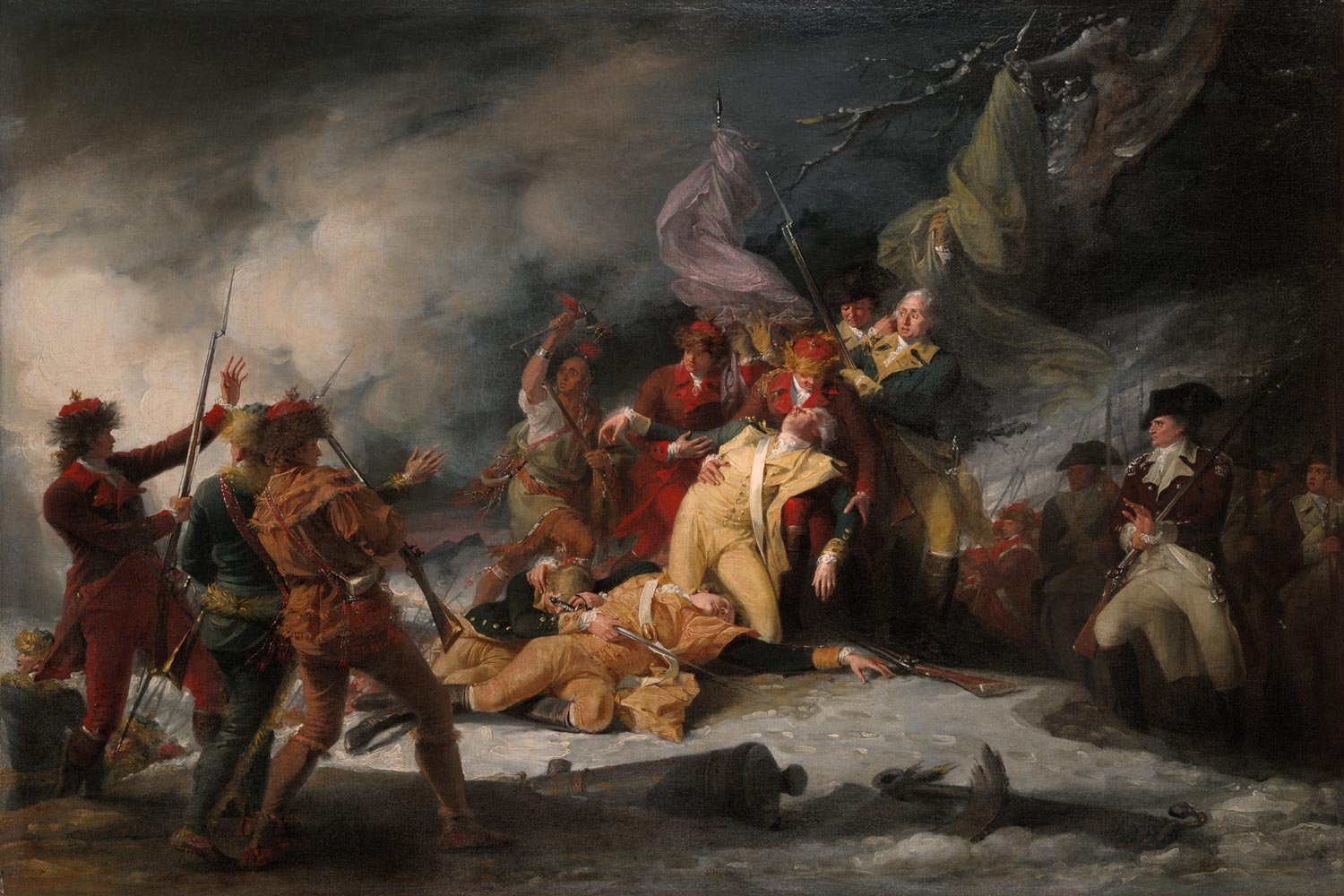
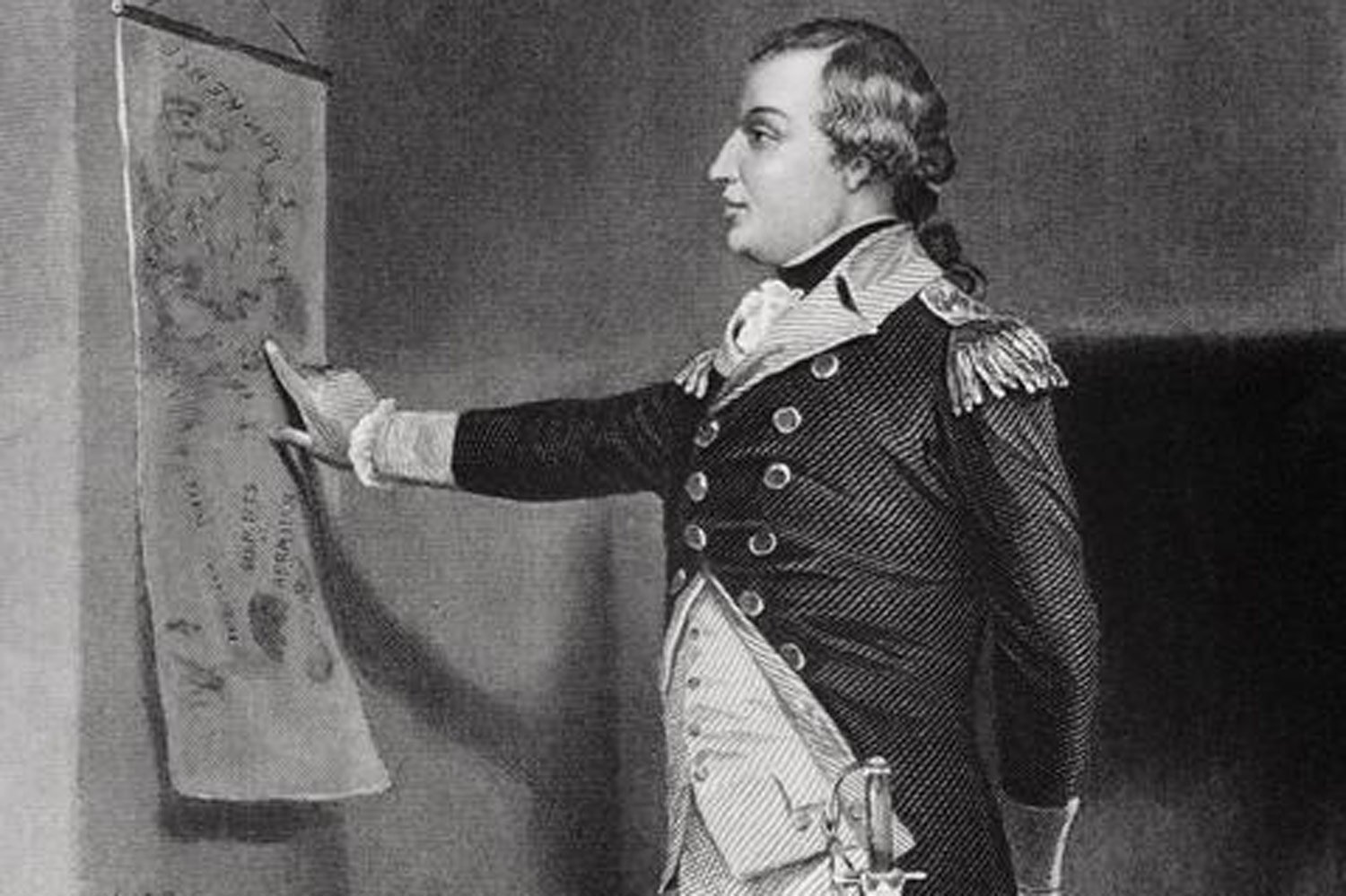
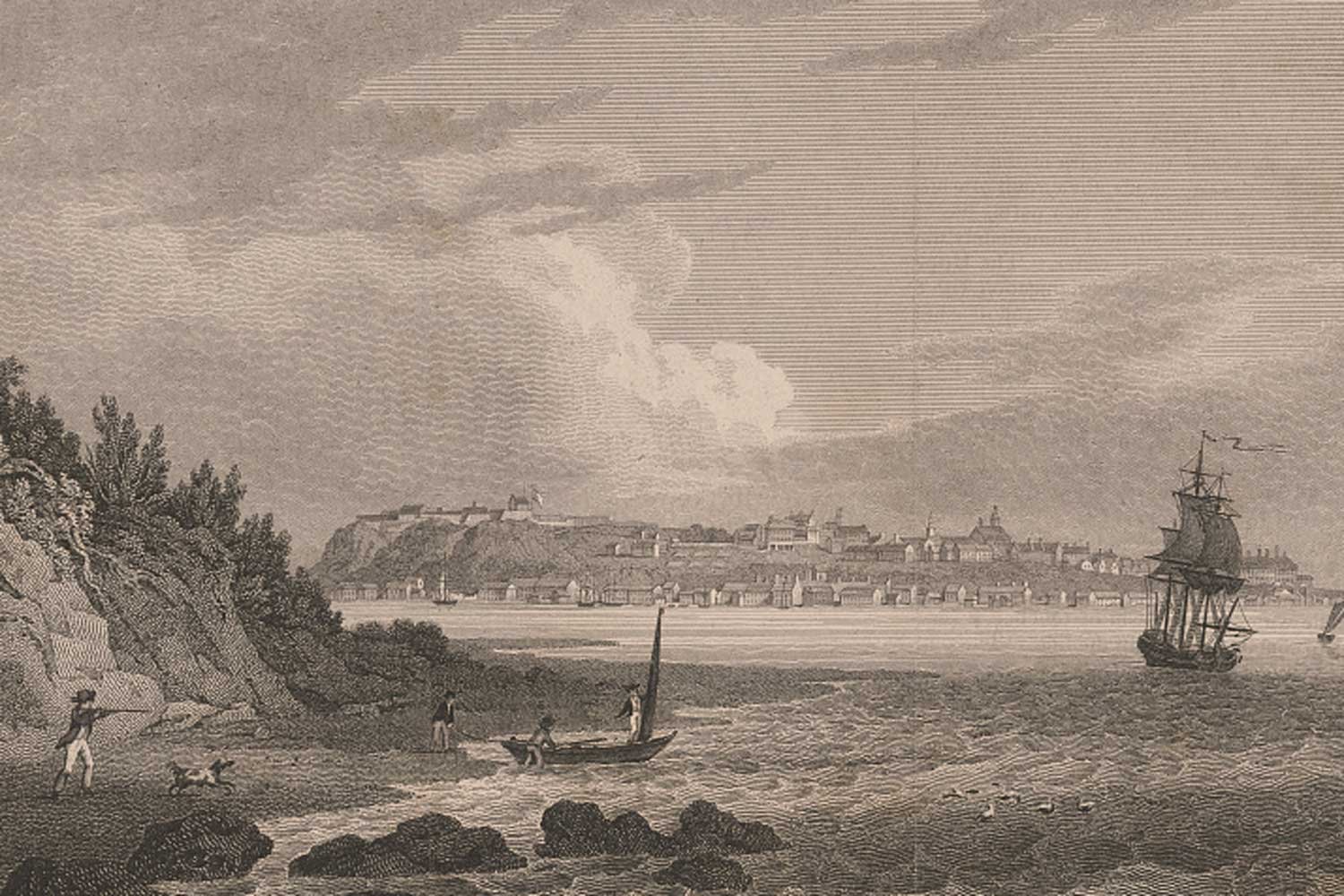
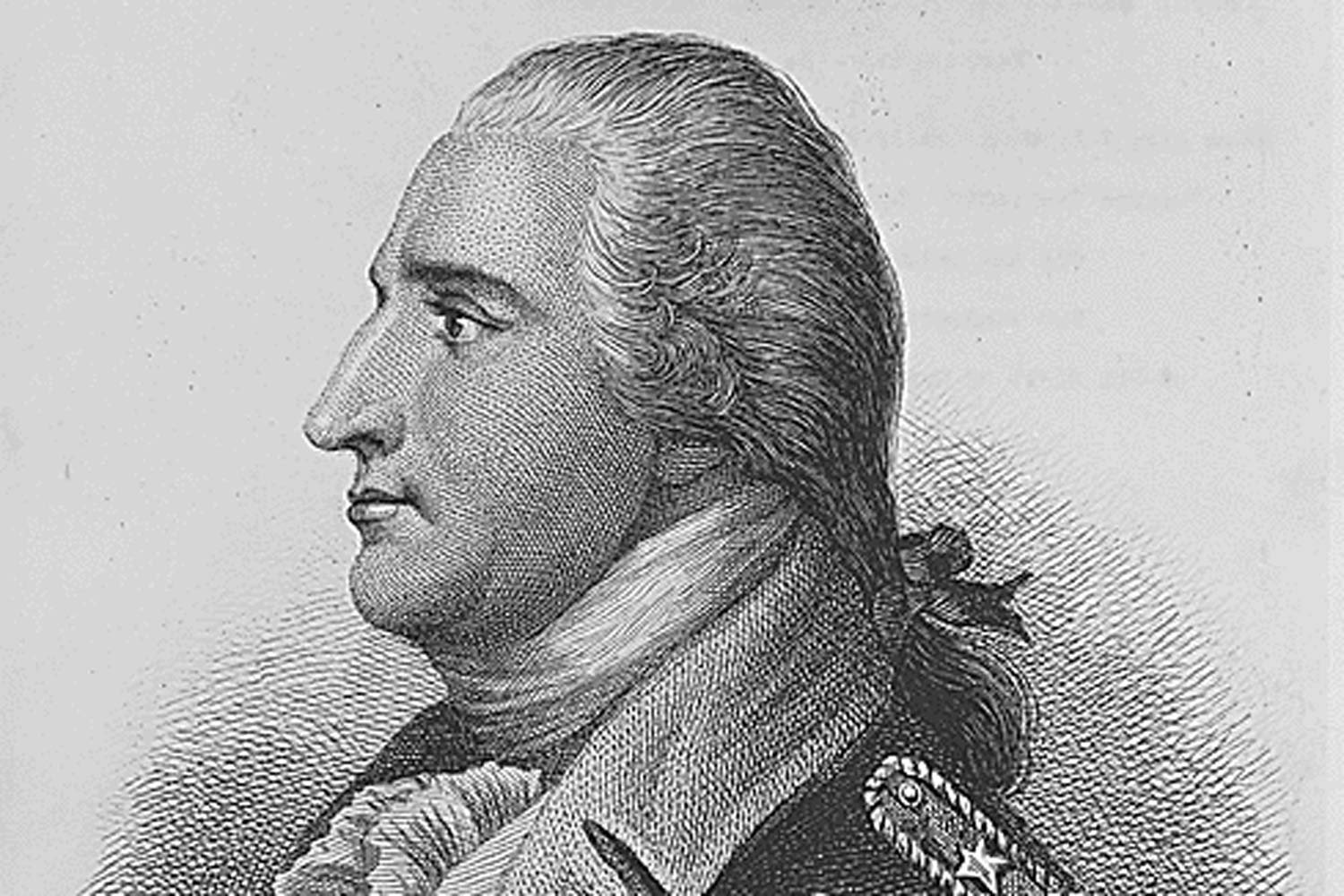
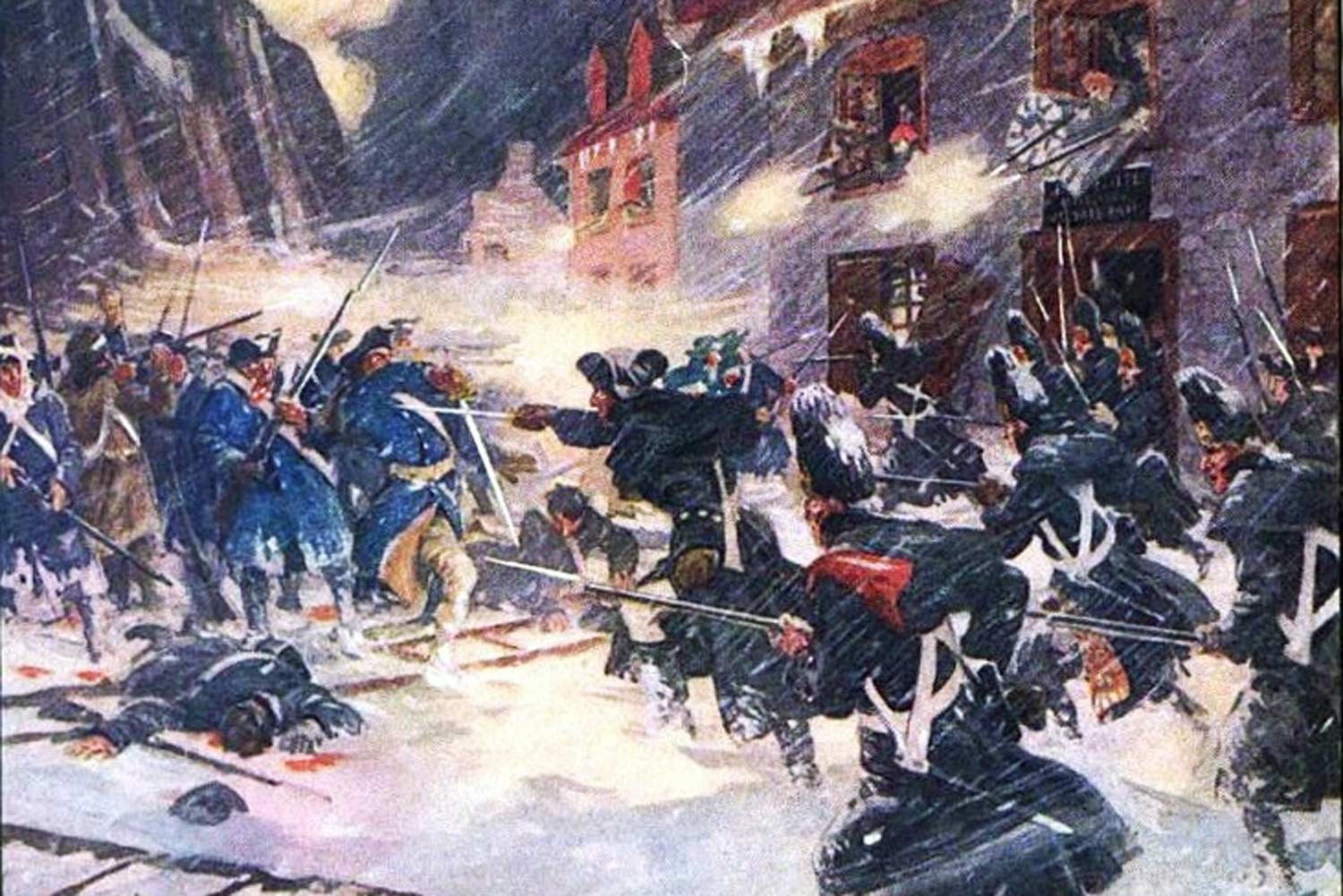
On December 26, 1775, General Richard Montgomery held a council of war with the officers of his army besieging Quebec. Colonel Benedict Arnold argued strongly that an assault on the city must be tried, despite the slim chances of success. The plan called for Montgomery to attack Quebec’s Lower Town from the south while Arnold attacked from the north. Five days later, in a driving snowstorm, Montgomery launched the attack, but within minutes, was killed by British fire.
Tom Hand, creator and publisher of Americana Corner, discusses how the assault on Quebec ended in disaster for the Americans, and why it still matters today.
Images courtesy of The New York Public Library, Library of Congress, Mount Vernon, Don Troiani, National Portrait Gallery – Smithsonian Institution, National Archives, Fraunces Tavern Museum, Yale University Art Gallery, Wikipedia.
The Battle of Valcour Island, which took place on Lake Champlain, was the closing scene of the Northern Campaign of 1775-1776. It was one of the first naval battles of the American Revolution and, although a tactical defeat, it was a strategic victory for the American cause.