John Adams Comes of Age
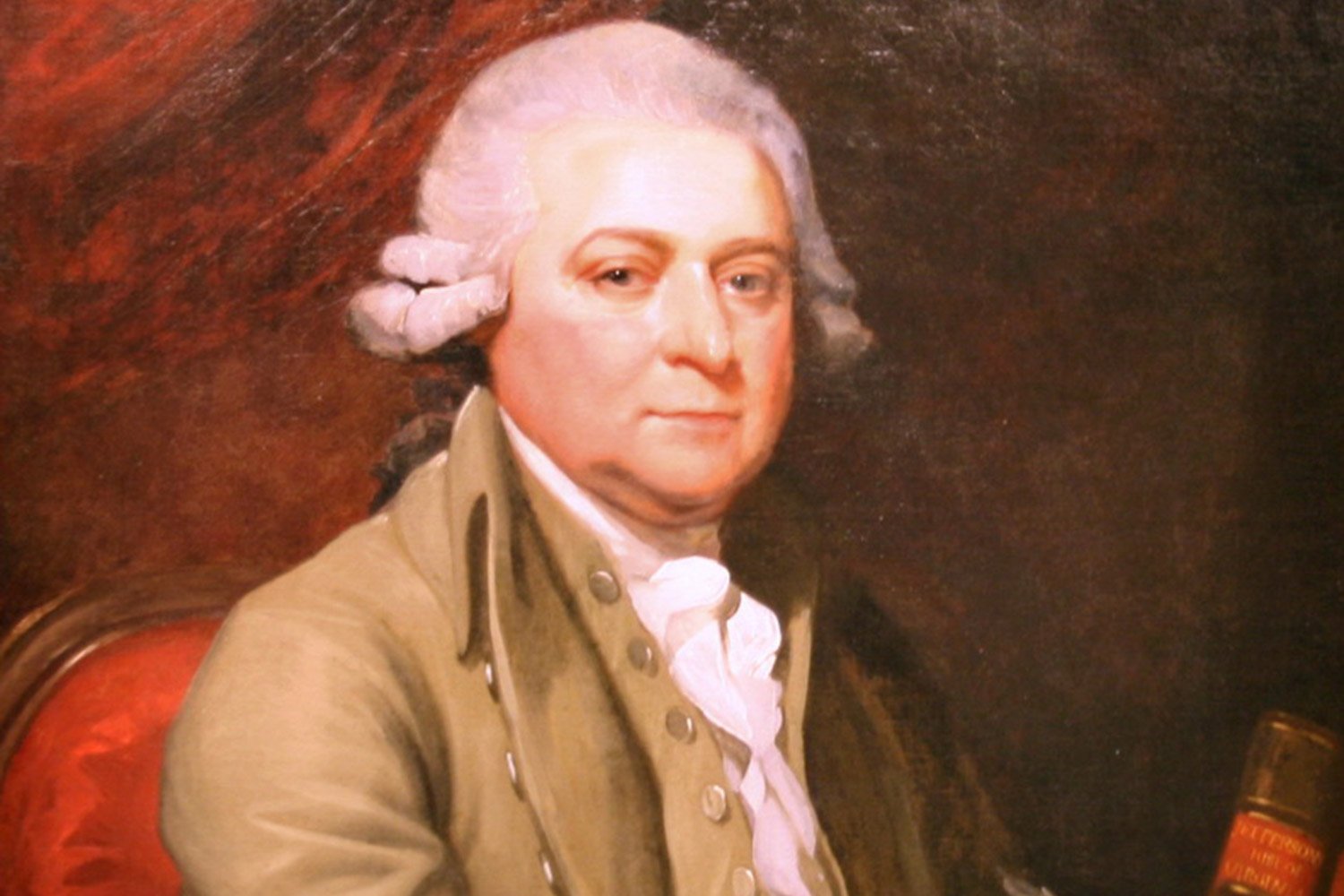
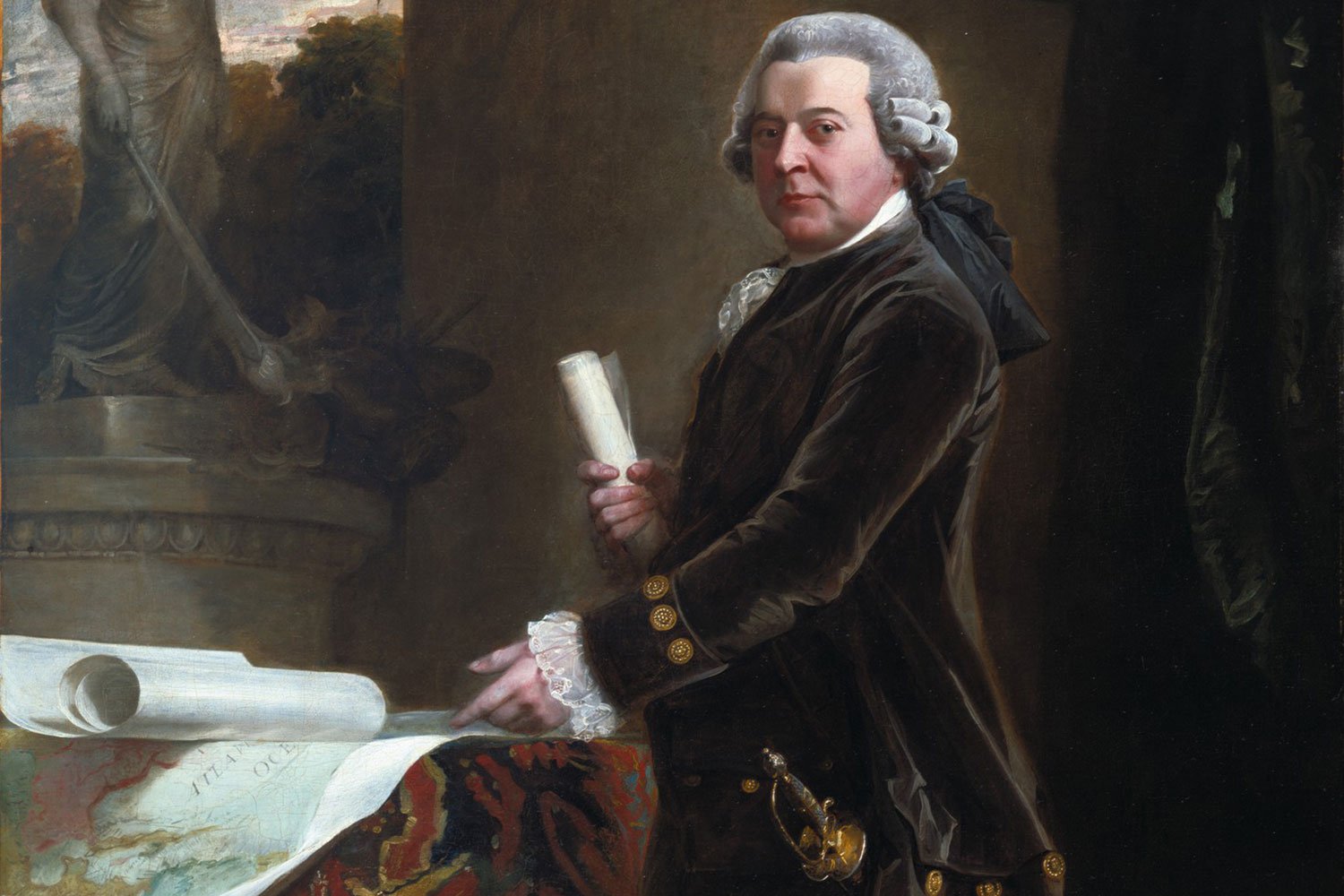
John Adams, one of America’s greatest Patriots, played an important role in allowing America to gain its independence from England. His upbringing in a Puritan home had tremendous impact on his fine character and straightforward manner so frequently displayed throughout his life.
Tom Hand, creator and publisher of Americana Corner, discusses John Adams’ childhood, his choice of profession and eventual marriage to Abigail Adams, and why it still matters today.
Images courtesy of the Library of Congress, National Portrait Gallery - Smithsonian Institution, Yale University Art Gallery, Wikipedia.
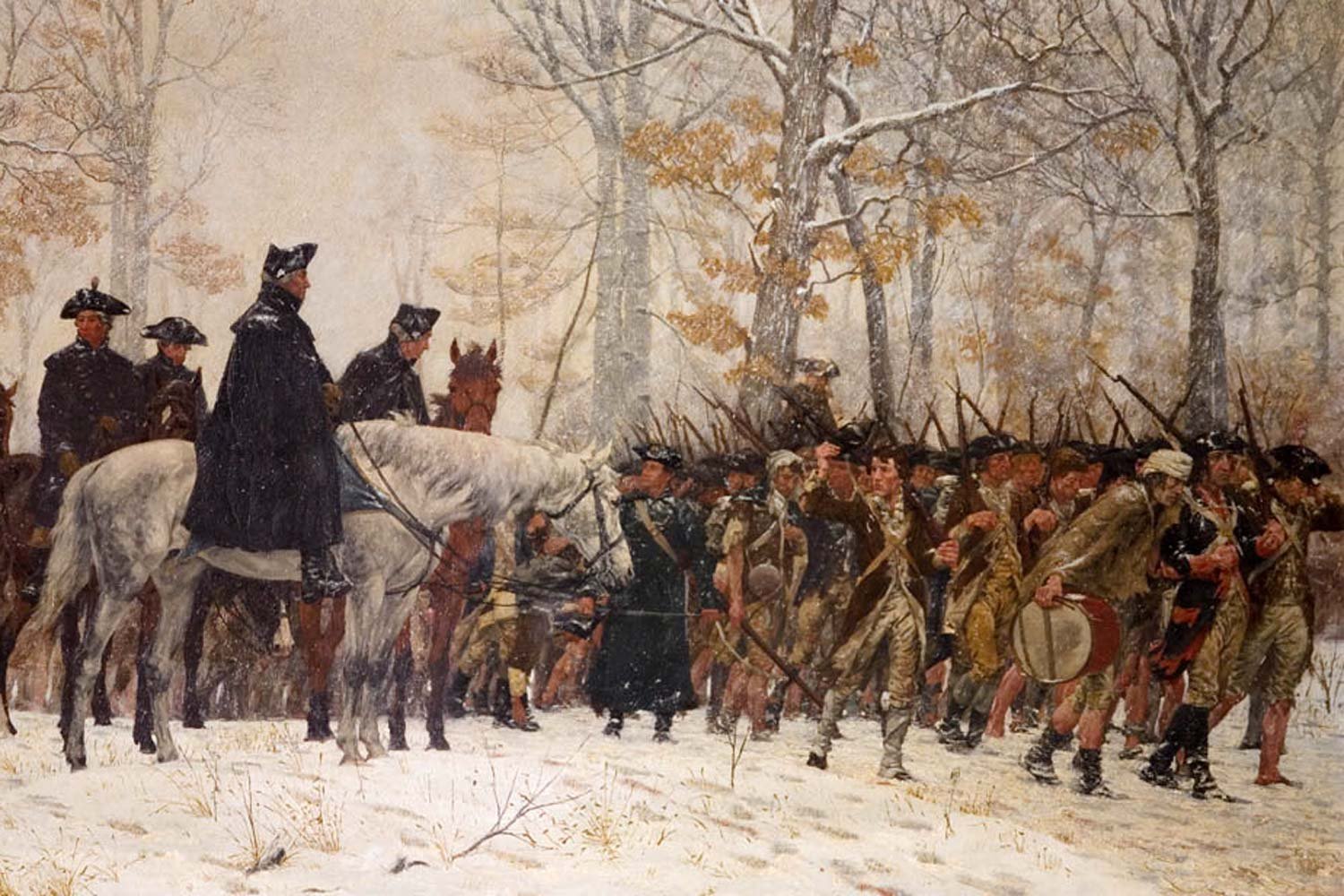
In December 1777, following the loss of Philadelphia, our nation’s capital, General George Washington moved his Continental Army to Valley Forge for the winter. It would prove to be a desperately hard winter for the soldiers, with conditions that might have broken the spirit of less determined men, but one from which the American army emerged a more professional fighting force.
Our nation’s capital has twice been captured by a foreign army and in both cases, it was by British Redcoats. The more famous incident was the burning of Washington on August 24, 1814, during the War of 1812. However, the first occurred 37 years before that event, in 1777, when the British captured Philadelphia, the capital of newly independent United States.
General George Washington and his Continentals had achieved a great victory at Trenton on December 26, but the General saw another opportunity if he acted aggressively. On December 30, he recrossed the Delaware hoping for another miracle.
When it came to finding the right man to command the new Continental Army assembled around Boston, George Washington was the logical choice. John Adams quickly nominated Washington and Congress unanimously approved. As Adams stated, “This appointment will have a great effect in cementing and securing the Union of these colonies.”
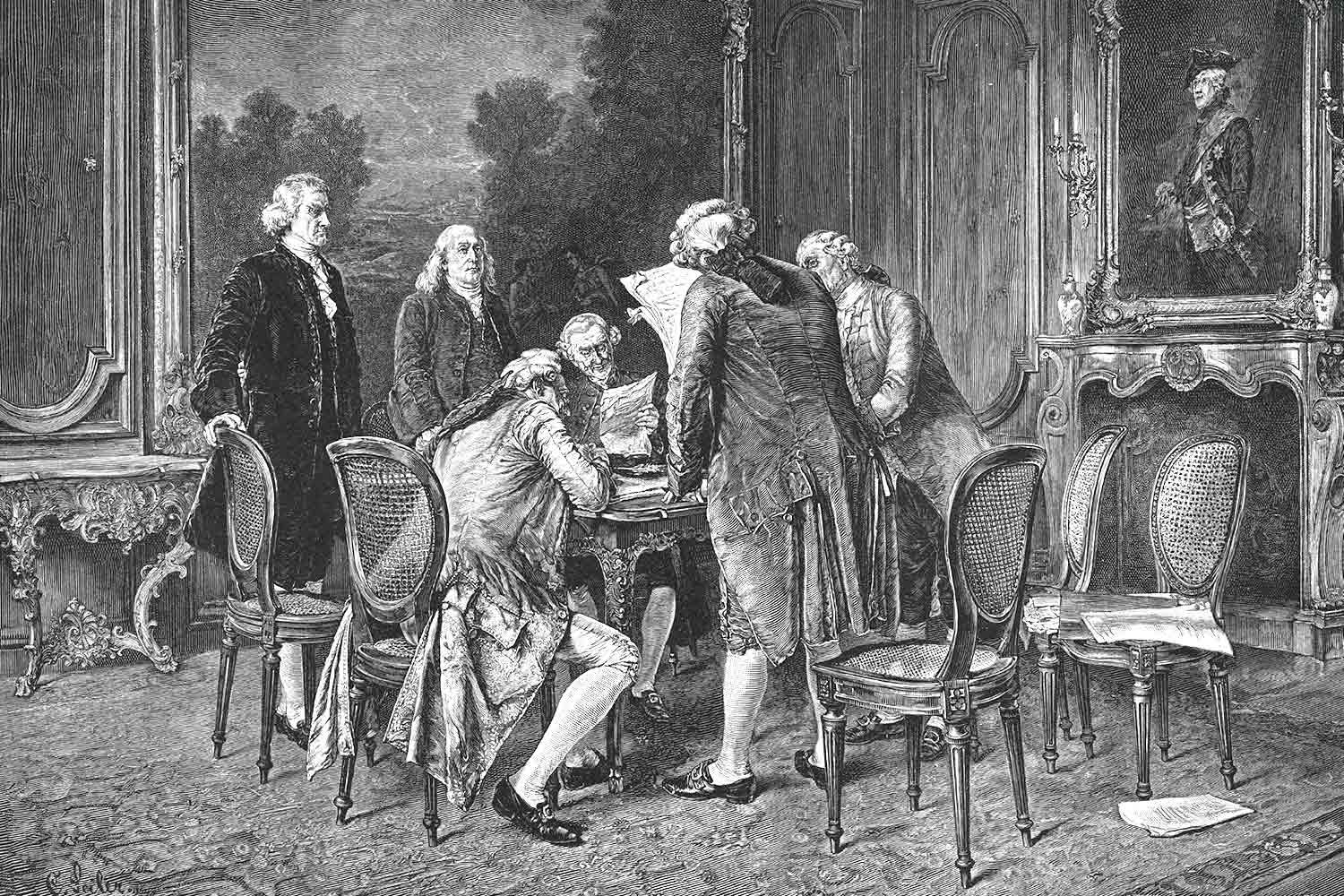
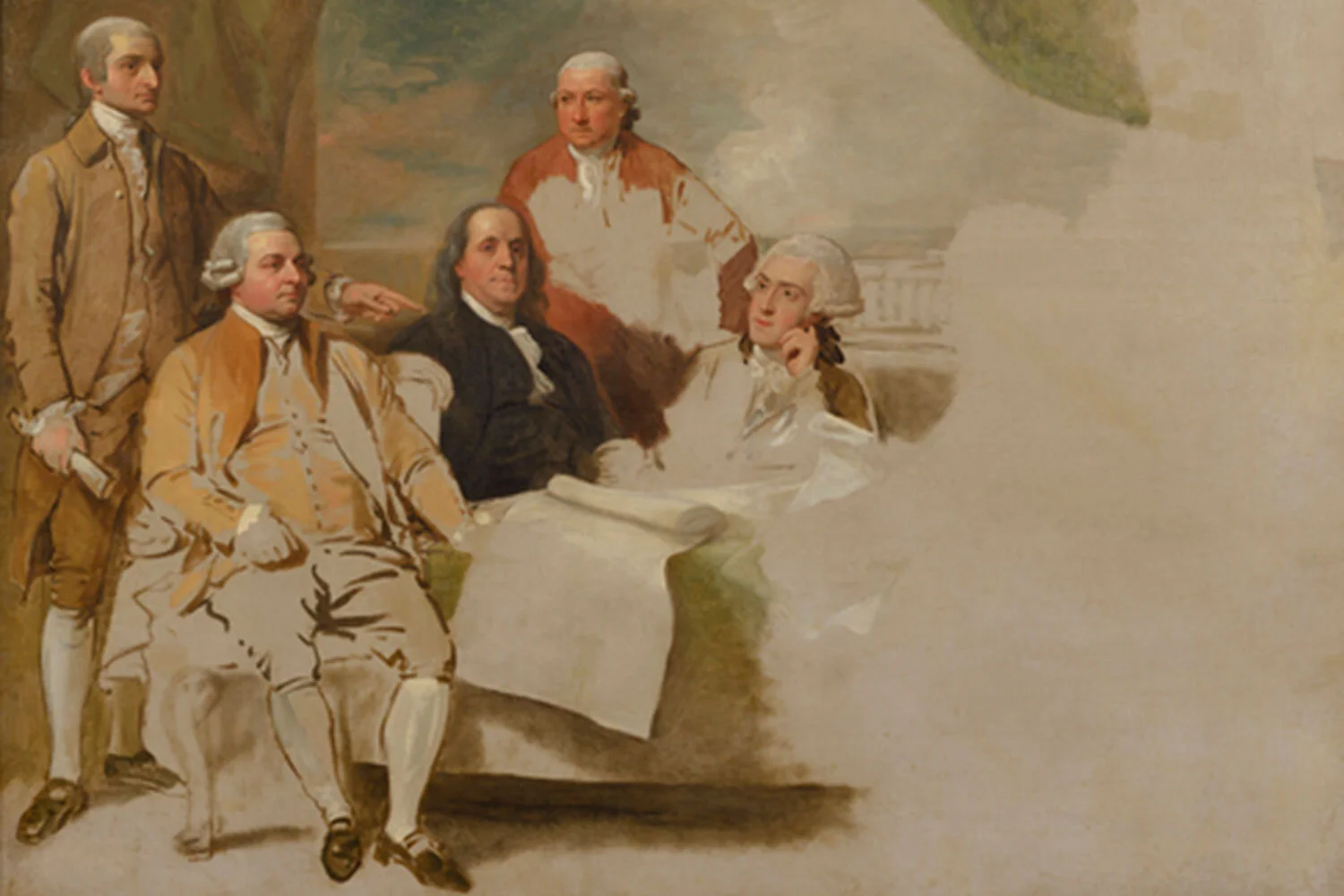
John Adams was solely responsible for opening a strong relationship with the Netherlands between 1780-1782. Within days of completing his work in Amsterdam, Adams received a summons from John Jay, another American diplomat in Paris, to immediately return to the French capital. Peace talks with the English were heating up and Jay wanted Adams’ assistance.
John Adams retired from the Second Continental Congress in early November 1777 and returned home to Braintree. He hoped to revive his law practice and enjoy some quiet time with Abigail and the rest of the family. However, his stay was short-lived as America had another task in mind for this tireless patriot, this time as an ambassador in Europe.
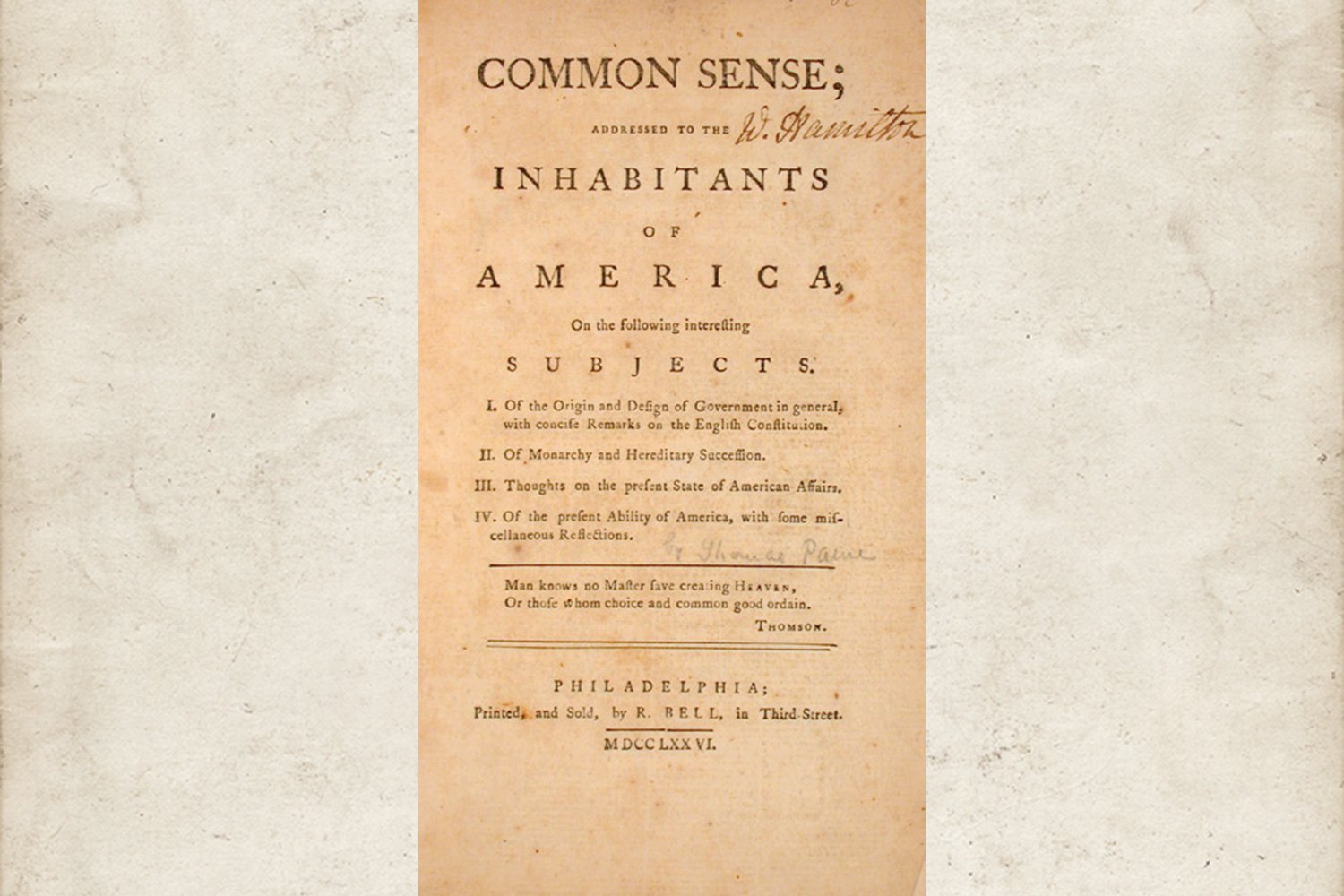
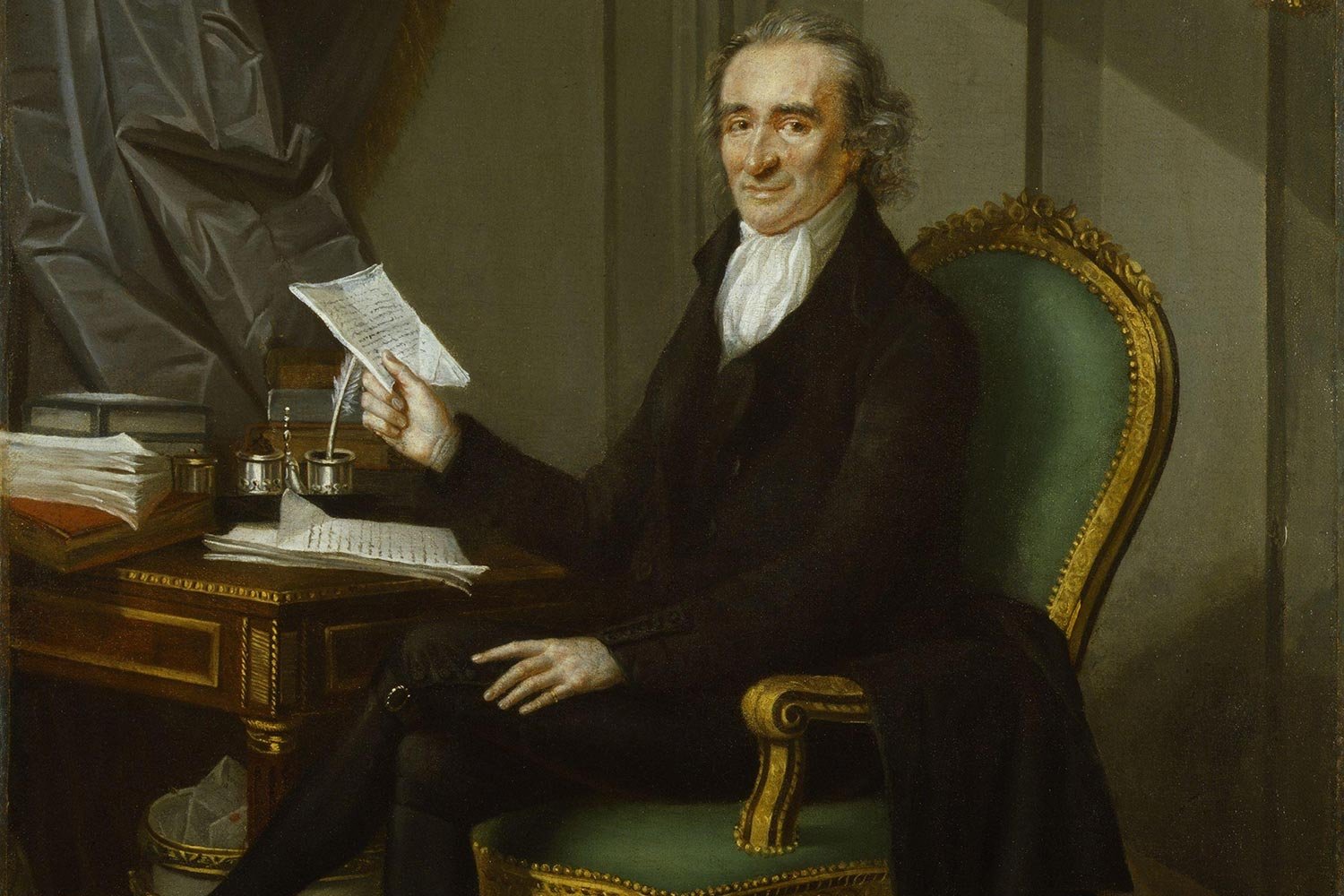
The literary work most often credited with inspiring the American Revolution was a 47-page pamphlet called Common Sense. Published on January 10, 1776, and written by Thomas Paine, a recent immigrant from England, it caused everyday Americans to begin seriously thinking about an independent United States.
The most influential book of the Revolutionary Era was Common Sense, written by Thomas Paine. Published on January 10, 1776, it has been credited with turning public opinion away from seeking a reconciliation with England to a complete separation with our Mother Country.
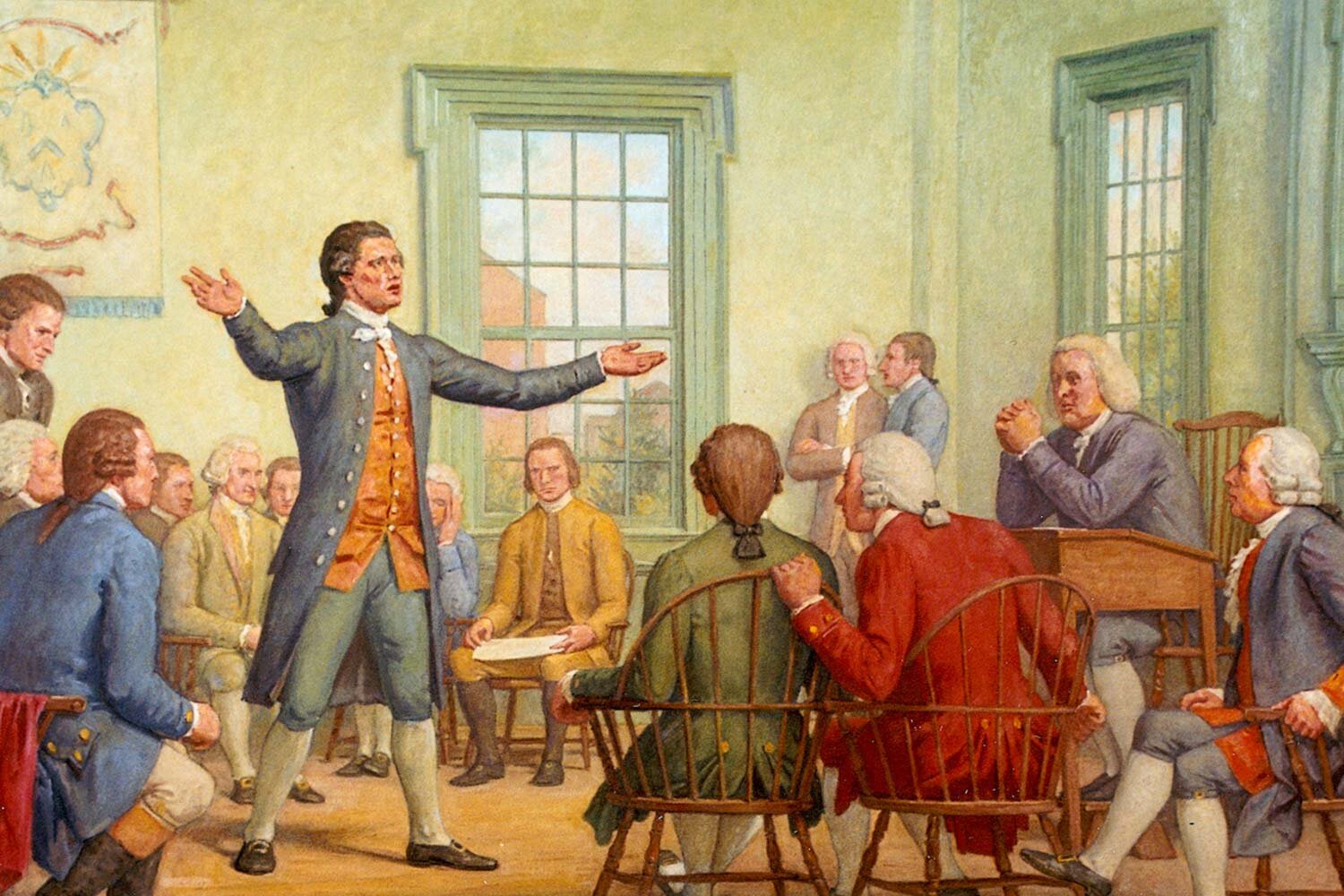
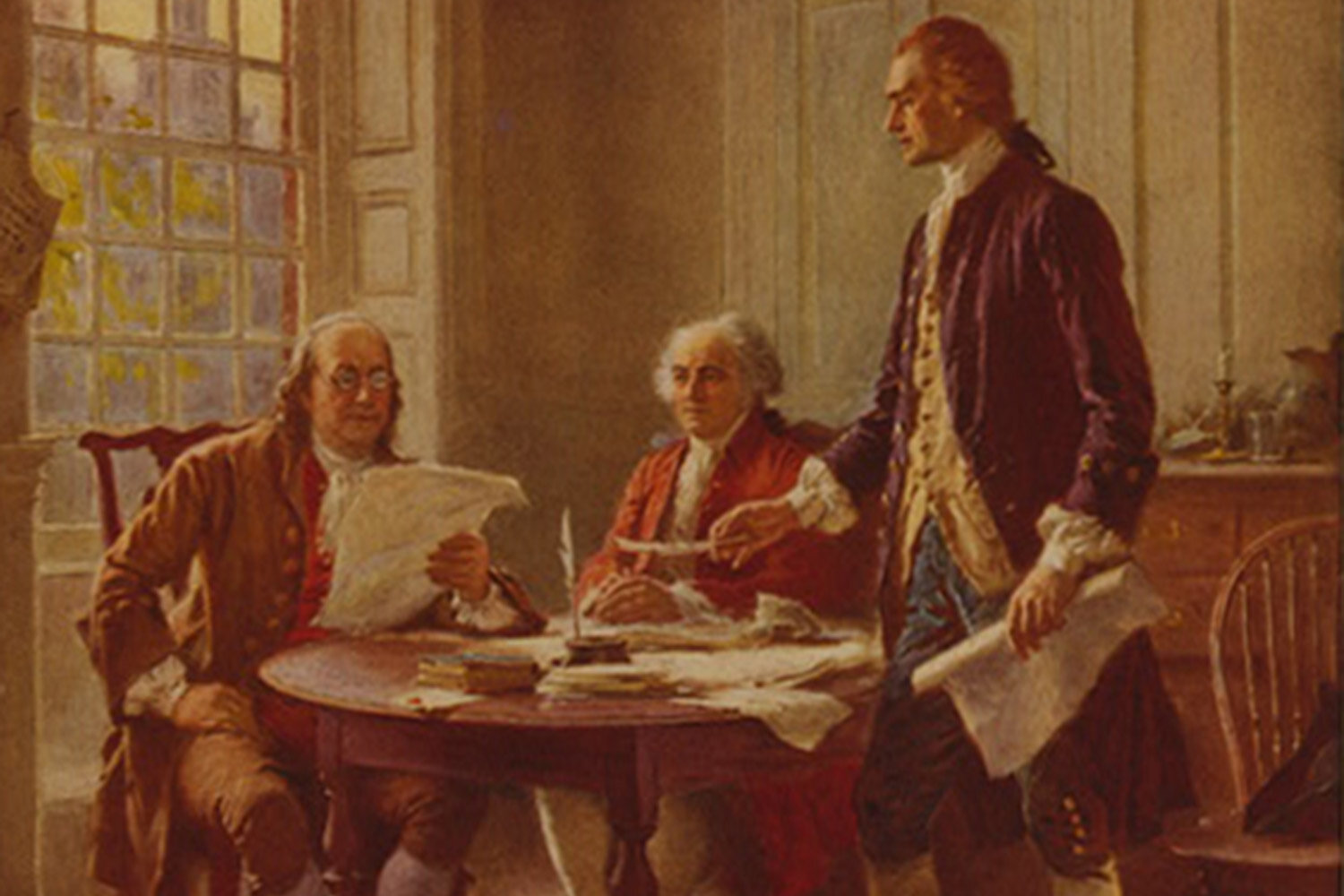
John Adams dominated the Second Continental Congress like no other man and was tireless in his efforts to move the assembly towards independence. He sat on ninety committees and chaired twenty-five of them. No other delegate matched his workload.
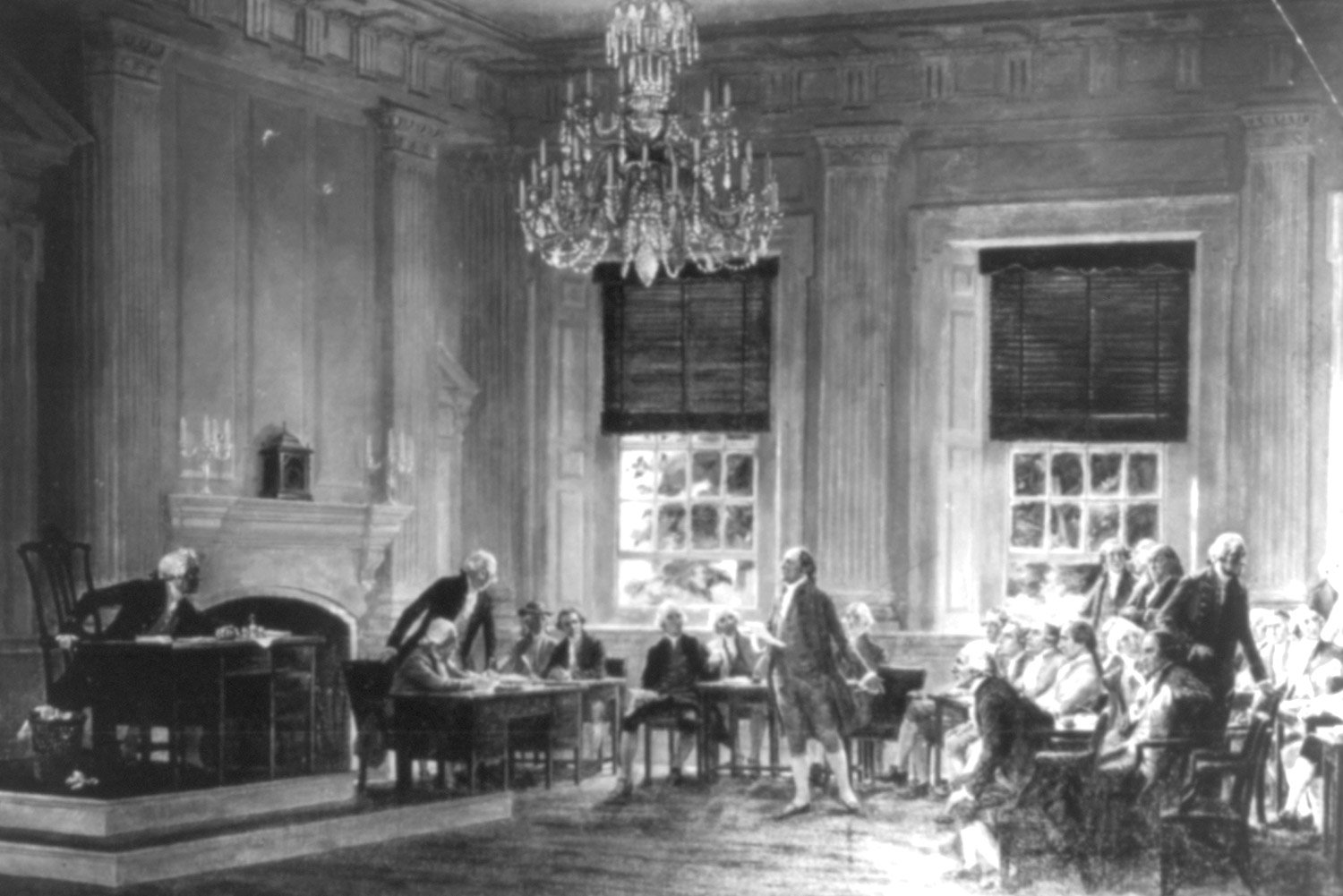
The Second Continental Congress convened in the Pennsylvania State House in Philadelphia on May 10, 1775, soon after “the shot heard round the world” was fired at the battles of Lexington and Concord. None of the delegates knew it at the time, but John Adams was to dominate the proceedings for much of the next two years.
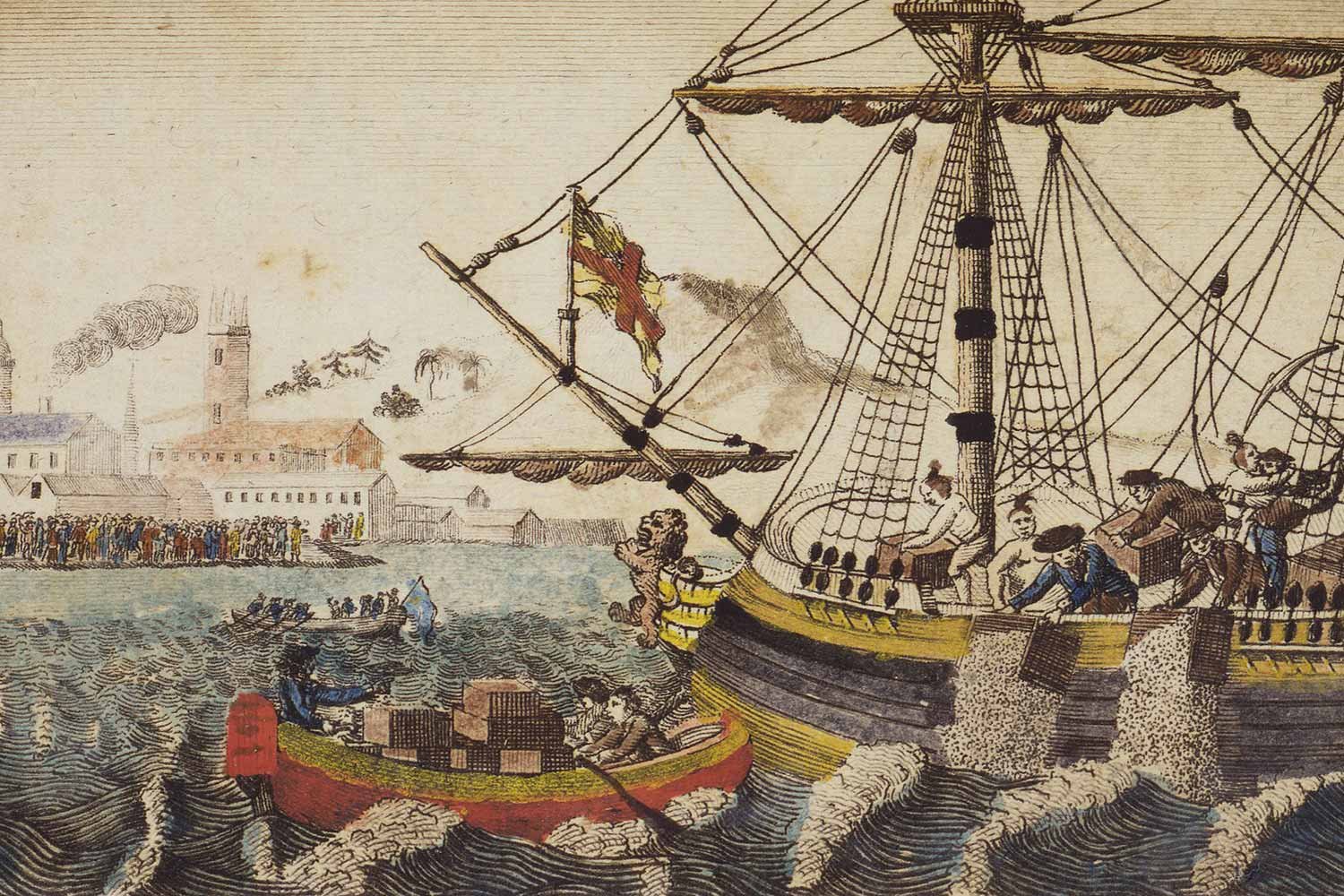
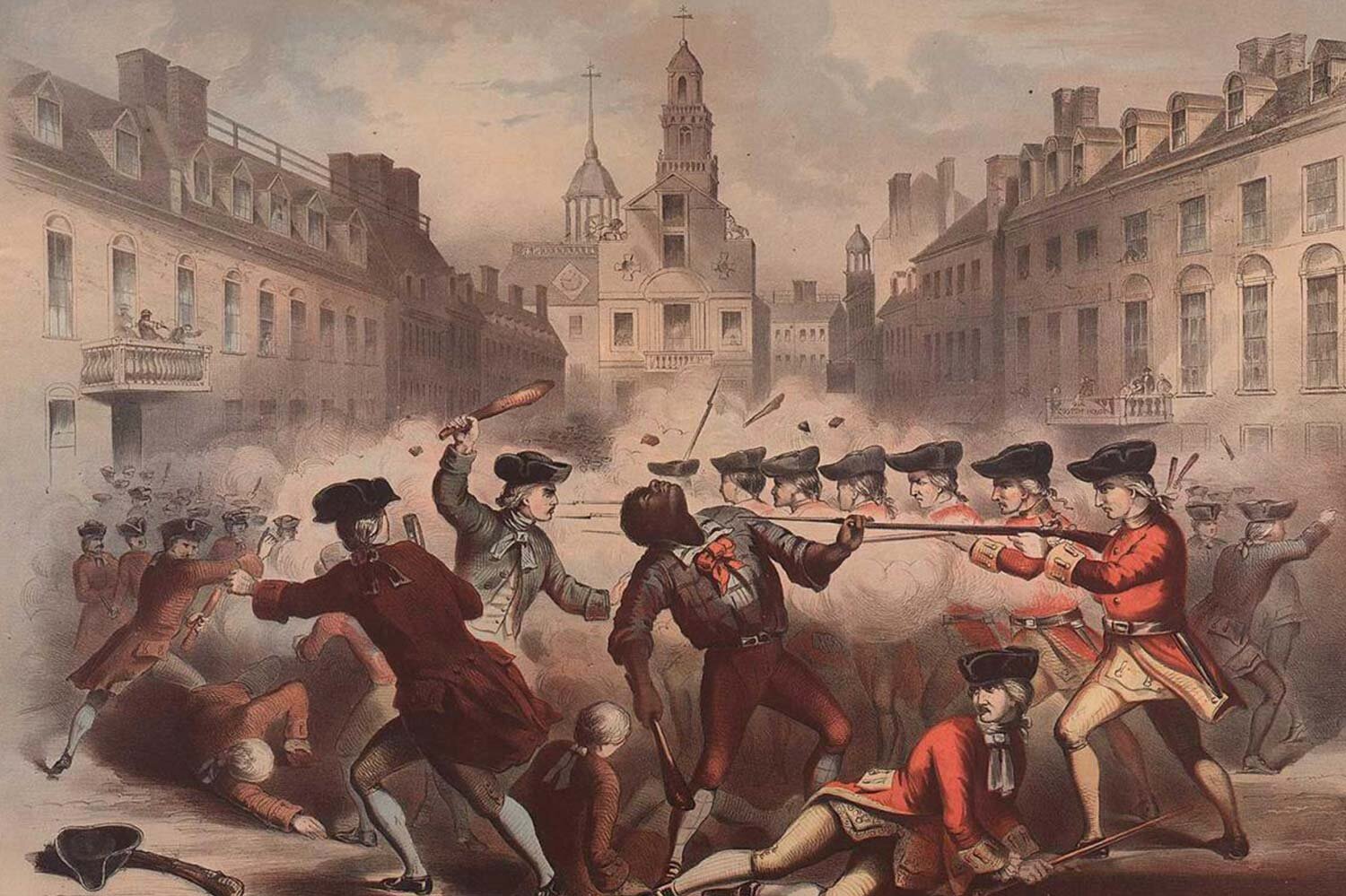
After the tragedy of the Boston Massacre on March 5, 1770, British troops were removed from the city of Boston and tempers cooled a bit in Massachusetts. However, Parliament soon got things heated up again when it passed the Tea Act in the spring of 1773.
When the French and Indian War ended in 1763, John Adams was single, living on a small farm in Braintree, Massachusetts, and enjoying a flourishing law practice just up the road in Boston. The next year his marital status changed, most would say improved, when he married Abigail Smith. A profitable business and a quiet family life seemed to be in his future, but that soon changed.
John Adams was one of America’s greatest Patriots. Besides George Washington, Adams may have contributed more to get America its independence from England than anyone else. However, this Founding Father is not nearly as revered or well-known as the other “Big Six” of the Founding Fathers.
The First Continental Congress was a key link in the chain of events that led to our nation gaining its independence from England. This brief convention brought together most of the influential leaders from colonial America to determine an answer to Parliament’s recently enacted Coercive Acts.
The violence on the evening of March 5, 1770, in Boston is known to us today as the Boston Massacre. It was an unfortunate incident that left five people dead and growing anger between American colonists and leaders in England.
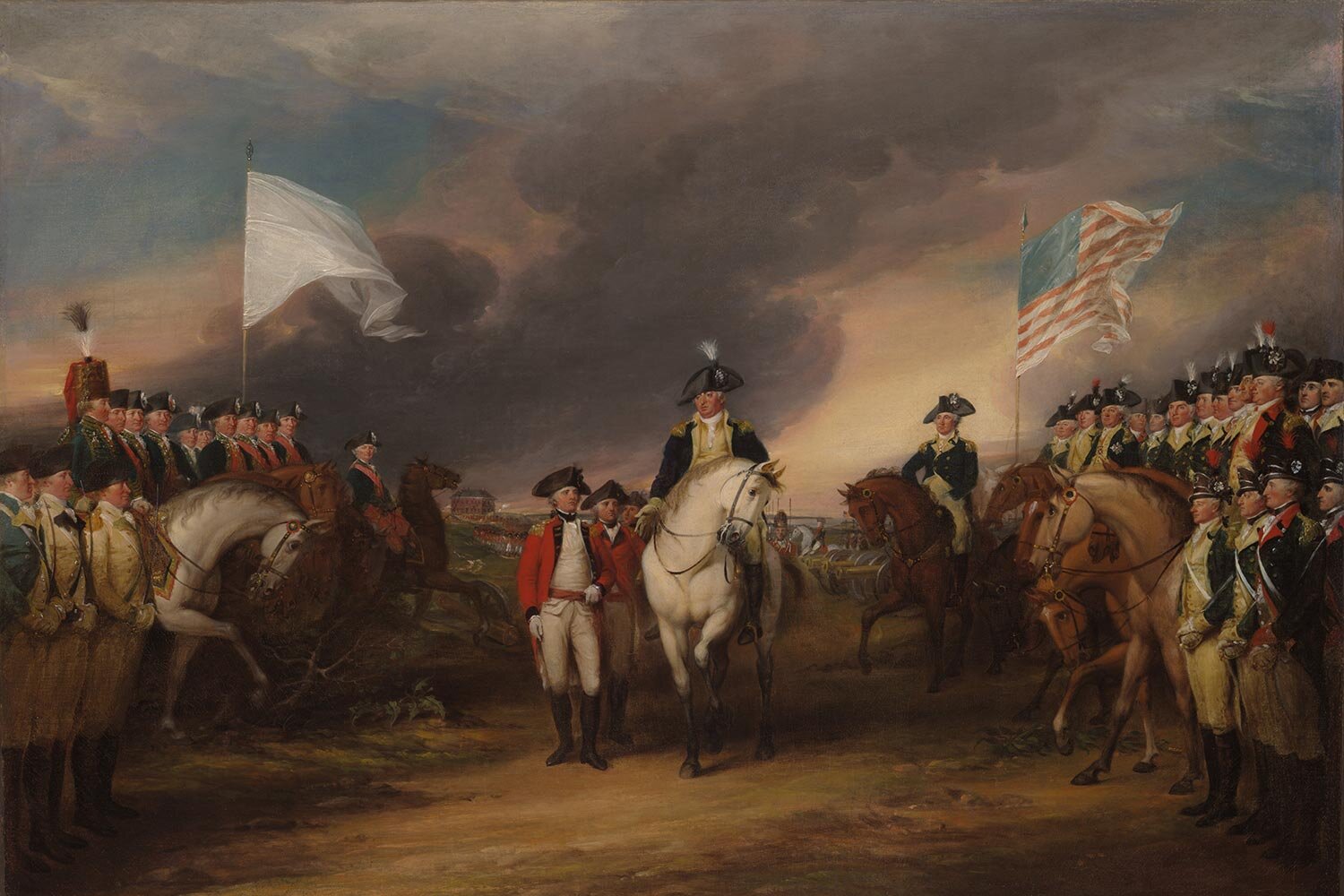
After Lord Cornwallis surrendered to General Washington in Yorktown on October 19, 1781, word of the surrender was sent to England. When finally received by Lord North, the Prime Minister, he repeatedly exclaimed “Oh God! It is all over!”, and it was for all intents and purposes.
General Washington formally took field command of the Continental Army surrounding Boston on July 3, 1775. He immediately began to organize and train the troops and his natural aggressiveness was soon on display.
Benjamin Franklin was involved in the effort to unify the American colonies longer and signed most of our nation’s key documents and treaties. Yet, this talented man spent all but two years from 1757-1775 living in Europe and he was the last of the Founders to advocate for independence.
The United States Constitution is arguably the most important legislative document ever written. It has not only shaped our great country, but also influenced many other democracies around the world.
After Lord Charles Cornwallis surrendered to General George Washington in Yorktown on October 19, 1781, English officials reached the painful conclusion that the war was simply too costly to continue. Not only was the war in North America expensive to prosecute, but it was also a distraction from England’s defense of their more lucrative possessions elsewhere in the world, such as the sugar islands in the Caribbean and trading posts in India.