
Northern Campaign Ends with Battle of Valcour Island
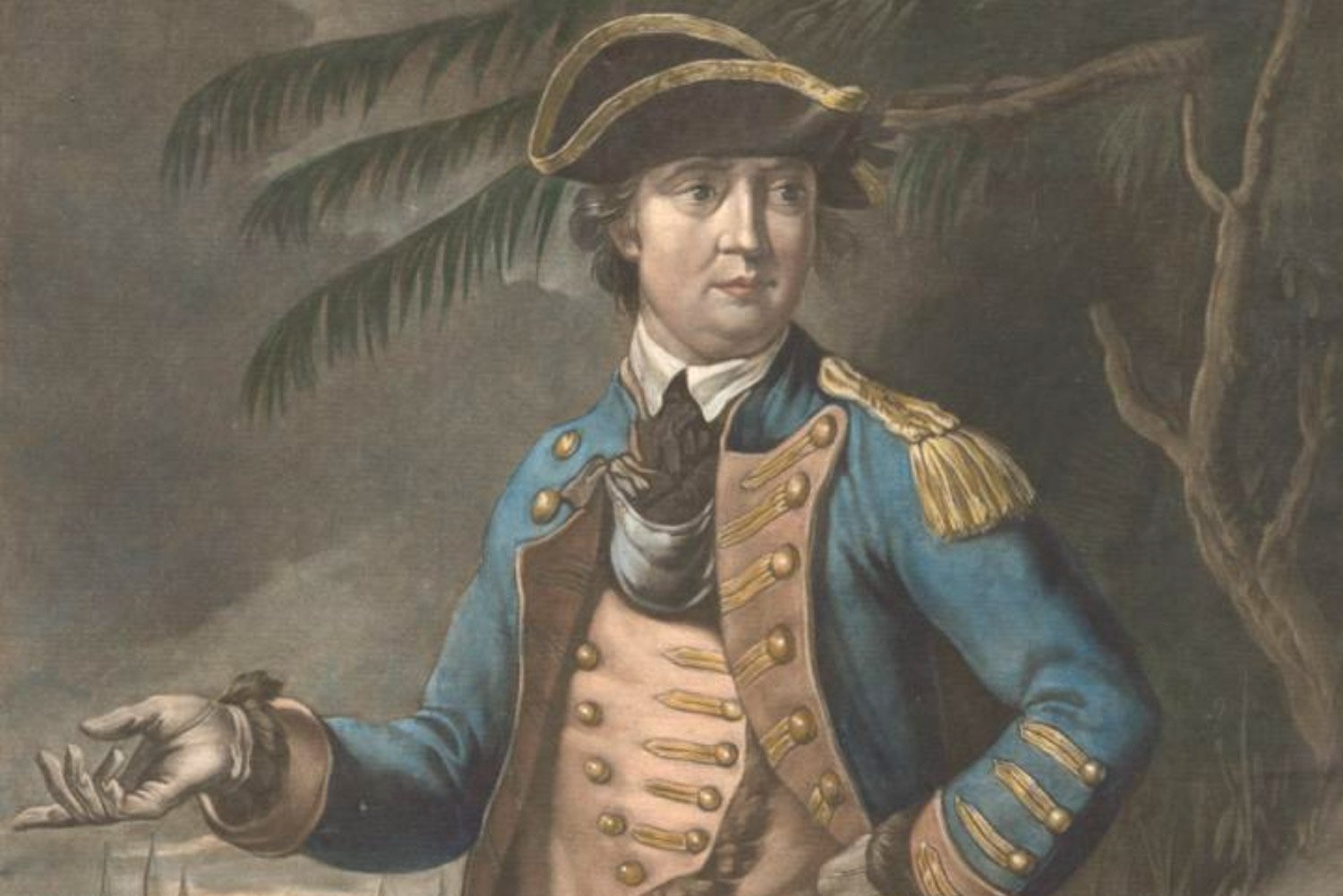
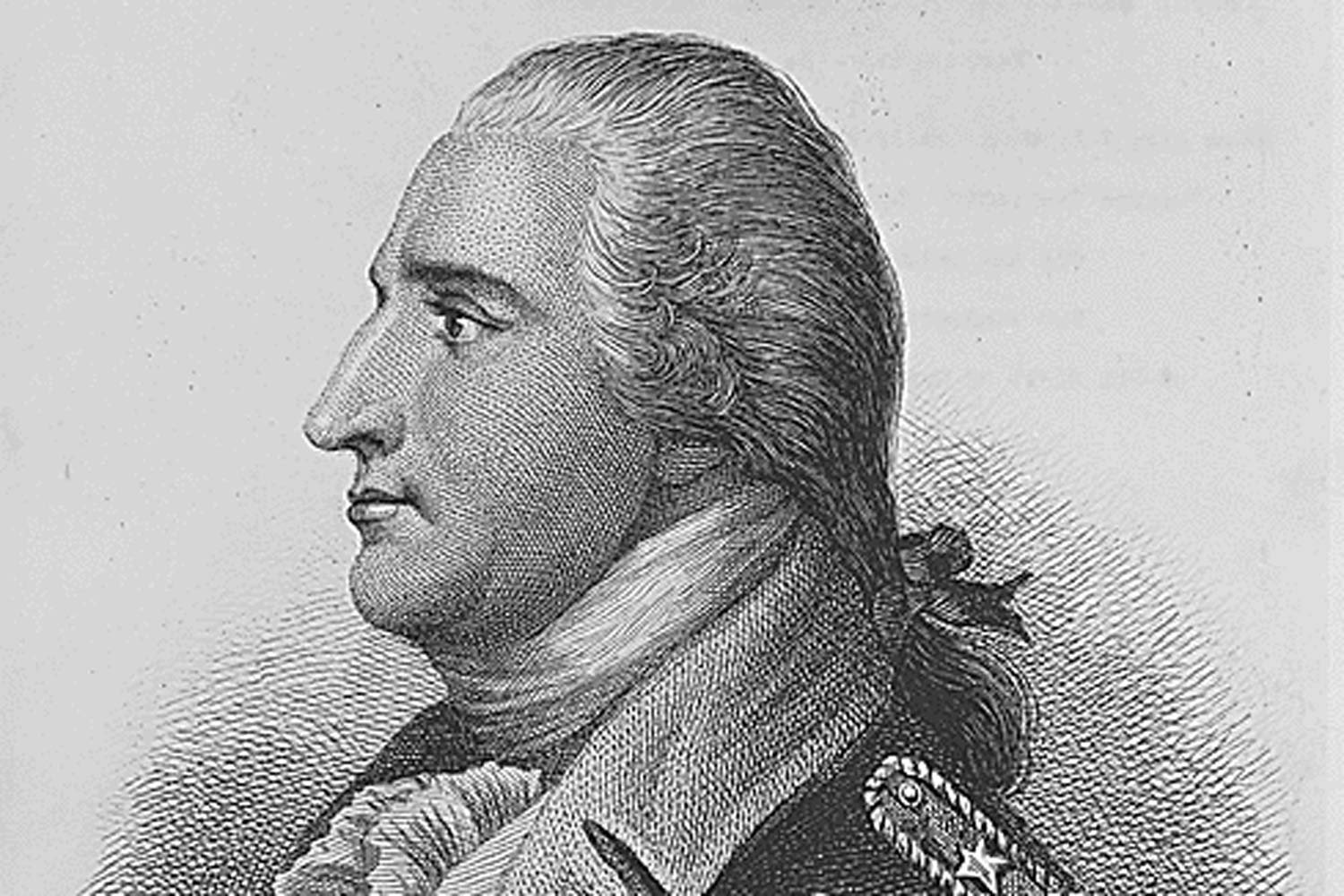
The British army had spent three months in the summer of 1776 building a fleet to sail up Lake Champlain and assault American-held Fort Ticonderoga, which defended the southern end of the lake. Colonel Benedict Arnold had spent that same time making warships to defend the lake and delay the British long enough to strengthen the fort’s defenses. The two fleets were not evenly matched, as the British had 25 warships that were larger, more maneuverable, and carried more guns than Arnold’s 15 vessels. On October 11, British ships sailed up Lake Champlain and engaged the Americans. The fight lasted until sunset, by which time the larger British warships had greatly damaged or sunk their American counterparts.
Tom Hand, creator and publisher of Americana Corner, discusses how the Battle of Valcour Island and Colonel Benedict Arnold’s heroic efforts helped the American cause, and why it still matters today.
Images courtesy of The New York Public Library, Library of Congress, Wikipedia.
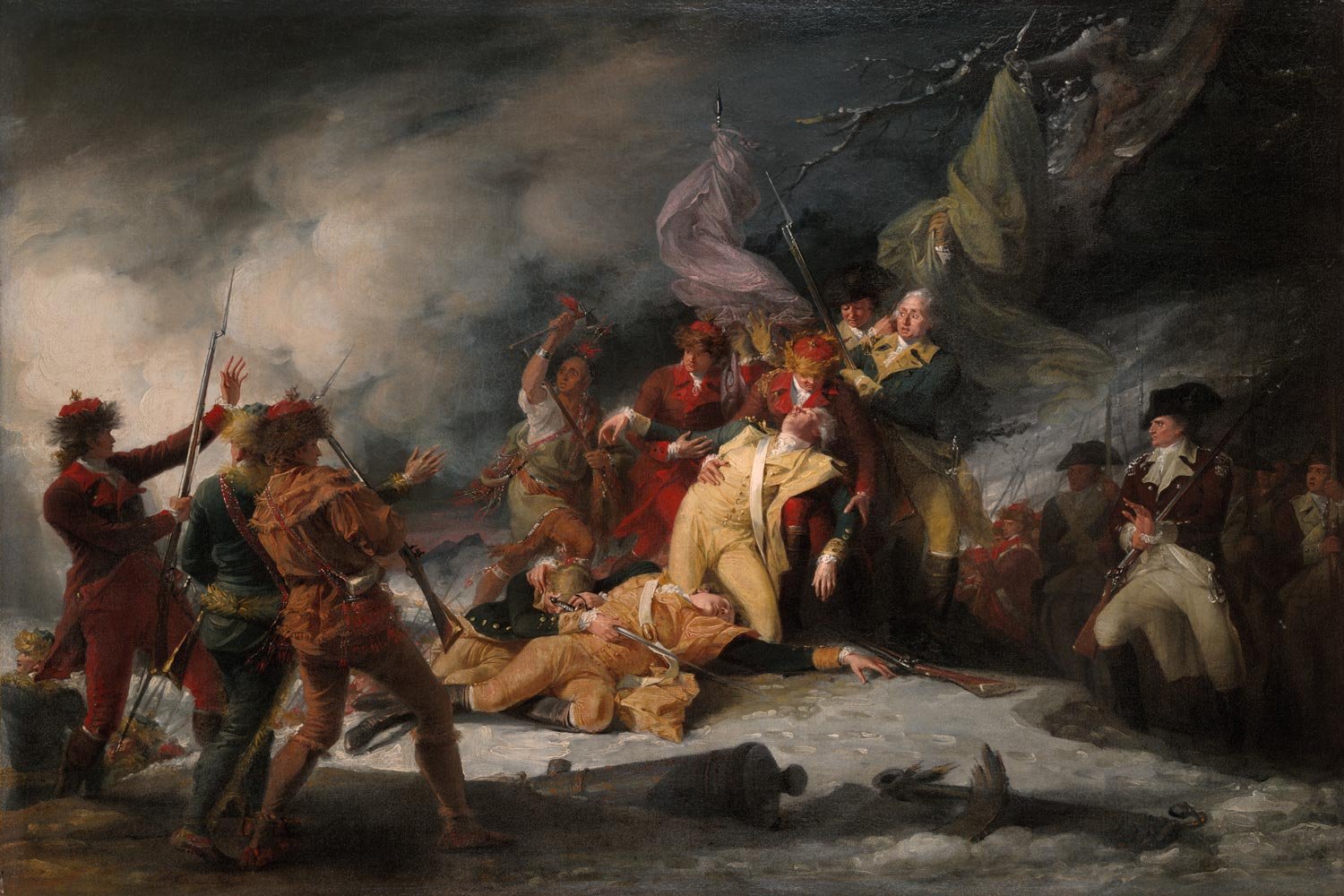
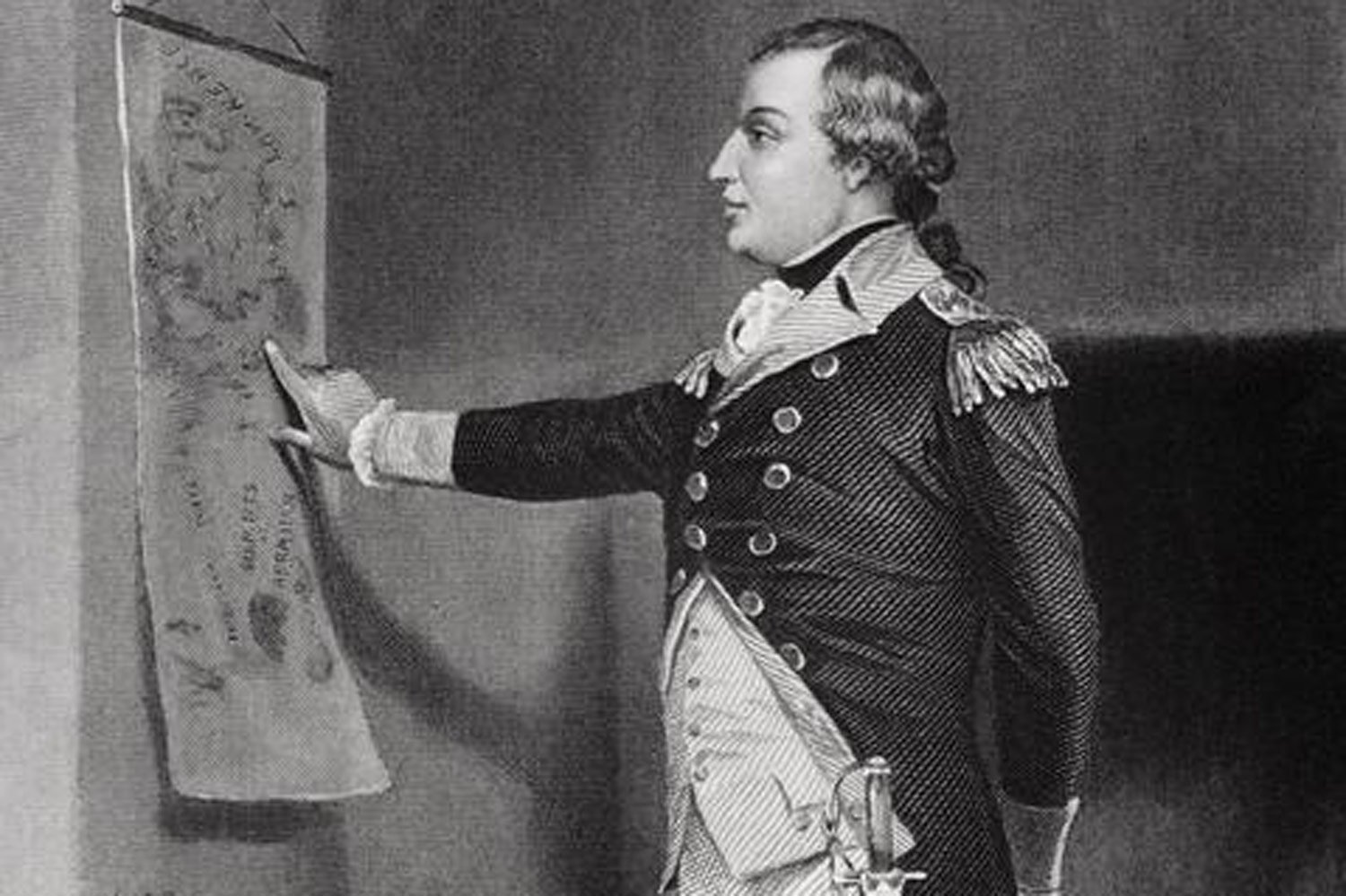
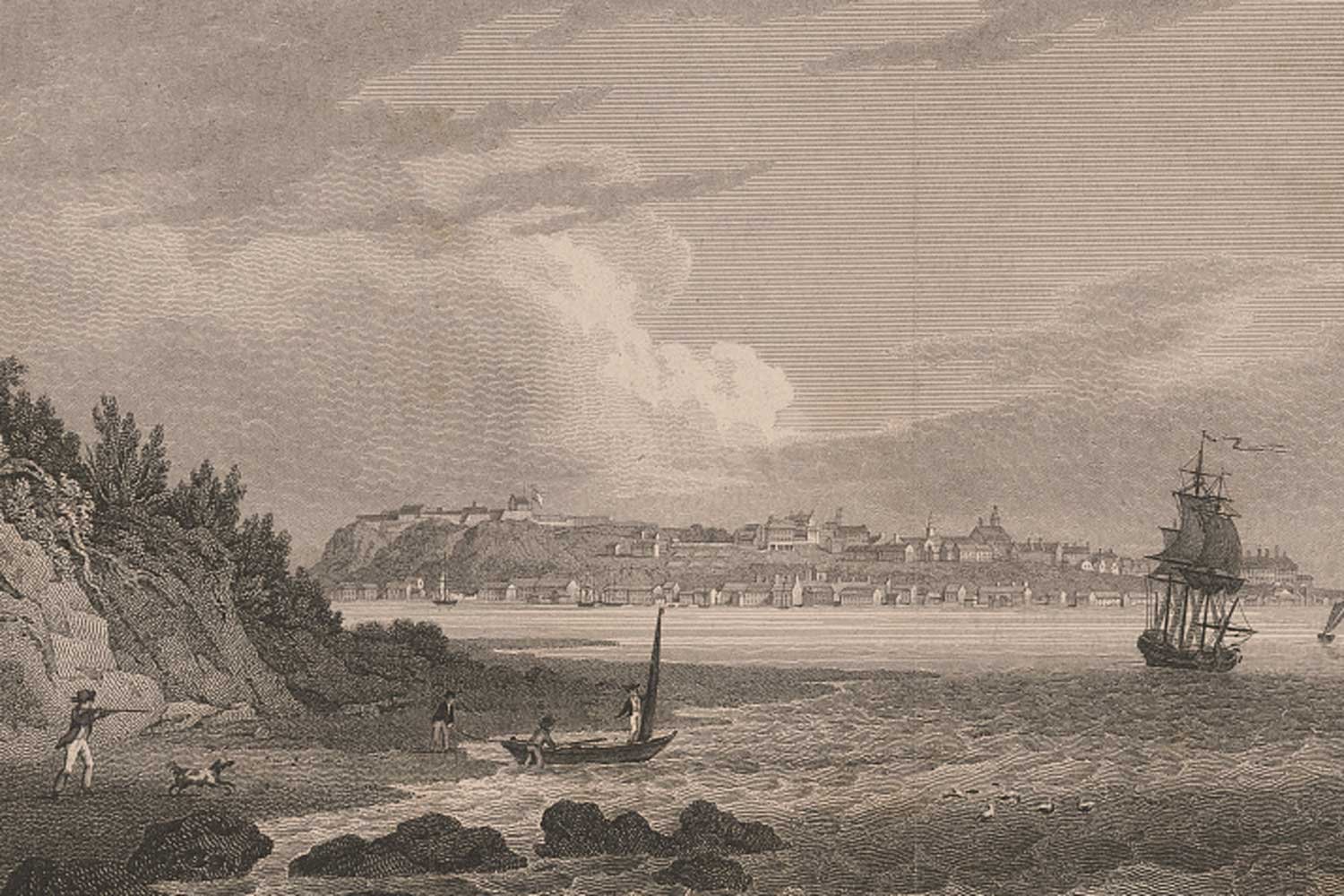

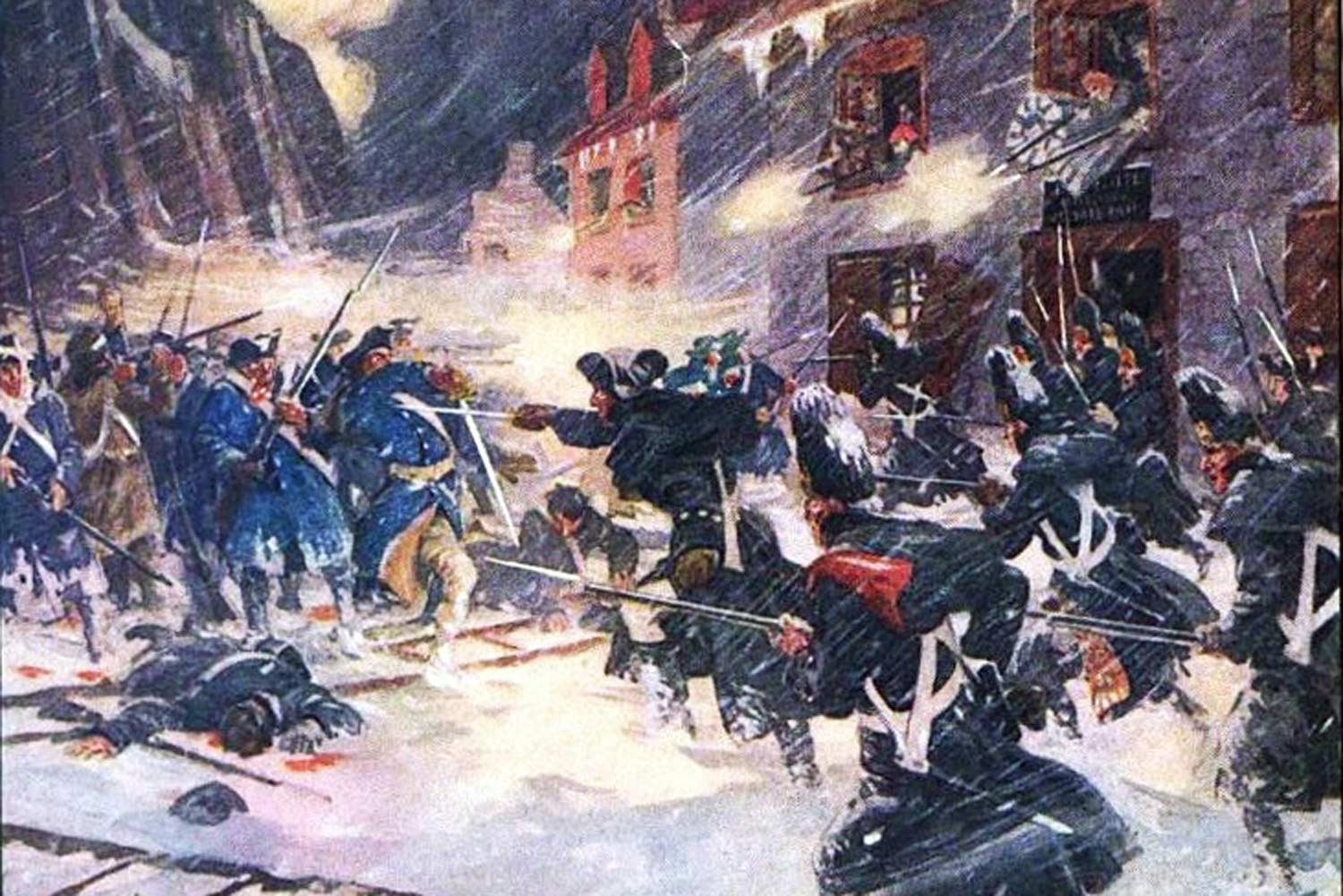
The Battle of Valcour Island, which took place on Lake Champlain, was the closing scene of the Northern Campaign of 1775-1776. It was one of the first naval battles of the American Revolution and, although a tactical defeat, it was a strategic victory for the American cause.