
Spain Recaptures Florida
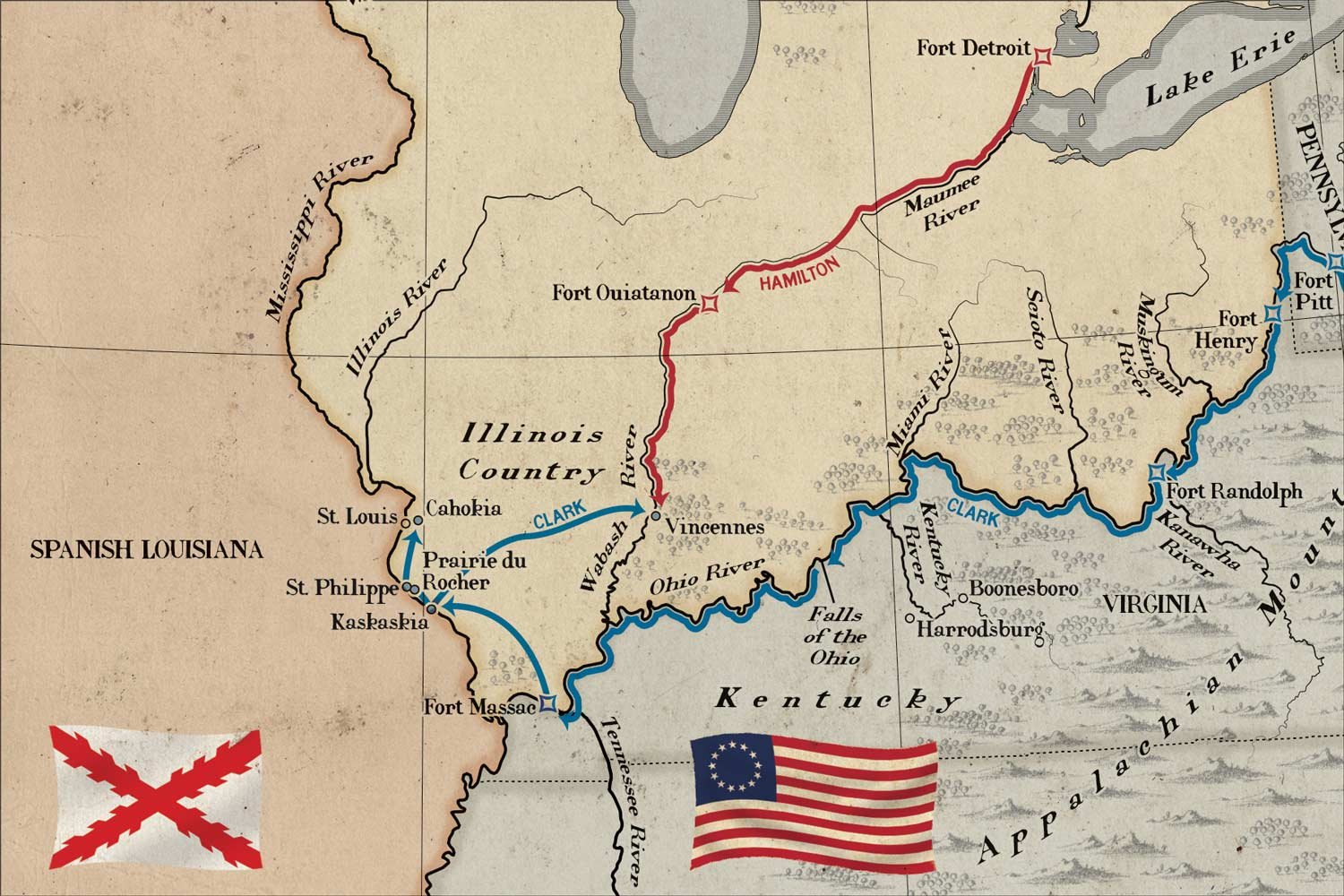
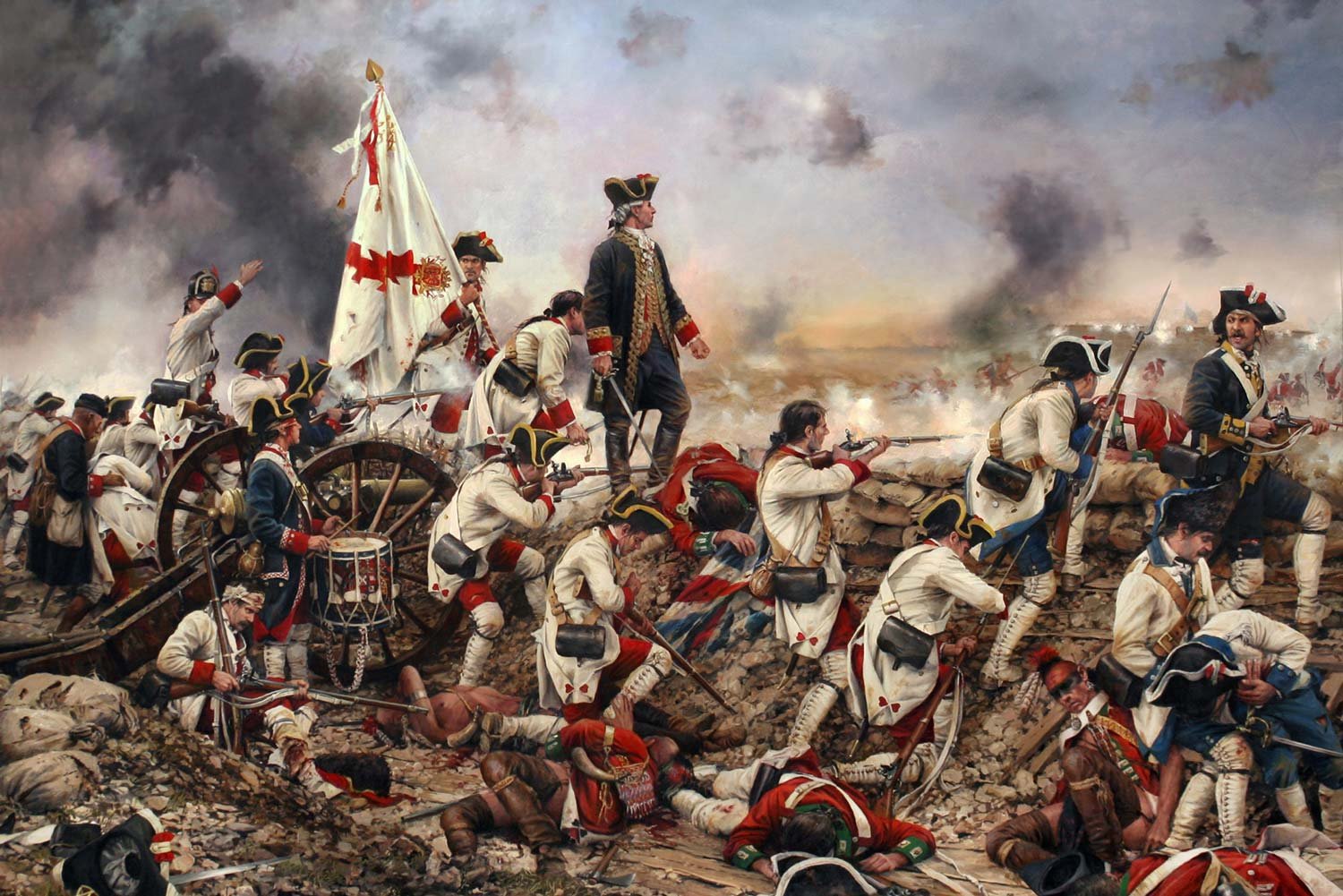
Between 1779 and 1782, Spain pressed the British in such disparate places as Gibraltar, the Caribbean, and Central America, and even threatened to invade Britain’s home islands, thus tying up dozens of British warships and numerous regiments of British regulars. Luckily for the United States, two key regions important to America became Spanish priorities as well – British held Florida and the Mississippi River Valley. Almost singlehandedly, the Spanish removed the British from West Florida, which forced England to also relinquish East Florida as part of the terms to end the war.
Tom Hand, creator and publisher of Americana Corner, explores how Spain was a great helpmate during our fight against England, and a real difference maker in the American Revolution, and why it still matters today.
Images courtesy of The Metropolitan Museum of Art, Library of Congress, National Archives, Alamy, Wikipedia.
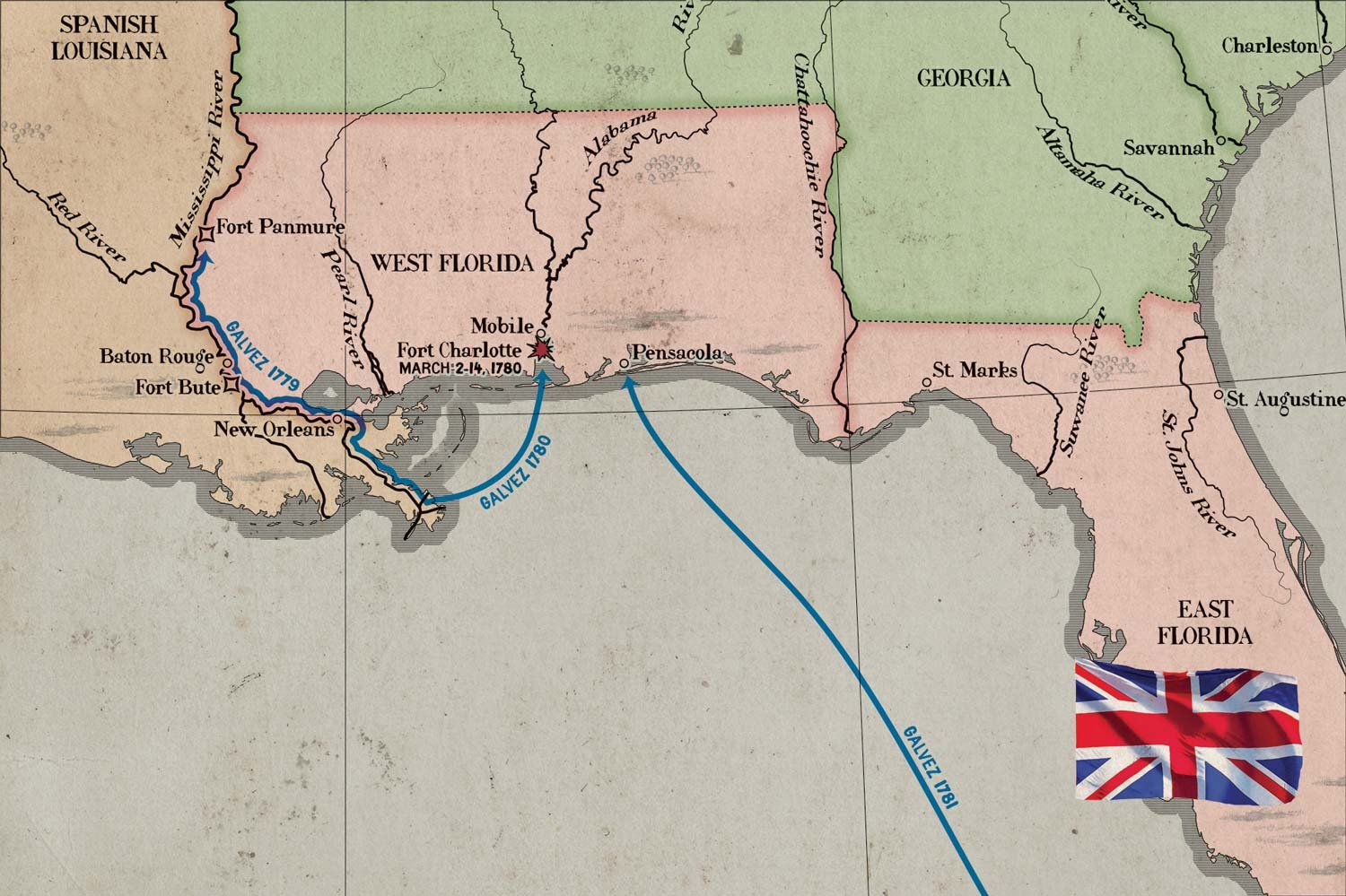
Many Americans, especially those in the Deep South, had cast covetous eyes towards Florida since the Treaty of Paris in 1783 ended the American Revolution and Spain regained the territory. Not surprisingly, when war was declared on Great Britain in 1812, one of the main goals of Southerners and President James Madison was to use the war as a pretext for obtaining possession of Florida from a decaying Spanish empire. The most contentious portion was the present-day panhandle of Florida, lower Alabama, lower Mississippi, and eastern Louisiana, an area known as West Florida.