The French and Indian War
In the 1750s, American colonists were happy to be part of the British Empire. Were it not for the French and Indian War, fought between England and France from 1754 to 1763, America might not have sought her independence.
Tom Hand, creator and publisher of Americana Corner, discusses how the French and Indian War changed the colonists view of their place in the British Empire, and why it still matters today.
Images courtesy of the Library of Congress, New York State Archives, National Army Museum, National Postal Museum, National Archives, Wikipedia.
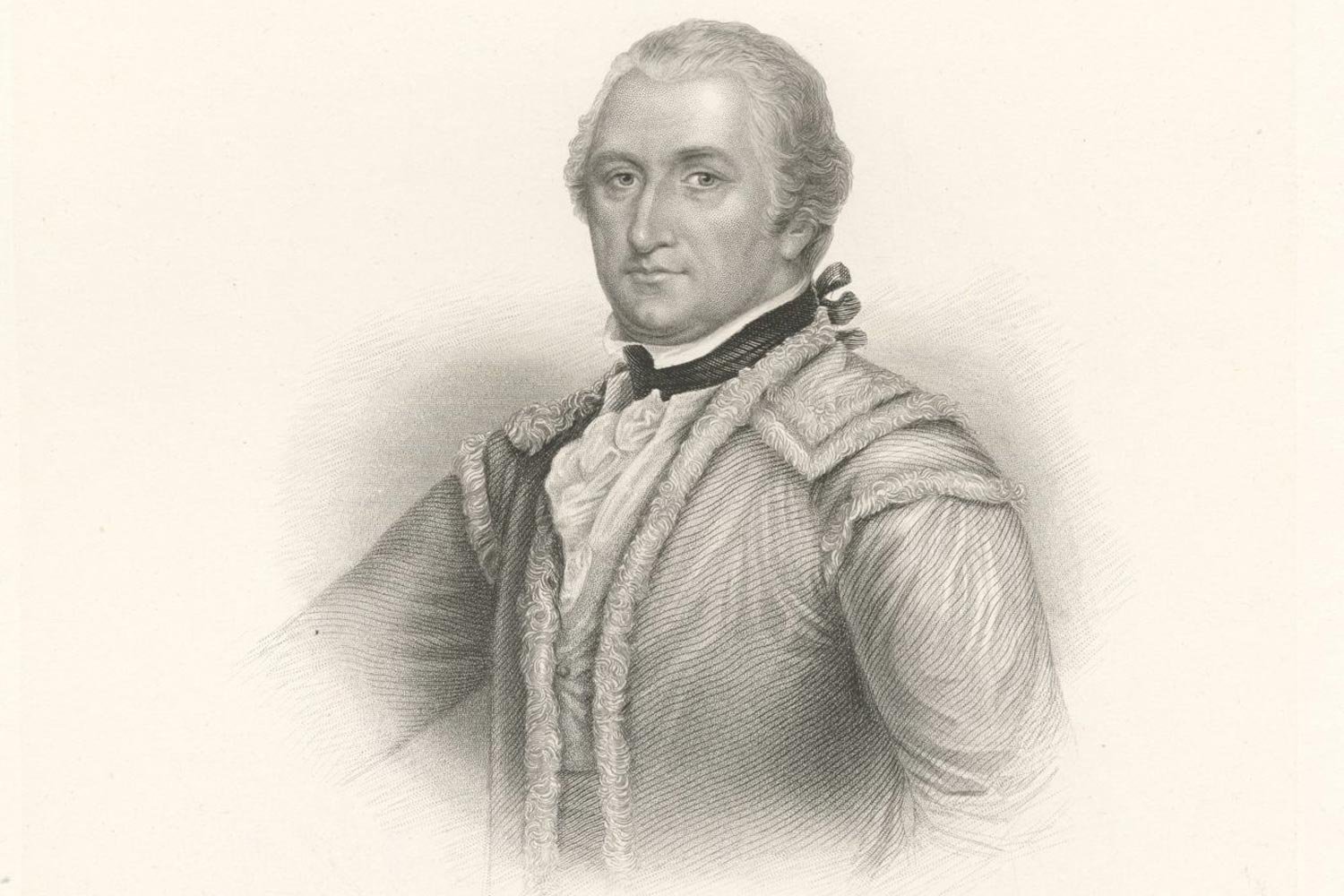
Daniel Morgan, the victor of Cowpens, was one of America’s best battlefield tacticians during the American Revolution. He rose from a hard scrabble childhood to national prominence solely on his merit and ability, overcoming his lack of political connections and wealth. Morgan’s story is a truly inspirational tale.
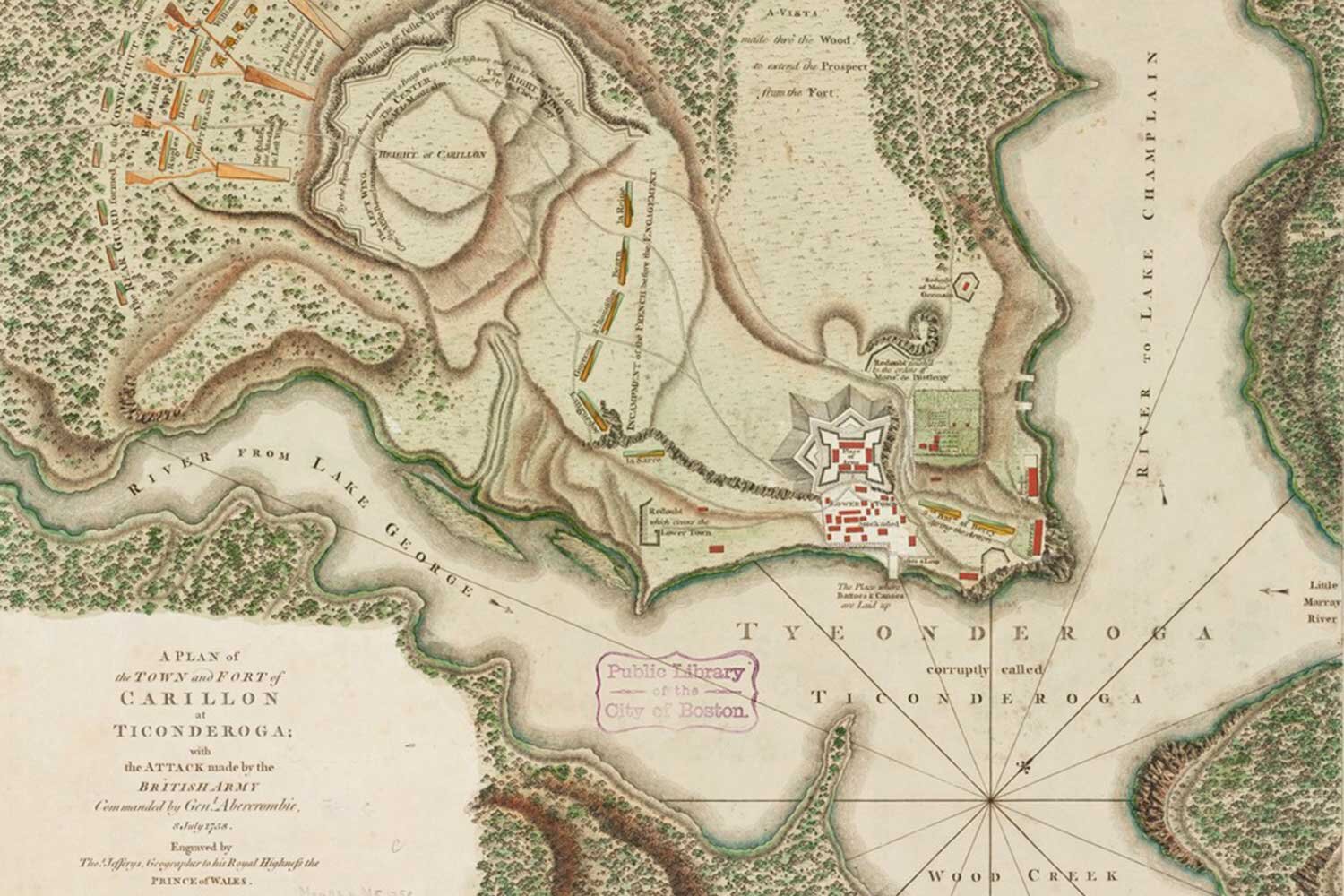
Fort Ticonderoga in upstate New York is arguably the best-preserved fort from the 1700s in North America. It was the site of several engagements in both the French and Indian War and the American Revolution. Its military significance is matched only by the natural beauty that surrounds the site.
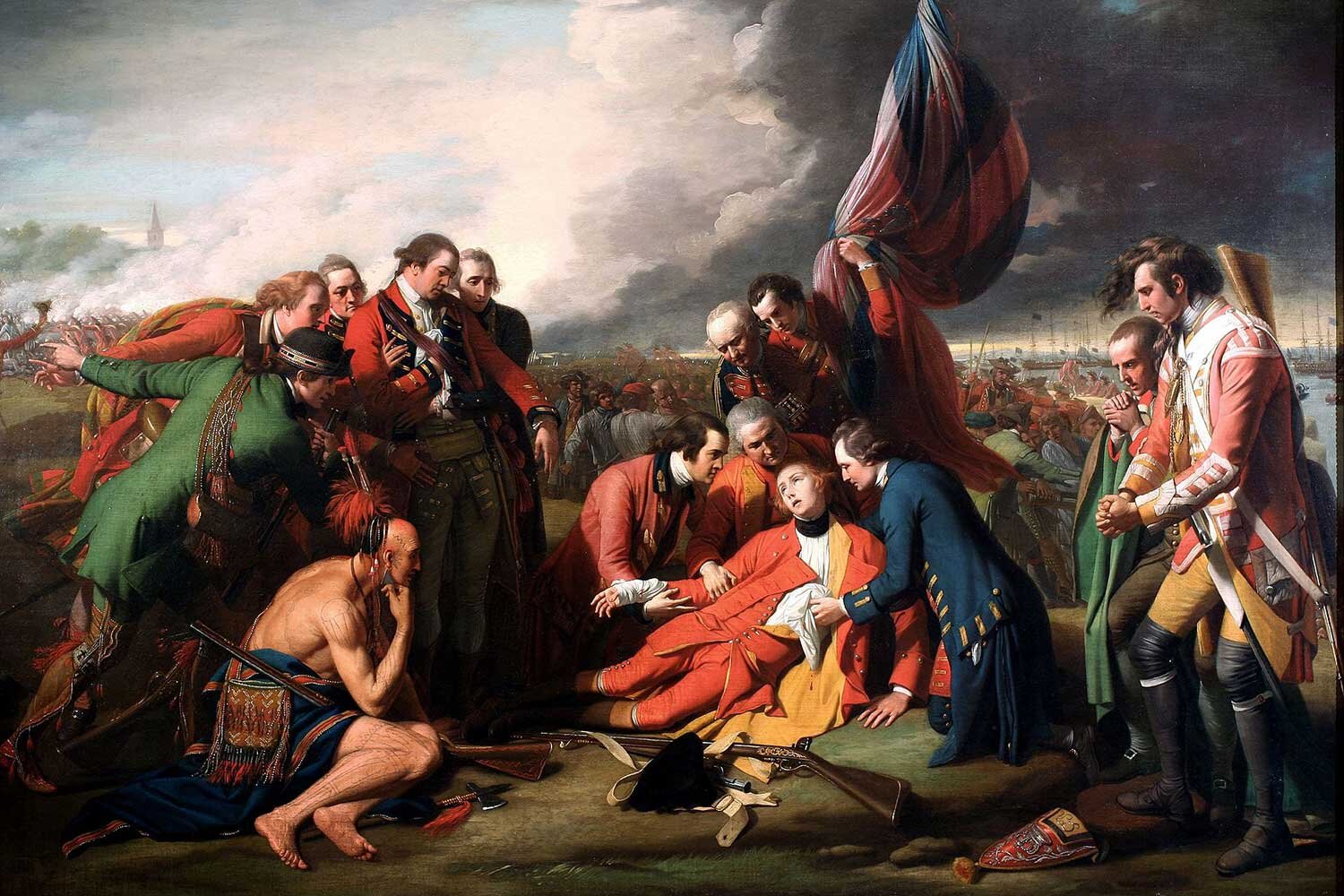
The French and Indian War was fought between England and France in the mid-1700s over which nation would control North America. The consequences of that conflict led directly to the American Revolution.
After Lord Cornwallis surrendered to General Washington in Yorktown on October 19, 1781, word of the surrender was sent to England. When finally received by Lord North, the Prime Minister, he repeatedly exclaimed “Oh God! It is all over!”, and it was for all intents and purposes.
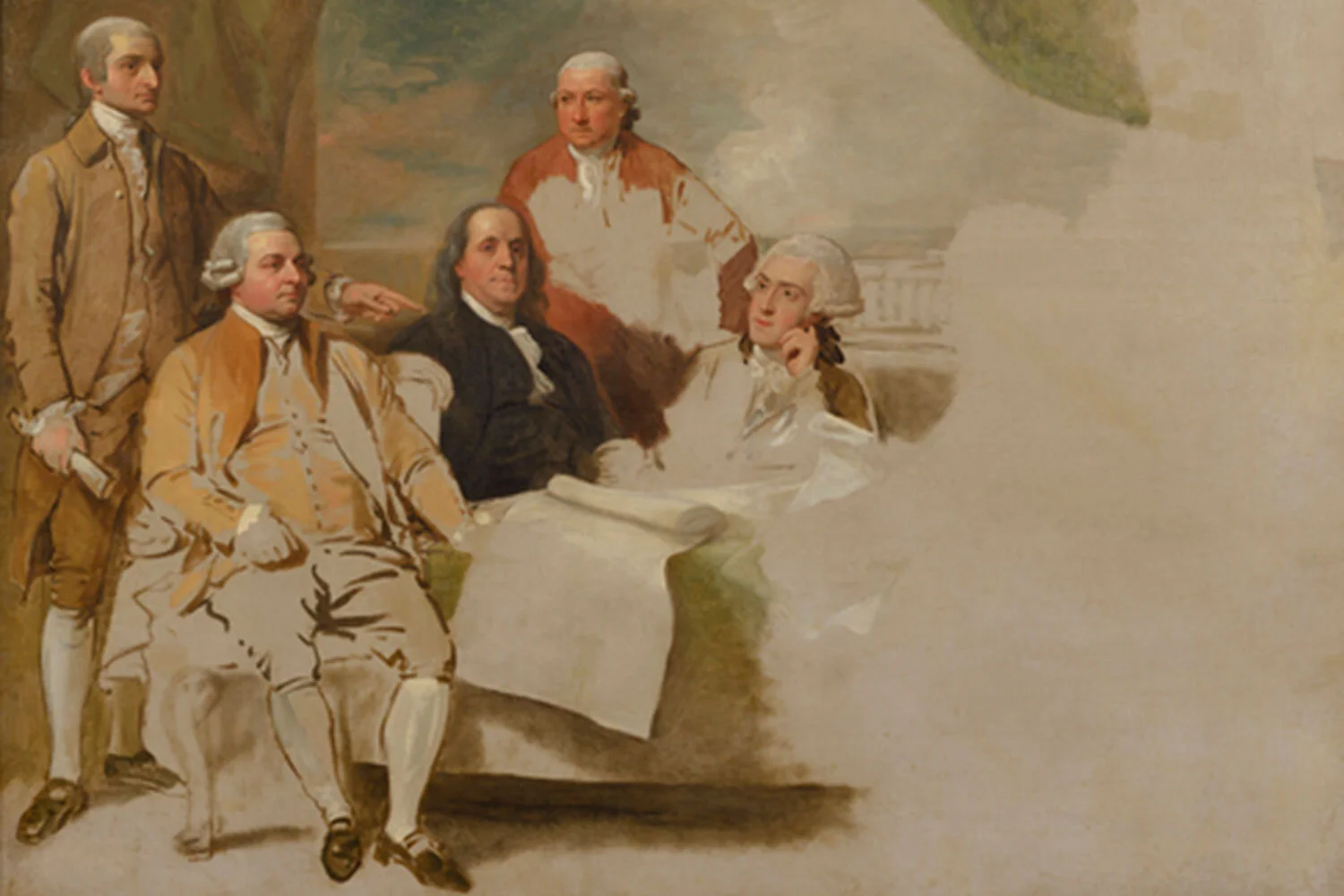
The Treaty of Paris was the agreement between England and the United States which officially ended the American Revolution. It was just one of a series of agreements signed between the belligerents which collectively are called the Peace of Paris.
The British American experience since 1607 when the first English settlers arrived in Jamestown had largely been confined to the eastern seaboard north of Spanish Florida. As the British began to expand beyond this Atlantic bubble in the mid-1700s, they came into conflict with their longtime nemesis, the French, primarily over which nation would dominate the lucrative fur trade in the Ohio Country.