
Browse Articles by Category

Colonial Era
American Revolution

The New Nation

National Expansion and Reform

Civil War and Reconstruction (Coming Soon)
George Washington Enters Politics
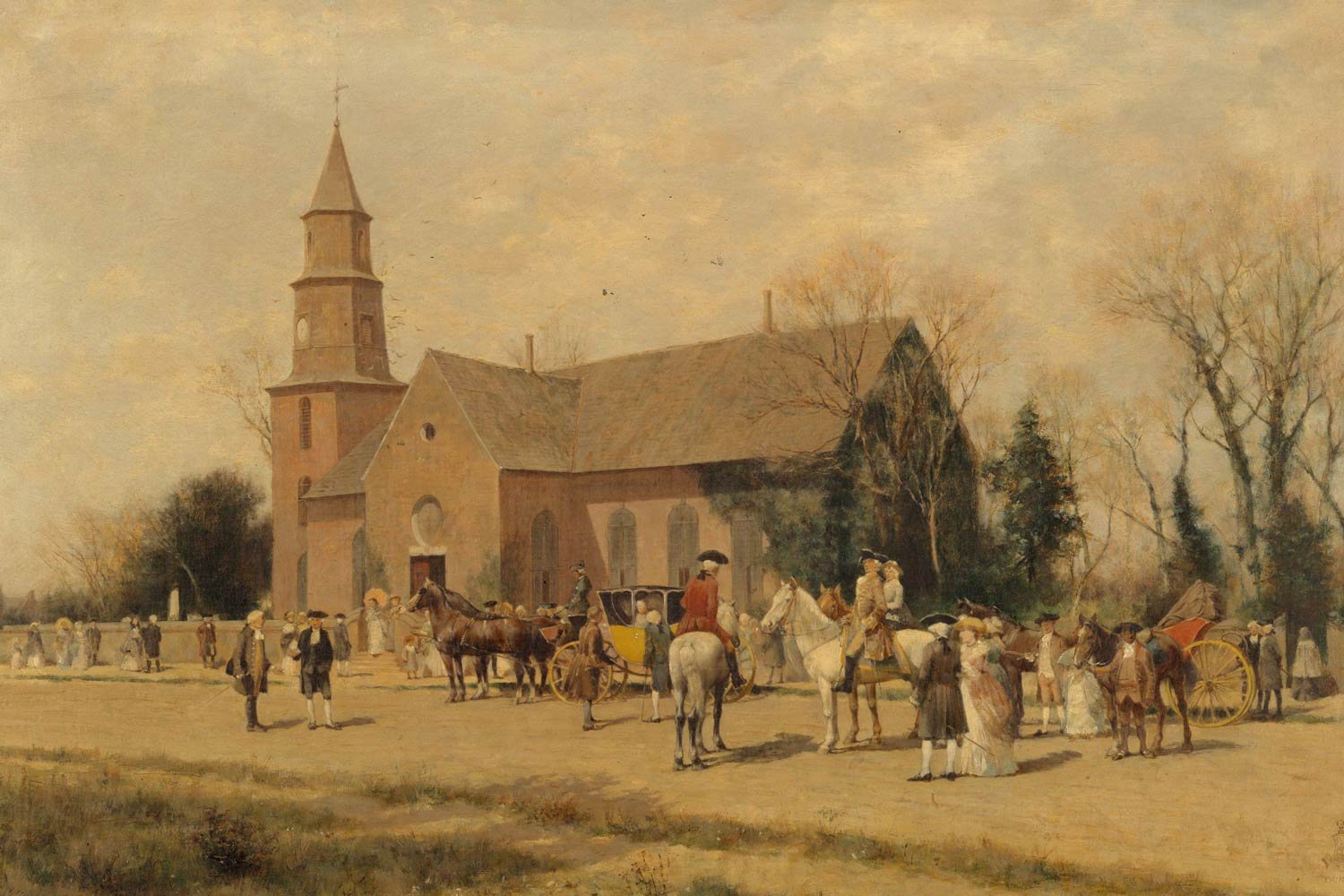
As befitting a wealthy landowner in colonial Virginia, George Washington became active in the colony’s politics in the 1750s. He first ran for a seat representing Frederick County in the Virginia House of Burgesses in 1755 but lost the election. Interestingly, it was the only political race he would ever lose. Washington ran for that same seat in 1758 and was victorious, and he held this seat for seven years.
The Life of Martha Washington
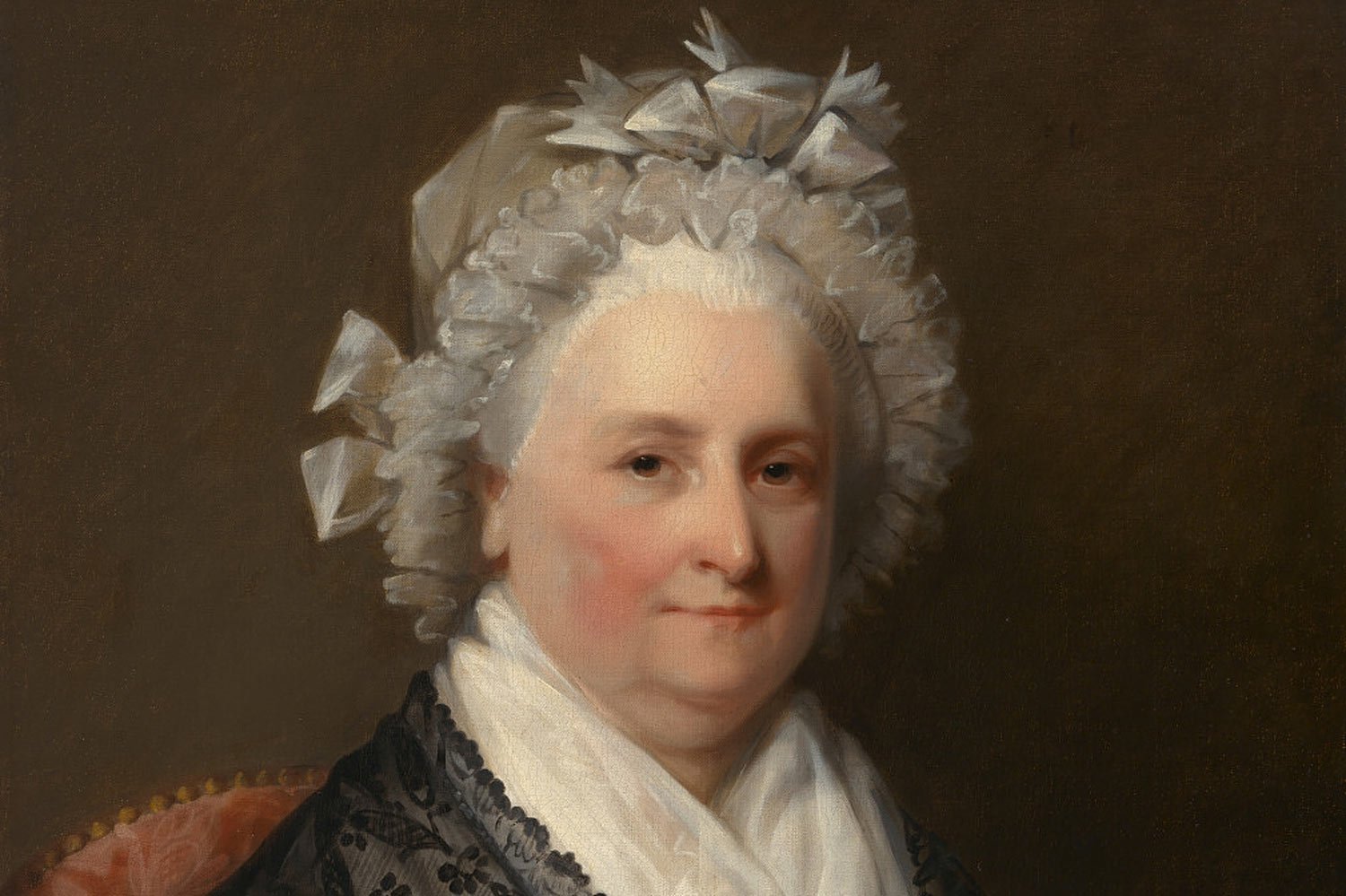
Martha Washington was our nation’s first First Lady and lived in the shadow of her larger-than-life husband George. However, most Americans do not realize that she was a very capable woman and, when given the opportunity, managed her own affairs quite well.
George Washington’s Life at Mount Vernon
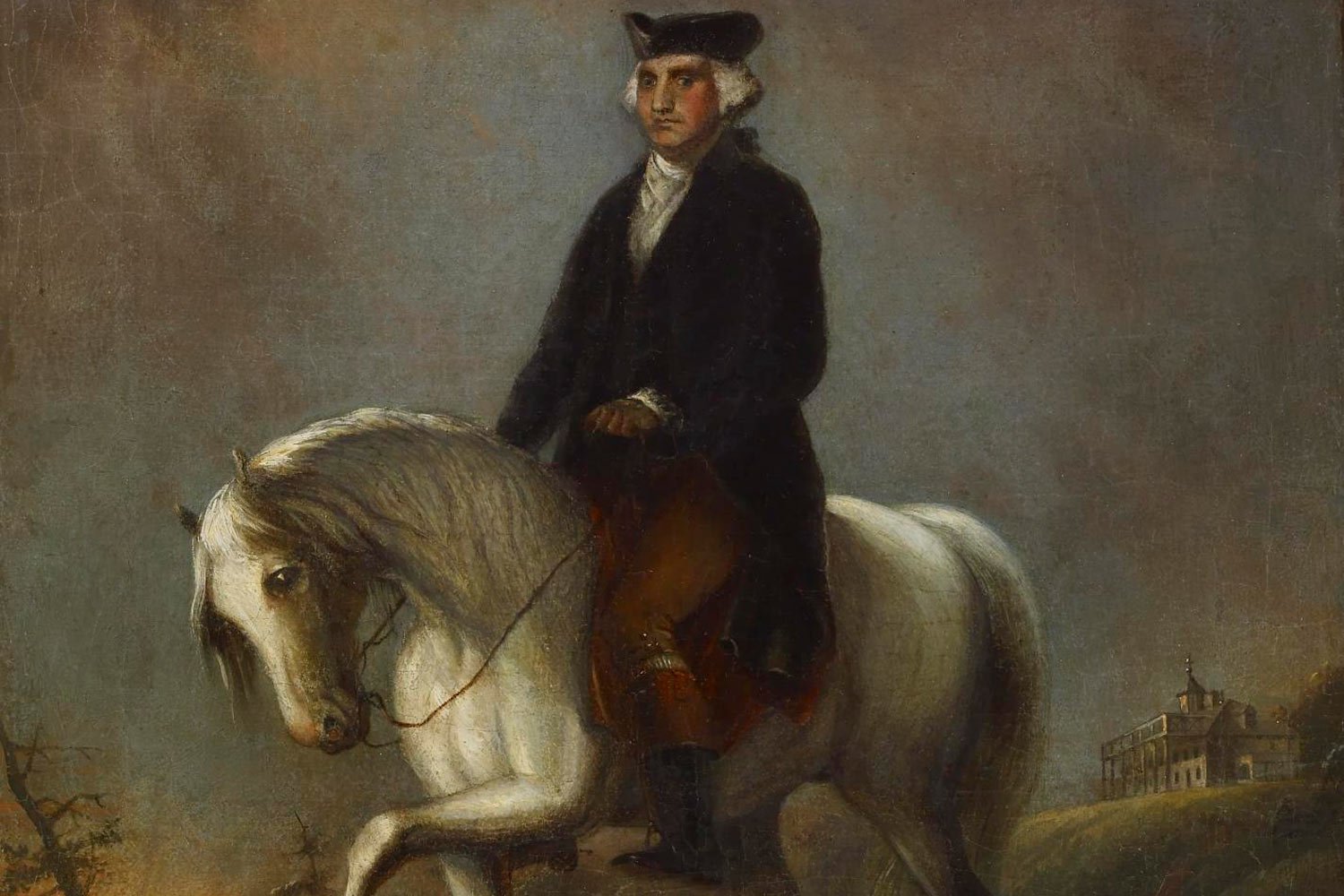
When George Washington resigned as Colonel and Commander of the Virginia Regiment in 1758, he returned to Mount Vernon to begin his life as a gentleman planter. Although in less than twenty years Washington would be called away by his country, his time between the French and Indian War and the American Revolution was a significant portion of this great man’s life.
The Start of George Washington’s Illustrious Military Career
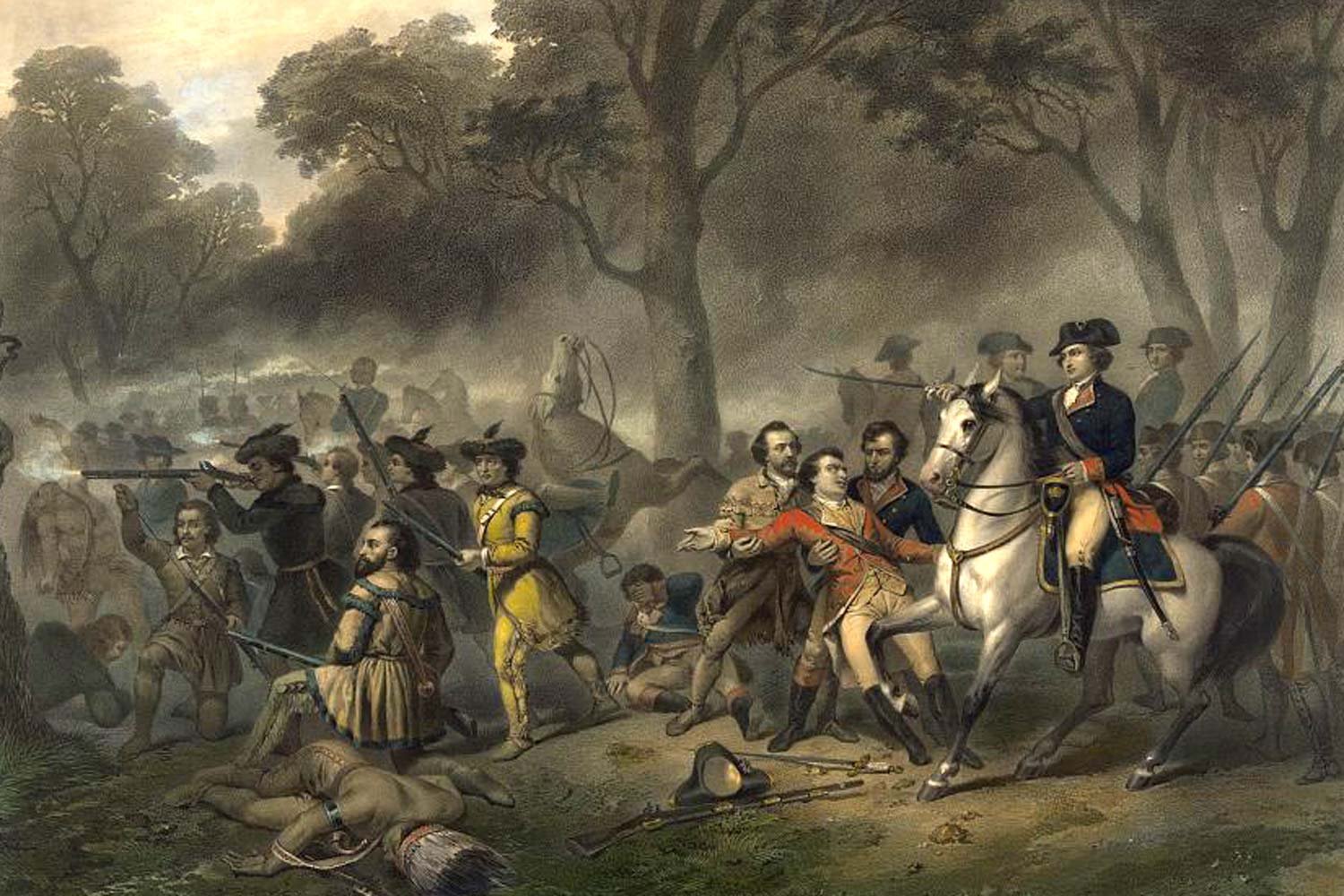
With the demise of Lawrence Washington in 1752, George Washington inherited much of his stepbrother’s property, becoming a significant landowner at the age of 20. Lawrence’s passing also opened up an Adjutant’s position in the Virginia militia that George coveted given his love of military history and desire to follow in his brother’s footsteps.
The Early Life of George Washington
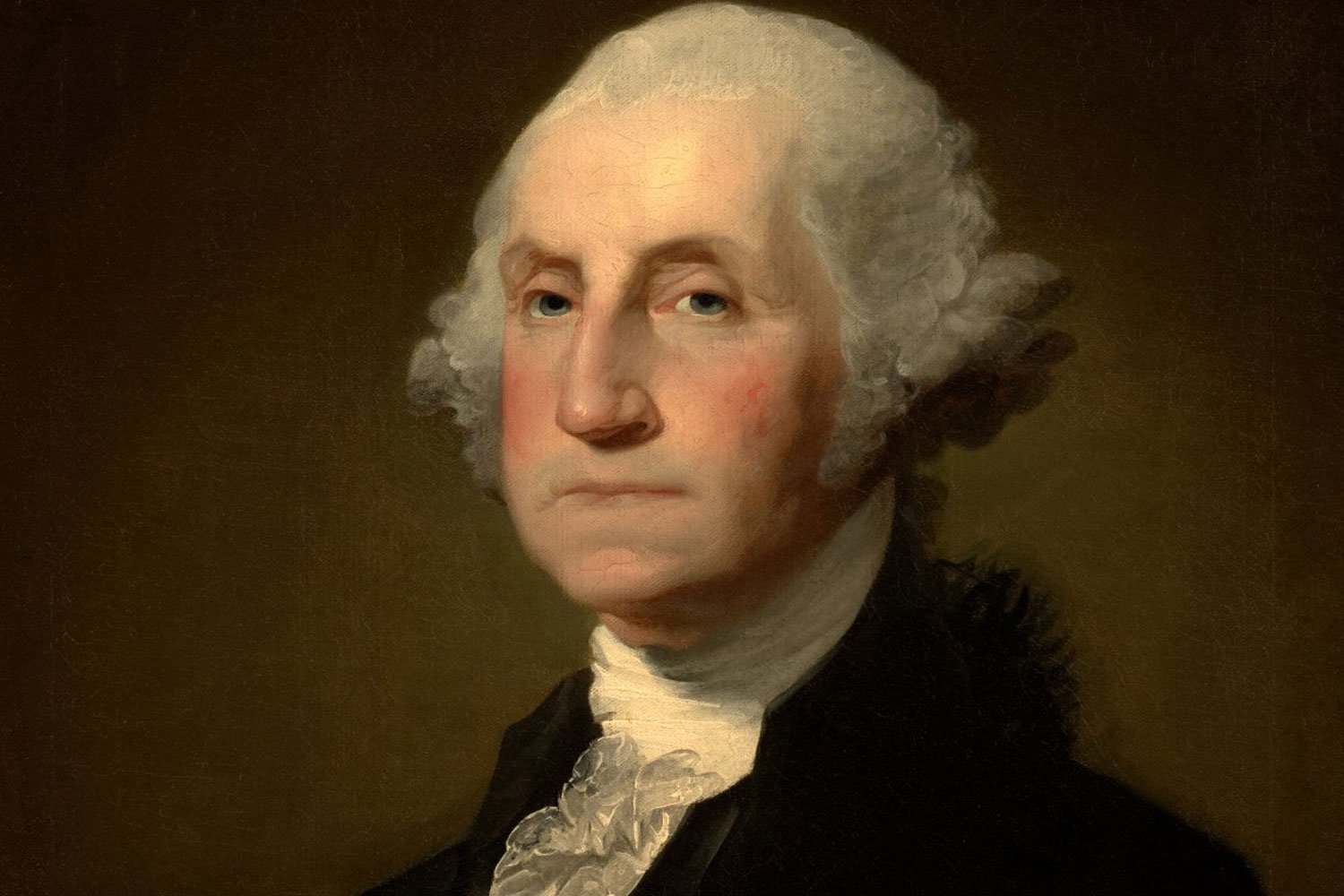
George Washington is more responsible for the creation of America than anyone else in our country’s incredible history. He was the right man with the right set of characteristics and talents at just the right time. It is hard to imagine the United States could have happened without his presence.
The Legacy of Ben Franklin
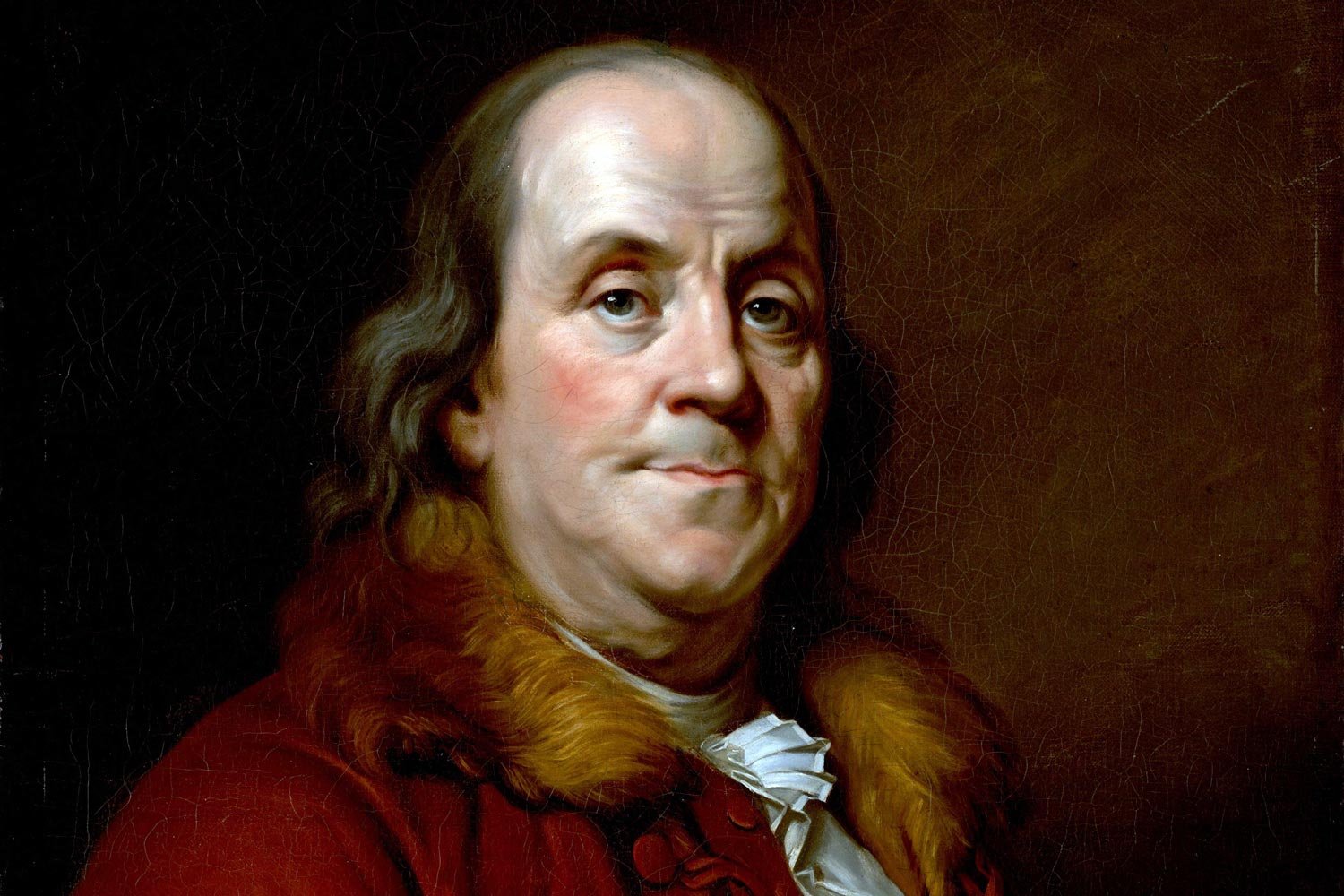
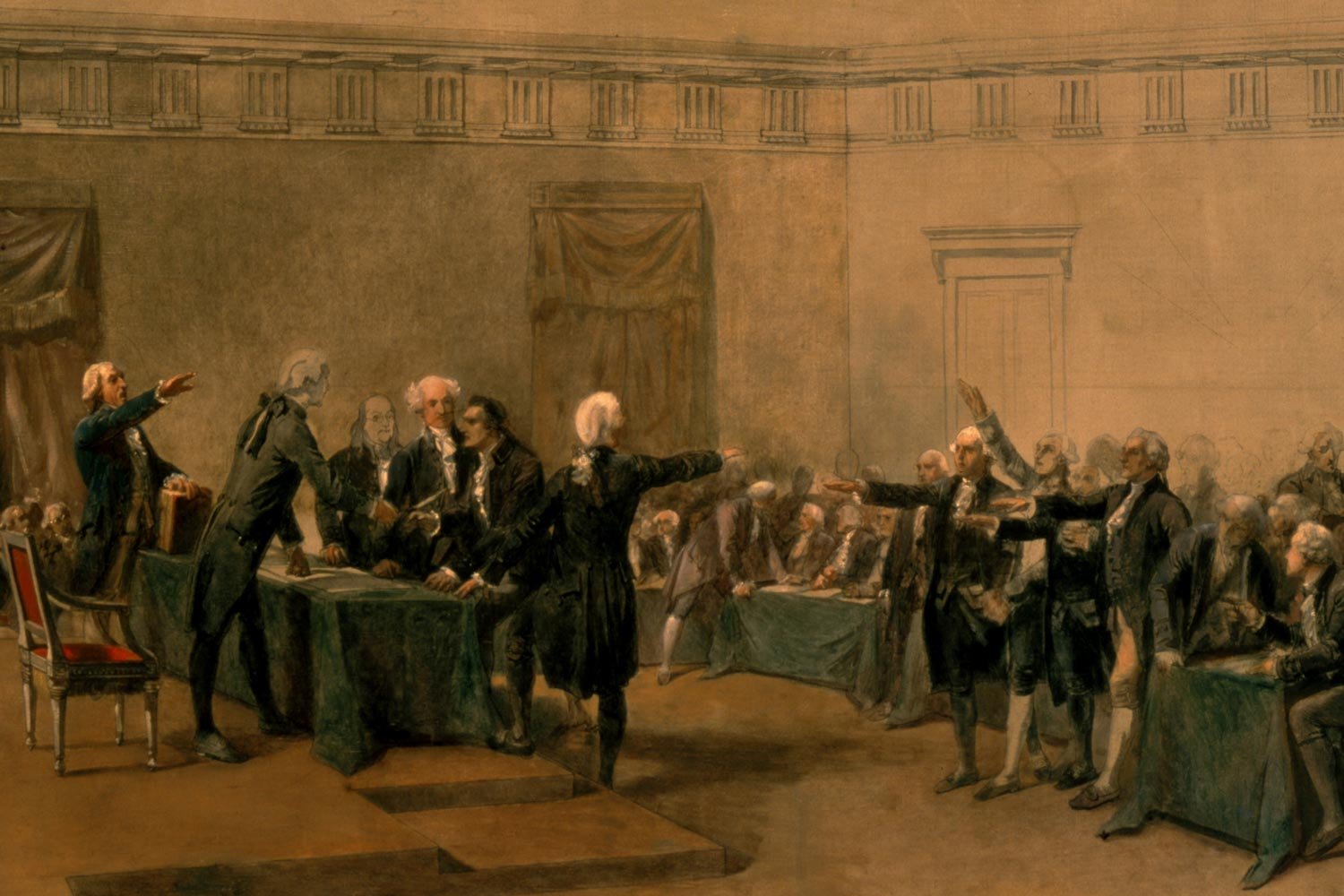
The Constitutional Convention adjourned on September 17, 1787, and would be Benjamin Franklin’s last moment in the spotlight of American history. It was a fitting finale for this man who had done so much to shape the nation in which he lived. Franklin was 81 years old, in poor health, and hoped for a well-deserved rest.
Ben Franklin Enters Politics
Benjamin Franklin retired from an active role in his printing business in 1748 at the age of 42. His work had made him a wealthy man, and he decided to devote the remainder of his life to civic improvements and governmental affairs. Franklin became a member of the Philadelphia City Council that same year, beginning a period of more than four decades of involvement in American politics and statecraft.
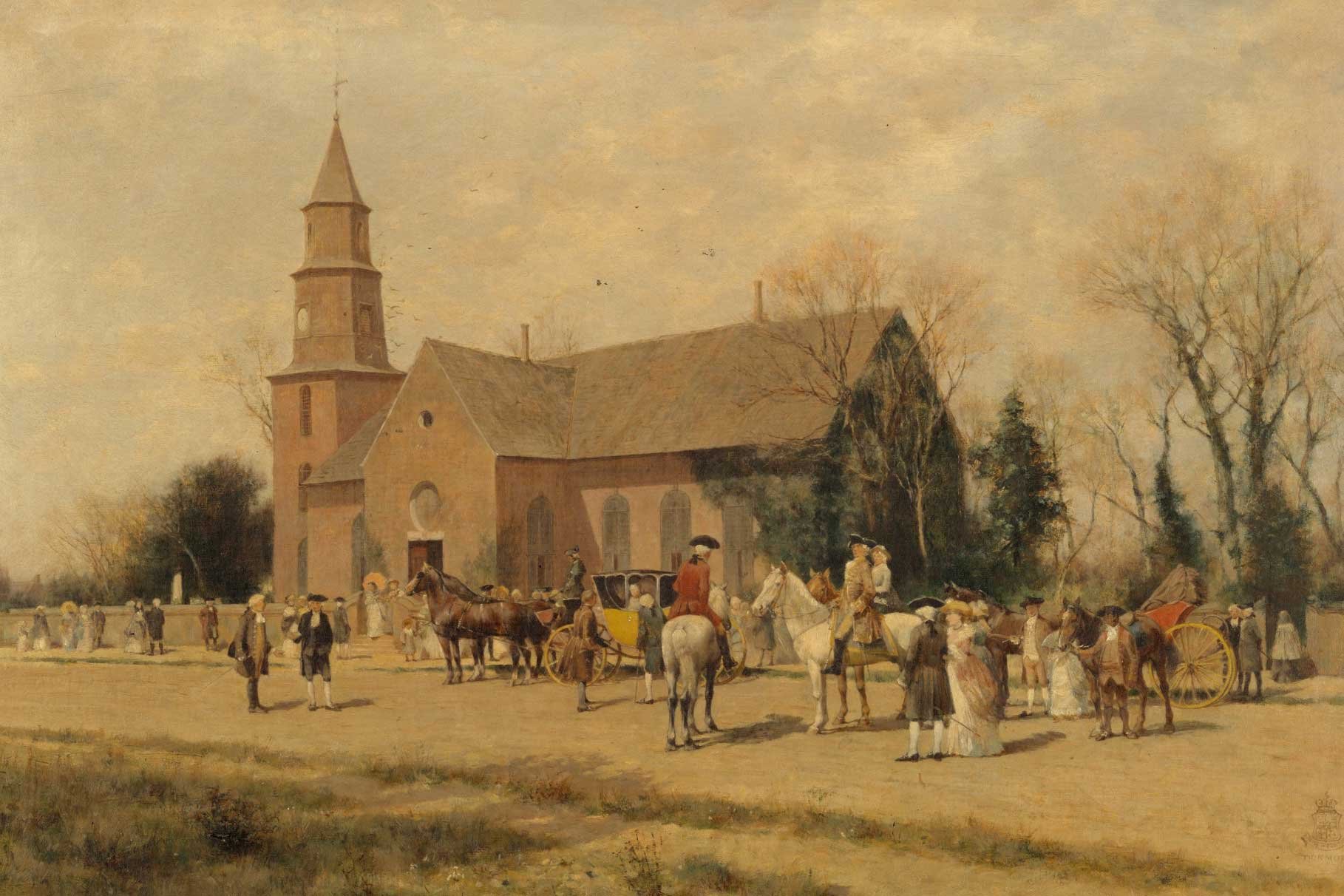
Virginia’s House of Burgesses, British America’s First Elected Legislature
The Colony of Virginia was established at Jamestown by the Virginia Company in 1607 as a for-profit venture by its investors. To bring order to the province, Governor George Yeardley created a one-house or unicameral General Assembly on July 30, 1619.
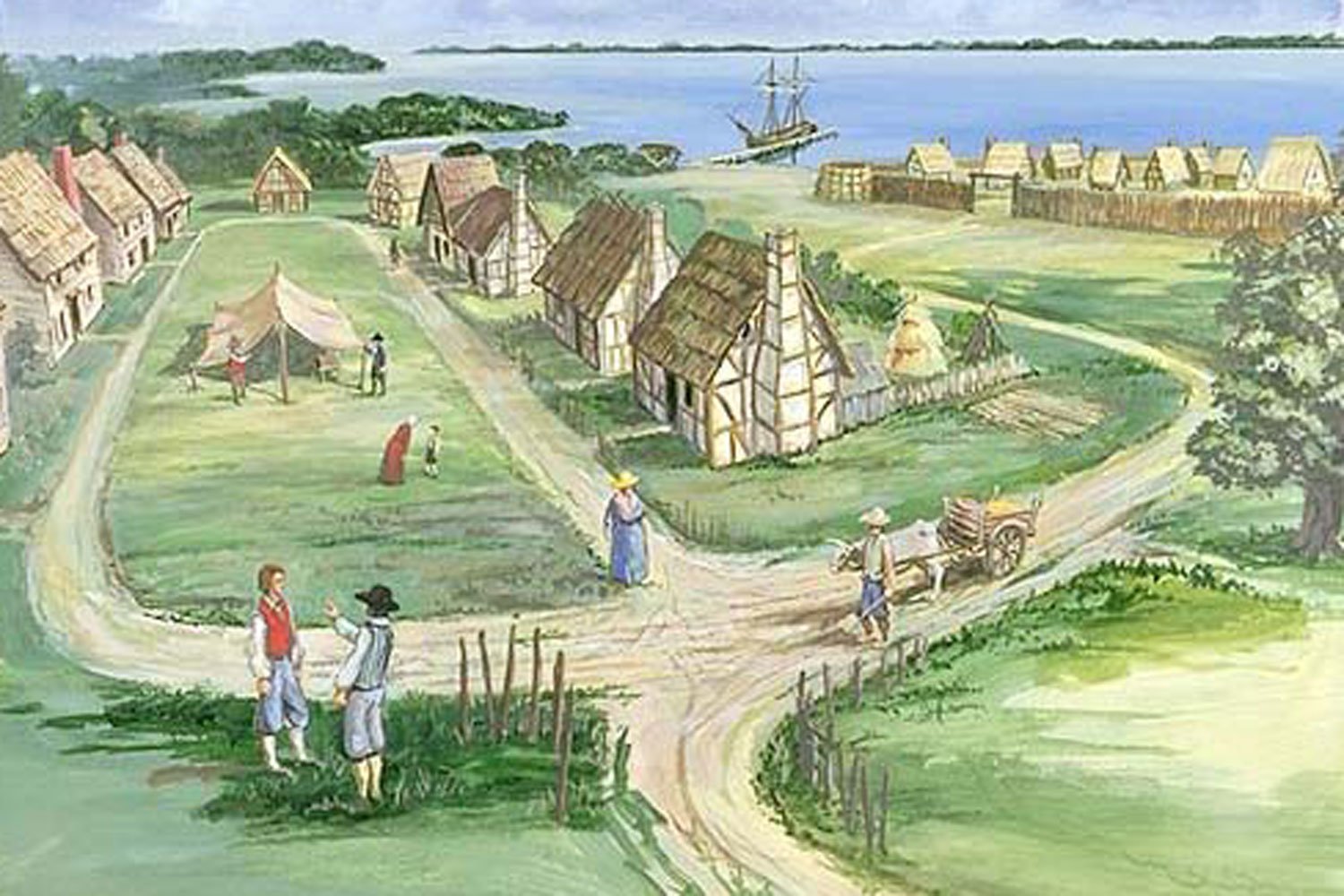
How Colonial America Was Governed
When the English began to settle North America in the 1600's, the leaders of the various colonies had different motives. While all colonies exercised their authority in the King’s name, they were not created in the same mold, and some had more autonomy than others. In fact, there were three different types of colonies: royal, self-governing, and proprietary.
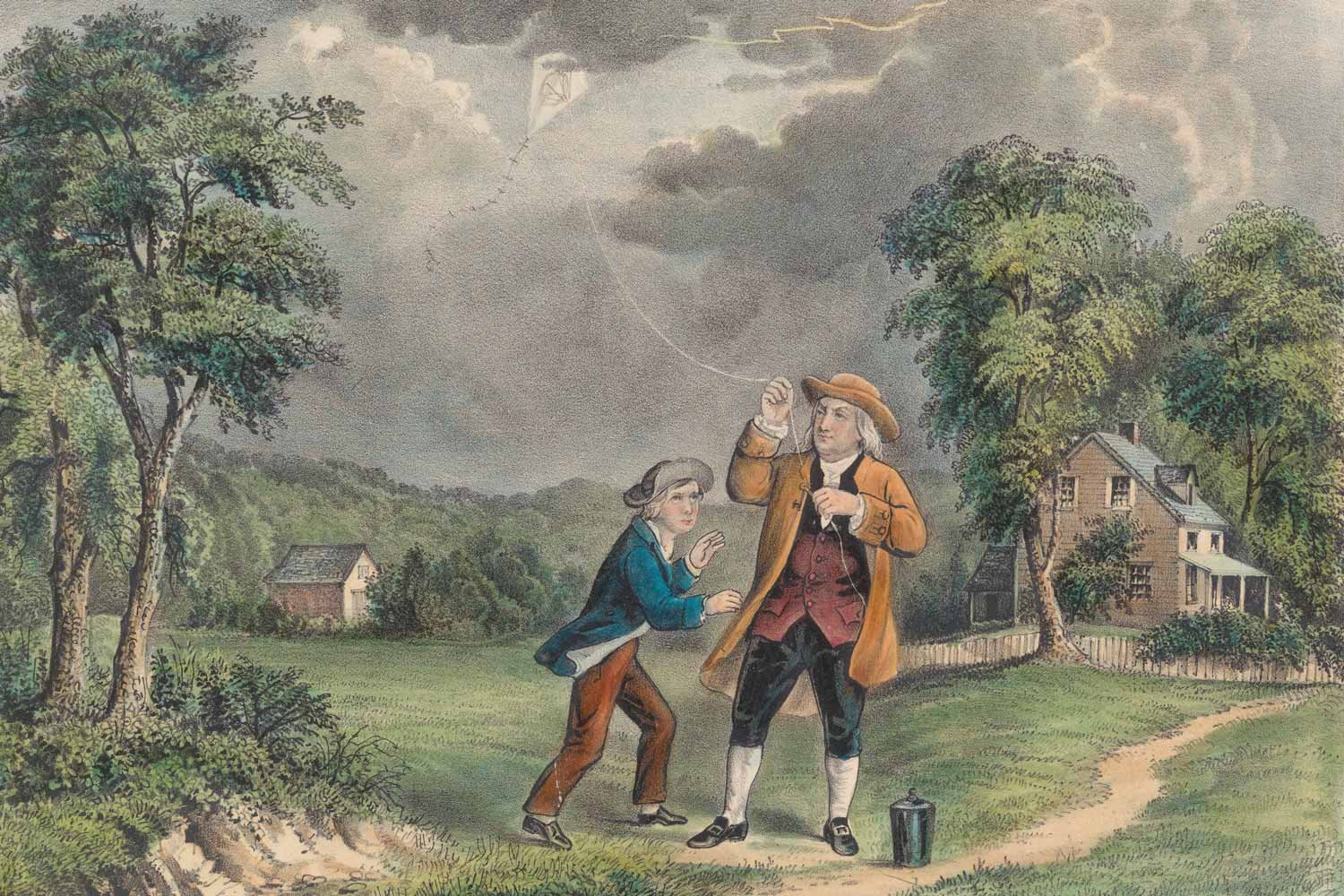
Ben Franklin, America’s First Man of Science
Benjamin Franklin was one of the world’s foremost inventors and scientists in the 1700s. His creative genius and inventiveness led to many significant discoveries that made living life easier for all. Moreover, he was proof positive that brilliant minds existed in British America, despite its backwoods reputation in Europe.
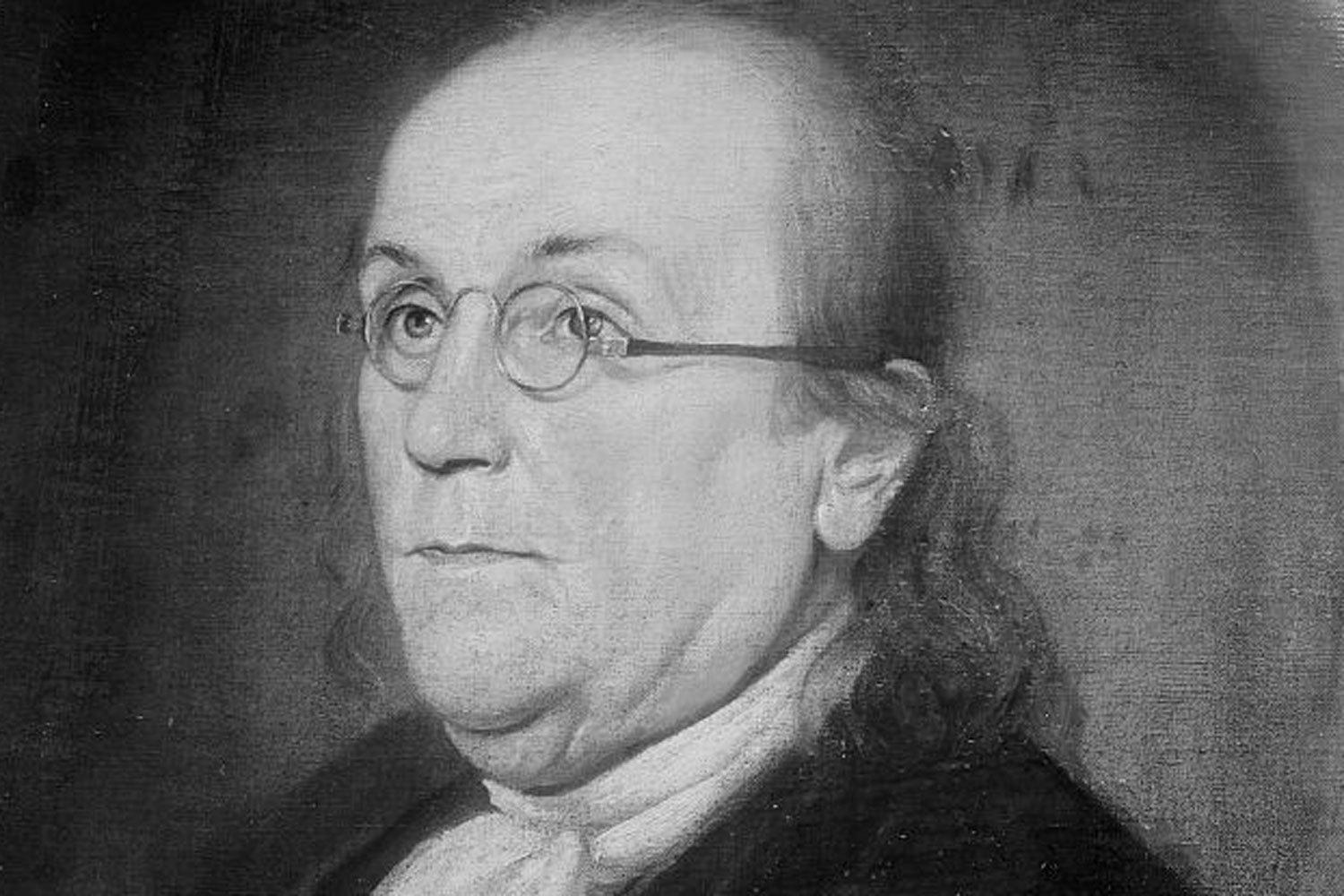
Ben Franklin Improves Life for His Fellow Citizens
Benjamin Franklin made his money in the printing business, but his true calling was as a man devoted to understanding and improving all aspects of life. Franklin’s interests and innovations stretched from the areas of civics to morals to science to home improvements. His efforts left the world a better place.
Ben Franklin’s Writing Enlightens and Entertains America
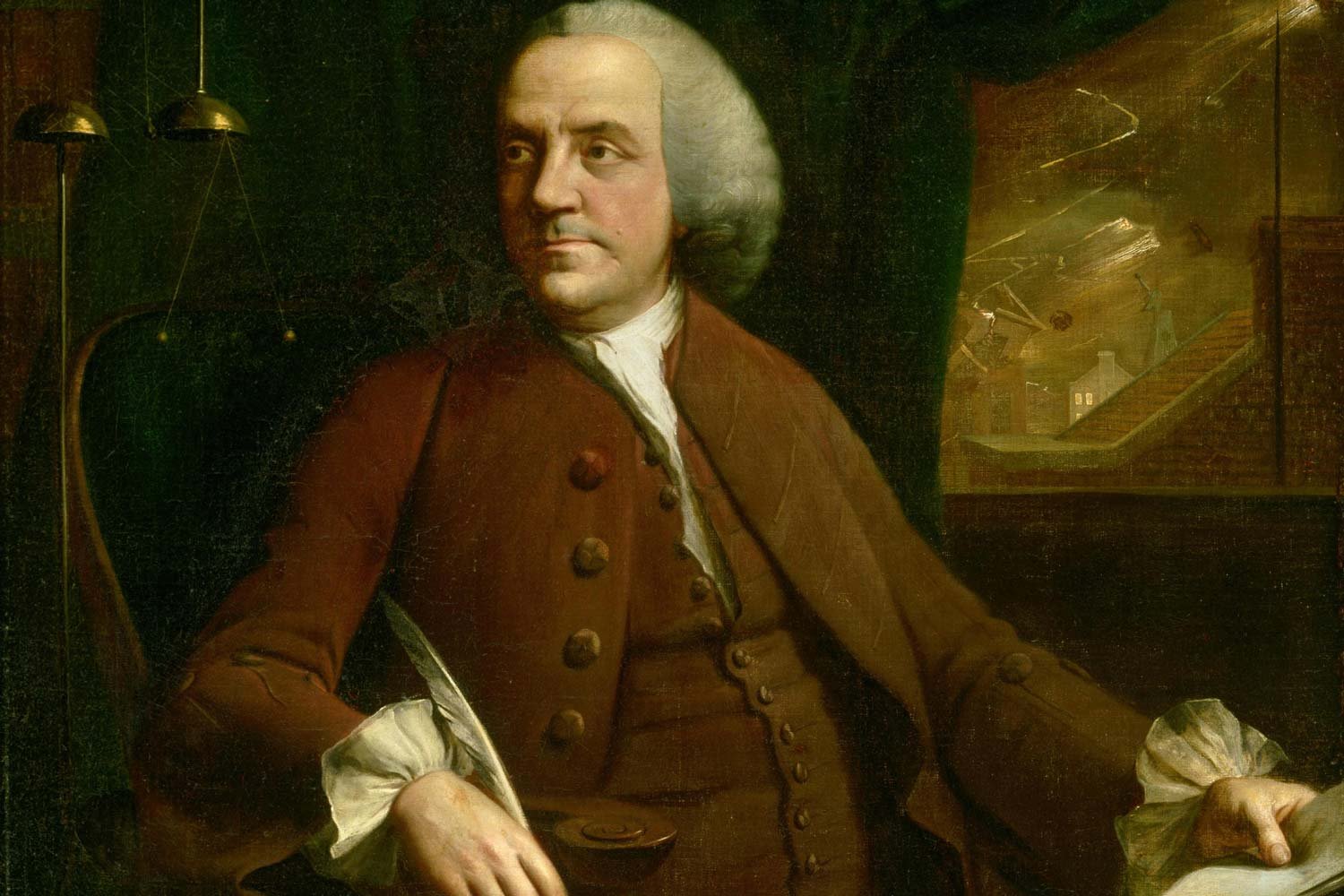
Benjamin Franklin was the leading printer in British America, but he was also one of the most successful authors of his time. Over the course of Franklin’s impressive life, he wrote two of the greatest treasures of American literature, Poor Richard’s Almanack and his Memoirs, also called The Autobiography of Benjamin Franklin.