
Browse Articles by Category

Colonial Era
American Revolution

The New Nation

National Expansion and Reform

Civil War and Reconstruction (Coming Soon)
An Expression of the American Mind
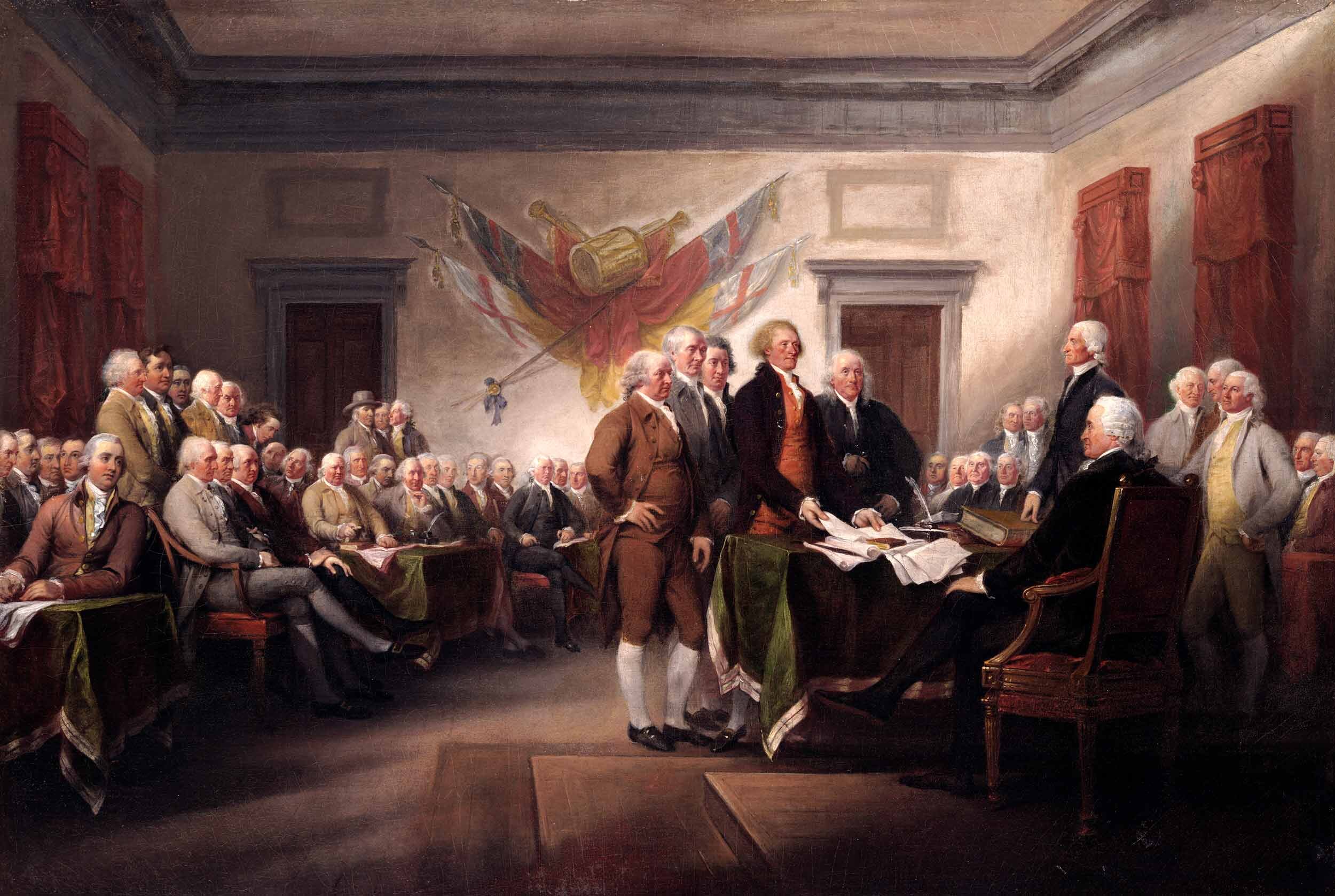
On May 15, 1776, the fifth Virginia Convention meeting in Williamsburg passed a resolution calling on their delegates at the Second Continental Congress to declare a complete separation from Great Britain. Accordingly, on June 7, Richard Henry Lee rose and introduced into Congress what has come to be known as the Lee Resolution.
American Revolution Ends with the Treaty of Paris
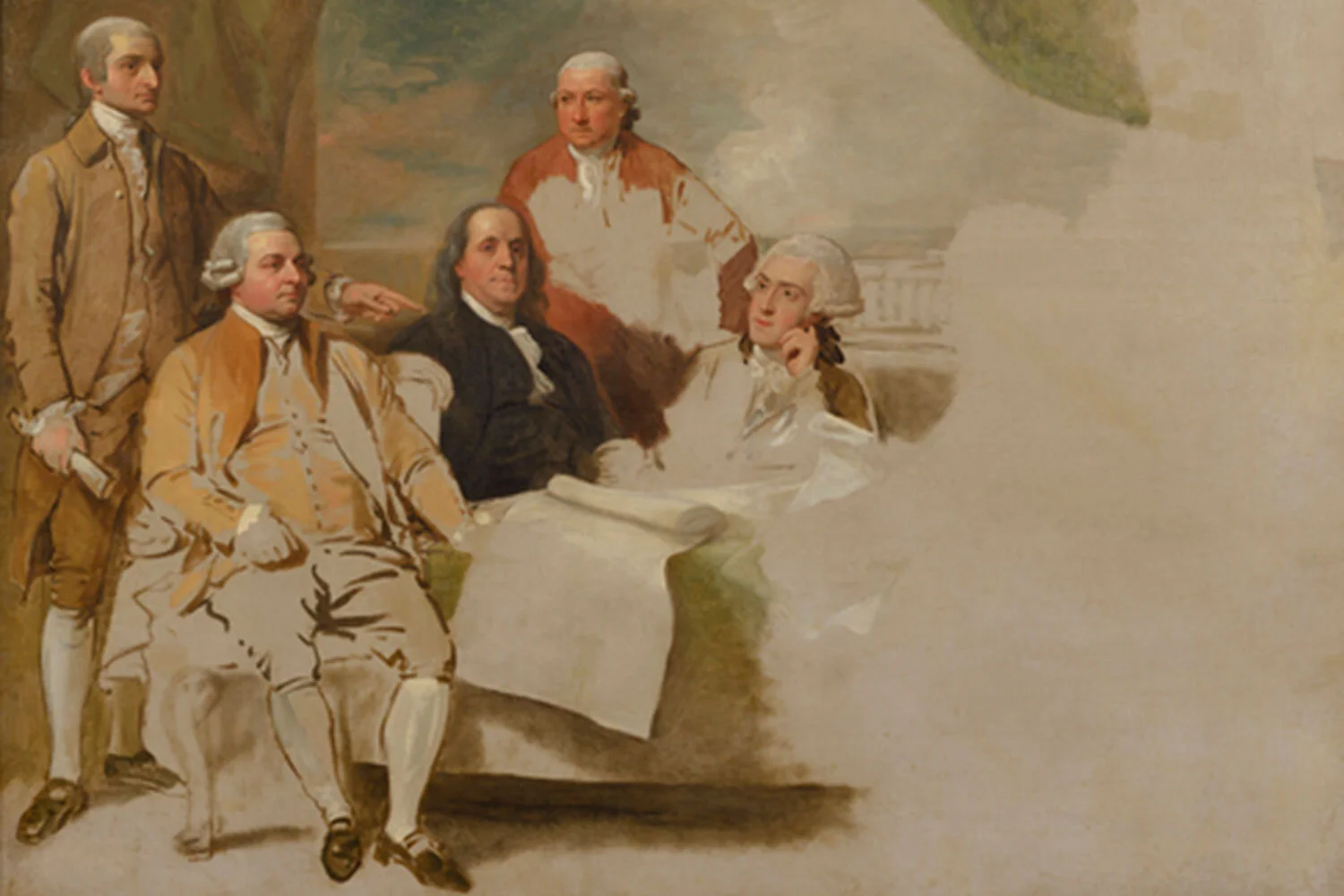
After Lord Charles Cornwallis surrendered to General George Washington in Yorktown on October 19, 1781, English officials reached the painful conclusion that the war was simply too costly to continue. Not only was the war in North America expensive to prosecute, but it was also a distraction from England’s defense of their more lucrative possessions elsewhere in the world, such as the sugar islands in the Caribbean and trading posts in India.
The Legacy of Ben Franklin
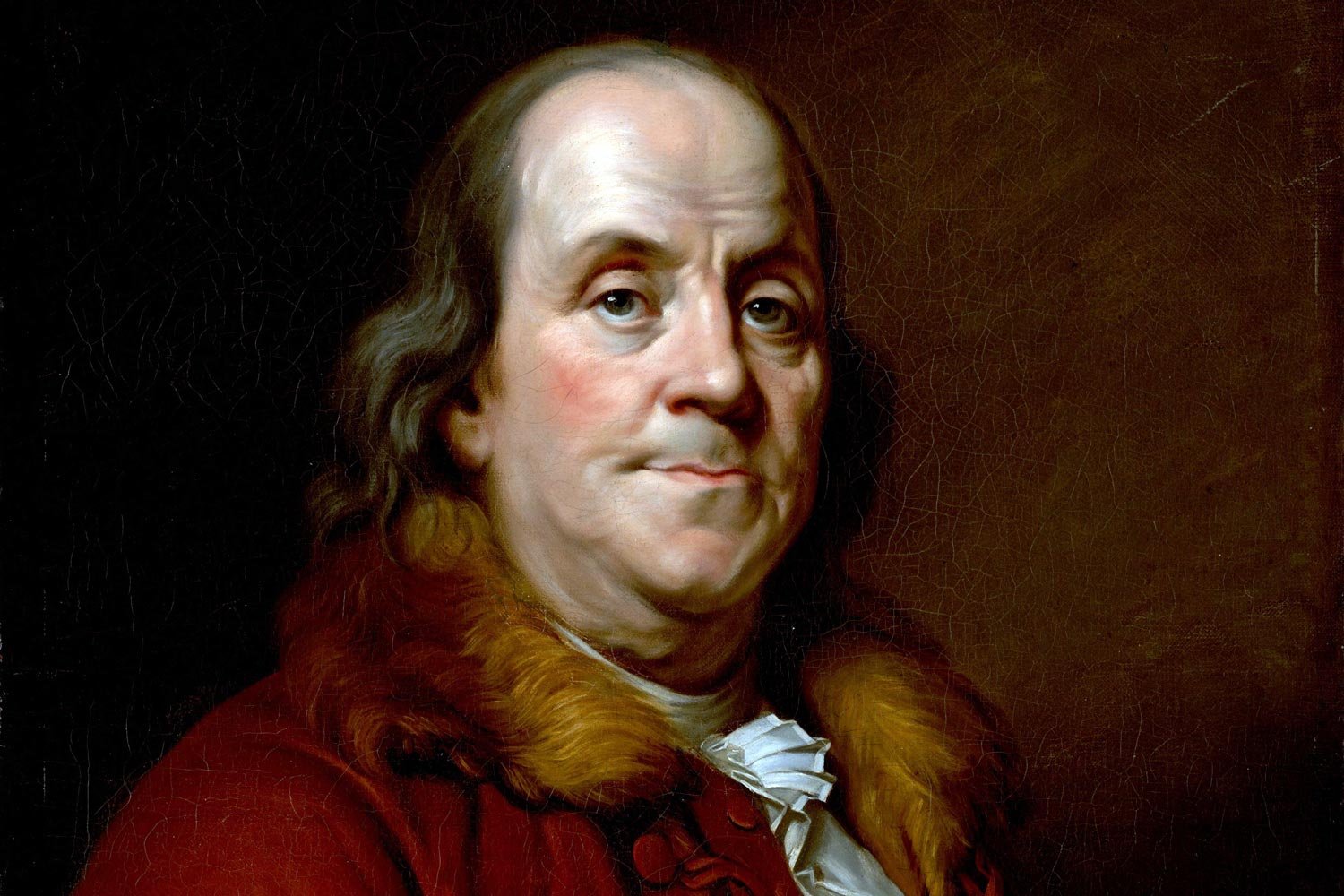
The Constitutional Convention adjourned on September 17, 1787, and would be Benjamin Franklin’s last moment in the spotlight of American history. It was a fitting finale for this man who had done so much to shape the nation in which he lived. Franklin was 81 years old, in poor health, and hoped for a well-deserved rest.
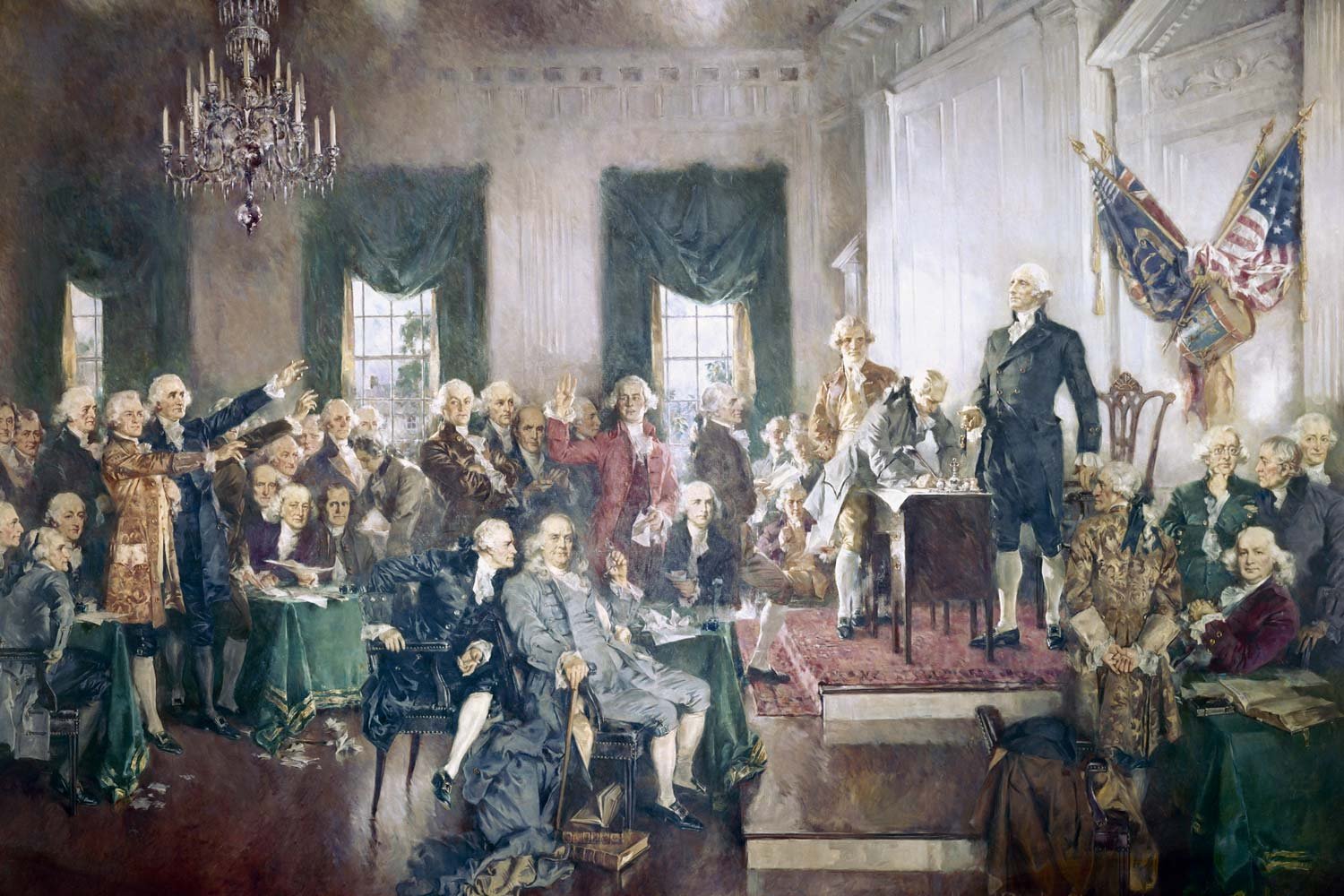
Ben Franklin’s Sage Advice Influences Constitutional Convention
In 1785, Franklin, his work done in France, was recalled to America by Congress. He arrived in Philadelphia that September, revered as one of our nation’s greatest patriots. Despite his need for a well-deserved rest, he was kept continually busy receiving dignitaries, wrapping up loose ends from his eight-year diplomatic mission, and with what would prove to be one final opportunity to help his country.
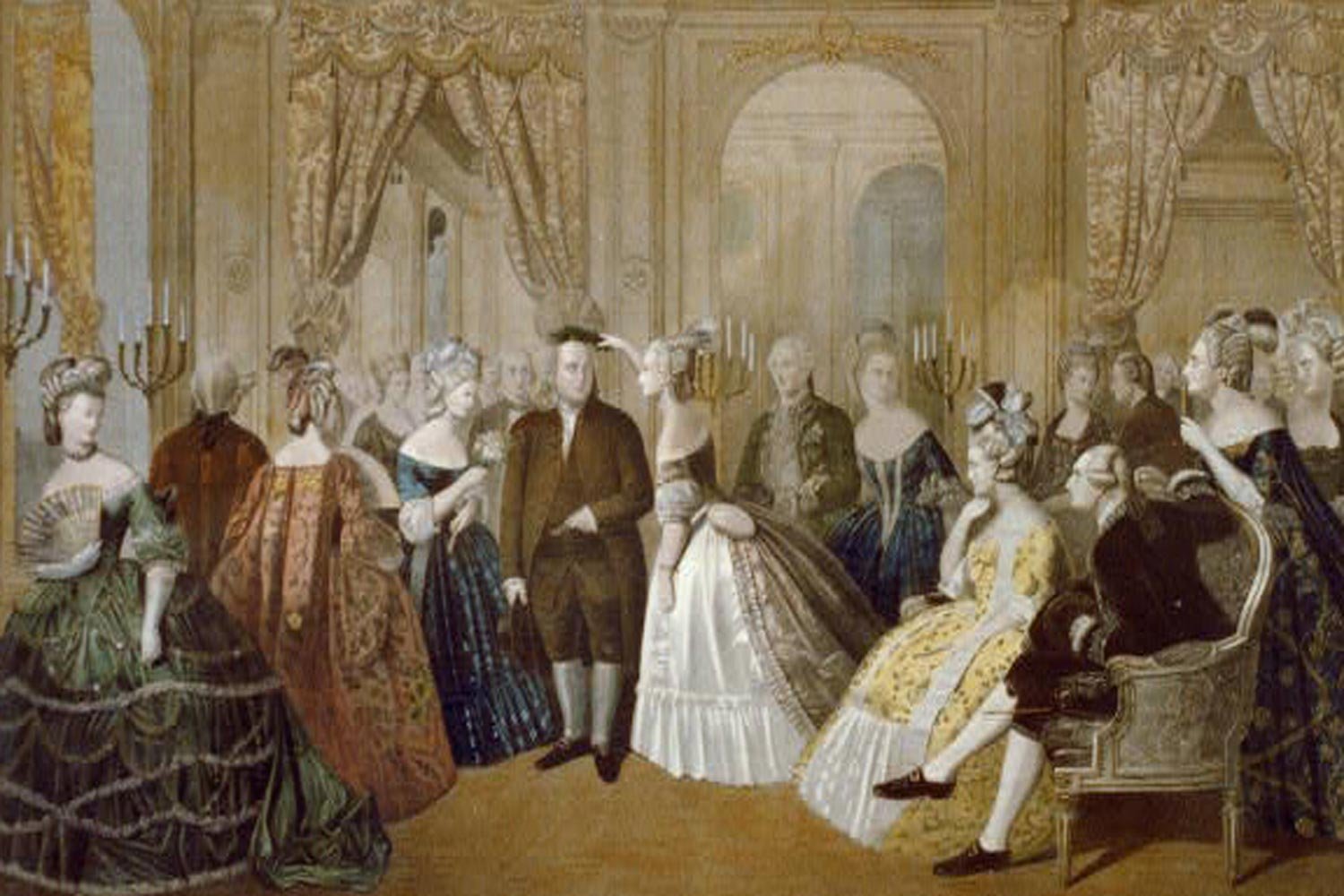
Ben Franklin Becomes America’s Top Diplomat
Congress declared America’s independence from England on July 4, 1776, but the most crucial step still lay ahead and that was to secure what we had declared. Delegates knew that to have a real chance at success, the United States needed the assistance of one or more European powers.
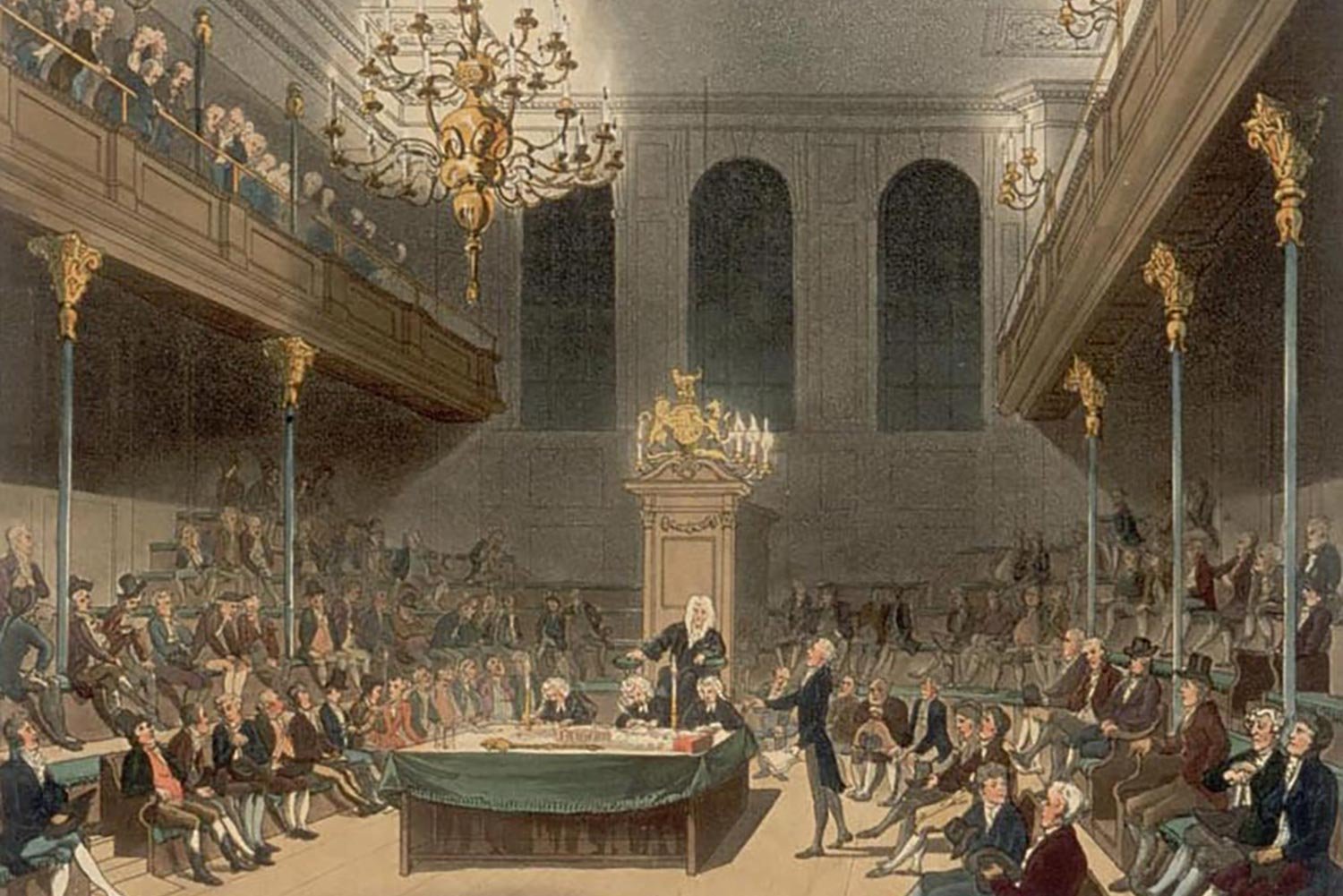
Ben Franklin Works Towards Independence
Partly due to Benjamin Franklin’s testimony before the House of Commons, the Stamp Act, which taxed items such as newspapers and legal documents, was repealed by Parliament on March 18, 1766. Unfortunately, this conciliatory measure was immediately undone when Parliament enacted the Declaratory Act which reasserted that all laws passed by that legislative body were binding on the colonies, including those related to taxes.
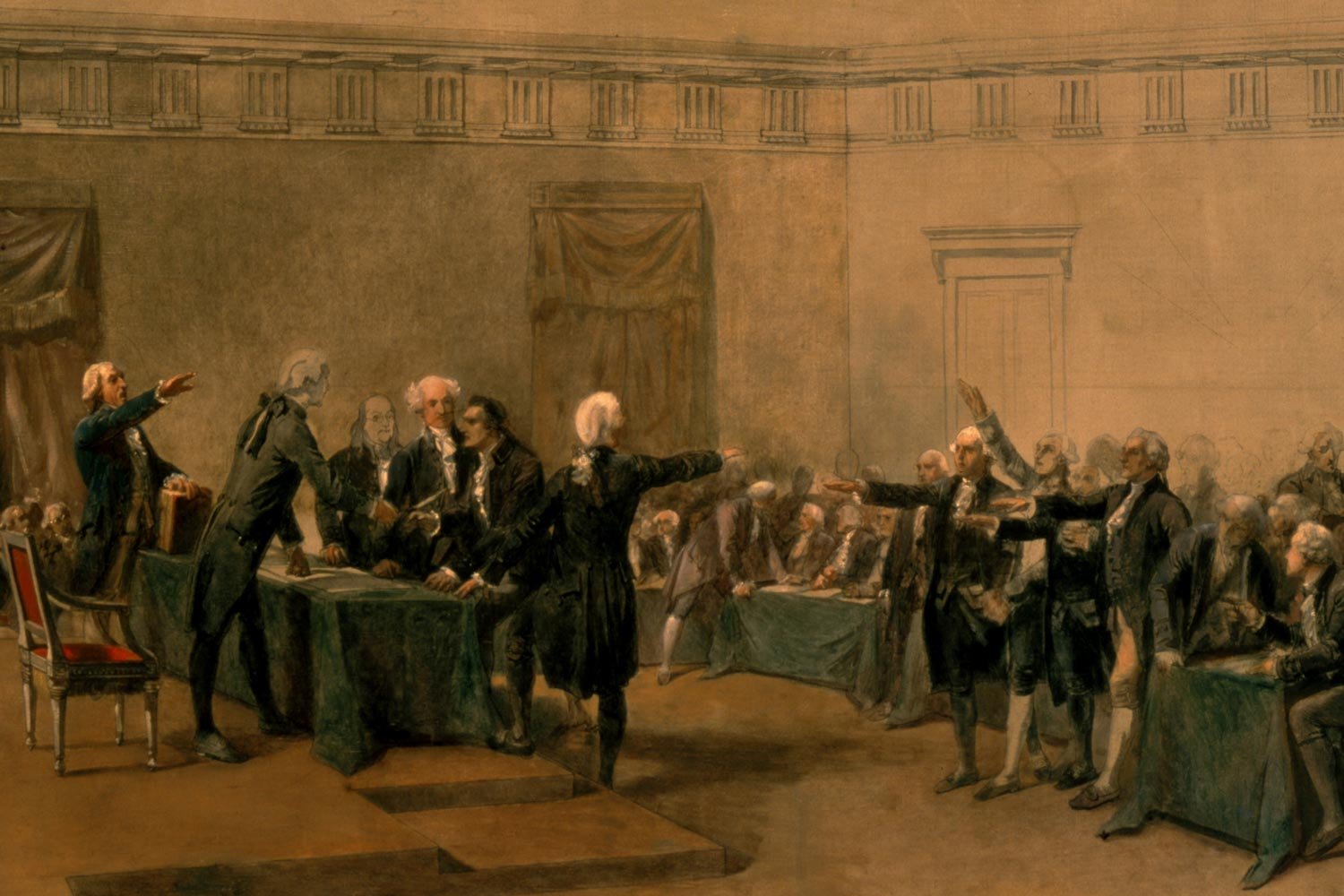
Ben Franklin Enters Politics
Benjamin Franklin retired from an active role in his printing business in 1748 at the age of 42. His work had made him a wealthy man, and he decided to devote the remainder of his life to civic improvements and governmental affairs. Franklin became a member of the Philadelphia City Council that same year, beginning a period of more than four decades of involvement in American politics and statecraft.
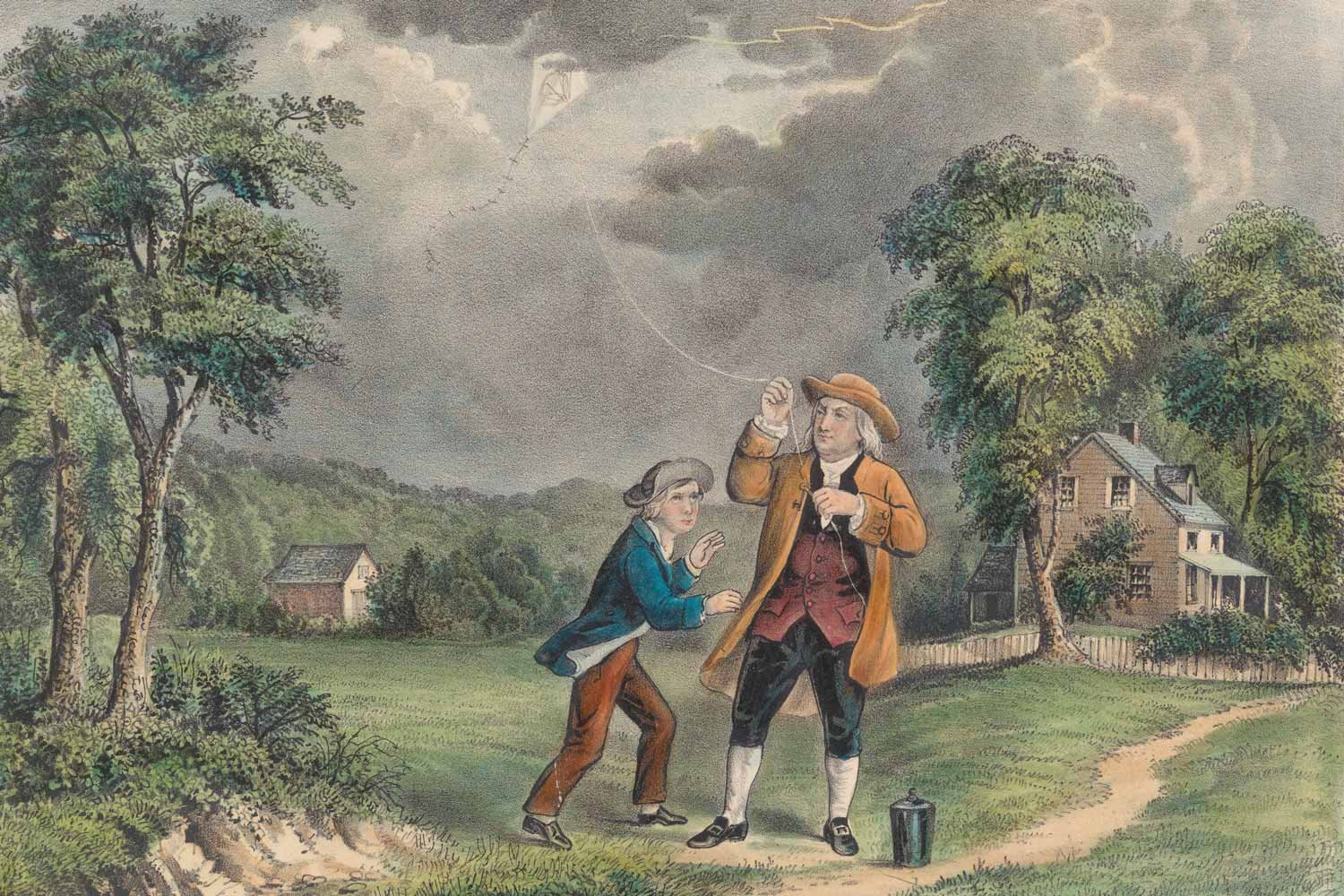
Ben Franklin, America’s First Man of Science
Benjamin Franklin was one of the world’s foremost inventors and scientists in the 1700s. His creative genius and inventiveness led to many significant discoveries that made living life easier for all. Moreover, he was proof positive that brilliant minds existed in British America, despite its backwoods reputation in Europe.
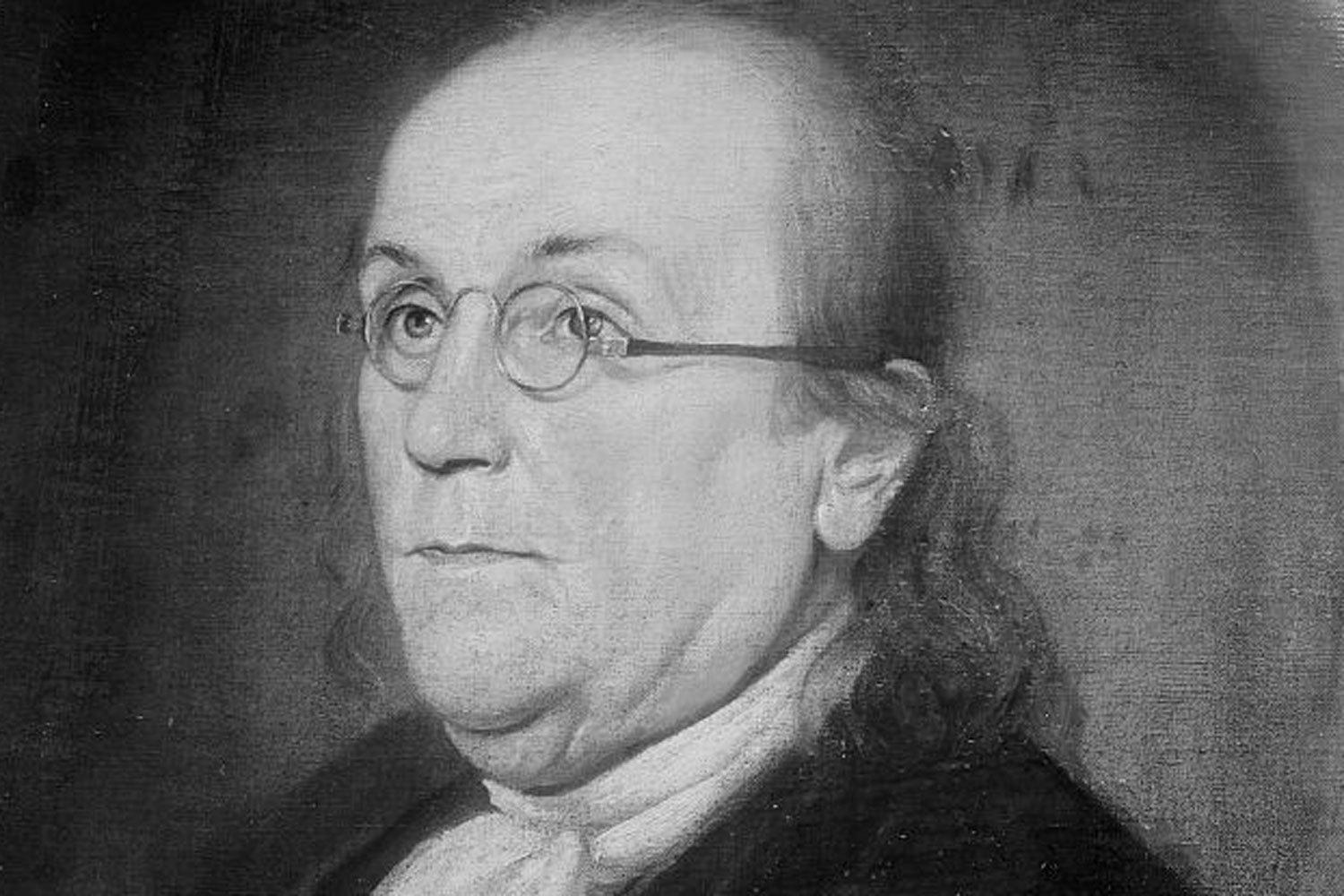
Ben Franklin Improves Life for His Fellow Citizens
Benjamin Franklin made his money in the printing business, but his true calling was as a man devoted to understanding and improving all aspects of life. Franklin’s interests and innovations stretched from the areas of civics to morals to science to home improvements. His efforts left the world a better place.
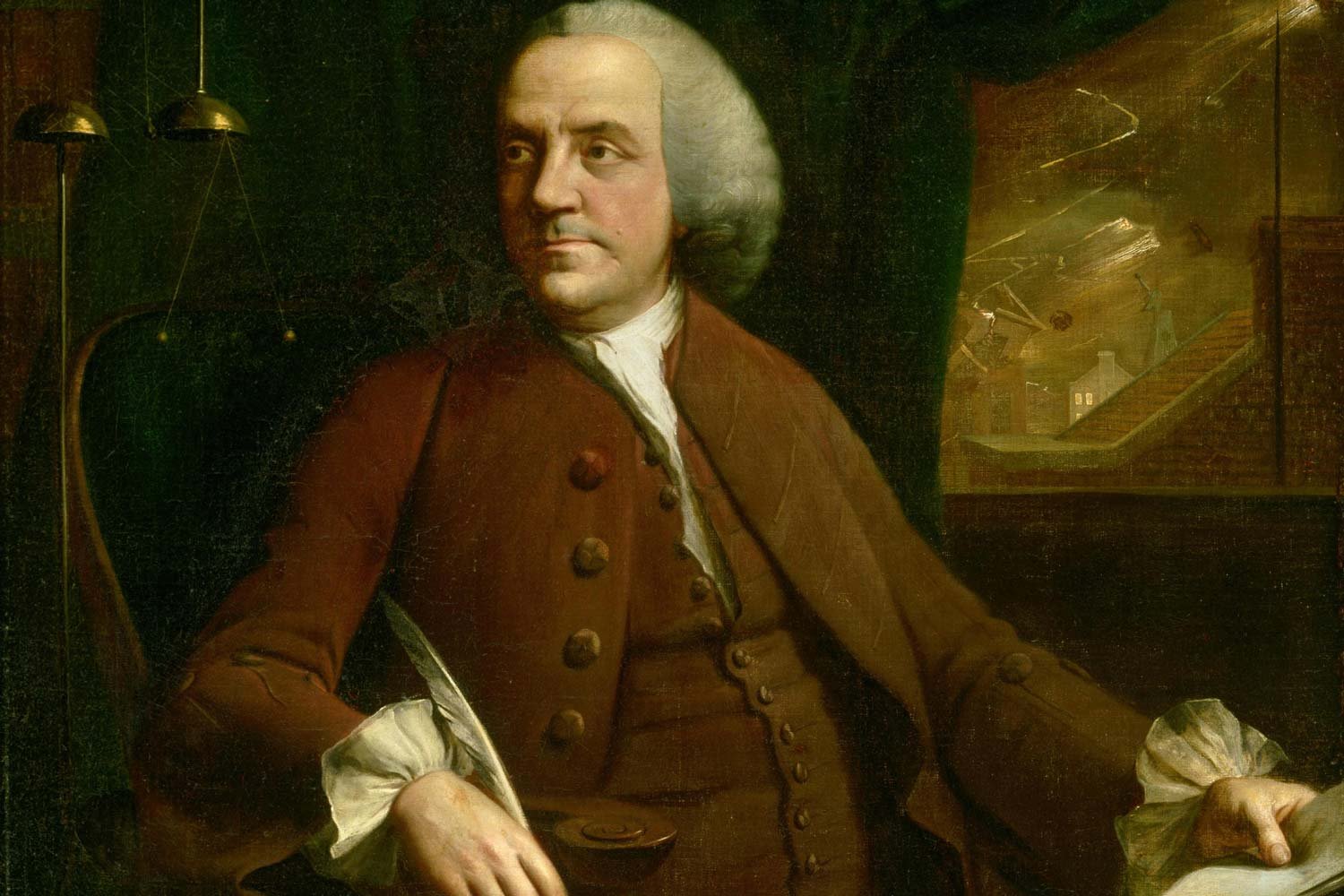
Ben Franklin’s Writing Enlightens and Entertains America
Benjamin Franklin was the leading printer in British America, but he was also one of the most successful authors of his time. Over the course of Franklin’s impressive life, he wrote two of the greatest treasures of American literature, Poor Richard’s Almanack and his Memoirs, also called The Autobiography of Benjamin Franklin.
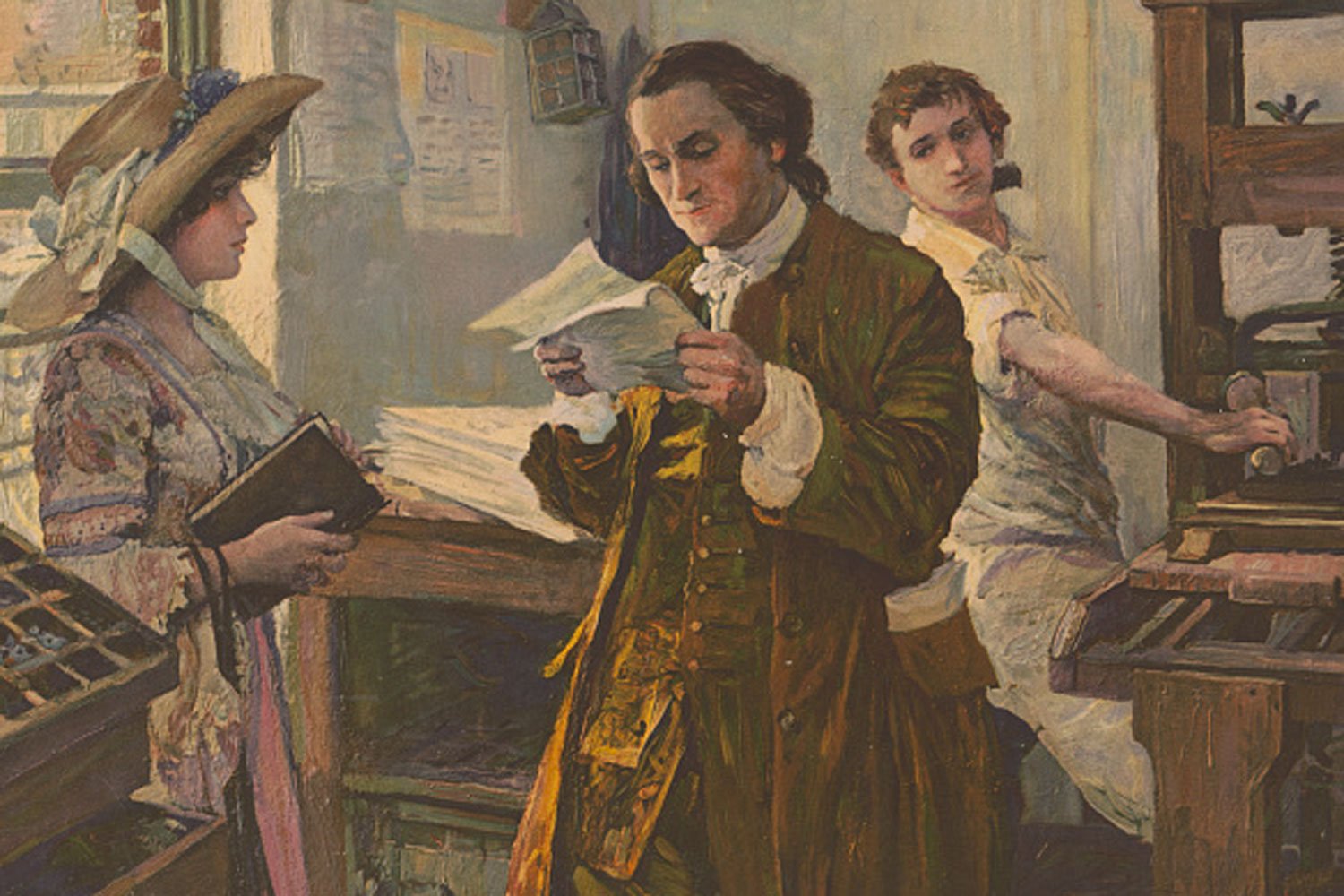
Ben Franklin, British America’s Most Successful Printer
Benjamin Franklin was the most successful printer in British America, owning or controlling most of the newspapers in the colonies by 1753. He got his first taste of the printing business in 1718 at the age of twelve while working at The New England Courant in Boston, a newspaper owned by his older brother James.
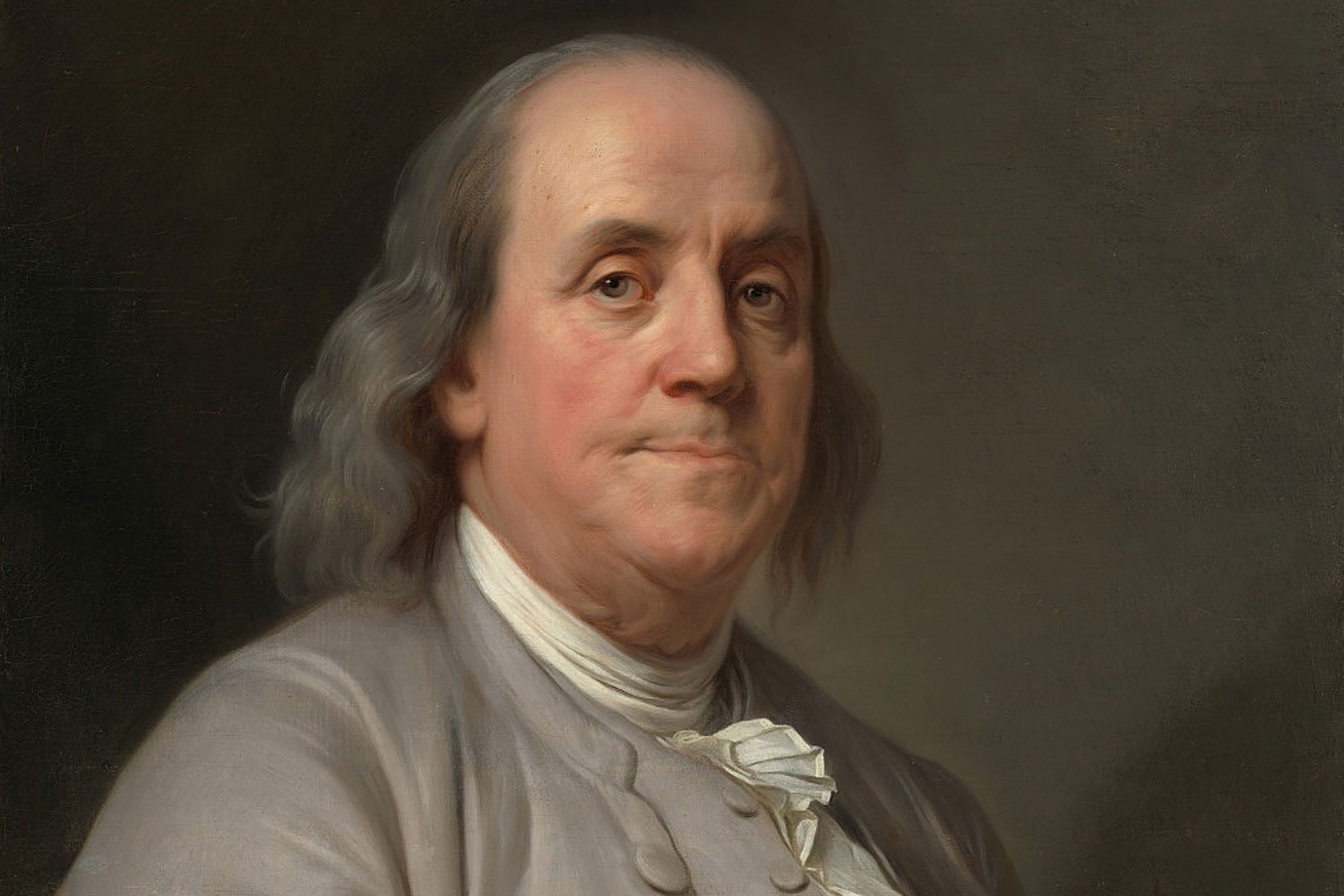
Ben Franklin: An Extraordinary Man from Humble Beginnings
Benjamin Franklin was one of the most gifted and intriguing men in American history. His incredible rise from humble beginnings to one of the most famous men in the world is an inspirational story. It all began in Boston on January 17, 1706, when Franklin was born to Josiah and Abiah Franklin.