
Browse Articles by Category

Colonial Era
American Revolution

The New Nation

National Expansion and Reform

Civil War and Reconstruction (Coming Soon)
The End of the Quasi-War
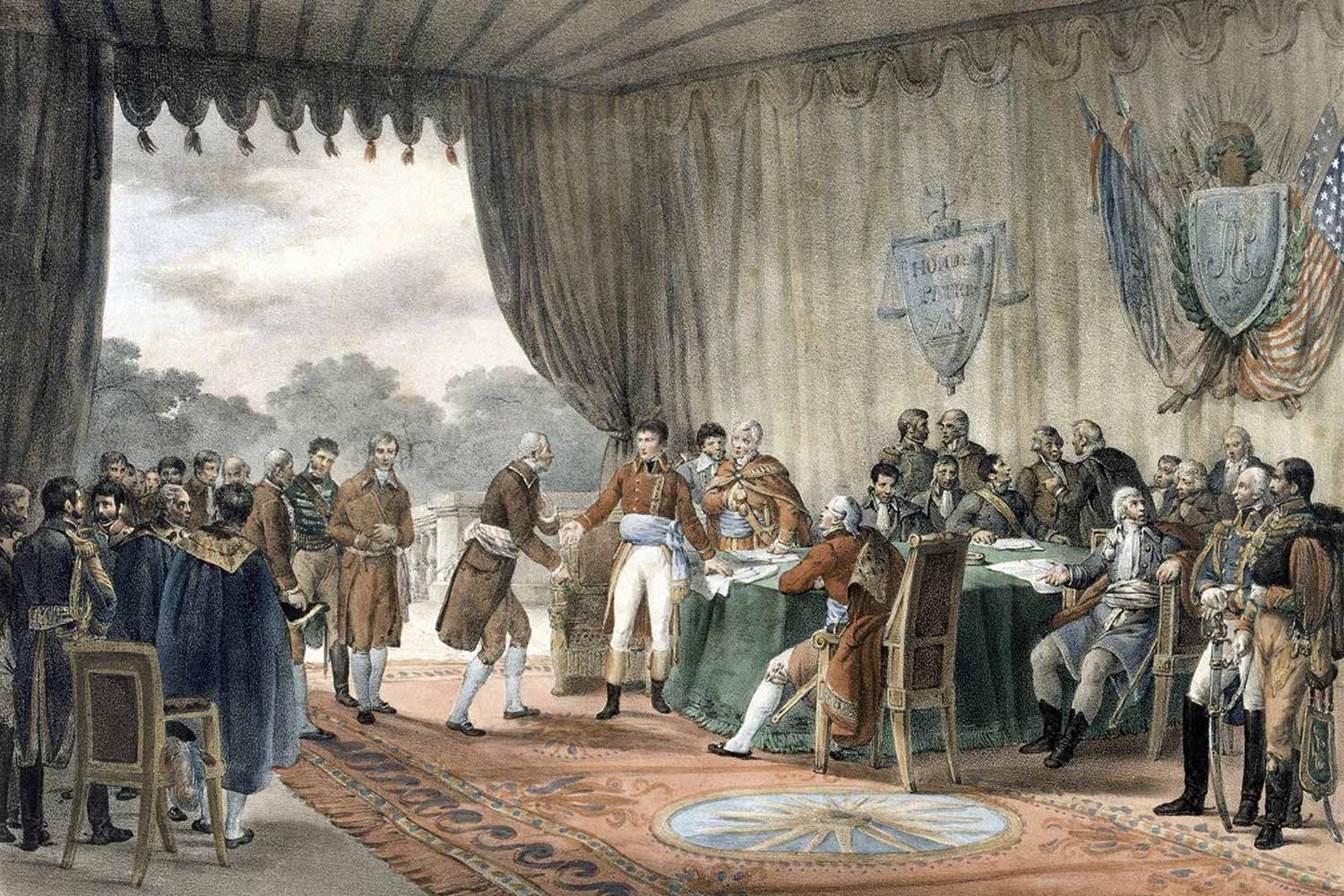
The only fighting in the Quasi-War occurred at sea, and mostly in the Caribbean. But with war at a fever pitch and French interests so close by in Louisiana, there was a very real concern in Congress about a possible French invasion of the United States from the west.
Relations with France Fall Apart
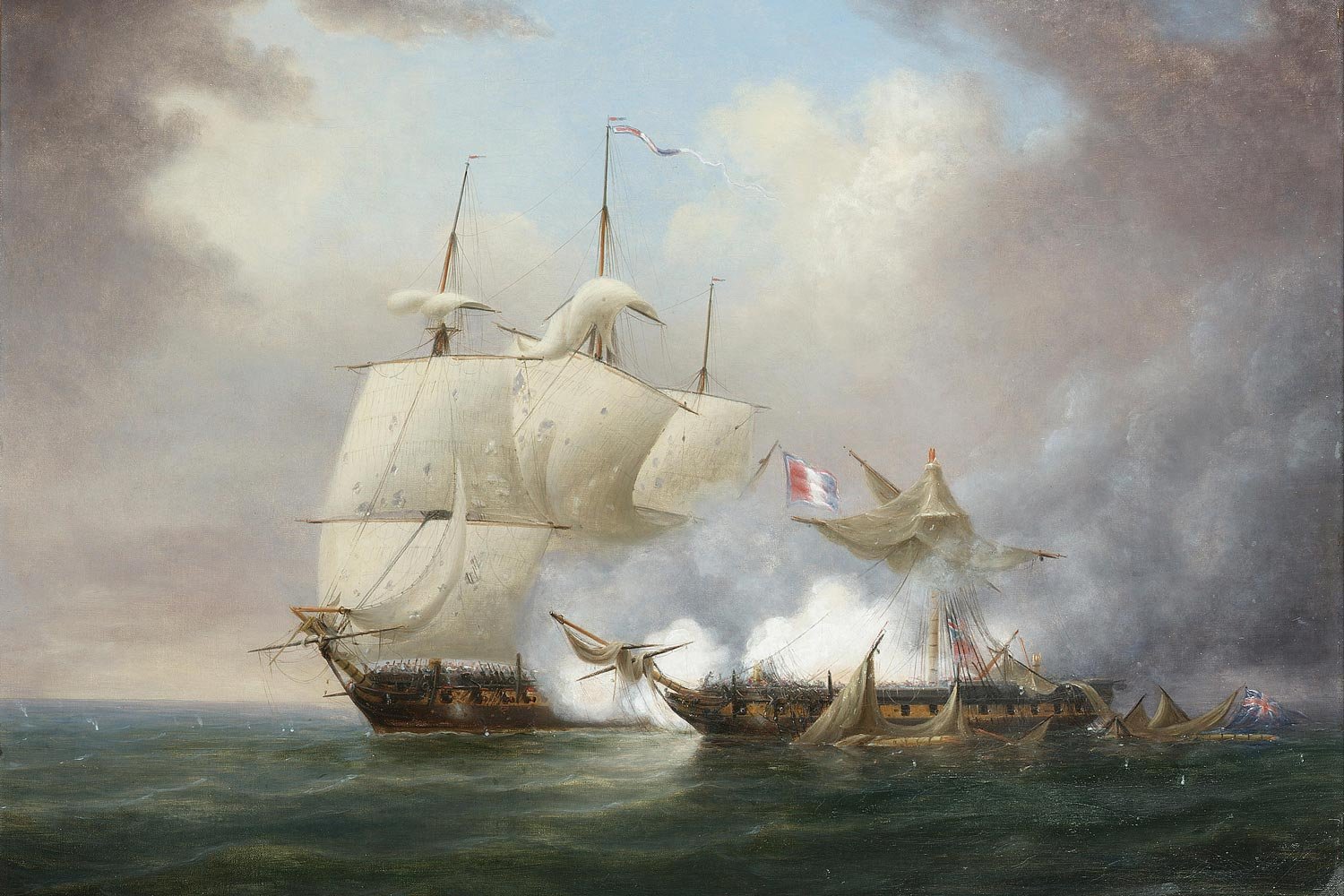
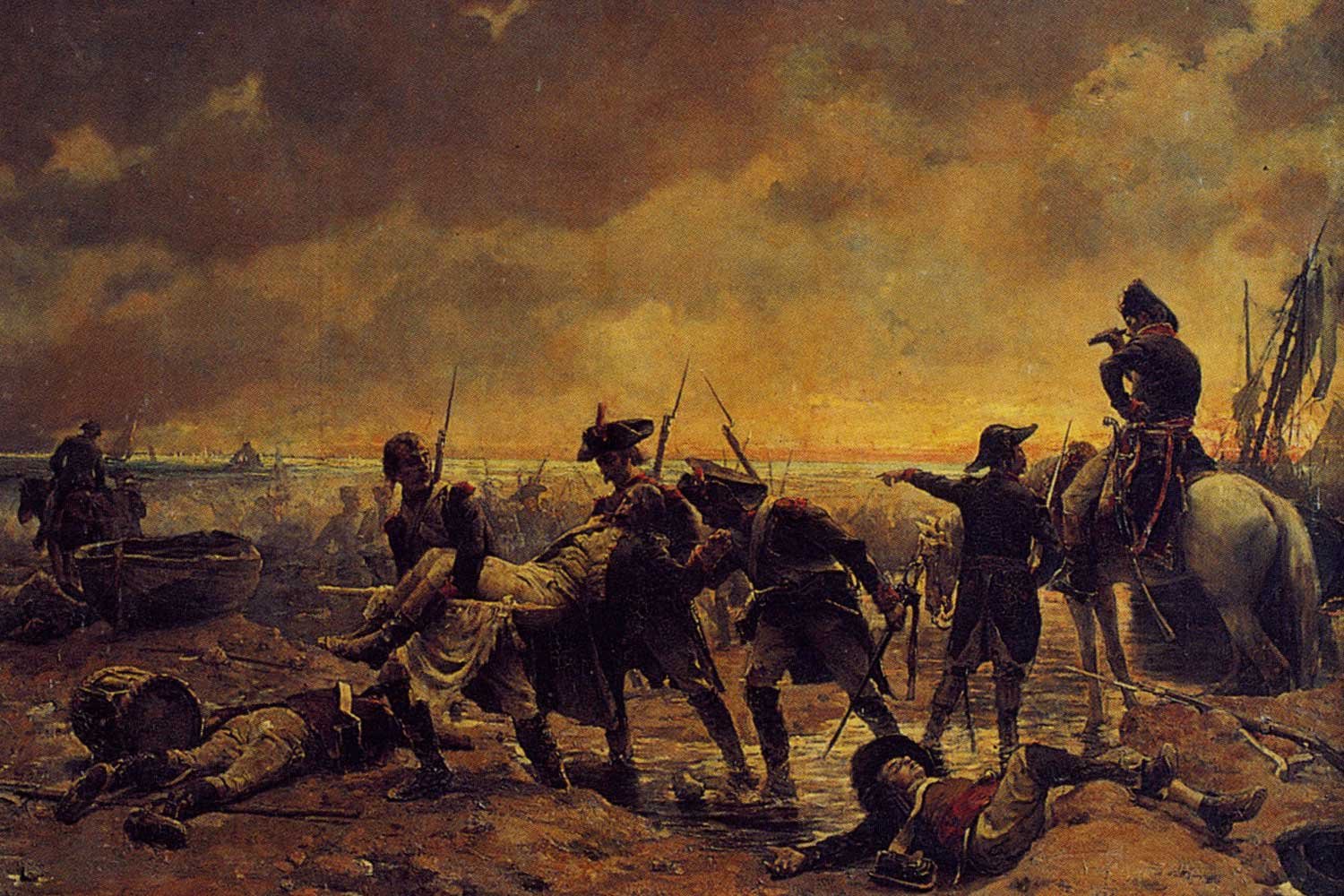
America’s first armed conflict with a foreign nation following the American Revolution was not the War of 1812, but rather a mostly forgotten fight called the Quasi-War. Although little known today, in its time it made a significant impact on the course of American history, affecting trade, the creation of the United States Navy, and a presidential election.
The Legacy of George Washington
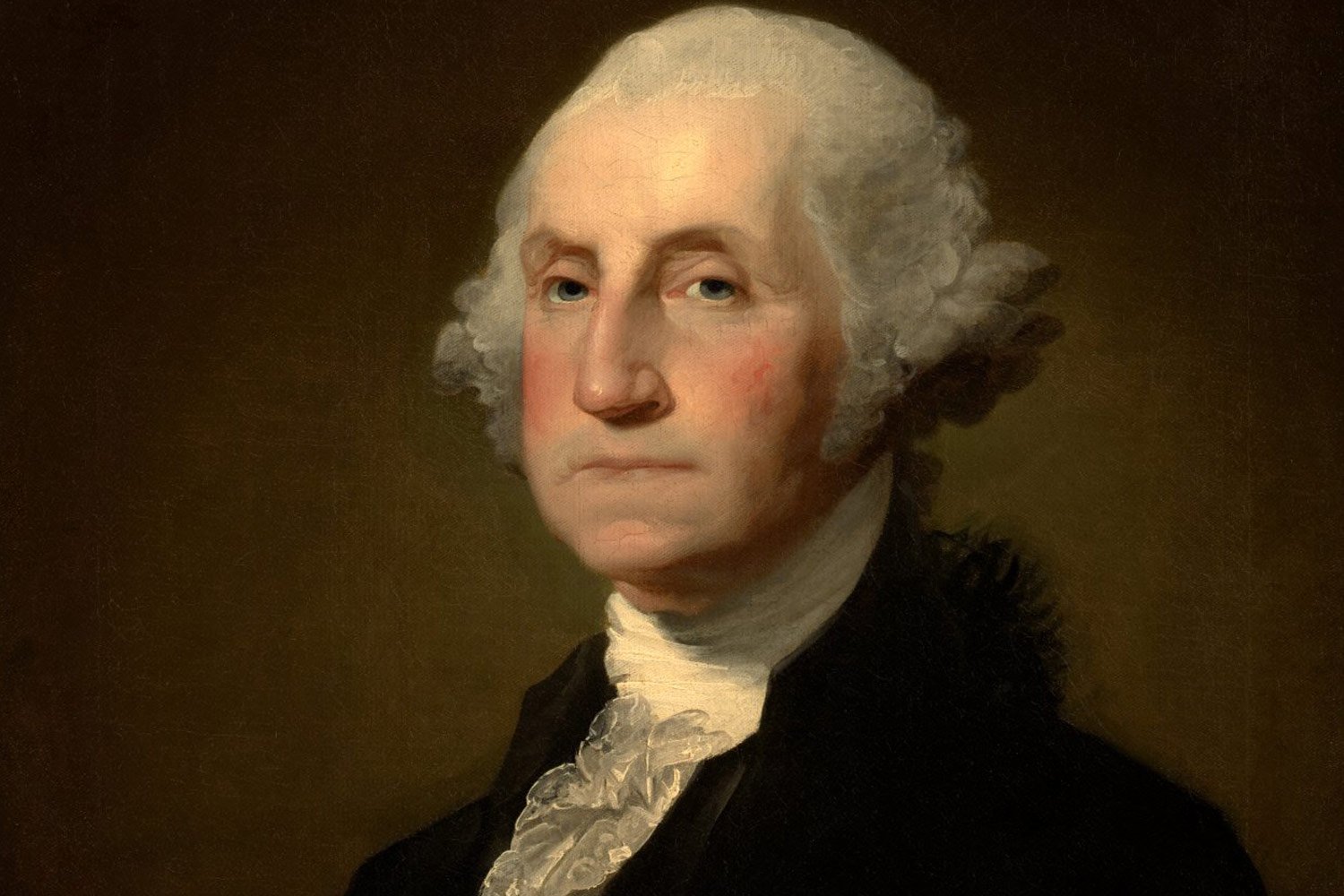
No man has had a greater impact on the United States than George Washington. This quintessential American carried the country through eight long years of its Revolution and devoted another eight years getting the new Constitutional government established as its first President. Washington was one of those rare individuals who seemed destined, almost from birth, for greatness, as if the hand of Divine Providence was watching over and protecting him, saving him for greater things.
Washington’s Farewell Address – Debt and Foreign Entanglements
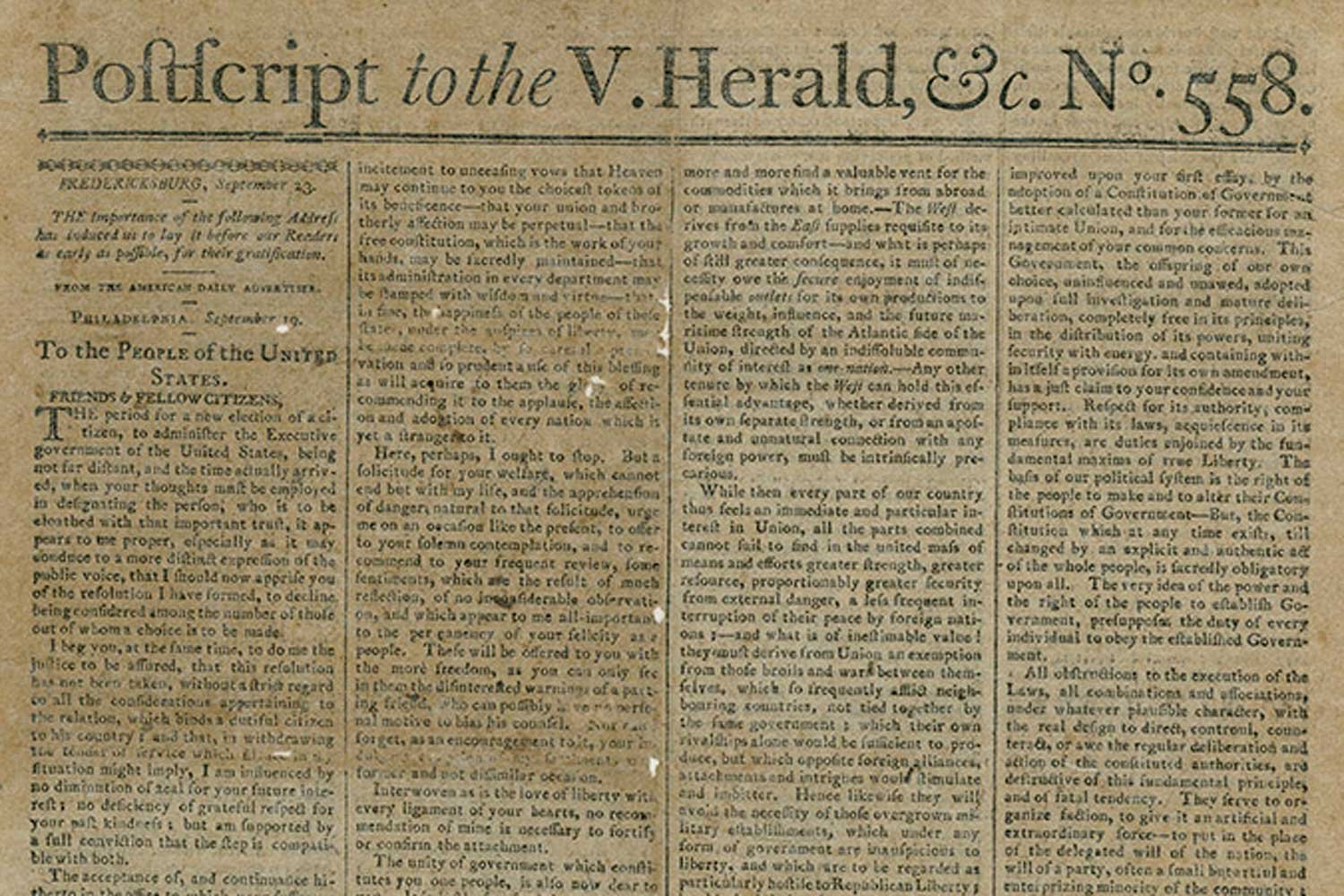
In his Farewell Address, President Washington shared his thoughts on several topics, including the need for America to remain fiscally prudent and to avoid permanent foreign alliances that could pull America into a costly war. With the fighting raging again in Europe, this time thanks to Revolutionary France, and with much sentiment favoring the French, Washington felt it necessary to advise a neutral course for the United States.
Washington’s Farewell Address – The Need for Unity
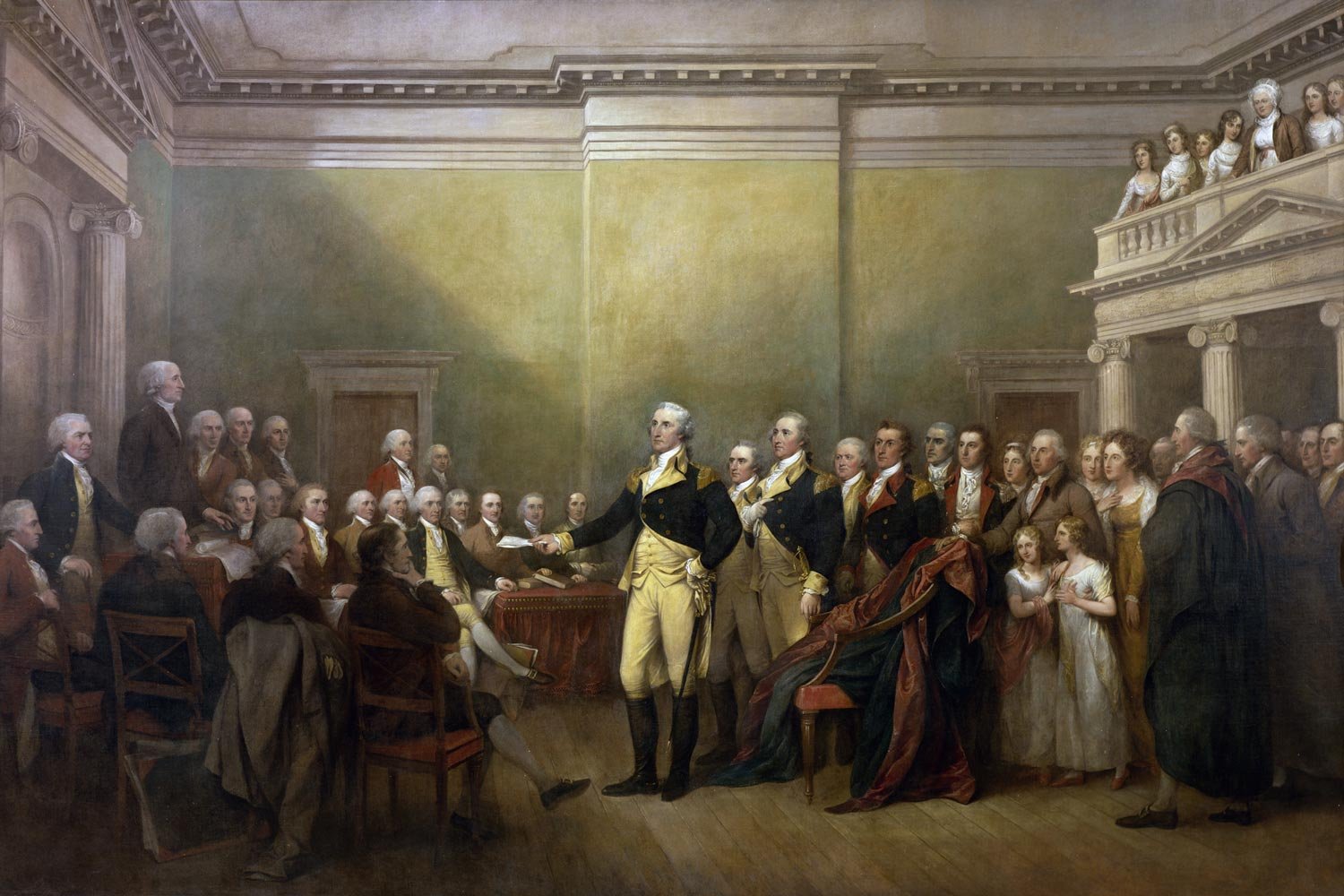
In May 1796, President George Washington asked Alexander Hamilton, arguably his most devoted and trusted assistant, to draft a letter informing the country of his intention of retiring from public life and explaining Washington’s reasons for doing so. This American masterpiece was crafted and word smithed by Hamilton, but all the ideas were Washington’s.
Washington’s Farewell Address – The Background
George Washington’s Farewell Address is one of the greatest documents in our nation’s history. It was a letter written by President Washington to his fellow citizens as he neared the end of his second term as President. Published in the American Daily Advertiser on September 19, 1796, its purpose was to inform Washington’s countrymen that he would not seek a third term as chief executive and provide the reasons why, as well as give some fatherly advice for America moving forward.
The Whiskey Rebellion
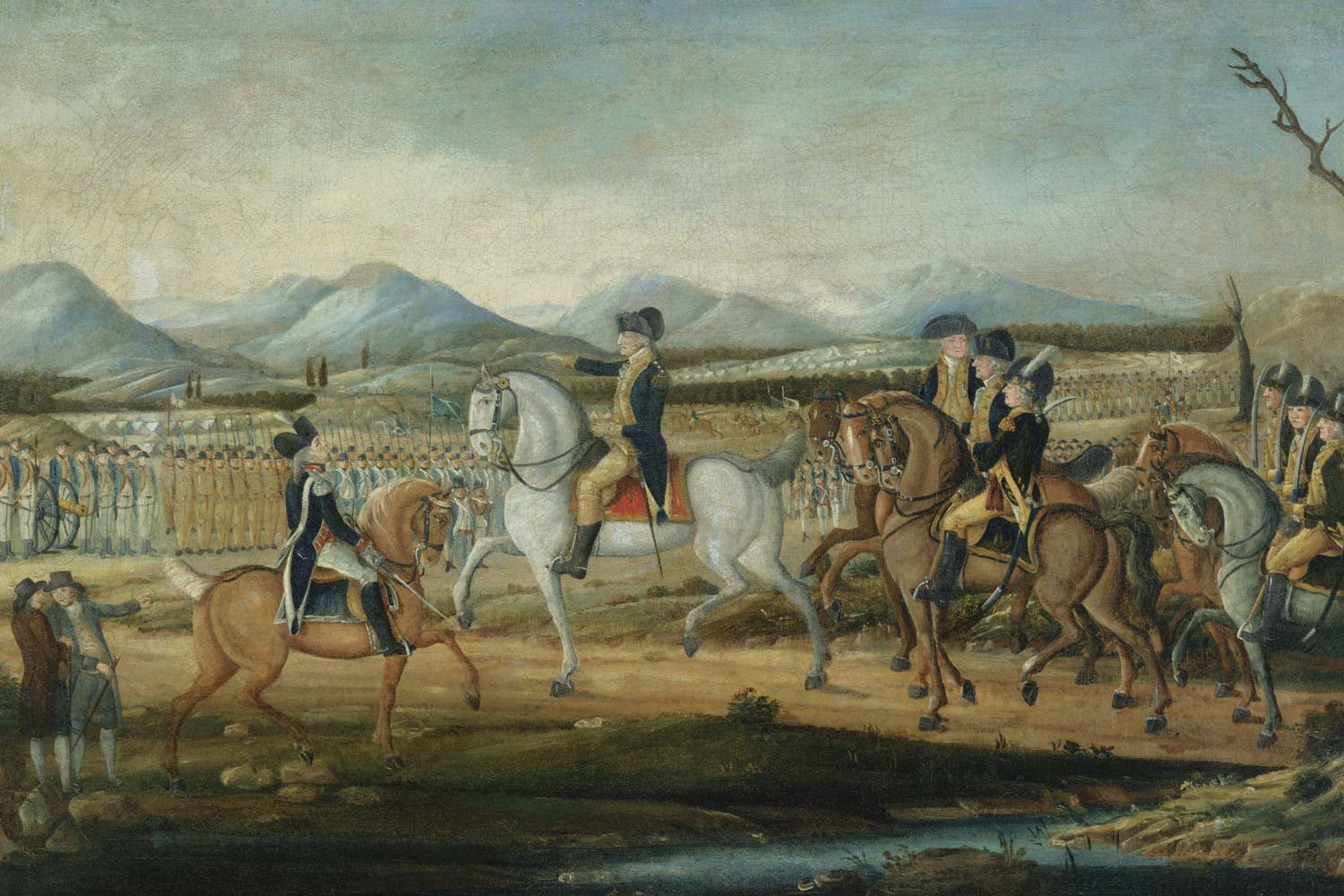
During George Washington’s two terms as President, arguably the most troublesome domestic event was the Whiskey Rebellion. This issue, the root of which was a tax that people refused to pay, threatened the stability of the country. More significantly, the crisis was a direct challenge to the authority of the recently approved Constitution and the federal government which stood behind it.
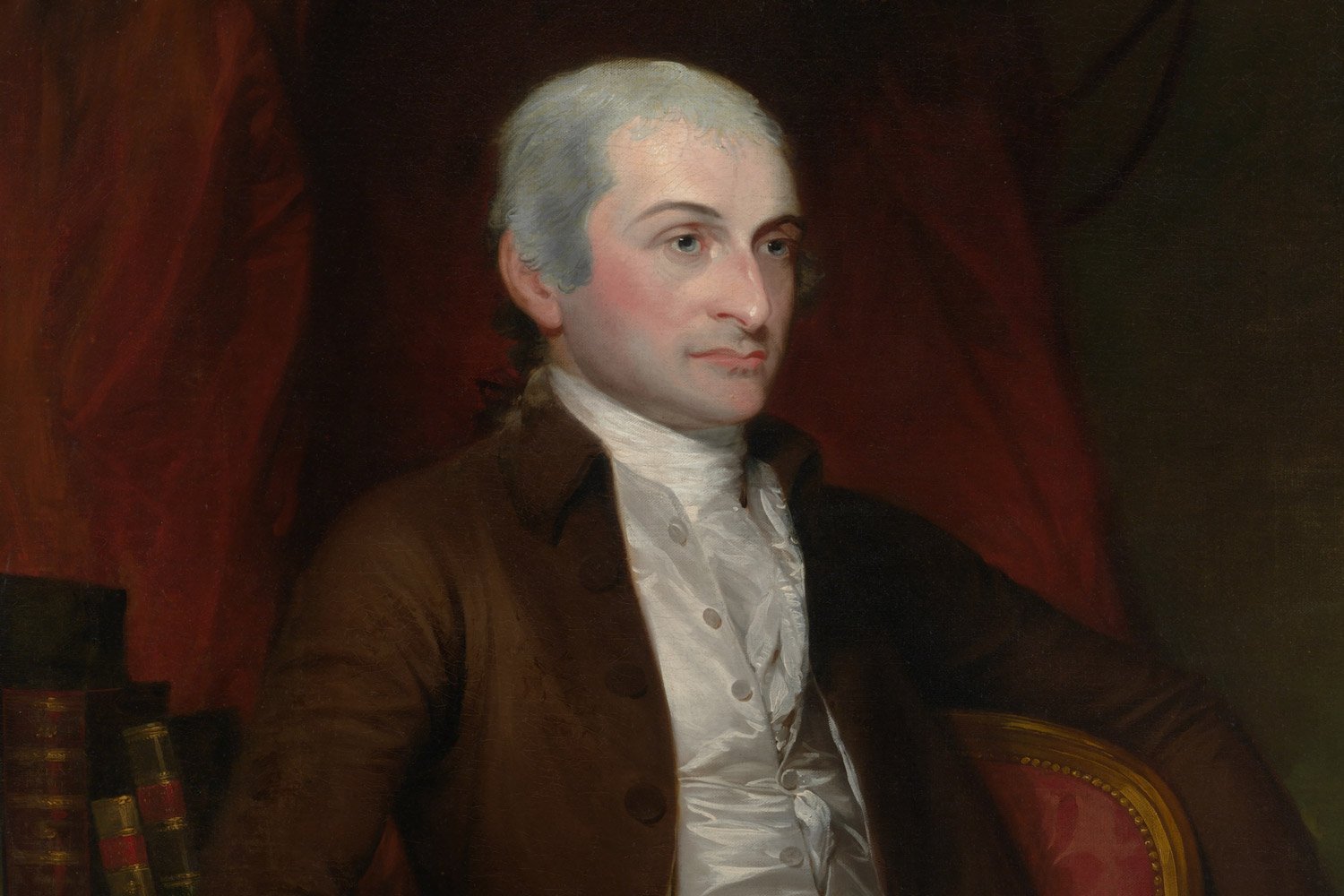
The Jay Treaty Cools Rising Tensions Between America and England
The Jay Treaty, officially known as the Treaty of Amity, Commerce, and Navigation, Between His Britannic Majesty and the United States of America, was signed on November 19, 1794. Its primary goal was to cool rising tensions between England and America over issues remaining from the American Revolution.
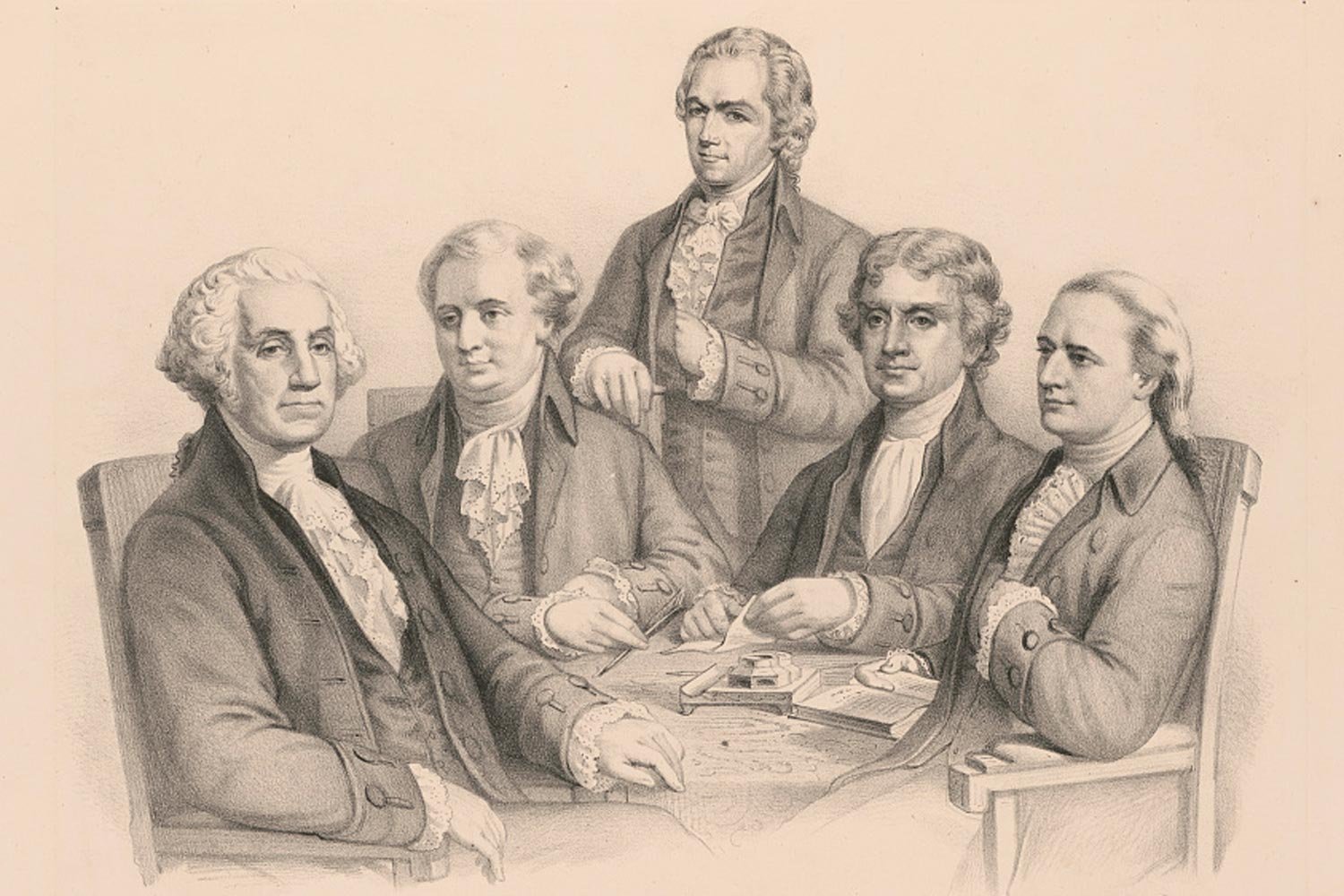
Washington Declares Neutrality
George Washington was again unanimously elected President in 1792 and sworn in on March 4, 1793. Although he had not wanted a second term, many, including Secretary of State Thomas Jefferson, Secretary of Treasury Alexander Hamilton, and James Madison, felt the nation would suffer without his leadership. Reluctantly, Washington agreed to another four years.
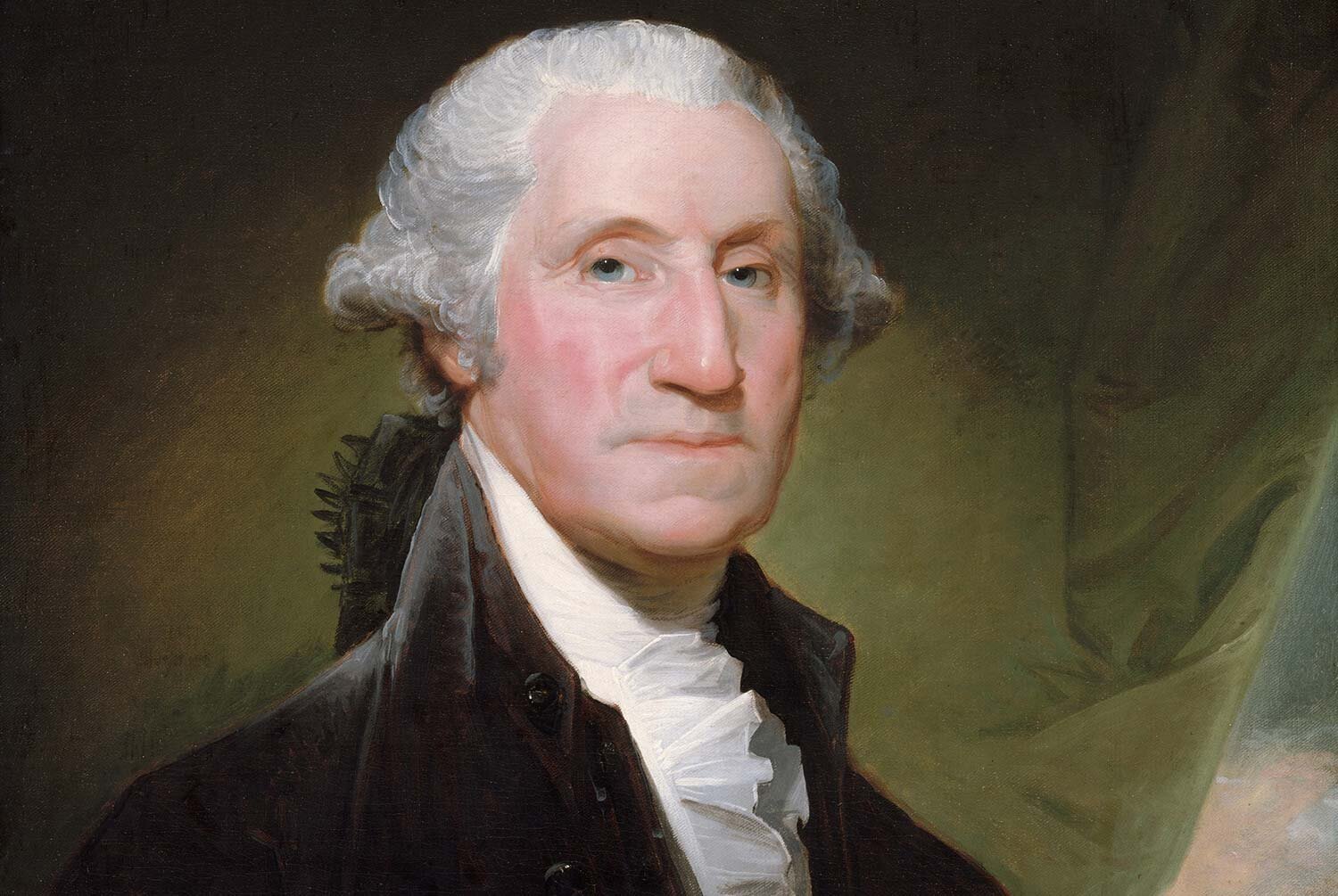
George Washington, Our Nation’s First President
The federal Constitution, the new law of the land, took effect on March 4, 1789, and had several notable differences with the Articles of Confederation. One of the most significant changes was the creation of a strong executive or President. However, the powerful executive reminded skeptics of the authority held by King George, and they worried the United States could eventually drift towards despotism. Virtually everyone knew that the only man strong enough to lead the nation and conscientious enough to be entrusted with so much power was George Washington.
Key Debates at the Constitutional Convention
On May 29, 1787, Edmund Randolph, Governor of Virginia, rose and introduced fifteen resolutions to the Federal Convention. Known to history as the Virginia Resolves or the Virginia Plan, Randolph’s proposal, which was probably drafted by James Madison, was an outline for an entirely new national government. It called for a national executive, a two-house national legislature, and a national judiciary.

The Federal Convention Opens
In the years immediately following the successful conclusion of its war for independence, the United States struggled to survive under the Articles of Confederation. The nation’s leaders knew something had to be done to fix its many issues for this great experiment in democracy to continue.