
Browse Articles by Category

Colonial Era
American Revolution

The New Nation

National Expansion and Reform

Civil War and Reconstruction (Coming Soon)
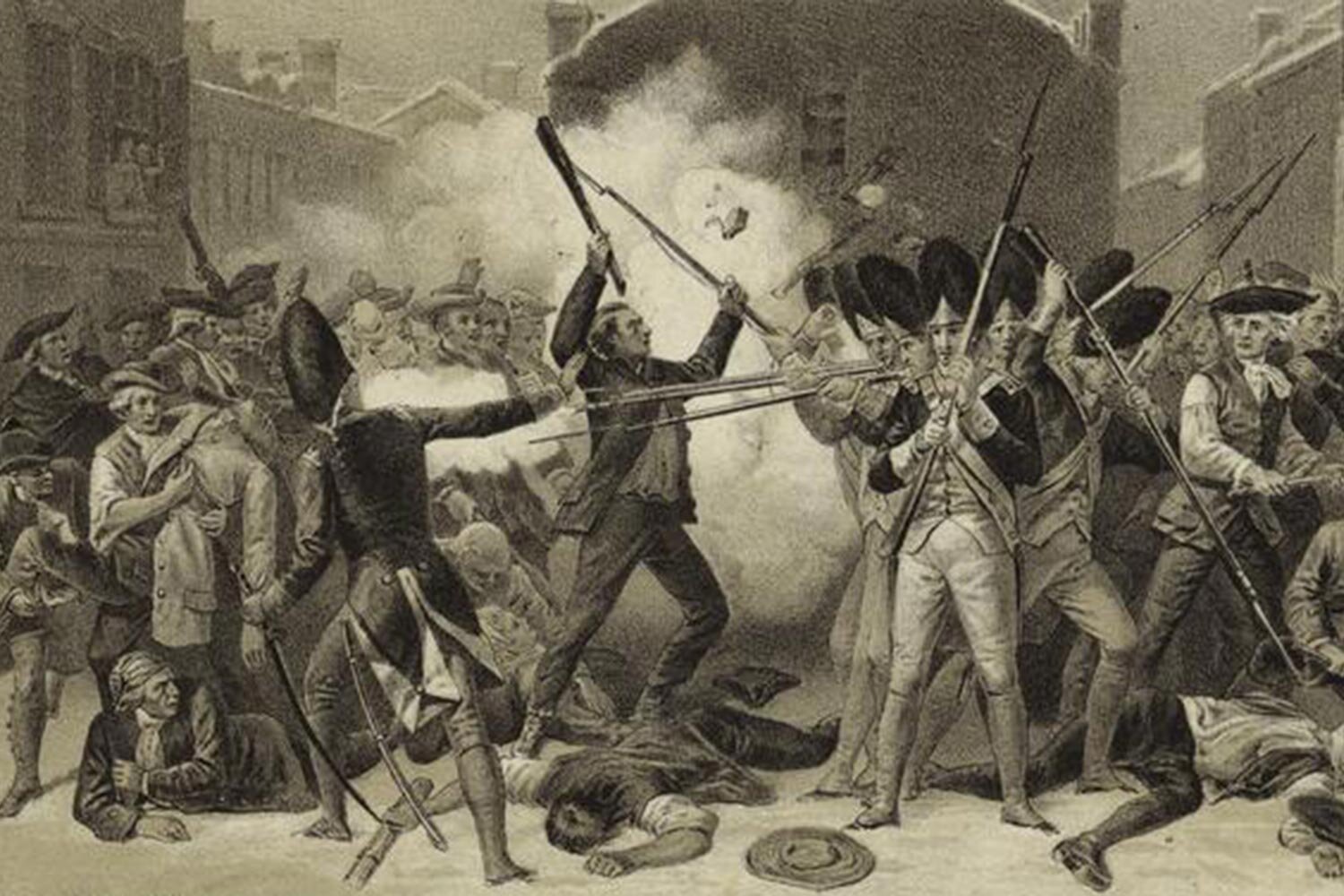
Mob Violence and the Boston Massacre
The Boston Massacre was a sad, tragic affair in colonial America and the facts surrounding the event are little understood today. It is a lesson in the danger of mob violence and how matters can quickly get out of hand when leaders do not act responsibly.
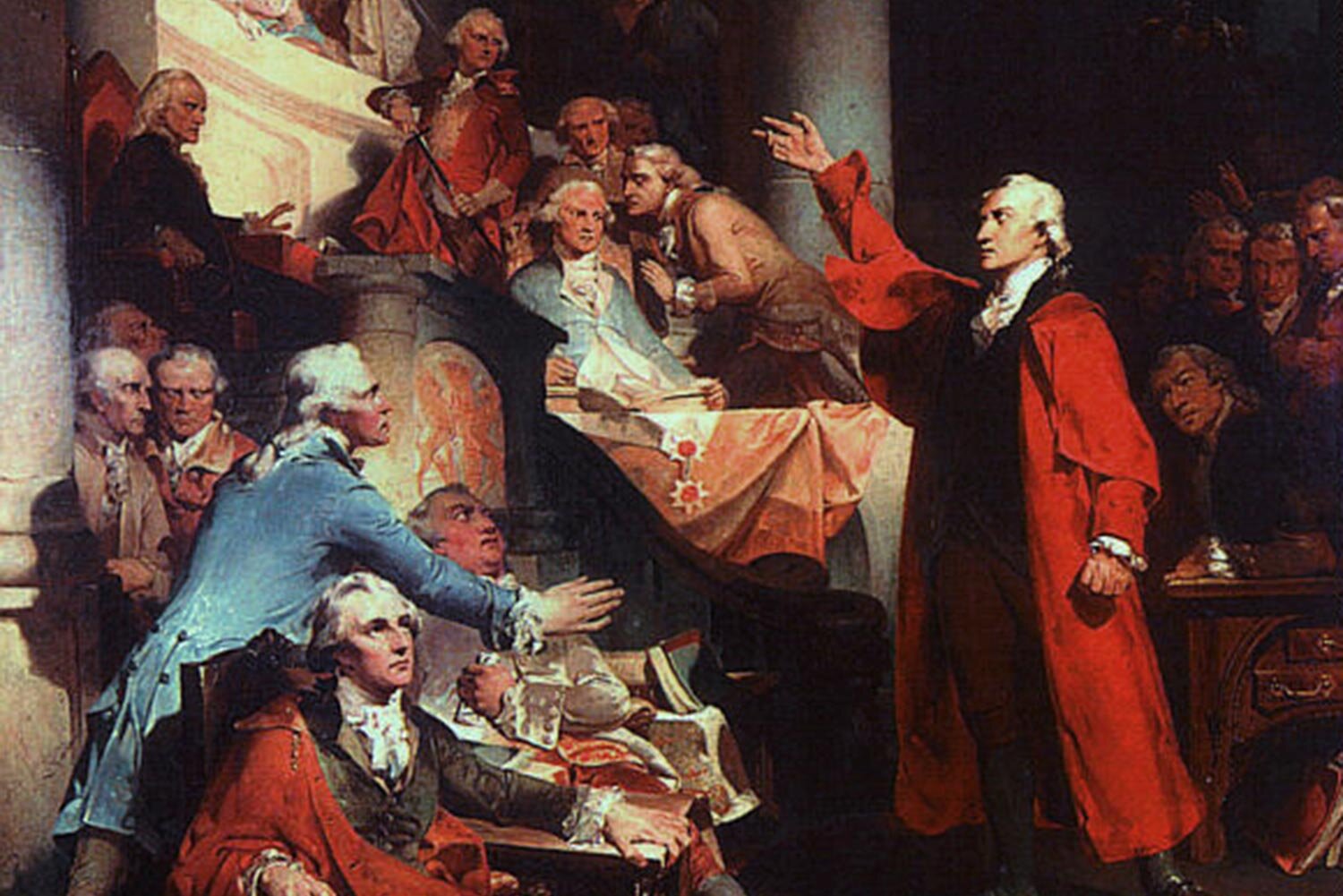
Americans with a Shared Future Meet at the Stamp Act Congress
The Stamp Act Congress was held in New York in 1765 in response to the Stamp Act, a piece of legislation passed by Parliament. The Act itself and the events that transpired because of it would prove to be hugely impactful on the destiny of America.
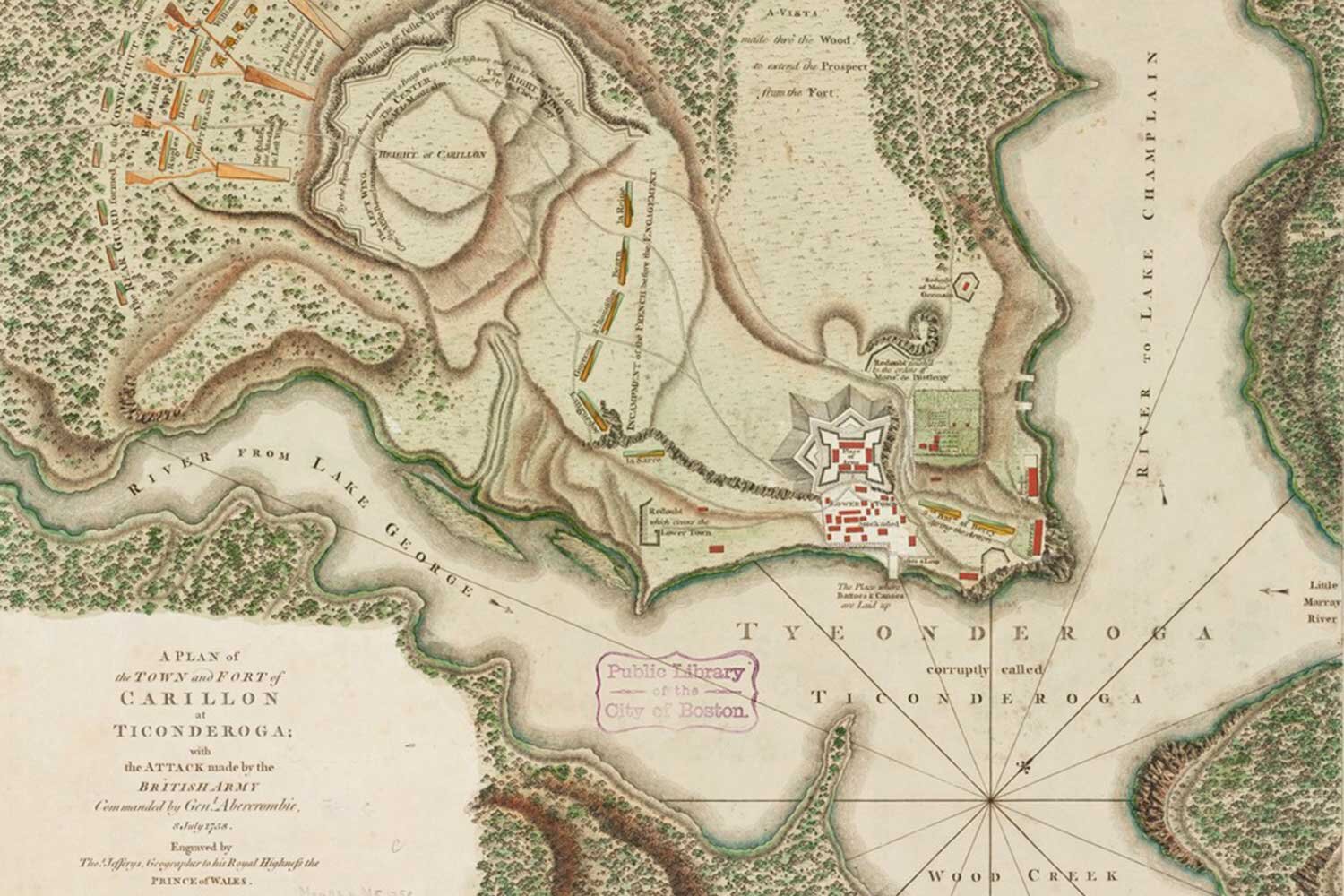
Fort Ticonderoga: A Key Component in America’s Quest for Independence
Fort Ticonderoga in upstate New York is arguably the best-preserved fort from the 1700s in North America. It was the site of several engagements in both the French and Indian War and the American Revolution. Its military significance is matched only by the natural beauty that surrounds the site.
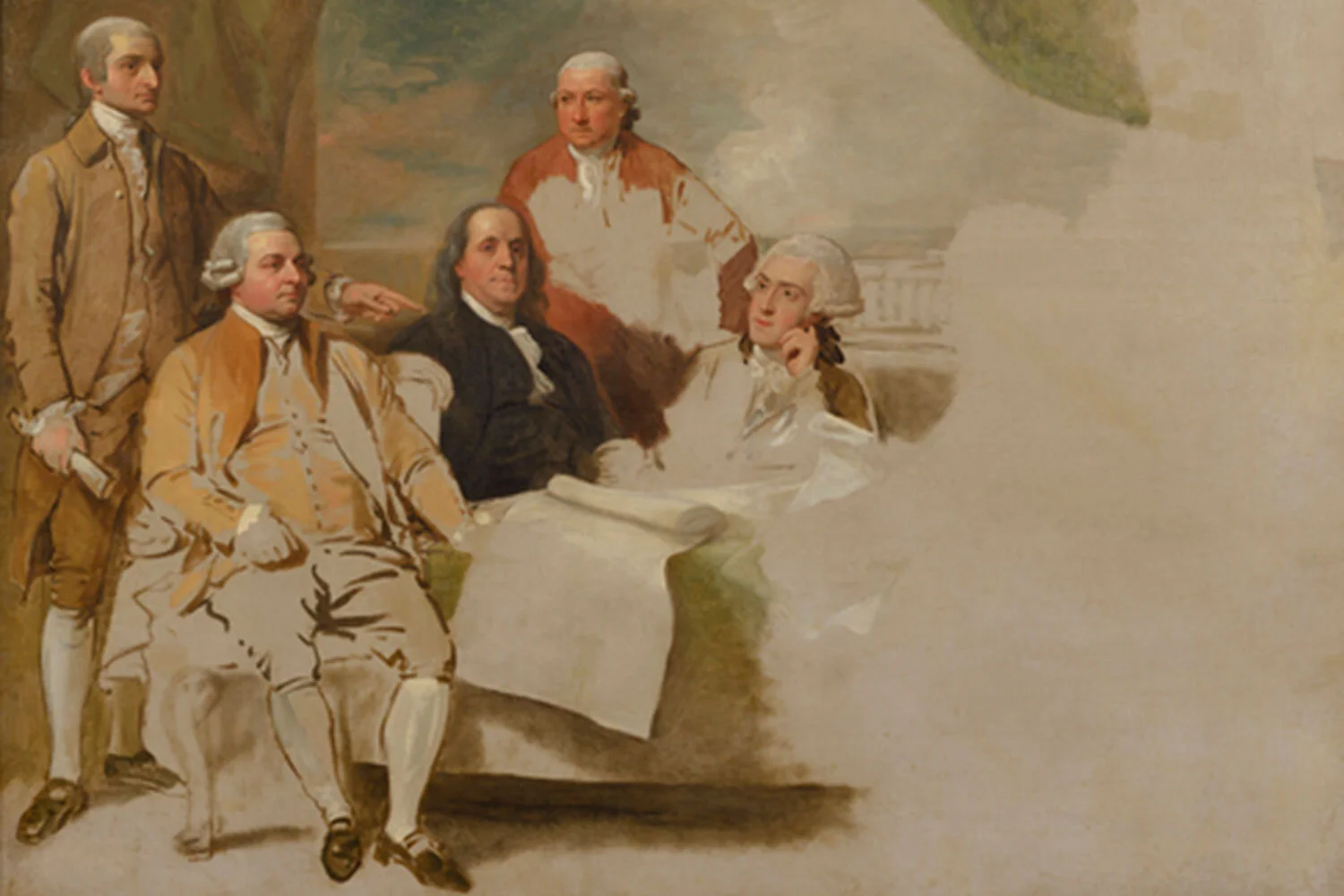
Creating America: The Treaty of Paris Delivers Favorable Terms
After Lord Cornwallis surrendered to General Washington in Yorktown on October 19, 1781, word of the surrender was sent to England. When finally received by Lord North, the Prime Minister, he repeatedly exclaimed “Oh God! It is all over!”, and it was for all intents and purposes.
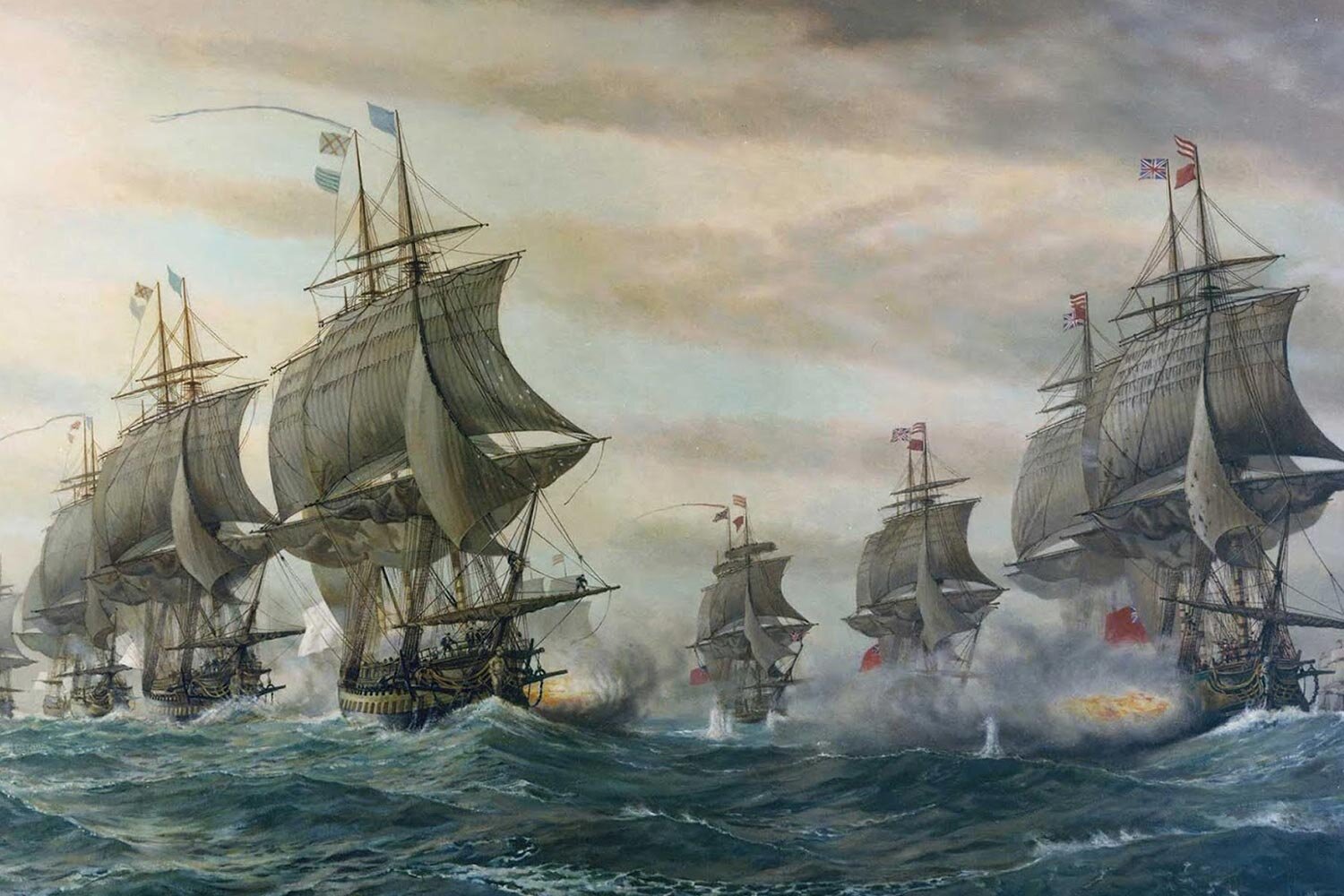
Creating America: Origins of the First Global War
The Treaty of Paris was the agreement between England and the United States which officially ended the American Revolution. It was just one of a series of agreements signed between the belligerents which collectively are called the Peace of Paris.
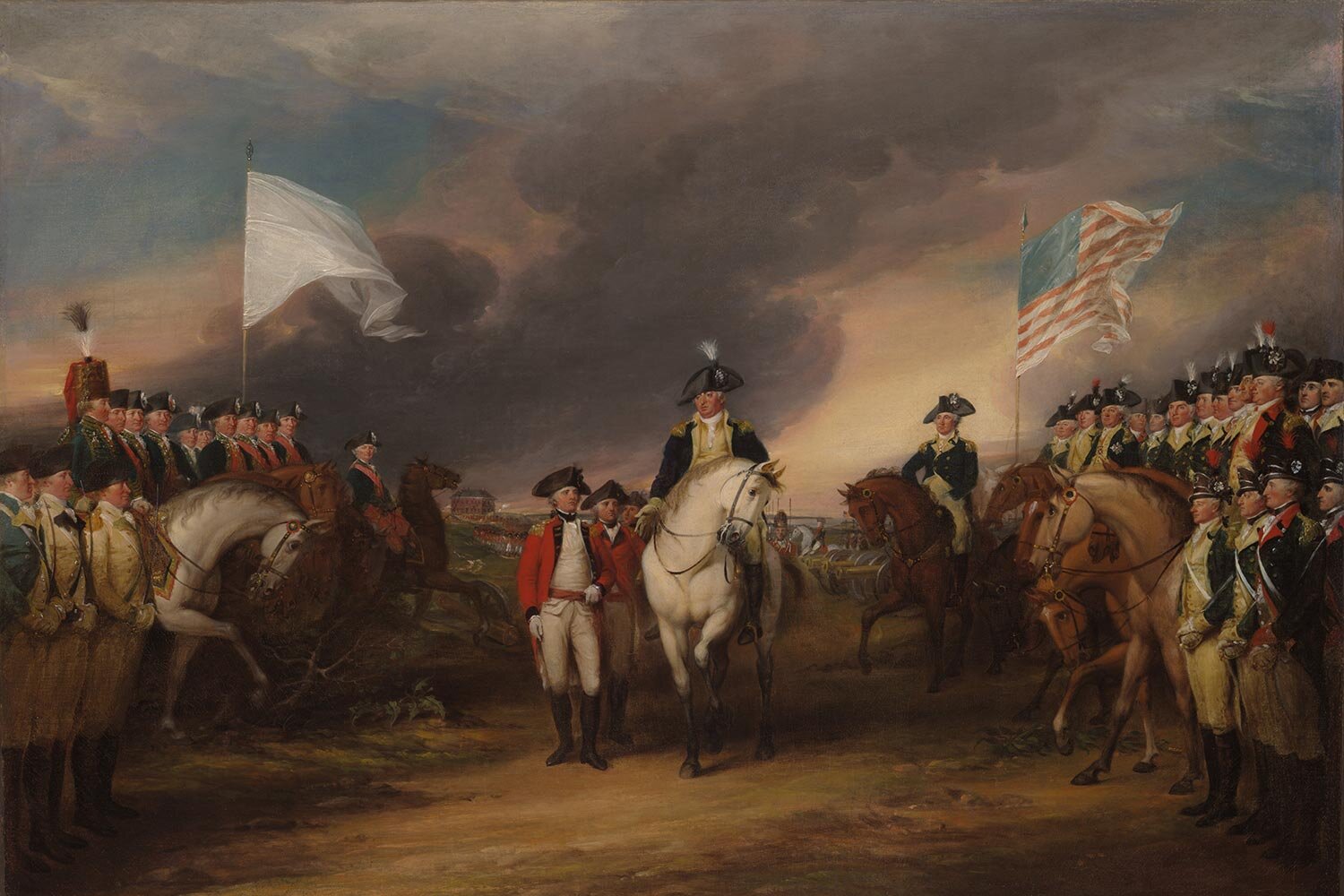
George Washington and the Continental Army’s Path to Victory
General Washington formally took field command of the Continental Army surrounding Boston on July 3, 1775. He immediately began to organize and train the troops and his natural aggressiveness was soon on display.
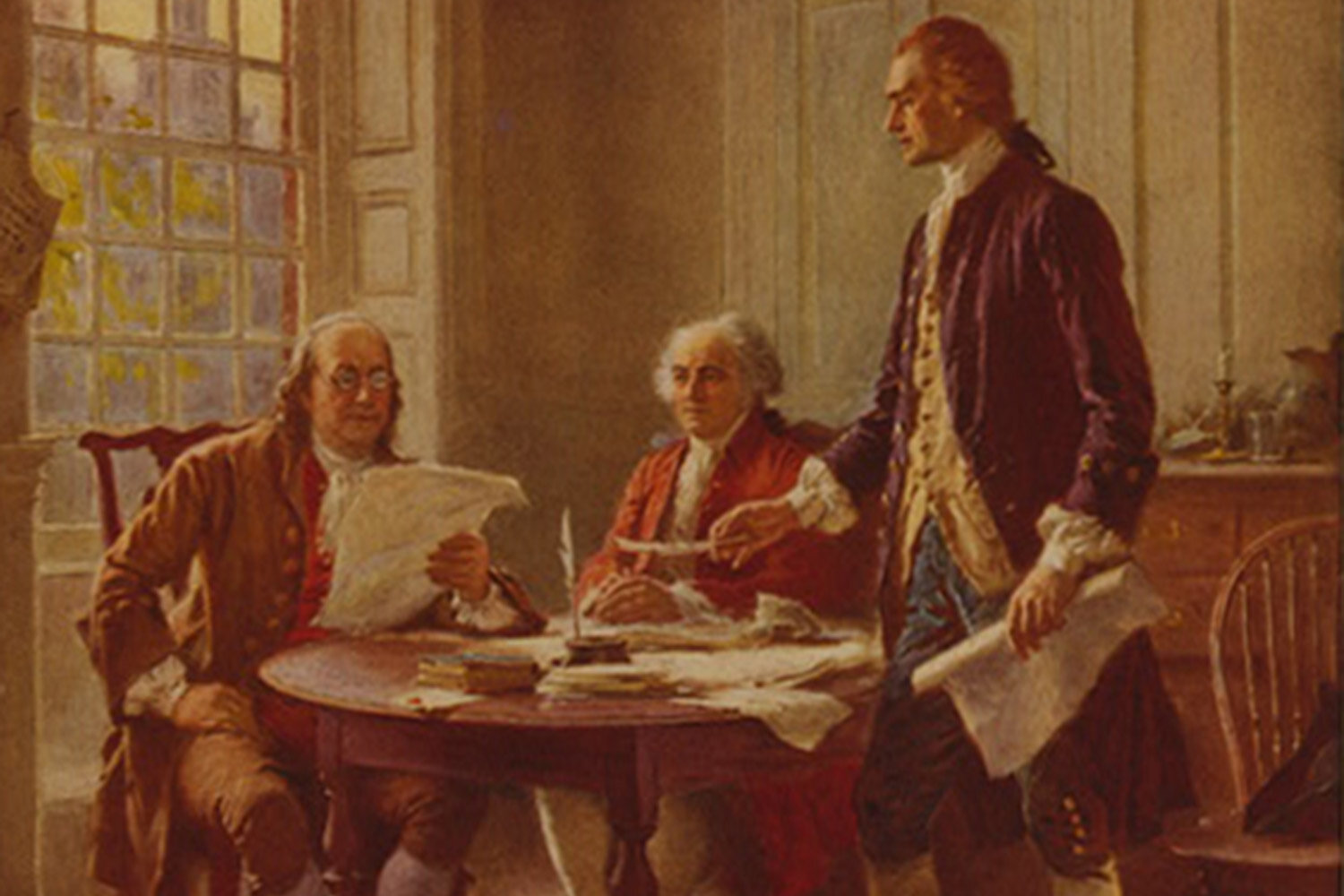
Benjamin Franklin, Unparalleled Statesman and American Patriot
Benjamin Franklin was involved in the effort to unify the American colonies longer and signed most of our nation’s key documents and treaties. Yet, this talented man spent all but two years from 1757-1775 living in Europe and he was the last of the Founders to advocate for independence.

Betsy Ross, American Patriot and Creator of An Iconic Flag
One of the most beautiful flags from our nation’s founding era is the famous “Betsy Ross” flag with thirteen red and white stripes and thirteen stars in a field of blue. Called by many the first national flag of the United States, it was created by Betsy Ross in the city of Philadelphia in 1776.

Flags of the American Revolution: Many Designs, One Goal
To understand the muddle over our flag at our nation’s founding, it is important remember that in 1776, the allegiance and attachment of most people was to their own locale, not to the yet to be created United States of America.

Who Created the First Flag? Discover the History of the Stars and Stripes
Our nation’s flag, the emblem of our country, was officially created and later modified by three laws passed by Congress. Since then, it has been changed 27 times, the most recent of which was on July 4, 1960 when Hawaii’s star, the fiftieth, was added to the constellation.

A Bald Eagle, Olive Branches and Arrows - How the Great Seal Was Created
The Great Seal of the United States is the official seal of our country. It was approved in 1782 and is used on many of our official documents, most commonly on the back of our one-dollar bill.

Creating the Constitution: Slavery
When the Founders met in Philadelphia in the summer of 1787 to frame a new form of government, one of the most troublesome questions was what to do about slavery. To understand their dilemma, we must first consider the world view of it at the time and the practical issues associated with its abolition in the United States.