
Browse Articles by Category

Colonial Era
American Revolution

The New Nation

National Expansion and Reform

Civil War and Reconstruction (Coming Soon)

British Retake Great Lakes Region
On June 24, 1763, the schooner sent out by Major Henry Gladwyn to inform British authorities of the situation at Fort Detroit finally made it back with much needed provisions, men, and ammunition, greatly strengthening the garrison’s resolve. Four weeks later, a second relief force of twenty-two ships, commanded by Captain James Dalzell with 280 men from the 55th and 80th Regiments, arrived at Fort Detroit on July 29.
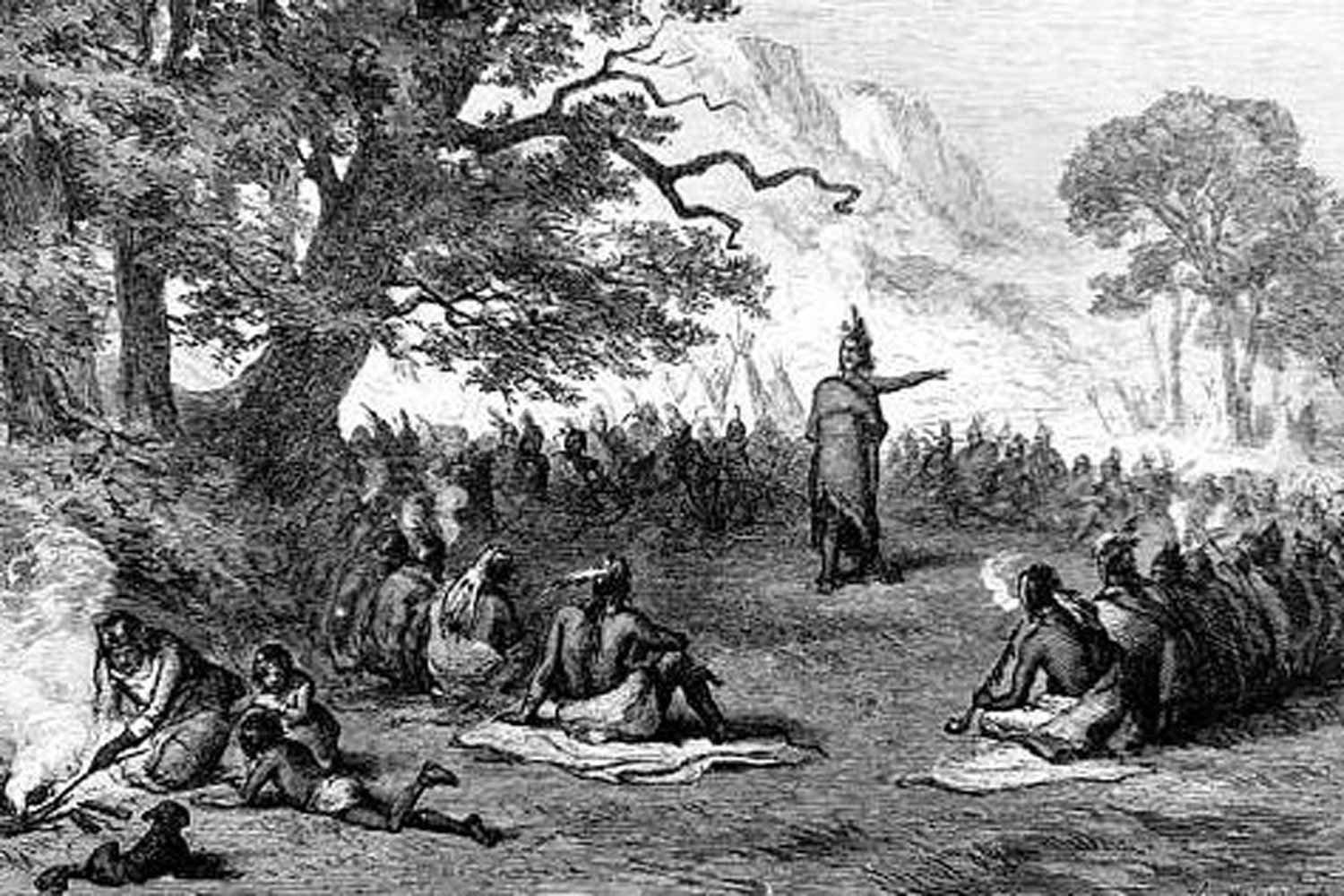
Pontiac’s War Moves East
With the forts around the Great Lakes taken by early June 1763, Pontiac’s Rebellion moved east towards the remaining British outposts along the frontier and the settlements just beyond. The following months would bring unprecedented bloodshed to American colonists, with long term consequences to colonial expansion plans.

British Outposts Fall During Pontiac’s Rebellion
In mid-May 1763, Pontiac attacked Fort Detroit and initiated his grand plan to drive the British from the Great Lakes. Word soon spread to Indian villages across the region and other tribes soon followed suit. By the time Pontiac’s Rebellion ended in 1765, it would be the deadliest Indian uprising ever in North America.
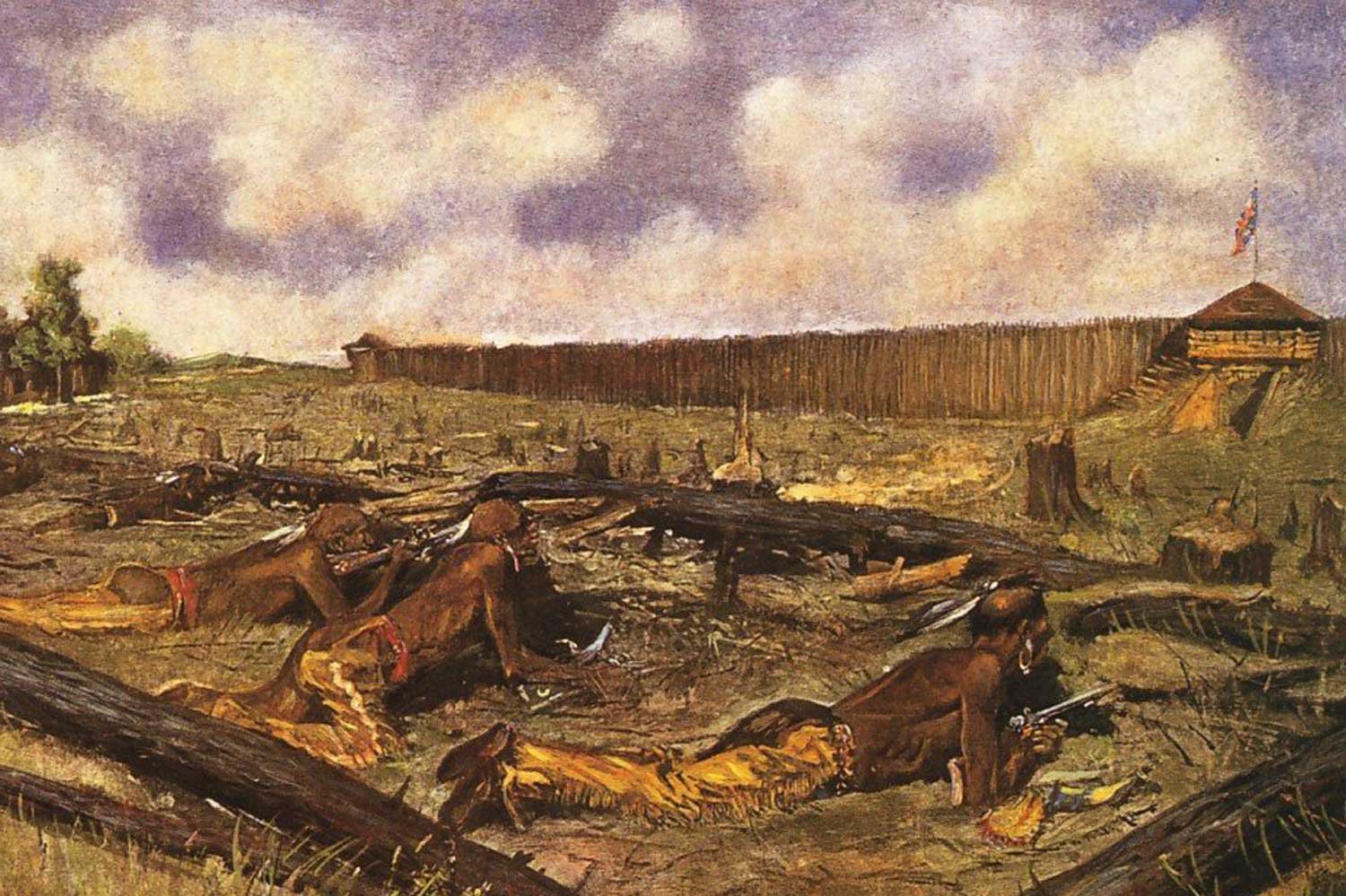
The Siege of Fort Detroit
All was set in May 1763 for an Indian uprising whose geographic extent and duration would surpass anything before or after in North America. The initial targets of Pontiac, the Indian mastermind behind the scheme, were nine British outposts, starting with Fort Detroit, the centerpiece of the region. Not coincidentally, this was the fort adjacent to Pontiac’s Ottawa village, with Potawatomi and Wyandot villages just across the Detroit River.
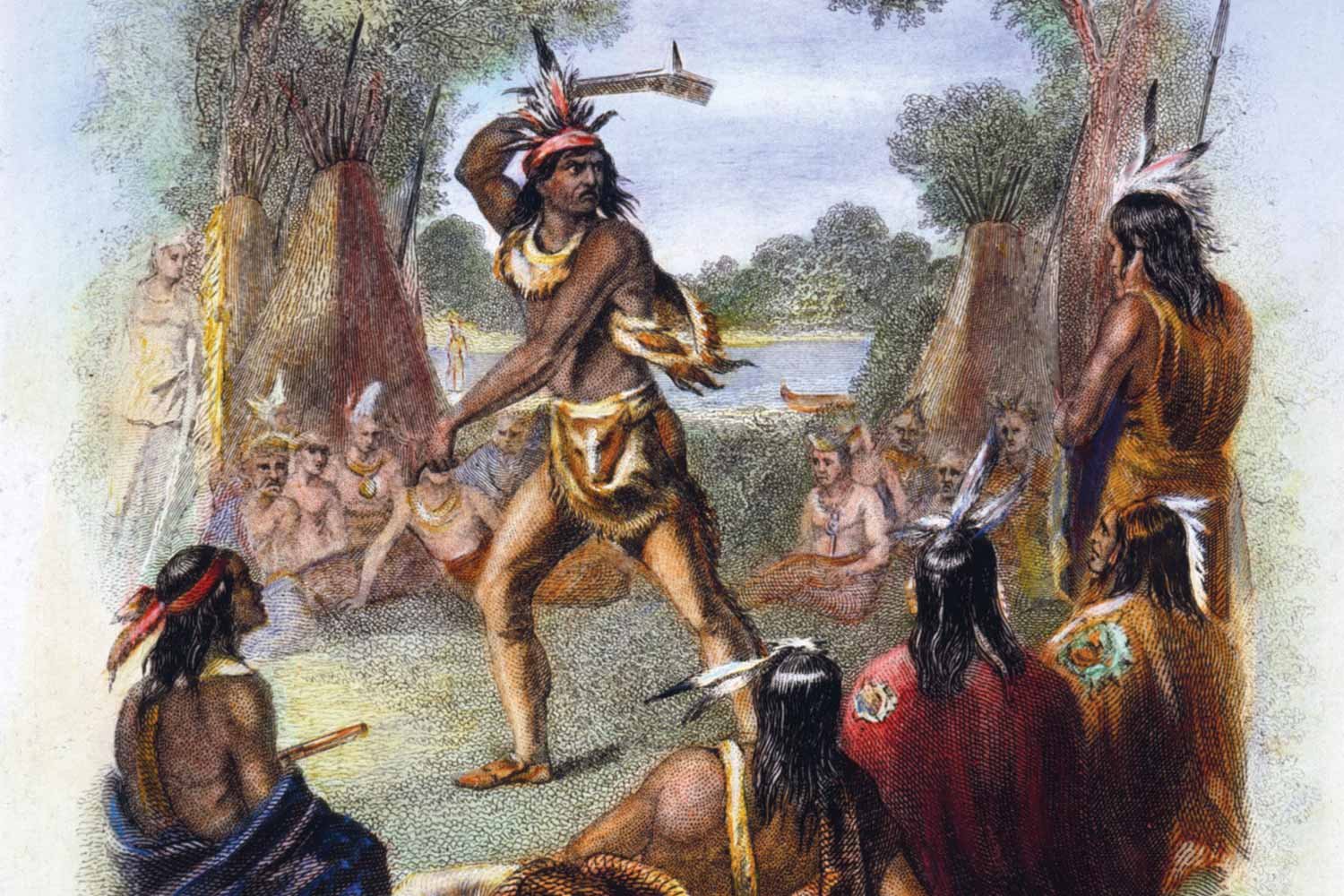
The Conspiracy of Pontiac
In the spring of 1763, following the conclusion of the French and Indian War, the Ohio Country and the Great Lakes region officially changed from French to British control. While markedly affecting the two European nations, the most significant impact fell on the Native Americans who lived in the region. Generally, these nations were unhappy with this transfer of power and worried that their way of life would be adversely affected. A charismatic Indian chieftain named Pontiac was determined to prevent this from happening.
England Reigns Supreme Following French and Indian War
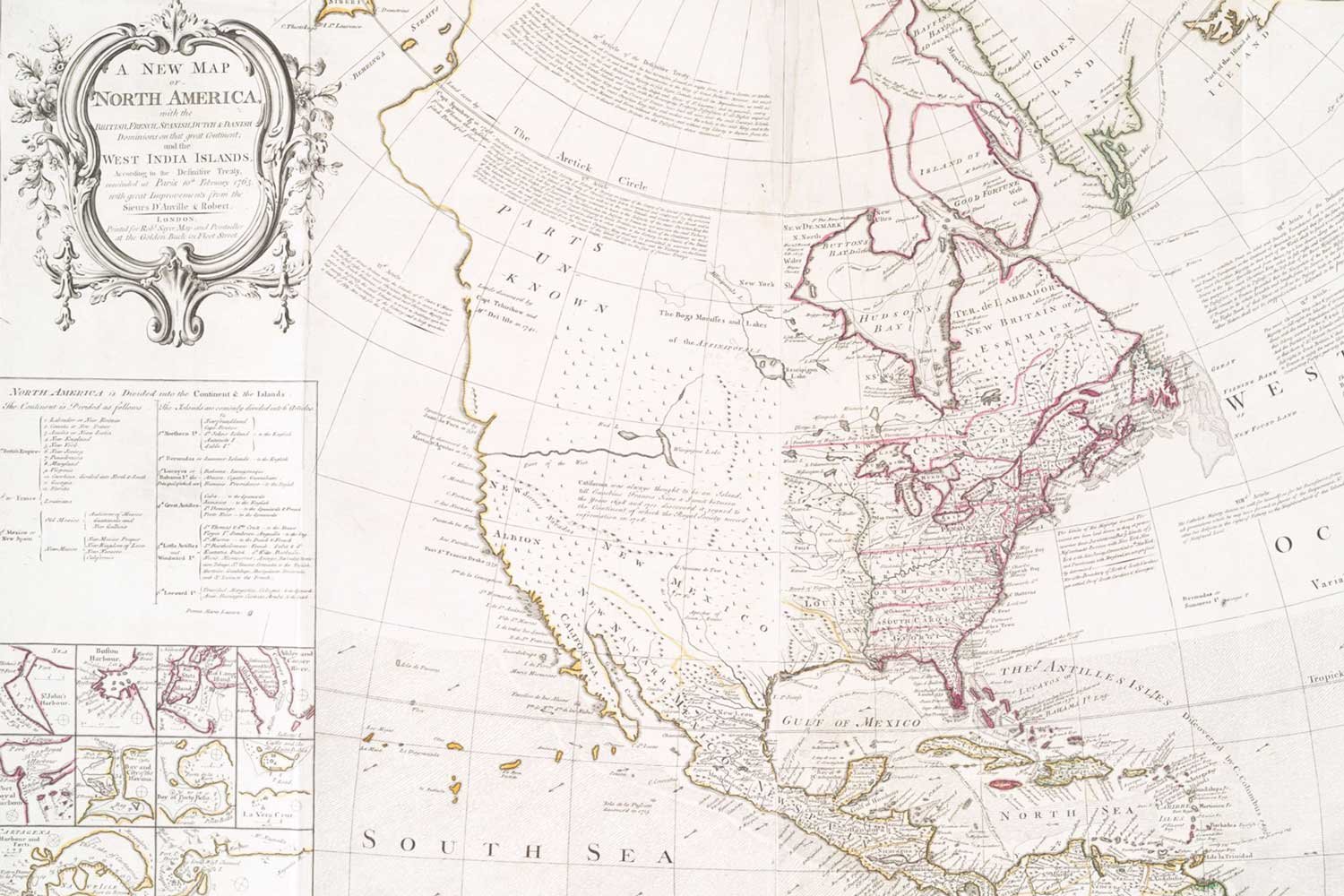
The British American experience since 1607 when the first English settlers arrived in Jamestown had largely been confined to the eastern seaboard north of Spanish Florida. As the British began to expand beyond this Atlantic bubble in the mid-1700s, they came into conflict with their longtime nemesis, the French, primarily over which nation would dominate the lucrative fur trade in the Ohio Country.

European Nations Vie for North America
To early generations of British Americans, largely confined to the Atlantic seaboard, the area beyond the Appalachian Mountains seemed mysterious, vast, and relatively unpopulated. It was all that, but it also had a long history of exploration by other European nations and within its boundaries lay the future of America.
The Siege of Ninety Six
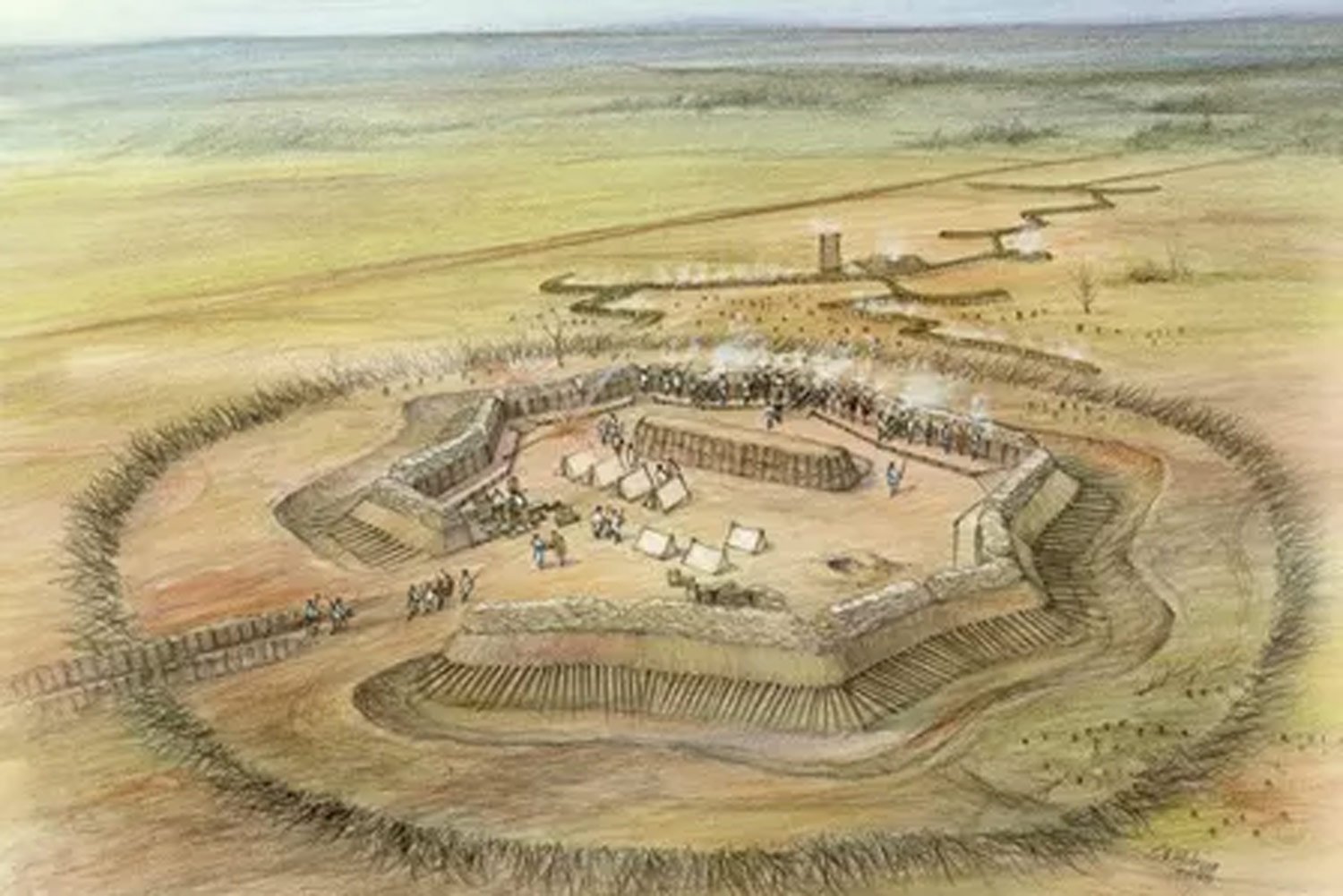
In the spring of 1781, American forces under General Nathanael Greene rolled up the British garrisons in the interior of the Carolinas one by one. The last British holdout was the fortified town of Ninety Six, in the foothills of western South Carolina. Greene arrived on the scene with 1,000 men and commenced the siege of Ninety Six on May 22.
The Battle of Guilford Courthouse
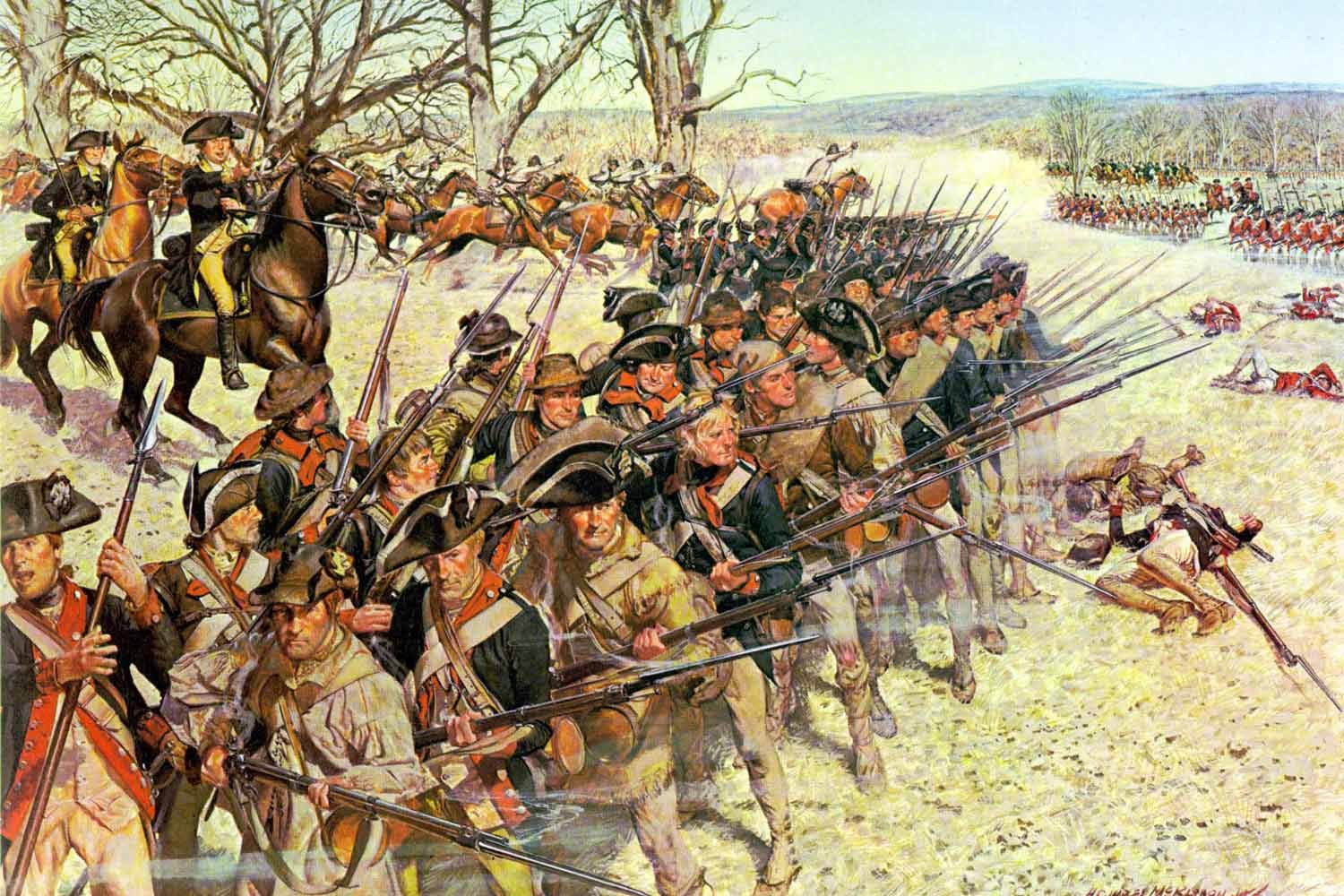
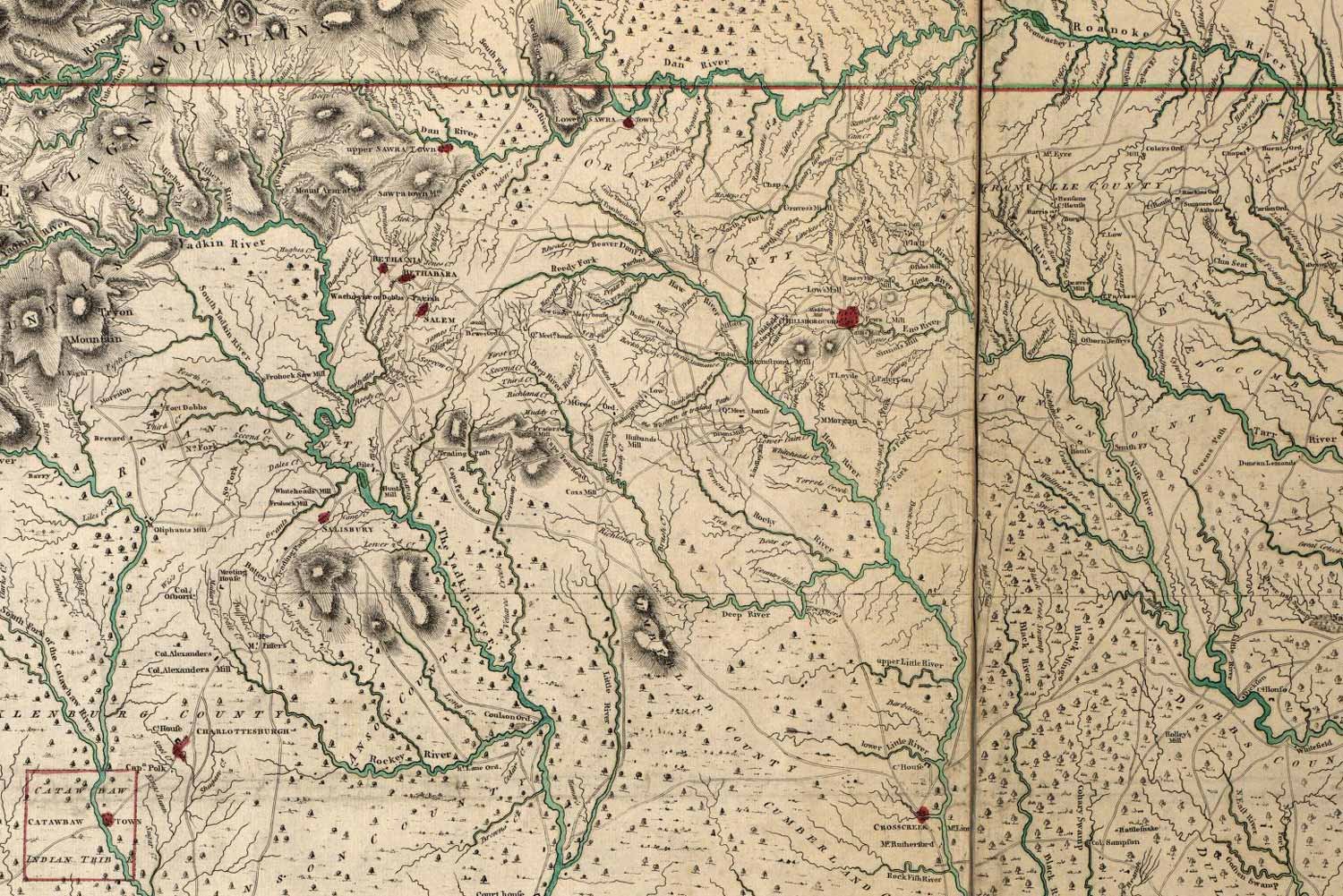
Following the successful conclusion of the Race to the Dan, General Nathanael Greene and his southern army was safe for the moment from the British troops under Lord Charles Cornwallis just across the river. Due to a lack of supplies in the area, Cornwallis retreated to Hillsboro, about sixty miles southeast, to get refitted. By late February, Greene had received reinforcements, recrossed the Dan, and had the American army back in North Carolina.
The Race to the Dan
The Battle of Cowpens on January 17, 1781, was a great victory for Daniel Morgan and his army of Continentals and militiamen. They had virtually annihilated Lieutenant Colonel Banastre Tarleton’s famed British Legion, but Morgan’s contingent was in a dangerous position, with a larger British force under Lord Charles Cornwallis only twenty-five miles away. The race was now on to get to a place of safety.
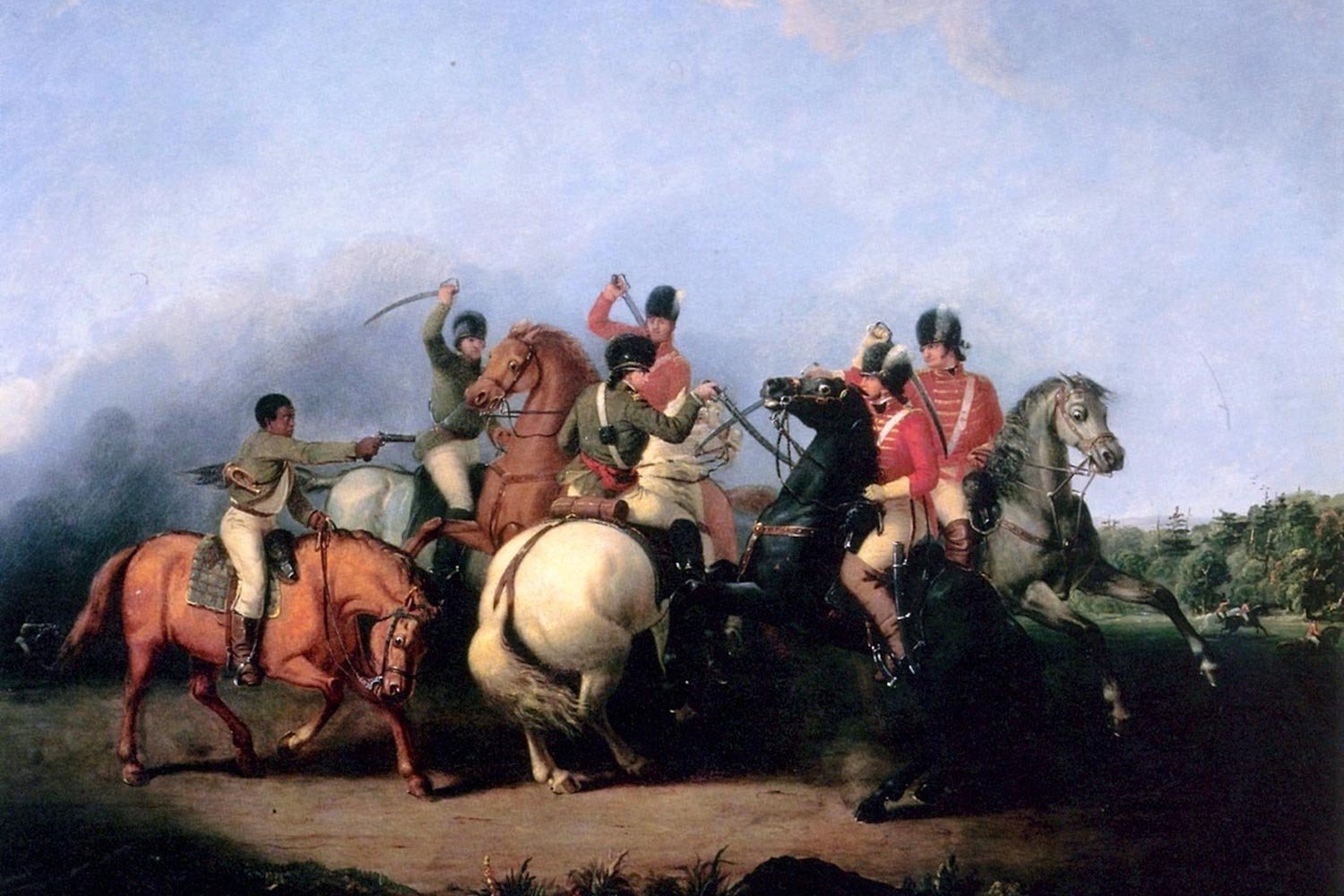
Daniel Morgan’s Masterpiece at Cowpens
Daniel Morgan came out of his self-imposed retirement and returned to the Continental Army near Hillsborough, North Carolina in late September 1780. He felt he could no longer sit on the sidelines while his country was at war. In December, Major General Nathanael Greene sent newly promoted Brigadier General Morgan and 600 men west to threaten British outposts in western SC.
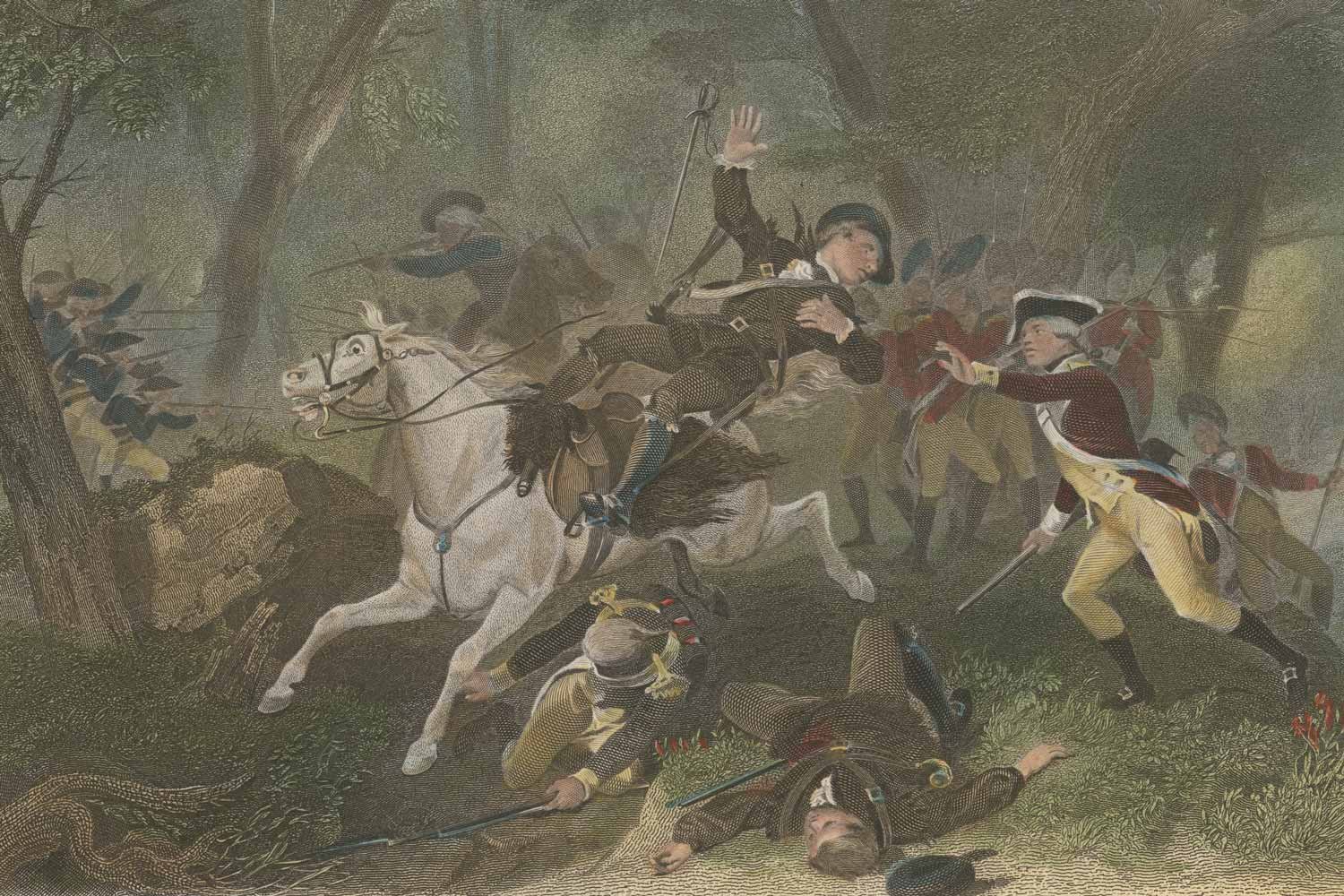
American Victory at King’s Mountain
In July 1780, Patriot partisan bands in the backcountry of South Carolina launched a series of successful attacks on Loyalist contingents, weakening the British hold on the state. These rapid-fire engagements continued into August as six more Patriot partisan victories were sandwiched around the disastrous Continental Army defeat at Camden and the capture of an American supply train at Fishing Creek.