
Key Debates at the Constitutional Convention
On May 29, 1787, Edmund Randolph from Virginia introduced fifteen resolutions to the Constitutional Convention. Known as the Virginia Resolves or the Virginia Plan, Randolph’s proposal outlined an entirely new national government, including a strong executive, a two-house legislature, and an independent judiciary. It would be the basis for discussion at the convention for the rest of the summer.
Tom Hand, creator and publisher of Americana Corner, explores the key debates at the Constitutional Convention, and why it still matters today.
Images courtesy of The New York Public Library, National Archives, Library of Congress, National Portrait Gallery - Smithsonian Institution, Library Company of Philadelphia, Norman B. Leventhal Map & Education Center at the Boston Public Library, National Gallery of Art, Wikipedia.

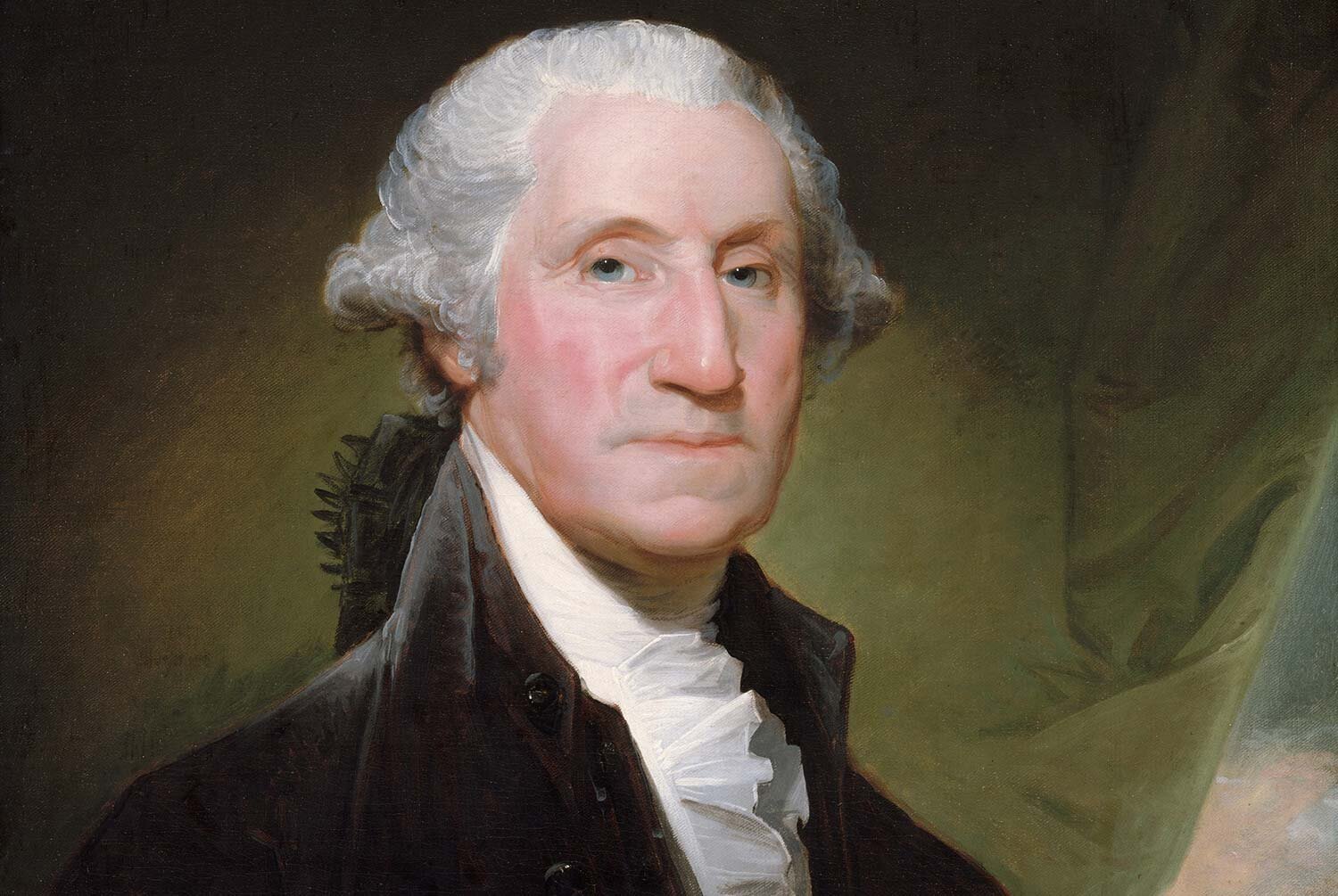
On March 4, 1789, the Constitutional government, largely the creation of James Madison’s fertile mind, took effect. Naturally, Madison was there at the start to help President George Washington implement and execute this new government. But within a matter of just a few years, Madison would be opposed to the new administration that he helped bring to power as he saw the federal government going in a direction he had not envisioned. Madison’s about face, arguably the greatest political transformation by a national figure in American history, came about largely because of differing ideas regarding what the new government should look like.