
Browse Articles by Category

Colonial Era
American Revolution

The New Nation

National Expansion and Reform

Civil War and Reconstruction (Coming Soon)
War of 1812, Part 19: The Origins of the United States Navy
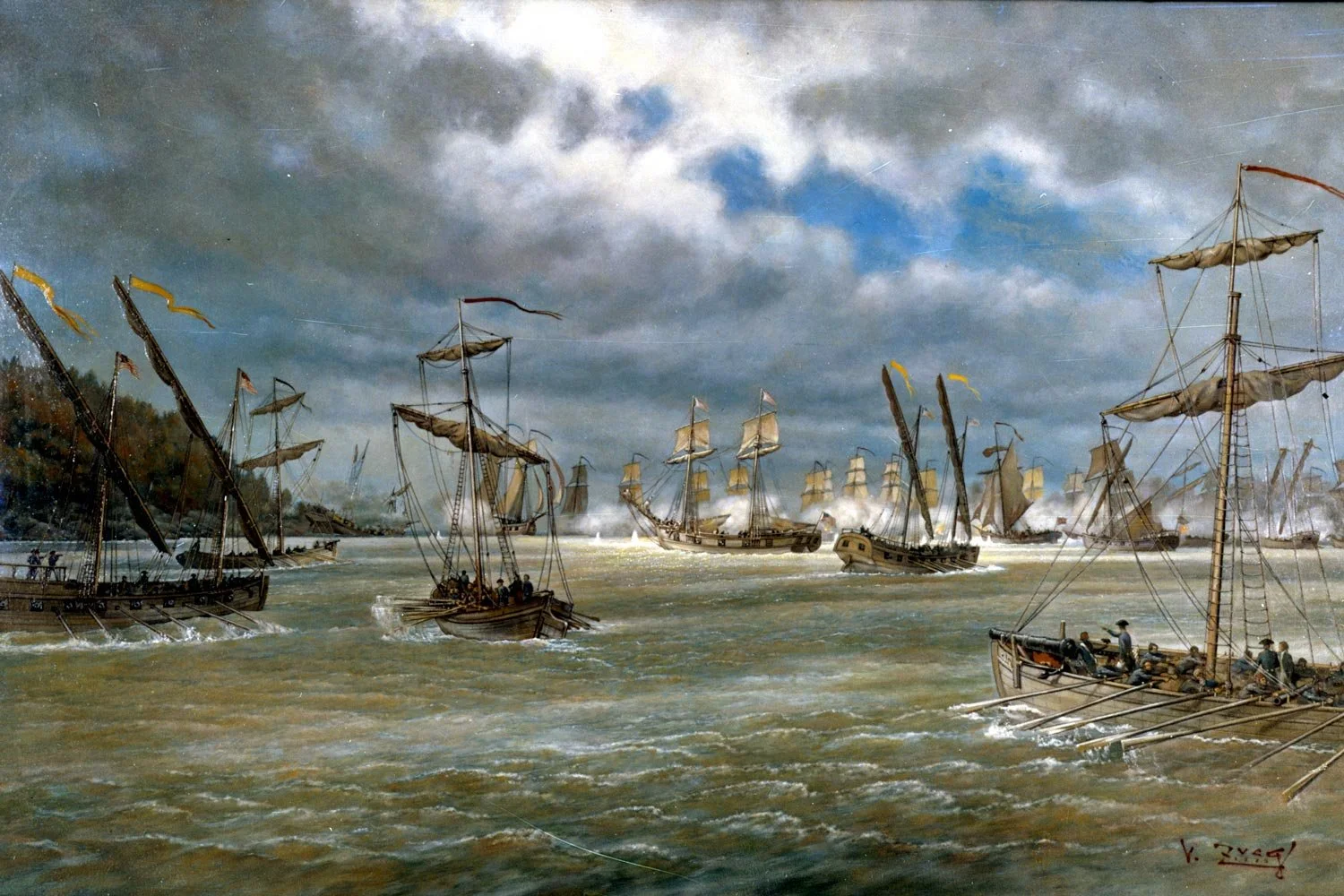
The United States Navy that performed so well in the War of 1812 can trace its roots to October 13, 1775, for on that memorable day the Continental Congress passed a resolution that created the Continental Navy. This law authorized the purchase of two merchant vessels to be converted into warships, the first of which was USS Alfred, commissioned on December 3, and named after the 9th-century English monarch Alfred the Great. Then, on December 22, Commodore Esek Hopkins stood on the deck of Alfred as Lieutenant John Paul Jones ran up the Grand Union flag, and the U.S. Navy went to sea.
Arnold Has Betrayed Us
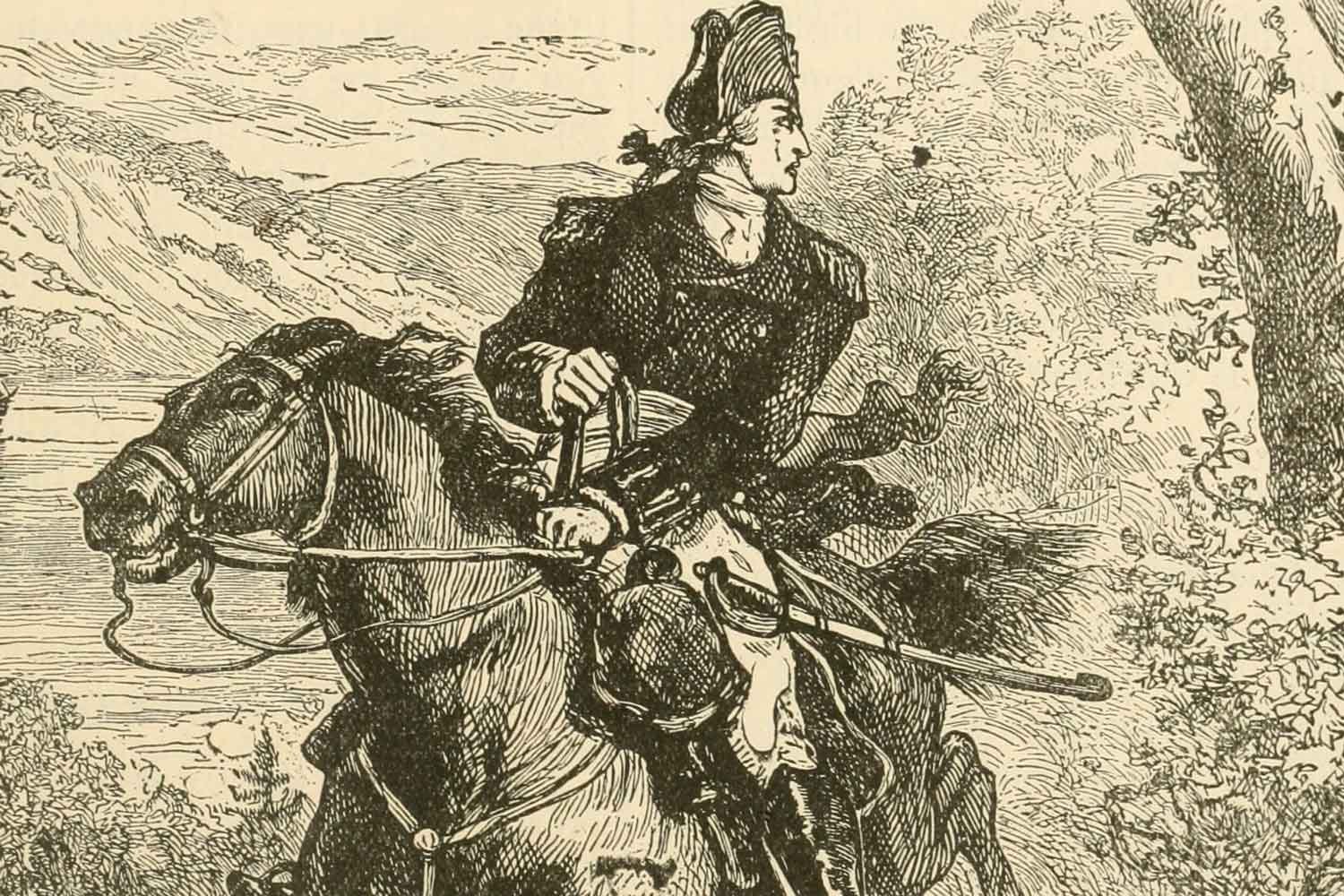
Lieutenant Colonel John Jameson, who commanded the unit that had captured the British spy Major John Andre, ordered an aide to take word to General Benedict Arnold about Major John Andre’s capture. He sent another aide to find and inform General George Washington as well.
Arnold’s Scheme Goes Awry
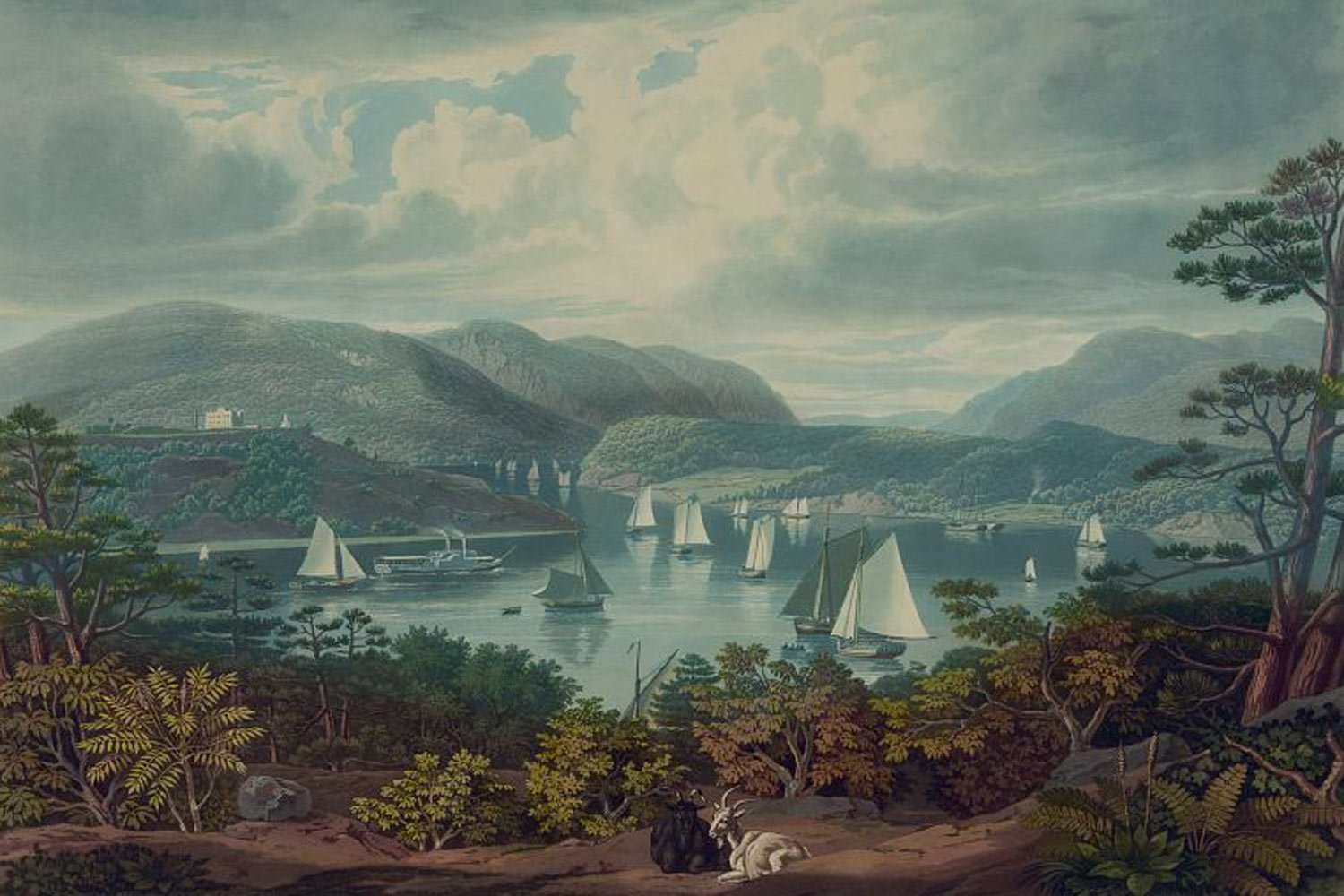
In June 1780, Benedict and Peggy Arnold asked two old acquaintances who were congressmen from New York, Robert Livingston and Phillip Schuyler, to request that General George Washington give Arnold the command of Fortress West Point. Unaware of Arnold’s true motives and wanting to help their friend, both congressmen complied. Arnold was now certain West Point would soon be his to give away.

Benedict Arnold’s Betrayal Begins
Benedict Arnold’s betrayal of the United States followed a series of disappointments and slights, both real and imagined. The final chapter in this sad story was the offer to hand over Fortress West Point to the British in September 1780, but the saga began in the Spring of 1779.
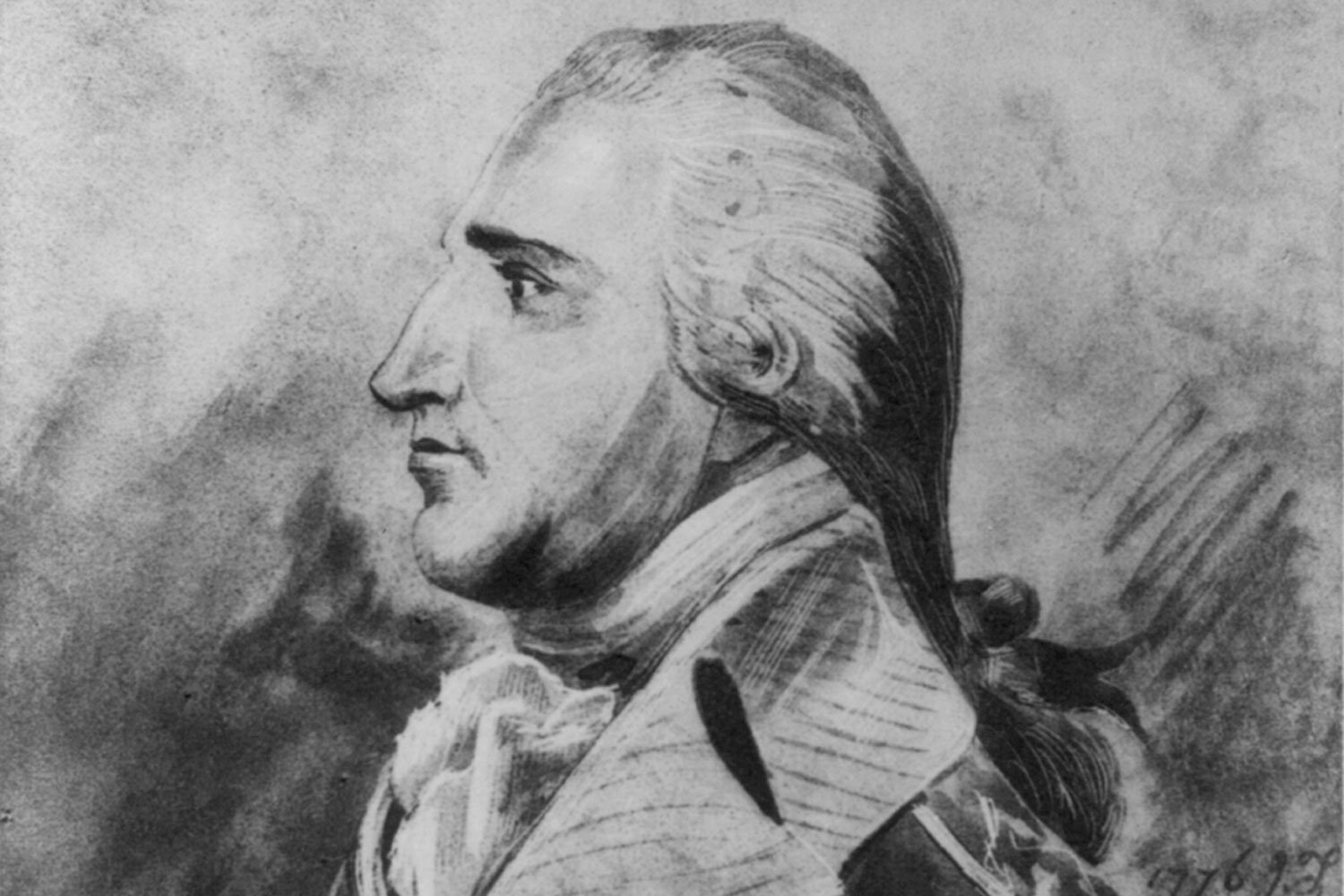
The Fall of Benedict Arnold
The Benedict Arnold who was named military commander of the Philadelphia region in 1778 was not the same man whose battlefield exploits had made him an early American legend. When Arnold had led his contingent of New Haven militiamen to the siege of Boston in April 1775, he was a wealthy, incredibly athletic man intent on helping the United States gain its independence.

The Hero of Saratoga
General John Burgoyne had captured Fort Ticonderoga on July 6 and was advancing south. General George Washington requested that Congress send his most trusted field commander, Benedict Arnold to stop Burgoyne. Washington informed Congress that without Arnold “the most disagreeable consequences may be apprehended.”
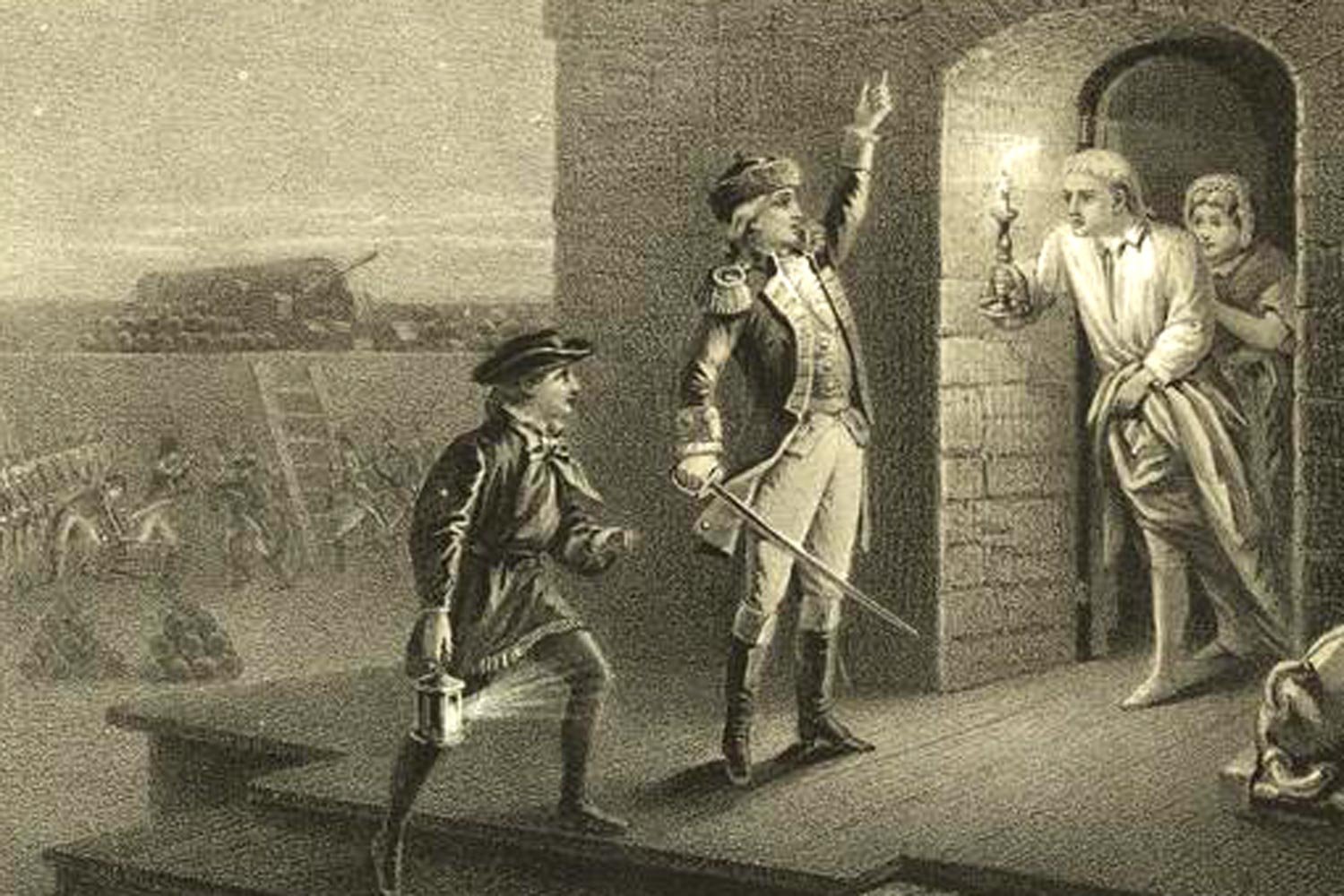
Benedict Arnold, America’s Fighting General
The most successful battlefield commander in the American army during the early years of the American Revolution was Benedict Arnold. Between 1775 and 1777, Arnold helped capture a fort, led a miraculous trek, besieged a foreign city, fought a naval battle, led a relief force to lift a siege, and saved a battle that led to the surrender of a British army.
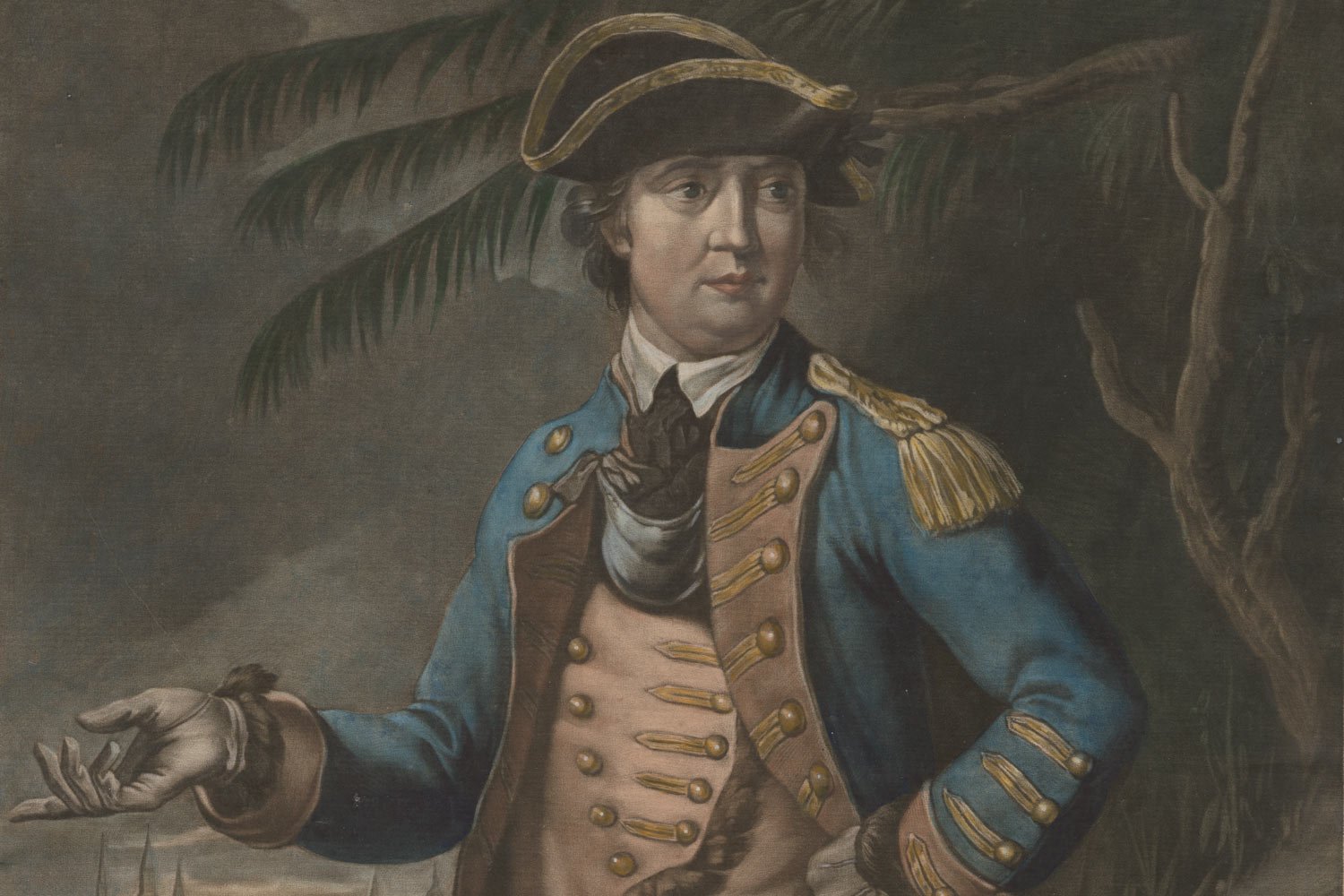
The Rise of Benedict Arnold
Benedict Arnold was one of the most complex men in American history. His meteoric rise from merchant to war hero and the subsequent fall from war hero to arch traitor is unparalleled in our nation’s history.
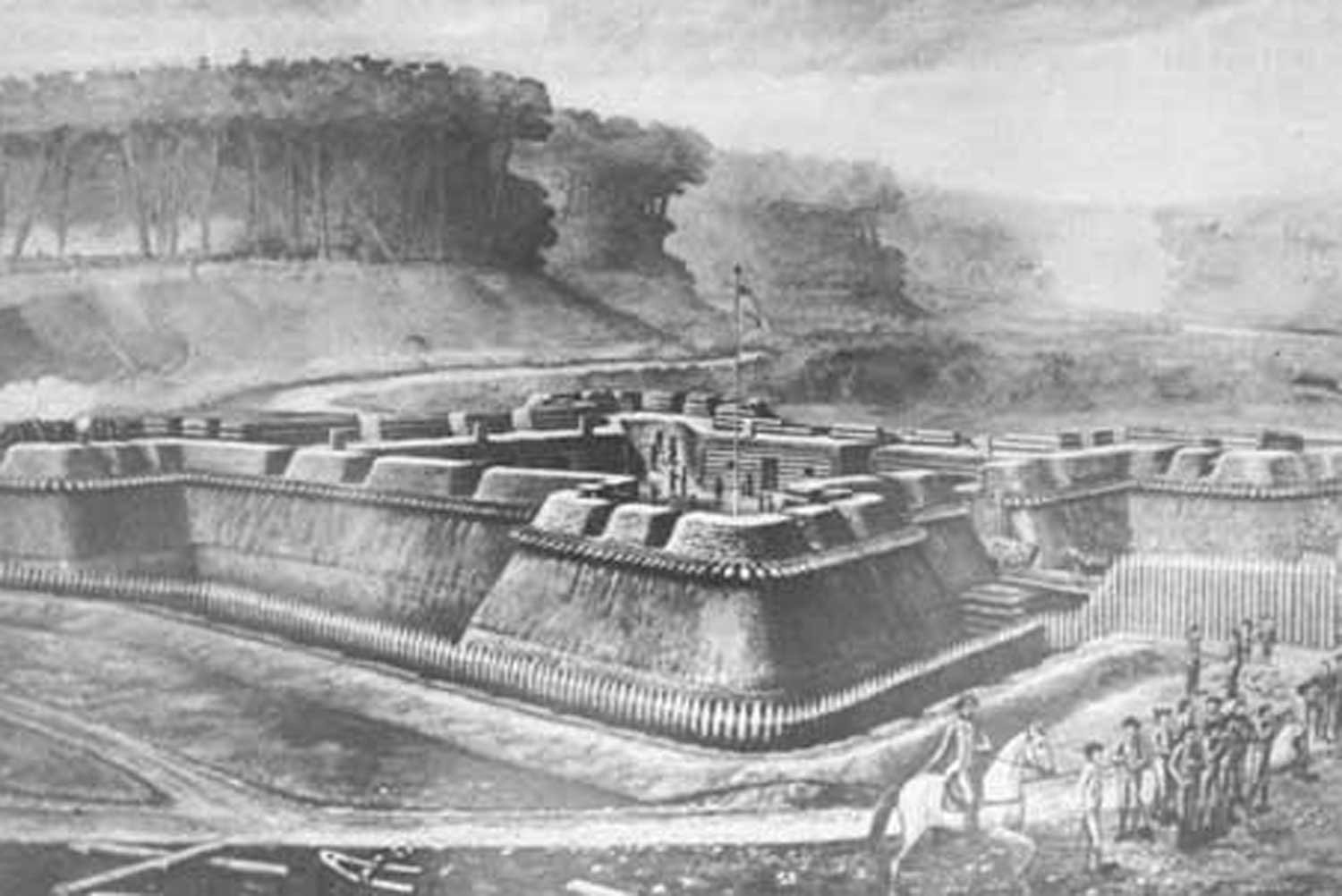
Arnold Leads Continentals to Relieve Fort Stanwix
The Tryon County militia sent to relieve the siege of Fort Stanwix had been badly mauled at the Battle of Oriskany on August 6, 1777. The combined Loyalist and Indian contingent under British Lieutenant Colonel Barry St. Leger, settled back into its work of reducing the fort or forcing the American garrison to surrender.
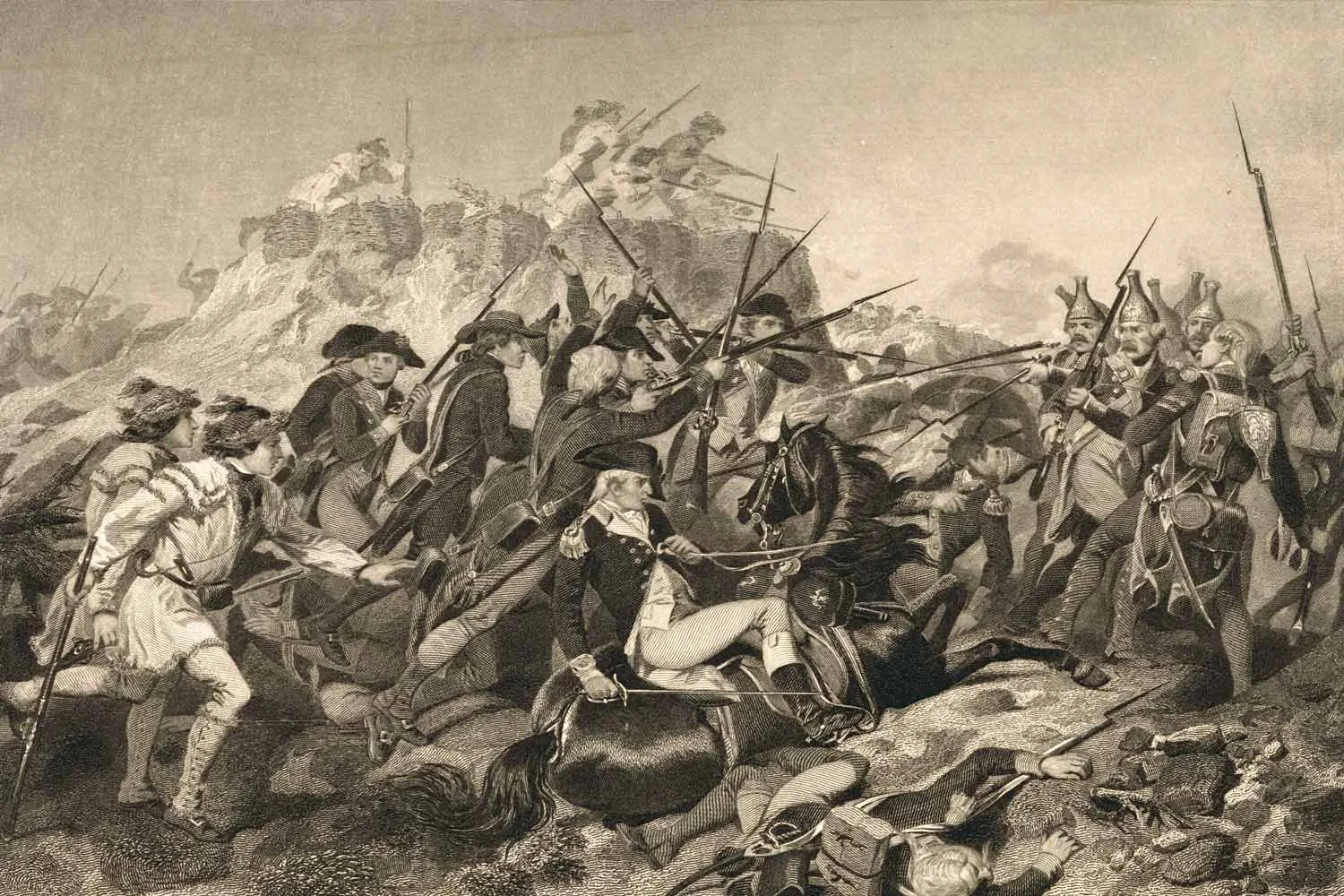
British and Americans Clash at Saratoga
By mid-September 1777, British General John Burgoyne, after crossing to the west bank of the Hudson River, was committed to continuing his advance towards Albany. There was only one road he could take to get there, and that road was strongly defended by an American army, twice as large as his own.
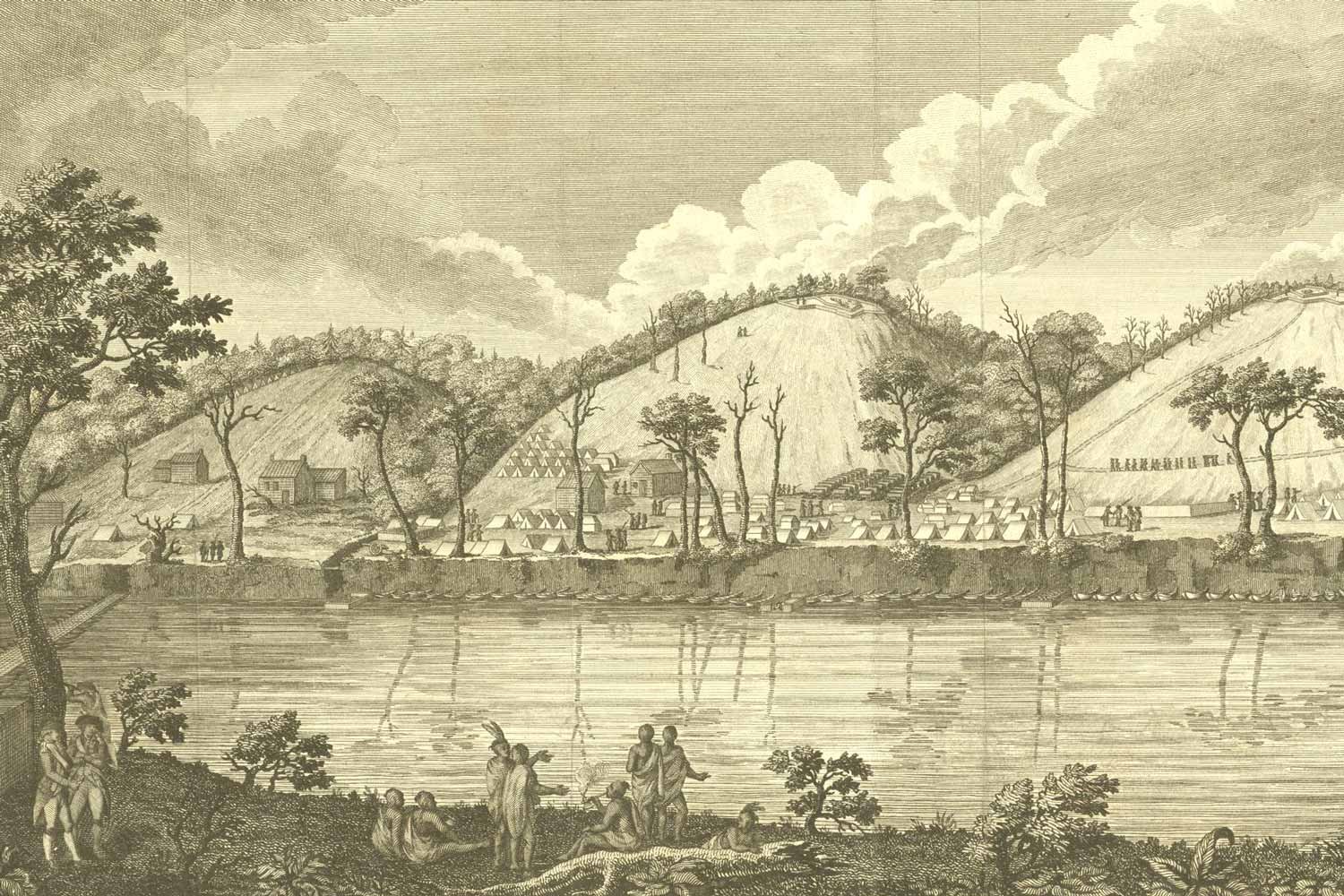
British and Americans Poised for Battle
In the eight short weeks since capturing Fort Ticonderoga without a fight, British General John Burgoyne had seen his army go from being invincible to facing starvation and defeat. More bad news arrived on August 28, when Indians brought word that a relief force under Lieutenant Colonel Barry St. Leger coming from the west down the Mohawk River Valley had turned back.
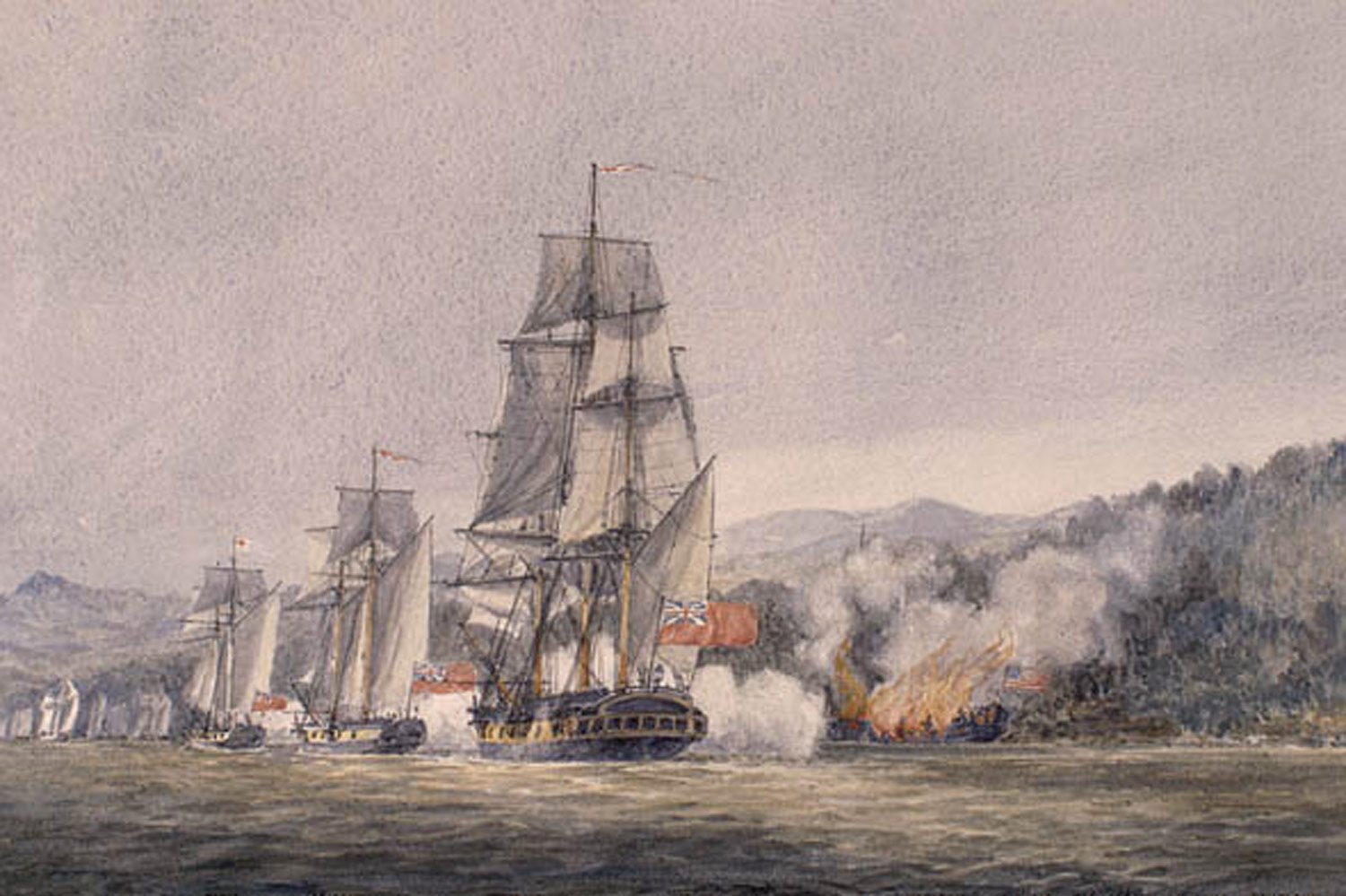
Northern Campaign Ends with Battle of Valcour Island
The Battle of Valcour Island, which took place on Lake Champlain, was the closing scene of the Northern Campaign of 1775-1776. It was one of the first naval battles of the American Revolution and, although a tactical defeat, it was a strategic victory for the American cause.