
Browse Articles by Category

Colonial Era
American Revolution

The New Nation

National Expansion and Reform

Civil War and Reconstruction (Coming Soon)
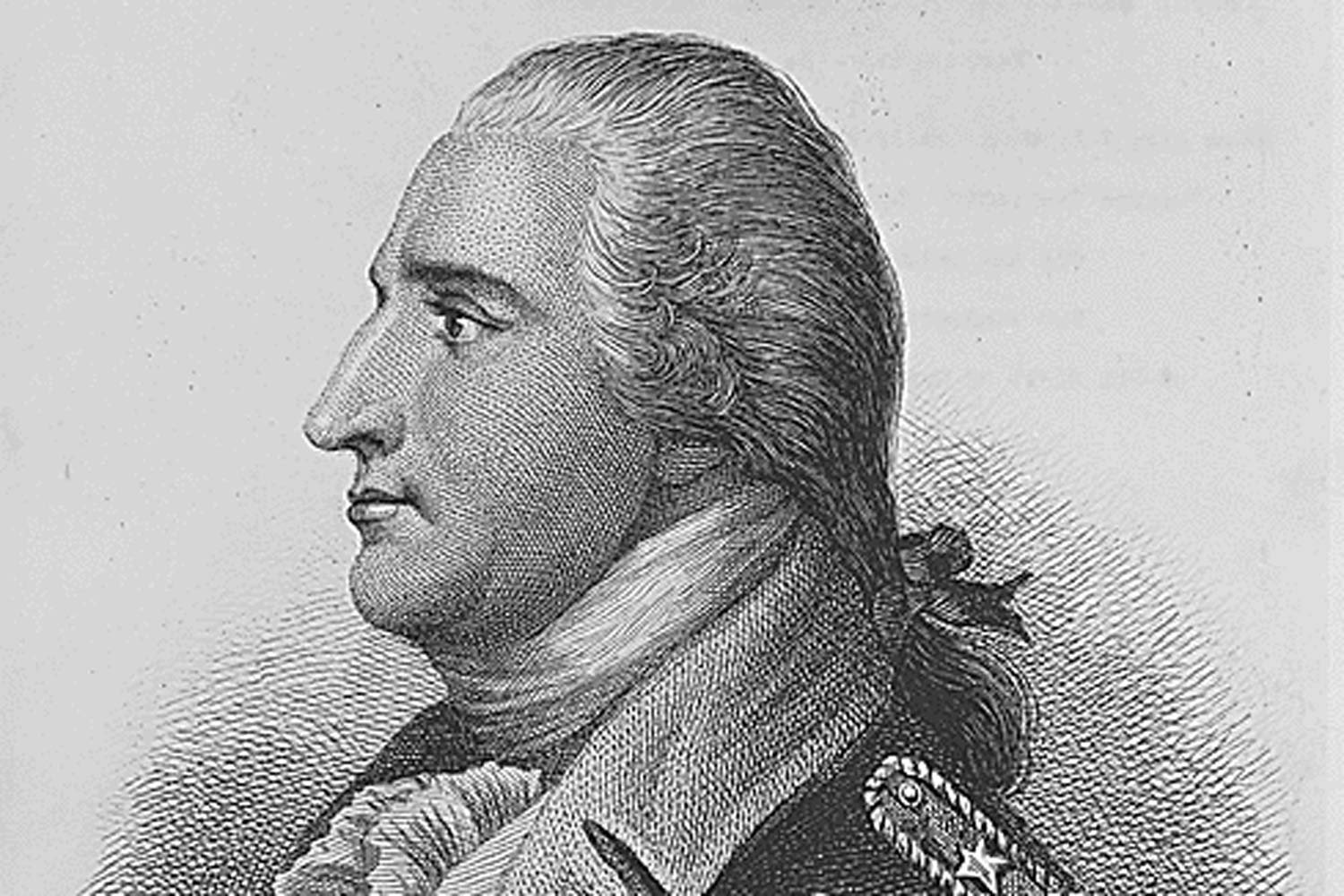
Benedict Arnold and the Perilous March to Quebec
Benedict Arnold’s expedition to the gates of Quebec City in the fall and winter of 1775 is widely regarded as one of the greatest military marches in history. Arnold, despite his sullied reputation due to his traitorous behavior later in the war, was one of America’s most gifted field commanders, and his tremendous leadership skills were put to the test on this perilous journey.
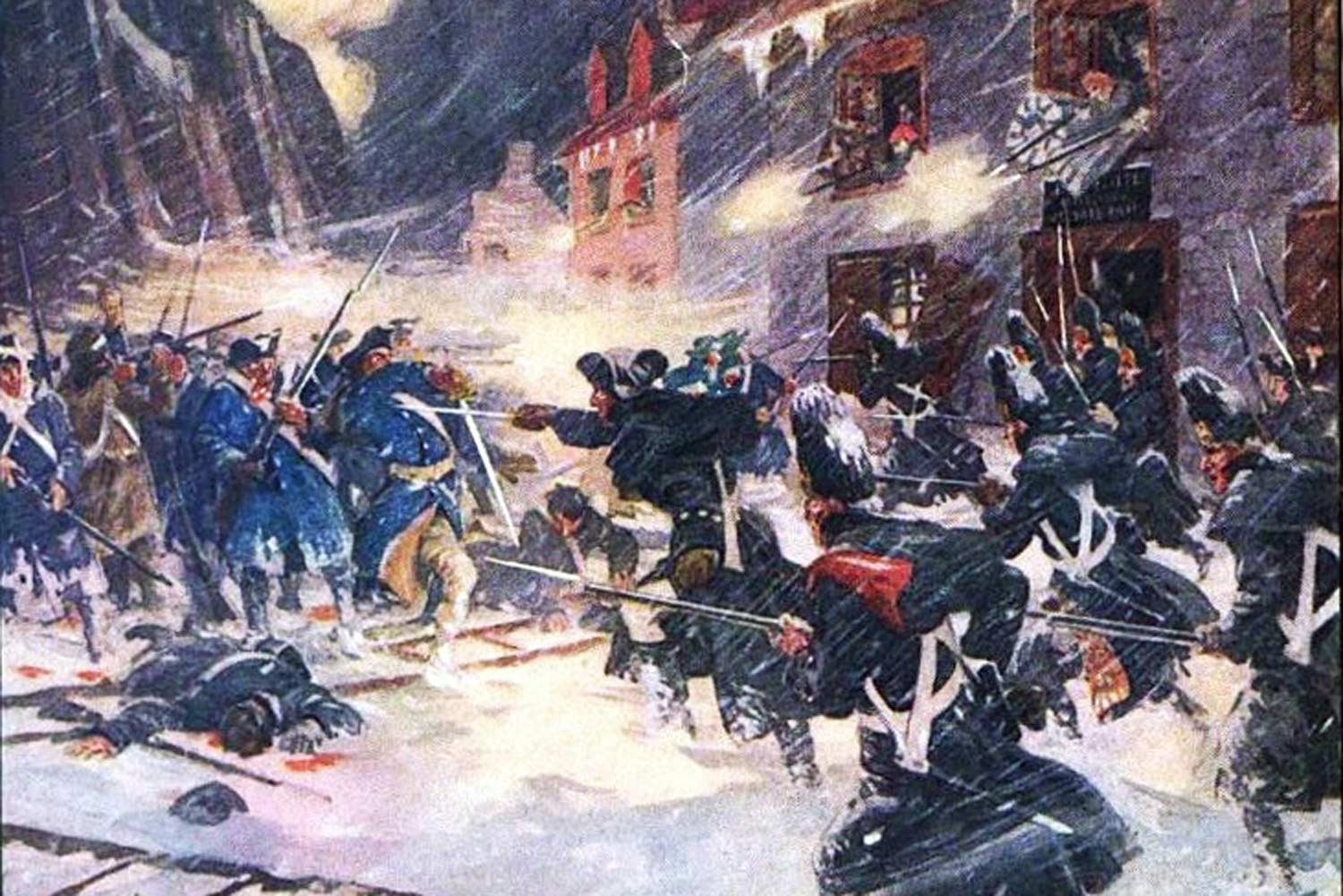
The Continental Army’s Largely Forgotten Invasion of Quebec
The first significant offensive operation of the American Revolution was the largely forgotten invasion of the Province of Quebec by American troops in 1775. It was the opening act of the greater Northern Campaign of 1775-1776 in which the American colonies tried to wrest control of Canada from England. Although it did not end well, there were moments of incredible bravery and perseverance that demonstrated the resolve of our founding generation.
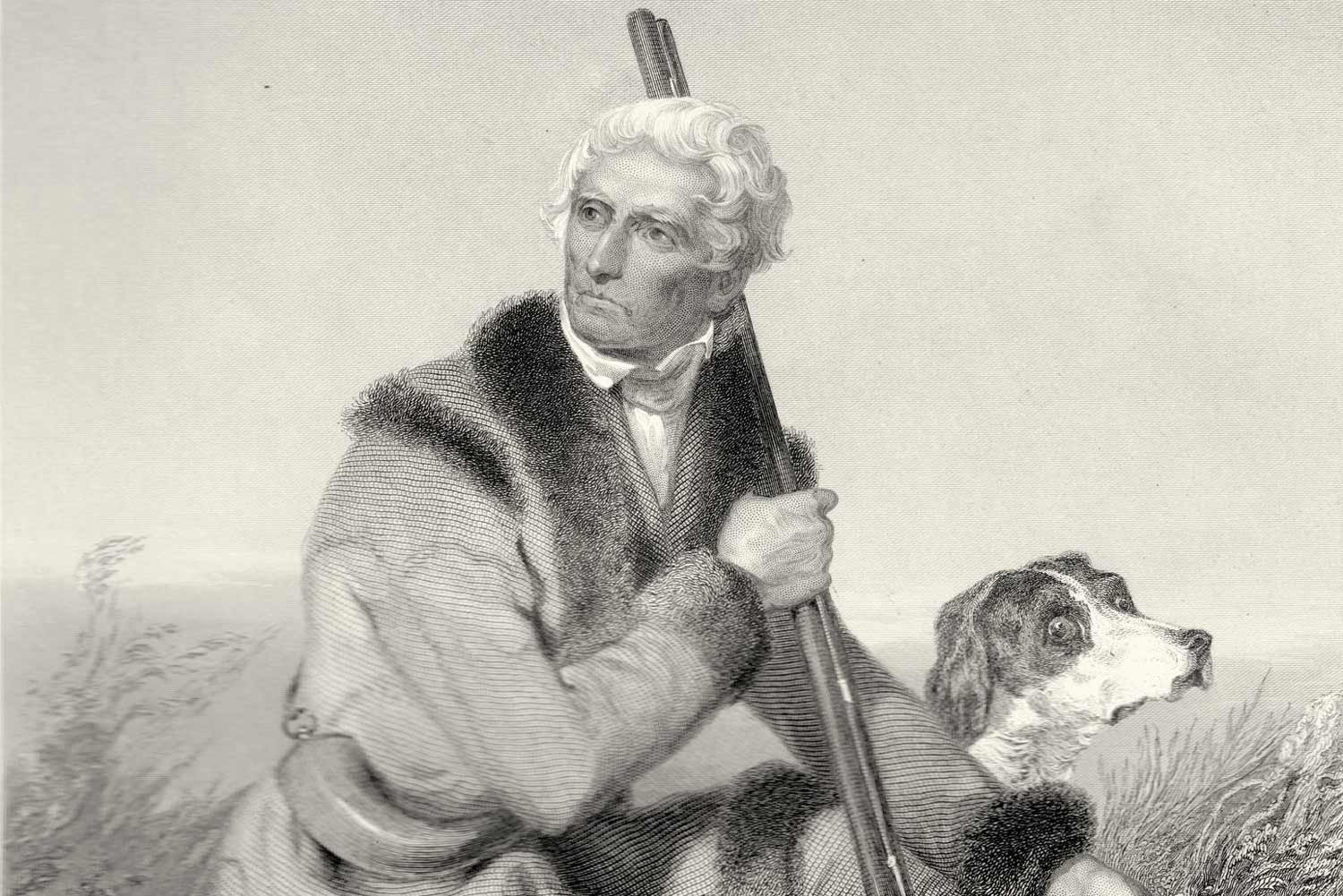
The Legacy of Daniel Boone
Soon after the American Revolution began in 1775, Daniel Boone joined the Virginia militia of Kentucky County (later Fayette County) and was named a captain due to his leadership ability and knowledge of the area. Over the next several years, Boone would participate in numerous engagements.
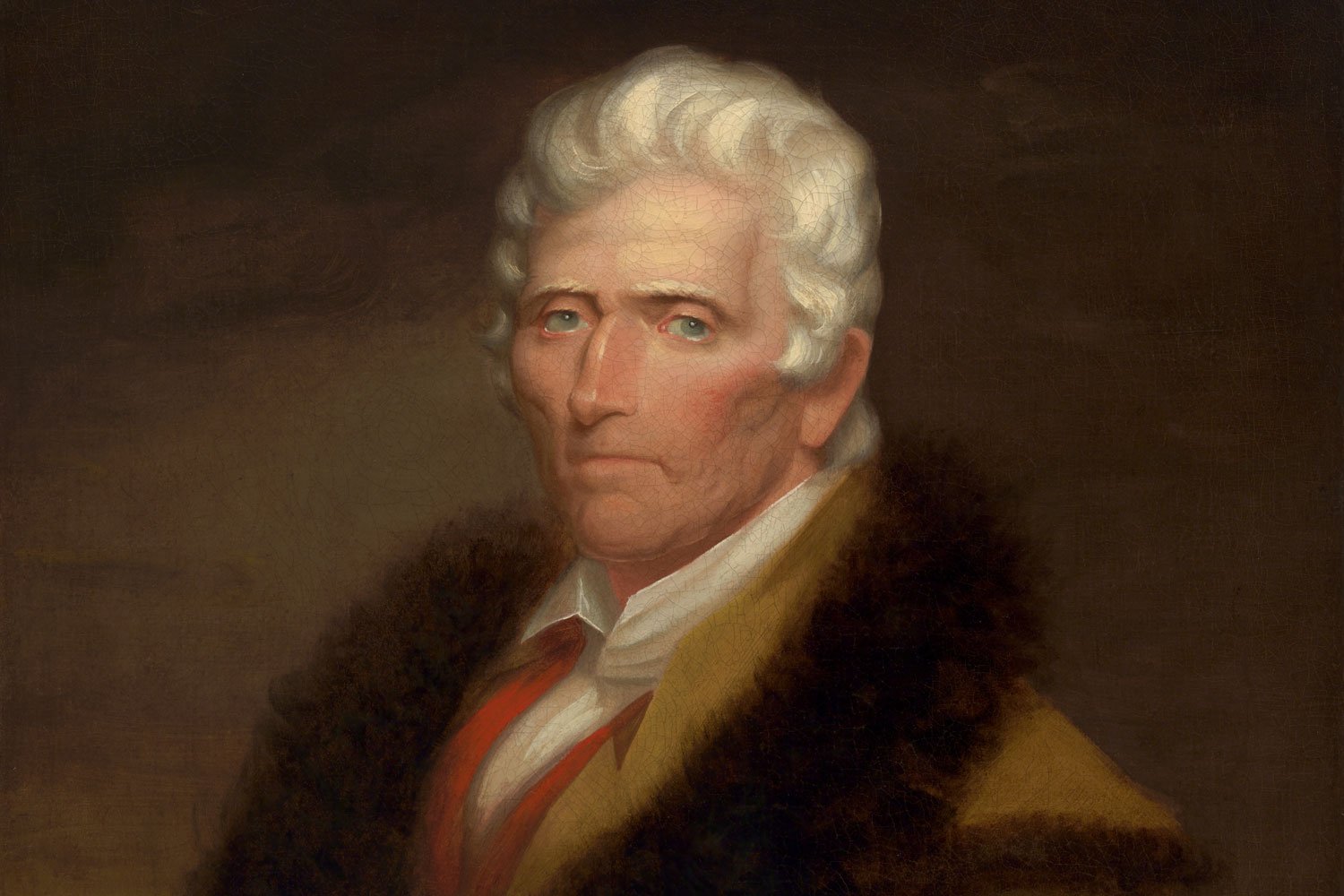
The Early Life of Daniel Boone
One of the greatest American explorers from our founding era was Daniel Boone. A legendary woodsman, Boone helped to make America’s dream of westward expansion in the late 1700s a reality.
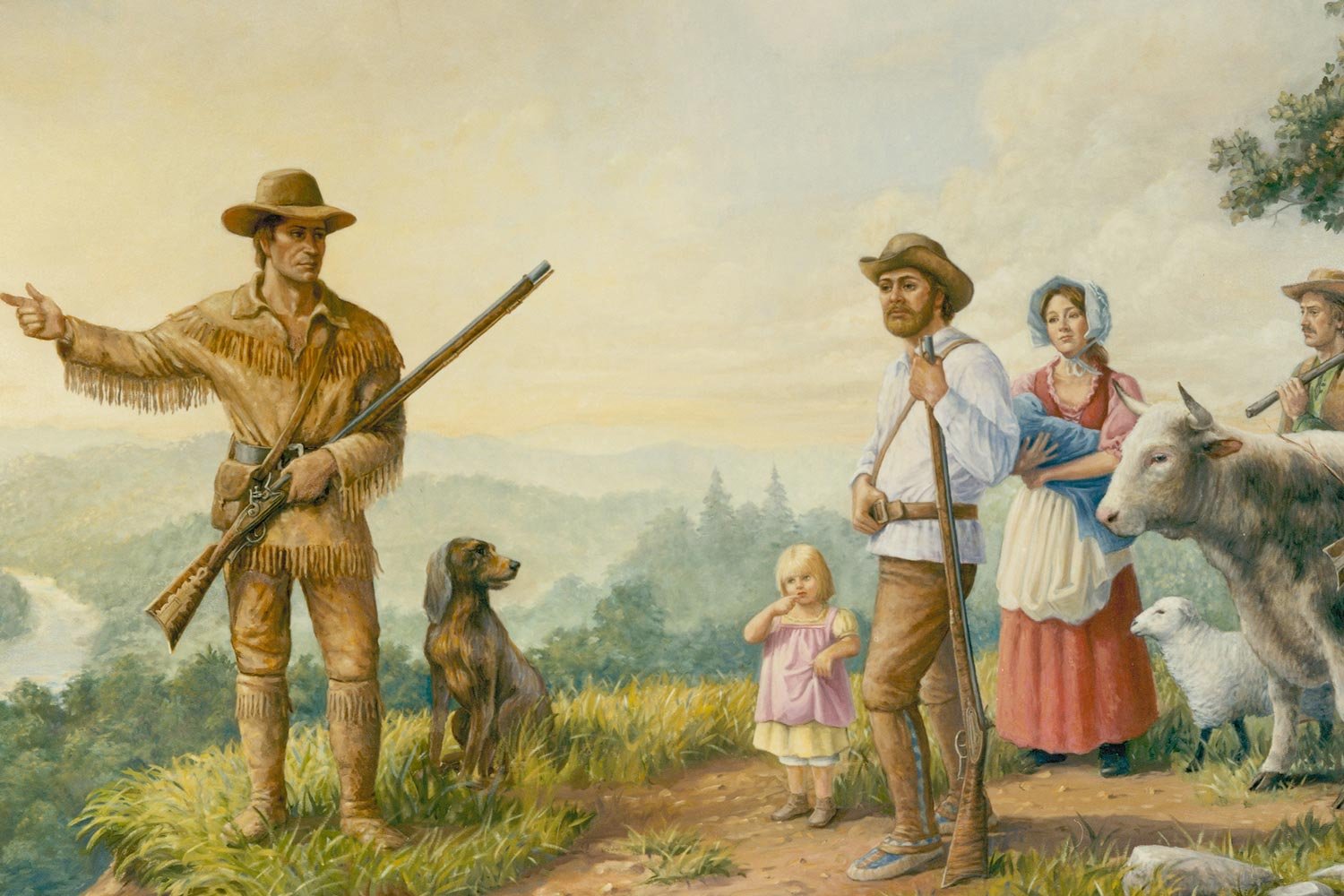
Heading to Kentucky on the Wilderness Road
The Wilderness Road, running from northeast Tennessee through the Cumberland Gap, was the main thoroughfare for Americans heading west into the new promised land of Kentucky from 1775 to about 1820. The pathway, blazed by Daniel Boone, was our nation’s first migration highway, but the trip was not for the faint of heart.
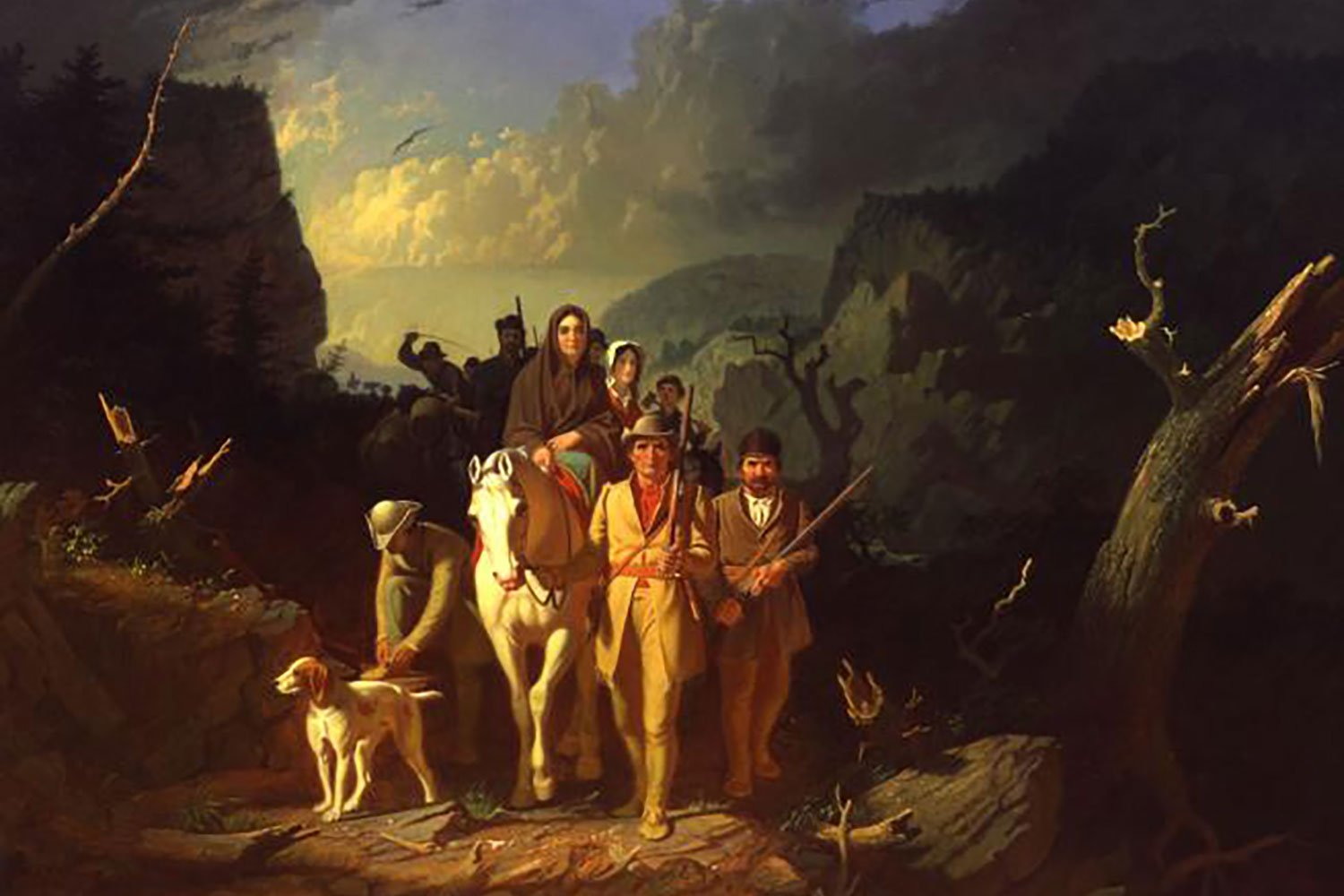
America Looks Westward
Americans have always had a yearning to move west and discover new lands. Along the way, our ancestors had to overcome many daunting natural barriers, the first of which was the Appalachian Mountains. The Wilderness Road through the Cumberland Gap was our nation’s first pathway through this formidable range.
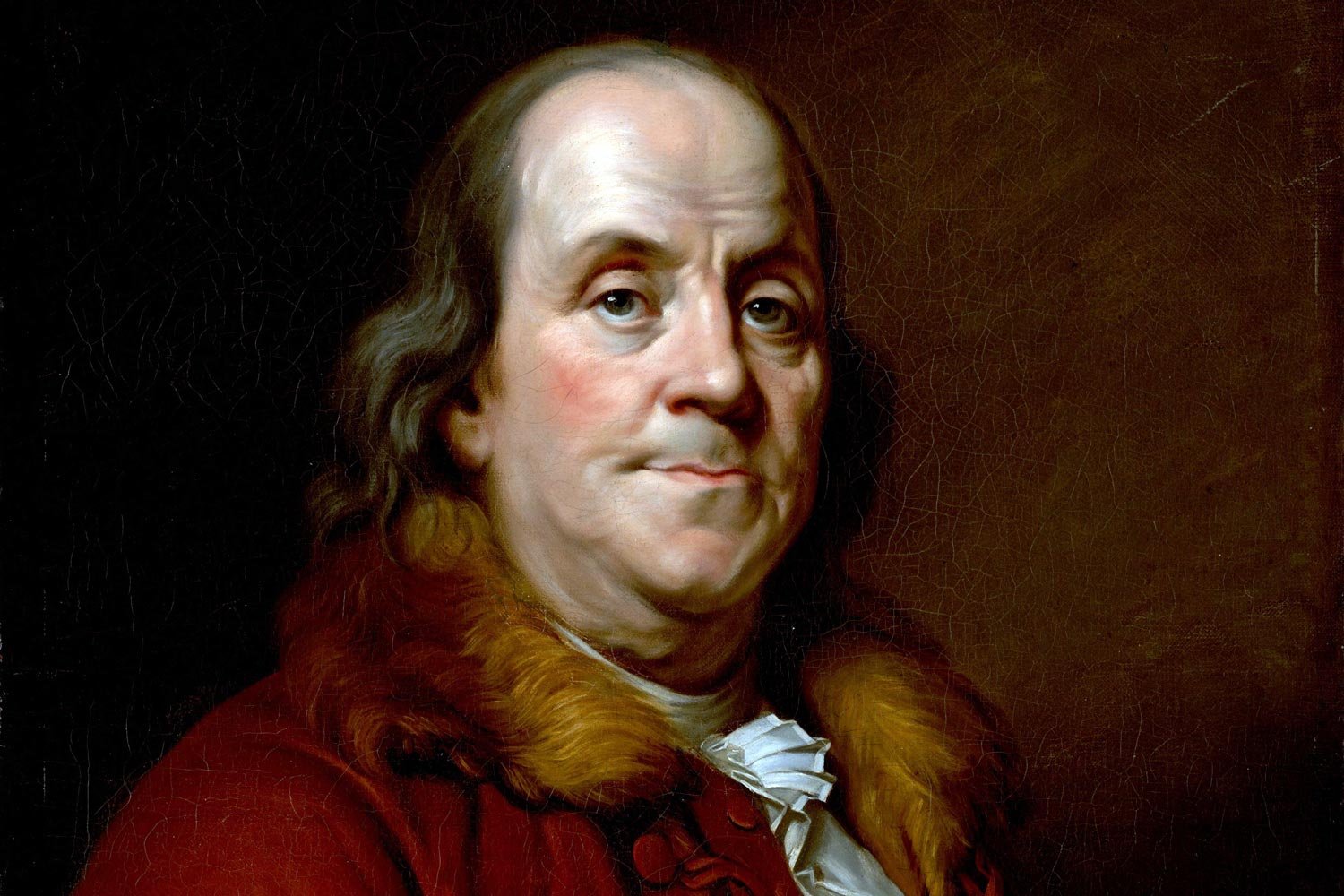
The Legacy of Ben Franklin
The Constitutional Convention adjourned on September 17, 1787, and would be Benjamin Franklin’s last moment in the spotlight of American history. It was a fitting finale for this man who had done so much to shape the nation in which he lived. Franklin was 81 years old, in poor health, and hoped for a well-deserved rest.
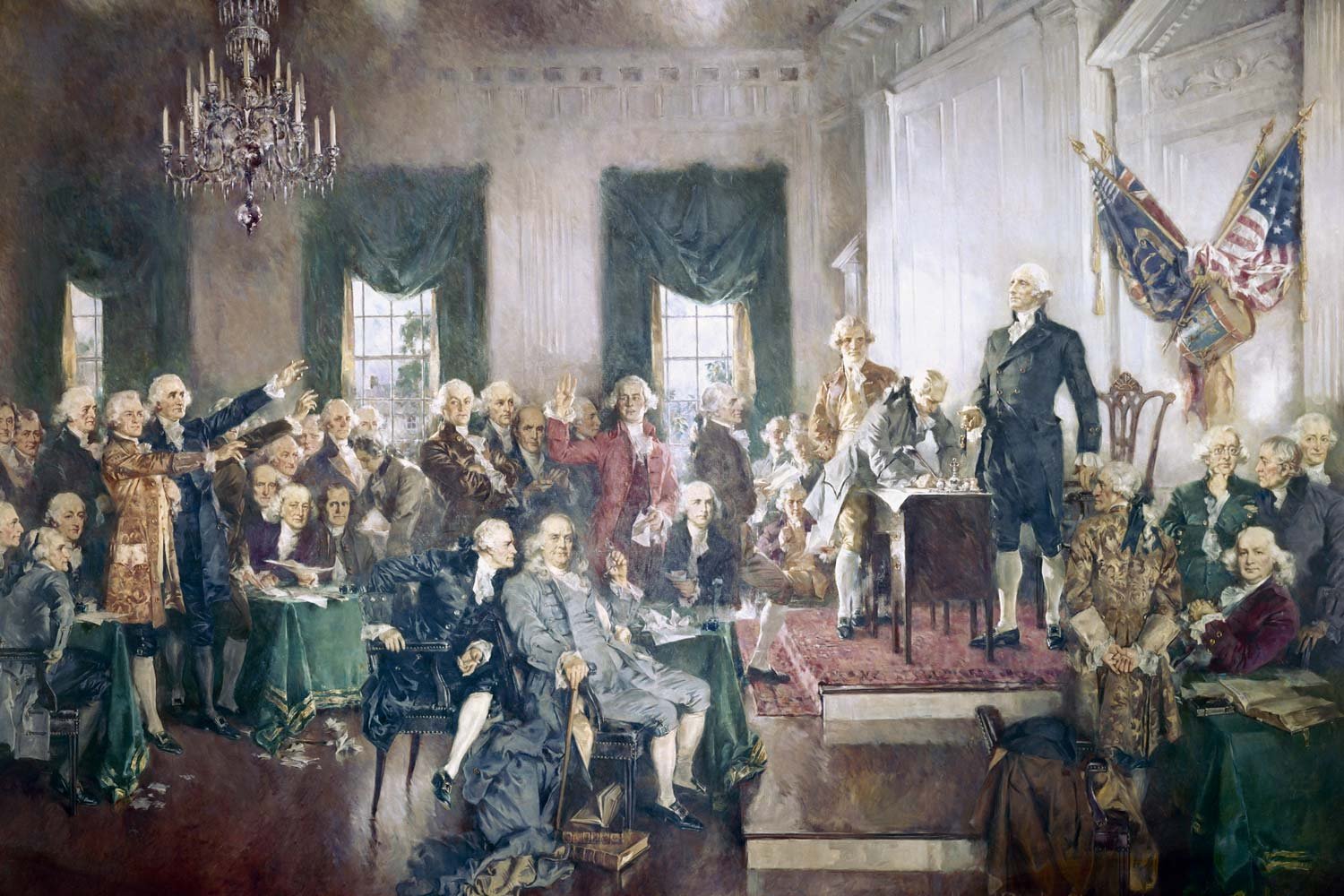
Ben Franklin’s Sage Advice Influences Constitutional Convention
In 1785, Franklin, his work done in France, was recalled to America by Congress. He arrived in Philadelphia that September, revered as one of our nation’s greatest patriots. Despite his need for a well-deserved rest, he was kept continually busy receiving dignitaries, wrapping up loose ends from his eight-year diplomatic mission, and with what would prove to be one final opportunity to help his country.
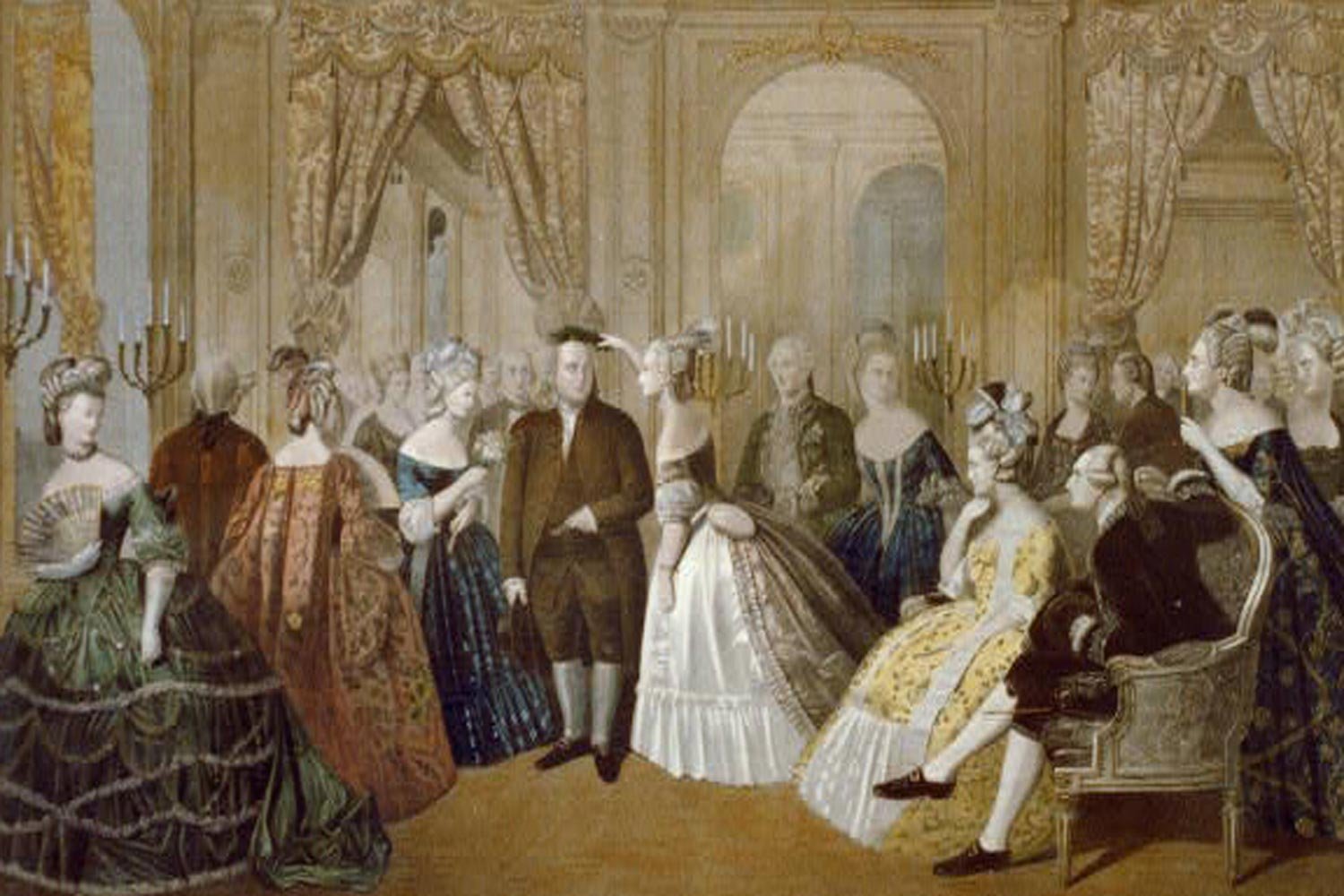
Ben Franklin Becomes America’s Top Diplomat
Congress declared America’s independence from England on July 4, 1776, but the most crucial step still lay ahead and that was to secure what we had declared. Delegates knew that to have a real chance at success, the United States needed the assistance of one or more European powers.
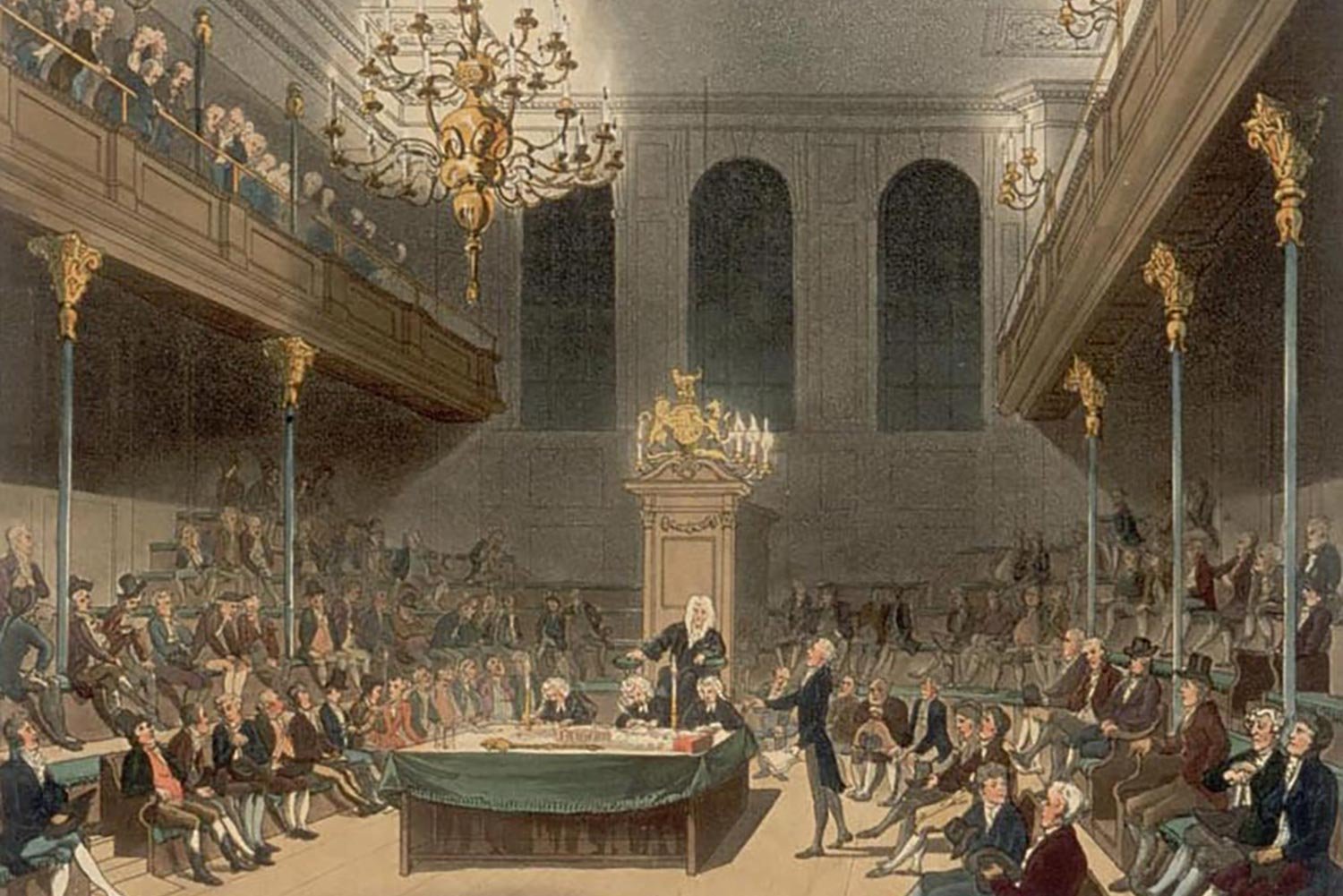
Ben Franklin Works Towards Independence
Partly due to Benjamin Franklin’s testimony before the House of Commons, the Stamp Act, which taxed items such as newspapers and legal documents, was repealed by Parliament on March 18, 1766. Unfortunately, this conciliatory measure was immediately undone when Parliament enacted the Declaratory Act which reasserted that all laws passed by that legislative body were binding on the colonies, including those related to taxes.
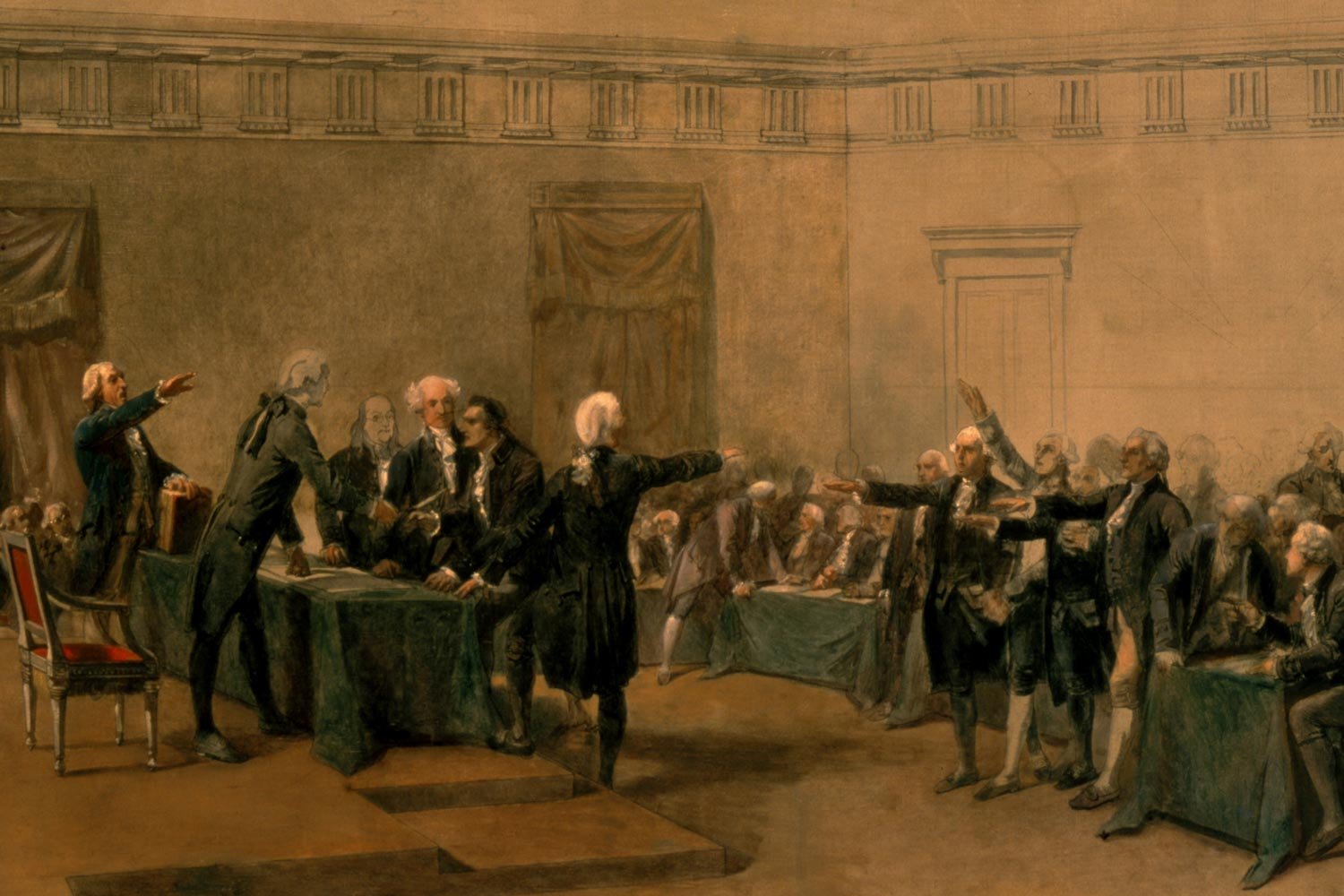
Ben Franklin Enters Politics
Benjamin Franklin retired from an active role in his printing business in 1748 at the age of 42. His work had made him a wealthy man, and he decided to devote the remainder of his life to civic improvements and governmental affairs. Franklin became a member of the Philadelphia City Council that same year, beginning a period of more than four decades of involvement in American politics and statecraft.
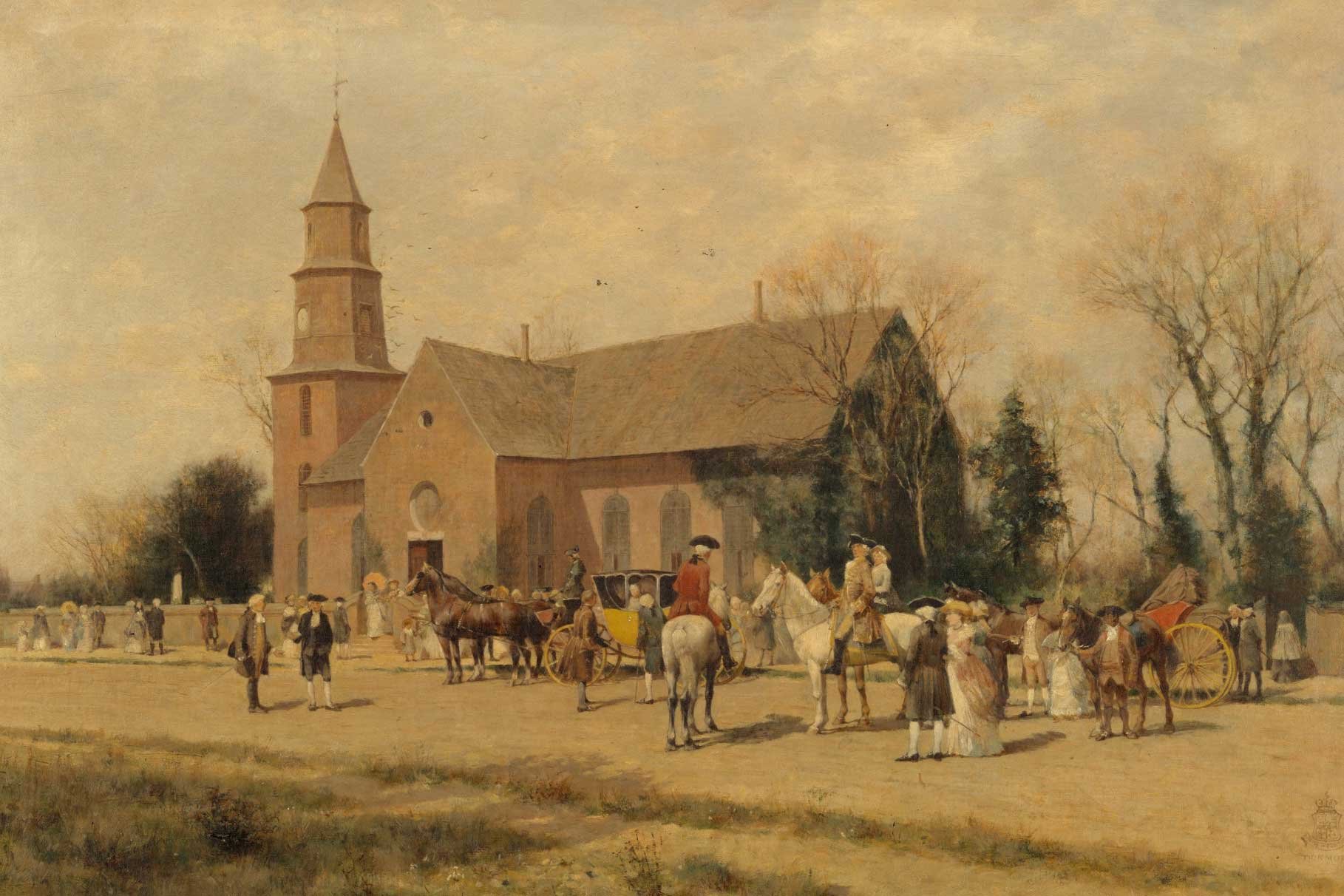
Virginia’s House of Burgesses, British America’s First Elected Legislature
The Colony of Virginia was established at Jamestown by the Virginia Company in 1607 as a for-profit venture by its investors. To bring order to the province, Governor George Yeardley created a one-house or unicameral General Assembly on July 30, 1619.