
Browse Articles by Category

Colonial Era
American Revolution

The New Nation

National Expansion and Reform

Civil War and Reconstruction (Coming Soon)
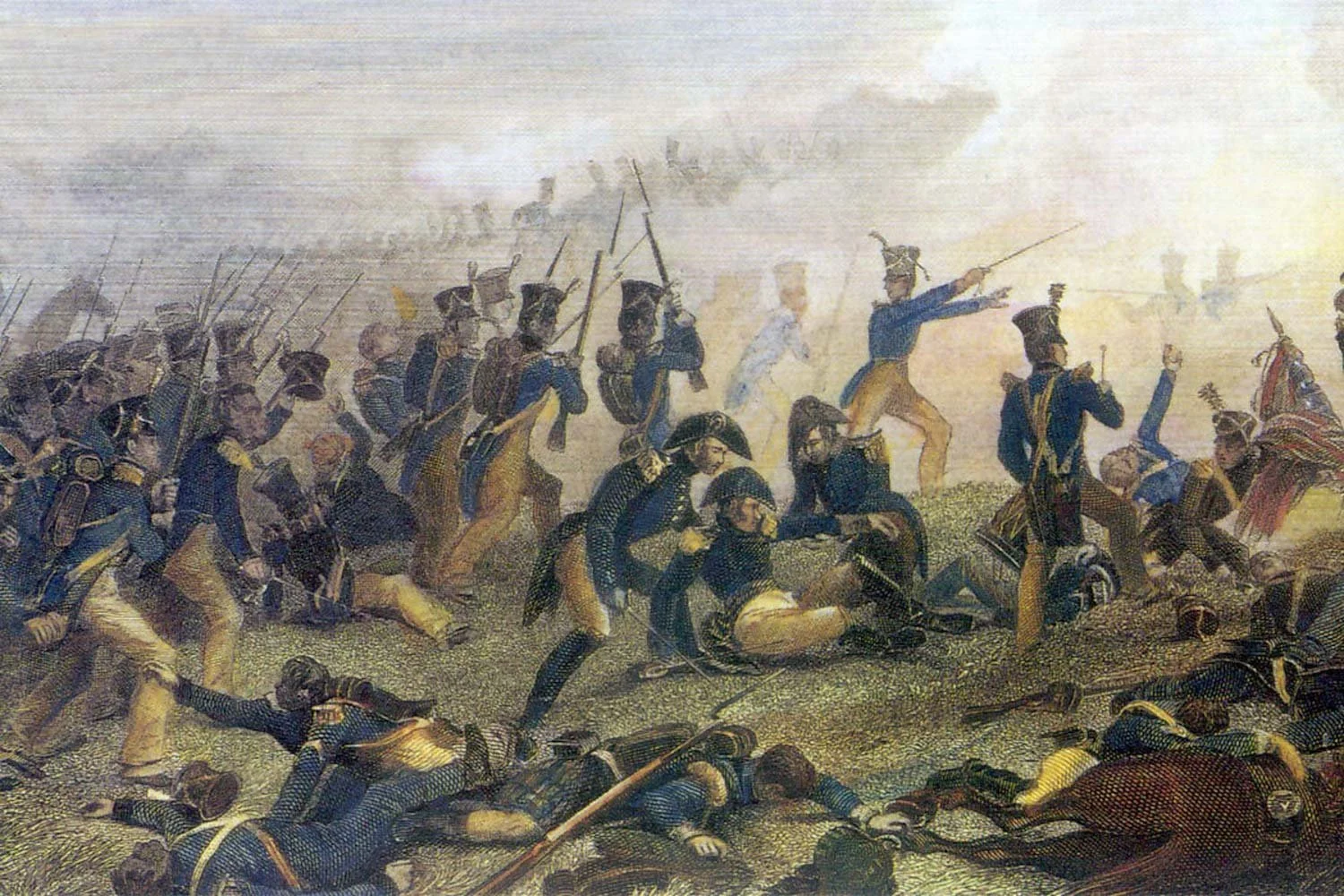
War of 1812, Part 12: The Battle of Lundy’s Lane
A few days after the resounding American victory at Chippawa, General Phineas Riall moved the British Army north along the Niagara River to Fort George and began to gather a force adequate to strike the Americans and push them from Canadian soil. The American commander, General Jacob Brown, meanwhile was imploring Commodore Isaac Chauncey, commander of the Lake Ontario fleet, to come to his assistance and help drive the British from the Niagara peninsula. But as was often the case, the Army and Navy did not see eye to eye on the matter and that would cause a problem in the days ahead.

War of 1812, Part 11: Americans Seize the Offensive
On March 31, 1814, the allied armies marched into Paris and with that came the collapse of Napoleon's empire. That was good news for Europe who had been fighting French armies for more than two decades, but it was bad news for the United States as with Napoleon's demise, Wellington’s veteran British regiments would now be freed up to fight in North America, and by mid-summer, four brigades of Wellington's best troops sailed from Bordeaux for Canada.

War of 1812, Part 10: The Battle of Sackett’s Harbor
While General Henry Dearborn was trying to make headway along the Niagara front, the British were busy launching an offensive of their own against Sackett’s Harbor. This was not the first British attack on the American outpost, as the previous summer, on July 19, a British fleet had attempted to destroy Sackett’s Harbor’s critical navy yard, but the British were repulsed in that attack which marked the first armed engagement in the War of 1812.