
Northwest Territory
To download or save to print, click on a map to enlarge, right-click or control-click on the map, and select ‘save as’ or ‘save image as.’ Once saved, select ‘portrait’ orientation and print.
RELATED ARTICLES
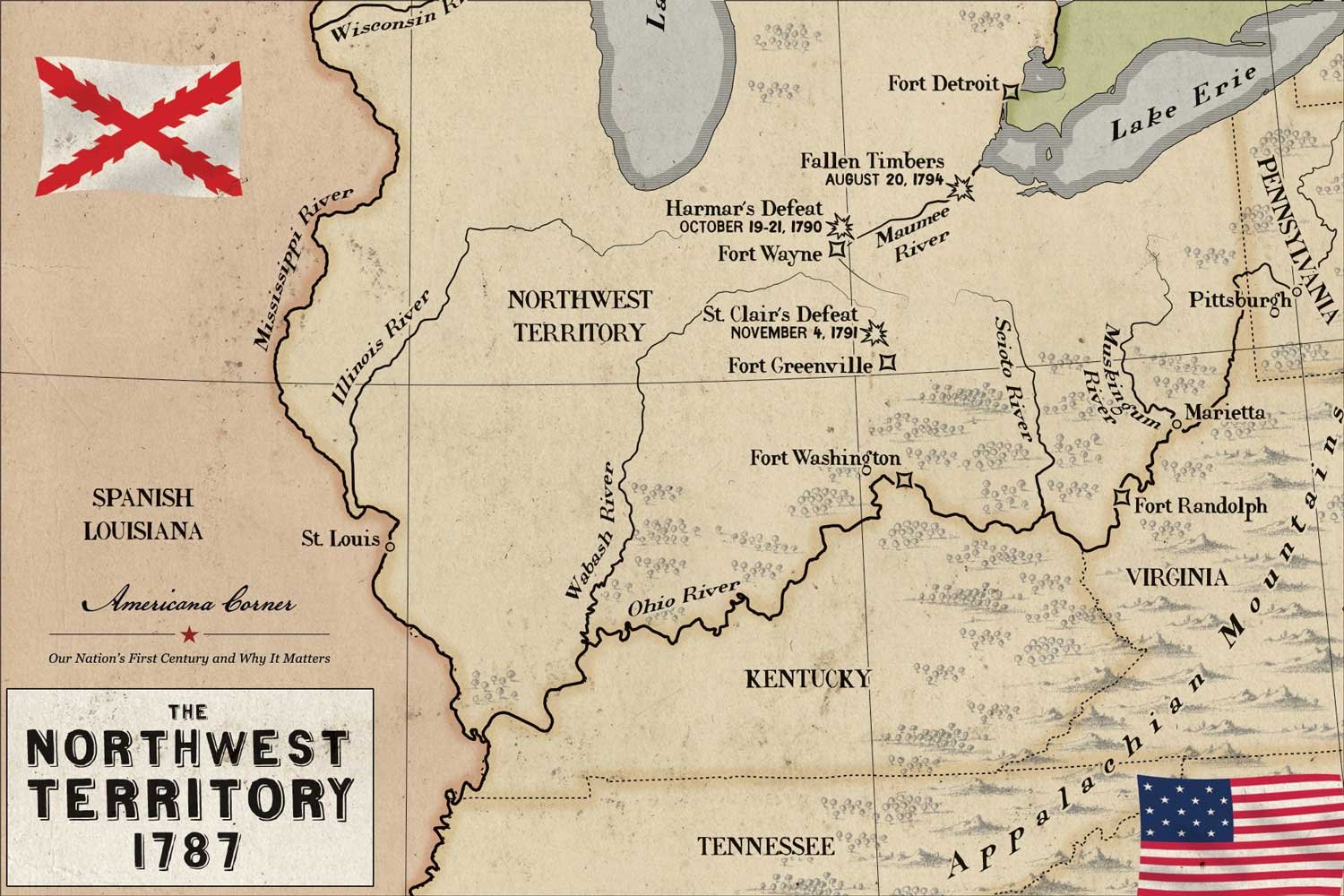

To download or save to print, click on a map to enlarge, right-click or control-click on the map, and select ‘save as’ or ‘save image as.’ Once saved, select ‘portrait’ orientation and print.
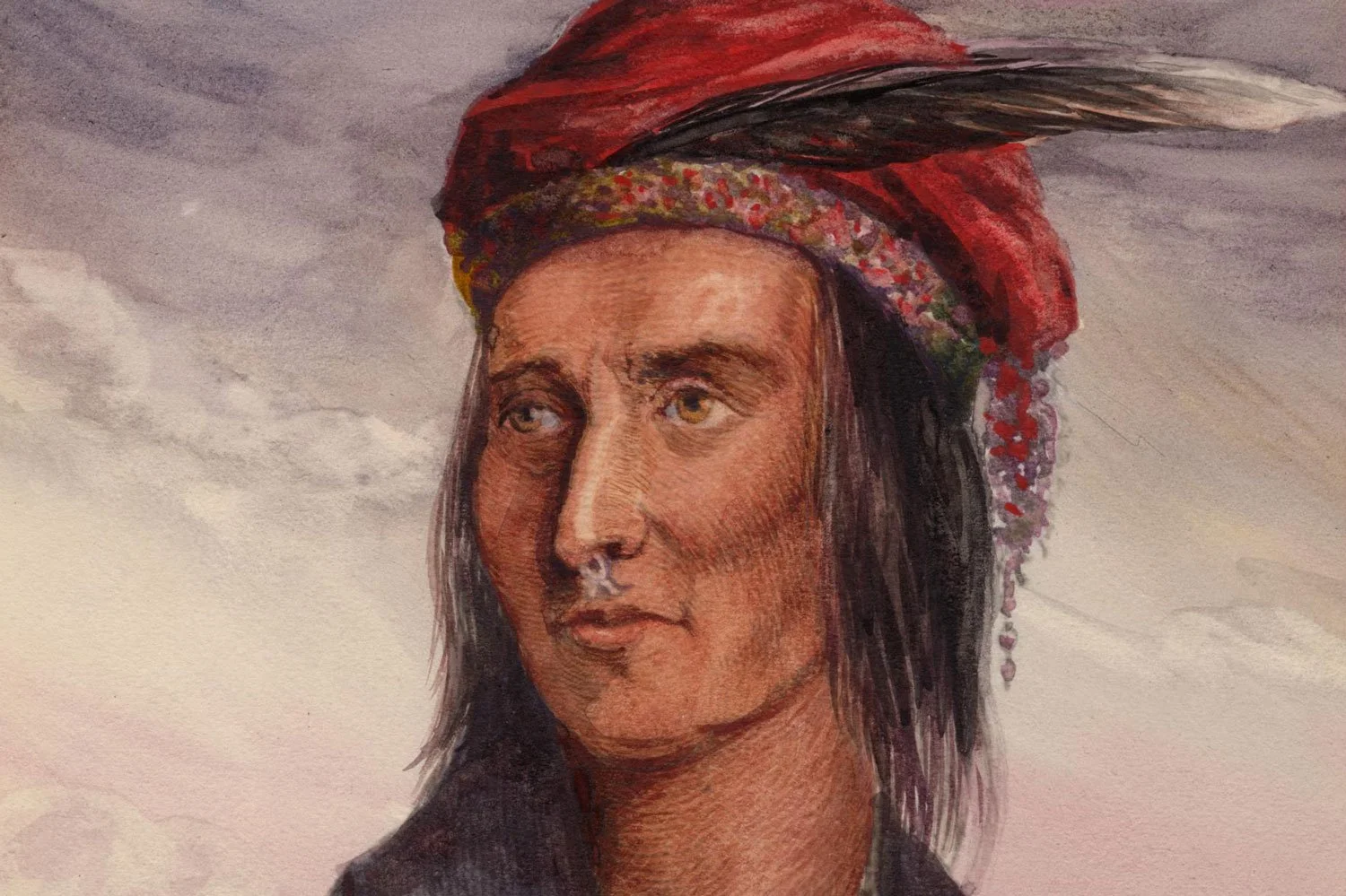
Tecumseh’s War was the last great Indian war in the Northwest Territory and raged from 1811 to 1817. The cause of the conflict was Indian anger at the numerous land cessions made between Indian nations and the United States from 1803 to 1809. While this war overlapped with the War of 1812, the two conflicts were separate events with different goals for the participants.
When James Madison was sworn in as President on March 4, 1809, his most pressing issue was dealing with British and French violations of American neutrality on the high seas. But he also had a rising issue in the west in the form of an Indian confederacy headed by the Shawnee chief Tecumseh and his younger brother, Tenskwatawa, better known to history as the Prophet. The focal point of this movement was the old Northwest Territory, the most fought over area in American history where white settlers and Native Americans vied for control in a virtually continuous conflict that lasted for more than fifty years before coming to an end in 1817.
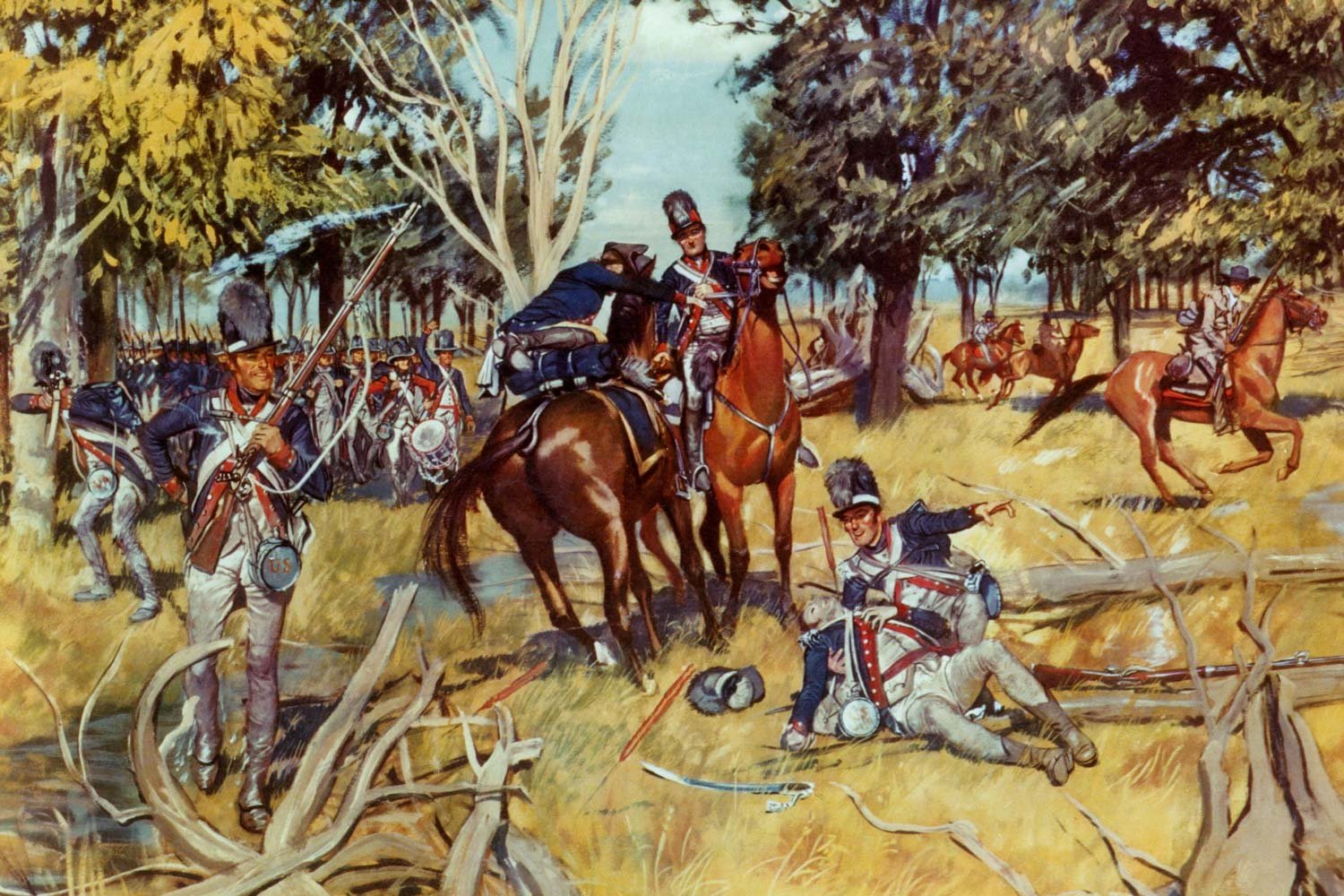
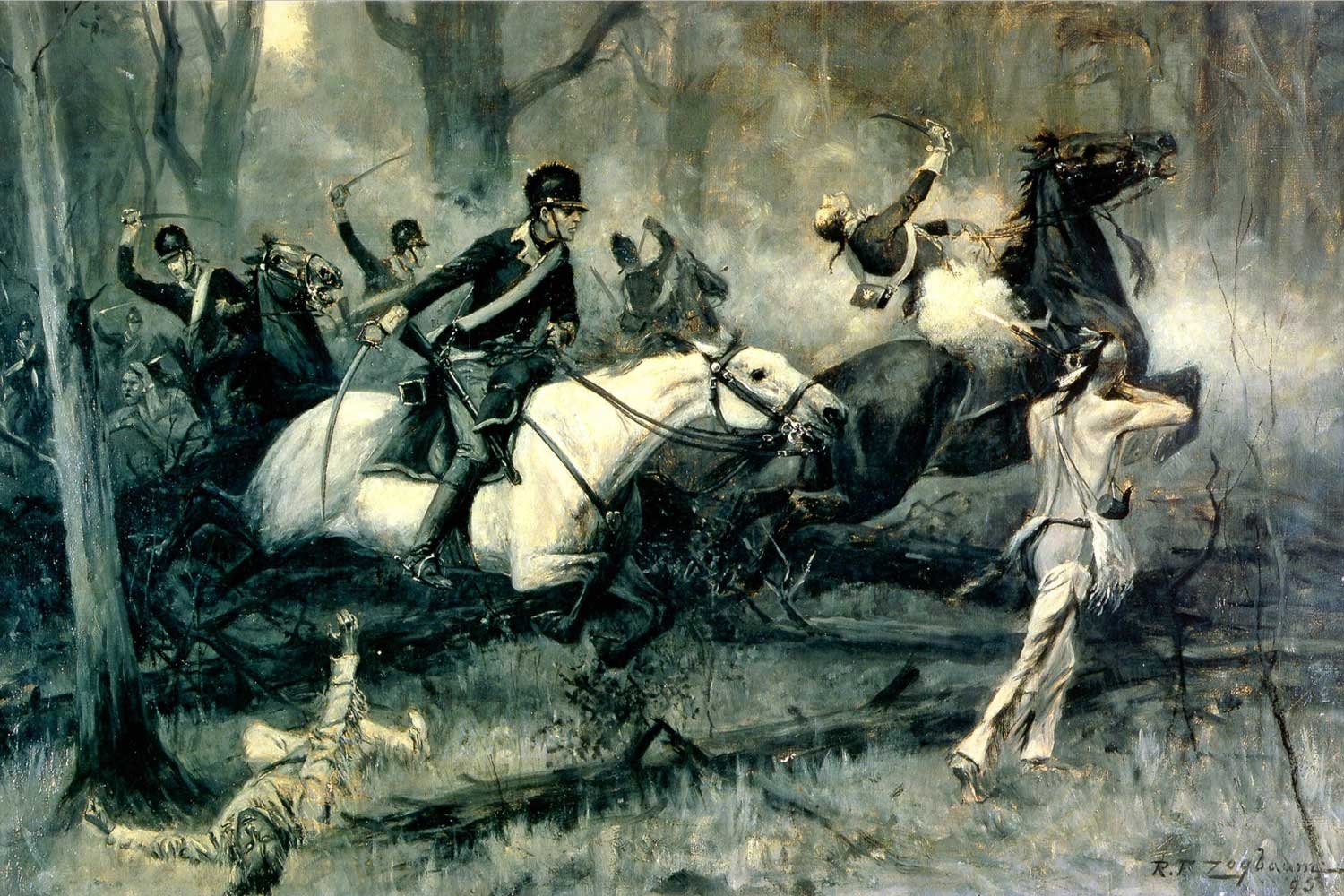
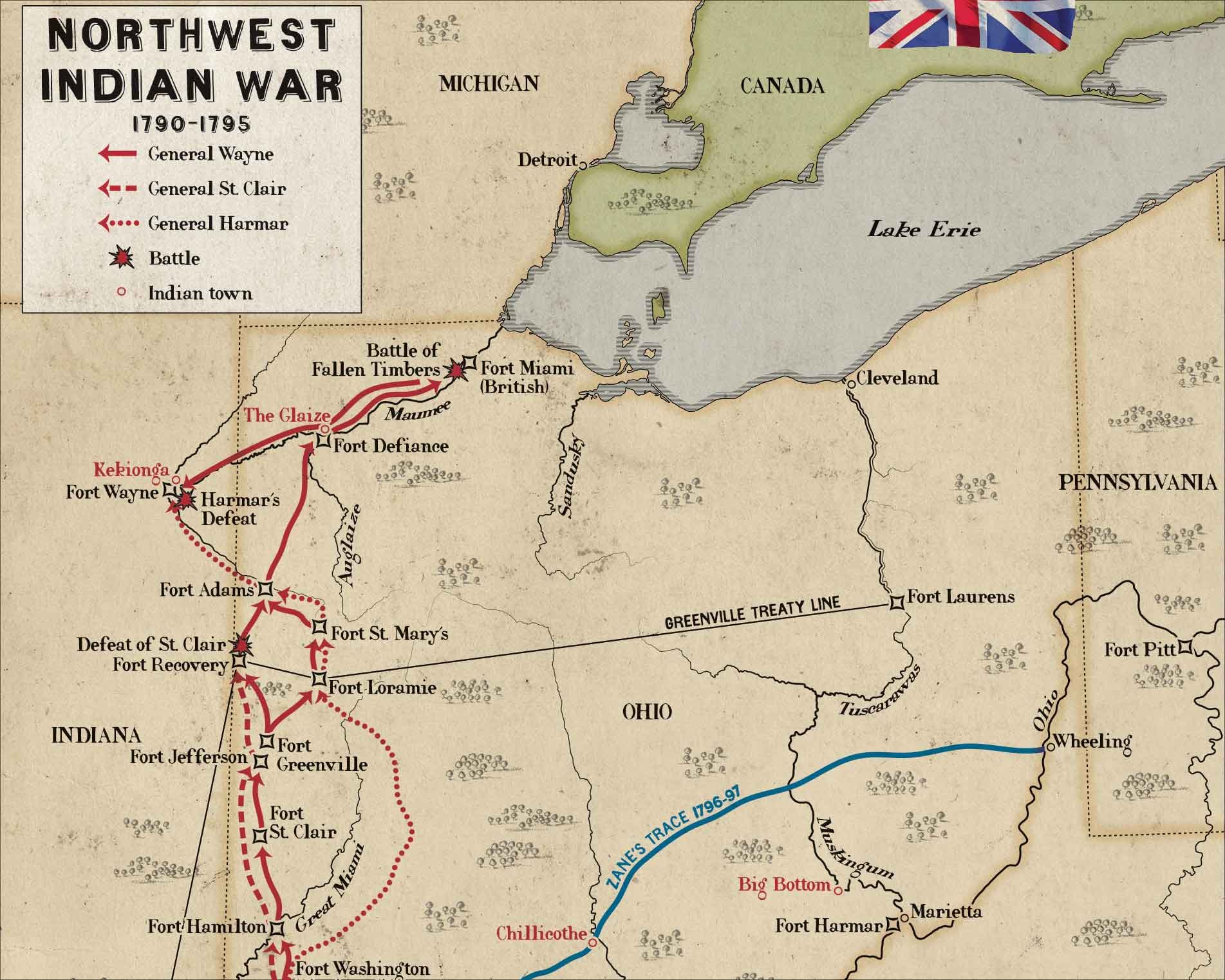
In March 1792, following St. Clair’s debacle at the Battle of the Wabash, a reluctant Congress agreed to President George Washington’s request to create a force suitable to finally conquer the Northwest Territory. The result was a 5,000-man force called the Legion of the United States, the forerunner of the United States Army. Its creation represented a seismic change for many Americans as the Legion moved the defense of the country from the militia to a standing army.
The Northwest Ordinance of 1787 created the Northwest Territory and a template for how the vast area, also known as the Ohio Country, was to be settled by the United States. But determining how the land was to be developed was the easy part. The more challenging aspect for the federal government was how to make the territory safe for the new settlers given the many Indian tribes who claimed this area as their own and had no desire to move.
The Northwest Ordinance was one of the United States most important founding documents, only less significant than the Declaration of Independence and the Constitution. The act, enacted by the Confederation Congress on July 13, 1787, created the Northwest Territory, officially known as the Territory of the United States North West of the River Ohio. This legislation created the country’s first organized incorporated territory and established a framework for further territorial expansions.
The Northwest Ordinance of 1787 created the Northwest Territory, officially known as the Territory Northwest of the River Ohio, but also called the Old Northwest. This legislation, enacted by the Congress of the Confederation on July 13, 1787, was our country’s first organized incorporated territory and our initial attempt at expanding the new nation.
The last great battle between Indians in the old Northwest Territory and the forces of the United States, and one of the most consequential in our nation's early decades, was the Battle of Tippecanoe, fought on November 7, 1811, between Shawnee, Potawatomi, and Kickapoo warriors and American troops led by General William Henry Harrison, the Governor of the Indiana Territory.