
Soon after Lewis and Clark returned from exploring the Rocky Mountains in 1806 and brought back reports of the almost limitless number of beavers, a breed of hardy Americans, known as mountain men, headed west to make their money trapping the furry gold. Some mountain men operated independently, but most worked for large outfits such as John Jacob Astor’s American Fur Company. Trapping primarily took place in the fall when streams began to freeze over and beaver had acquired their winter coat. Unless the fall harvest was exceptionally poor, mountain men spent the winter hunkered down in camp. But the life they endured was harsh with frequent encounters with grizzlies, horrible winters, and Indians who resisted them at every turn.
Tom Hand, creator and publisher of Americana Corner, discusses the mountain men of the American West and the events that shaped our nation’s history.
Enjoyed this video? Share it to help others discover the great American story! Subscribe to receive a new article and video each week, delivered directly to your inbox.
Images courtesy of the Library of Congress, National Portrait Gallery - Smithsonian Institution, UCLA Digital Library, The Walters Art Museum, Picryl, Wikimedia.
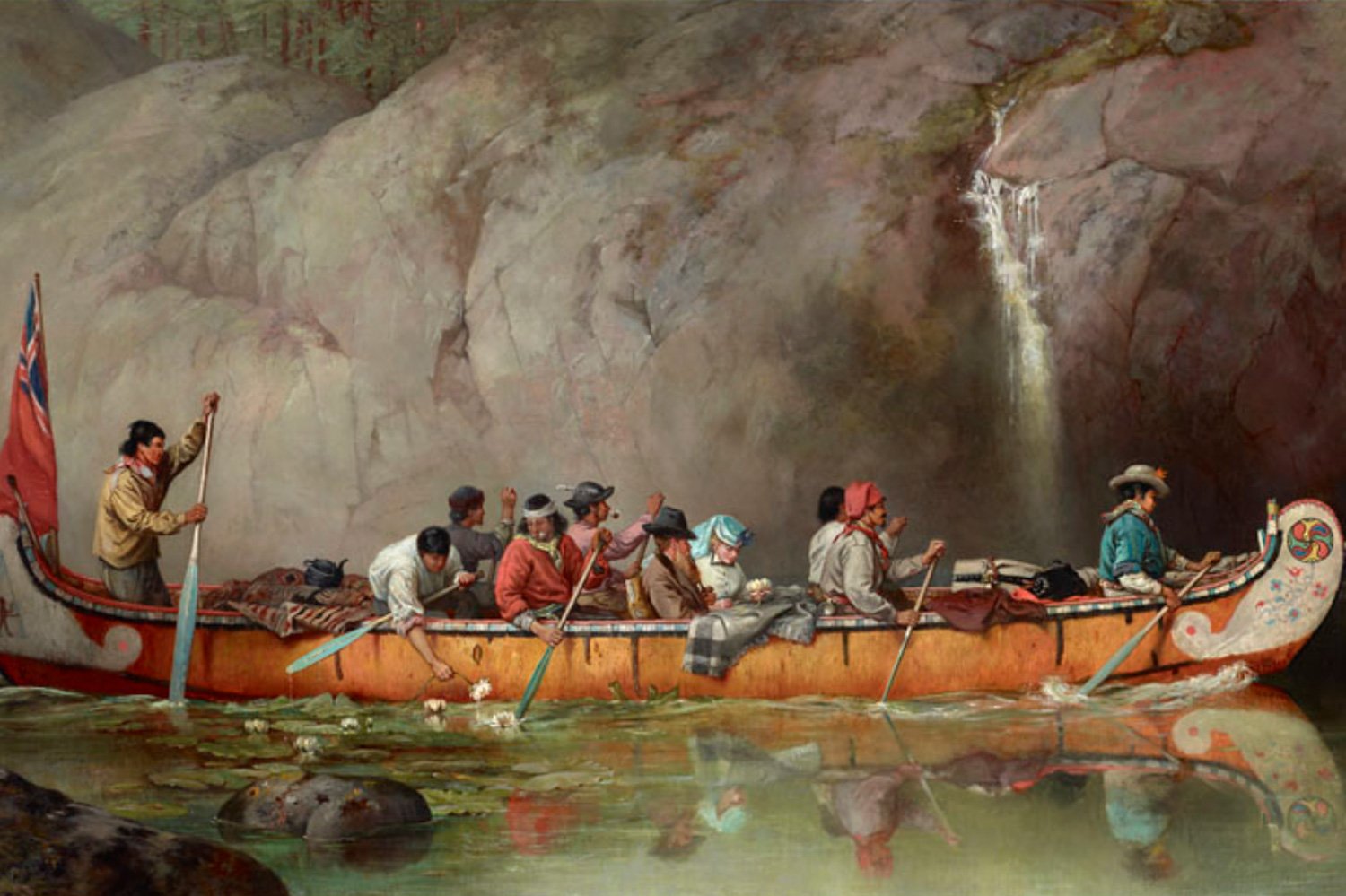
Nothing typifies the rugged spirit of American individualism like the mountain men who traversed the Rocky Mountains during the first half of the 19th century. These hardy men were in search of the “hairy dollars” of beaver pelts, and during their wanderings blazed countless trails that others followed west throughout the century. They also filled in the huge gaps of knowledge over the vast territory that President Thomas Jefferson had secured for the country in 1803 with the Louisiana Purchase, and, although their reign in the western mountains was short-lived, their impact resonated for many decades to come.