
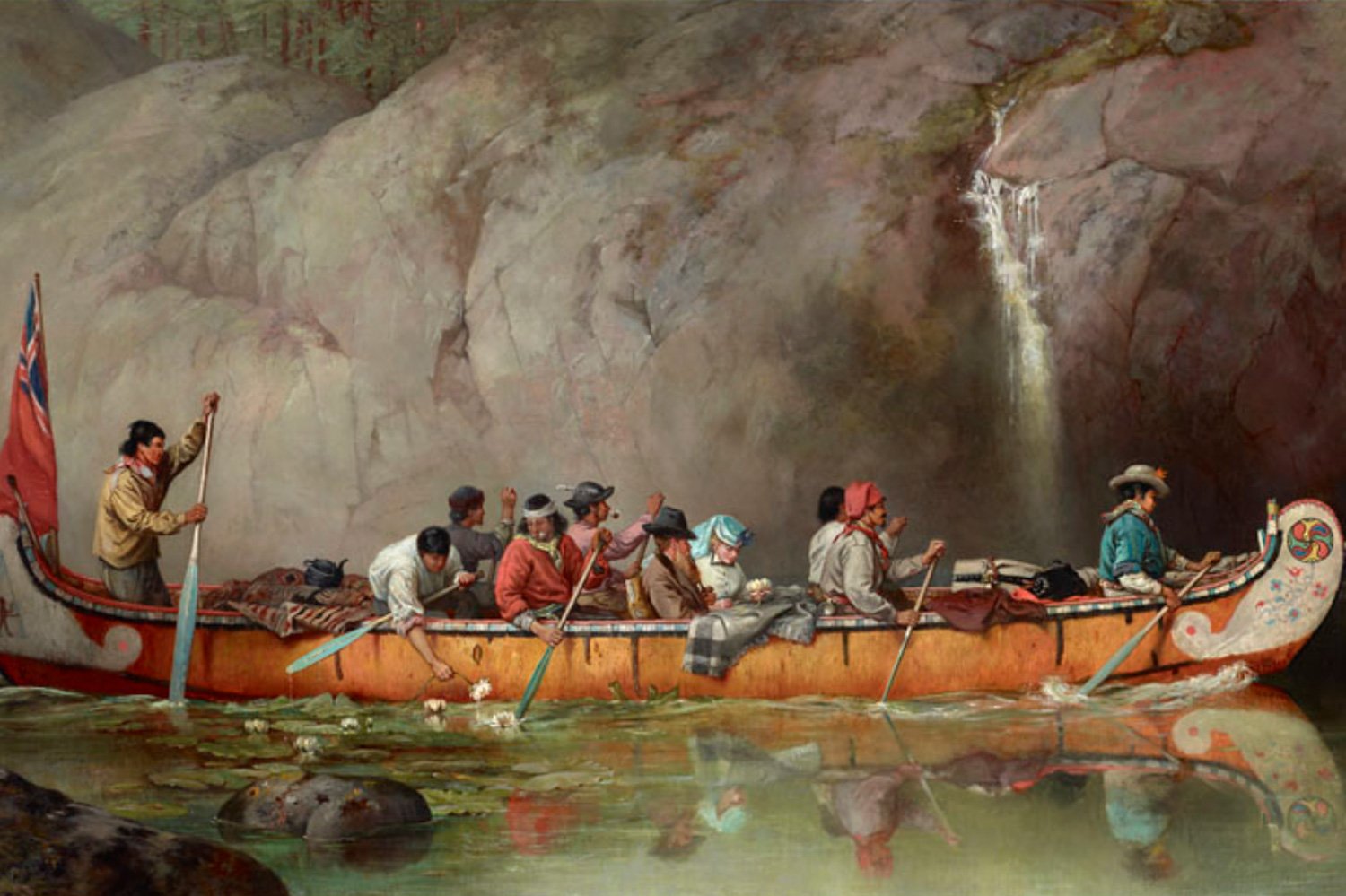
Frances Anne Hopkins. “Voyageurs franchissant une cascade en canot.” Bibliothèque et Archives Canada.
When Europeans first came to the New World, the Spanish found vast amounts of gold and silver in Central and South America and each year sent a treasure ship back to Spain to fill the king’s coffers. The French and English hoped to find the same sort of treasures in North America but were sadly disappointed. But what they did find was a continent of boundless natural resources, including one as lucrative as Spanish gold, the peltries of the seemingly infinite number of beavers, deer, and buffalo. In fact, it is estimated that before Europeans set foot in North America, there were 60-400 million beavers, 20-30 million deer, and 30-60 million buffalo. The vast wilderness was the most extensive field in the world for collecting fine furs, and for the next two centuries the fur trade was the principal business and primary export of North America. So significant were the riches to be gleaned from this trade that France and England fought multiple wars to control it.
Europeans began trading in North American furs almost as soon as Jacques Cartier sailed into the Gulf of St. Lawrence in 1534. Initially, early French explorers traded their metal items, such as cooking pots, for Indian beaver robes to keep themselves warm in the cold North Atlantic. By the end of the 16th century, hat makers in Europe discovered that beaver fur had superior properties for making felt (produced by taking the under hairs of a pelt and repeatedly washing and compressing the mass into a dense fabric). As beaver felt hats became the latest fashion craze (even George Washington’s tricorn hat was beaver felt), the demand for beaver pelts dramatically increased, and trappers and traders moved to exploit this profitable commodity.
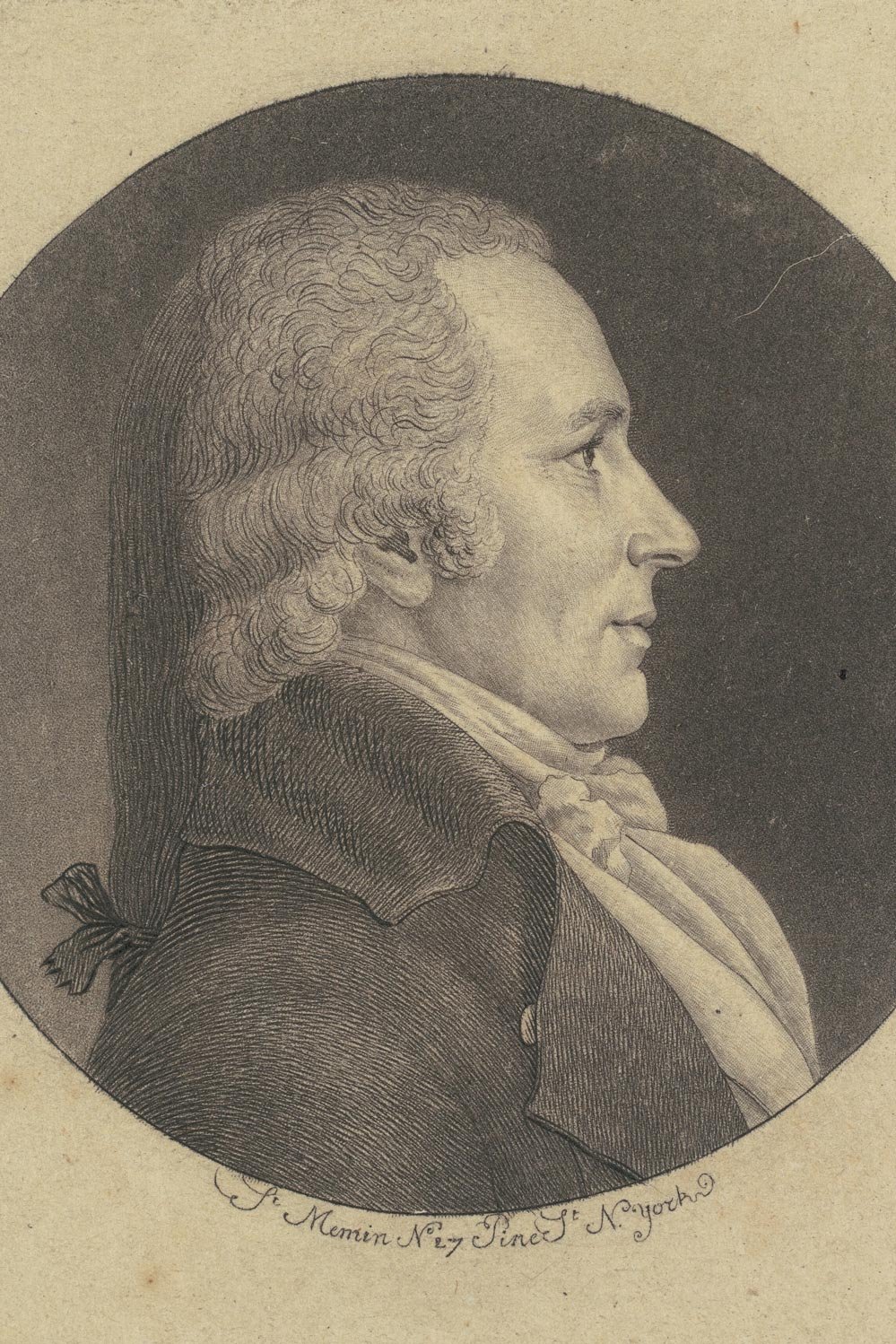
“Simon McTavish.” National Gallery of Art.
After Samuel de Champlain founded Quebec in 1608, marking the beginning of New France, the fur trade moved to the interior of the continent, with a brisk business developing between the Great Lakes and Montreal. The men who facilitated this trade were called coureurs des bois, or Rangers of the Woods, who would leave Montreal in canoes loaded with trade goods, including arms and ammunition, and make their way into the vast forests of Canada. These Frenchmen easily assimilated into the Native way of life, adopting Indian dress and often taking Indian wives. And after a sojourn of twelve to eighteen months, they would return to Montreal loaded with peltries, which they would trade for wine, women, and song. Or in the words of one contemporary, the coureurs des bois would “eat, drink, and play all away as long as the goods (furs) held out,” at which point they would turn their canoes west and head back to the woods.
In the late 17th century, the power struggle between the British and the French to control the fur trade began in earnest, most notably after England’s King Charles II issued a royal charter to the Hudson's Bay Company in 1670, which granted the company “sole trade and commerce” in Rupert’s Land, a vast territory encompassing the drainage basin of Hudson’s Bay. The Hudson’s Bay Company was destined to be one of the main players in the North American fur trade for the next two centuries and was its own de facto government until relinquishing control of its land to Canada in 1869. Both European nations sought Indian allies with whom they could trade: the French with tribes around the Great Lakes, such as the Chippewa, Ottawa, and Shawnee, while the British allied themselves with the Iroquois. This confederacy of six tribes was the most powerful Indian nation east of the Mississippi and controlled lands from New York to Illinois and southward into Kentucky, after conquering all tribes in the region in a series of conflicts known as the Beaver Wars.
The dispute between the British and French reached its climax with the French and Indian War (or Seven Years’ War) which began in 1754 when a provincial force under Lieutenant Colonel George Washington attacked a French detachment at Jumonville Glen. The conflict, which expanded to other British and French colonies across the globe, ended in triumph for Great Britain following a series of victories, most notably when General James Wolfe defeated the French under General Marquis de Montcalm on the Plains of Abraham outside Quebec in 1759, thus driving the French from North America and leaving the British in sole possession of the fur trade.
Soon thereafter, the North West Company was formed under the leadership of Simon McTavish and, by the early 1800s, was the dominant fur-trading company in the vast wilderness west of the Great Lakes, especially in the Rocky Mountains. To discover additional fur-rich lands and expand their reach, the North West Company commissioned Scotsman Alexander Mackenzie to explore the interior of Canada. In 1789, Mackenzie canoed down the Grand River (later renamed the Mackenzie) and followed it to the Arctic Ocean. Four years later, Mackenzie traveled from Montreal to the Peace River country and then across the Great Divide to the Bella Coola River, which he followed to the Pacific Coast, thus completing the first transcontinental journey north of Mexico by a European, twelve years ahead of Lewis and Clark. The richness of the land and abundance of beavers noted by Mackenzie inspired the North West Company to aggressively push into the Rocky Mountains and the Columbia River basin, establishing trading posts from Fort Niagara on Lake Ontario to Fort Michilimackinac on Lake Michigan to Grand Portage at the western end of Lake Superior.
But this territory was also coveted by President Thomas Jefferson and the United States, who had claimed the area since Robert Gray aboard the Columbia had discovered the Columbia River in 1792. And for the next fifty years, Great Britain and the United States argued over the sovereignty of this area known as the Oregon Country and jointly occupied it until the dispute was finally settled with the Oregon Treaty of 1846. But while this dispute was taking place at the diplomatic level, hardy American men were finding their way into the region to gain a piece of the lucrative fur trade. And by doing so, these mountain men explored and mapped this vast unknown region and helped bring clarity to this newest region of the United States.
Enjoyed this article? Share it to help others discover the great American story! Subscribe to receive a new article and video each week, delivered directly to your inbox.
Next week, we will discuss American mountain men. Until then, may your motto be “Ducit Amor Patriae,” love of country leads me.
Hello America!
Subscribe to receive weekly complimentary articles and videos delivered straight to your inbox.
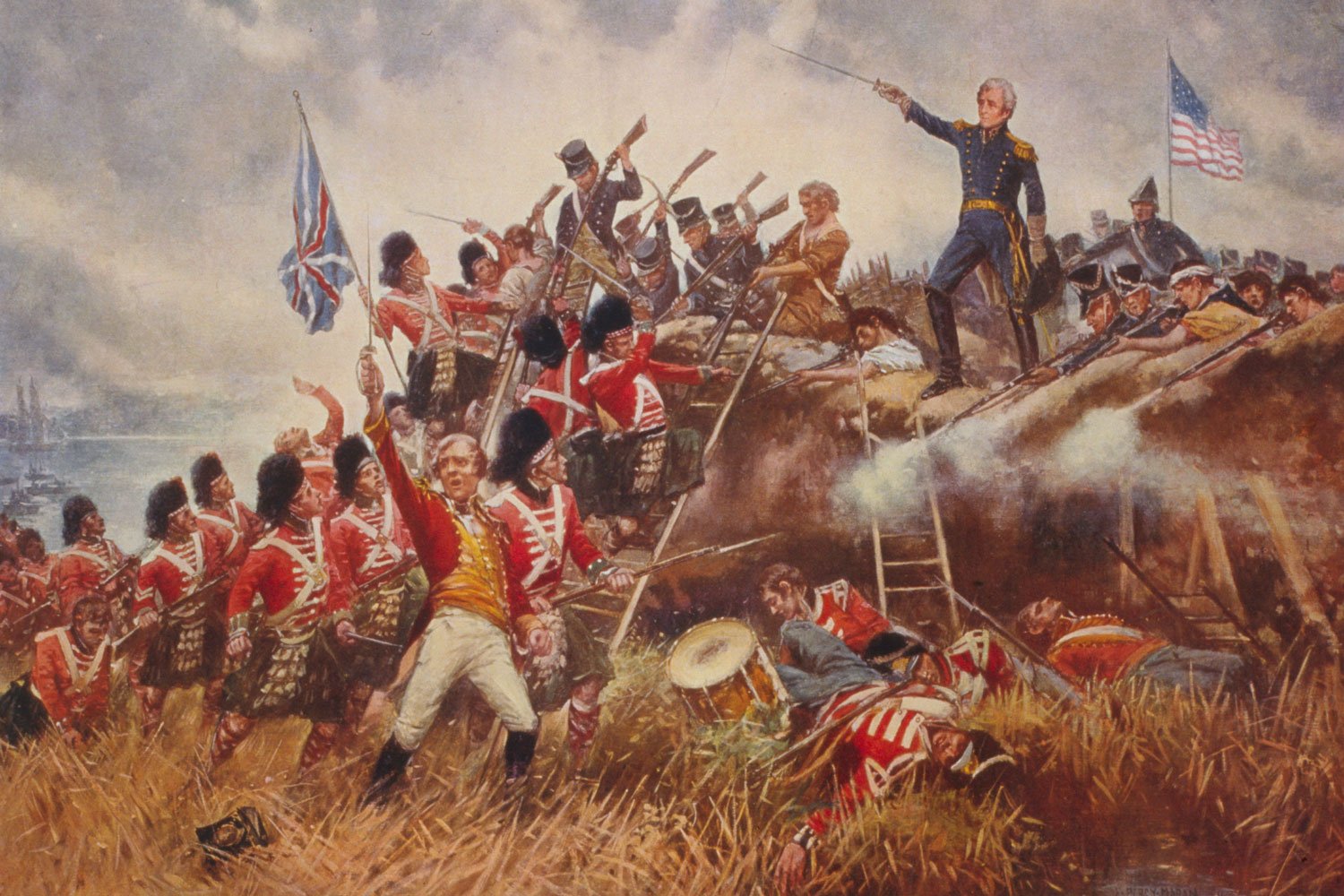
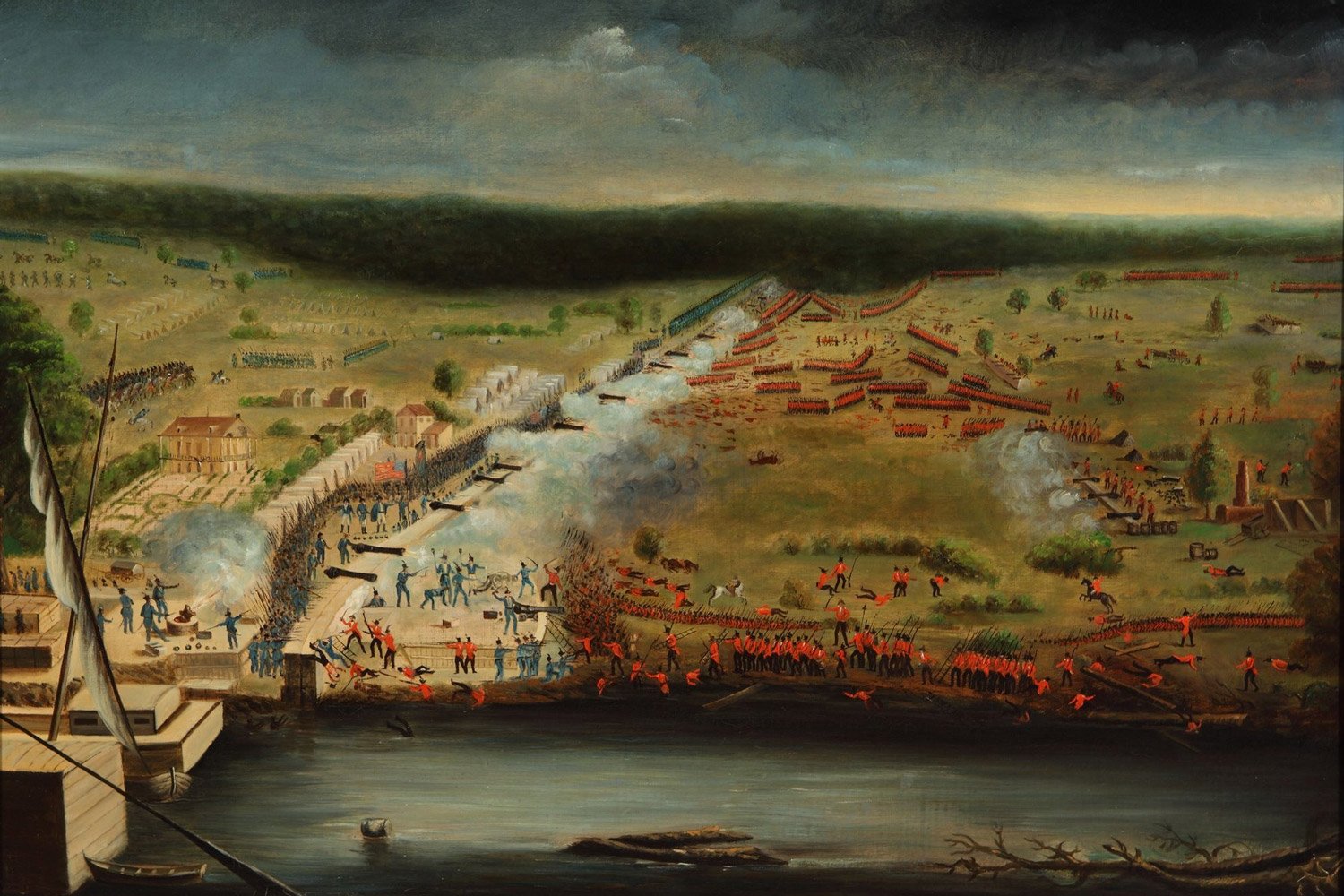
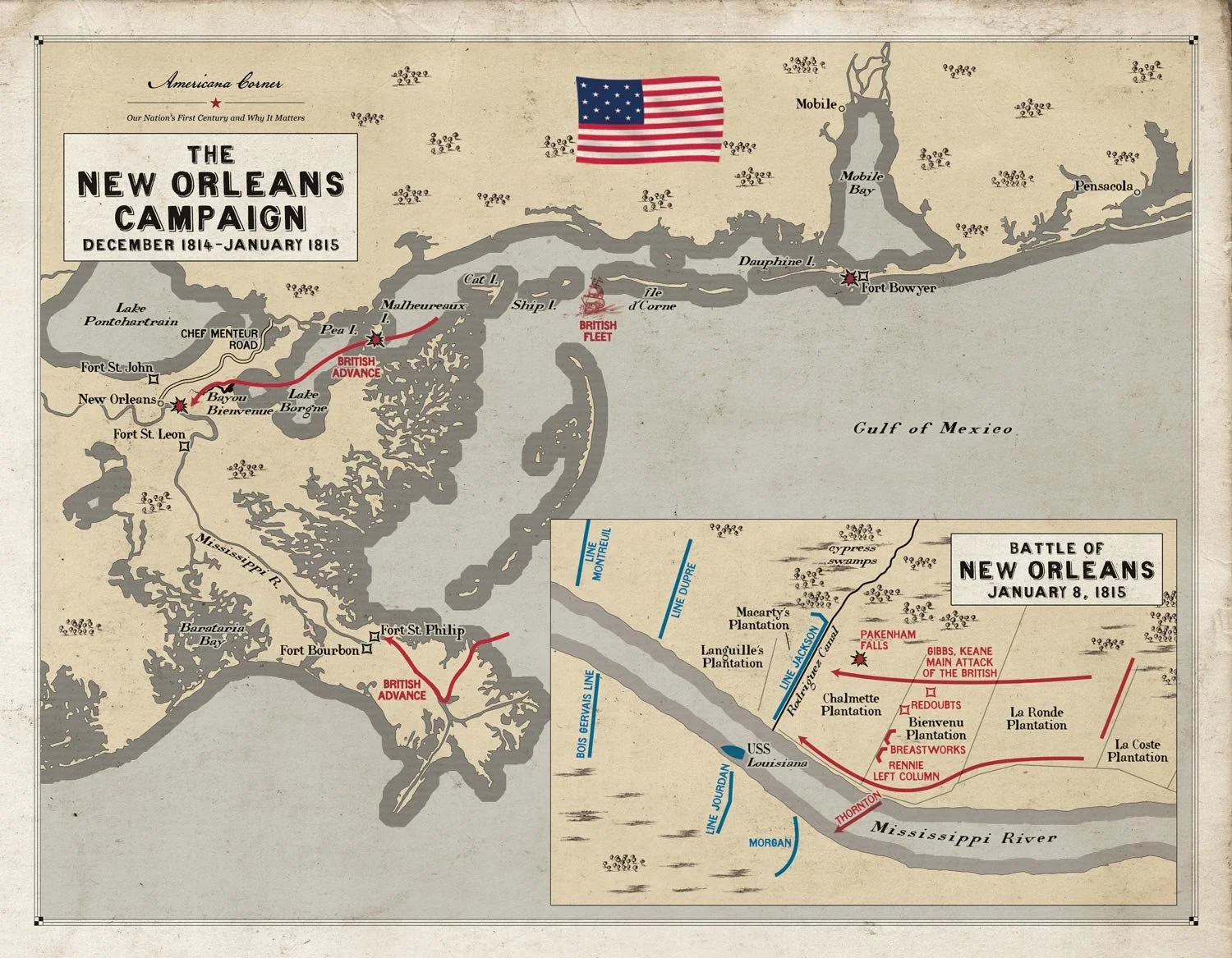
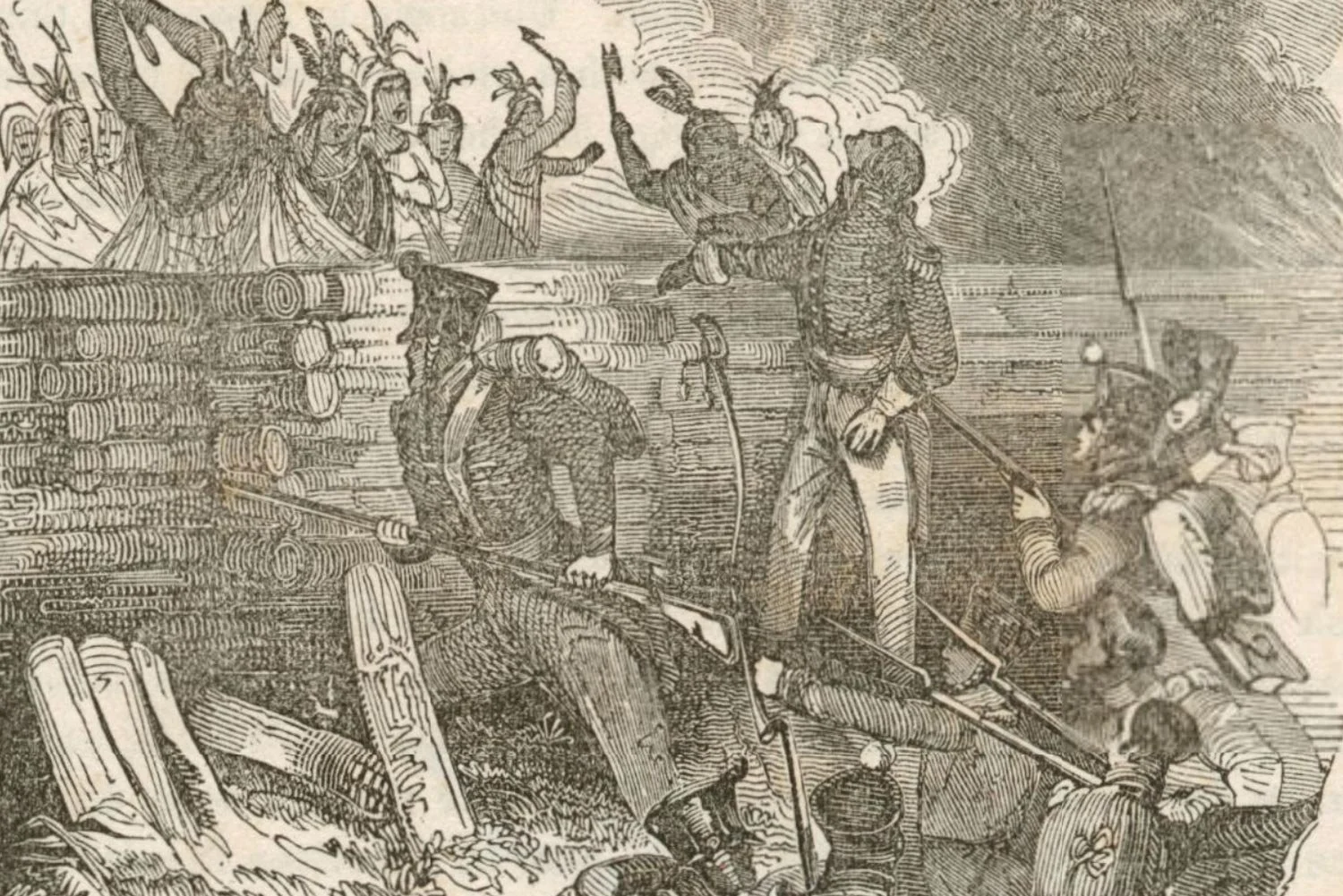
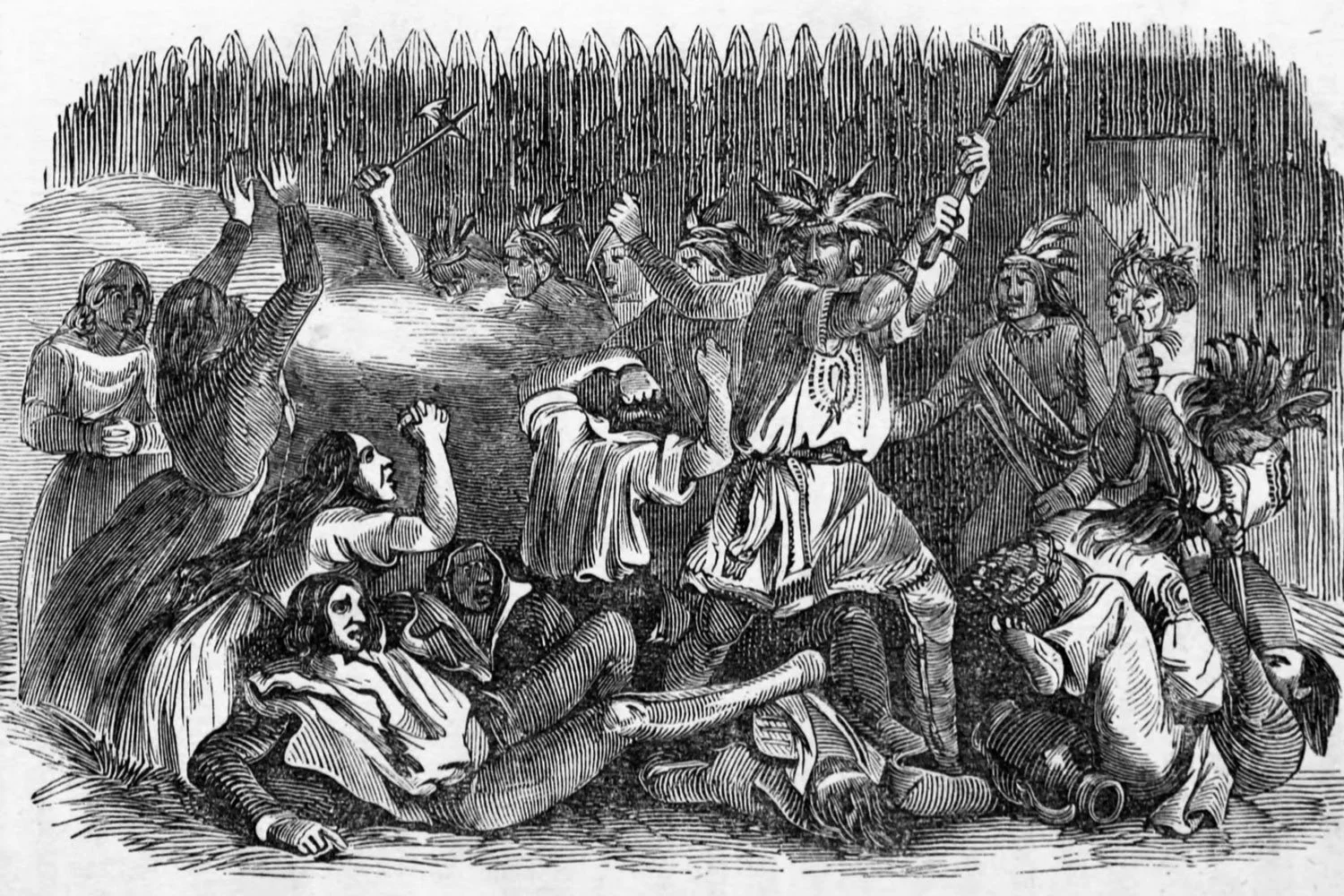
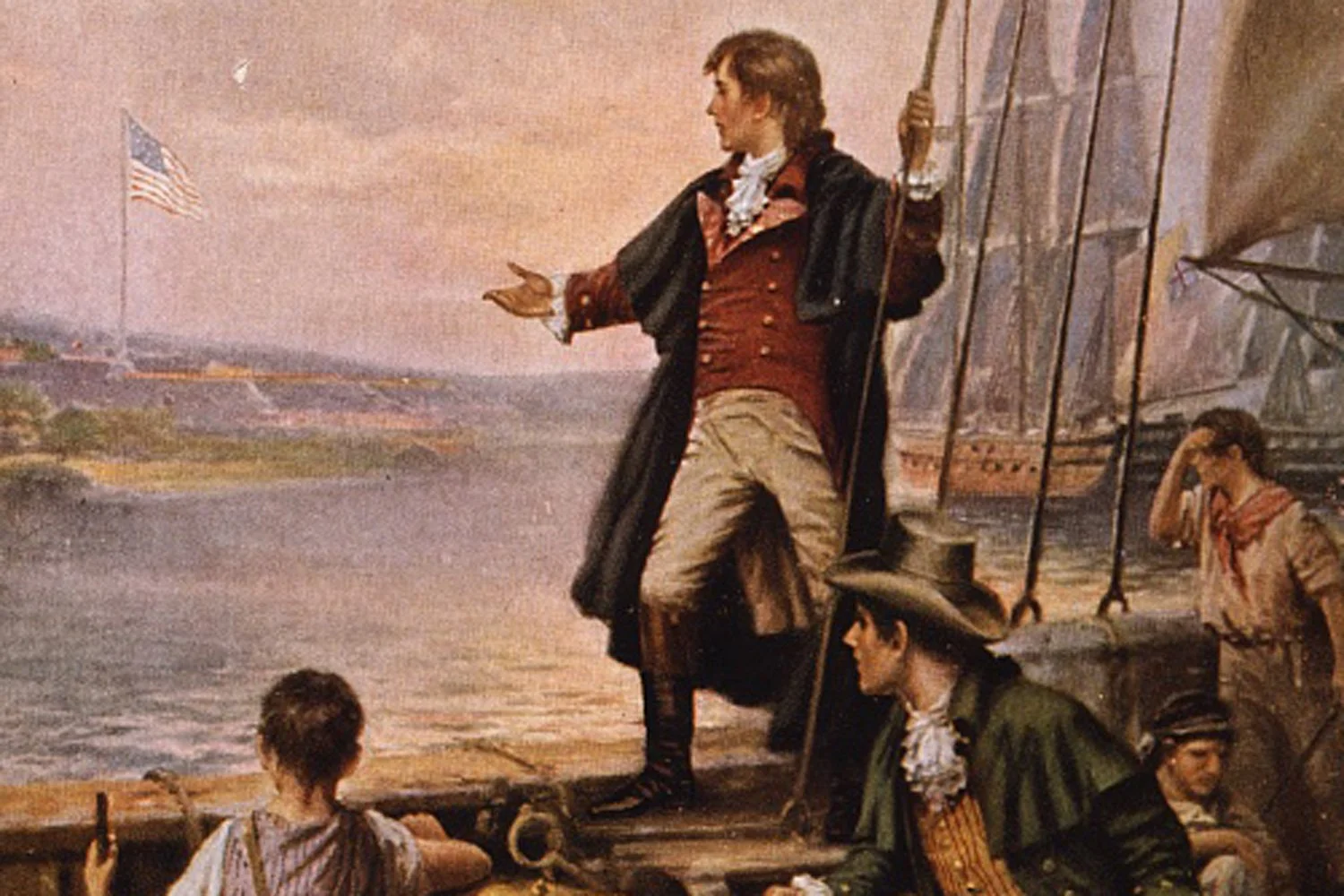
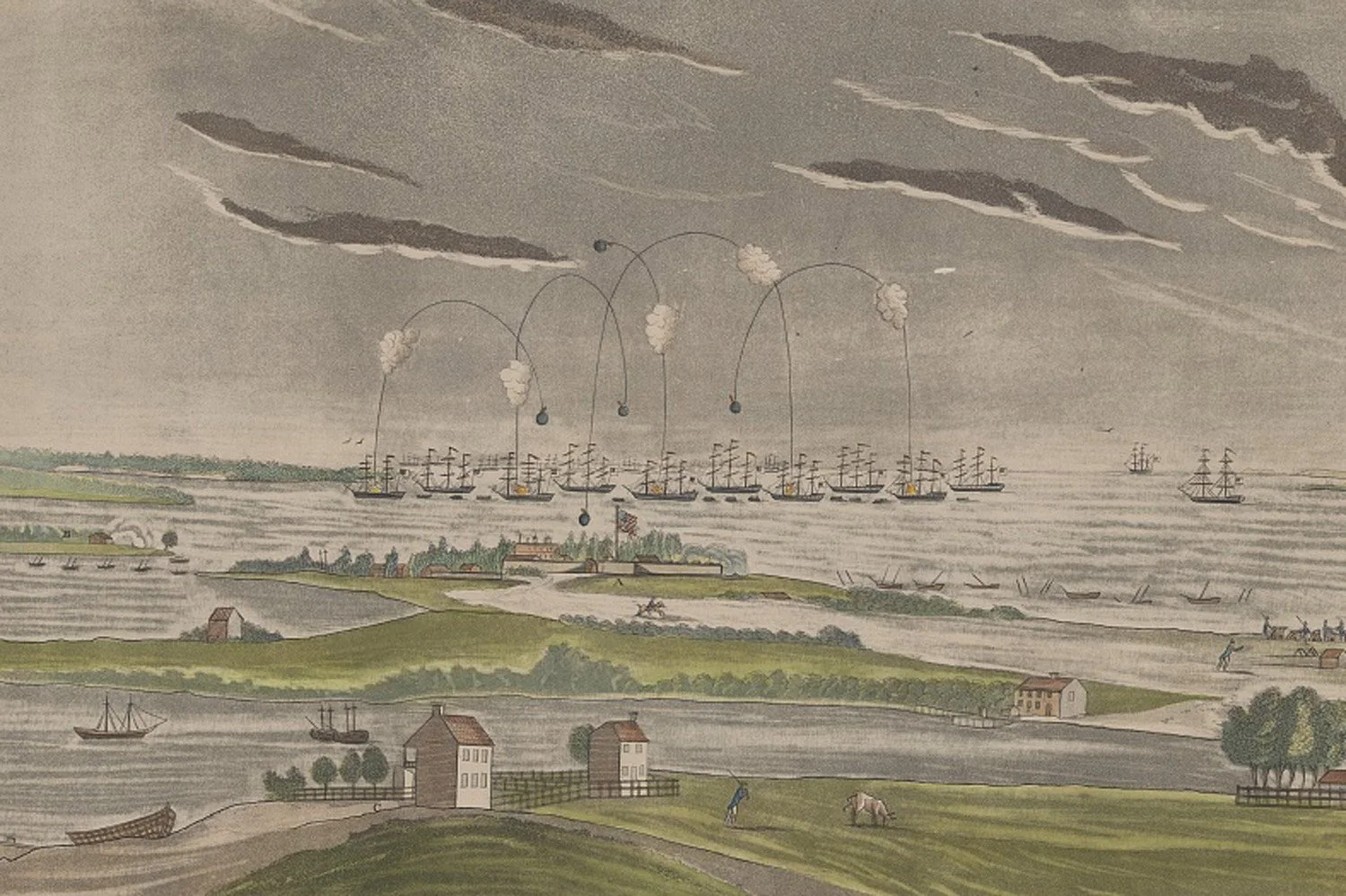
The United States was less than four decades old when it declared war on Great Britain on June 18, 1812. Like the American Revolution that came before it and the terrible Civil War, which followed five decades later, the War of 1812 was largely fought on American soil, and homesteads, farms, and towns across this great land felt its wrath.