
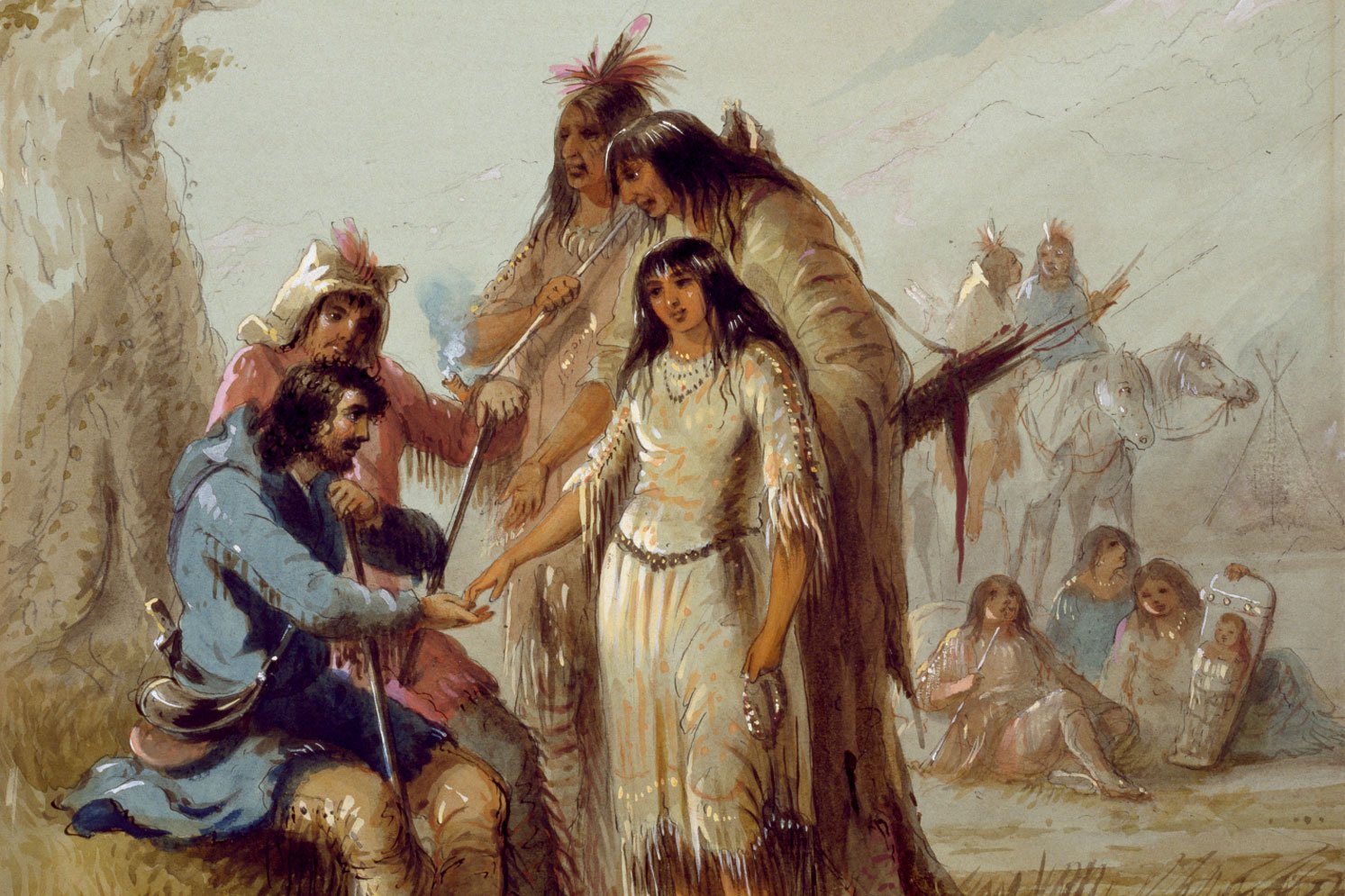
Alfred Jacob Miller. “The Trapper’s Bride.” The Walters Art Museum.
Nothing typifies the rugged spirit of American individualism like the mountain men who traversed the Rocky Mountains during the first half of the 19th century. These hardy men were in search of the “hairy dollars” of beaver pelts, and during their wanderings blazed countless trails that others followed west throughout the century. They also filled in the huge gaps of knowledge over the vast territory that President Thomas Jefferson had secured for the country in 1803 with the Louisiana Purchase, and, although their reign in the western mountains was short-lived, their impact resonated for many decades to come.
The Rocky Mountains stretch for over 3,000 miles from New Mexico across Utah, Colorado, Idaho, Wyoming, and Montana, all the way north to Alaska; only the Andes in South America cover a greater distance. The Rockies consist of more than one hundred individual ranges filled with beautiful valleys, countless creeks, and more than a dozen rivers that flow into the Atlantic, Pacific, and Arctic oceans, as well as the Gulf of Mexico. The American mountain men ranged across these majestic mountains from the early 1800s to the 1840s, and at their peak there were probably 3,000 roaming the western mountains in search of beaver. The typical mountain man was in his 20s or 30s and hailed from farms in the South or Midwest. Their food was mainly meat, and it didn't matter if it flew, ran, or slithered; it was all the same to them, but they especially enjoyed buffalo livers and tongues, eaten raw soon after the animal was killed, and dogmeat. But topping the list, surprisingly, was cougar, considered a real delicacy among mountain men. While many were bachelors, the majority were married men, and both bachelors and married men often took Indian wives who cooked for them, mended their clothes, and provided companionship during their long months of solitude in the mountains. Jim Beckwourth, who was the son of a Virginia slave and her white master but passed himself off as the son of a Crow chief, impressively acquired twelve wives during his forty-plus years in the mountains.
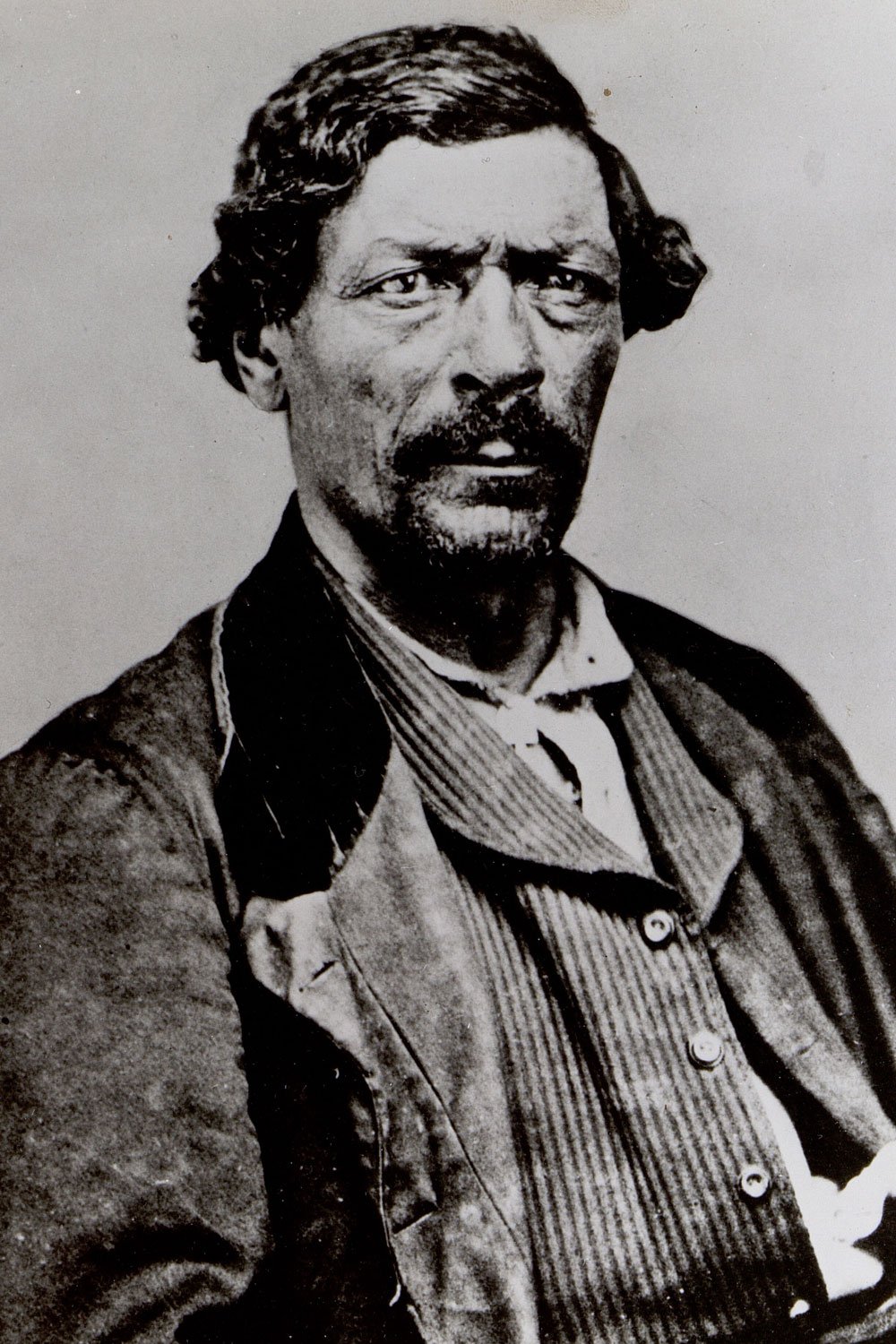
“James P. Beckwourth.” UCLA Library Digital Collections.
Many trappers operated independently, but the majority worked for one of the larger fur companies that had a presence in the mountains, the American Fur Company, founded by John Jacob Astor in 1808, and the Rocky Mountain Fur Company, established in 1822 by William Ashley and Andrew Henry. As fur trapping became more of a business, the size of the trapping parties grew to increase efficiency. Brigades of sixty men or more would set up a base camp, and then groups of two or three would go in various directions in search of beaver. Peak season for fur trapping was in the fall when streams began to freeze over, and beavers acquired their winter coat, and again in the spring when the ice broke, and the animals woke from their winter slumbers. Unless the fall harvest was exceptionally poor, mountain men spent the winter hunkered down in camp, telling tales and enjoying each other’s company, a well-deserved respite from the harsh life they endured, encounters with grizzly bears, all types of diseases, horrible winters, and savage Indians who resisted them at every turn. Moreover, fractures and lacerations from falls were commonplace, and, in the absence of doctors, they tended their own wounds and set their own broken bones; it is estimated roughly fifty mountain men were killed or suffered some sort of violent death each year. Not surprisingly, most mountain men lasted less than half a dozen years before the terribly harsh conditions took their toll and drove them to find another occupation.
But there was money to be made in the mountains during the early part of the 19th century, and each year roughly $300,000 worth of furs were shipped from the mountains back east to St. Louis. For men who were either being chased by the law or had no love for the monotonous life of a farmer, these potential riches were a way to escape from the life they left behind. Newcomers that signed up with one of the major fur companies began his career doing all the unpleasant chores found in a trapper’s camp, such as chopping wood for fuel and feeding the horses; for this backbreaking work, these men were paid roughly $10 a month. It was only after he proved himself useful that he would be allowed to set traps and make extra money. To deal with all the dangers found in the mountains, the trappers became a sort of walking arsenal carrying a rifle, pistol, tomahawk, and a large butcher knife. They carried many other necessities as well, including an Indian blanket, plenty of tobacco, and an extra pair of wool-lined moccasins to wear when their first pair wore out or to eat when times were tough.
But it wasn't all work, and each year, beginning in 1825, hundreds of mountain men, along with entire Indian villages, would gather in the mountains at summer events called a rendezvous. Originally organized by William Henry of the Rocky Mountain Fur Company, the festivals were held at various places in the Rockies but generally in the southwest portion of present-day Wyoming, with the first being at Henry’s Fork of the Green River. The mountain men would bring the furs they had gathered over the course of the winter to the shindig, where they would trade their hard-earned pelts for much-needed supplies brought in by traders for the upcoming year. But a significant part of the money they had earned was frittered away over the course of several weeks on high-priced watered-down whiskey, wild dancing called a fandango, and all sorts of gaming, including horse racing, wrestling, and tomahawk throwing. These rendezvous lasted until the trapper’s furs ran out and they were unable to purchase more revelry, at which time the mountain men turned around and headed back to their wilderness haunts. The last rendezvous was held in 1840, by which time the beaver were largely trapped out, and the fur trade went into a steep decline from which it never recovered.
Although their time in the sun lasted less than forty years, mountain men played a significant role in discovering the American west and, while doing so, left behind some amazing tales.
Enjoyed this article? Share it to help others discover the great American story! Subscribe to receive a new article and video each week, delivered directly to your inbox.
Next week, we will discuss legendary tales of the mountain men. Until then, may your motto be “Ducit Amor Patriae,” love of country leads me.
Hello America!
Subscribe to receive weekly complimentary articles and videos delivered straight to your inbox.
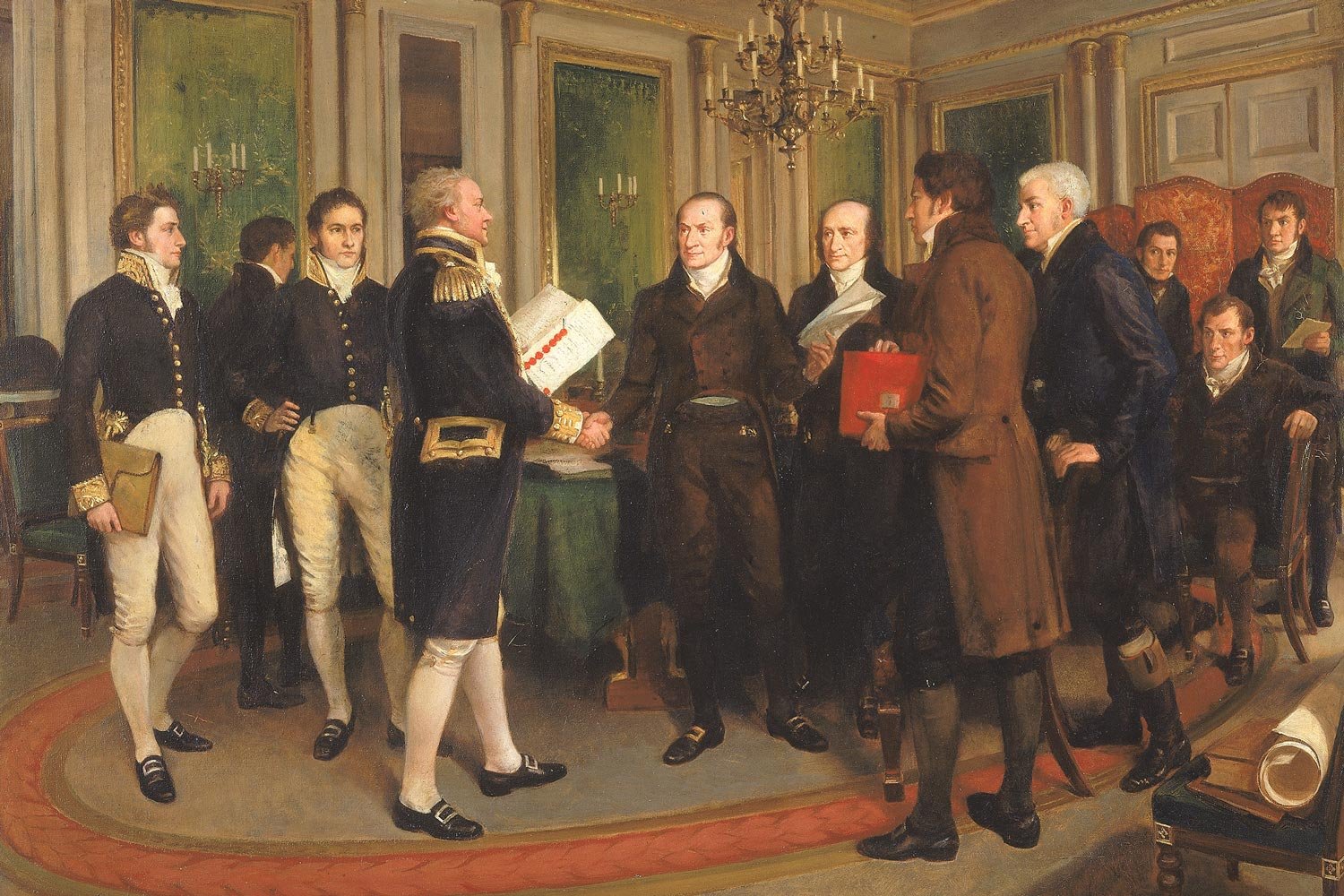
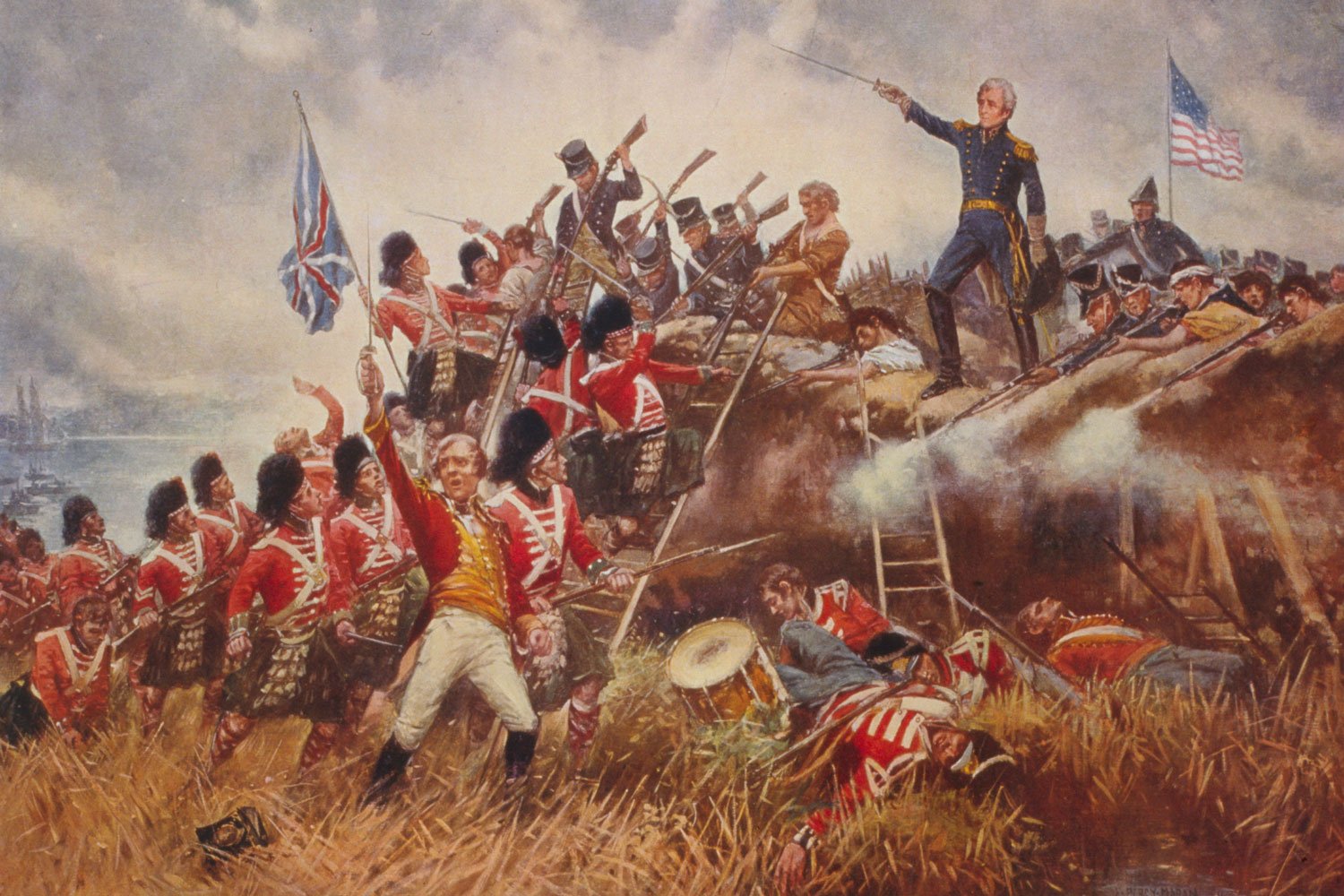
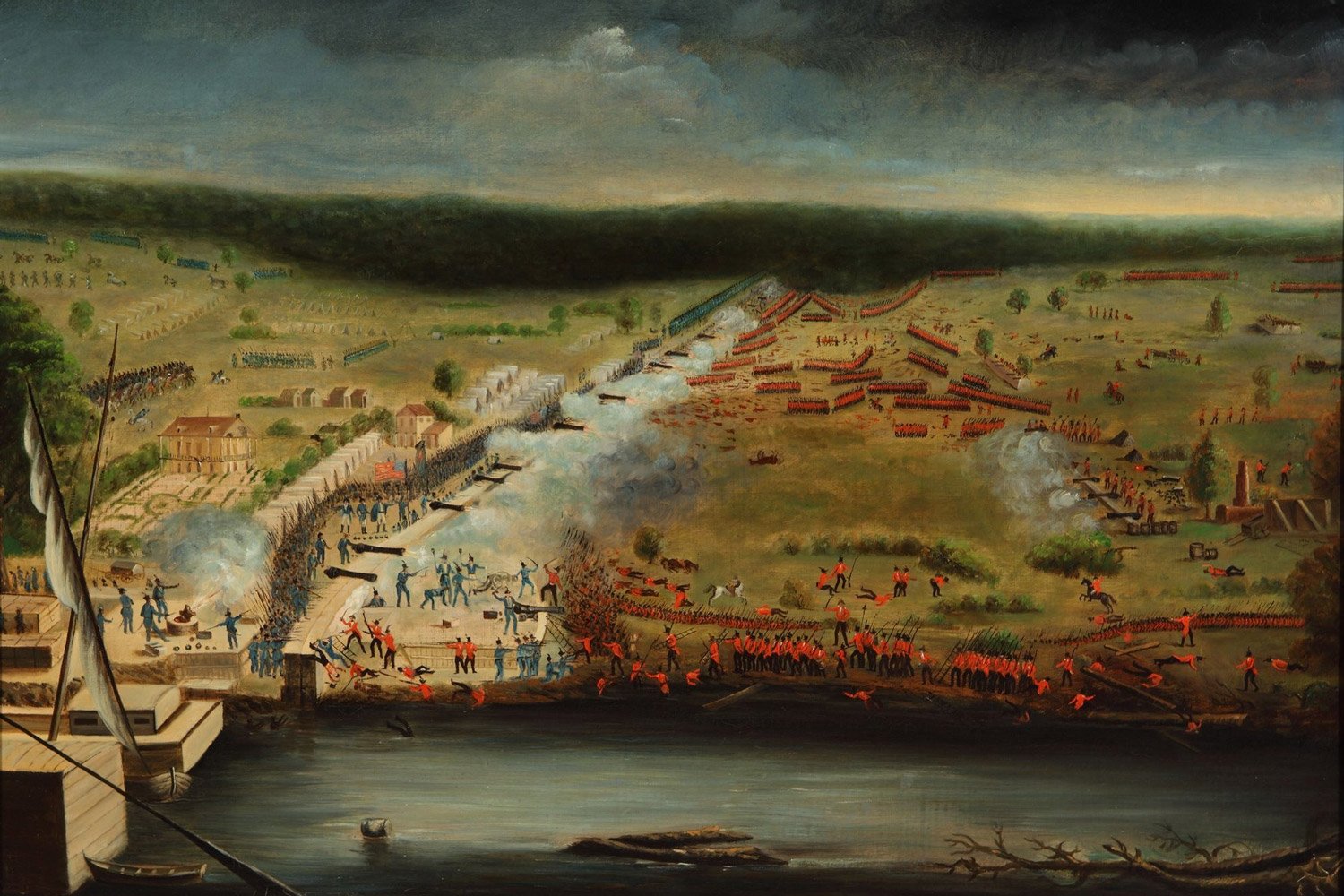
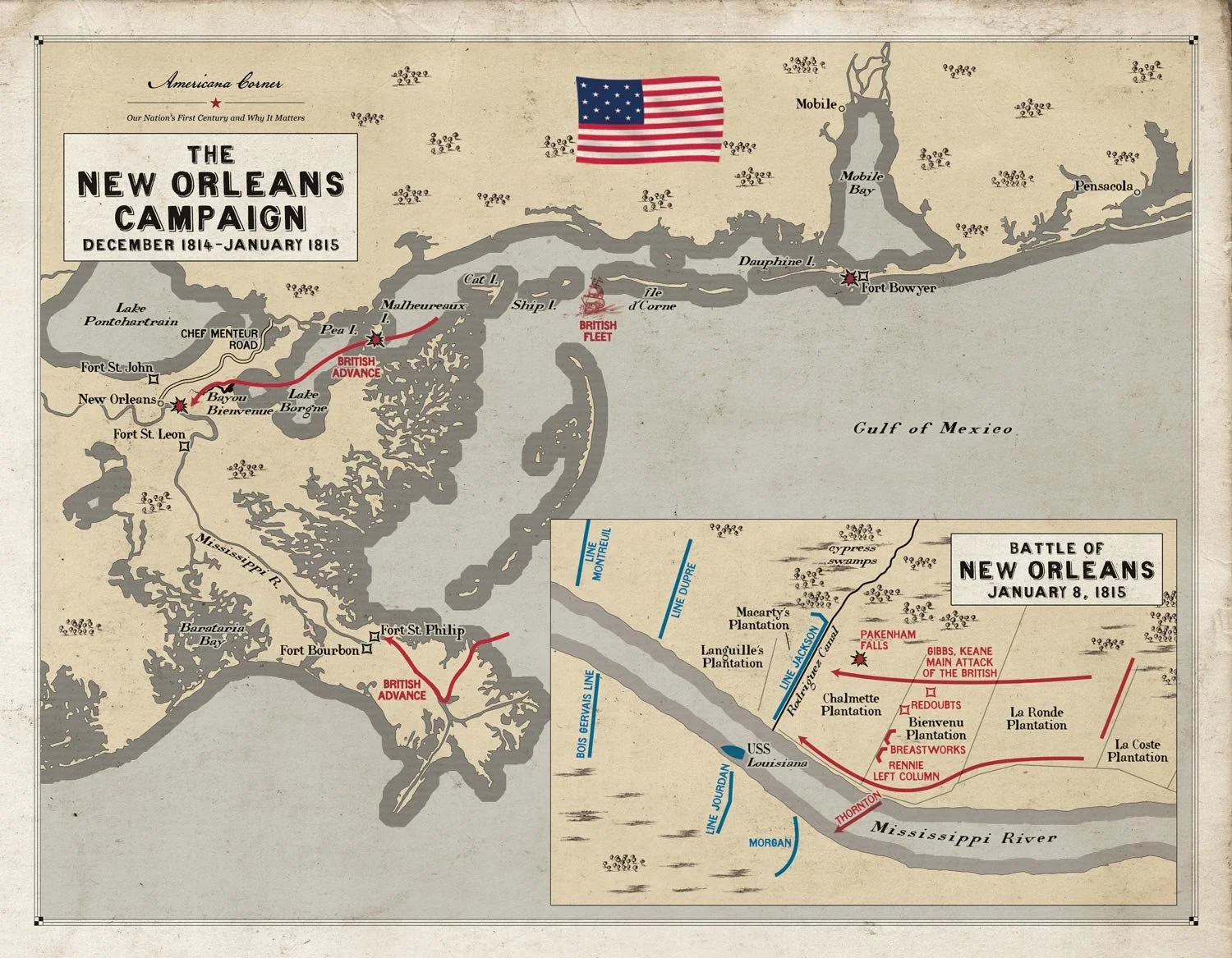
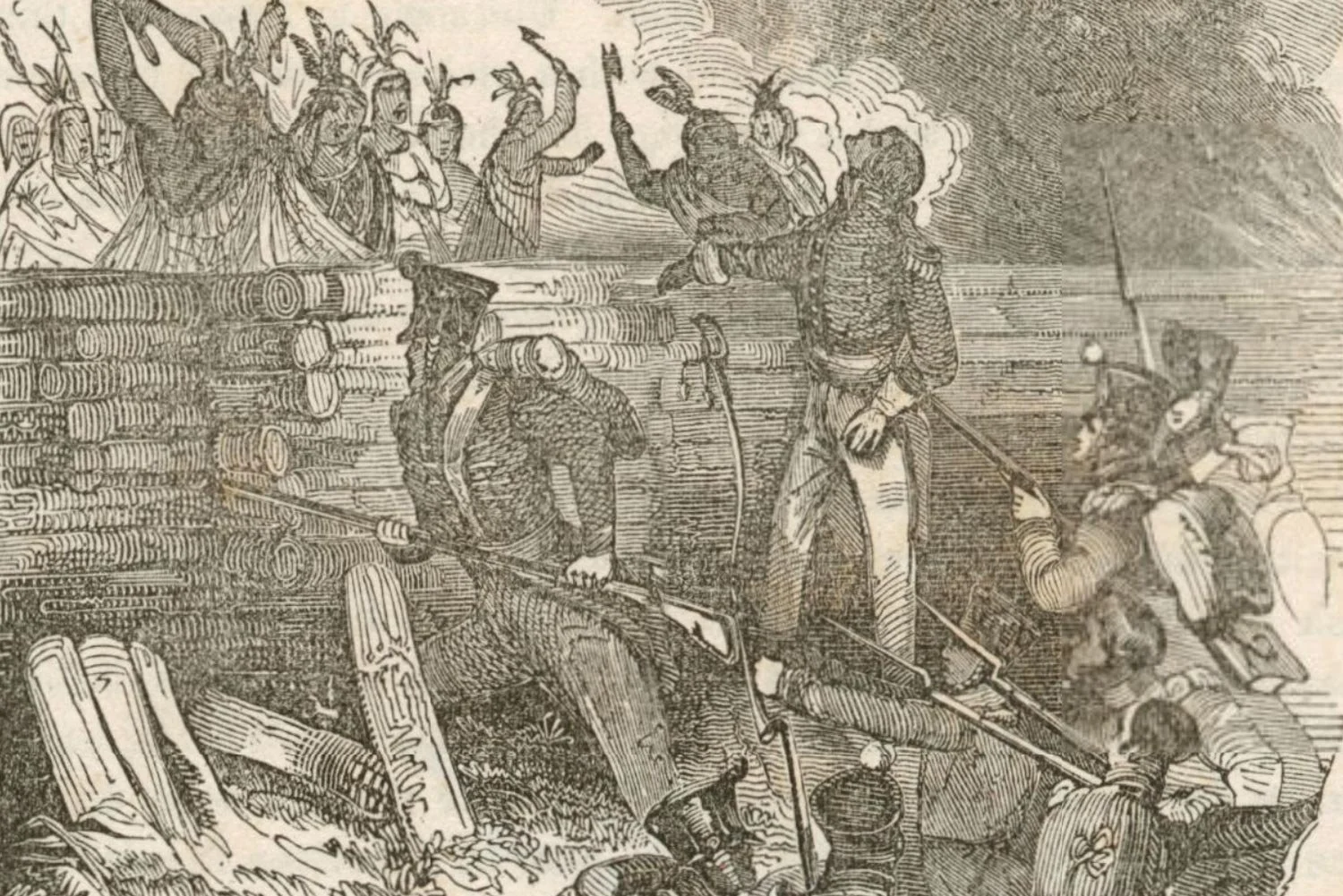
The United States was less than four decades old when it declared war on Great Britain on June 18, 1812. Like the American Revolution that came before it and the terrible Civil War, which followed five decades later, the War of 1812 was largely fought on American soil, and homesteads, farms, and towns across this great land felt its wrath.