
Browse Videos by Category

Colonial Era
American Revolution

The New Nation

National Expansion and Reform

Civil War and Reconstruction (Coming Soon)
War of 1812, Part 37: The Star-Spangled Banner
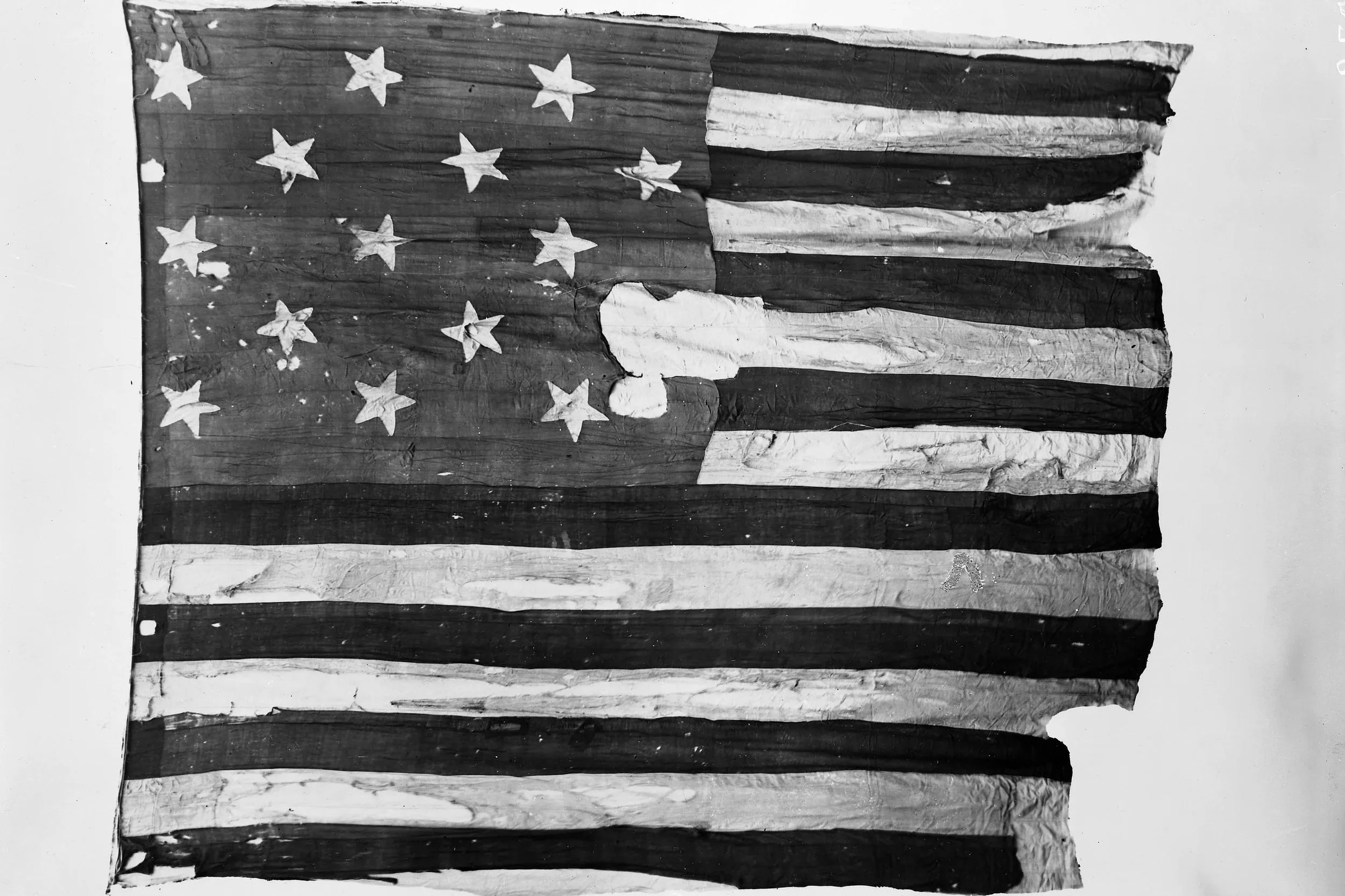
Francis Scott Key’s inspiration for writing the Star-Spangled Banner came about due to the oddest circumstances. Doctor William Beanes, a 65-year-old physician, had been thrown into the brig aboard HMS Tonnant by British General Robert Ross for Beanes’ role in capturing some British stragglers during their advance on Washington. Key, a charming Georgetown lawyer, visited Ross on September 7 to plead for Beanes’ release. Although Key was successful, Admiral Alexander Cochrane refused to release Key and Beanes until after the Battle of Baltimore. Key was returned to his vessel roughly eight miles from Fort McHenry, and it was from this modest sloop that he followed the action with his spyglass. Throughout that long day and into the night, Key watched the bombardment with dreaded anticipation but, shortly after dawn on September 14, the morning sky brightened and the American flag became visible against the clouds.

Our National Anthem
The Star-Spangled Banner, our national anthem, is a beautiful song written by Francis Scott Key the day after the bombardment of Fort McHenry in Baltimore Harbor by British forces during the War of 1812. This assault followed the capture and burning of Washington, DC by the British. Clearly, our nation was in peril. Key was being held prisoner aboard the British ship Minden when the attack began. Key knew losing Fort McHenry and Baltimore would be disastrous for America and wondered if this land of the free and home of the brave could survive the war with England.